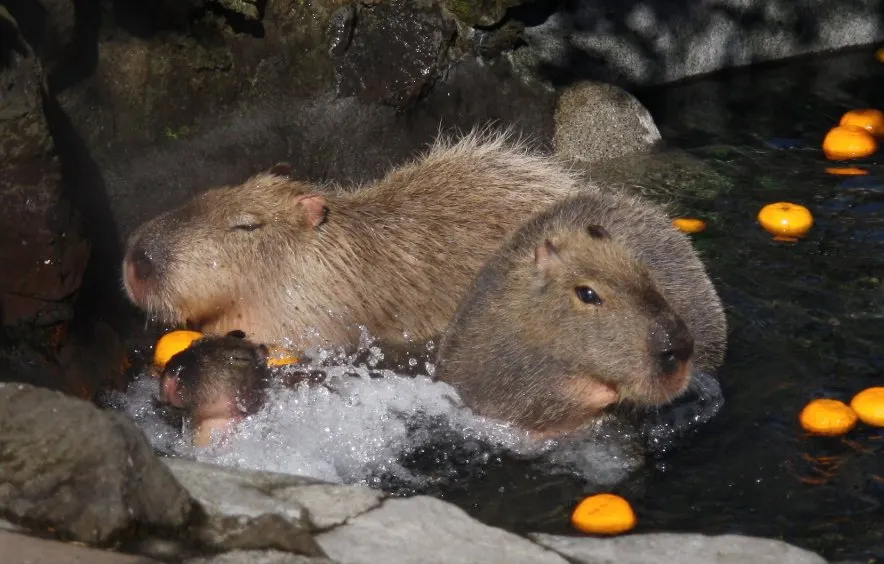
You are standing near a pond in the U.S. There is a brown wet rodent doing mysterious pond business. Someone says, “Capybara!” Someone else says, “Beaver!” A third person says, “That’s a nutria,” with the confidence of a man who once watched a 14-second TikTok twice. Nearby, a guinea pig is not involved but somehow gets dragged into the argument anyway.
This guide is for that exact moment.
Capybaras, nutrias, beavers, and guinea pigs are all rodents. They all have chisel-like incisors. They all look at life with the expression of an accountant who has seen your receipts. But they are not interchangeable. One is the world’s heaviest living rodent. One is an invasive wetland problem in parts of the United States. One is a native North American ecosystem engineer with a paddle tail and a construction habit. One is a domestic couch potato with continuously growing teeth and no business being in a marsh.
The fast answer: if it is huge, social, mostly tailless, and in South America, think capybara. If it is medium-large, has a round rat-like tail, white whiskers, orange incisors, and is in a U.S. wetland, think nutria. If it has a broad flat tail and is rearranging hydrology like a tiny civil engineer, think beaver. If it is loaf-sized, squeaking indoors, and asking for bell pepper, think guinea pig. Nature is complicated, but not that complicated. Mostly.
The Quick Answer For Confused People
Start with the tail. This is the field-guide cheat code, and it is rude how well it works.
A capybara has no visible tail. A nutria has a long, round, sparsely haired tail. A beaver has a broad, flat, scaly paddle tail. A guinea pig has no visible tail, but it is also the size of a burrito and usually not volunteering at the creek.
Size is the second clue. Animal Diversity Web lists common capybaras at about 35 to 66 kg, or roughly 77 to 145 pounds. Smithsonian’s National Zoo lists North American beavers at 35 to 65 pounds, with the capybara still heavier. USGS describes adult nutrias around 47 to 57 cm in body length, with males reaching about 20 pounds. Animal Diversity Web lists domestic guinea pigs at 700 to 1,100 g, which is a polite way of saying “please stop comparing this animal to a beaver unless the beaver is a newborn with a side hustle.”
Habitat is the third clue. Capybaras are native to South America and rely on freshwater edges. Beavers are native to North America and famous for ponds, lodges, and dams. Nutrias are South American too, but in the U.S. they are introduced animals in many wetland systems. Guinea pigs are domesticated cavies; the domestic species no longer exists as a wild animal, according to Animal Diversity Web.
Capybara Vs Nutria Vs Beaver Vs Guinea Pig
If you are scanning from a trail, kayak, backyard camera, or suspiciously chaotic group chat, use this table first. Then, if the animal is wild, leave it alone. We are identifying, not auditioning for an emergency room anecdote.
Fast field marks for four commonly confused rodents
| Animal | Best Field Mark | Typical Adult Size | Tail | Where U.S. Readers May Encounter It | Common Mix-Up |
|---|---|---|---|---|---|
| Capybara | Very large, barrel-shaped, semi-aquatic cavy with no visible tail | About 77-145 lb in ADW range data | No visible tail | Zoos, wildlife parks, private facilities, rare escaped/released reports | Often mistaken online for nutria because both love water and look unimpressed |
| Nutria / Coypu | White whiskers, orange incisors, arched body, long round tail | Usually about 11-22 lb; males can reach about 20 lb in USGS data | Long, round, rat-like, sparsely haired | Wetlands, canals, marshes, ponds, especially where introduced populations exist | Often mistaken for beaver or muskrat |
| North American Beaver | Broad flat tail, large body, webbed rear feet, dam/lodge activity | Commonly 35-65 lb according to Smithsonian | Wide, flat, scaly paddle | Streams, ponds, lakes, wetlands across much of North America | Often mistaken for nutria when the tail is hidden |
| Guinea Pig | Small domestic cavy, compact body, no visible tail, indoor pet energy | About 1.5-2.4 lb in ADW range data | No visible tail | Homes, rescues, veterinary clinics, classroom memories | Jokingly compared with capybaras because they are related cavies |
Capybara: The Wetland Sofa With A Social Calendar
The capybara is the big one. The famous one. The animal people describe as “giant guinea pig” because humans love accuracy right up until a meme is available.
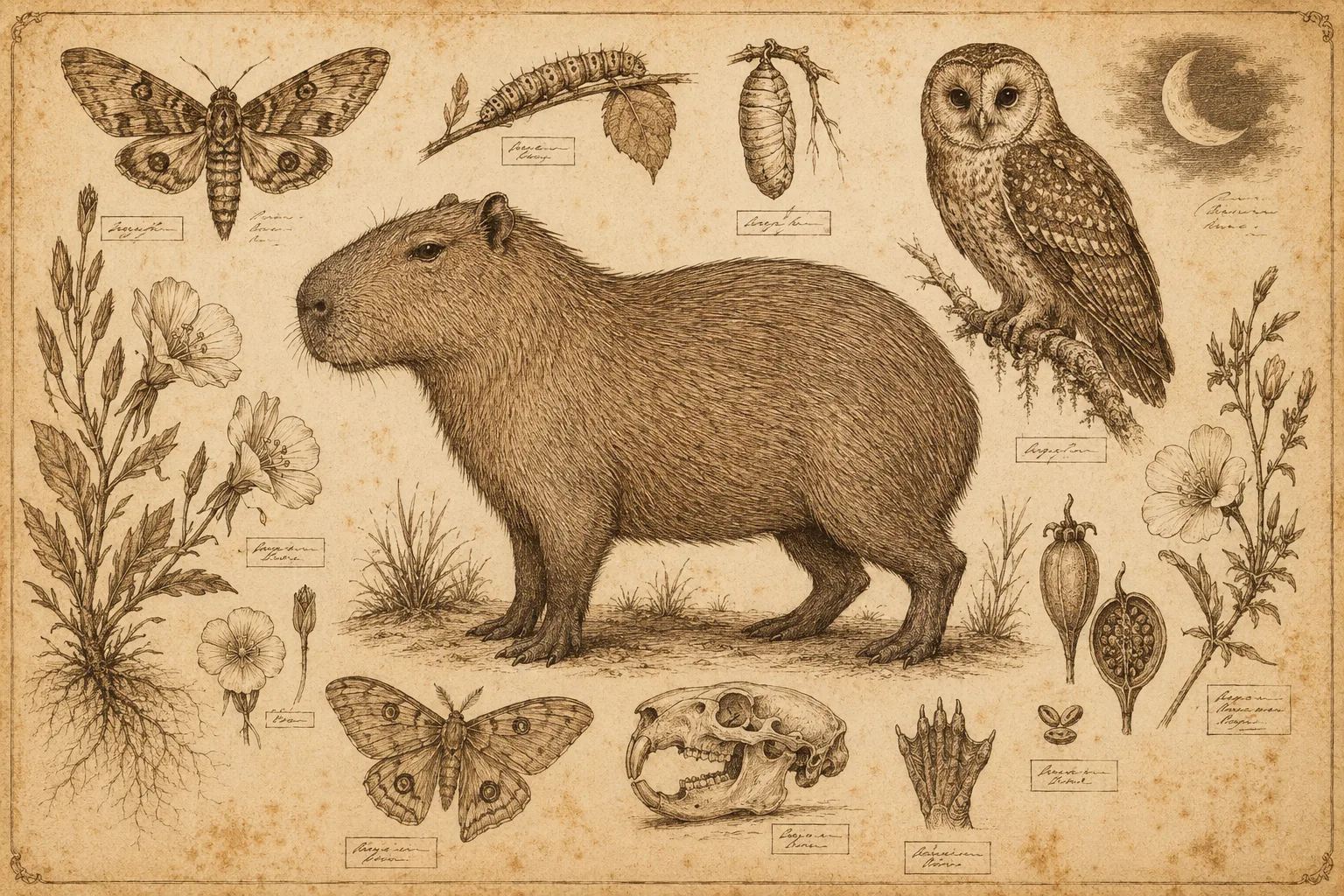
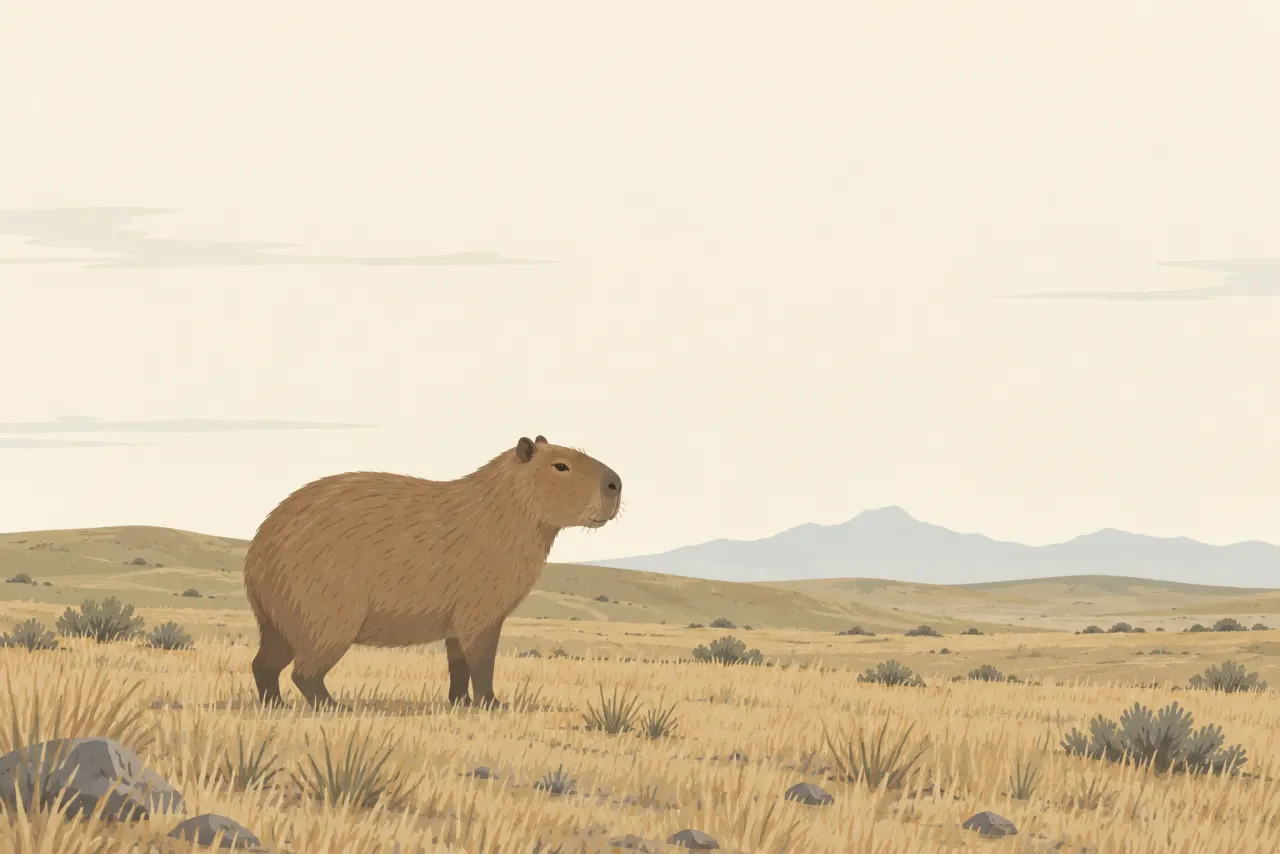
Scientifically, common capybaras are Hydrochoerus hydrochaeris, members of family Caviidae, which means they are related to guinea pigs. This is not just internet poetry. Animal Diversity Web places capybaras in Caviidae and describes them as strictly South American rodents, with range across much of Brazil, Uruguay, Venezuela, Colombia, the Argentinian pampas, and west toward the Andes. They are grazers, water-edge specialists, and social animals, not plush furniture released by a wellness brand.
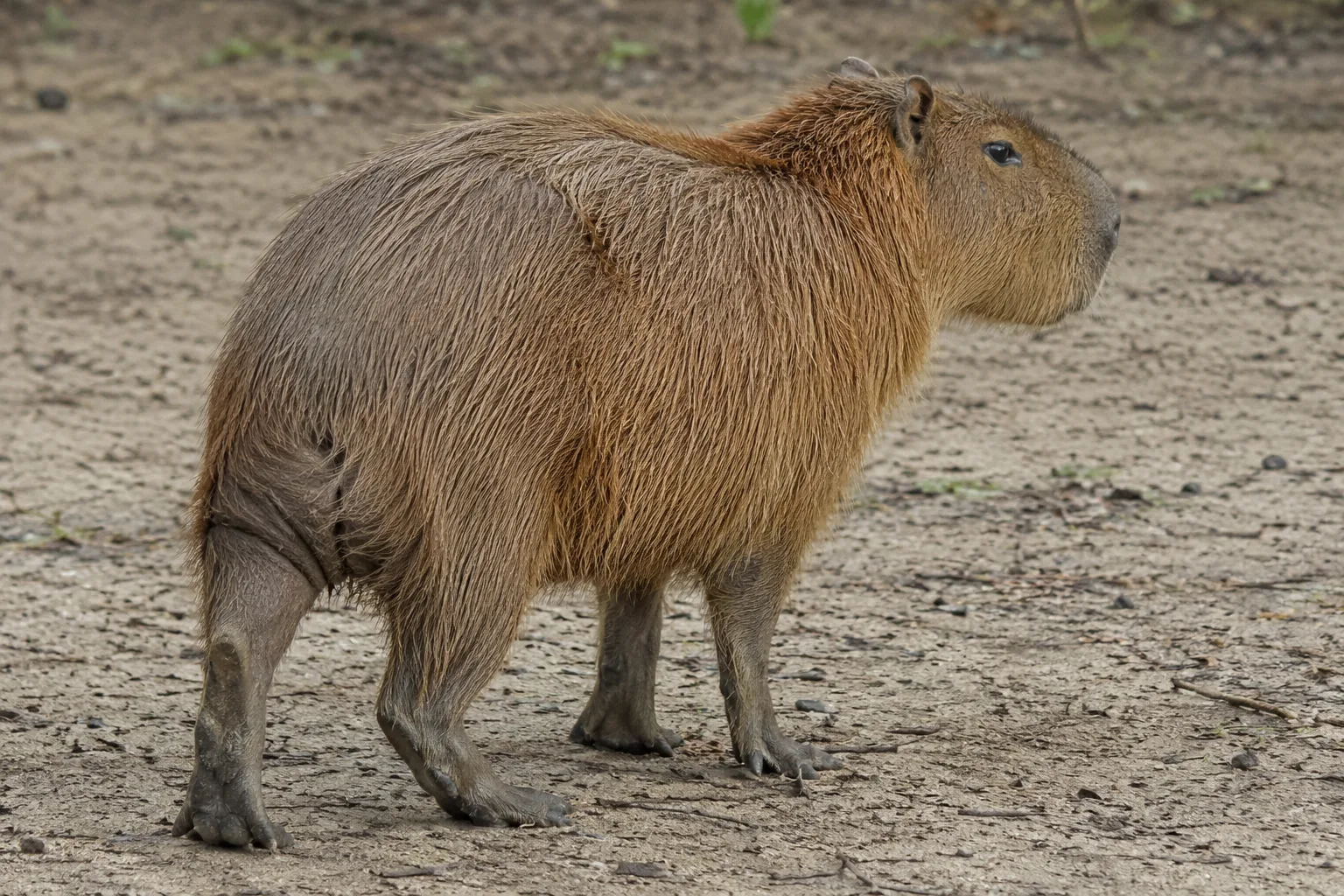
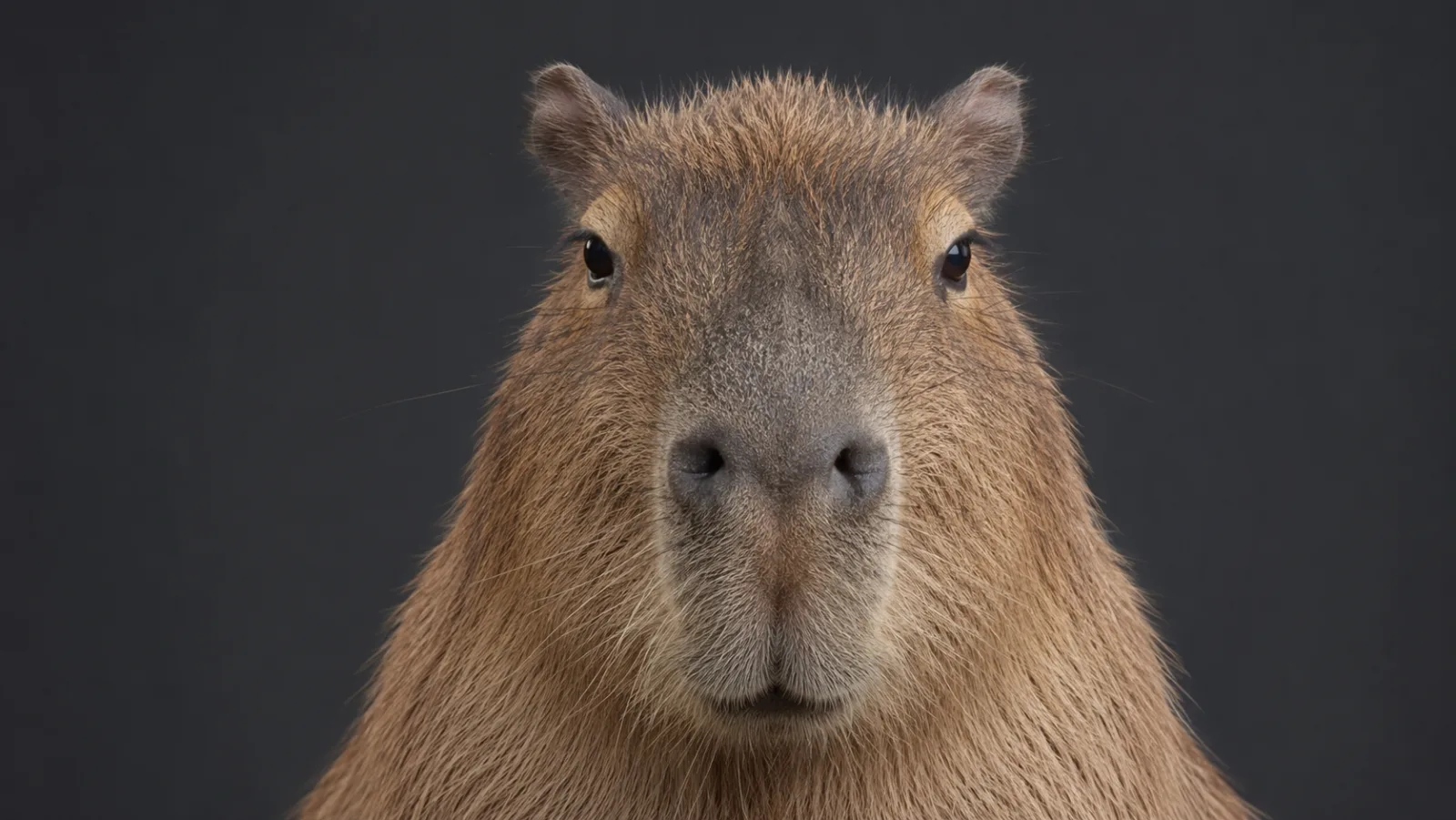
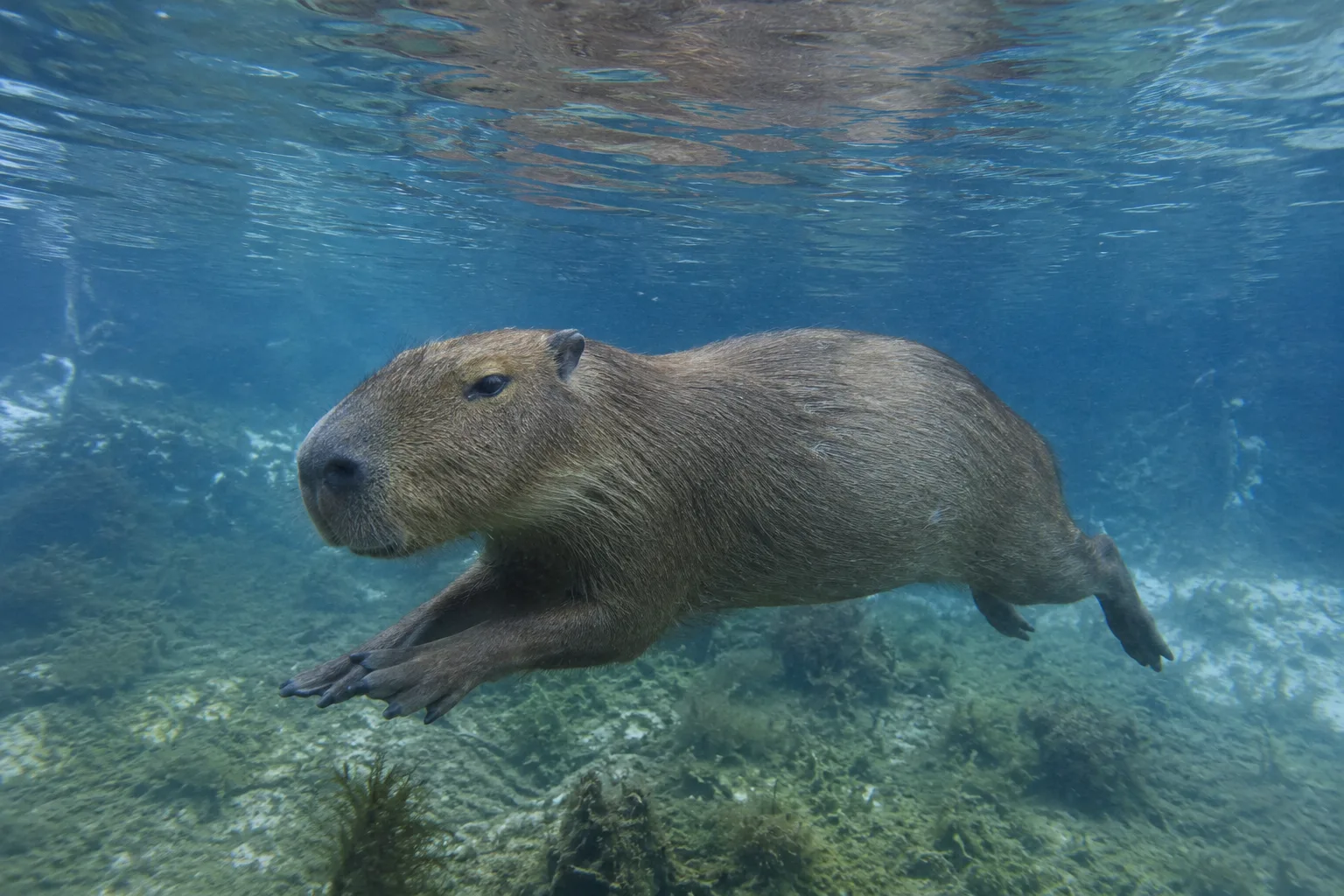
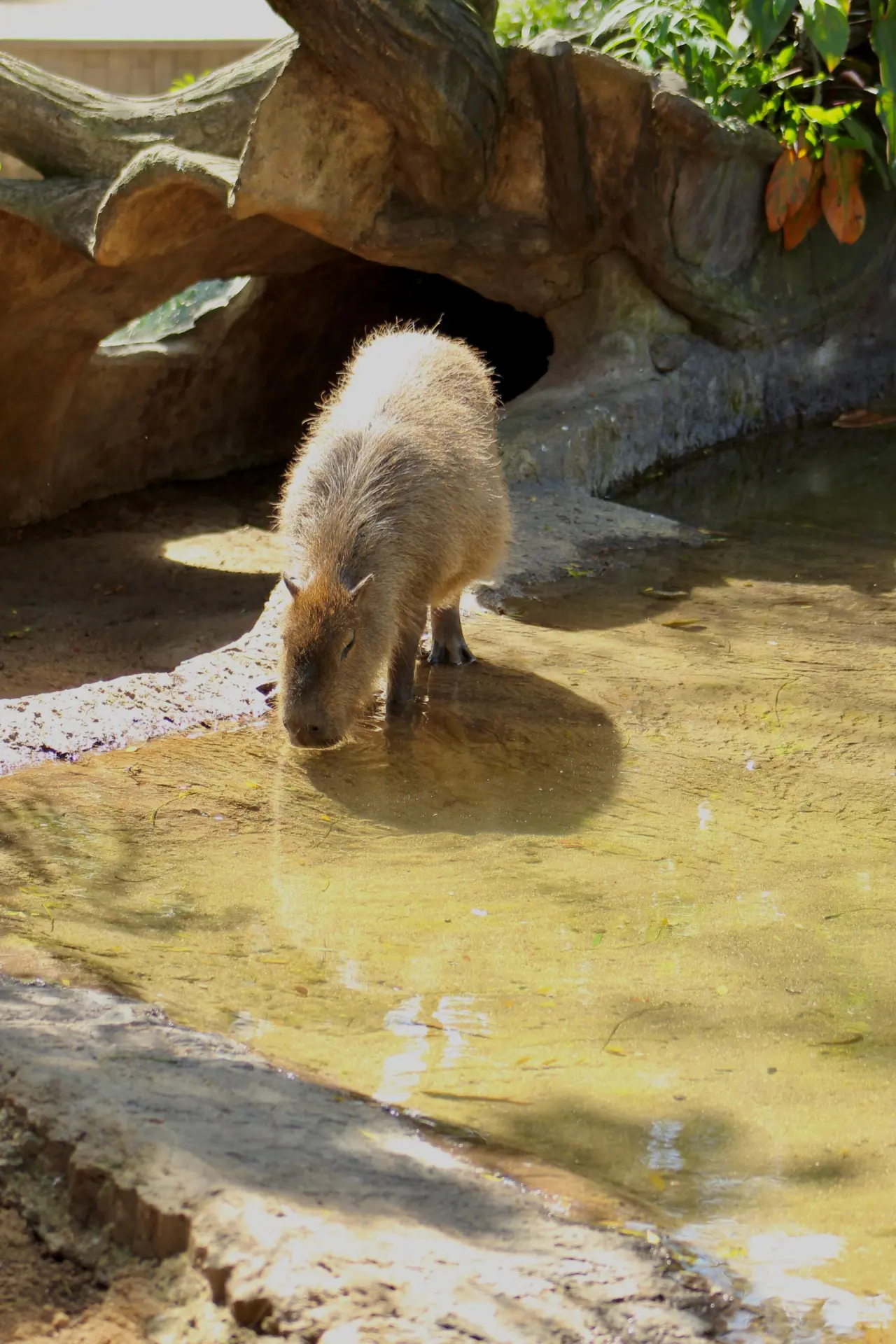
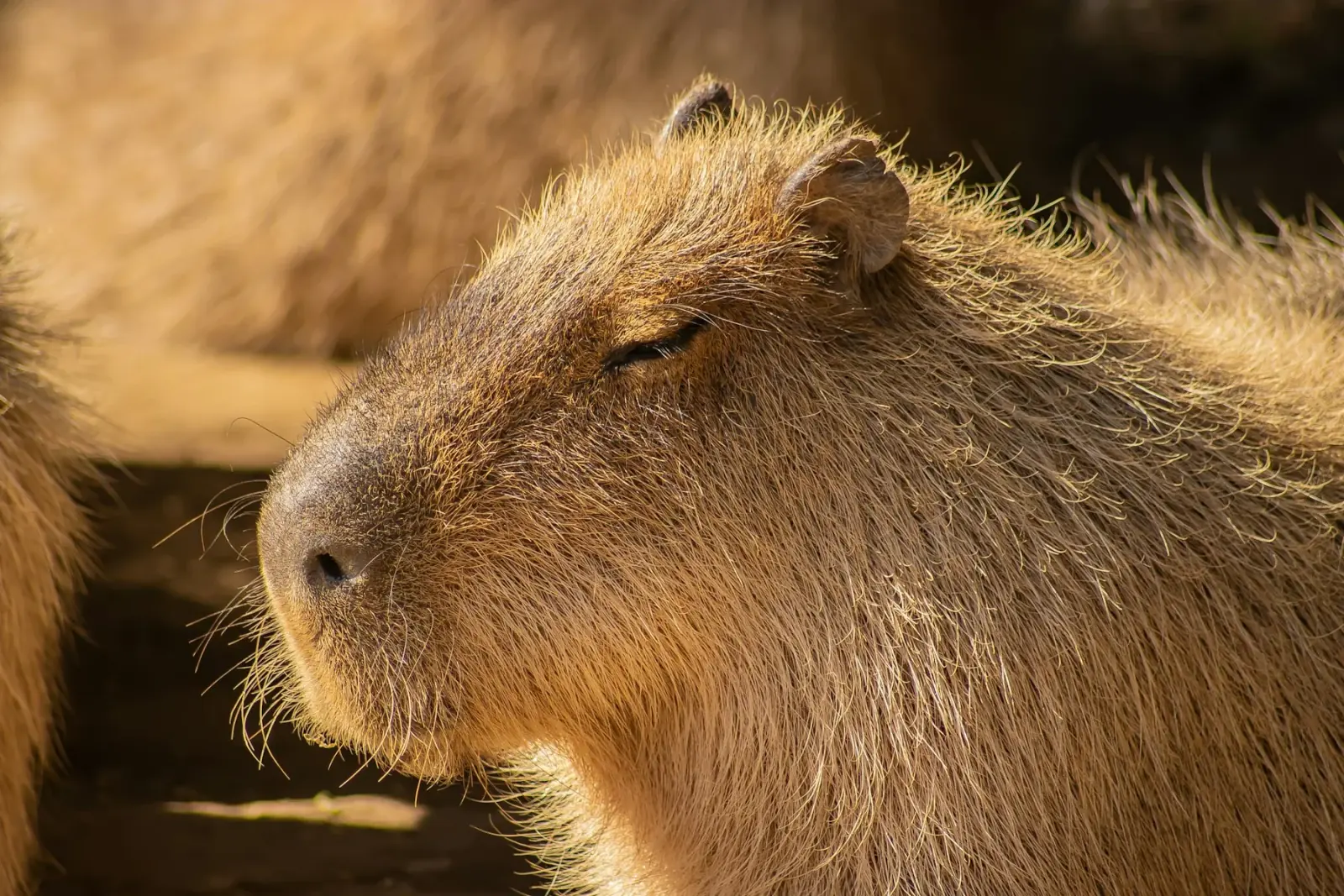
The field marks are beautifully unfair to the other contenders. Capybaras are large, barrel-shaped, blunt-headed, and basically tailless to the observer. Their eyes, ears, and nostrils sit high on the head, a semi-aquatic setup that lets them keep watch while most of the body is in water. Animal Diversity Web notes they are strong swimmers, use water during the hot part of the day, and may hide with just eyes and nostrils exposed. Very calm. Also very strategic. The face says spa day; the body says emergency protocol.
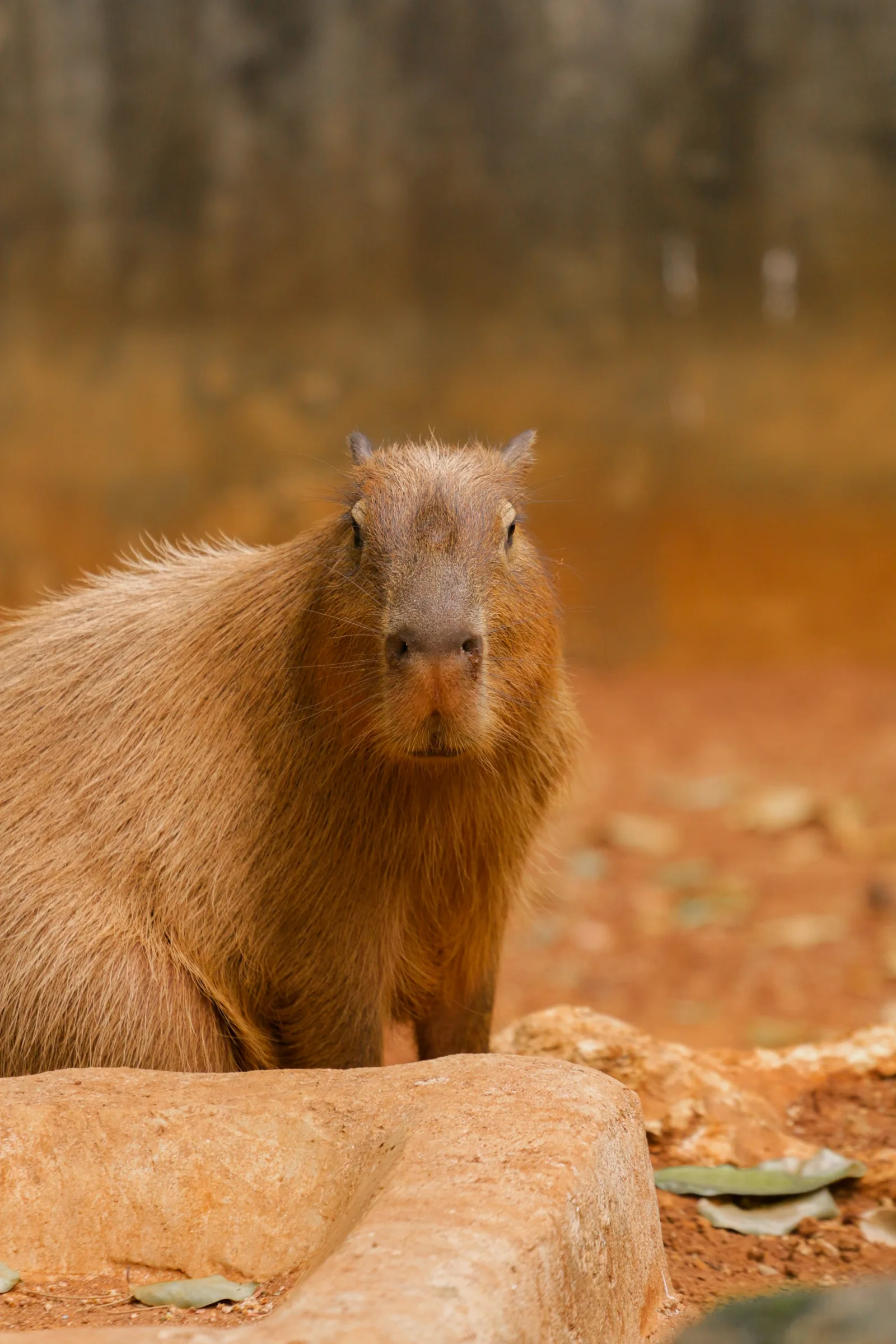
For U.S. readers, the capybara clue is usually context. In the United States, a true capybara sighting is most likely at a zoo, sanctuary, or private facility. Wild U.S. wetland rodents are much more likely to be beavers, muskrats, or nutrias depending on the region. A loose capybara can happen, because exotic animal ownership and escapes exist, but “giant brown rodent in Louisiana canal” should not immediately become “capybara” just because the internet has trained your heart to hope.
Capybara vibe test: big as a medium dog, blunt head, no visible tail, feet partly webbed, often in a group, usually near water, and carrying the emotional energy of someone who left the party without saying goodbye.
Nutria: The Orange-Toothed Impostor With A Rat Tail
Nutria, also called coypu, are the main reason this article needs to exist. In many U.S. wetland photos, the “baby capybara” is a nutria. The nutria would like to be excluded from the capybara discourse, but unfortunately it keeps showing up with a long tail and incriminating teeth.

USGS describes nutria (Myocastor coypus) as large, semi-aquatic rodents with robust, highly arched bodies, short legs, long tails, dense brown fur, small ears, long whiskers, and prominent incisors. The same USGS profile gives the practical comparison: nutria resemble American beavers and muskrats, but their white whiskers, large rounded tails, and partially webbed hind feet help separate them from native species. That is the official version. The field version is: if it looks like a beaver ordered from memory, inspect the tail.
Animal Diversity Web adds the orange-tooth detail: nutria have broad incisors with orange-pigmented front surfaces, webbing on the first four digits of the hind feet, and a long rounded tail. Adult body mass is listed around 5 to 10 kg, or 11 to 22 pounds. That is a sturdy animal, not a pocket pet, but it is still much smaller than an adult capybara.
Nutrias are native to South America, but in the U.S. they are introduced. USGS tracks nonindigenous occurrences, and many state wildlife agencies treat nutria as an invasive species because they damage marsh vegetation, burrow into banks, and can worsen erosion. This is where the Grumpy Capy tone gets serious for a second: do not release exotic pets, do not feed wild nutrias, and do not turn invasive species into a cute local mascot just because they have villain-orange teeth. Wetlands have enough drama.
Nutria vibe test: medium-large wetland rodent, round rat-like tail, white whiskers, orange teeth, arched back, often seen in canals, marshes, and pond edges. It is not a baby capybara. It is a nutria, and it knows you were about to be wrong.
Beaver: The Native Engineer With The Paddle Tail
A beaver is not just “large wet rodent.” A beaver is infrastructure with fur.
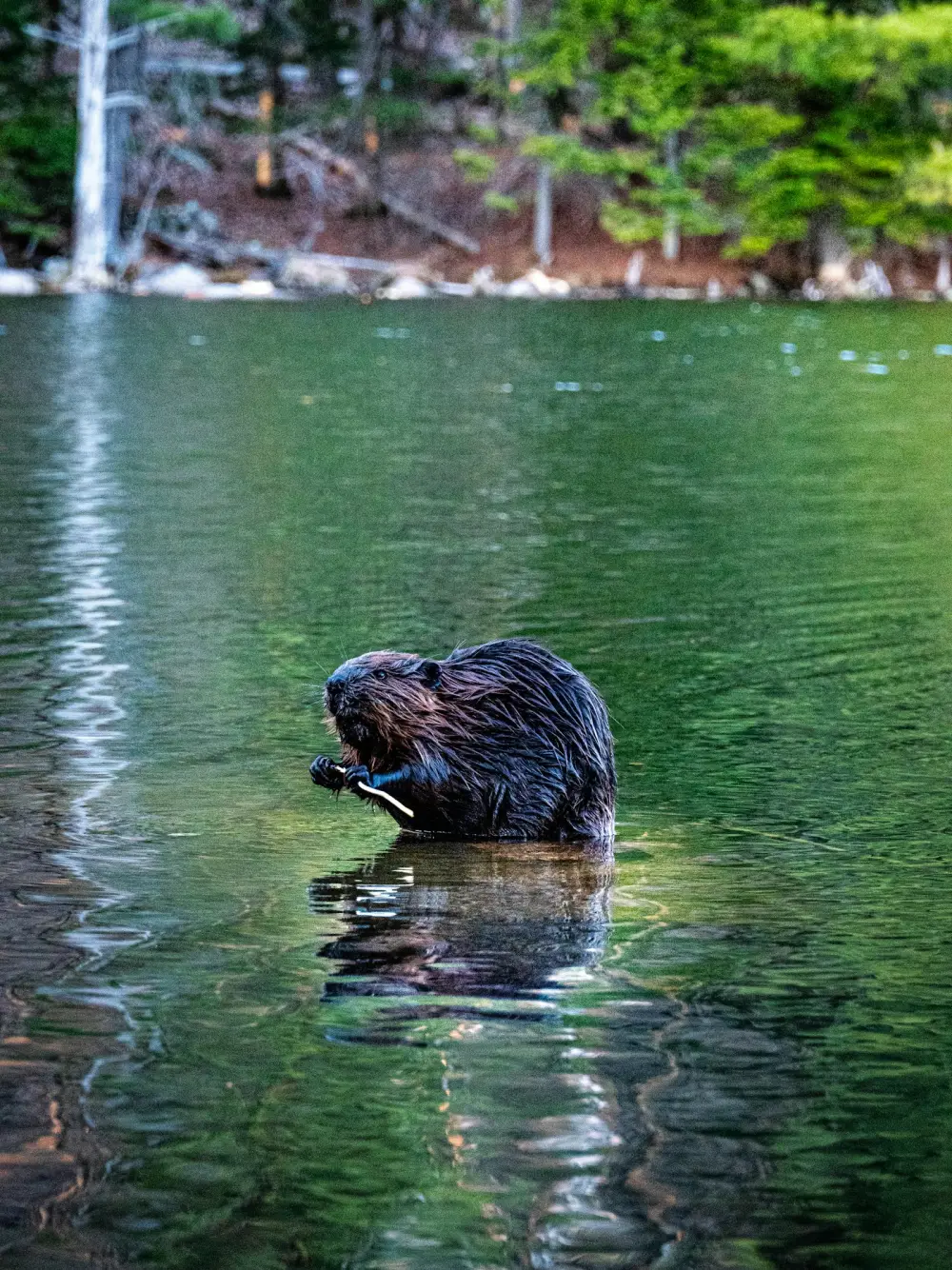
The North American beaver is Castor canadensis. Smithsonian’s National Zoo calls beavers the largest rodents in North America and notes the traits you actually need: stocky body, broad flat scaly tail, large orange incisors that grow continuously, webbed rear feet, and dexterous front paws. The orange teeth are not a beaver-exclusive clue, because nutria also have orange incisors. The tail is the courtroom evidence.
Beavers are native across much of North America, including many places where U.S. readers hike, paddle, fish, or stare suspiciously at trail-cam footage. They build dams and lodges, chew woody vegetation, and create slow-moving ponds. The National Park Service describes the beaver as a keystone species because damming, diverting streams, and felling woody plants affect habitat structure. EPA, summarizing a global literature review of 267 peer-reviewed studies, frames beavers as nature’s engineers whose dams can affect streams, water quality, habitat, and sedimentation across biomes. Translation: when a beaver clocks in, the landscape gets a meeting invite.
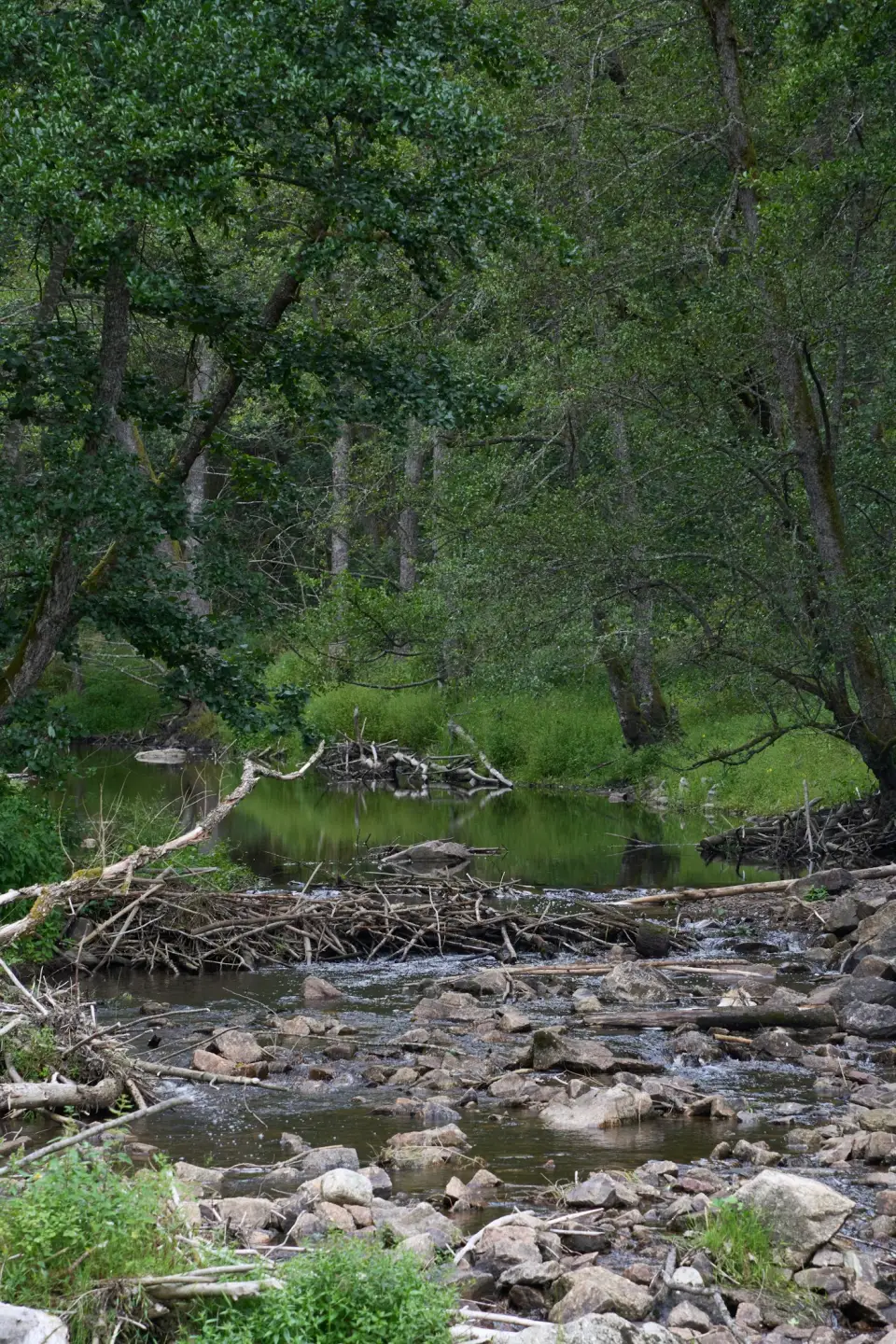
The mistake usually happens when the beaver is swimming and the tail is underwater. A beaver head at pond level can look like a nutria head to a tired hiker. But beavers are typically heavier than nutrias, have a broader head, lack the nutria’s long round tail, and are much more likely to leave woodworking evidence. If the animal has a paddle tail or there is a dam nearby, stop blaming capybaras for local hydrology.
Beaver vibe test: big native aquatic rodent, broad flat tail, webbed rear feet, woody construction evidence, orange incisors, pond/lodge/dam behavior, and the unmistakable aura of someone who read the zoning code and chose violence.
Guinea Pig: The Tiny Cousin Who Stayed Home
Guinea pigs are included here because people call capybaras “giant guinea pigs,” which is both charming and a little like calling a horse a “large tax form.” There is a real relationship, but the field-guide risk is different. You are unlikely to confuse a wild beaver with a guinea pig unless the lighting is terrible and the guinea pig has taken up kayaking.
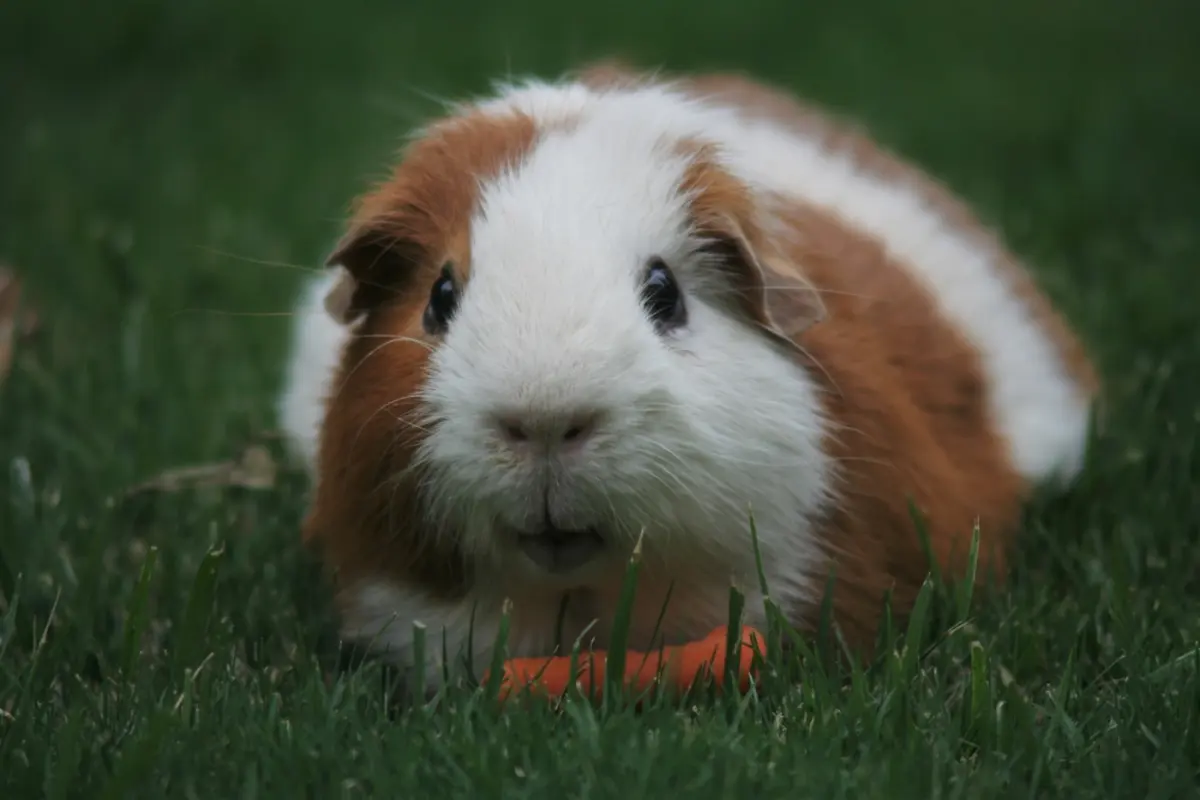
Domestic guinea pigs are Cavia porcellus, also in family Caviidae. Animal Diversity Web describes them as tailless rodents weighing roughly 700 to 1,100 g and measuring about 20.3 to 25.4 cm long. They have compact cylindrical bodies, petal-shaped ears, and 20 teeth. Like many rodents, their teeth grow continuously and are maintained by grinding during feeding.
The science-backed twist: guinea pigs are not just tiny capybaras. They are domesticated cavies with a long relationship to people in the Andes and beyond. Animal Diversity Web notes domestic guinea pigs no longer exist in the wild. So if you see a small, tailless, potato-shaped rodent indoors, yes, guinea pig. If you see a 100-pound version in a river, no, that is not a guinea pig that discovered protein powder. It is a capybara.
Guinea pig vibe test: small enough to fit in two hands, domestic setting, no visible tail, compact body, loud opinions, and no credible plan for dam construction.
The Field ID Method: Tail, Size, Place, Behavior
When you are trying to identify one of these animals, use the boring method. Boring works. Boring keeps you from posting a nutria and calling it “Florida capybara king” while three biologists quietly develop a headache.
1. Tail first. Flat paddle tail means beaver. Long round tail means nutria. No visible tail plus huge body means capybara. No visible tail plus tiny body means guinea pig.
2. Size second. Capybaras can weigh more than many dogs. Beavers are large but usually lighter than capybaras. Nutrias are much smaller than beavers and capybaras, though still chunky. Guinea pigs are small domestic animals. If you need a leash, a pond, and a zoning hearing, it is not a guinea pig.
3. Place third. A wild-looking animal in a U.S. wetland is more likely beaver, muskrat, or nutria than capybara. A capybara in the U.S. usually points to a managed facility or an escaped/released exotic. A guinea pig outside is not “wildlife”; it may be a dumped or lost pet, and that is a welfare issue.
4. Behavior last. Beavers cut trees and build. Nutrias feed on aquatic vegetation and burrow in banks. Capybaras graze and hang near water in social groups. Guinea pigs wheek, hide, and make salads disappear with shocking efficiency.
U.S. Context: The Confusion Is Usually Nutria Vs Beaver
For American readers, the common real-world confusion is not capybara versus guinea pig. It is nutria versus beaver, often with muskrat lurking just outside the frame like an unpaid intern. Capybaras are internet-famous, but beavers and nutrias are the animals you are more likely to meet near a U.S. pond.
The beaver matters ecologically because it is native and often beneficial, even when its projects conflict with human drainage preferences. Smithsonian notes beaver dams form slow-moving ponds, reduce erosion, and provide habitat for many other species. EPA’s 2024 Science Matters piece also points to how beaver dam effects vary by biome, which is a good reminder that “beavers good” and “beavers inconvenient” can both be true depending on location.
The nutria matters because introduced populations can be destructive. USGS lists nutria as exotic in its Nonindigenous Aquatic Species database and provides state-level occurrence records. In the field, that means a nutria is not just a funny capybara remix. It may be part of a management problem for wetlands, levees, and native plant communities.
So the field-guide moral is simple: identify before romanticizing. A capybara can be an icon. A beaver can be an ecosystem engineer. A nutria can be an invasive headache. A guinea pig can be late for dinner. Same order, different jobs.
Common Mistakes That Make Wildlife People Tired
Calling every wet rodent a capybara. This is emotionally understandable and scientifically punishable by gentle side-eye. Capybaras are not native to the U.S.; most U.S. wetland rodents are something else.
Using orange teeth as the only clue. Beavers and nutrias can both show orange incisors. The color comes from iron-rich enamel in many rodents, and Smithsonian explains this well for beavers. Orange teeth are a clue, not a verdict.
Ignoring the tail because the head is cute. The tail is the plot. Wait for it. Watch the animal swim away. Check photos. Ask whether the tail is flat, round, or absent from view.
Assuming “giant guinea pig” means pet logic. Capybaras and guinea pigs are cavy relatives, but a capybara is a large semi-aquatic social mammal with serious habitat needs. The relationship is real. The care comparison is nonsense wearing a tiny hat.
Approaching for a better photo. No. Wildlife does not owe you a close-up. Use a zoom lens, keep distance, and let the damp professionals continue their damp profession.
The Shareable Cheat Sheet
Use this when someone sends a blurry pond creature and demands an answer in eight seconds:
Flat tail? Beaver.
Round rat tail? Nutria.
No visible tail, giant body, South American wetland or zoo? Capybara.
No visible tail, tiny body, indoor vegetable negotiations? Guinea pig.
That is the clean version. The grumpy version: stop calling every wet brown mammal a capybara just because you want the universe to be softer. Sometimes the universe gives you a nutria with bank-damage ambitions.
And, that is still interesting. The real animals are better than the mistake. The capybara is a massive social grazer built around water. The nutria is an introduced wetland specialist with field marks so dramatic it looks designed for a detective board. The beaver is a native engineer that can change water, habitat, and whole neighborhoods of species. The guinea pig is the domestic cavy cousin that reminds us evolution has a sense of scale and an apparently unlimited interest in teeth.
Different animals. Same rodent order. All excellent at making humans point at water and argue.