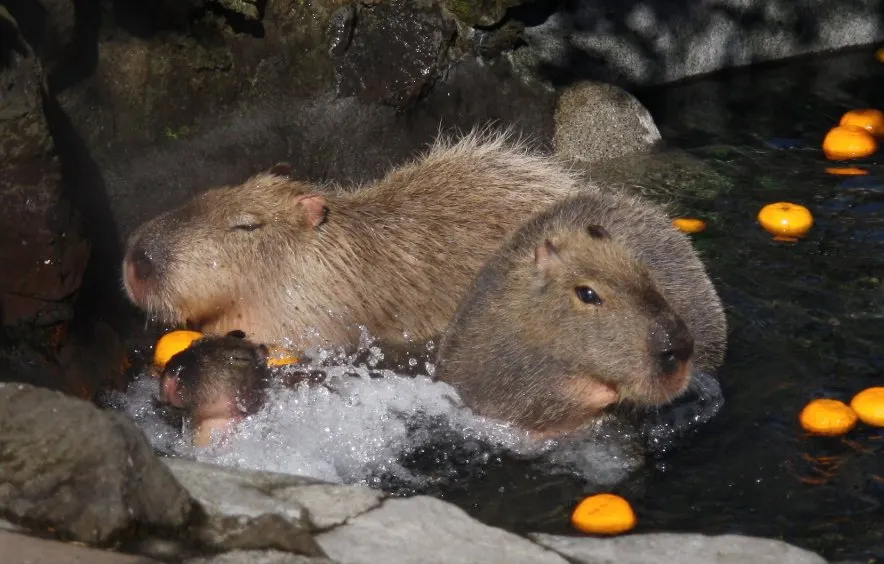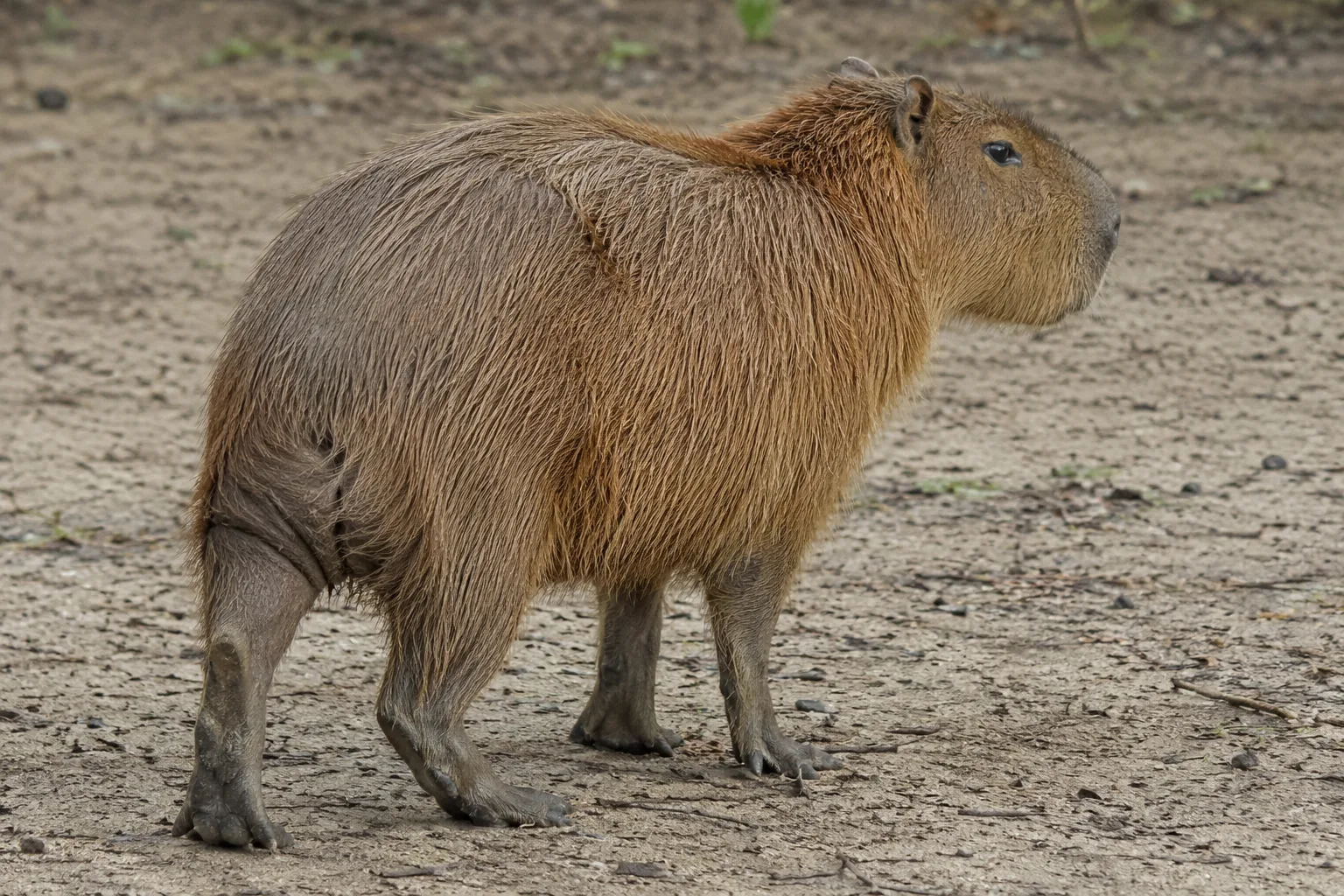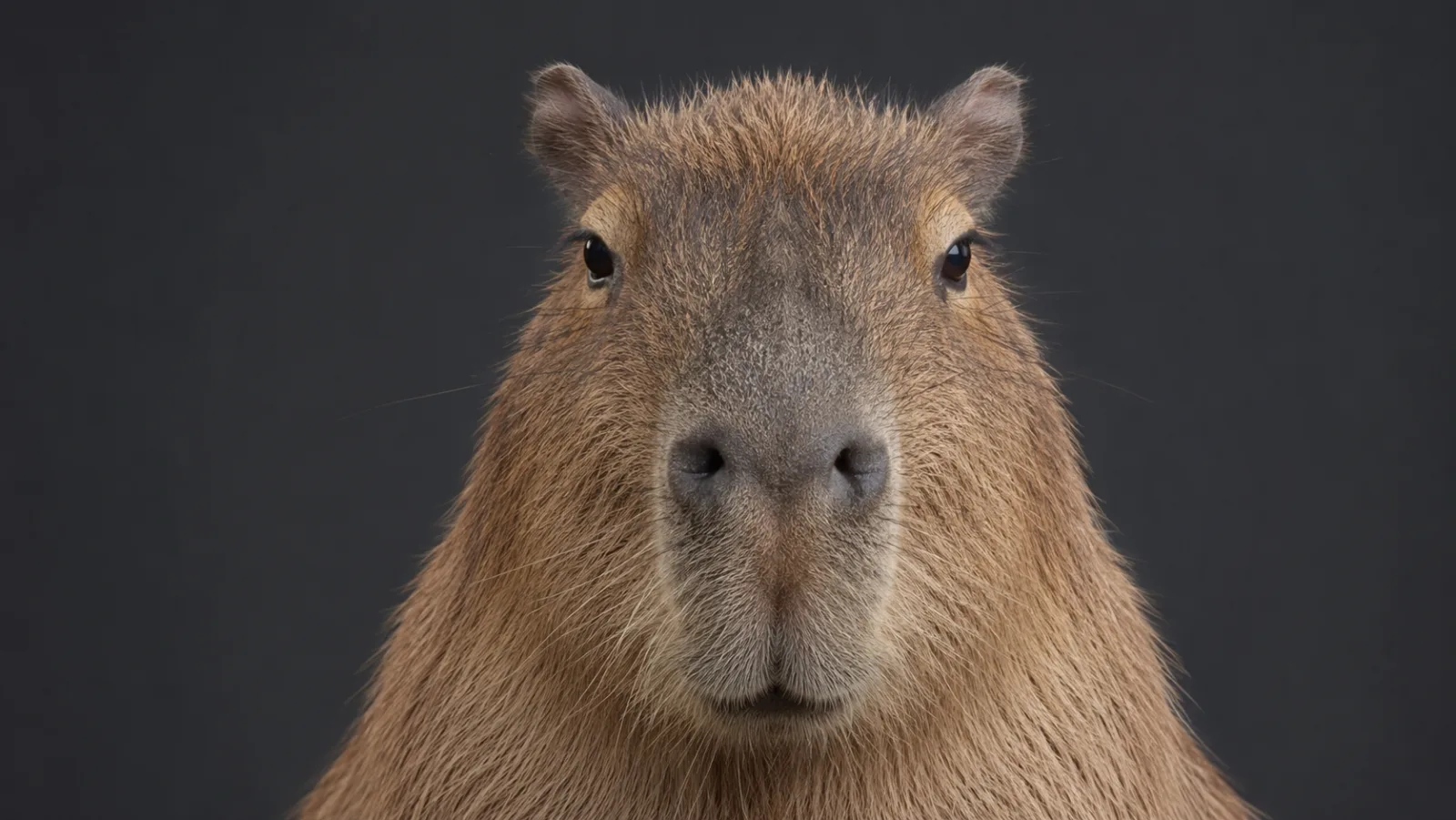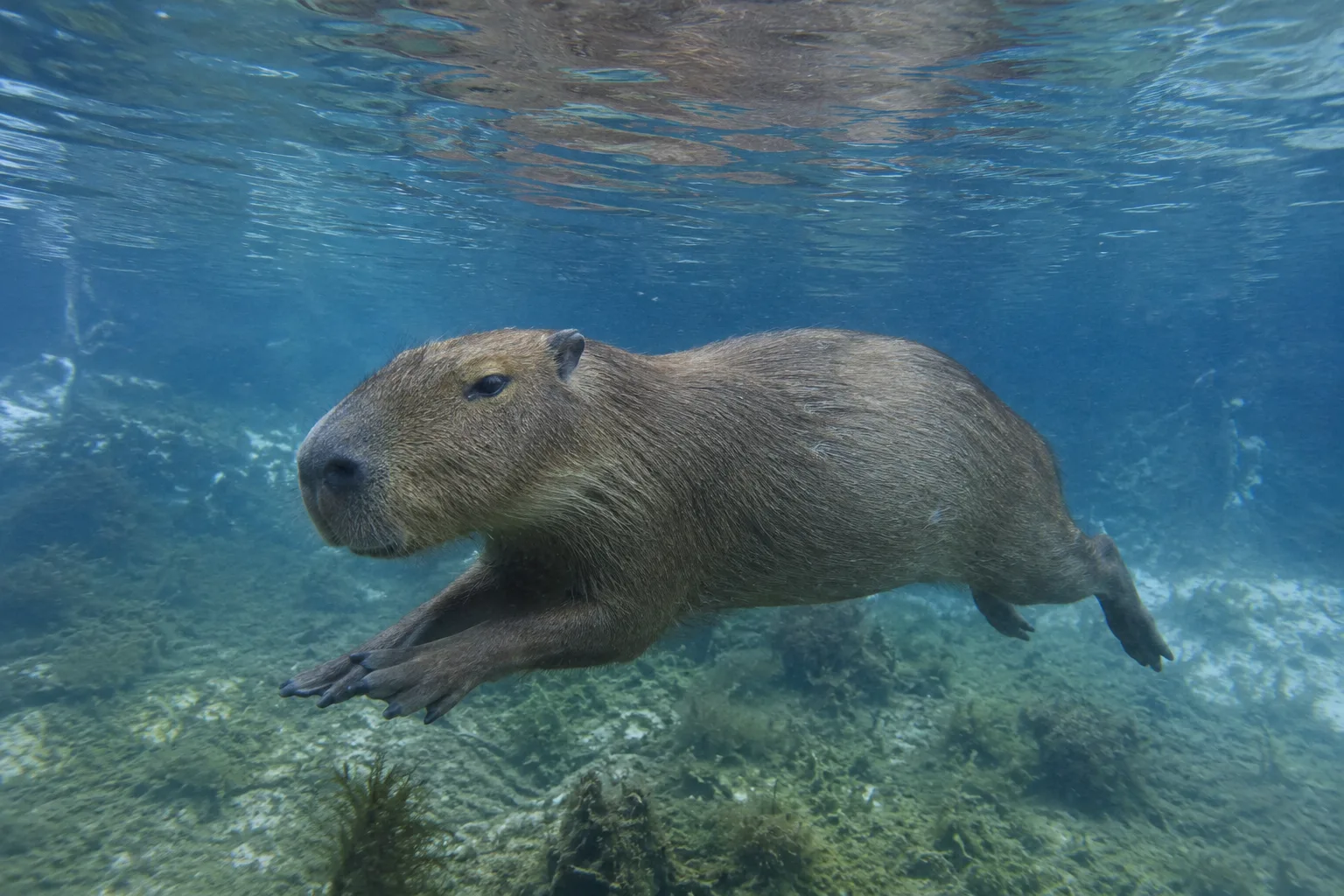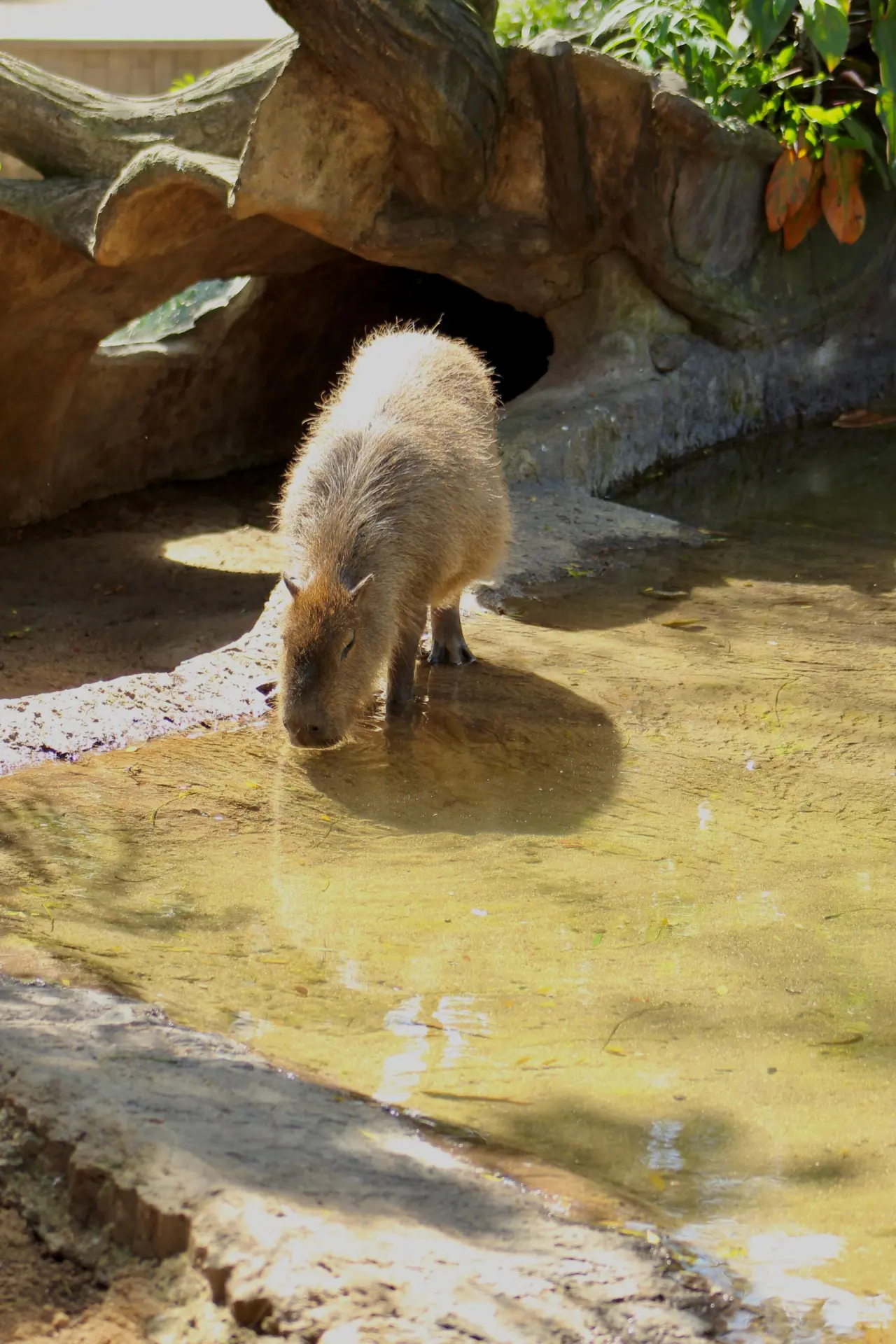

California is a beautiful place to love capybaras from a legally sensible distance. The weather looks tempting. The animal looks peaceful. The law, however, is standing in the doorway with a clipboard and no interest in your TikTok save folder.
Short answer: no, a normal private person generally cannot own a capybara as a pet in California in 2026. Capybaras are rodents, and California restricts live possession of rodents broadly, except for a few domesticated exceptions such as certain hamsters, rats, mice, guinea pigs, and chinchillas. Capybaras are not one of those exceptions.
This guide was legal-source reviewed on May 14, 2026 using California statutes, California regulations, and California Department of Fish and Wildlife permit information. It is not attorney advice. If you have a real animal, citation, permit, rescue, transport, or enforcement issue, contact CDFW and a California attorney before you do anything heroic with a large wet rodent.
Restricted — the state is standing in the doorway
California is a beautiful place to love capybaras from a legally sensible distance. The weather looks tempting and the animal looks peaceful; the law is the part that is not cooperating, and it is not a paperwork problem you can work around.
Legal-Source Review Note
Review status: legal-source reviewed for California as of May 14, 2026. This article was checked against primary California law, current California restricted-species regulations, and CDFW permit materials. It has not been reviewed by a California attorney and is not legal advice.
Core legal sources checked:
- California Fish and Game Code section 2118, which restricts importation, transportation, possession, and release of listed wild animals without a revocable, nontransferable permit.
- California Code of Regulations, Title 14, section 671, which restricts live animals listed in subsection (c), including Order Rodentia except specific domesticated exceptions.
- California Code of Regulations, Title 14, section 671.1, which describes restricted species permit categories, qualifications, application information, and limits.
- California Department of Fish and Wildlife restricted species permit page, which explains that permits are required for restricted animals listed under section 671(c).
- CDFW Restricted Species Laws and Regulations Manual 671, the state agency manual collecting the restricted species laws and regulations.
- California Fish and Game Code section 2125, which covers civil penalties and misdemeanor exposure for violations.
Practical interpretation: because capybaras are rodents and are not one of California’s domesticated rodent exceptions, this guide treats ordinary private pet ownership as generally not legal in California. Real-world edge cases should go to CDFW or a California attorney, not a capybara blog with excellent posture.
The Quick Answer
You generally cannot keep a capybara as a pet in California. California Fish and Game Code section 2118 makes it unlawful to import, transport, possess, or release listed wild animals without a revocable, nontransferable permit. The mammal list includes Order Rodentia: all species, with narrow domesticated exceptions. California Code of Regulations, Title 14, section 671 also restricts live animals in Order Rodentia except specific domesticated species.
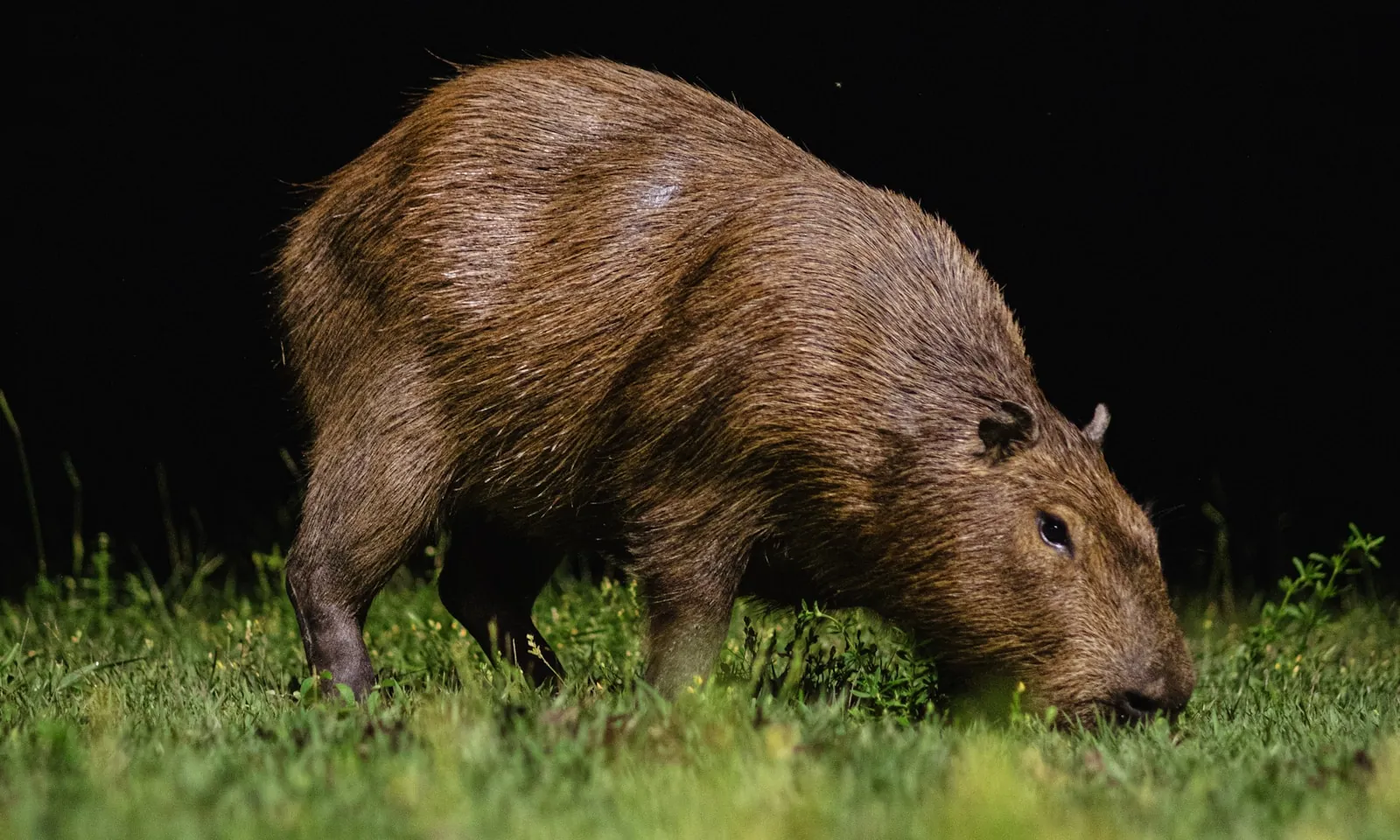
That matters because the capybara, Hydrochoerus hydrochaeris, is a rodent. It is not a domestic guinea pig with a better press agent. It is a large South American, semi-aquatic wild animal with a legal category and a water bill.
The core California answer is therefore simple: private pet capybara ownership is not a realistic legal pathway for ordinary residents. The permit system exists, but it is built for regulated purposes like exhibition, research, breeding, brokerage, shelter, humane care, or qualified animal facilities. It is not a casual “I have a big backyard and a dream” license.
Why California Law Says No
California does not have to name every restricted animal one by one. Some rules work by broader taxonomic groups. That is where capybaras get caught.
Fish and Game Code section 2118 lists mammals under Order Rodentia as restricted, except for domesticated golden hamsters, domesticated rats or mice, and domestic guinea pigs. Title 14 CCR section 671 similarly lists Order Rodentia and restricts all species except a short set of domesticated animals, including certain hamsters, domesticated rats or mice, domesticated guinea pigs, and domesticated chinchillas.
Capybaras are not on the exception list. The law does not need to say “capybara” in neon letters. The rodent category already did the job, which is very California: broad rule, specific exceptions, paperwork humming softly in the background.
California capybara ownership, decoded for normal humans
| Question | 2026 California Answer | Source Clue |
|---|---|---|
| Can I keep a capybara as a normal pet? | Generally no. Capybaras fall under restricted rodents and are not one of the domesticated exceptions. | FGC section 2118; 14 CCR section 671 |
| Can I import one from another state? | No, not as a workaround. California restricts importing, transporting, and possessing restricted animals. | FGC section 2118; 14 CCR section 671 |
| Can I get a permit just because I want one? | Not realistically. Restricted species permits are tied to specific regulated purposes, not casual pet ownership. | CDFW Restricted Species Permits; 14 CCR section 671.1 |
| Can a city or county be stricter? | Yes. California regulations note cities and counties may also prohibit possession or require permits. | 14 CCR section 671 |
| What if someone calls it an emotional support animal? | That does not override restricted species law. | State wildlife rules still govern possession. |
How California Restricted Species Permits Actually Work
CDFW says restricted species permits are required for every person who imports, exports, transports, or possesses a restricted animal listed under Title 14 CCR section 671. That sentence sounds like hope until you read the permit categories.
The categories include things like AZA institutions, research, commercial exhibition, breeding under conditions, broker or dealer activity, native species exhibition, shelter, aquaculture, and animal care permits for certain animals legally possessed before January 1992. This is not pet-store checkout paperwork. This is regulated wildlife management with fees, inspections, inventories, and agency conditions.
Title 14 CCR section 671.1 also requires many applicants or their full-time employees to have at least two years of hands-on restricted species experience at similar facilities, plus at least one year of professional experience with the same or closely related taxonomic family. For mammals, the application rules can also involve USDA license or registration documentation and facility inspection records.
That is the part most “can I own a capybara?” pages flatten into mush. A permit exists. A normal pet permit does not. Legal does not mean “available if you ask nicely and have a kiddie pool.”
What Happens If You Own One Illegally?
Illegal possession can become expensive and serious very quickly.
California Fish and Game Code section 2125 authorizes civil penalties for violations of the restricted animal chapter or its regulations. The civil penalty range is $500 to $10,000 per violation. The same section also says violations are generally misdemeanors punishable by up to six months in county jail, a fine of up to $1,000, or both, unless another penalty applies.
There can also be costs related to seizing, holding, or relocating an animal. The animal is not a punchline in that scenario. It is a welfare problem created by a human who mistook “rare and cute” for “good idea.”
An illegal capybara is not a quirky roommate. It is a restricted species problem with teeth, paperwork, and no useful defense strategy.
Why California Is So Strict
California’s restricted species system is built around native wildlife protection, agricultural risk, public health and safety, and animal welfare. Title 14 CCR section 671 says the Fish and Game Commission has determined the listed animals are not normally domesticated in California. It also labels some restricted animals as “detrimental” when they may threaten native wildlife, agriculture, public health, or safety.
For rodents, the rule is broad. California does not want every charismatic nonnative rodent evaluated only after it escapes, breeds, bites someone, or discovers a local drainage system with the confidence of a tiny infrastructure consultant.
Capybaras also have welfare needs that make casual ownership hard even apart from law. Animal Diversity Web describes capybaras as social, semi-aquatic South American rodents. Sacramento Zoo describes them as adapted for both water and land, with group living and diets built around grasses and aquatic plants. A backyard without deep planning is not habitat. It is a stage set with consequences.
What Does Not Work As A Workaround
Buying one in another state does not make it legal in California. California restricts importation, transport, and possession.
Calling it an emotional support animal does not cancel wildlife law. ESA language is not a restricted species permit.
Keeping it “temporarily” is still possession. If you are transporting, sheltering, or holding a restricted animal, you need to talk to CDFW before you start improvising.
Assuming your city allows it is not enough. State law is the first wall. Local ordinances, zoning, animal control rules, landlord restrictions, insurance, and HOA rules can add more walls. The capybara may look relaxed because it has outsourced all this stress to you.
What the Restricted Species Permit Would Cost, If You Could Get One
California publishes a detailed fee schedule for restricted species, which makes it tempting to read the numbers as a price list for ownership. They are not. Read the categories instead.
The schedule runs to roughly twenty-one permit categories: Animal Care, Aquaculture, AZA, Breeding, Resident and Nonresident Broker/Dealer, Resident and Nonresident Exhibiting, Native Species Exhibiting, Nuisance Bird Abatement, Research, Shelter, Single Event Breeding, Fish. Every one of them describes a business or an institution. None of them describes a household.
People quote California's inspection tiers and category fees as though the barrier were the money. It is not. You could have the full amount in hand and still have nothing to apply for, because the department does not issue a restricted species permit for personal pet-keeping at any price.
There is also an annual inspection fee, tiered by the number of enclosures, and a separate re-inspection fee where a facility fails. Those attach to permits that exist. They do not create a route to one.
Everything past the state layer — the animal, the enclosure, the water, the veterinary reserve — is covered in the capybara cost guide, which deliberately does not quote a purchase price. The private exotic market is not transparent enough for a number to mean anything.
Legal Alternatives For California Capybara Fans
The best California alternative is not a loophole. It is distance with dignity.
Visit a reputable zoo or licensed facility. Sacramento Zoo has a capybara page and describes capybaras as semi-aquatic animals that live in groups and eat grasses and aquatic plants. San Diego Zoo Wildlife Alliance has also offered symbolic capybara adoption packages. Symbolic adoption helps support wildlife programs; it does not send a capybara to your apartment, which is good because your apartment did not deserve that test.
If what you want is a small legal companion animal, consider domesticated species that California rules specifically treat differently from wild rodents, such as domestic guinea pigs, domesticated rats or mice, certain domesticated hamsters, and domesticated chinchillas. They still need proper care. They just do not require you to explain a restricted species incident to a state agency.
Better California-friendly options than a pet capybara
| Option | Why It Makes More Sense | Grumpy Capy Note |
|---|---|---|
| Visit capybaras at a zoo | Licensed facilities can manage permits, barriers, diet, veterinary care, and social housing. | You get the vibe without creating an enforcement file. |
| Symbolic adoption | Supports wildlife organizations without private possession. | The plush does not need a pool. Huge advantage. |
| Domestic guinea pigs | California’s rodent restriction specifically excepts domestic guinea pigs. | Related cavy energy, apartment-scale consequences. |
| Domesticated rats, mice, hamsters, or chinchillas | Some domesticated forms are listed as exceptions under California’s rodent rules. | Still real animals. Still not decor. |
| Capybara merch | Zero bites, zero permits, zero surprise drainage problems. | The legally superior wetland mammal for most homes is a mug. |
California Bottom Line
You generally cannot own a capybara as a pet in California in 2026. The reason is not that California hates joy. The reason is that capybaras are restricted wild/exotic rodents under California’s broad restricted species framework, and the permit system is not designed for ordinary private pet ownership.
If you already have a capybara or are being offered one in California, do not rely on a seller, a social post, or a listicle. Contact CDFW. If there is risk of enforcement, animal seizure, transport, or penalties, talk to a California attorney.
The calmest answer is also the best one: admire the capybara legally, support reputable facilities, and let the large semi-aquatic rodent remain someone else’s inspected, permitted responsibility.