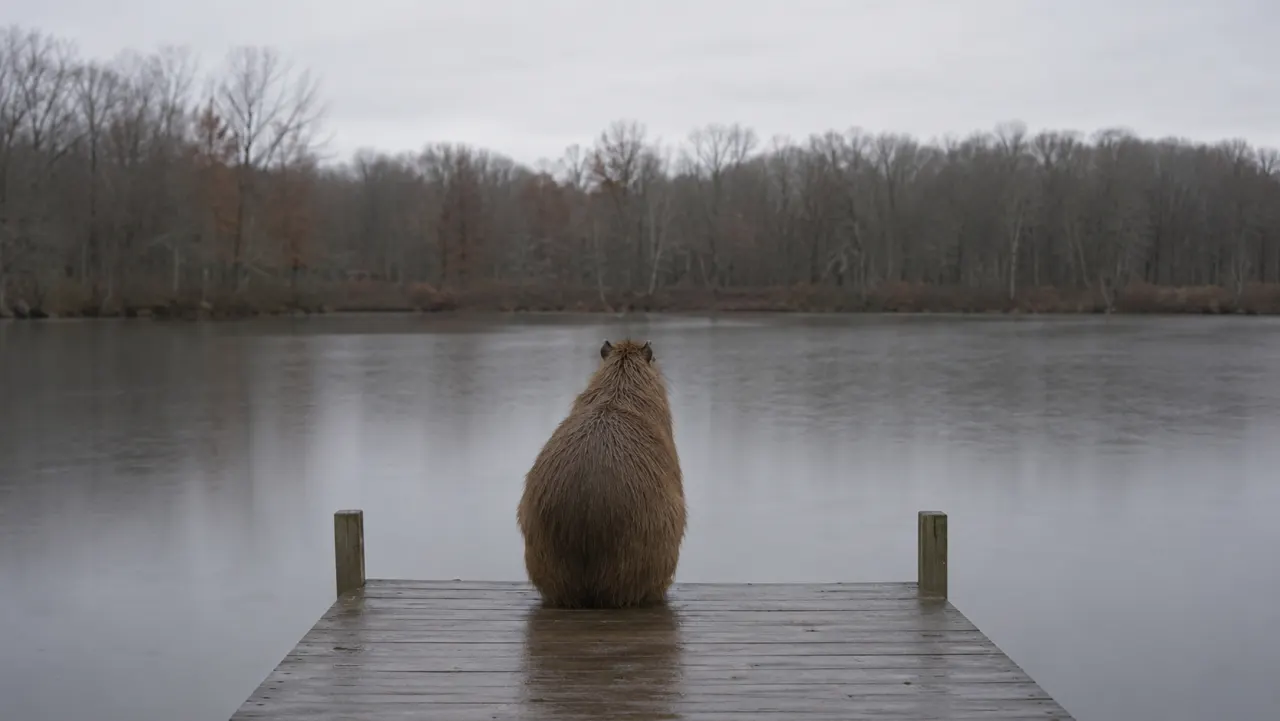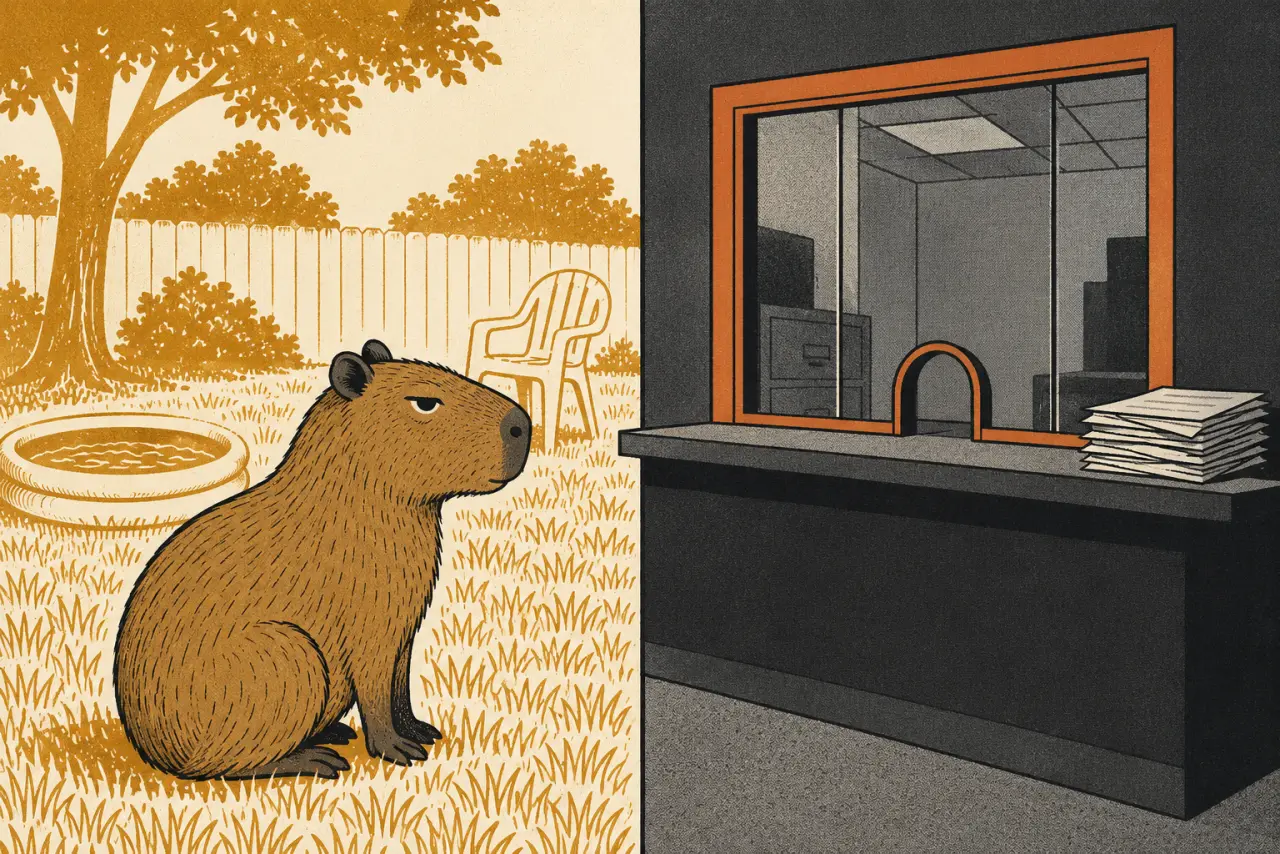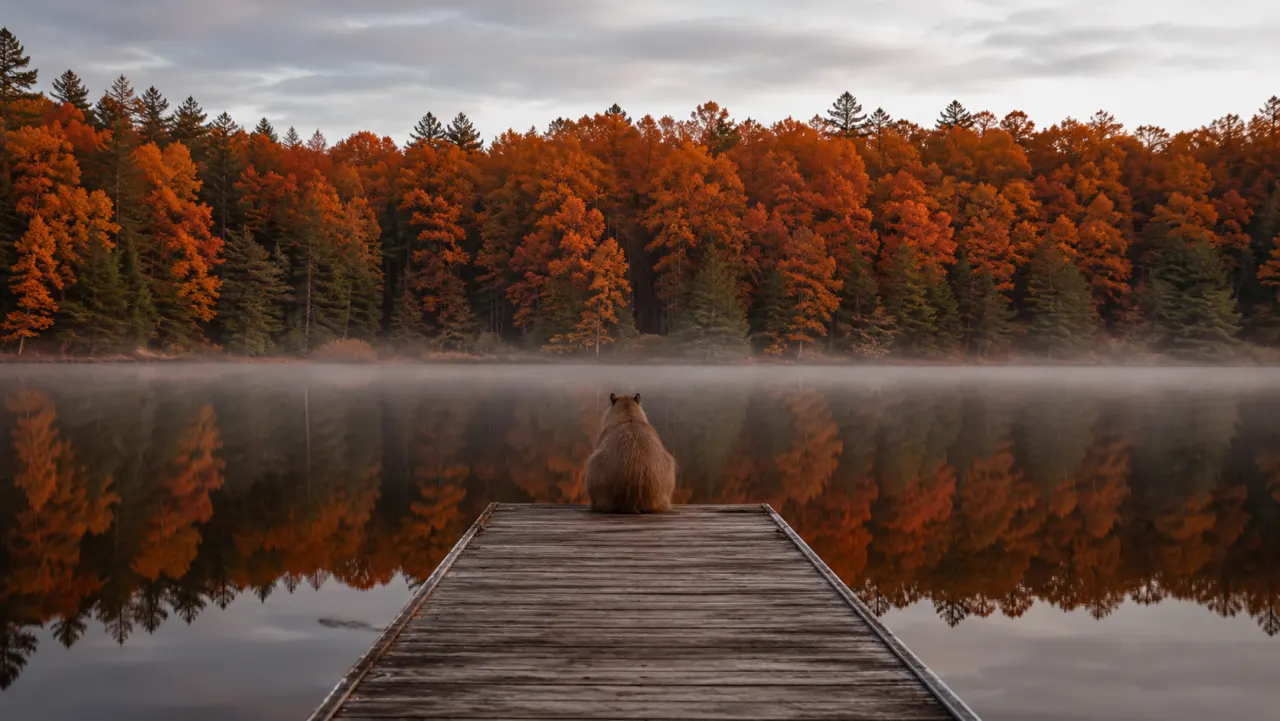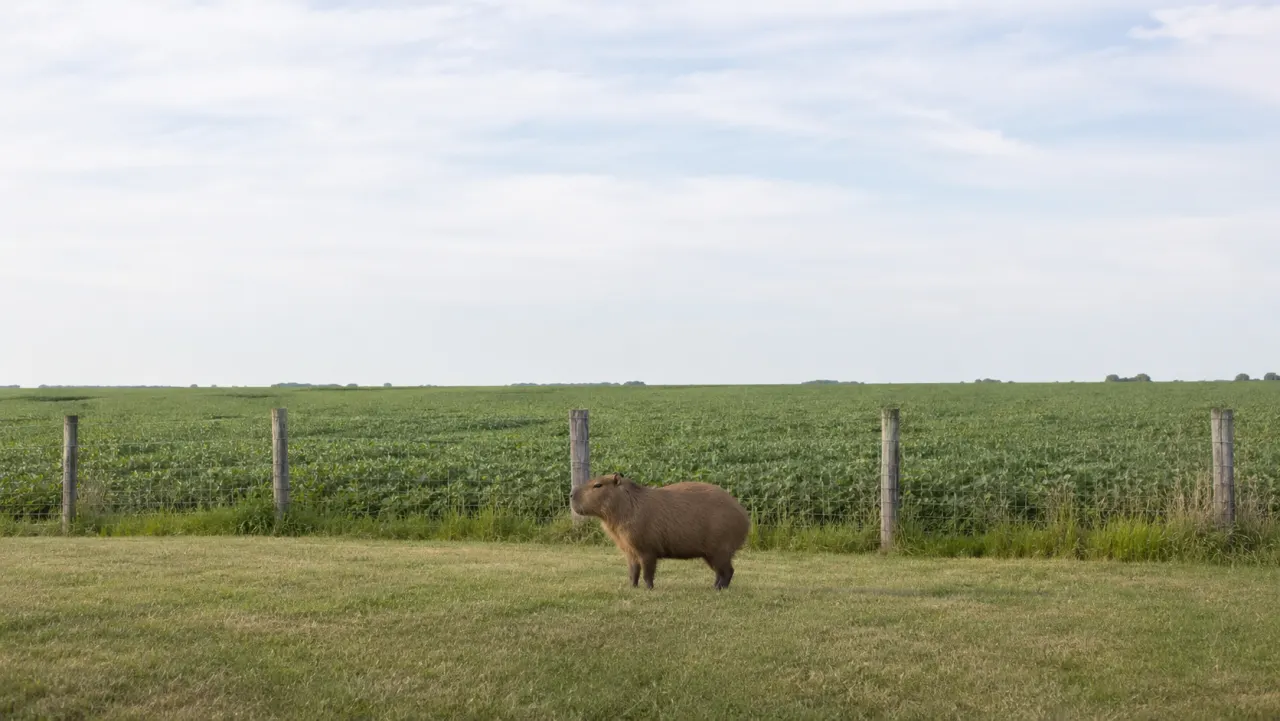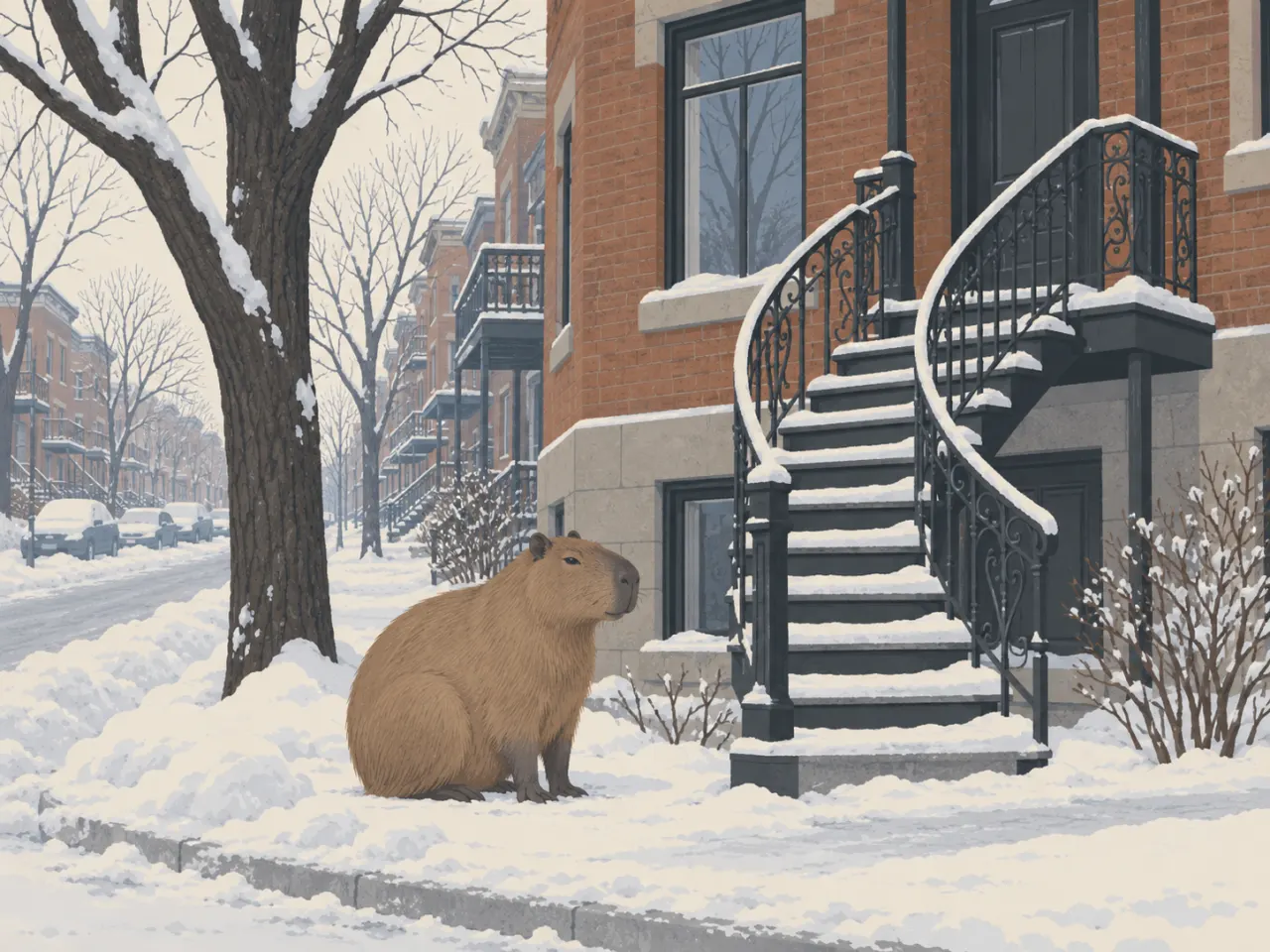
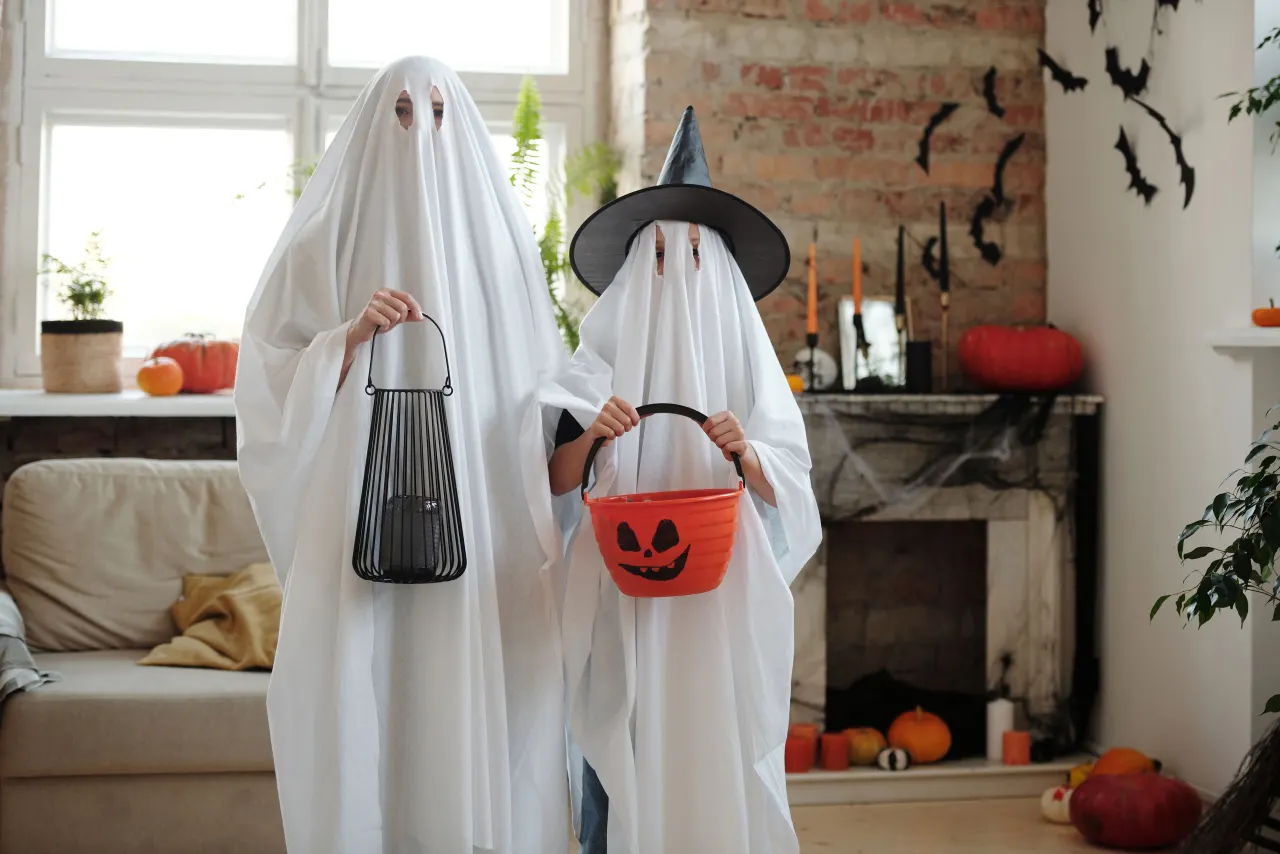
Capybara Halloween decorations should not look like a haunted petting zoo. That is the first rule. The second rule is that a capybara pumpkin should appear mildly disappointed in everyone, including the porch.
The best lane is cozy-spooky: warm brown, pumpkin orange, pool blue, reed green, soft ghost shapes, and enough dry humor that the whole thing does not collapse into children’s-party chaos. The goal is one strong visual joke, not a craft store losing a fight.
Not taste — fire. Soft plush decor, trailing fabric, and real candles share a lot of hallways in October.
Battery tealights inside a fabric capybara. Real flame nowhere near it. This is the whole safety brief.
Why The Right Mood Is Mildly Spooky
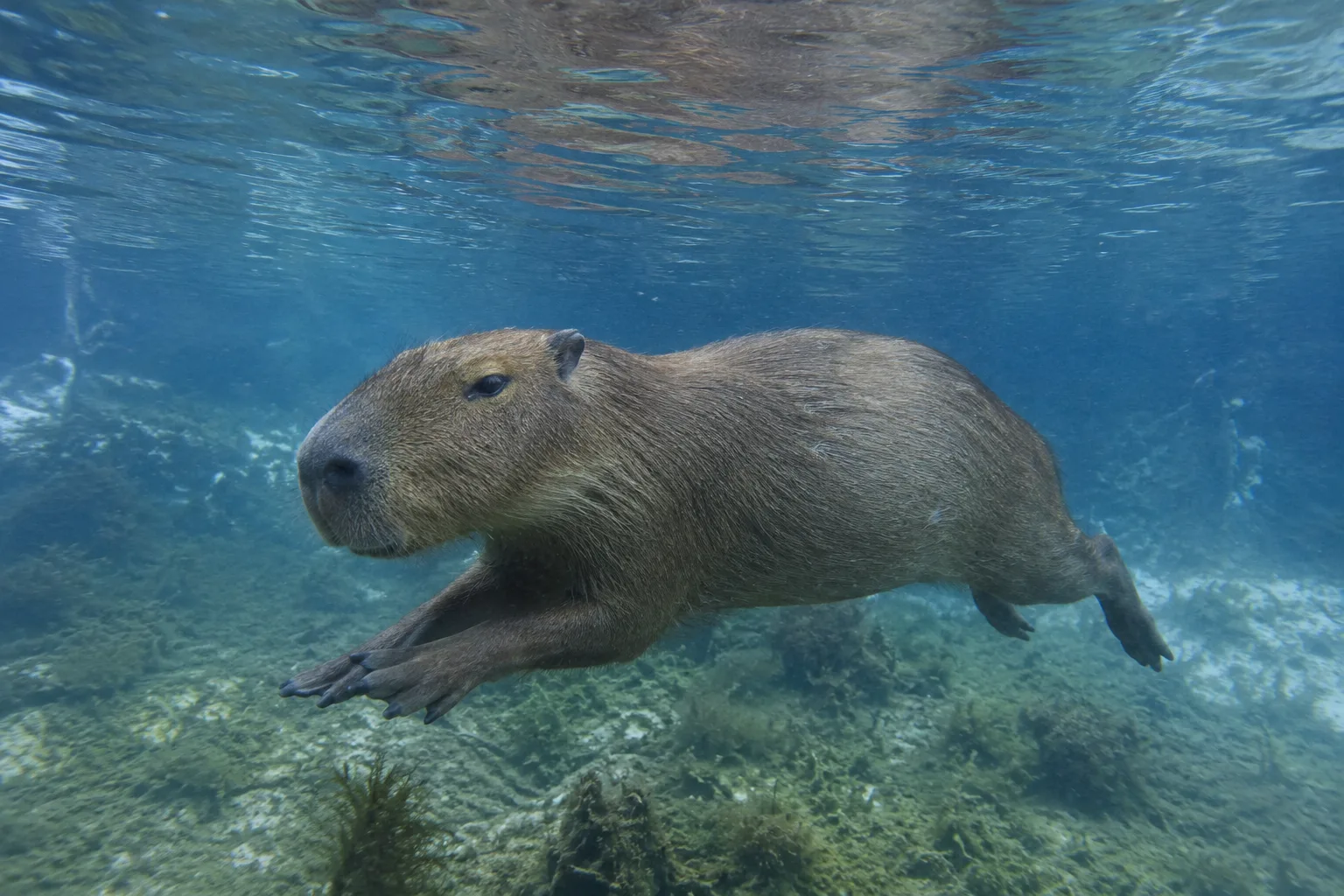
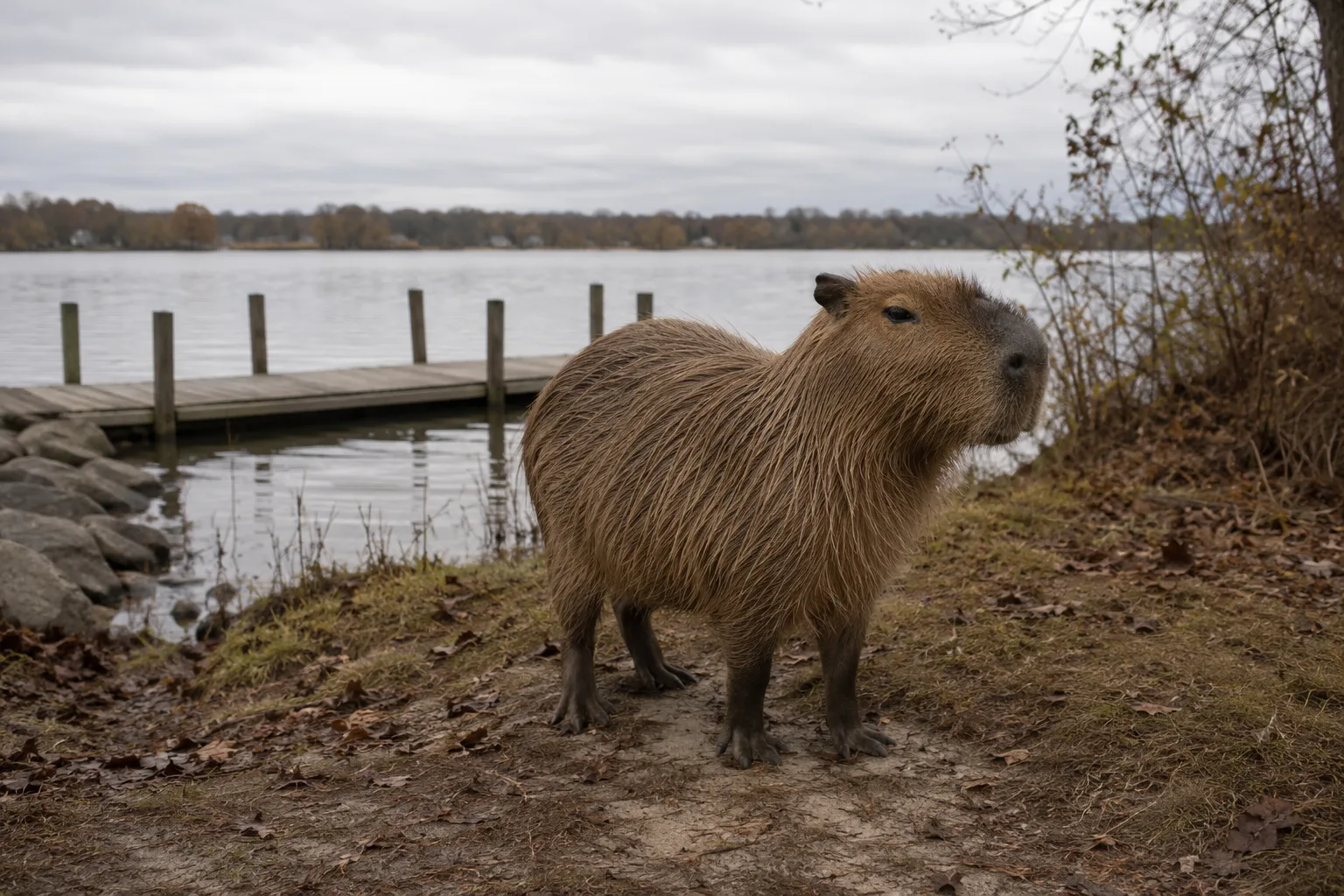
Capybaras are not horror animals. They are large semi-aquatic grazers with a face that suggests they have read the agenda and will not be contributing. That means the Halloween tone should be soft, odd, and deadpan rather than bloody or aggressive.
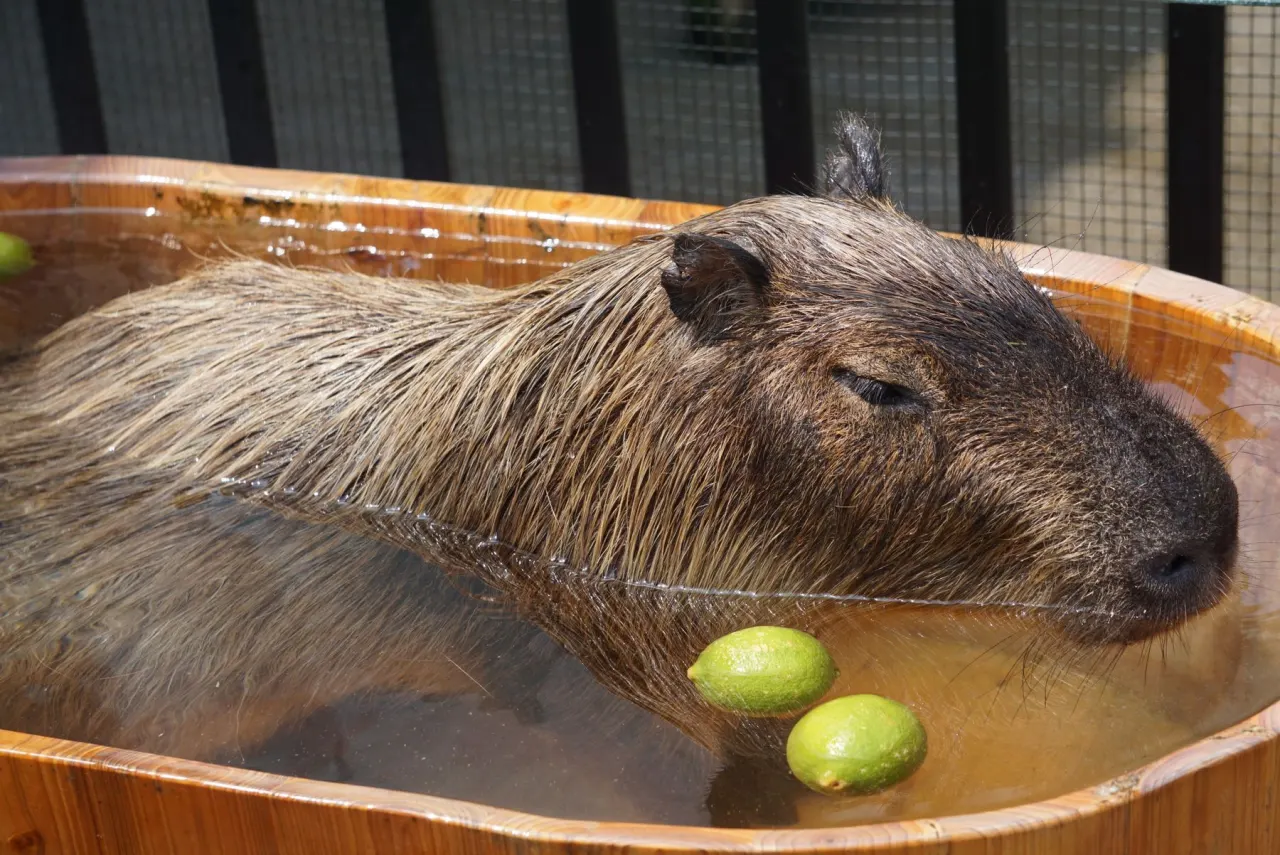
Use the animal’s real cues: water, rounded body, small ears, blunt nose, group lounging, citrus bath references, and pumpkins as seasonal stand-ins for oranges. Capybaras and pumpkins already make sense in zoo enrichment, so Halloween does not have to work very hard.
| Decor cue | Why it reads capybara |
|---|---|
| Brown oval silhouettes | The body shape is instantly recognizable |
| Blue paper or fabric “water” | Capybaras are semi-aquatic |
| Pumpkins and oranges | Seasonal plus hot-spring reference |
| Reed-green garland | Wetland habitat cue |
| Deadpan signs | Matches the Grumpy Capy voice |
Good sign copy: “Please scream quietly, the capybara is resting.” Bad sign copy: twelve paragraphs of rodent lore taped to a candy bowl. I say this with love and personal risk.
Porch And Entry Decor That Reads In Three Seconds
Porch decor has three seconds to work. A trick-or-treater is moving, holding a bag, and possibly dressed as a dinosaur with poor visibility. The capybara has to read fast.
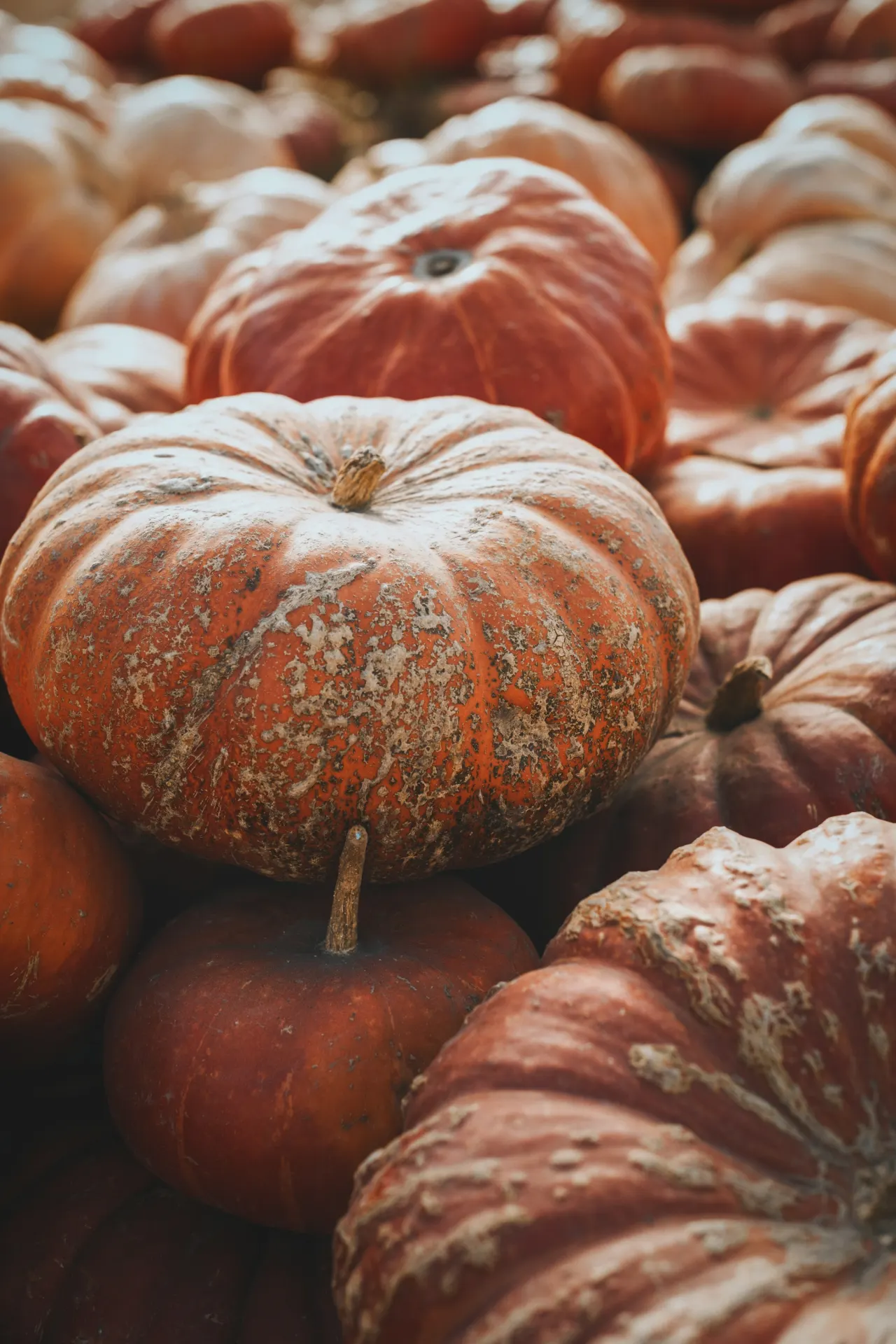
Try one large cardboard or foam-board capybara silhouette beside pumpkins. Add blue fabric or paper under it as a “hot spring.” Place two or three orange accents near the edge. A small speech bubble can say “boo, I guess” or “take one, remain calm.”
If you use lights, keep cords away from walkways and tape them down. If you use candles, consider battery lights instead. The National Fire Protection Association’s Halloween guidance is clear about keeping decorations away from open flames and exits. A flaming capybara display would be memorable in the wrong insurance category.
Table Decor For Snack-Based Haunting
A capybara snack table should look like a tiny wetland buffet for humans. Blue runner down the middle. Brown napkins. Orange slices, pumpkin cookies, reed-like paper straws, and a plush capybara overseeing the operation with visible disappointment.
For a grown-up version, keep the palette tighter: brown, black, cream, muted blue, orange. Use one capybara print in a frame, not twelve different cartoon styles arguing across the table. For kids, use coloring pages, stickers, and soft pumpkins. The capybara can be silly without becoming visual static, which is a sentence I wish more seasonal aisles understood.
| Surface | Easy decor move |
|---|---|
| Candy bowl | Add a “graze responsibly” tag |
| Drink station | Blue cups, orange slices, reed straws |
| Dining table | Brown runner, pumpkins, one framed capybara |
| Mantel | Ghost garland plus small capybara silhouette |
| Photo corner | Hot spring backdrop, towel props, plush capybara |
The Boring Safety Check That Saves The Porch
Halloween decor has a way of becoming a trip hazard with seasonal confidence. The CPSC and FDA both warn about costume and Halloween safety basics: visibility, flame resistance, and avoiding risky contact with candles or unsafe props. Decor needs the same adult supervision.
Keep walkways clear. Use battery candles around paper decor. Avoid small loose pieces where toddlers or pets can reach them. Do not put cords where people step. Do not make a doorway so visually busy that a child in a mask has to solve a maze for candy.
| Risk | Safer capybara version |
|---|---|
| Open flame near paper reeds | Battery tea lights |
| Dark porch display | Soft path lights |
| Loose extension cord | Taped-down cord away from feet |
| Tiny decor pieces | Larger paper shapes for kid spaces |
| Overcrowded entry | One strong capybara scene, clear path |
This is the practical secret of good decor: fewer objects, better placed. The capybara approves of restraint, probably because restraint requires less movement.
What Not To Do
Do not use images that make capybaras look trapped, frightened, hurt, or forced into costumes. Do not imply people should dress real capybaras for Halloween. Do not use gore on or around the animal; it turns the tone from “mildly spooky” to “why is the wetland rodent in a crime scene.”
If you want a scarier edge, make the human world the joke. Bills. Group chats. October calendars. A capybara beside a pumpkin labeled “Q4 planning” is scarier than fake blood, frankly.
The costume guide keeps the same line: humans can dress up as capybaras. Capybaras can remain capybaras.
Start Here
The best capybara Halloween decorations are readable, cozy, and a little dry. Use one strong capybara silhouette, pumpkins, blue water cues, orange accents, soft ghosts, and a sign that sounds like it has had enough. Then stop before the setup starts needing a site map.
Keep it safe: clear walkways, no open flame near paper, secure cords, and kid-friendly scale. The goal is a home that says “mildly haunted wetland,” not “seasonal obstacle course with legal exposure.”