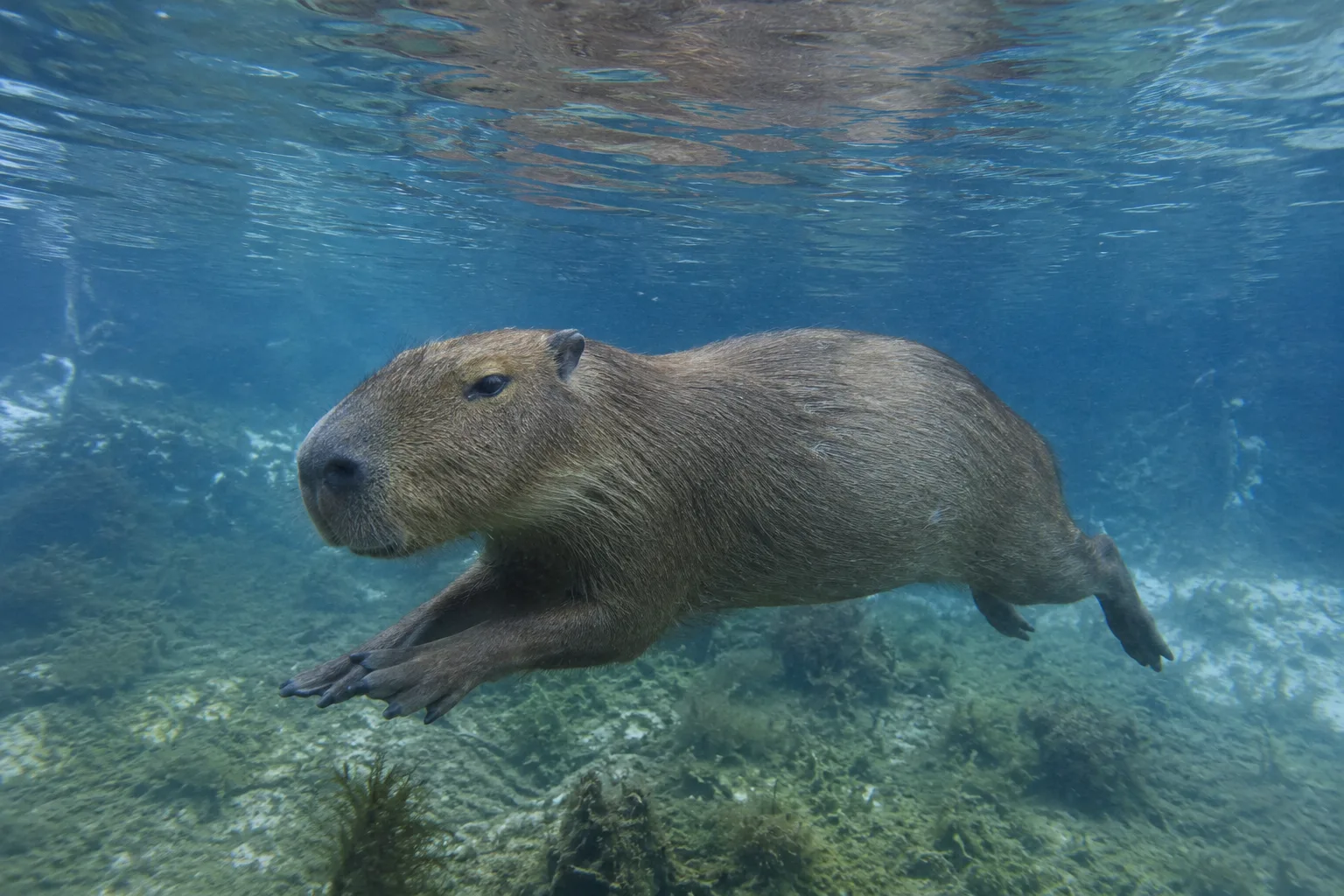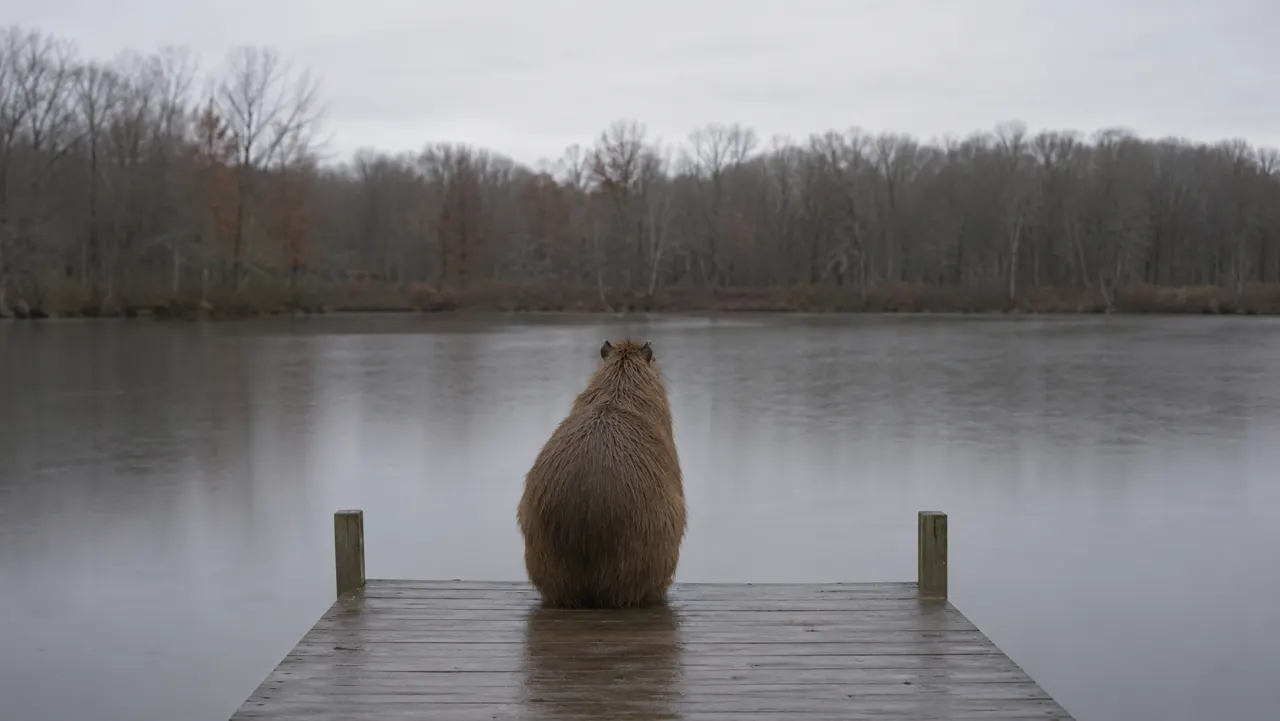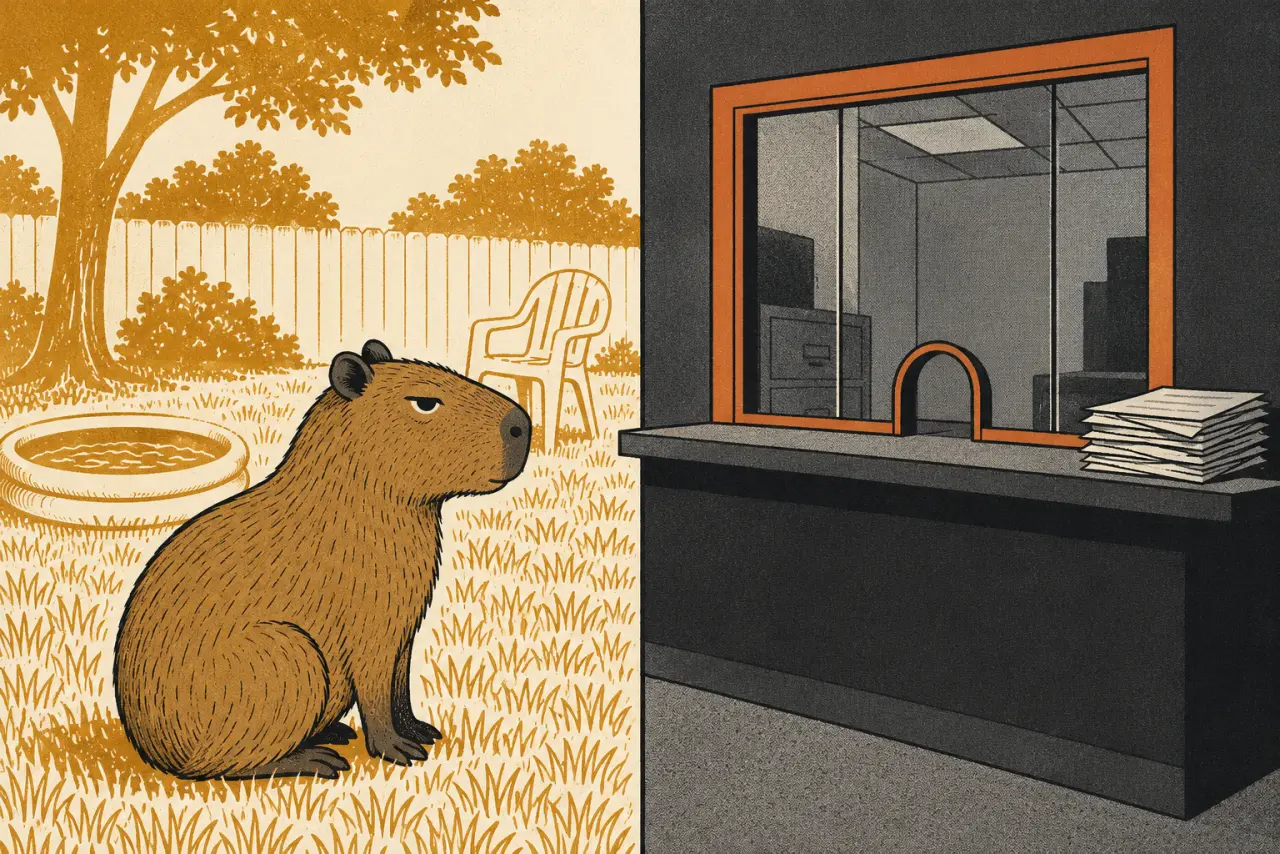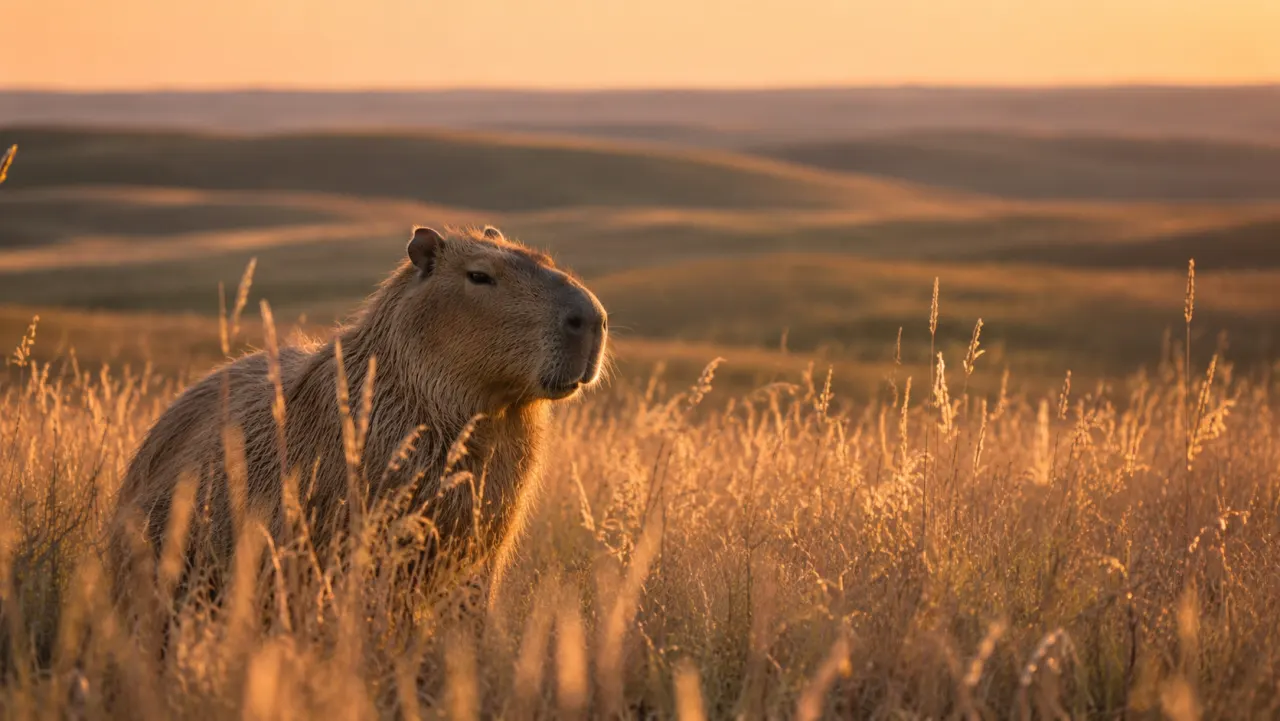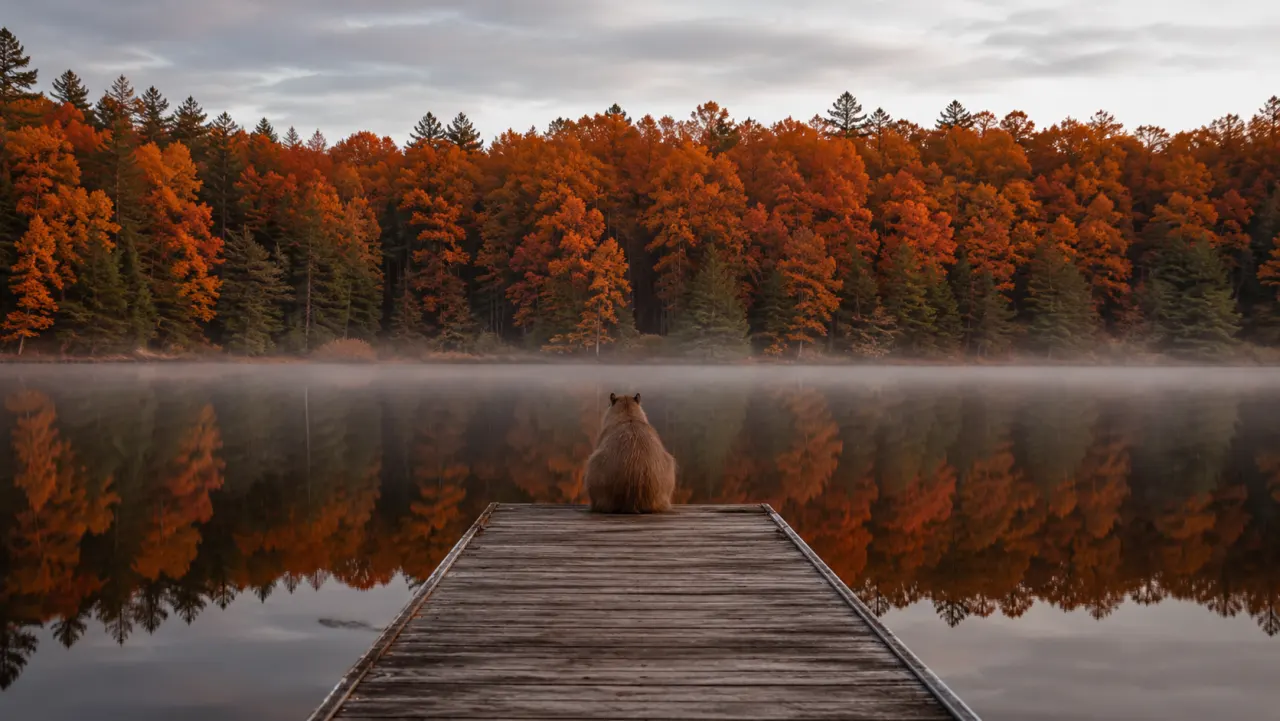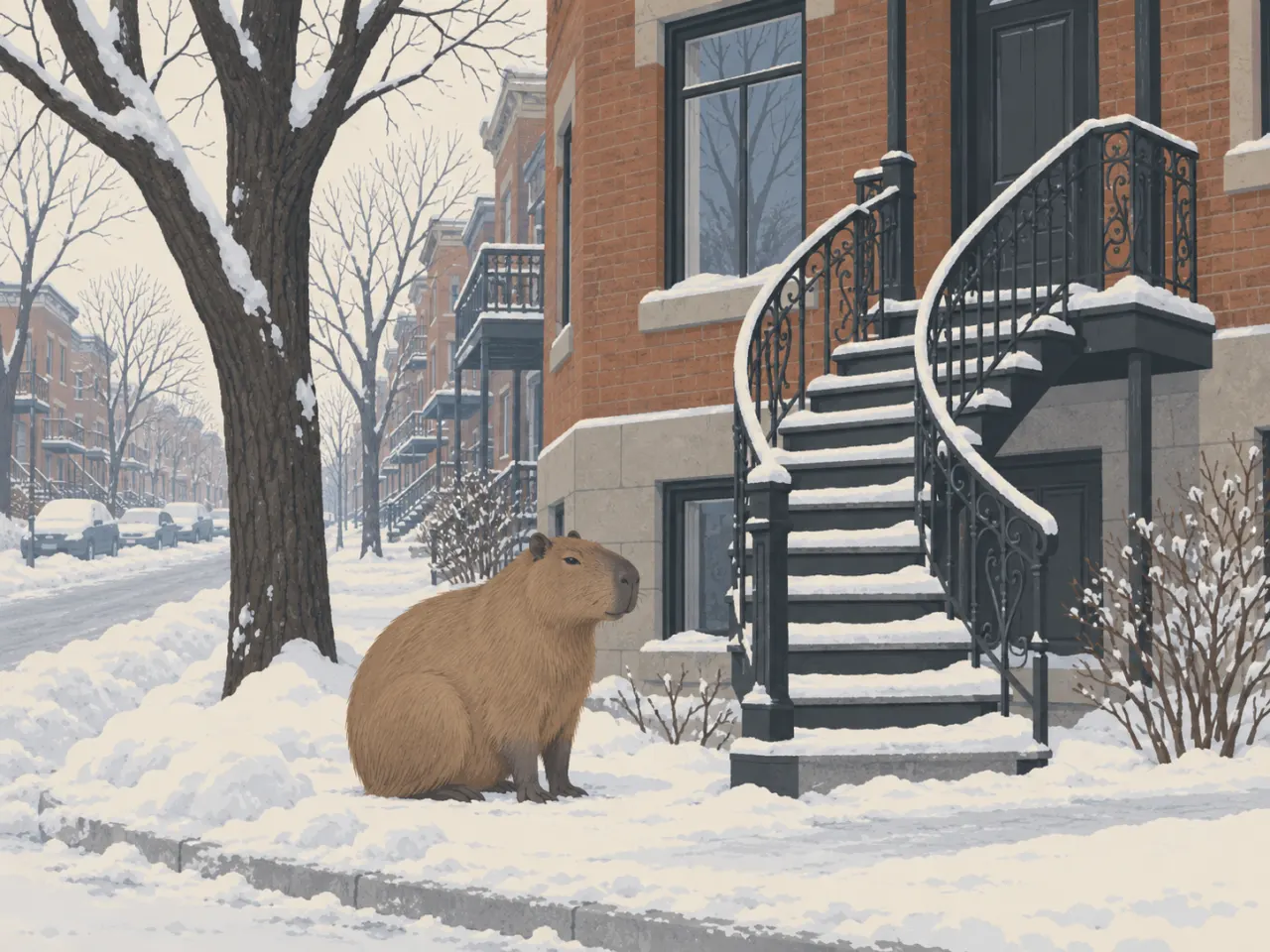
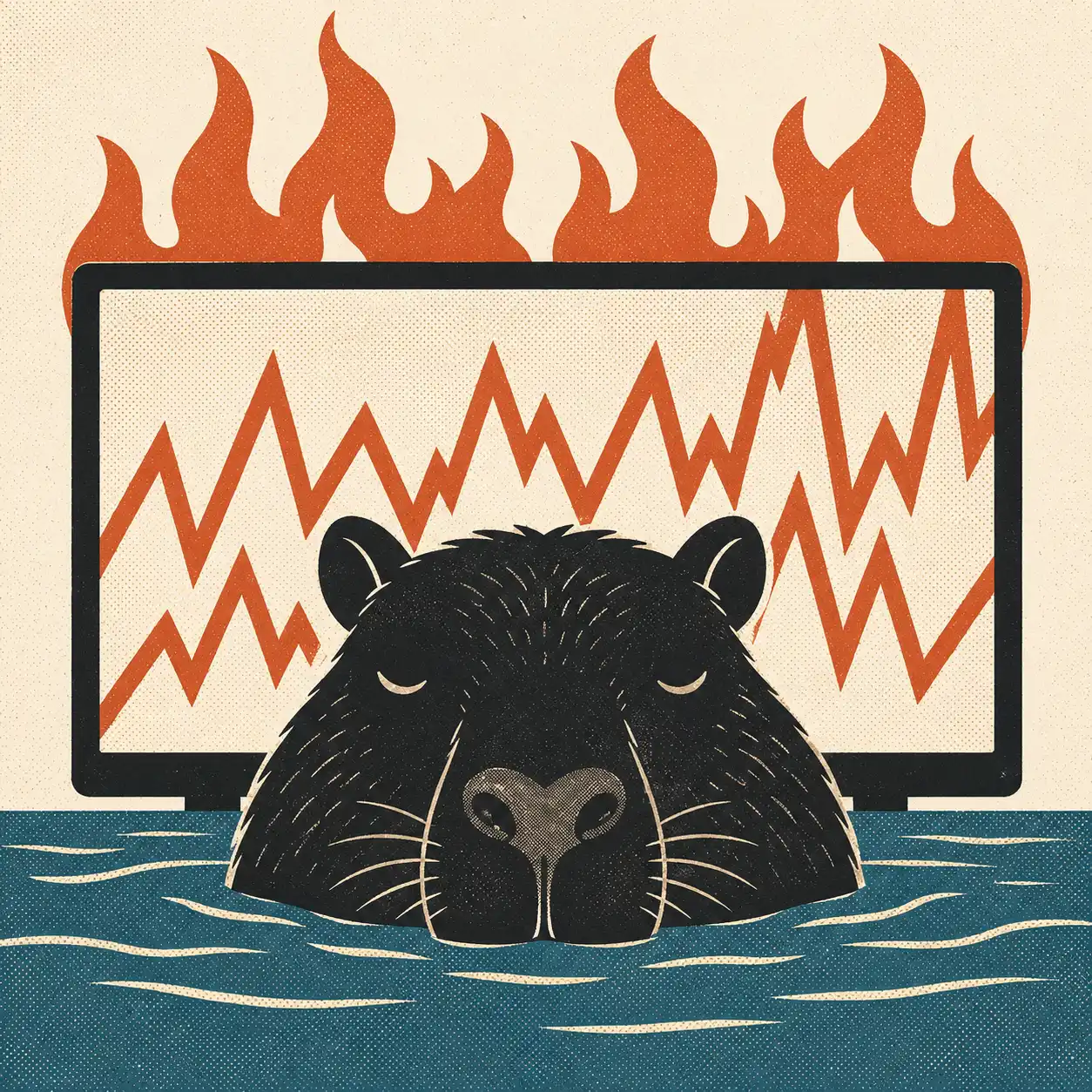
Capybaras are popular online because they look calm in a feed built to make people twitch. That is the blunt answer. A capybara sits in water, blinks like it has forgiven your worst email, and the internet supplies the soundtrack.
The better answer is messier and more useful: capybaras have the perfect meme body, a strangely soothing face, real social tolerance, water-spa visuals, a strong “largest rodent” fact, and a 2020s trend pipeline that moved from reaction GIFs to TikTok sounds to zoo babies to plush shelves. The animal did not become famous by accident. It is a large wetland specialist with accidental celebrity architecture.
And yes, the fame is funny. It also keeps creating one bad idea: that a capybara is a household pet because it looks emotionally available in a 12-second clip.
Why Are Capybaras So Popular? The Fast Reason
Capybaras hit four internet buttons at once: they look calm, they are visually weird, they behave socially, and they have one killer fact attached to them. They are the world’s largest living rodent.
San Diego Zoo Wildlife Alliance lists adult capybaras at about 77 to 146 pounds, which makes the rodent label feel like a clerical error. Animal Diversity Web describes them as semi-aquatic South American grazers that live near water and form social groups. Put those facts next to the deadpan face and the internet gets a character: the giant rodent who is too busy soaking to participate in human panic.
| Why the internet loves it | What the animal is actually doing |
|---|---|
| Blank, calm face | Subtle mammal body language humans often overread. |
| Hot springs and water clips | Semi-aquatic behavior, cooling, rest, and habitat use. |
| Animals sitting nearby | Social tolerance in certain managed or low-conflict settings. |
| ”World’s largest rodent” hook | A true biology fact that makes every photo feel funnier. |
| Meme songs and edits | Short-form platforms rewarding simple, repeatable visual jokes. |
That is the trick. The capybara is not just cute. It is legible. A viewer does not need zoology training to understand “large calm loaf in water.” The joke arrives before the caption.
How The Capybara Meme Machine Got Started
The capybara was internet-friendly before TikTok crowned it. Know Your Meme tracks several pre-boom moments: the “shocked capybara” reaction from Planet Earth II in 2016, viral “animals sitting on capybaras” posts in 2017, yuzu-bath videos that circulated from 2018 onward, and the @CAPYBARA_MAN Twitter account posting viral wholesome capybara images in 2020.
Then came the strange little engine of the 2020s: “Ok I Pull Up” edits. Know Your Meme connects the trend to a capybara passenger-seat clip paired with Don Toliver’s “After Party.” Later, the Capybara Song gave TikTok an even simpler loop. The animal had a face. The platforms handed it a beat.
The yuzu-bath branch deserves its own little nod because it taught millions of people the same visual grammar: capybara, hot water, citrus, blank face, instant comfort. The hot springs with oranges guide covers the zoo tradition and the myth cleanup, but the online effect is obvious. It gave the animal a cozy winter costume without changing the animal at all.
Here is the mini timeline, because culture has receipts even when it is wearing a damp fur coat:
| Moment | Why it mattered |
|---|---|
| 2016 reaction GIF | Capybara face becomes usable as a human mood. |
| 2017 animal-friend posts | The “chill with everybody” idea spreads. |
| 2018 yuzu-bath videos | Hot-spring capybaras become cozy visual shorthand. |
| 2020 wholesome Twitter posts | Pandemic-era feeds reward calming animal content. |
| 2021-2023 TikTok songs | Short-form video turns capybara into a repeatable sound-and-image meme. |
| 2024-2026 plush and zoo fame | The meme leaves the phone and becomes merchandise, visits, and baby-animal celebrity. |
My editorial read: the capybara won because it is not trying. Most viral animals perform. The capybara appears to be waiting for the meeting to end.
Why Their Face Beat The Algorithm
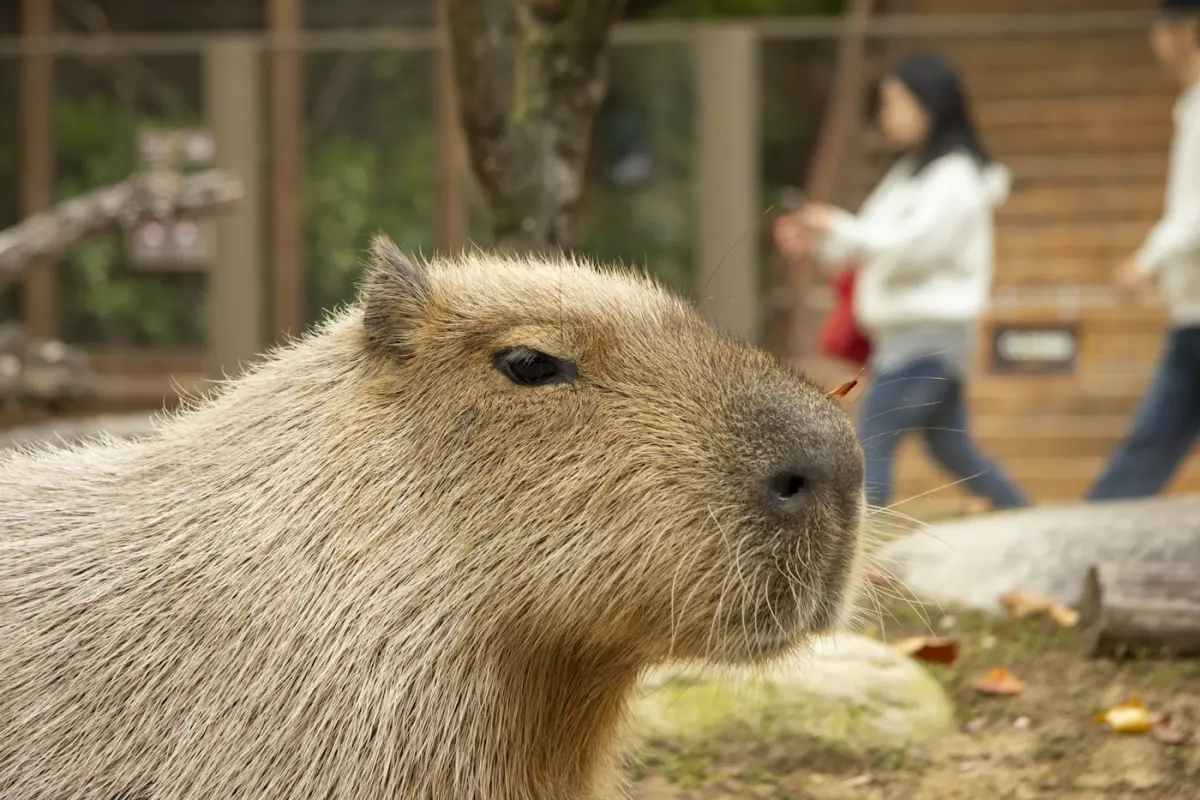
The capybara face is meme-grade because it is neutral enough to hold any caption. Exhausted? Capybara. Unbothered? Capybara. Spiritually unavailable? Capybara. Eating grass while the world burns? Capybara again.
Short-form platforms reward images that read instantly at phone size. A capybara has a simple silhouette: blunt head, tiny ears, barrel body, no dramatic tail. It photographs like a punctuation mark. The high-set eyes and nostrils, useful for a semi-aquatic animal, also make the face look weirdly wise from the front.
The social reading helps too. Capybaras are often filmed resting with other capybaras, birds nearby, or mixed-species zoo companions. That gets translated online as “friend of all animals.” The real version is narrower. Capybaras are social and can be tolerant, but tolerance is not magic. It depends on setting, stress, individual animals, and management.
The internet flattens nuance. It has the emotional patience of a toaster. Still, the reason the flattening works is that the animal gives it good raw material.
There is a sound layer as well. Capybaras can make barks, whistles, purr-like contact calls, clicks, and alarm calls, which gives video editors more than a silent loaf to work with when real audio survives the repost mill. The capybara sounds guide is the better source for that, but the meme lesson is simple: a blank face with a surprising noise is excellent feed material.
The Real Animal Under The Chill Meme
A capybara is not calm because it is enlightened. It is a large social rodent built for wetland life. Animal Diversity Web describes groups with adult males, females, young, and subordinate males, while the AZA Capybara Care Manual treats social grouping, water, housing, diet, sanitation, and veterinary care as serious managed-care issues.
That matters because the meme often steals the animal’s context. Water is not a spa gag. It is habitat. Group rest is not a friendship poster. It is social life. The flat expression is not proof that the animal wants strangers touching it.
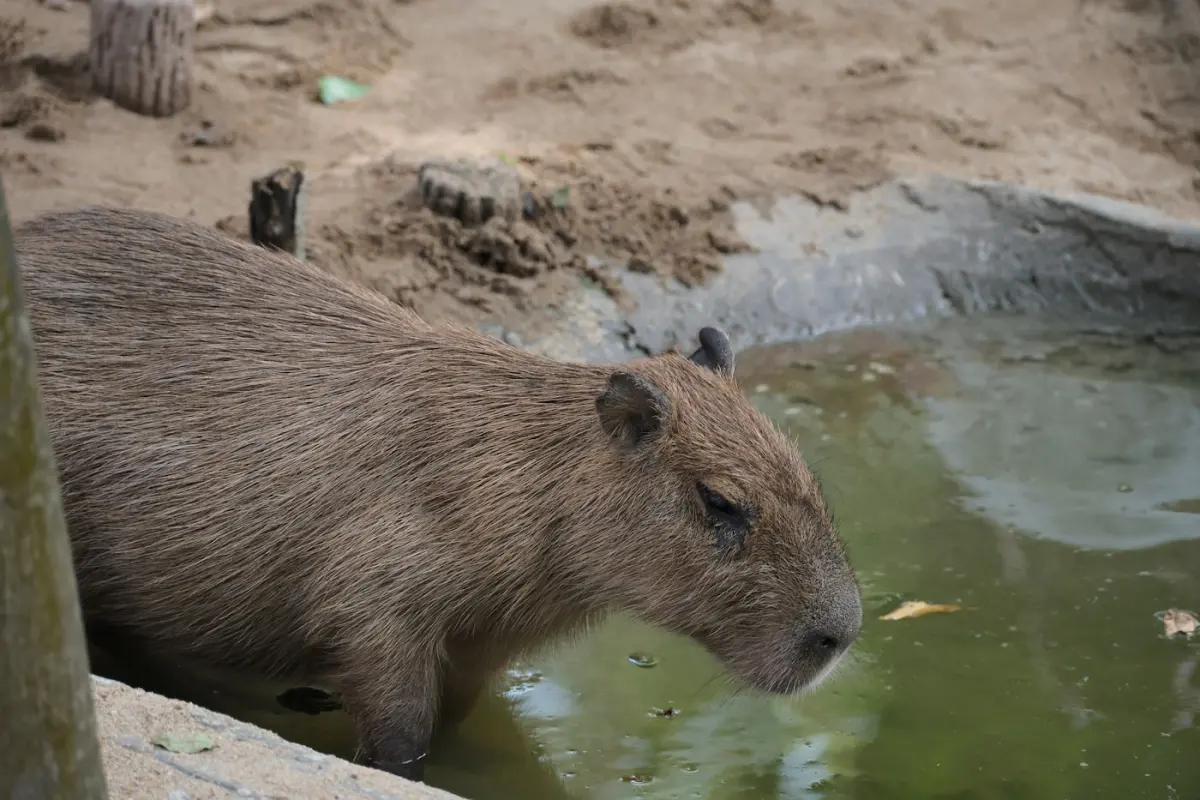
The most shareable capybara clips usually show normal behaviors in very flattering light: soaking, grazing, resting, leaning into social contact, making small sounds, or tolerating another animal nearby. If you want the deeper behavior side, read why capybaras seem so friendly and why animals sit on capybaras.
The Grumpy Capy line: the internet saw peace. The capybara was probably just managing heat, teeth, digestion, and group politics.
Why Zoo Capybaras Keep Going Viral
Zoo capybaras are built for social media because they give people a safe-looking window into an animal most Americans cannot see in the wild. They also create recurring characters. A named baby capybara is not just an animal post; it is a tiny wetland soap opera.
Axios reported in January 2025 that Tupi, a San Antonio Zoo capybara born December 3, 2024, became a viral local celebrity. The article described Instagram posts with tens of thousands of likes and TikTok videos reaching millions of views. AP, covering the capybara retail boom, quoted toy industry people saying TikTok and Instagram can make unusual animals explode in popularity fast.
This is the loop:
| Online loop | How capybaras fit |
|---|---|
| Zoo posts animal clip | The capybara is visually clear and low-chaos. |
| Fans assign personality | ”Unbothered” becomes the character. |
| Platforms repeat the best frames | Soaking, snacking, ear wiggles, baby zooms. |
| Merch follows the meme | Plush, mugs, bags, slippers, and holiday variants arrive. |
| New viewers meet the animal as a vibe | Biology becomes the second click, if the page does its job. |
That last part is why good capybara content has to be better than “look at this chill guy.” The animal deserves the facts as much as the fame.
The retail piece matters because it proves the trend is no longer just a niche internet joke. AP described capybara slippers, robes, bath bombs, bedding, mugs, bags, key chains, and plush toys as part of the holiday animal boom. Once a meme becomes a shelf object, the audience changes. Parents, gift shoppers, zoo visitors, and casual fans meet the animal through merchandise first and biology second.
What The Meme Version Keeps Getting Wrong
The most common capybara myth is not “they are cute.” They are. The problem is that the internet turns a wild animal into a mood board and then forgets the animal.
Here is the editorial split worth keeping:
| Viral shorthand | Better 2026 answer |
|---|---|
| Capybaras are chill with everyone | They can be socially tolerant, but setting, stress, individual temperament, and management matter. |
| Capybaras are basically giant guinea pigs | They are related to guinea pigs, but they are wild semi-aquatic animals with very different needs. |
| Capybaras love hot tubs and oranges | Managed yuzu baths are a zoo tradition, not a private-care recipe. |
| Capybaras are easy exotic pets | Law, water, space, social housing, diet, fencing, and vets make them hard for ordinary homes. |
| The meme explains the animal | The meme explains the audience. The biology explains the capybara. |
This is where the article has to do more than join the fan club. The answer engine version of the topic should not be “capybaras are popular because they are cute and chill.” It should say why that impression works, then name the welfare reality underneath it.
That is the higher-standard read: the capybara trend is a cultural signal about exhausted people wanting calm, and a natural-history lesson about what gets flattened when animals become vibes.
The Pet Fantasy Is Where The Meme Gets Dumb
The capybara trend becomes risky when admiration turns into shopping. A capybara can look like a giant guinea pig and still be a terrible match for ordinary pet ownership.
Real capybaras need serious water access, room to move, high-fiber food, secure fencing, climate planning, compatible capybara company, and exotic-vet care. They are also illegal, restricted, permit-dependent, or locally blocked in many U.S. places. The capybara legality state-by-state map is a better first stop than a breeder’s inbox.
The little human scene is predictable now. Someone sees a capybara in a bath, sends it to the group chat, then discovers the animal can weigh as much as a large dog and needs a setup closer to a private wetland than a pet bed. The mood changes. The capybara remains unbothered, probably because it never applied to be your impulse purchase.
For ownership reality, read can you own a capybara as a pet and do capybaras make good pets. The short version: enjoy the trend, but do not confuse a meme with a husbandry plan.
How To Love The Capybara Trend Without Making It Worse
Keep the good part: the joy, the weirdness, the calm, the water loafing, the oddly perfect face. Then add the missing adult supervision.
Follow zoos, sanctuaries, and wildlife educators over random repost accounts. Credit photographers and facilities. Do not feed, harass, pet, or crowd capybaras at public exhibits. Do not buy one because the algorithm gave you a song. If a clip shows unsafe handling, public contact, tiny indoor housing, leash stunts, or a lone capybara treated like a prop, let the view count happen without your help.
The capybara became popular because it gives people a moment of relief. Fair. We all need one. But the animal is better than the flattened version. It is a South American semi-aquatic rodent with social lives, water needs, vocalizations, teeth, and a face that accidentally became the mascot of not answering one more email.
Enjoy the face. Respect the mammal. That is the whole deal.