The OK I Pull Up capybara meme means: a capybara has arrived, emotionally unbothered, and nobody in the room is prepared for how calmly it owns the moment.
More literally, the meme pairs the opening phrase from Don Toliver’s 2020 song “After Party” with capybara footage, especially clips of a capybara riding in a car or moving with deadpan confidence. It is not deep, which is part of the charm. It is a four-word arrival announcement attached to the least frantic mammal on the internet.
The Meme In One Sentence
The joke is contrast. The audio sounds slick and dramatic. The capybara looks like it has never chased validation in its life.
Know Your Meme describes the format as people using the song sample in TikTok and video edits, most notably over capybara footage. The meme then spread into broader “capybara supremacy” edits, short clips, image macros, and the general online idea that capybaras are socially accepted by everyone.
Where The Audio And Capybara Met
Know Your Meme traces the capybara version to a September 2020 repost that used footage of JoeJoe the capybara riding in a passenger seat, originally from a 2014 Crazy Cody’s Creatures upload. That is the kind of origin story the internet loves: old animal footage, new audio, zero committee meetings.
The lyric itself comes from “After Party.” The meme does not require you to know the whole song. In fact, the meme mostly survives on the tiny moment of arrival. The capybara pulls up. That is the thesis.
Why Capybaras Fit The Joke
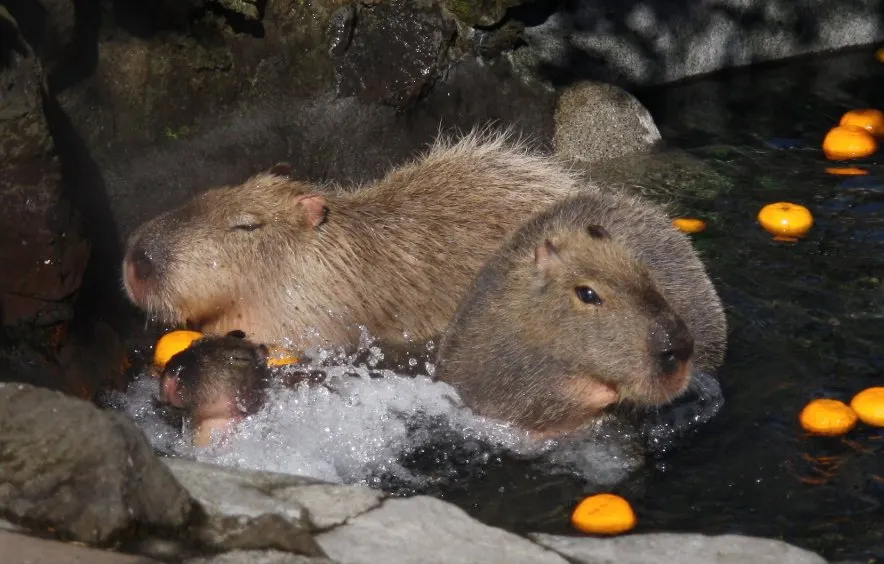
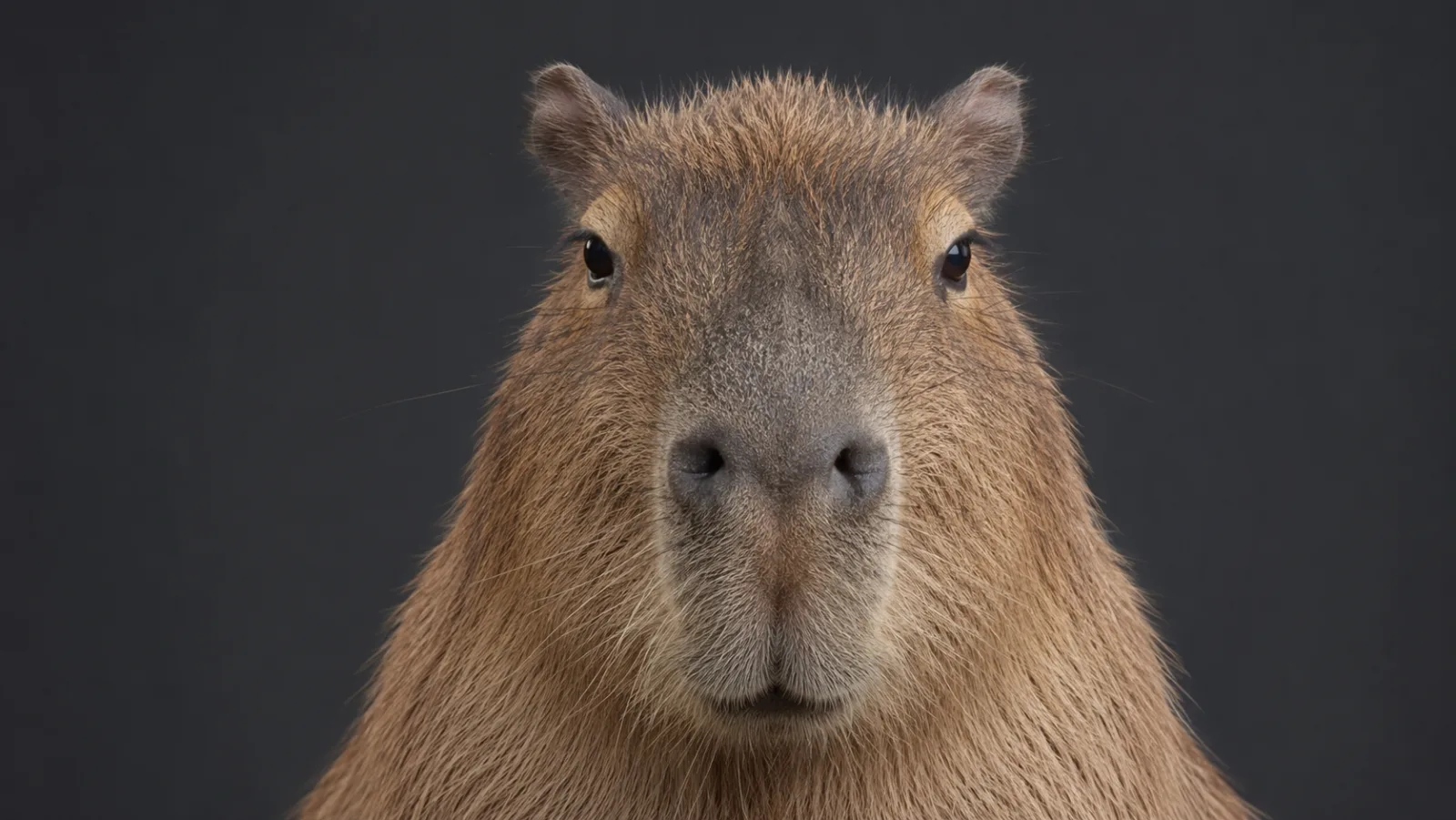
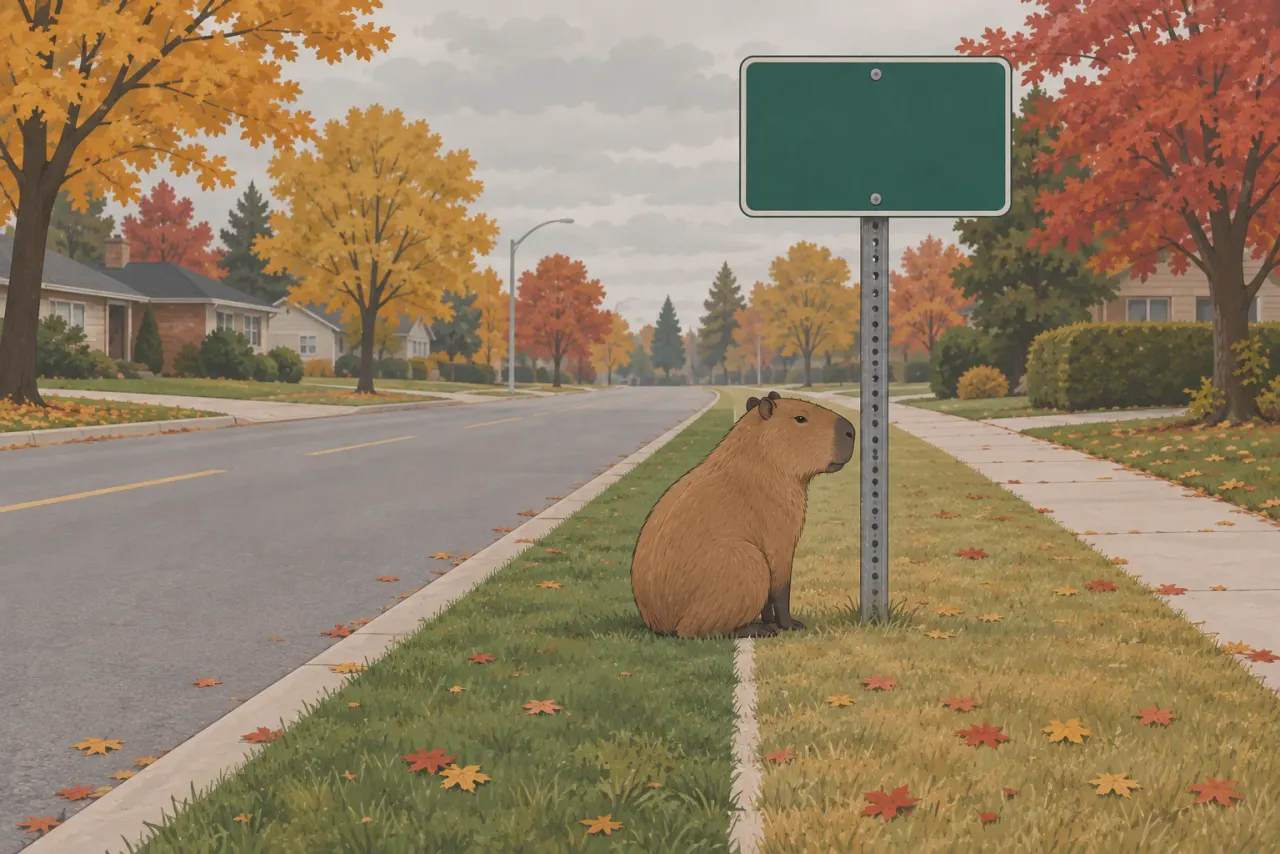
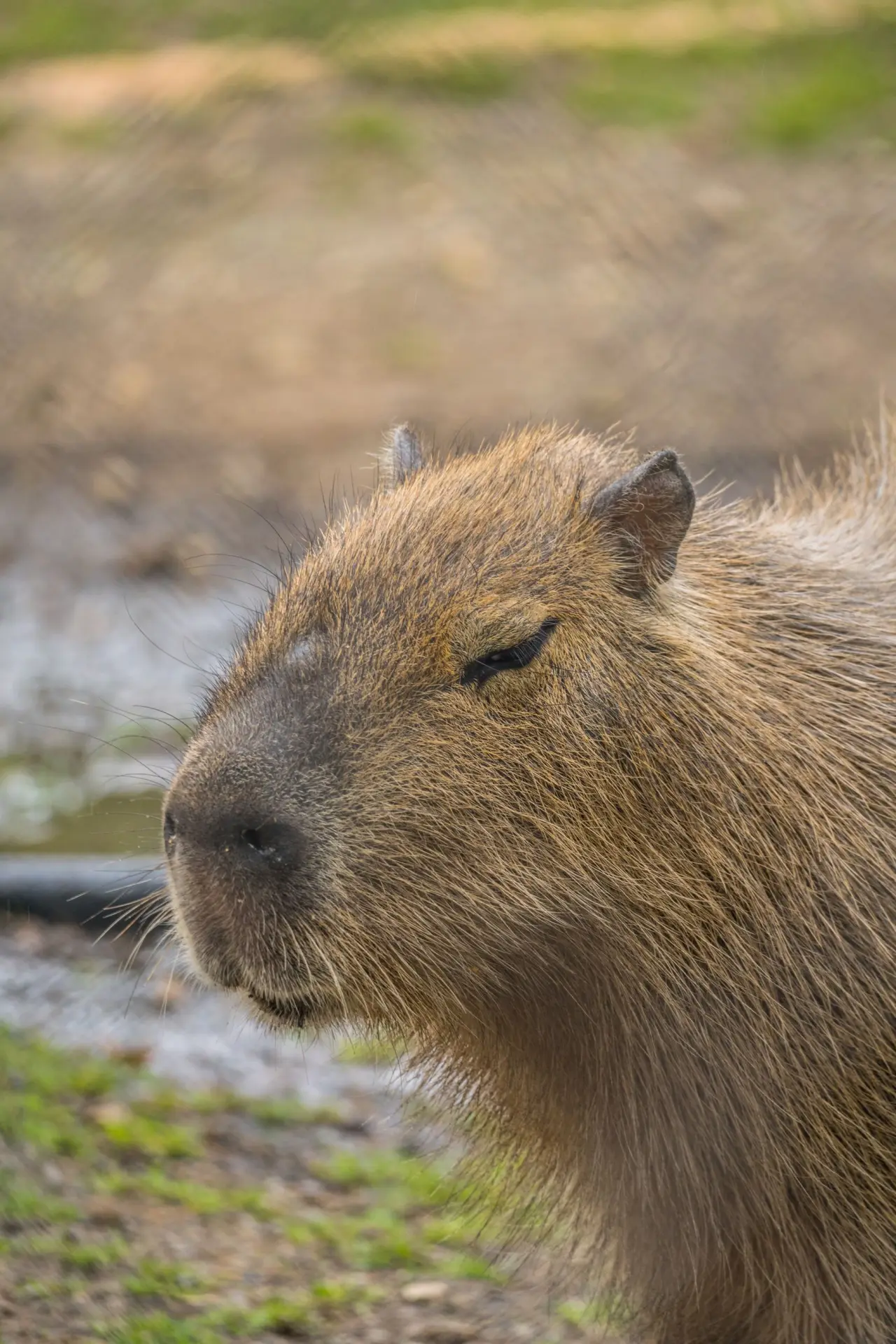
Capybaras already carry a weird online reputation: calm, friendly-looking, accepted by birds, monkeys, turtles, humans, and every other creature the algorithm can place nearby. The truth is more complicated, but the visual shorthand is powerful. A capybara seems like it can enter any scene without explaining itself.
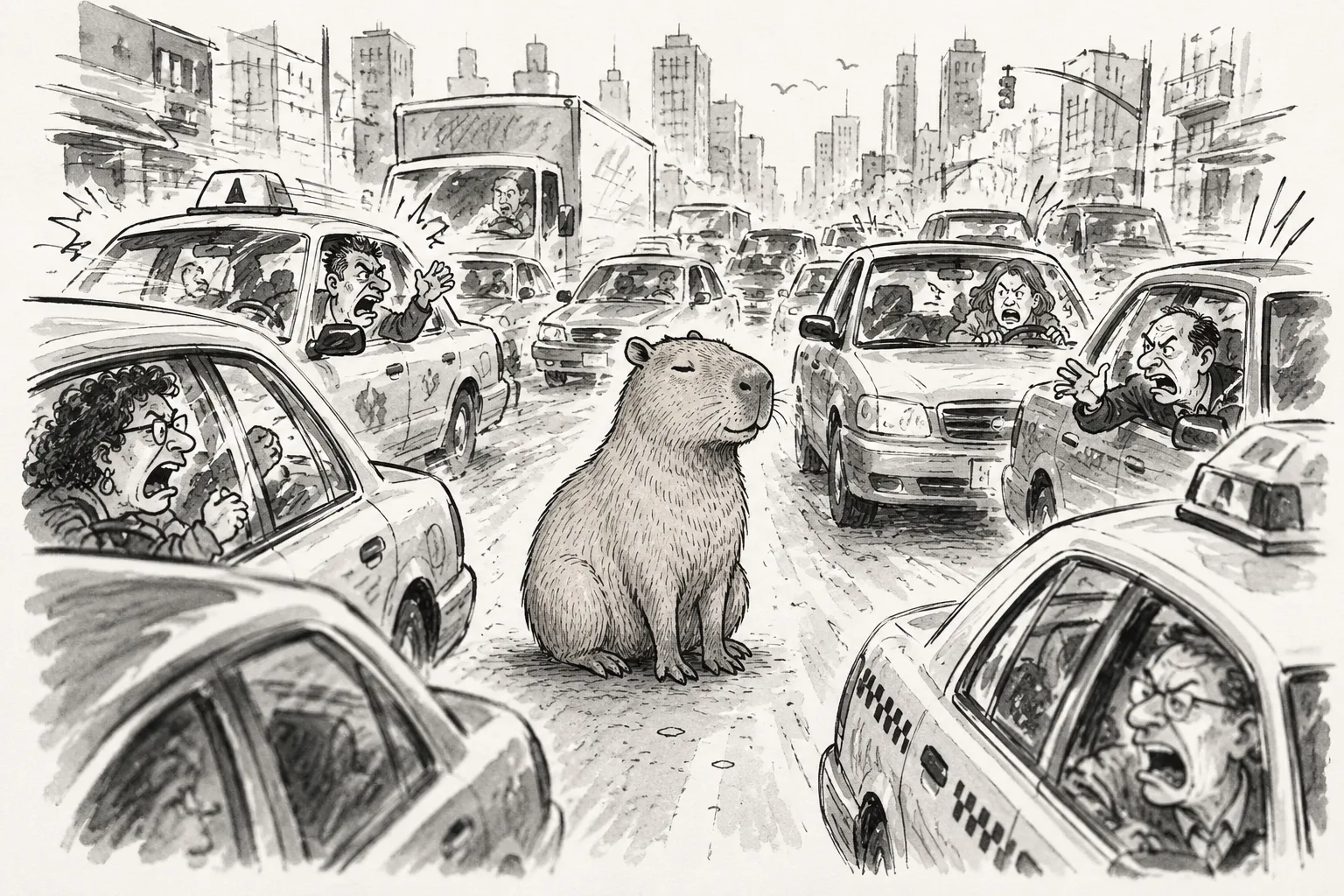
That makes the audio work. A smaller animal might look frantic. A predator would look threatening. A capybara looks like it has a reservation.
| Meme ingredient | Why it works |
|---|---|
| Serious song intro | Creates fake drama |
| Capybara footage | Makes the drama absurdly calm |
| Repetition | Turns the phrase into a ritual |
| Car or movement shots | Literal “pull up” energy |
| Deadpan animal face | No wink, which is funnier |
How It Became Internet Shorthand
Over time, OK I Pull Up became less about the specific clip and more about a feeling: arriving late, calm, and somehow socially untouchable. It is not motivation. It is emotional suspension.
That fits the bigger capybara meme economy. Capybaras became a mascot for low-drama presence. They are not trying to be alpha. They are not begging to be loved. They simply appear, often wet, and the internet projects spiritual management onto them.
The phrase travels well because it does not need the capybara at all anymore. People drop “ok i pull up” under a video of a duck, a Roomba, a toddler, a delivery driver walking in slow motion. The capybara just remains the cleanest version of the bit, the one the format keeps returning to. Once a sound becomes a feeling, it stops needing its original footage. That is usually the sign a meme has actually stuck rather than just trended for a week.
The Capybara Under The Bit
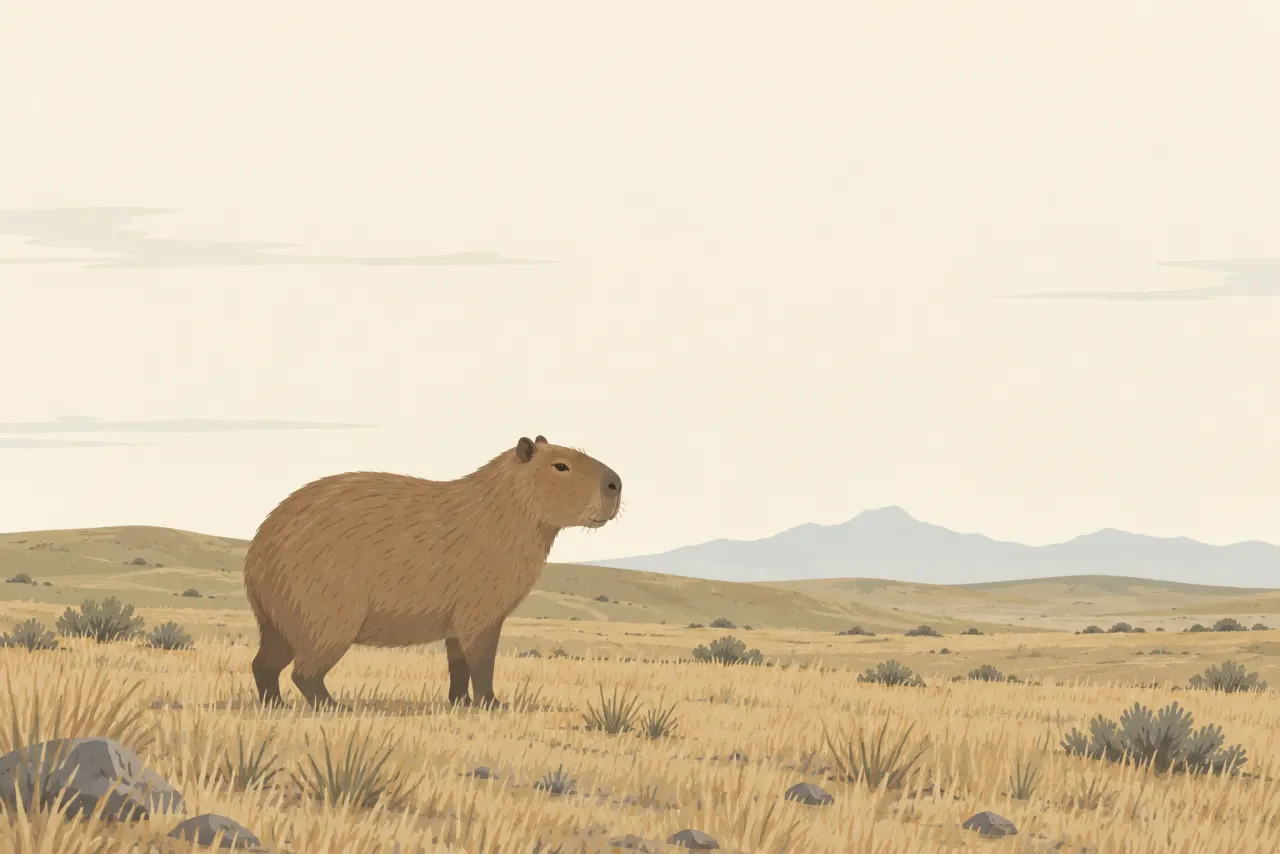
Here is the honest opinion, since the brief allows one: the meme is funnier when you remember the capybara is a real animal having a fairly normal day, not a zen monk. The calm we read into that face is mostly our projection. The capybara is not unbothered on purpose. It is a grazing prey animal doing grazing prey animal things, and the internet decided that looked like composure.
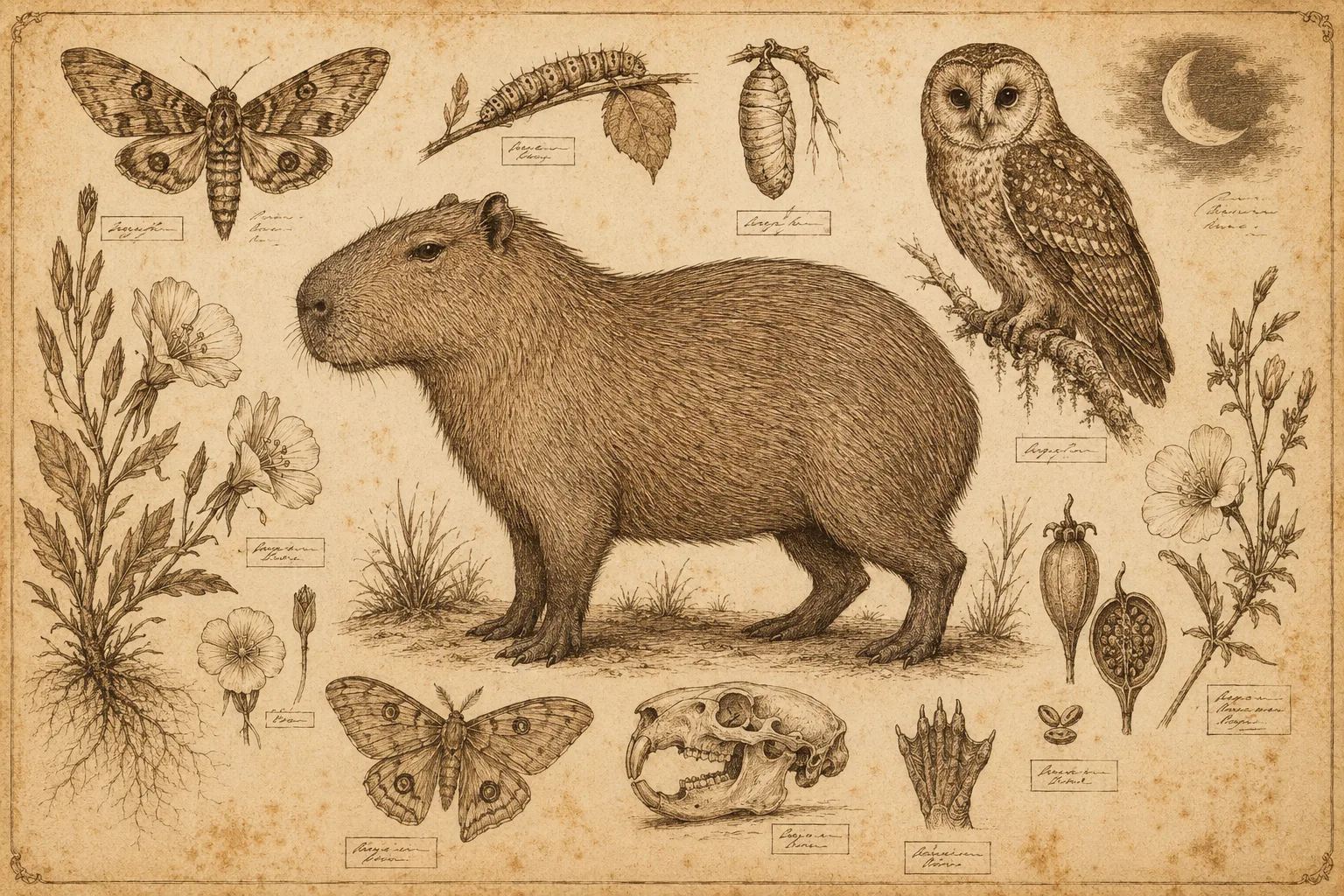
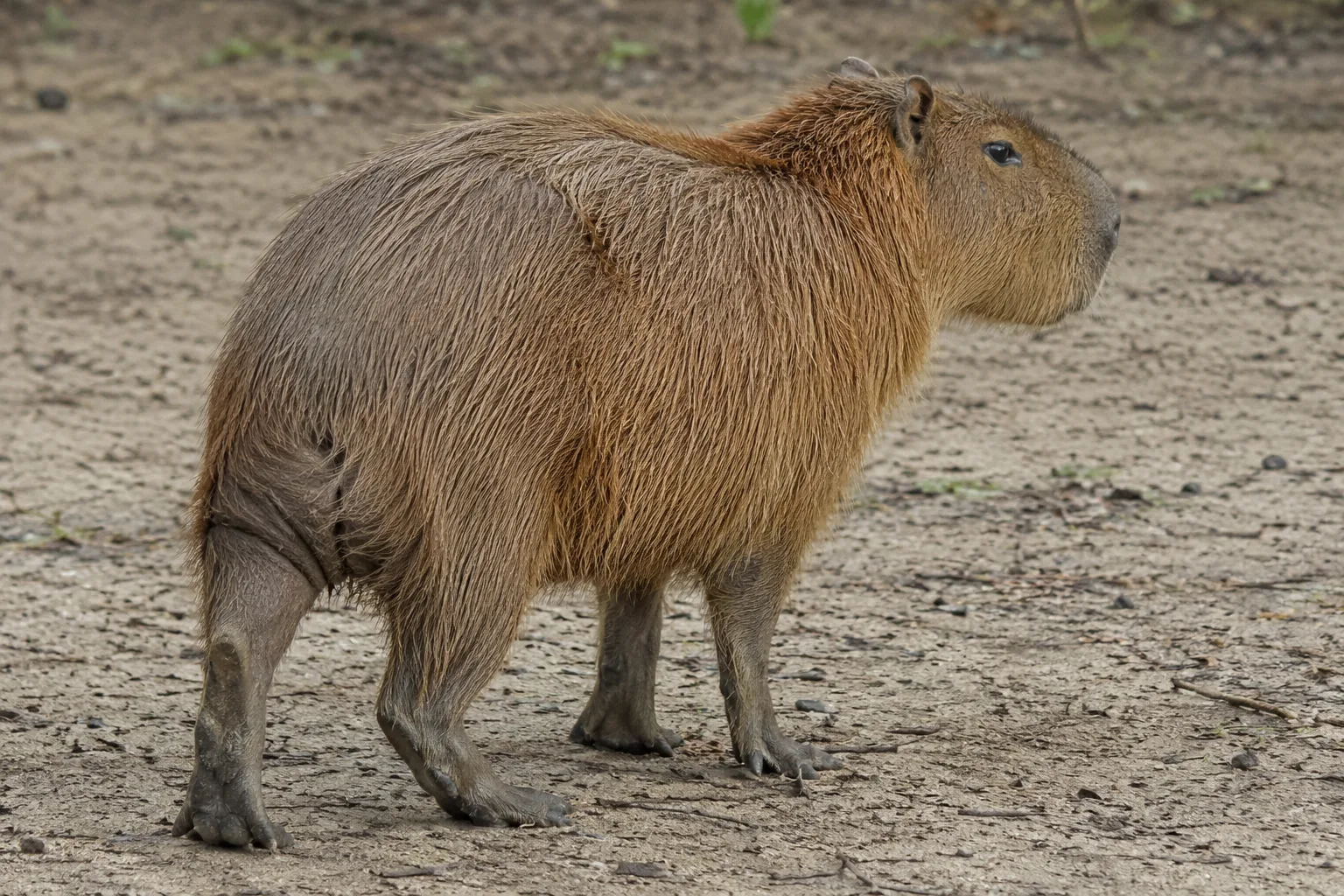
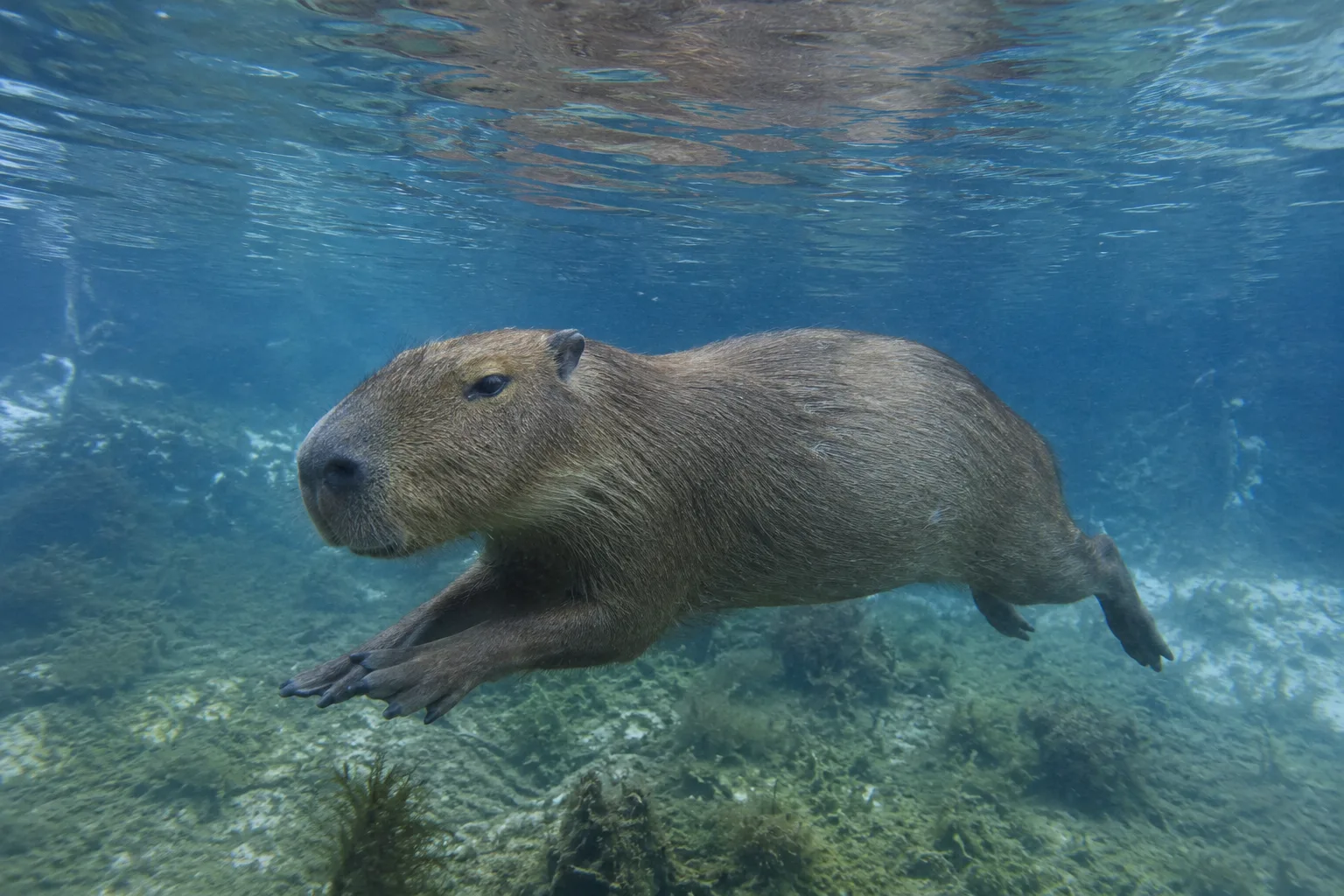
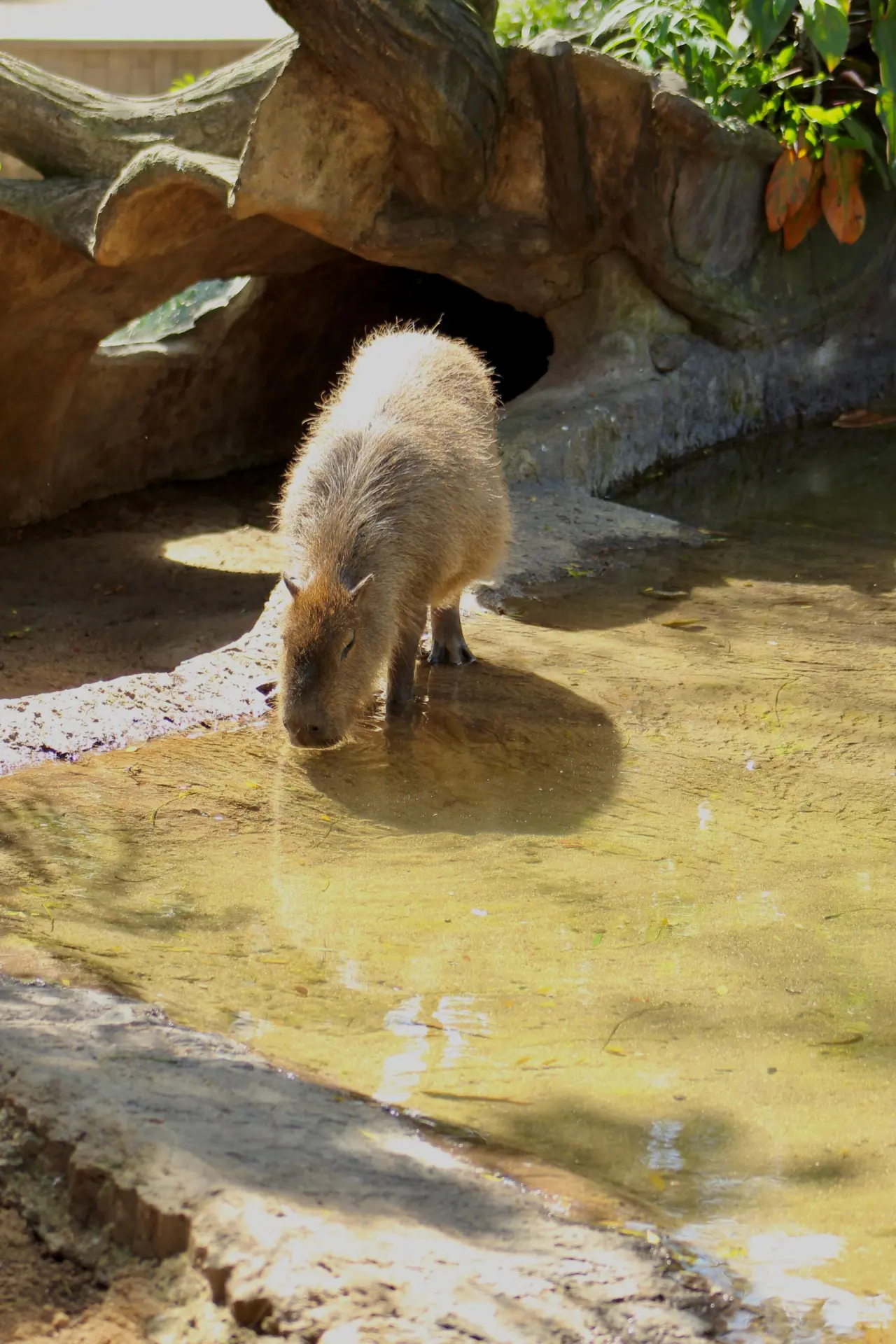
The actual creature is the world’s largest rodent. Adults run roughly 35 to 66 kg, which is closer to a large dog than the small pet people sometimes imagine. They are native to South America, semi-aquatic, and built around water: those slightly webbed feet in the meme footage are not a quirk, they are the reason a capybara can slide into a river to escape a jaguar. The reason a capybara in a car looks so settled is not enlightenment. It is an animal that evolved to stay still and read a situation before reacting.
| What the meme implies | What the animal is actually doing |
|---|---|
| Spiritually unbothered | Staying still because stillness is safer for a prey species |
| Loner with main-character energy | A deeply social herd animal that suffers when kept alone |
| Chill loner vibe | Constantly scanning for threats, just quietly |
| Eats anything, riding shotgun for fun | A grass and aquatic-plant grazer, often stressed by car travel |
None of that ruins the joke. It just keeps it honest. Animal Diversity Web and the San Diego Zoo Wildlife Alliance both describe capybaras as intensely social grazers, which is the opposite of the lone-wanderer energy the meme assigns them. The face stays funny. The lore underneath it is just more interesting than “rodent achieved inner peace.”
If You Have To Explain It Out Loud
Most meme explanations die because the person stretches a four-word joke into a TED talk. The format does not reward that. If someone asks what OK I Pull Up means and you actually want them to get it, keep it to three moves.
- Name the source: it is the intro of Don Toliver’s 2020 song “After Party,” lifted as a TikTok sound.
- Name the contrast: dramatic audio over an animal with zero visible urgency.
- Stop talking: the joke is the gap between the sound and the face, and over-explaining closes that gap.
The capybara version, per Know Your Meme, started from old JoeJoe footage from Crazy Cody’s Creatures reposted with the audio in 2020. You can mention that if pressed. You probably will not be pressed. The meme is built to be felt in two seconds, not lectured at for ten.
Why The Meme Still Works
The meme still works because the capybara face refuses to help. No grin. No chaos. No overacting. Just arrival.
That is also why it keeps looping back through capybara fandom. The best capybara memes are not loud. They are deeply, almost aggressively unbothered. The capybara pulls up, and somehow the room becomes less embarrassing for everyone except the person explaining the meme at length.
Which, regrettably, is us.