CAN YOU ACTUALLY TELL A CAPYBARA FROM A WOMBAT, BEAVER, NUTRIA, OR GUINEA PIG?
Twelve rounds. Five difficulty levels. It ends with a photo of fur and nothing else. You're going to feel things.
Capybaras are the world's largest rodents and somehow the internet still mixes them up with wombats, beavers, nutrias, and guinea pigs on a daily basis. This starts easy — whole animals, good lighting — and then the photos start losing parts. By the end you get an ear. Then a nose. Then a patch of fur and our sincere best wishes.
The playable version needs JavaScript. Here is the whole quiz as plain text — 12 questions and 5 possible verdicts.
-
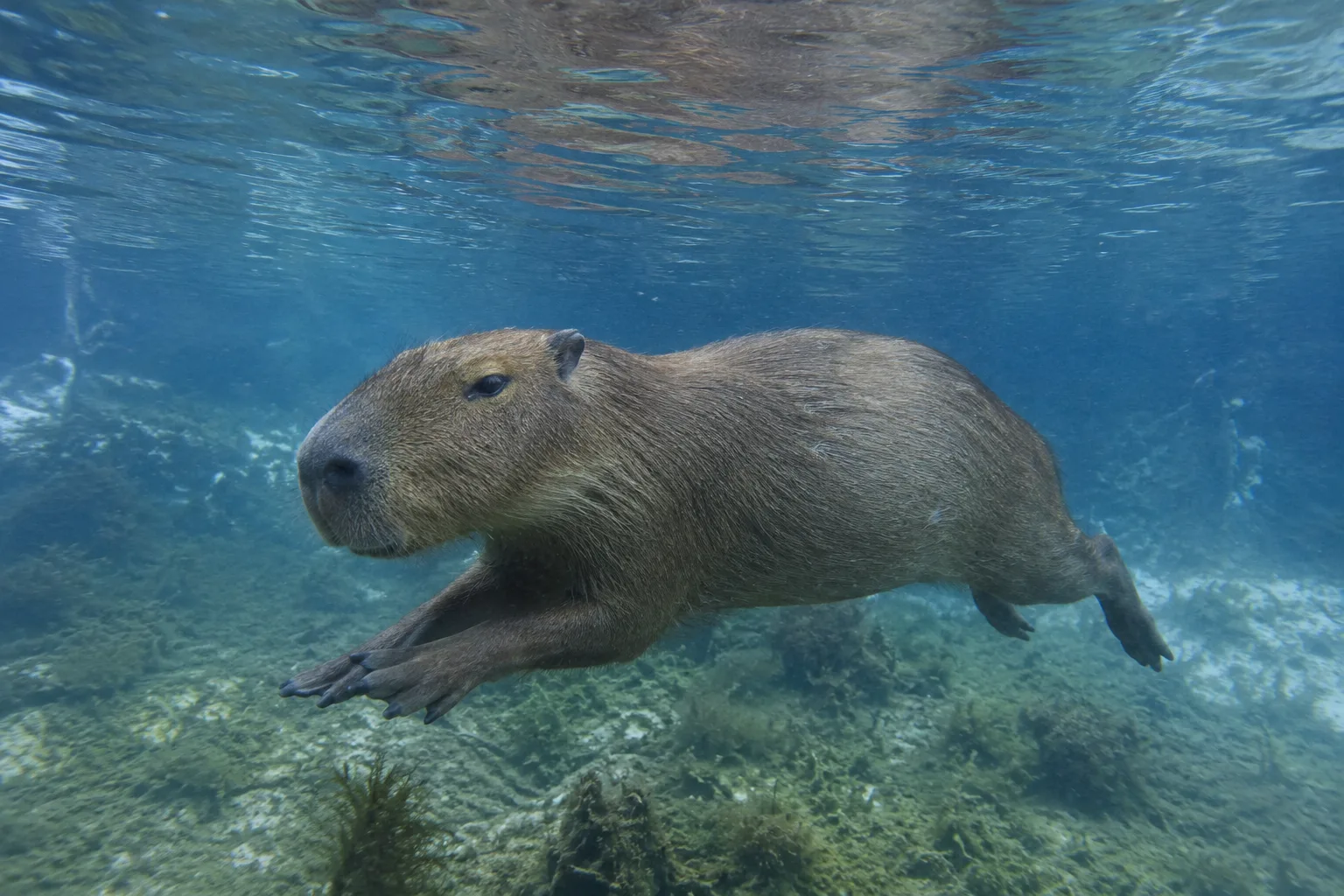
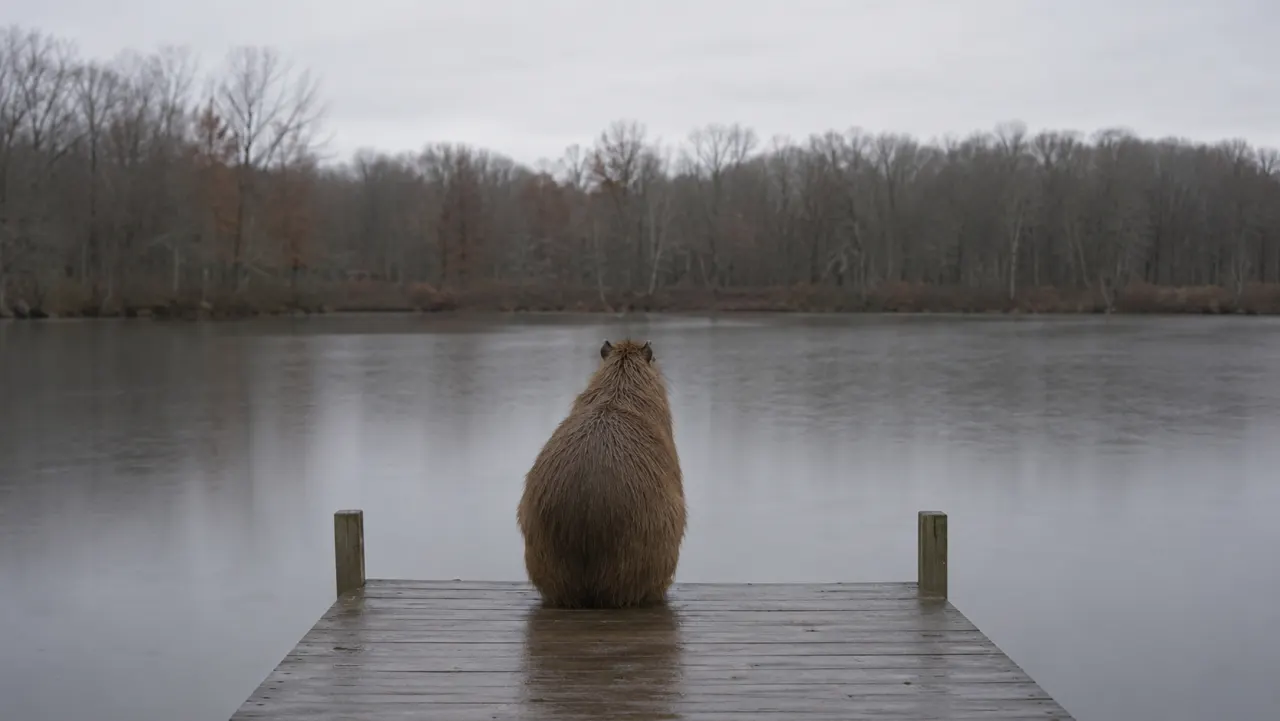
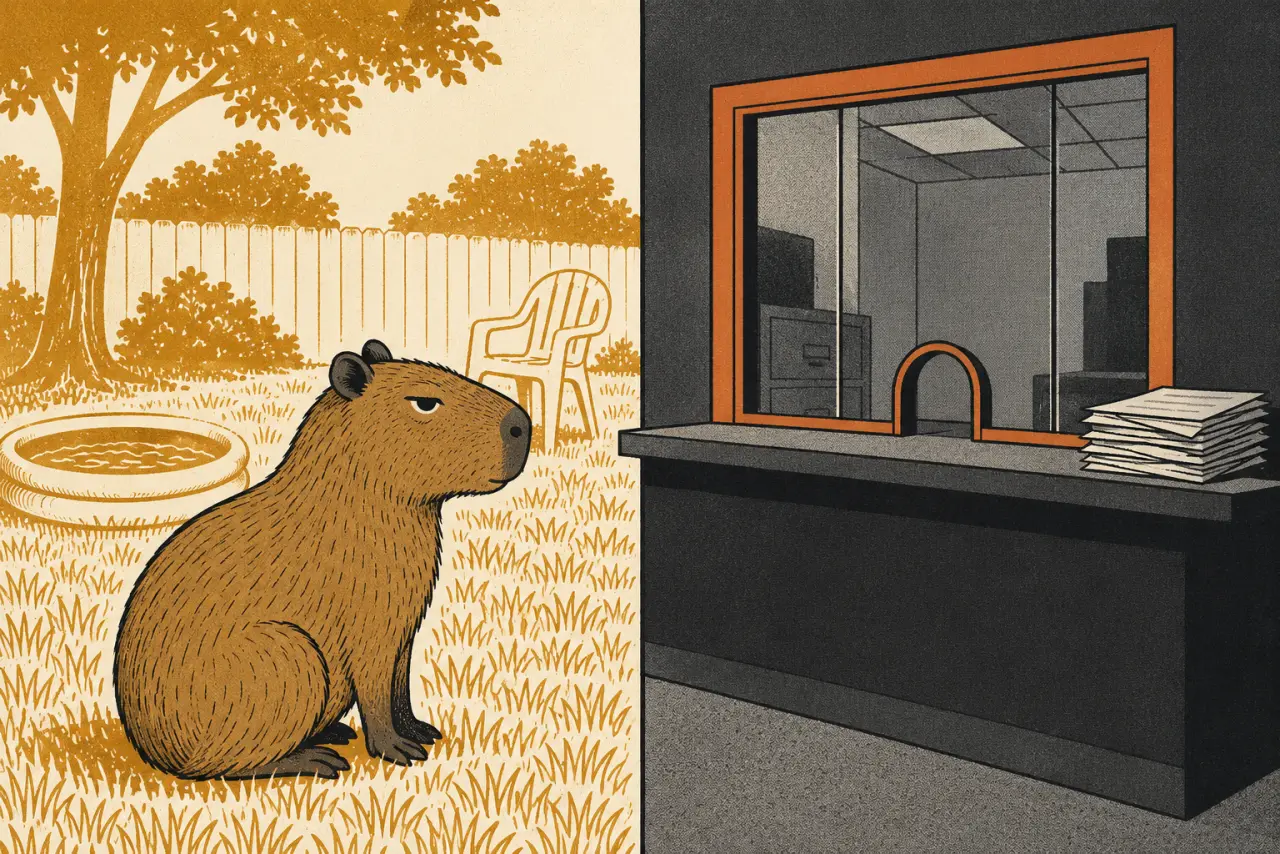
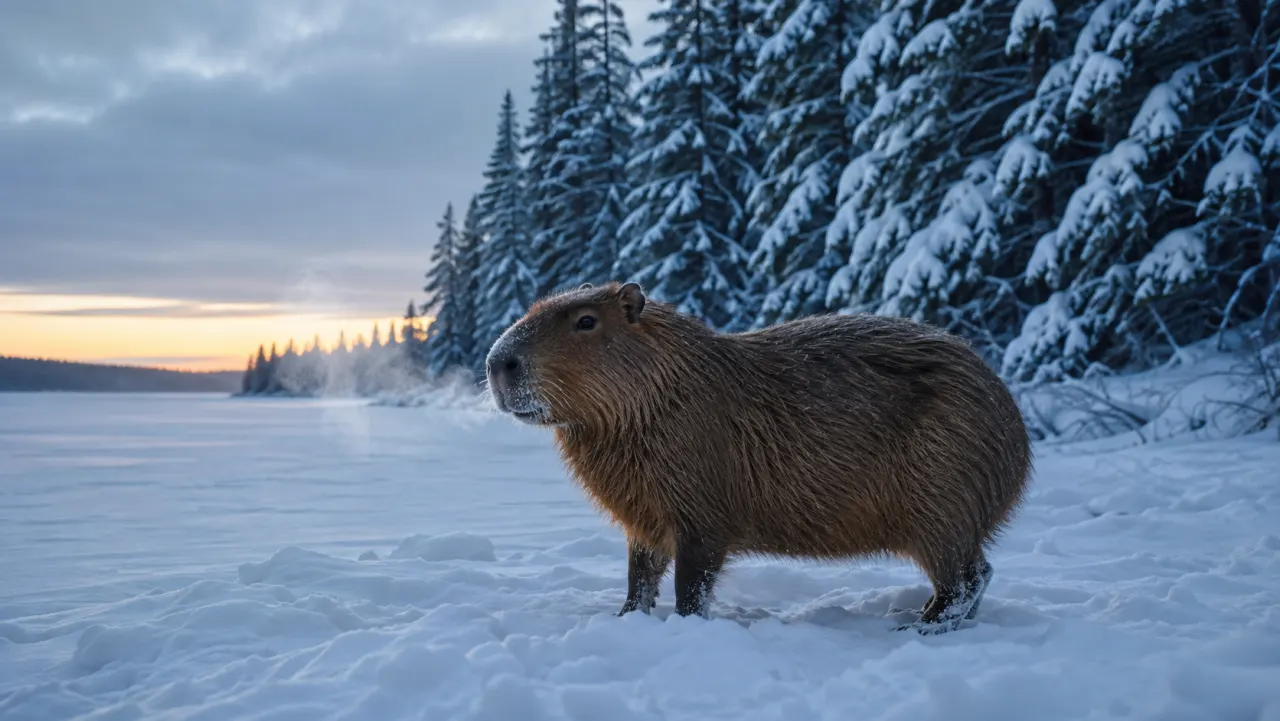
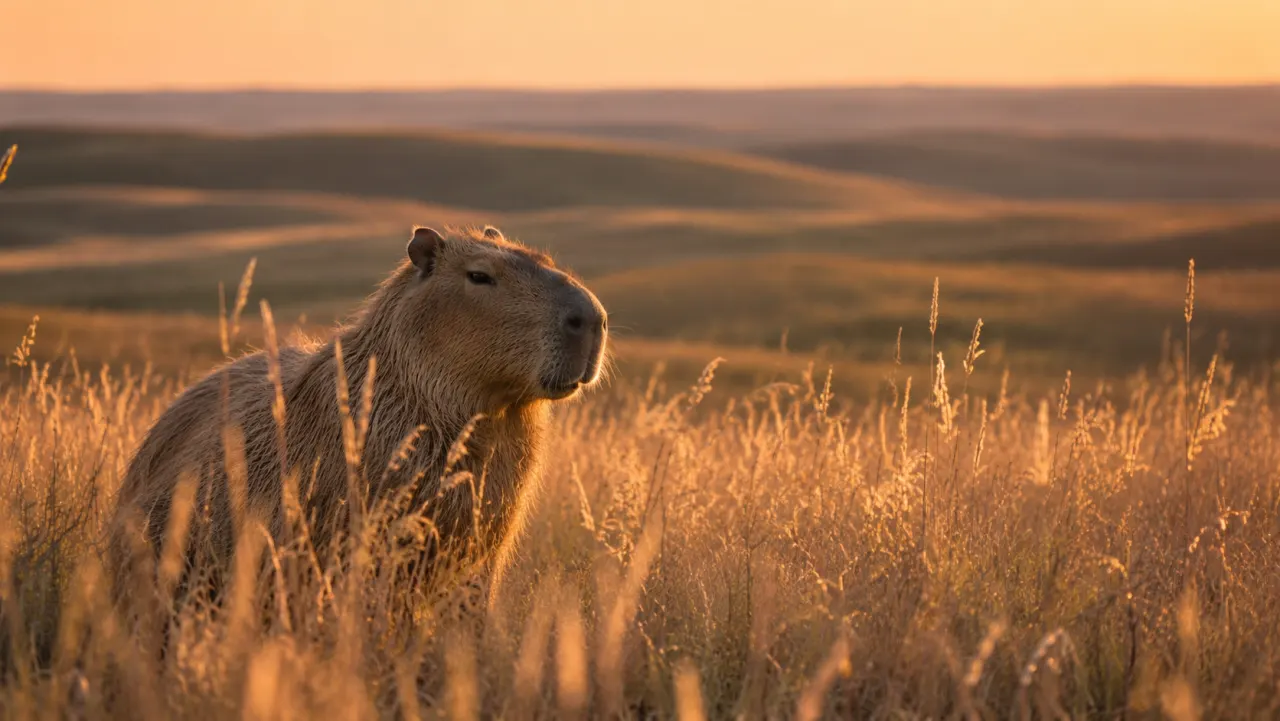
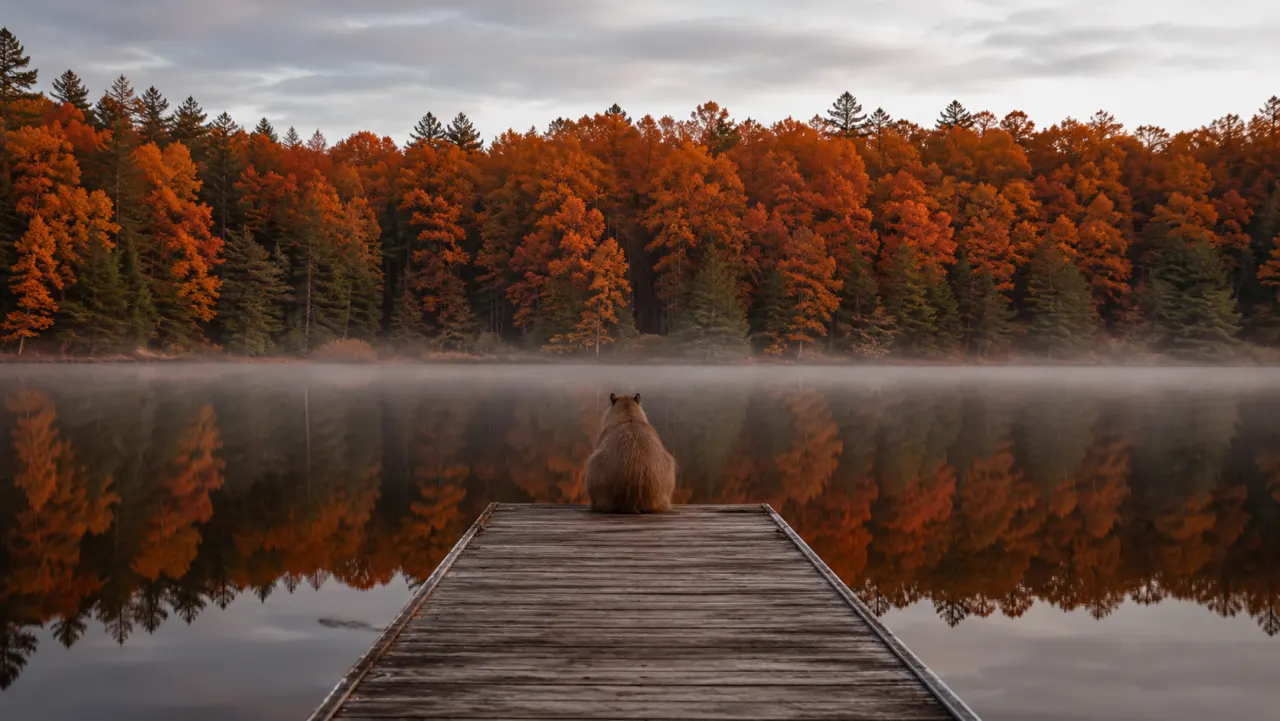
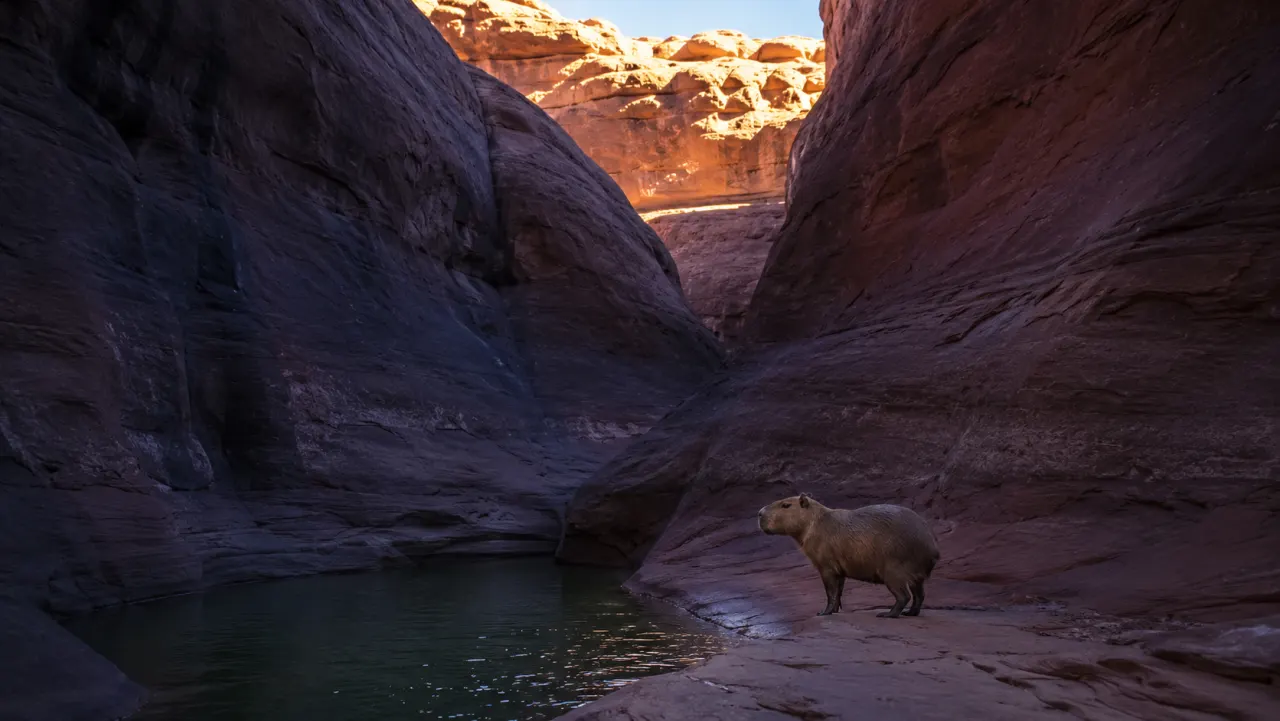
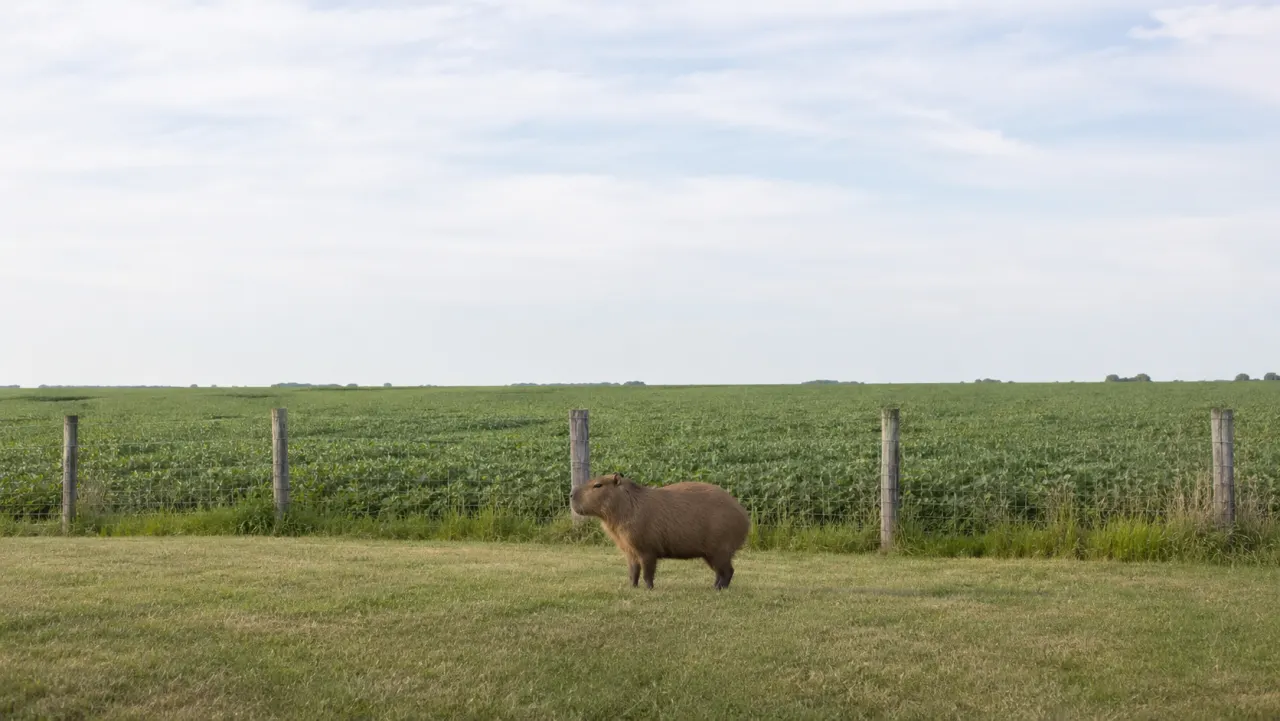
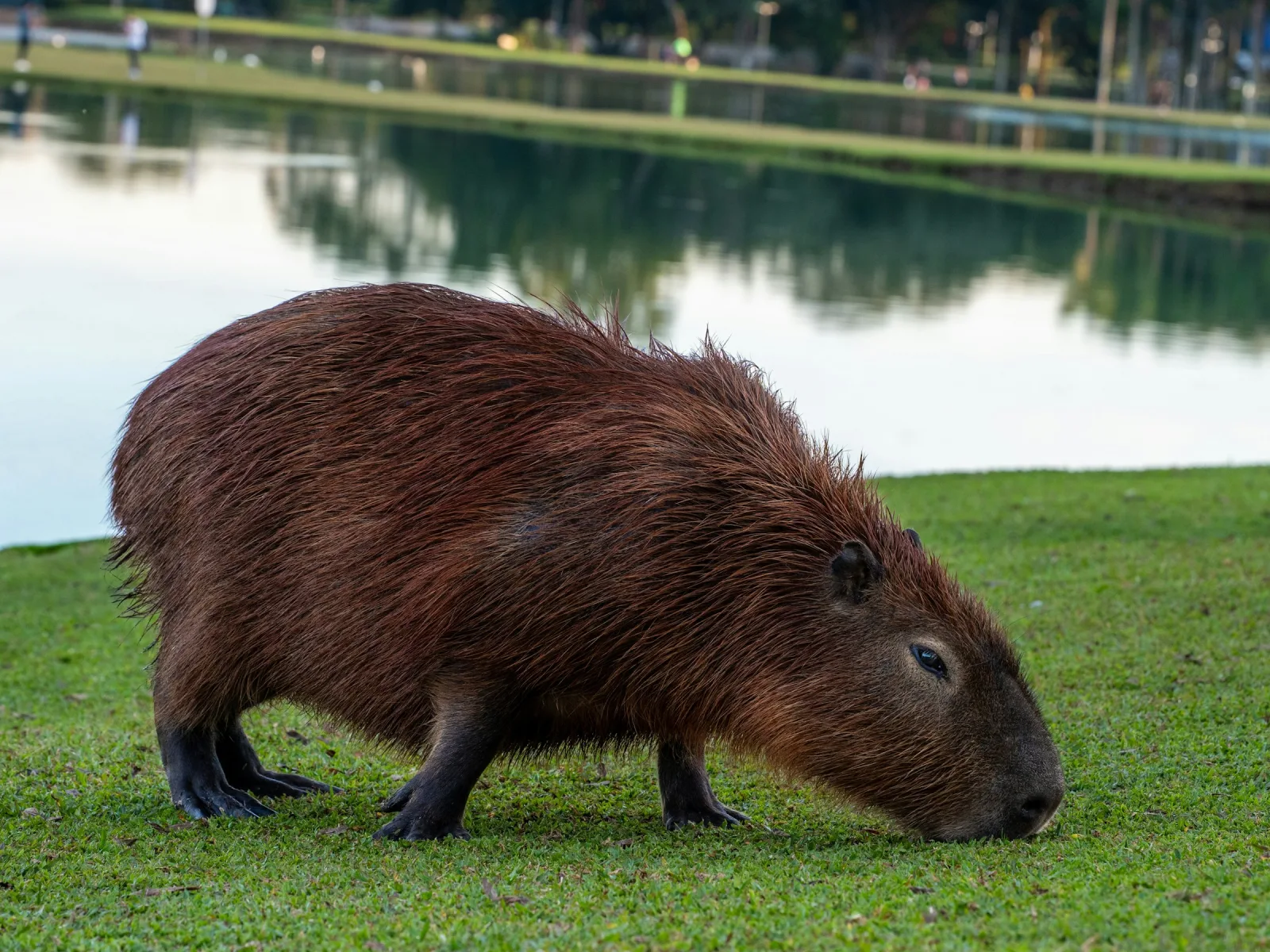
Question 1. Pick the capybara.
Whole animals, good light, nothing hidden. This is the part where you feel good about yourself.
-
Question 2. Again. Pick the capybara.
-
Question 3. One of these is a capybara.
-
Question 4. Capybara. Find it. Last easy one.
-
Question 5. Just heads now. Pick the capybara.
Bodies gone. No size cue, no posture, no water to give it away. A capybara head is long and blunt, with the eyes and ears pushed high and far back.
-
Question 6. Still heads. Still one capybara.
-
Question 7. Head only. Do not get sentimental about the wet ones.
-
Question 8. One ear. Pick the capybara.
This is where it stops being a vibe check. Capybara ears are small, rounded, and set high on the skull, with coarse hair running right up to them — the whole face is built to stay above the waterline.
-
Question 9. Another ear. Same job.
-
Question 10. A nose. Somewhere in here, a capybara.
Bright orange incisors are a nutria and beaver signature. Capybara teeth are much paler, and the muzzle is broad and squared off rather than pointed.
-
Question 11. Muzzle only. This is the last fair question.
-
Question 12. Fur. Just fur. Good luck.
No face, no ears, no outline. Capybara hair is long, coarse, and sparse enough that you can see skin through it. Everything else here is denser or wetter. We did warn you.
How the scores read
- Capybara-Certified — Twelve out of twelve, including the fur. You are not fooled by a wombat, a beaver in good lighting, or a guinea pig with delusions, and you correctly identified a capybara from hair alone. The capybaras have noted your work. You may now claim Capybara-Certified status, which carries no benefits except the soft confidence of being right.
- Solidly Capybara-Adjacent — You held it together through the heads and most of the ears, and then something small went wrong. Probably the fur. Possibly a wombat. This is a genuinely good score — the back half of this quiz is not designed to be survived intact. The capybaras are willing to acknowledge you in public. Provisionally.
- Field Guide Curious — Whole animals: fine. Cropped animals: less fine. You know the shape of a capybara but not yet the parts, which is the exact gap the comparison guides below exist to close. Come back after reading one. The score will move.
- Trying. Truly. — You guessed. Some of them were right. The capybaras do appreciate the effort, in the way that you appreciate it when someone remembers your name but not your job. We recommend spending more time near calm bodies of water. It will help.
- Brave. Just Brave. — This was hard for you, and we want to acknowledge that. The capybaras are not angry. They are just disappointed. The good news: knowing nothing about capybaras and still finishing a twelve-round identification quiz that ends in a photo of fur is, in its own way, deeply capybara-coded. You're closer to one than you think.
Keep reading
The quiz gives you a verdict. These give you the actual answers.
- Capybara vs Everything It Gets Confused With
- Capybara vs Nutria vs Beaver vs Guinea Pig: A Field Guide for Confused People
- The Largest Rodents in the World, Ranked Without Calling Everything a Rat
- Is a Capybara a Rat? Capybara vs Giant Rat, Without the Drama
- Capybara vs Wombat: Same Energy, Completely Different Animal
- Capybara vs Groundhog: Similar Shape, Completely Different Assignment