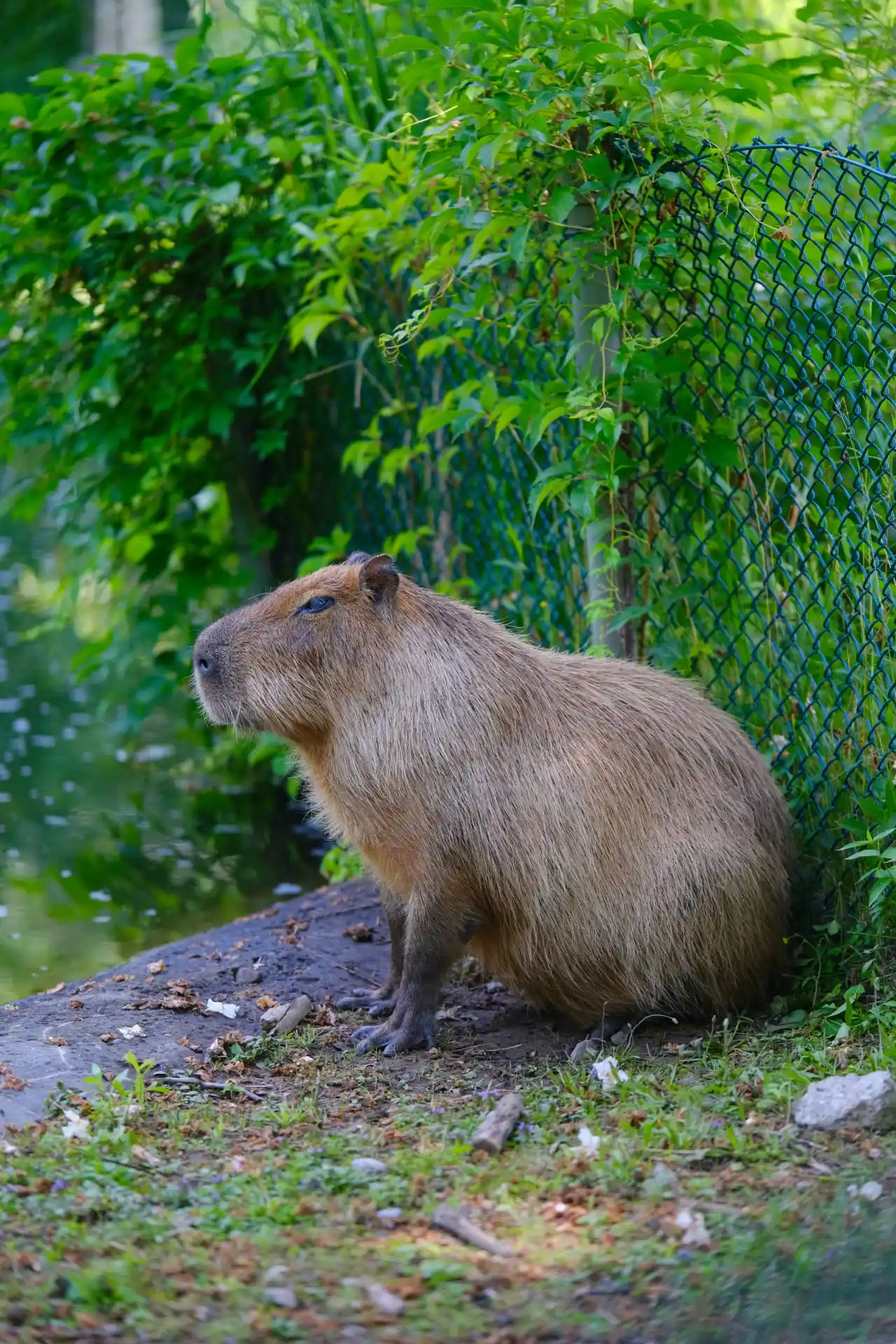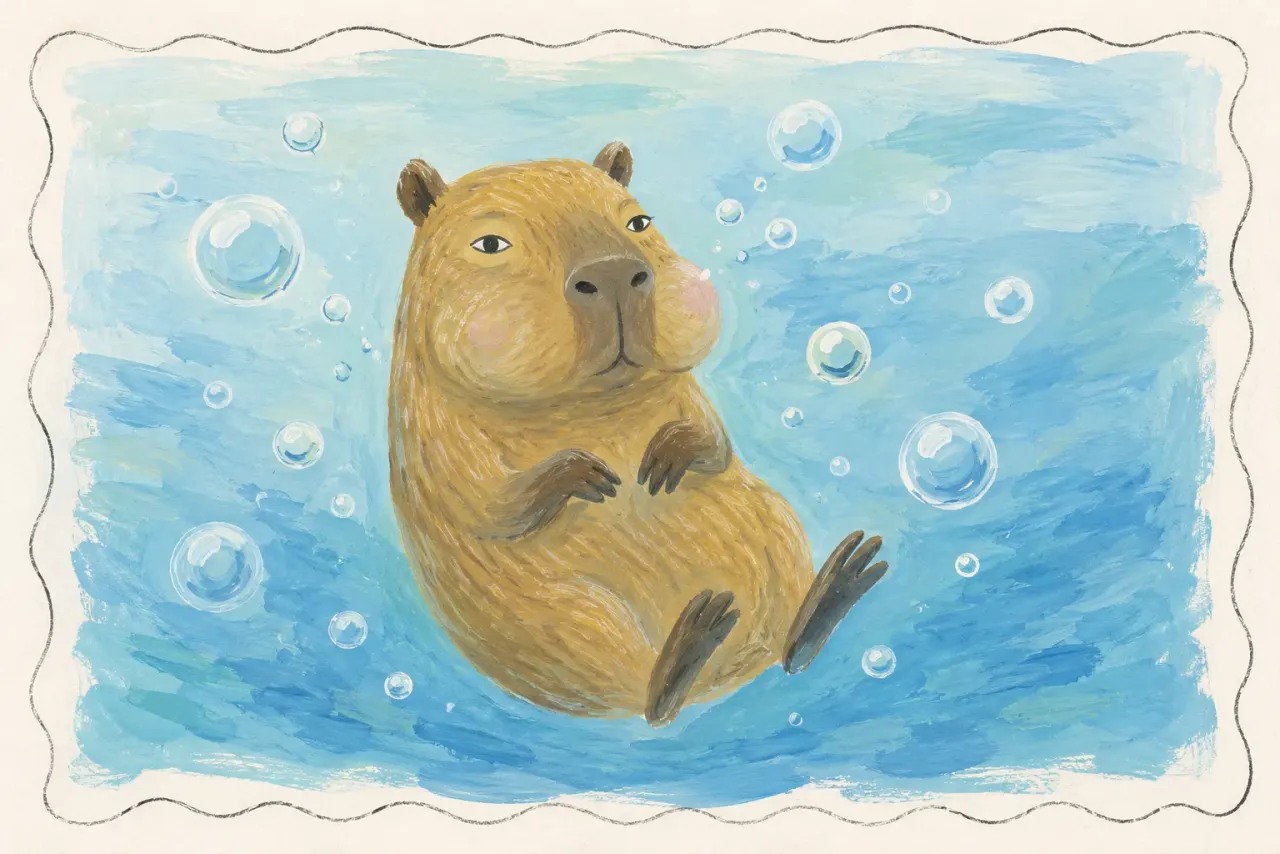
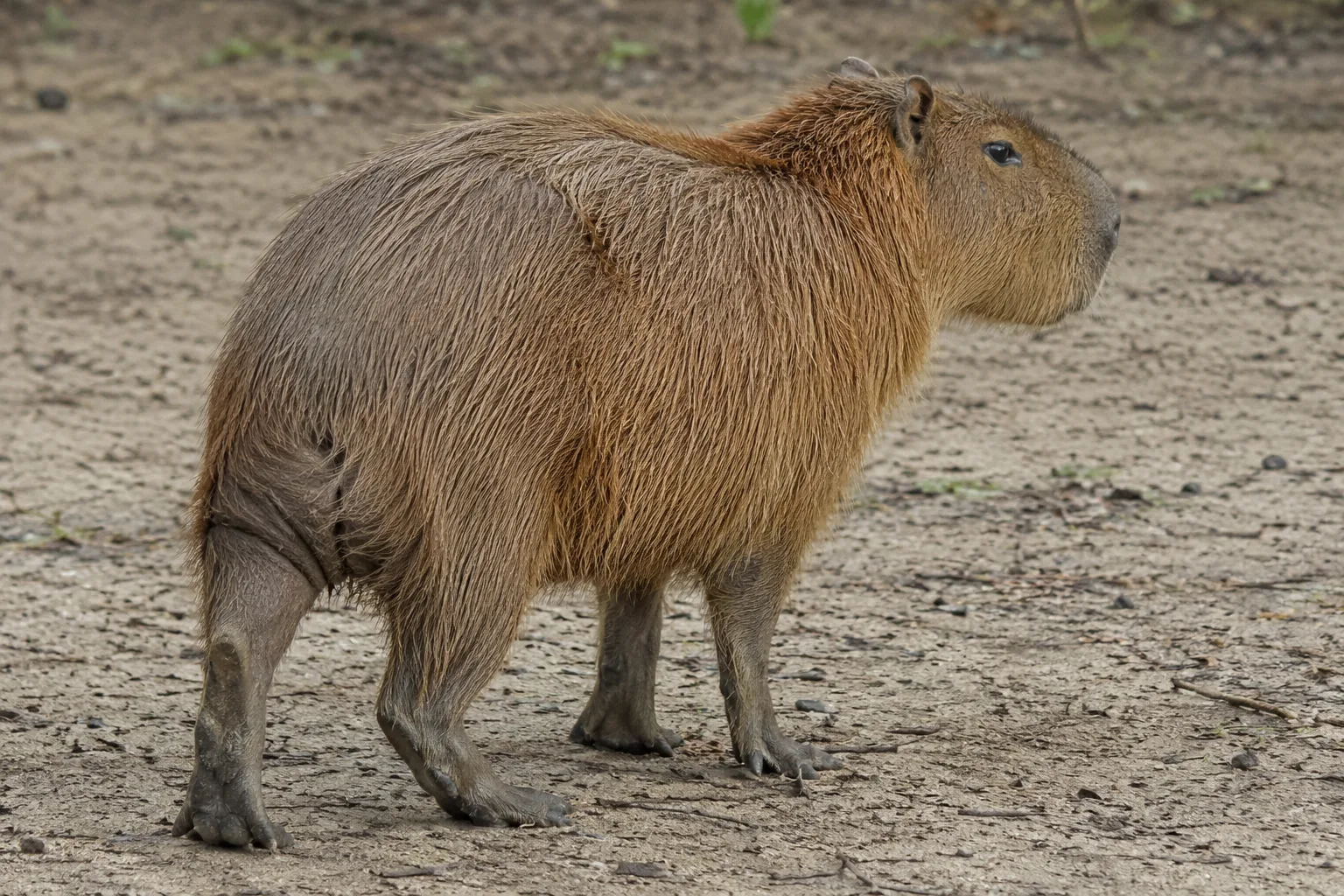
The largest rodent in the world is the capybara. That part is easy. The rest of the ranking gets messy because “largest” can mean average adult weight, maximum recorded mass, head-body length, living species only, or extinct rodents invited back from the fossil cabinet to make everyone feel small.
For this guide, we are ranking practical living rodents by the size a normal reader is likely to mean. The capybara wins. The beaver accepts second place with engineering dignity.
First, The Ranking Rules
We are not ranking every claimed record from every specimen note. We are using source-backed, real-world adult size ranges and keeping extinct rodents in their own section. Otherwise the list turns into fossil trivia with a capybara cameo, which is rude in its own way.
| Rule | Why it matters |
|---|---|
| Living species first | Readers asking “biggest rodents” usually mean animals alive now |
| Weight beats length | A long tail can cheat the tape measure |
| Use ranges, not one heroic outlier | Size varies by sex, age, nutrition, and source |
| Separate extinct giants | Fossil rodents make the living list meaningless |
The Largest Living Rodents
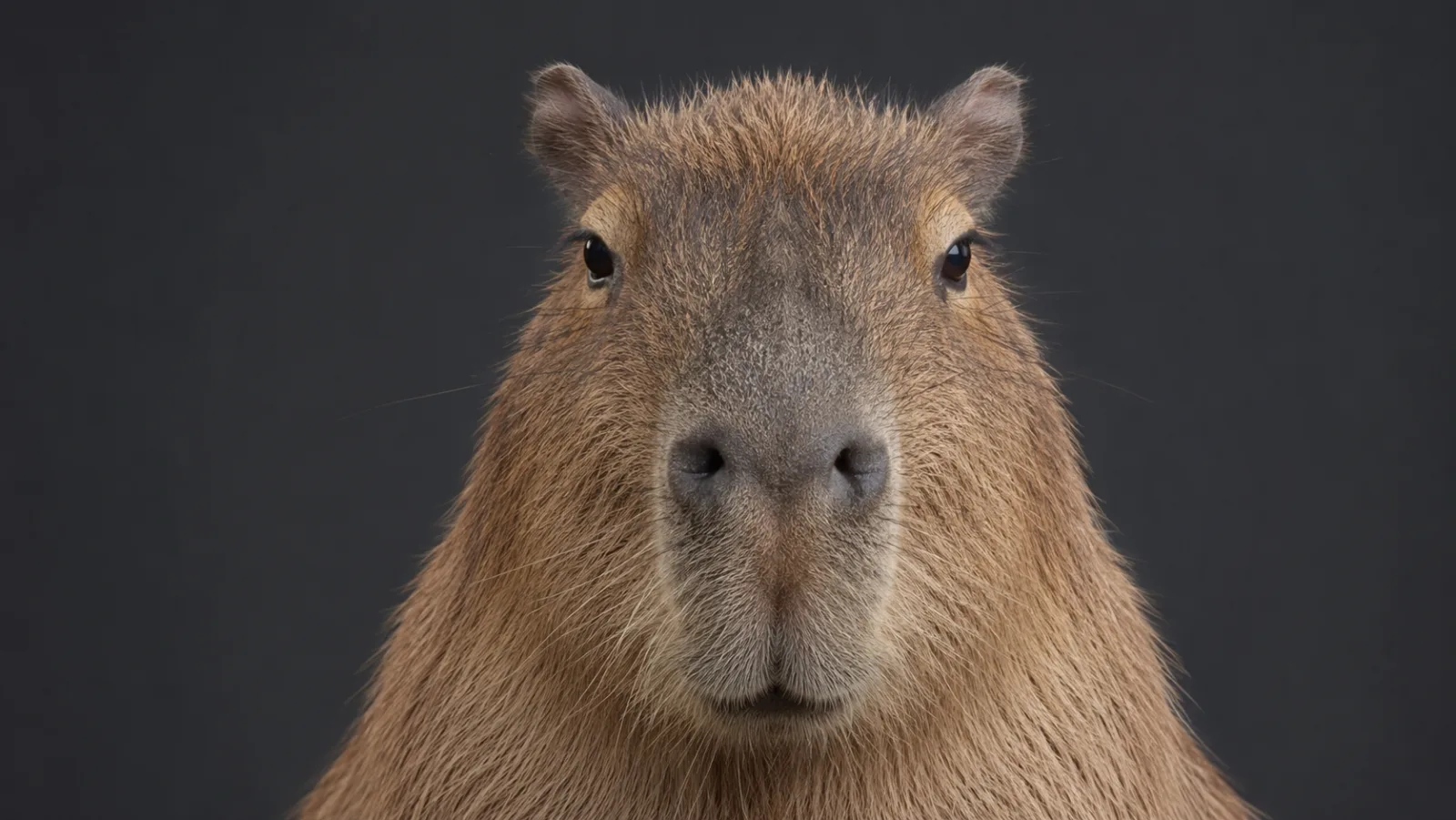
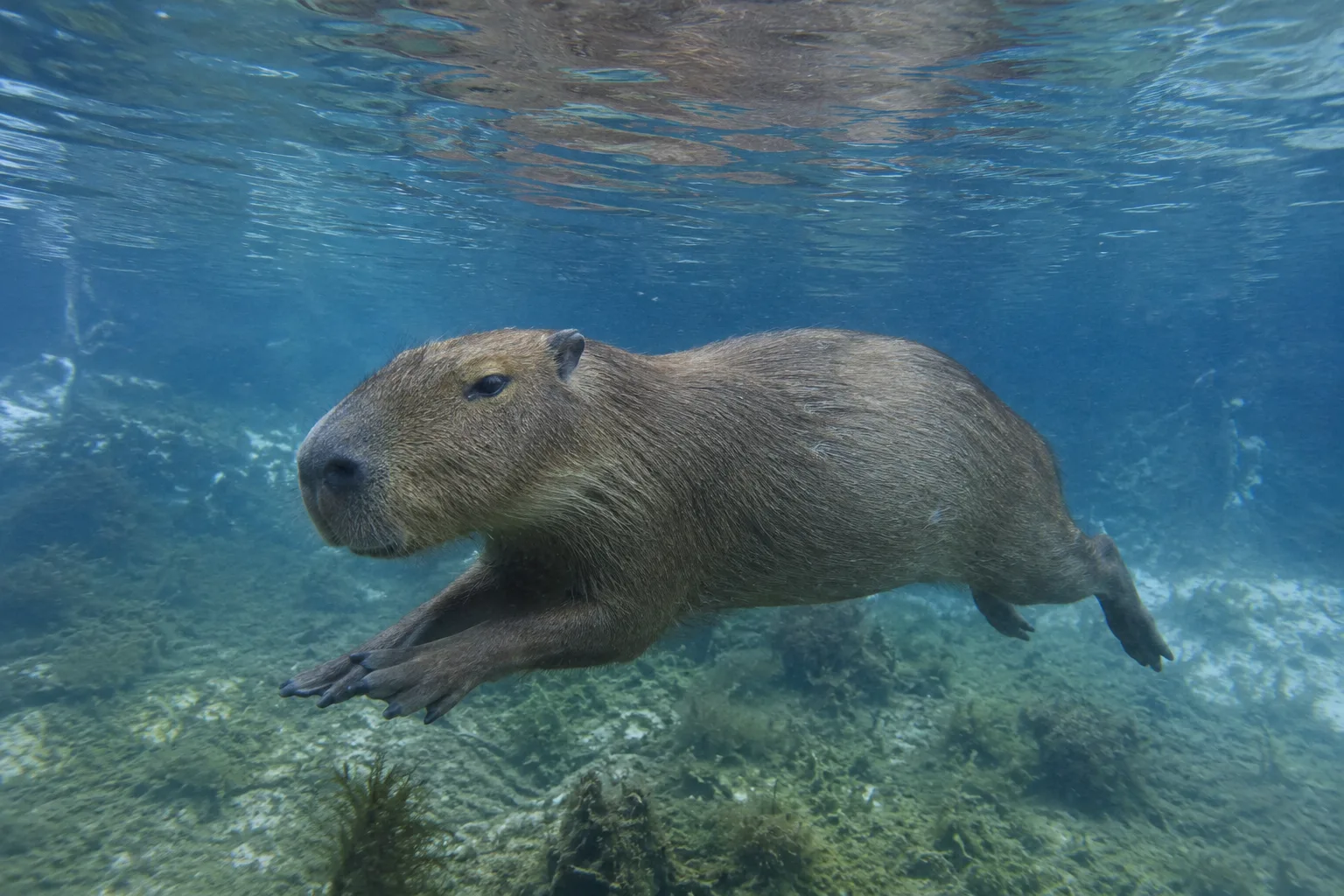
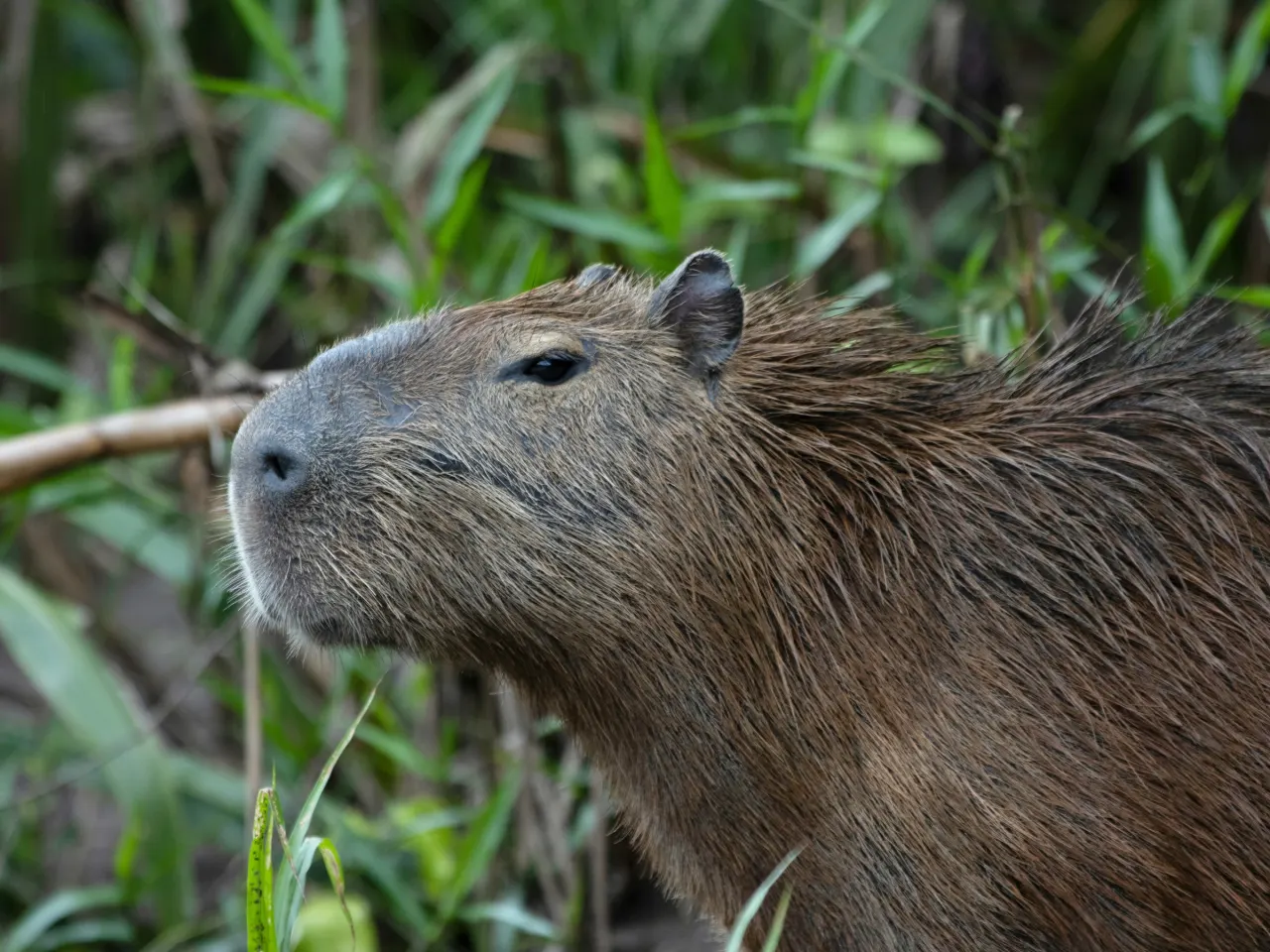
1. Capybara. San Diego Zoo Wildlife Alliance calls the capybara the world’s largest rodent and describes it as about 2 feet tall at the shoulder. Britannica places the larger capybara up to about 1.3 meters long and 79 kilograms, or 174 pounds. USGS gives a similar field-profile version, with capybaras up to roughly 150 pounds.
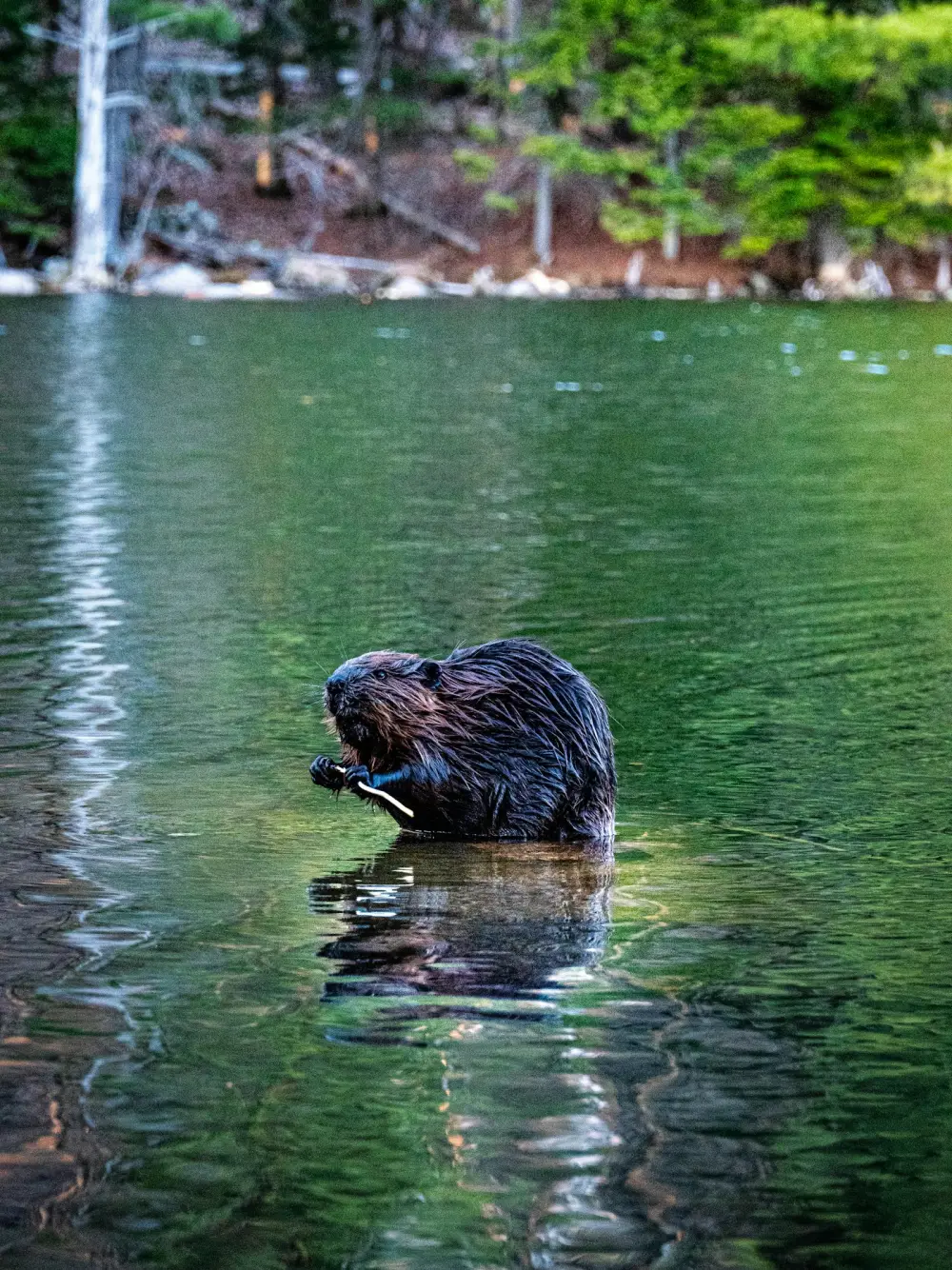
2. Beavers. North American and Eurasian beavers are the next obvious heavyweights. Animal Diversity Web describes beavers as the largest rodents in North America. Alaska Department of Fish and Game says most adult beavers weigh 40 to 70 pounds, with very old, fat individuals sometimes reaching 100 pounds. Eurasian beavers sit in a similar large-rodent lane, with ADW listing them at 13 to 35 kilograms.
3. Large porcupines. Old World porcupines can be very heavy, though exact species rankings vary. They deserve the big-rodent conversation, even if they are less likely to be confused with capybaras unless the viewer has had a long day.
4. Patagonian mara. Smithsonian’s National Zoo lists Patagonian maras at 17.6 to 35.3 pounds. They look like a rabbit, deer, and nervous bicycle frame held a committee meeting, but they are rodents.
5. Nutria, also called coypu. Nutria are semi-aquatic rodents, smaller than beavers and much smaller than capybaras. Virginia Tech’s nutria identification page says adults can weigh up to about 20 pounds and reach roughly 3 feet in total length.
| Rank | Rodent | Practical size note |
|---|---|---|
| 1 | Capybara | Largest living rodent; large adults can exceed 100 pounds |
| 2 | Beaver | North America’s largest rodent; often 40 to 70 pounds |
| 3 | Large porcupines | Heavy-bodied rodents; exact placement depends on species |
| 4 | Patagonian mara | Up to about 35 pounds, long-legged and very un-rat-like |
| 5 | Nutria or coypu | Large semi-aquatic rodent, often around 20 pounds or less |
The Extinct Giants Are A Different Contest
If you include extinct rodents, the capybara loses immediately and with no shame. Fossil rodents such as Josephoartigasia monesi and Phoberomys pattersoni were enormous compared with anything alive today.
That is why every good “largest rodents” list needs the scope note. The capybara is the largest living rodent. It is not the largest rodent that ever existed. Paleontology enjoys arriving late and flipping tables.
How To Tell The Big Rodents Apart
Size is useful, but shape is faster in the field.
Capybaras are blunt-headed, barrel-bodied, nearly tailless, and usually near water or wetland grass. Beavers have flat tails, darker waterproof coats, and that unmistakable dam-builder look. Nutria have round, rat-like tails and orange incisors. Patagonian maras have long legs and ears, looking almost like someone assembled a rabbit from spare prairie parts.
| Animal | Fast field clue |
|---|---|
| Capybara | No flat tail, blunt head, wetland grazer, social groups |
| Beaver | Broad flat tail and lodge/dam association |
| Nutria | Round tail, orange teeth, smaller than beaver |
| Patagonian mara | Long legs, big ears, dry grassland look |
| Rat | Much smaller, long tail, not a capybara in a trench coat |

Why The Capybara’s Body Outgrows The Rest
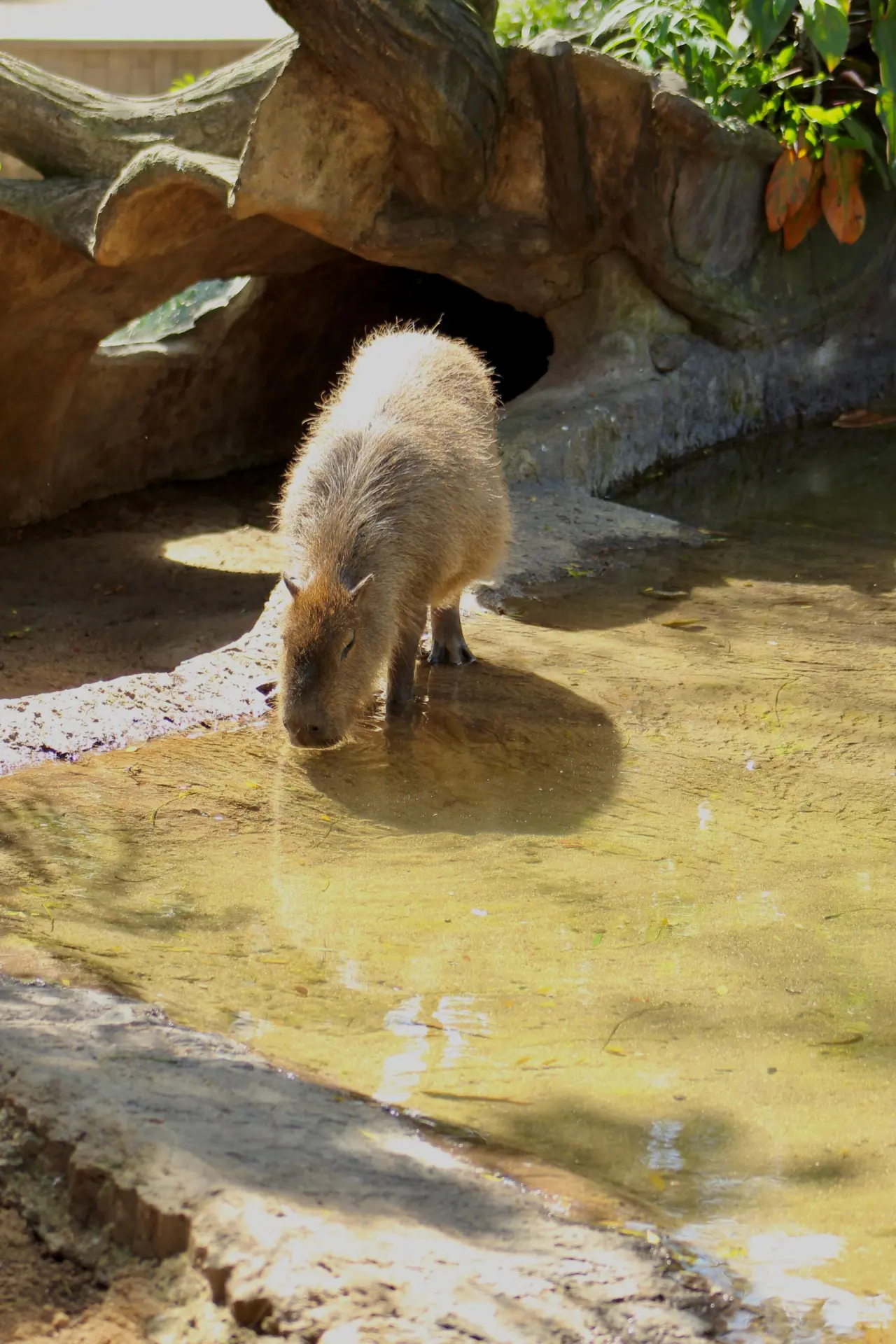
Size is not random. The capybara reaches its rank because almost everything about it is built to be a large, water-adjacent grazer in South America. It is a semi-aquatic herbivore, working through grasses and aquatic plants for most of its waking life. Living on low-energy plant food at that scale means a big digestive system, and a big digestive system means a big animal. The capybara is a hindgut fermenter, the same broad strategy as a horse, and it re-ingests its soft morning droppings to pull a second pass of nutrients out of fibrous food. That is not a charming habit, it is metabolic accounting.
Beavers are the runner-up for a related reason. They are also semi-aquatic, also chewing through tough plant matter, and built heavy enough to push around the wood they cut. Their tools are different from the capybara’s, but the underlying logic is the same: a roomy plant-processing body that happens to scale up well.
The smaller rodents on the list run thinner margins. Maras are built to sprint across dry grassland, so they trade bulk for legs. Nutria stay compact enough to tunnel into riverbanks. None of them need, or could afford, the capybara’s frame.
Honest opinion, since the brief asked for one: the obsession with picking a single “biggest rodent” is the least interesting part of this whole topic. The capybara’s size is a side effect of a herd-living, grass-eating, water-loving lifestyle, and that story is far more worth your time than another argument about whose maximum recorded weight is heavier.
Common Mix-Ups, Settled
Most arguments about big rodents come from a handful of recurring errors. A quick correction table, rather than a pile of myths in quotes.
| Common claim | Better answer |
|---|---|
| ”A capybara is just a giant rat” | It is a rodent in family Caviidae, closer to guinea pigs and maras than to rats |
| ”Beavers are the biggest rodent” | Beavers are North America’s largest rodent, not the world’s; the capybara is bigger |
| ”The biggest rodent ever is alive today” | No; extinct fossil rodents dwarfed every living species |
| ”Nutria are baby capybaras” | Different species entirely; nutria stay much smaller and keep a round, rat-like tail |
| ”Porcupines are too spiky to count” | Spines do not exempt them; large Old World porcupines are genuinely heavy rodents |
A few of the family facts are worth keeping in your back pocket. Capybaras, like guinea pigs, cannot make their own vitamin C and have to get it from their diet. Their teeth never stop growing, which is standard rodent equipment but easy to forget on an animal this size. And they are deeply social herd animals, so a lone capybara is a stressed capybara, not a content one.
The Practical Takeaway
If you need one sentence, use this: the capybara is the largest living rodent in the world; beavers are the next heavyweight most people will recognize; extinct fossil rodents were bigger than both.
For comparison readers, the better rabbit hole is not “which rodent wins?” It is “what kind of life does that body support?” Capybaras are semi-aquatic grazers. Beavers are aquatic engineers. Maras are grassland runners. Nutria are invasive headaches in many wetlands. Rats are not the default setting for every rodent larger than a coffee mug.
The capybara wins the crown. It does not need to be called a giant rat to make the point.