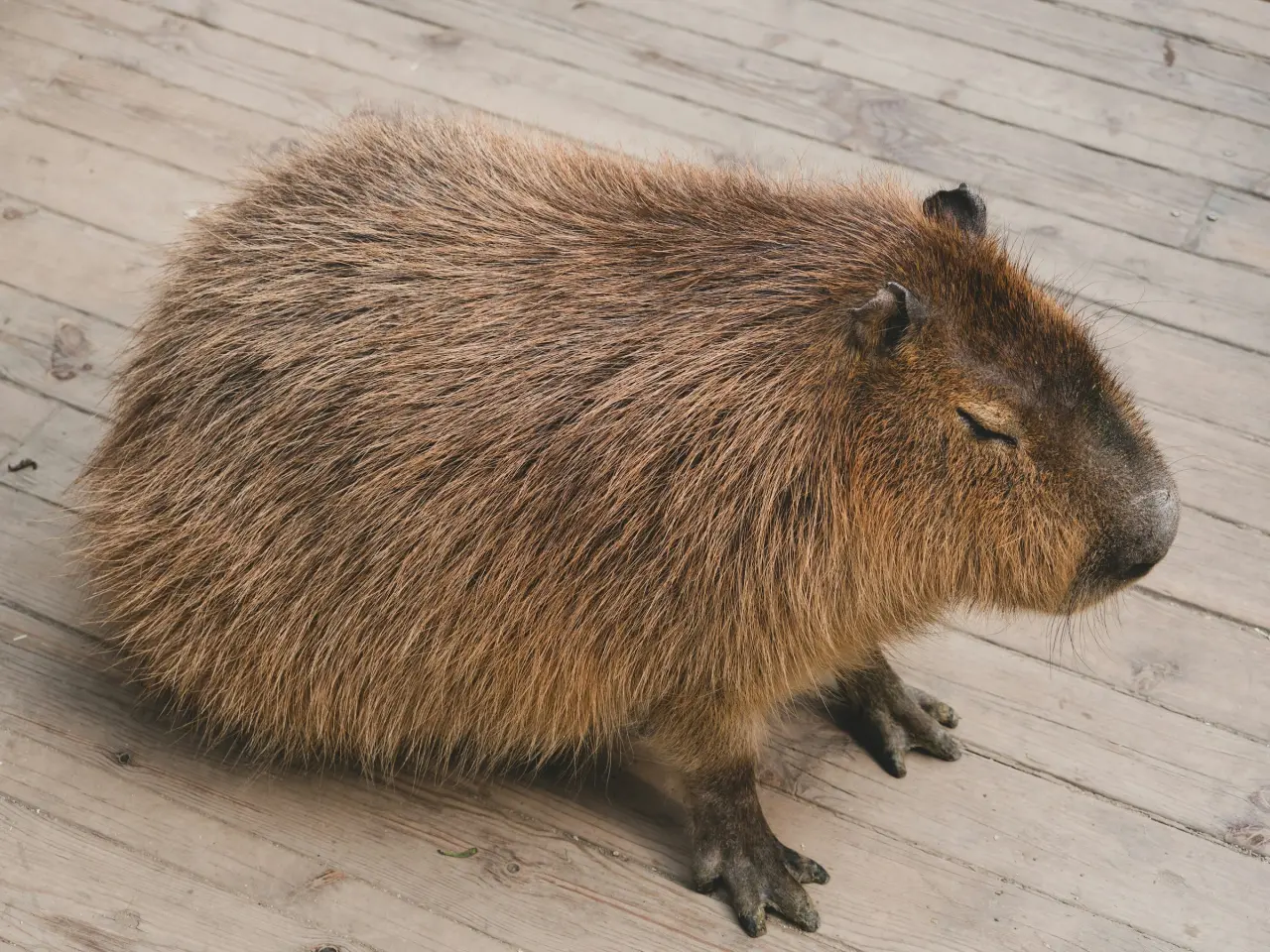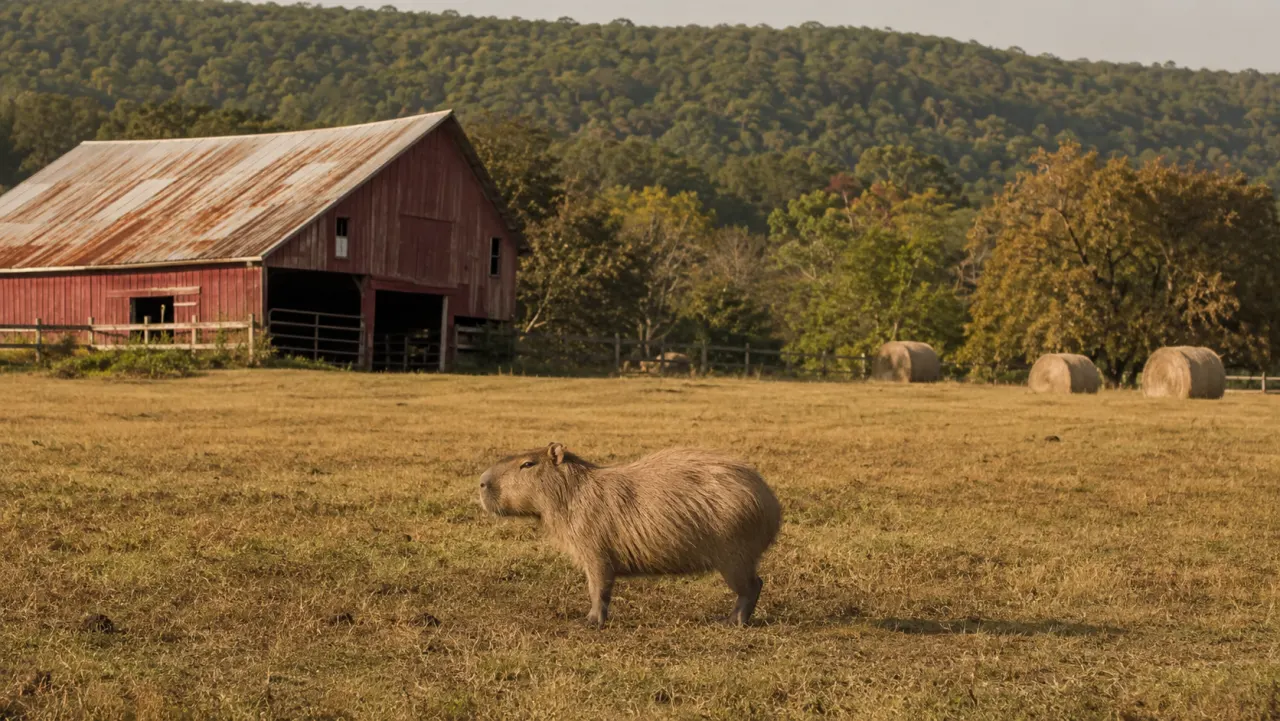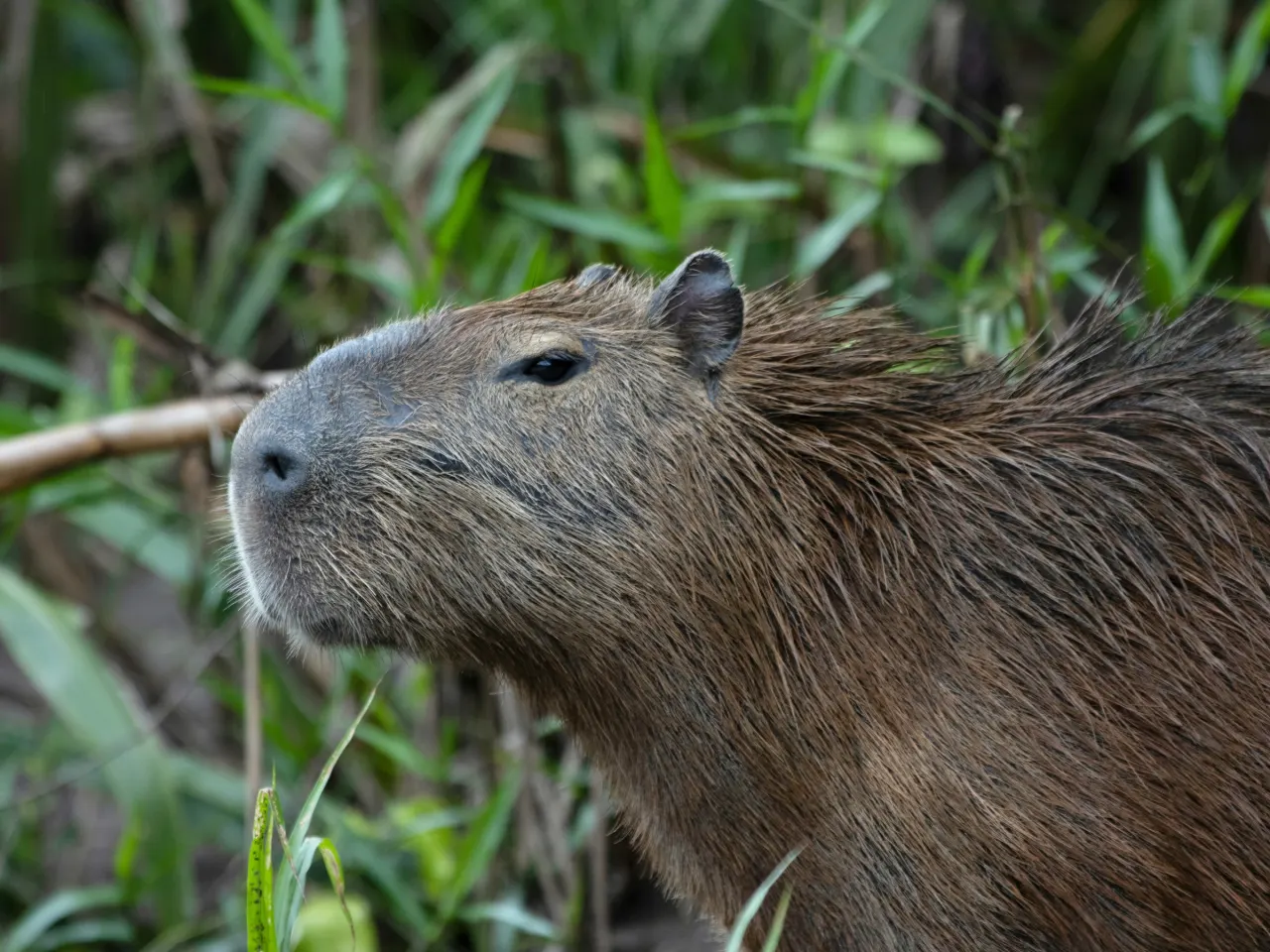
Capybara grass is a wetland question, not a garden-center question. The clean answer is that capybaras eat grasses and aquatic plants growing near water, and the exact menu changes by habitat and season.
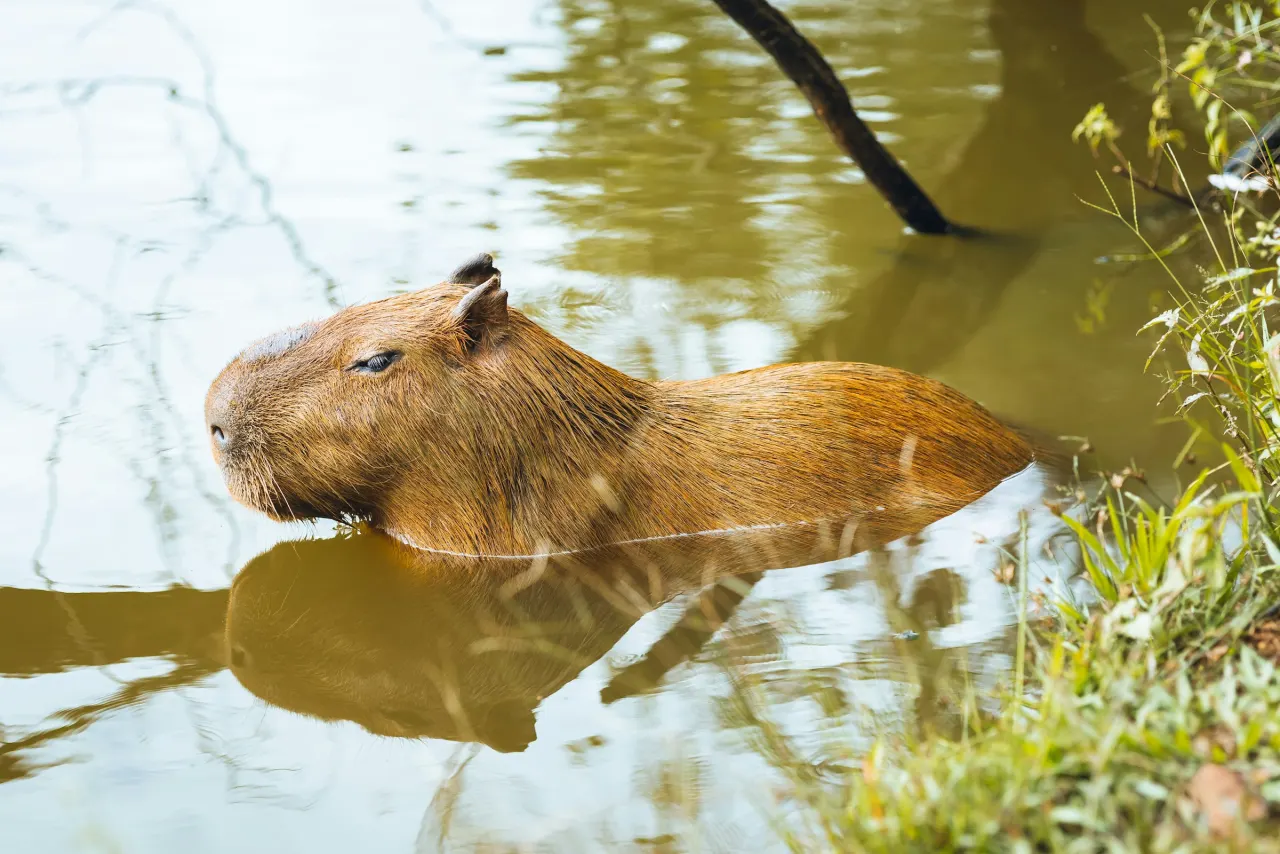
That is less convenient than “timothy hay plus vibes,” but it is more honest. A wild capybara is not shopping by grass species. It is grazing the edge of a marsh, riverbank, flooded savanna, pond, or human-altered green space where water, cover, and edible plants overlap.
Capybara Grass Starts At The Water Edge
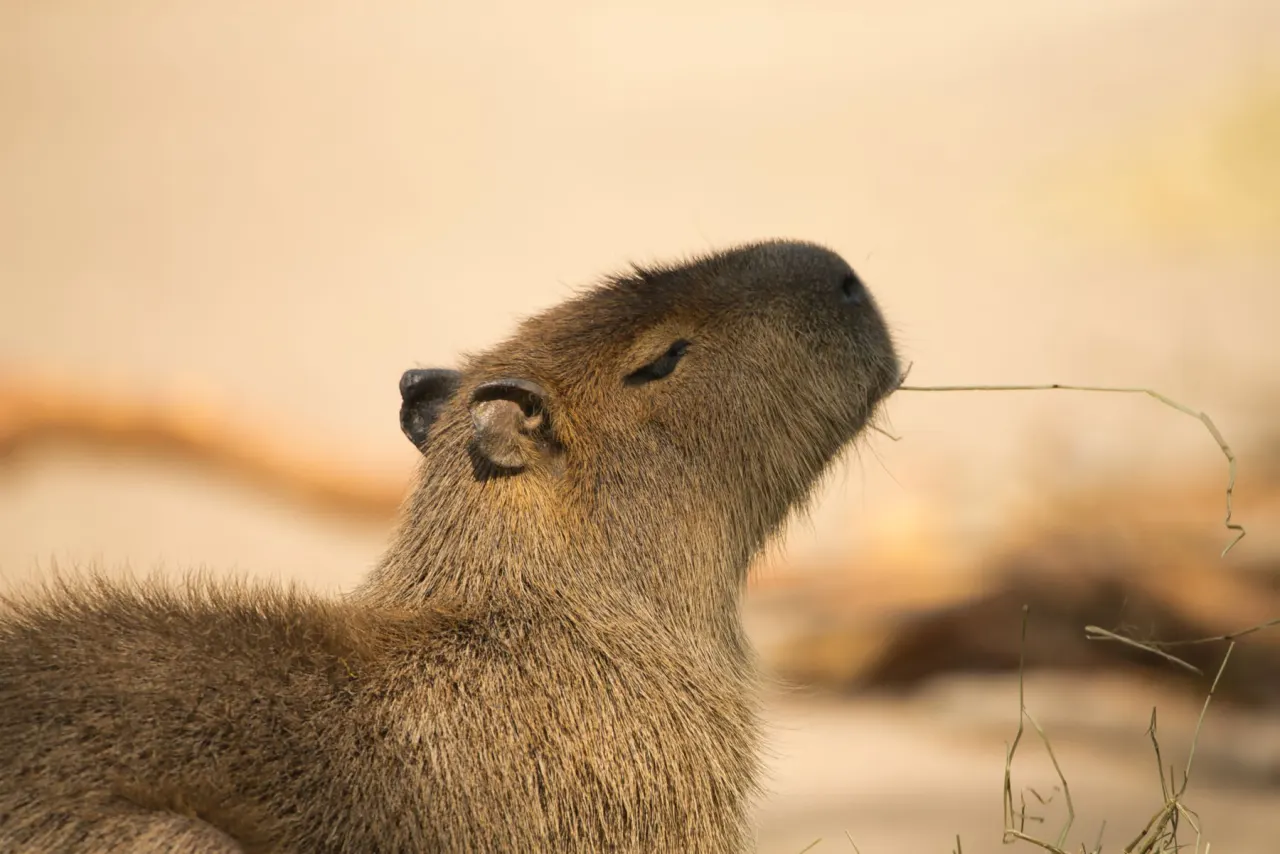
Animal Diversity Web gives the baseline: capybaras are grazers that feed mainly on grasses and aquatic plants, with bark and fruit eaten occasionally. San Diego Zoo Wildlife Alliance makes the scale easier to picture, saying an adult capybara can eat about 6 to 8 pounds of grass per day and that much of the diet may come from only a few plant types.
That last part matters. The capybara diet is repetitive by design. It is not a colorful produce board. It is a high-fiber wetland routine run through a large fermenting gut attached to a face that looks faintly disappointed in the catering.
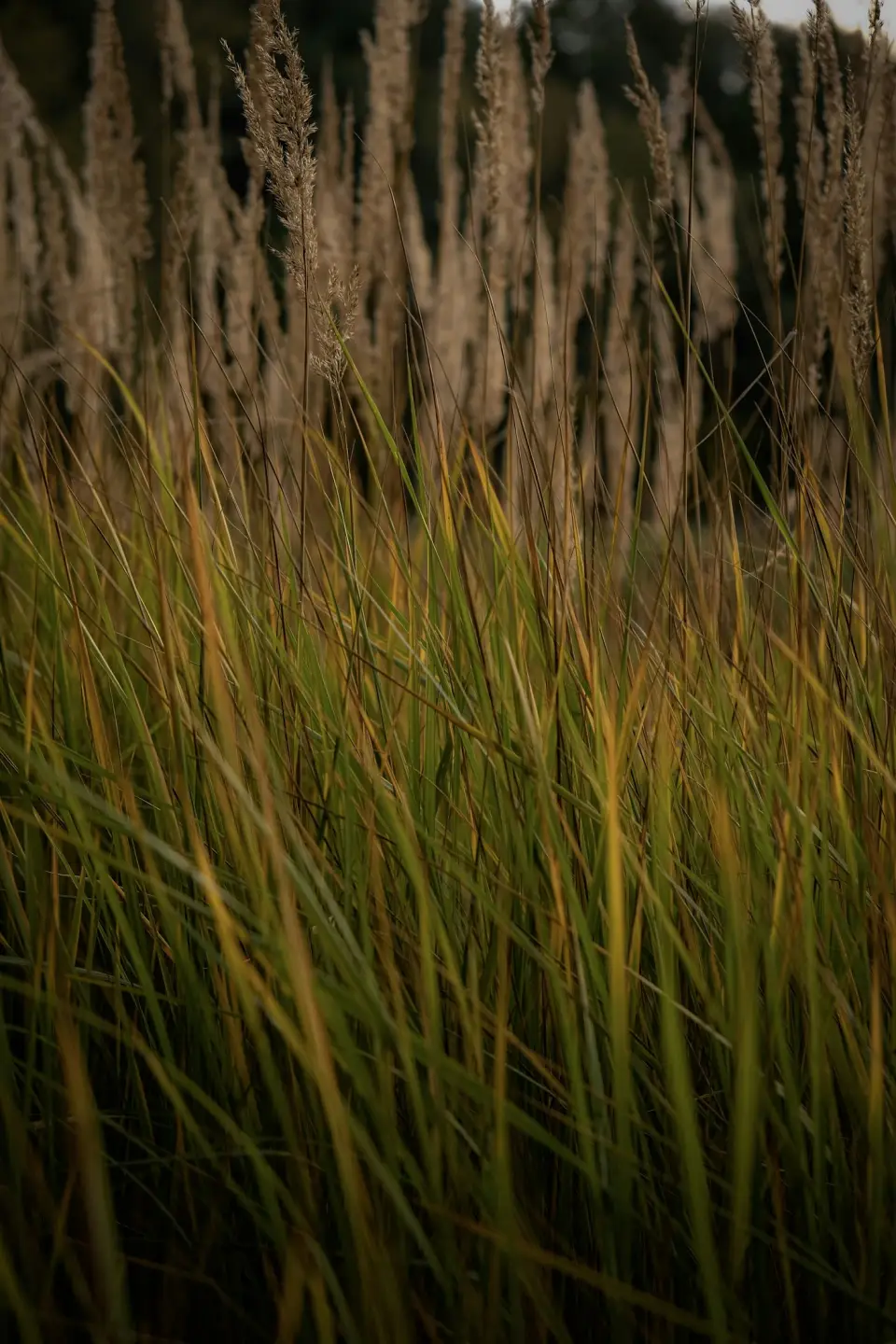
If you are coming from what capybaras eat, this is the zoomed-in version. “Grass” is correct. It is also incomplete.
The Named Grasses Researchers Have Actually Recorded
The best-known study for named capybara forage comes from a seasonally flooded savanna in Venezuela. Researchers recorded capybaras feeding heavily on Hymenachne amplexicaulis during the rainy season, while dry-season feeding included reed patches of Eleocharis interstincta and grass patches of Paratheria prostrata.
That does not mean every capybara everywhere is carrying a botanical checklist. It means the real diet is place-specific. In a flooded savanna, a tender aquatic grass can become the good table. In a drier patch, sedges and reeds start doing more of the work.
| Plant or group | What it tells us |
|---|---|
| Hymenachne amplexicaulis | Rainy-season aquatic grass recorded as important in Venezuelan savanna feeding |
| Eleocharis interstincta | Reed or sedge-type dry-season feeding patch in the same study |
| Paratheria prostrata | Grass patch used during dry-season feeding |
| Aquatic plants | A recurring category in zoo and natural-history accounts |
| Bark, fruit, crops | Seasonal extras, not the everyday center of the diet |
The table is the answer-engine version: capybaras eat wetland grasses and aquatic plants, with named examples from research, but no single grass species defines the whole animal.
Why The Best Grass Changes By Season
Capybara grazing follows water. In flooded seasons, fresh aquatic grasses and tender plants become easier to reach. In dry seasons, capybaras may spend more time on reeds, tougher grasses, crops, bark, squashes, melons, or other available plant material.
The San Diego Zoo library notes capybaras are selective grazers and eat roughly 3 kilograms of fresh forage per day. The AZA Capybara Care Manual pushes the same care logic in managed settings: high-fiber, lower-calorie foods should occupy much of the animal’s day with eating and chewing.
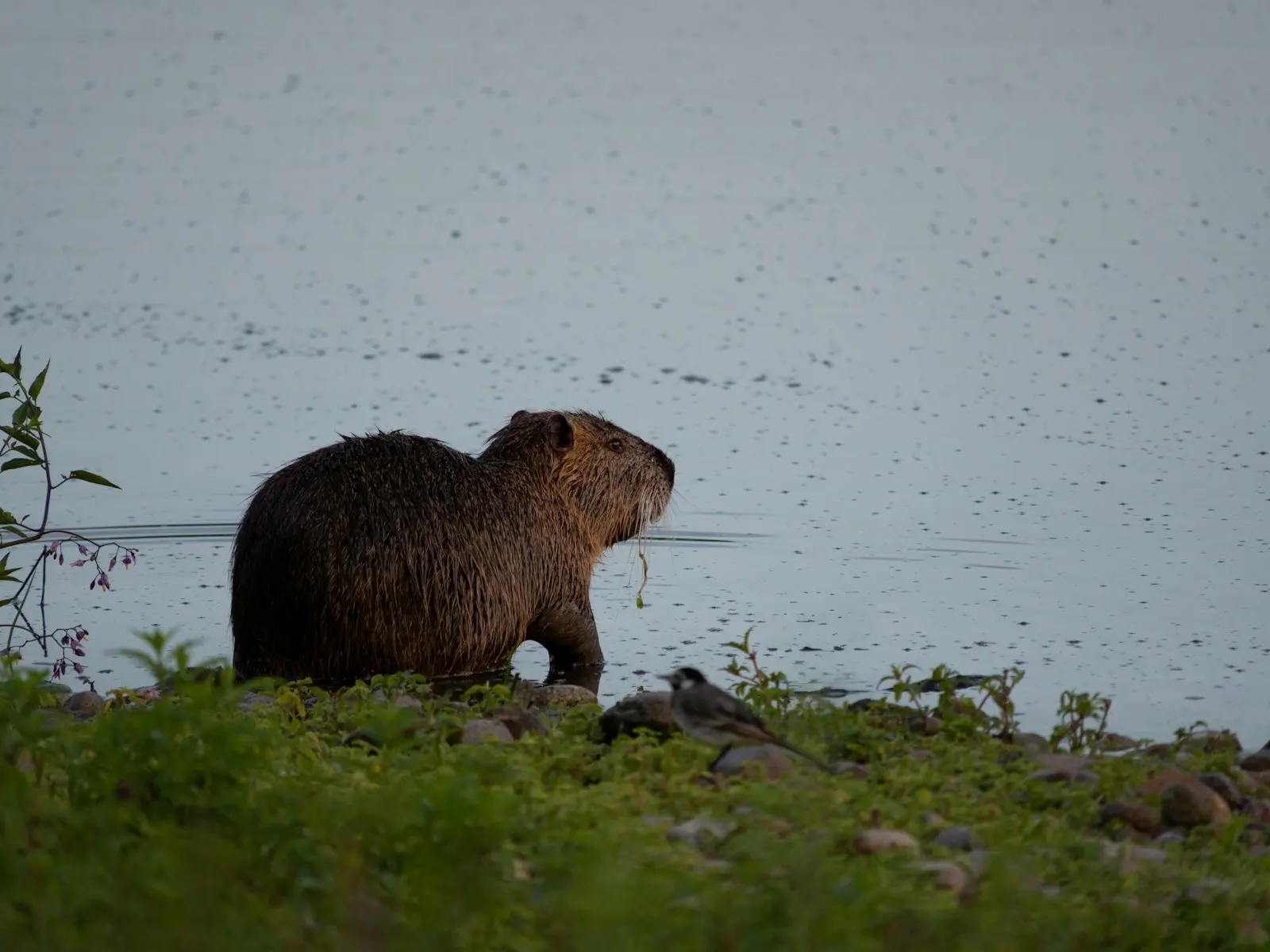
This is why the grass question can get weird in captivity. A capybara does not need a decorative lawn. It needs professionally planned forage, hay or browse, vitamin C support, water access, social housing, and a diet that does not collapse into sugary treats.
Why Lawn Grass Is The Wrong Mental Picture
Can a capybara eat grass from a lawn? In the broadest sense, yes, capybaras graze grasses. That answer is too small to be useful.
Lawns can carry pesticides, herbicides, fertilizers, parasites, dog waste, clippings that heat or mold, and plant species that were never meant to be a managed exotic-animal diet. More importantly, a lawn leaves out the water-edge ecology that explains the animal. It is like describing a restaurant by pointing at the carpet.
The myth to drop is that capybaras are giant living lawnmowers. They are selective wetland grazers. They choose, shift, and repeat. Sometimes they eat urban grasses and crops, which is why capybaras do well in some human-altered places. Science News covered isotope work showing capybaras can mix grasses and forest plants in human-modified landscapes. Flexibility helps them survive, but it is not a permission slip for sloppy care.
The Useful Answer For Capybara Fans
If someone asks “what grass do capybaras eat,” say this:
| Short answer | Safer wording |
|---|---|
| They eat grass | They eat grasses and aquatic plants near water |
| They need lawn grass | They need high-fiber forage planned around habitat and health |
| They eat one special grass | Research names several wetland plants, but diet varies by region and season |
| Fruit is fine because videos | Fruit is a limited treat; grass and aquatic plants are the main pattern |
For fans, the memorable detail is Hymenachne amplexicaulis, because nothing ruins a cute internet animal faster than a Latin grass name with paperwork energy.
For anyone thinking about care, the answer is simpler and stricter: talk to an exotic-animal vet or zoo nutrition professional. The grass is not the hard part. Building a life around water, social housing, fiber, vitamin C, tooth wear, and enough room to behave like a capybara is the hard part.