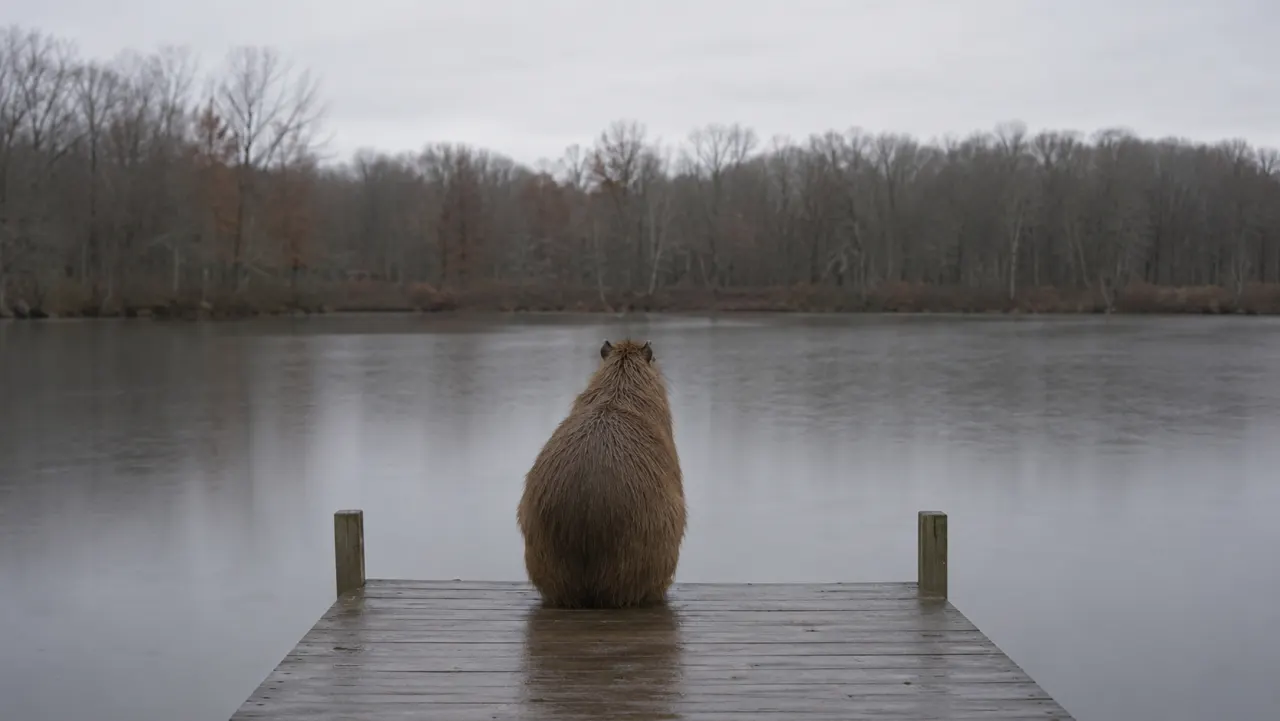
Missouri is where capybara legality advice often gets a little too confident. People see “Class III wildlife,” assume capybaras slide in there, and turn a legal question into a bumper sticker.
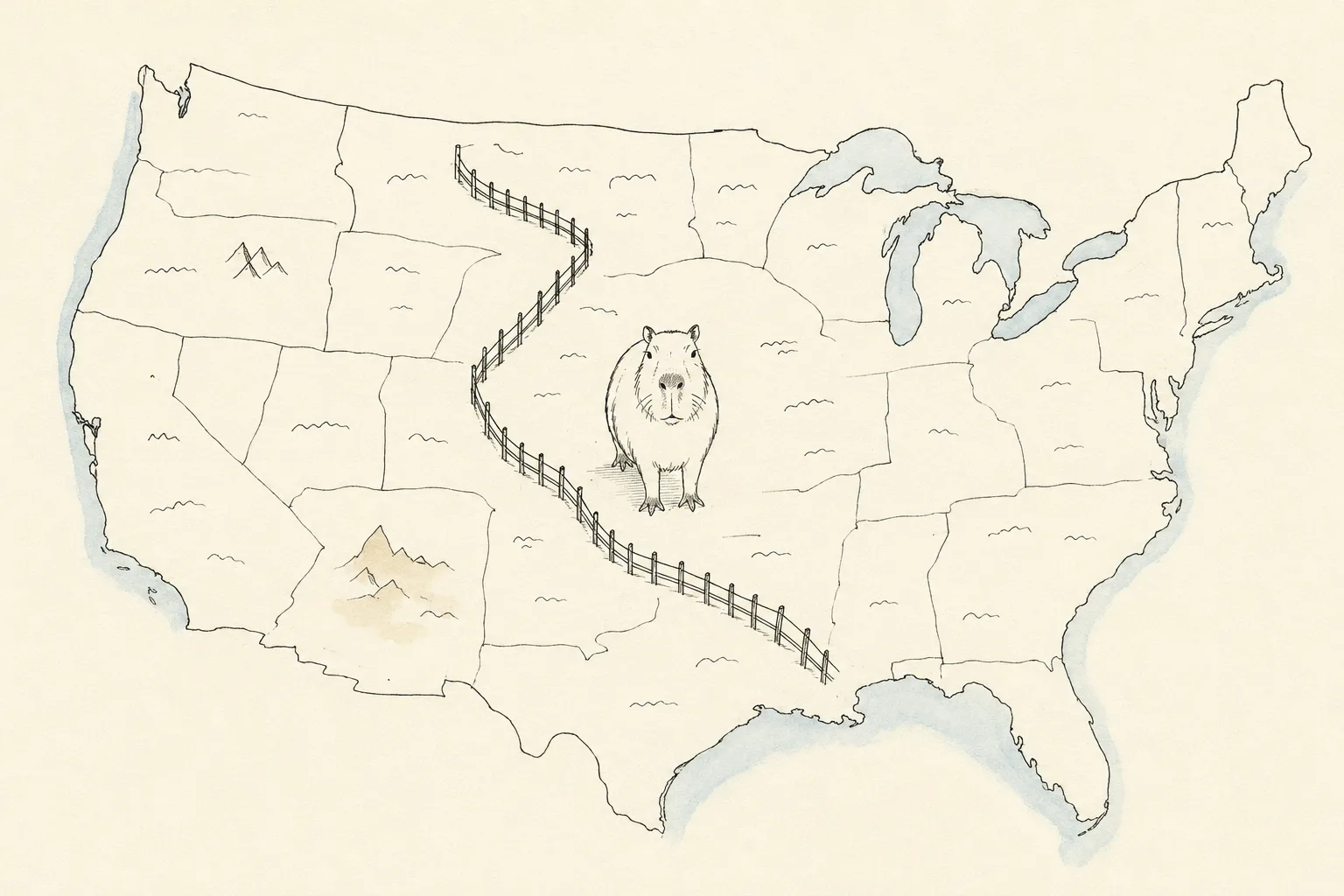
The safer 2026 answer is: capybaras in Missouri require Missouri Department of Conservation confirmation before possession, sale, breeding, transport, or exhibition. Do not rely on a generic Class III claim.
Do not assume the Class III shortcut
Missouri is where capybara advice gets overconfident. People see "Class III wildlife," assume capybaras slot in, and turn a legal question into a bumper sticker. Confirm the classification with the state before treating it as settled.
Missouri Is Not A Simple Class III Green Light
Missouri’s Wildlife Code has rules for commercial and confined wildlife, including Class III wildlife permits. But the current Class III language is specific. MDC materials and the state code should be read directly, because “Class III” does not automatically mean “every exotic mammal I like is privately allowed.”
This is the catch: Missouri may have a path for certain captive wildlife activities, but the species, use, source, facility, and local address decide whether your capybara plan fits.
| Question | Missouri reality |
|---|---|
| Is “Class III” a pet permission slip? | No. It is a regulatory category with specific rules. |
| Does MDC need to confirm capybaras? | Yes. |
| Does commercial use change the answer? | Yes, possibly through permits and USDA licensing. |
| Can local government still say no? | Yes. |
What To Ask Missouri Department Of Conservation
Start with MDC before contacting a breeder. Ask whether capybaras are regulated as Class III wildlife, whether private possession requires any permit, whether the animal must come from a particular legal source, and whether sale, breeding, transfer, or exhibition changes the permit category.
Be specific. “Can I have a capybara?” is less useful than “For a privately possessed captive-bred capybara at this address, with no exhibition, sale, breeding, or public contact, does MDC require a permit or prohibit possession?”
If you plan any public use, ask separately. Birthday visits, paid photos, petting experiences, school events, social media encounters, or exhibit admission can trigger USDA Animal Welfare Act licensing in addition to Missouri rules.
What Class III Actually Describes
The phrase that derails most Missouri conversations is “Class III wildlife.” Missouri’s Wildlife Code, in 3 CSR 10-9, organizes captive wildlife into permit categories, and there are Class III permits tied to specific activities like breeding and holding certain wildlife. People read “Class III” and hear “the tier my pet goes in.” That is not how a regulatory category works.
A permit class describes an activity and a set of obligations, not a shopping aisle. Whether a capybara falls under a given permit, and whether your specific use needs one at all, is a question for MDC against the current code. The regulations get amended, the lists get revised, and a forum answer from three years ago is not the 2026 rule.
So the move is to read 3 CSR 10-9 as the framework and let MDC tell you where, if anywhere, your plan lands inside it. “Class III” is the start of a question, not the end of one.
Local Rules And Commercial Use Change The Answer
Missouri cities and counties can restrict exotic animals, outdoor enclosures, nuisance animals, and large water features. St. Louis, Kansas City, Springfield, Columbia, suburban municipalities, and county zoning offices can all create a no even if state classification looks possible.
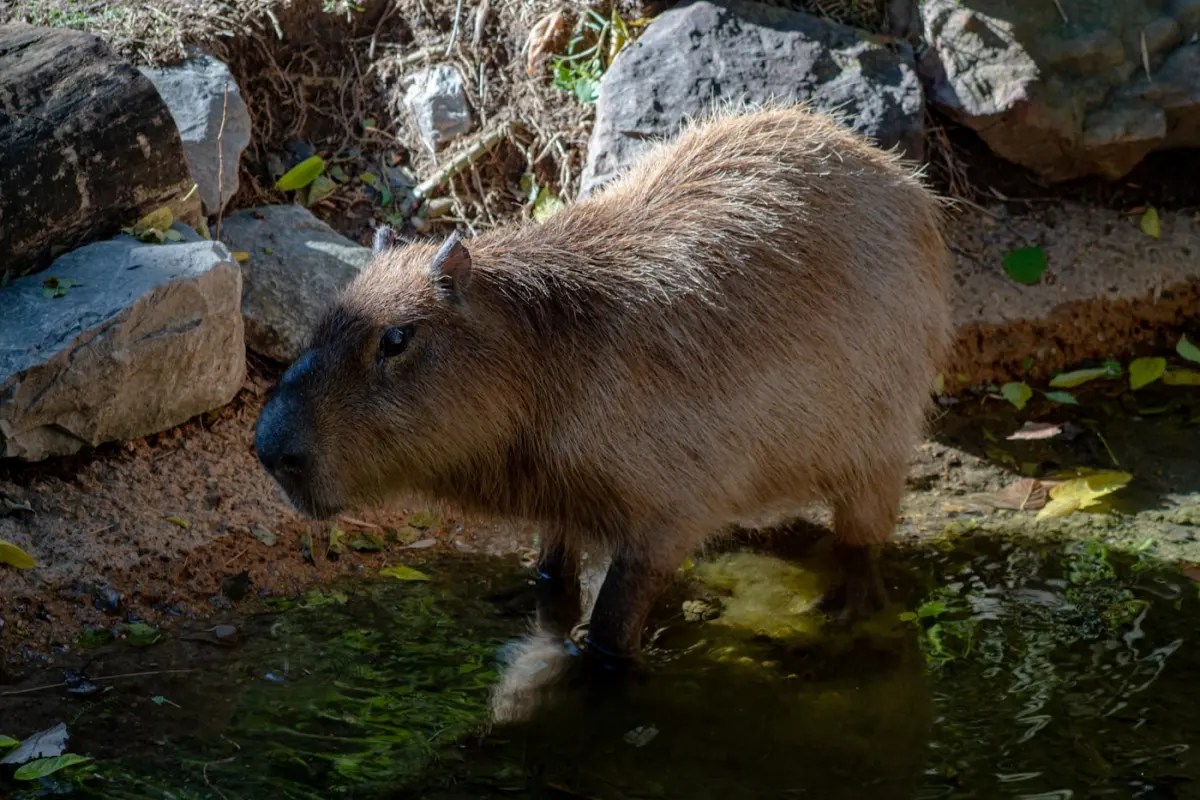
Capybara care itself is also not casual. Animal Diversity Web describes capybaras as social, water-linked grazers. The AZA Capybara Care Manual treats social grouping, water, shelter, diet, enrichment, and veterinary planning as real requirements. A Missouri setup needs secure fencing, water access, shade, winter shelter, drainage, and at least two exotic-animal veterinary contacts.
The Care Bill, Missouri Heat Included
People picture the cold states as the hard ones and assume Missouri is easy because the winters are milder. The climate cuts both ways. Missouri summers are hot and humid, and a semi-aquatic rodent needs real water, shade, and cooling to handle them, not a kiddie pool that turns into a warm puddle by July.
The rest of the bill is the same one every state hands you. Capybaras can live well past eight years, push past 100 pounds, and need a high-fiber, grass-forward diet with supplemental vitamin C, because, like their guinea pig relatives, they cannot produce it themselves. Get the diet wrong and you get a sick animal and a vet bill from one of the few clinics that will see an exotic rodent.
Then there is the social math. Capybaras are herd animals, so the responsible plan is a pair at minimum. Two animals means double the feed, a bigger enclosure, more water volume, and twice the veterinary relationship. A single capybara in a backyard is cheaper on a spreadsheet and worse for the animal.
Missouri Capybara Myths To Retire
| Myth | Better answer |
|---|---|
| ”Capybaras are just Class III, so I can have one.” | Class III is an activity-based permit category, not a pet aisle. MDC has to confirm how a capybara is treated in 2026. |
| ”MDC clearance means I’m done.” | No. City and county code, zoning, and HOA rules apply independently and can still say no. |
| ”Mild winters make it easy.” | Missouri heat and humidity are their own welfare problem. Water, shade, and cooling are not optional. |
| ”One capybara is fine with enough love.” | Capybaras are social herd animals. Solitary housing is a recognized stressor in welfare guidance. |
Here is the scene that should give a buyer pause. Someone reads a confident comment that “Missouri is Class III, you’re good,” buys a young capybara, and only then calls MDC to ask which permit applies. That is the call that should have happened first. The animal is now in a backyard, the answer is “it depends on what you intend to do with it,” and the receipt does not come with a refund for getting the order of operations wrong.
Records Are Part Of The Permit World
Captive-wildlife permit systems tend to care about where an animal came from and whether you can document it. That makes the seller’s paperwork part of your legal plan, not an afterthought. If your use ends up needing an MDC permit, “I got it from a guy” is not a record.
Before any money moves, ask the seller for legal origin, veterinary records, a health certificate, and any transport or interstate documents, especially if the animal is coming from out of state. Keep copies. A breeder who can hand you a clean file is a different proposition than one who gets vague when you ask the boring questions. The capybara is the easy thing to want. The folder of documents is the thing that holds up if anyone official ever asks.
The Missouri Paper Trail Checklist
Collect written answers before any purchase, and keep them on file.
| Agency / document | What to ask | Why it matters | What changes the answer |
|---|---|---|---|
| Missouri Department of Conservation | How are capybaras classified, and does private possession, sale, breeding, transport, or exhibition require a permit? | MDC administers the captive-wildlife permit categories in 3 CSR 10-9. | Pet vs. breeding vs. sale vs. exhibition; current code revisions. |
| City or county code office | Are exotic mammals, non-domestic animals, outdoor pens, or ponds restricted at this address? | Local code can prohibit what the state would permit. | Municipal limits, zoning district, nuisance rules. |
| USDA APHIS | Does public display, paid contact, breeding for sale, transport, or commercial use require AWA licensing? | Federal exhibition licensing is separate from MDC permits. | Any paid public contact, photos for money, commercial sale. |
| Exotic-animal veterinarian | Will you treat capybaras, including emergencies? | Care and licensing both assume a real vet relationship. | Distance to clinic, after-hours coverage, exotic-rodent experience. |
| Insurance and zoning contacts | Does the property and liability coverage allow this animal and enclosure? | An uninsured exotic animal is a financial and legal exposure. | Liability carrier rules, mortgage or lease terms, land use. |
The Missouri Bottom Line
Missouri may not be a hard no, but it is not a clean yes. The “Class III” shortcut is exactly the kind of half-answer that gets an animal bought before the paperwork is understood. Call MDC first, read 3 CSR 10-9 as the framework, clear your local code, and build a care plan that survives a Missouri July before you ever contact a breeder.
The Class III language gets amended, MDC revises its lists, and local code shifts under all of it, so treat this as current to June 2026 and nothing more. Before you act, confirm the live classification with the Missouri Department of Conservation, clear your city or county code office, and run it past a qualified attorney. This is a starting point, not legal advice, and the AZA care standard, not a comment thread, is the welfare bar.