Pennsylvania never wrote a capybara rule. It wrote a definition, and the definition does the work.
Title 34 §102 defines “wild animals” as all mammals other than domestic animals, and 1 Pa.C.S. §1991 limits domestic animals to “any equine animal, bovine animal, sheep, goat and pig.” A capybara is a mammal and it is none of those, so in Pennsylvania it is a wild animal by default, which puts the Game Commission in the room from the first phone call.
What follows from that is not what most people expect. The ownership question is genuinely open. The exhibition question is not open at all.
Not banned, not confirmed, and strictly regulated the moment people come to look
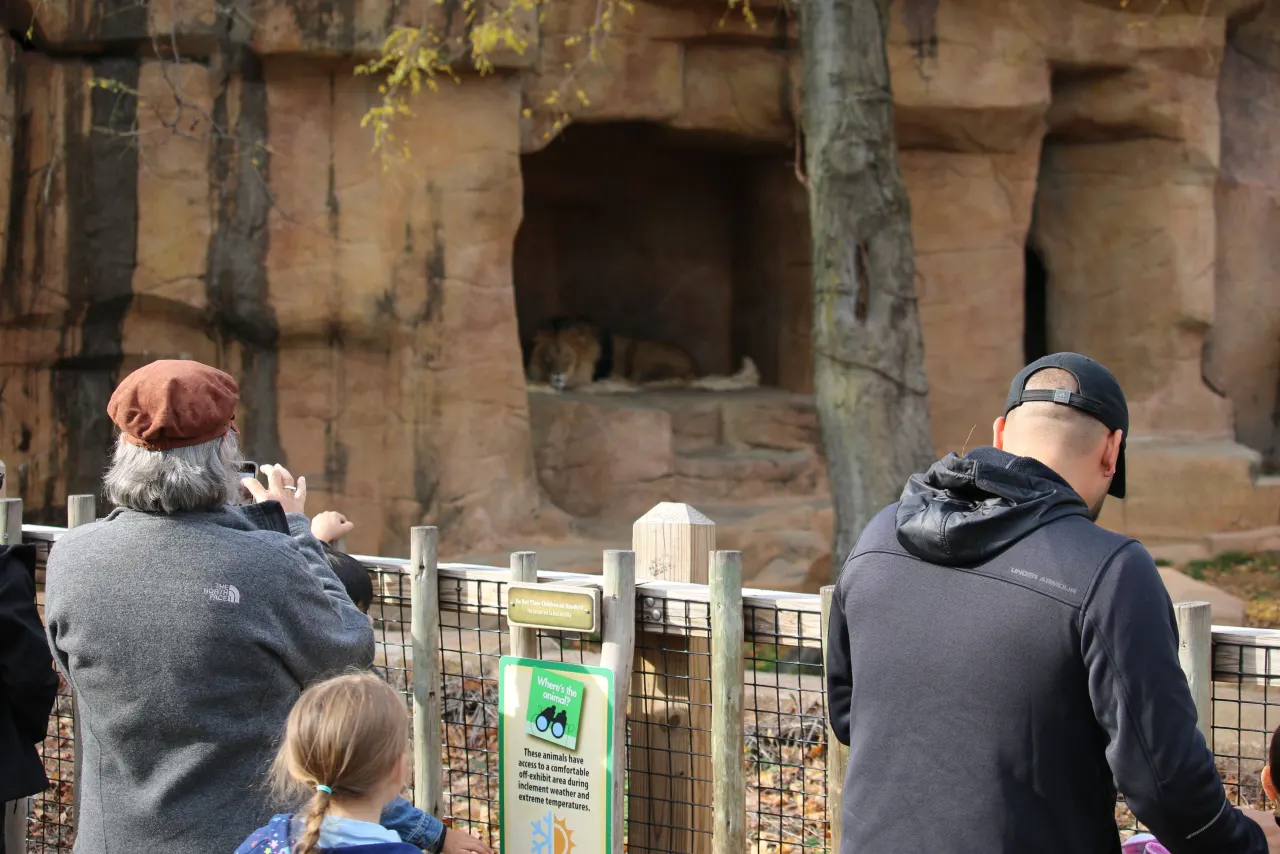
No Pennsylvania statute or regulation names capybaras. But §102 makes every non-domestic mammal a wild animal, and §2964 makes it unlawful to keep a wild animal in captivity for public exhibition without a menagerie permit. §2961 defines that exhibition as "with or without charge."
Private possession sits in a gap only the Game Commission can close. Get the species determination in writing before money moves.
What Pennsylvania Wrote Down, and What It Skipped
Two places in Pennsylvania law list species by name, and a capybara is in neither.
Title 34 §2961 defines “exotic wildlife” around “all bears, coyotes, lions, tigers, leopards, jaguars, cheetahs, cougars, wolves and any crossbreed of these animals which have similar characteristics.” That is a large-carnivore list, and it is the trigger for the exotic wildlife possession permit under §2963. It also carries the phrase “includes, but is not limited to,” which is the reason nobody outside the Game Commission can close this question with confidence.
58 Pa. Code §137.1 is the importation and possession rule, and it works by family. It prohibits Felidae, Canidae, Ursidae, Procyonidae, Capromyidae, Mustelidae, the order Primates, threatened and endangered species, monk parakeets, and wild-caught wildlife.
Capromyidae is the nutria. Same continent, same wetland habit, same broad body plan, and the regulation went to the trouble of naming its family. The capybara’s family is not there. That is a small detail and it is doing a lot of work: Pennsylvania has thought about large semi-aquatic South American rodents at least once, and reached a different conclusion about a different one.
The Definition That Catches a Capybara Anyway
Absence from those two lists is not permission, and the reason is one sentence up in the general definitions.
Title 34 §102: "Wild animals." All mammals other than domestic animals as defined in 1 Pa.C.S. §1991. That definition covers equines, bovines, sheep, goats and pigs. Nothing else. A capybara is therefore a wild animal in Pennsylvania regardless of whether any permit rule mentions it, and the Game Commission's authority follows from that, not from the exotic wildlife list.
So “capybaras aren’t listed in Pennsylvania” is true and useless. The listed rules are about carnivores and imports. The unlisted rule, the one about mammals in general, is the one that reaches you.
”With or Without Charge” Is the Whole Trap
Here is where Pennsylvania stops being ambiguous.
§2961 defines a menagerie as “any place where one or more wild birds or wild animals… are kept in captivity for the evident purpose of exhibition with or without charge.” §2964 then makes it unlawful to keep any wild bird or wild animal in captivity for public exhibition without first securing a commission permit, and adds separate offences for failing to safeguard the public and for recklessly placing someone in danger.
Read those together and the money defence disappears. Not charging admission is not a defence, because the definition already anticipated it.
Genuinely unresolved
- One animal, private property, no visitors
- Whether §2963 reaches a non-carnivore at all
- Whether PGC would issue a possession permit
- Only the Game Commission can answer these
Squarely inside §2964
- Keeping a wild animal for public exhibition
- Free open days and farm tours
- School and community visits
- Anything where the evident purpose is people looking
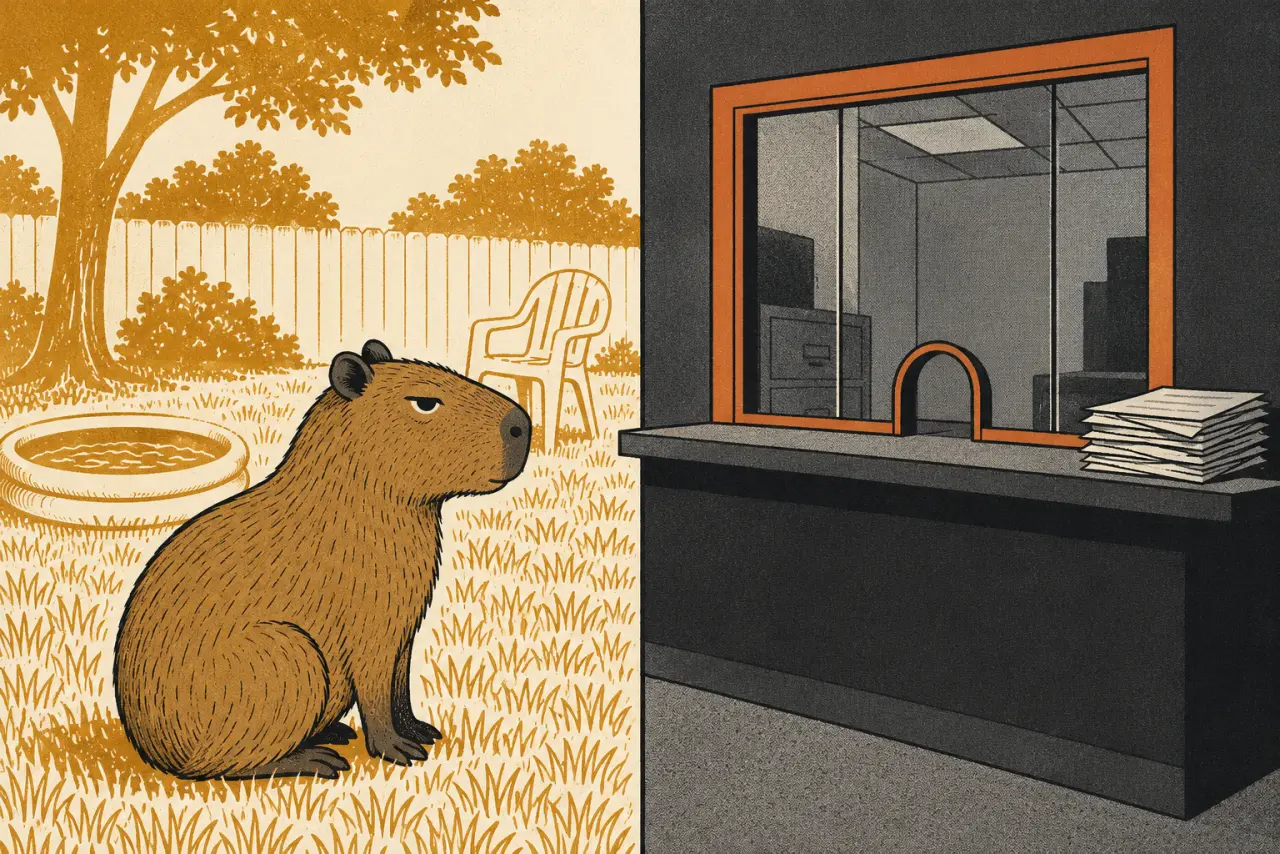
The line between the two columns is “public exhibition,” and that phrase is doing more than a casual reader assumes. Friends dropping by is not a menagerie. A monthly open afternoon advertised on Facebook is a much harder argument. If the plan drifts anywhere near the second one, that drift is the thing to describe to the Game Commission in the first email, not the thing to discover afterwards.
Picture how the drift actually happens, because it is never a decision. Somebody buys eleven acres outside Lancaster with a spring-fed pond and a bank barn already standing. Two capybaras arrive. The neighbours ask to see them. Then the neighbours bring their kids, and then the kids’ class, and by the second spring there is a laminated sign at the end of the lane and a donation jar nobody asked for. Not one of those steps looked like starting a business. The statute is not measuring intent, though. It is measuring whether the evident purpose of keeping the animals has become people looking at them, and somewhere between the neighbours and the sign, the honest answer changed.
The Import Permit You Cannot Apply For Yet
Most capybaras arriving in Pennsylvania are coming from somewhere else, which adds a step people usually put last and Pennsylvania puts first.
§137.1 states that a person wishing to import wildlife for a menagerie, exotic wildlife possession, exotic wildlife dealer or propagation purpose must already hold the relevant permit before submitting the import permit application. The import authorisation is downstream. You cannot use “I’ll sort out the paperwork when it arrives” as a plan, because the paperwork is the thing that lets it arrive.
-
Game Commission, species determination
In writing, by scientific name. Does Hydrochoerus hydrochaeris require an exotic wildlife possession permit, a menagerie permit, both, or neither, for the use you are describing?
-
The underlying permit, whichever one applies
Possession or menagerie. This has to exist before the import application, so it also has to exist before a deposit is sensible.
-
The import permit
Only now. The seller's shipping timeline is not the constraint here; the sequence is.
-
Township or borough, then county
Address-specific. Ask about non-domestic mammals, ponds, enclosures, setbacks and stormwater, not about capybaras.
-
USDA APHIS, only if commercial or public-facing
Exhibition, breeding, sale or paid encounters bring Animal Welfare Act licensing in alongside the state permit, not instead of it.

What a Permit Would Demand, and What the Animal Demands
If the Game Commission does route you into Chapter 147, the standards are not decorative.
Under Subchapter N, a separate exotic wildlife possession permit is required for each animal, and a new applicant must document at least two years of hands-on work with the designated species, covering care, feeding, handling, training and husbandry, backed by a reference letter from a recognised facility. §147.281 imposes the same two-year requirement on menagerie applicants, plus safe and sanitary housing, a bill of sale identifying the supplier, and the permit produced on demand to a commission officer.
Two years of documented capybara husbandry is not a formality you assemble in a weekend. It is the requirement that quietly rules out almost every private applicant, and it is the reason the people who clear it tend to already work somewhere that keeps them.
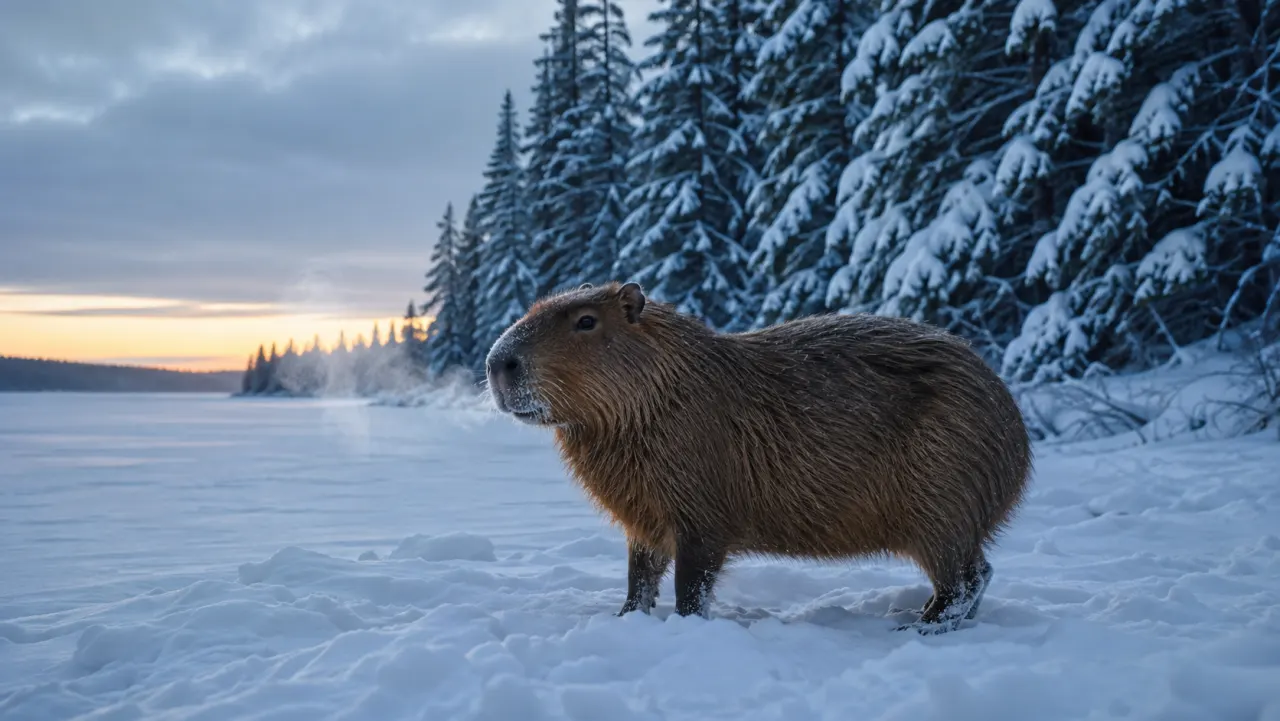
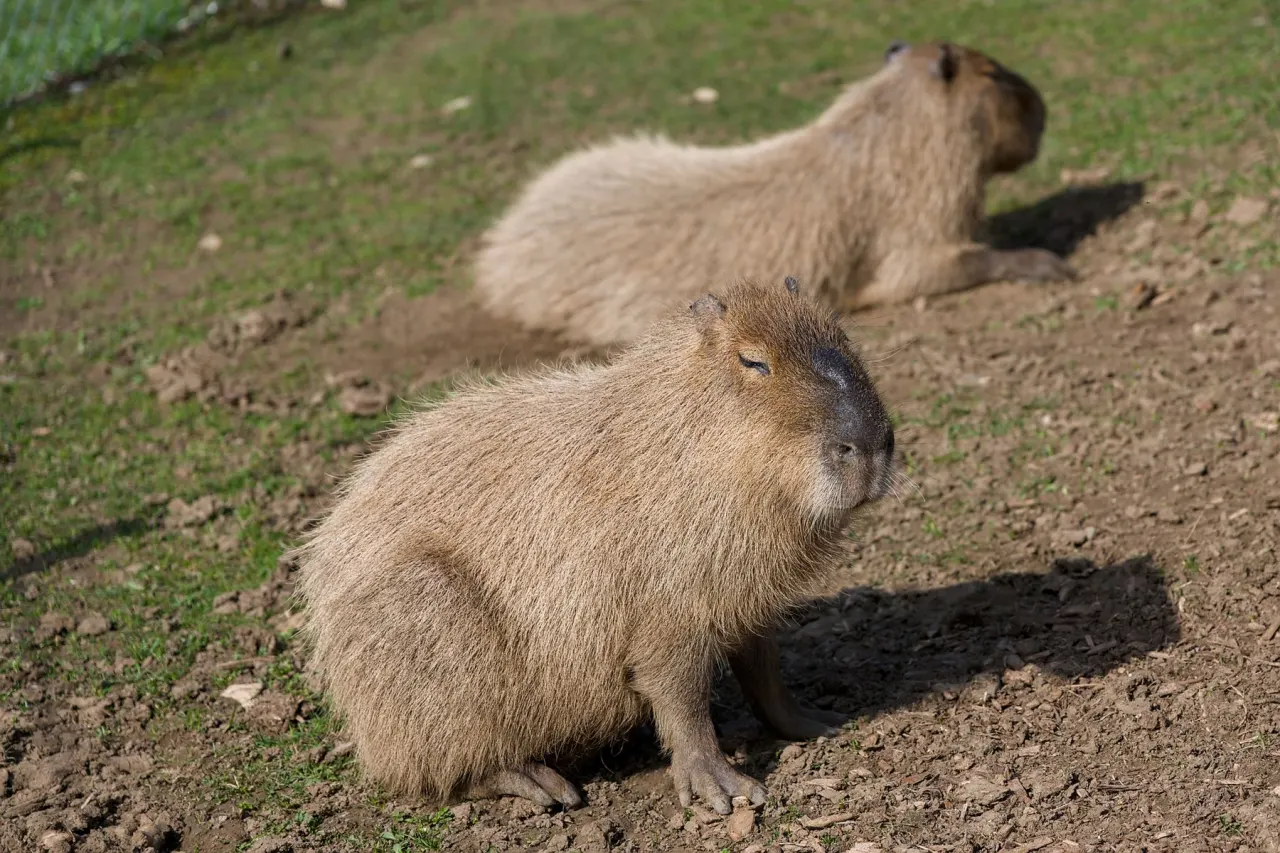
The AZA Capybara Care Manual treats water access, group housing and secure shelter as baseline husbandry, and Animal Diversity Web describes an animal built around water and herd life. Pennsylvania winters mean a heated building and a water source that does not freeze, for at least two animals, for four or five months a year. The full care guide and the cost guide put numbers on that.
The Calls, and Exactly What to Ask
| Who to ask | What to ask | Why it matters | What changes the answer |
|---|---|---|---|
| PA Game Commission, special permits | Does Hydrochoerus hydrochaeris fall under §2963, §2964, both or neither for this use? | This is the only body that can close the §2961 “not limited to” question | Private keeping versus any public exhibition |
| Game Commission, import | What must be in hand before the import permit application? | §137.1 puts the underlying permit first | Origin state, seller’s licensing, number of animals |
| Township or borough | Are non-domestic mammals permitted on this parcel? | Local code kills more of these plans than the state does | Zoning class, agricultural exemption, acreage |
| Zoning and stormwater | Are ponds, enclosures and shelters permitted as planned? | Water is a structure, not landscaping | Wetland setbacks, drainage, accessory buildings |
| USDA APHIS | Does the plan involve exhibition, breeding, sale or paid contact? | Federal licensing runs alongside the state permit | Any public access or commercial element |
| Exotic veterinarian | Do you treat capybaras, and what is the after-hours arrangement? | Chapter 147 assumes competent care; the vet is how you prove it | Distance, species experience, transport |
Ask by scientific name, ask in writing, and put the intended use in the first paragraph rather than the last. “Can I own a capybara” gets a callback and no record. “Does a privately kept Hydrochoerus hydrochaeris at this address, with no public exhibition, require a permit under Title 34” gets something you can file.
The Three Prices in the Game Code, and Which One Reaches You
Pennsylvania sets its permit fees in statute rather than leaving them to the Commission, so the numbers are unusually easy to check. 34 Pa.C.S. § 2904 carries the whole schedule.
The menagerie fee is the one to plan around, because §2961 defines a menagerie as a place where wild animals are kept for the evident purpose of exhibition “with or without charge”. A hundred dollars is not a barrier. Discovering after the fact that a birthday party or a school visit put you inside the definition is.
If the Commission does read a capybara into the exotic wildlife possession permit, the fee is charged per animal. A single capybara is a welfare problem, so the realistic version of that line is $100 rather than $50.
Federal licensing prices separately and only for exhibition or dealing: $120 under 9 CFR § 2.1(a)(2), running three years under § 2.5(a).
The rest of the budget — enclosure, water, feed, exotic veterinary access — is in the capybara cost guide, which does not quote a purchase price.
What §102 Catches That No List Names
| What Pennsylvania buyers believe | What is actually true |
|---|---|
| ”Capybaras aren’t on any Pennsylvania list, so they’re legal” | §102 makes every non-domestic mammal a wild animal. The lists you checked are about carnivores and imports. |
| ”It’s only a menagerie if I charge admission” | §2961 says exhibition “with or without charge.” The money question was answered before you asked it. |
| ”Pennsylvania is basically Texas with worse weather” | Pennsylvania runs permit categories with a two-year experience requirement. Texas does not. |
| ”I’ll get the animal here and then apply” | §137.1 requires the underlying permit before the import application. The order is fixed. |
| ”The state permit covers the township” | It covers nothing local. Zoning, ponds, setbacks and HOA covenants are separate refusals. |
| ”One capybara is simpler paperwork” | It is, and it is also a welfare failure. They are herd animals. |
The Pennsylvania Verdict
Pennsylvania is the state where the honest answer changes shape depending on what you want to do with the animal, and where most people ask the wrong half of the question first.
If the plan is one private household, two animals, a fence, a heated building and nobody visiting, the state layer is genuinely unresolved and one written enquiry to the Game Commission resolves it cheaply. If the plan involves anyone coming to look, at any price including free, §2964 already applies and the two-year experience requirement is waiting behind it.
My honest read: the exhibition rule is the more sensible half of Pennsylvania law here. Private keeping is where the welfare risk actually sits, and that is the half nobody has written down.
This guide is current as of September 5, 2026. Title 34, Chapter 147 and local ordinances all change independently, so treat this as a screening path rather than legal advice, and confirm with the Pennsylvania Game Commission, your township and a qualified attorney before acting. For contrast, New York City bans capybaras by name while its own state stays silent, and the state-by-state map shows where Pennsylvania sits against everywhere else. If ownership is still on the table after all that, read do capybaras make good pets before you read another permit page.