Fernando’s final days
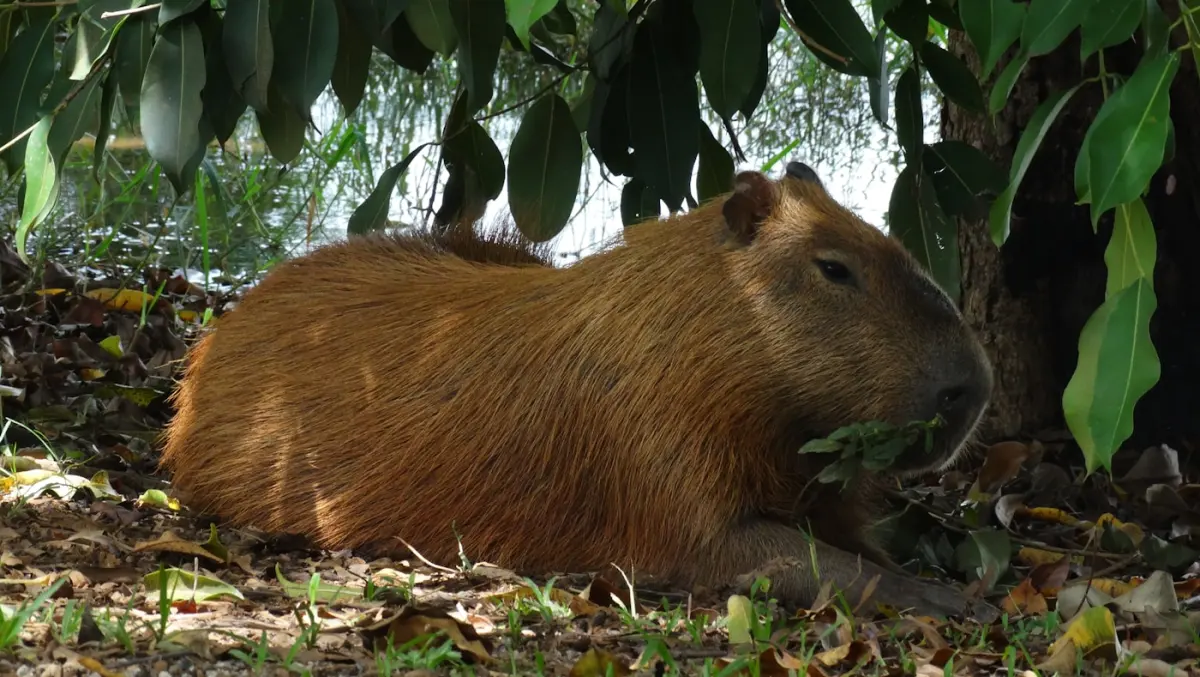
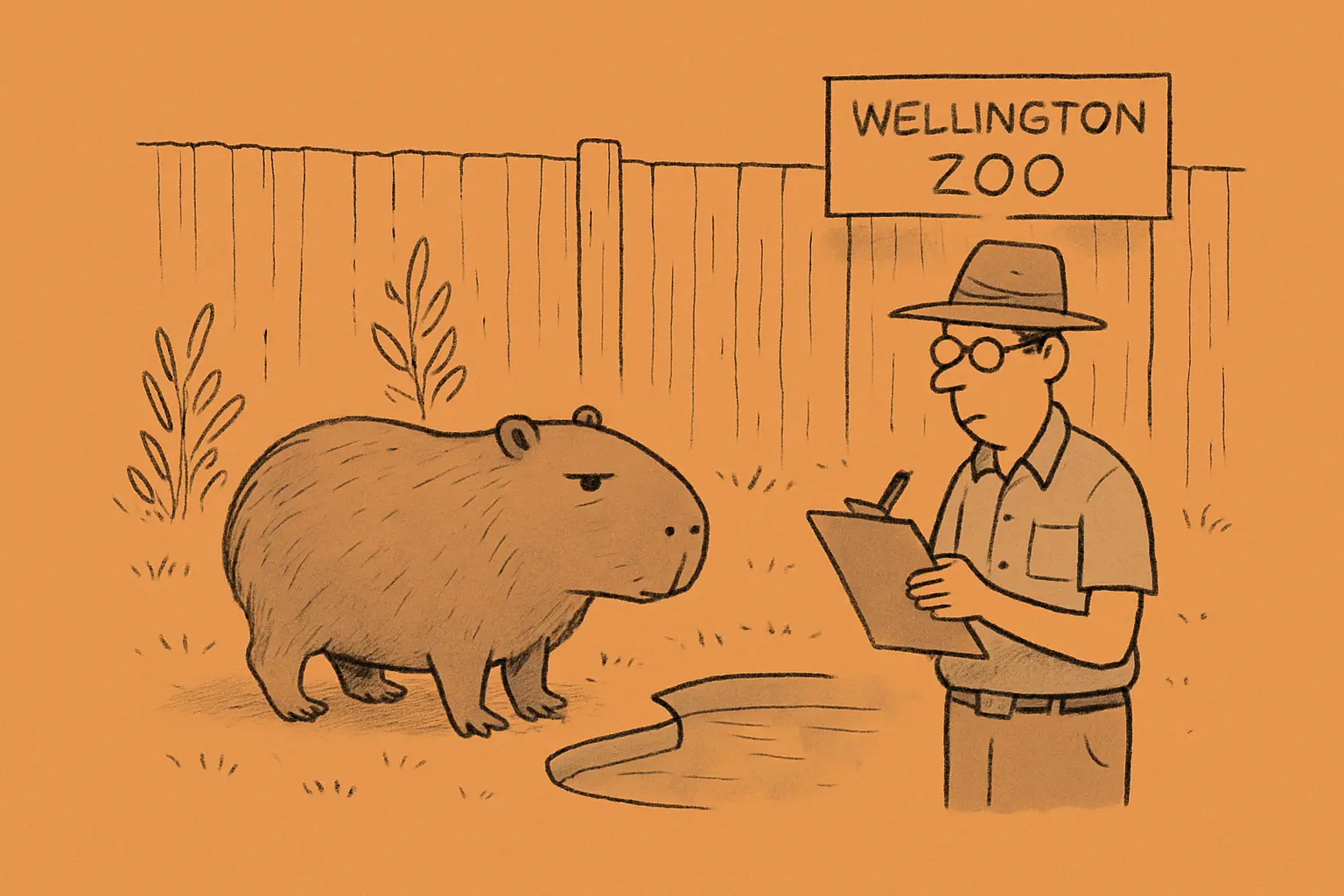
Te Nukuao Wellington Zoo has announced the euthanisation of Fernando, its last remaining capybara. Fernando’s health had been declining swiftly, forcing the zoo to make the difficult decision to euthanise him on welfare grounds. At seven years old, Fernando had been a resident of the zoo since April 2025 when he arrived from Brooklands Zoo in New Plymouth. His arrival was intended to bolster a breeding program alongside female capybara Dia.
Dia, however, passed away in March this year due to unexpected health issues, leaving Fernando alone at the zoo. Since Dia’s death, the zoo had been exploring options to transfer Fernando to another facility in New Zealand, but no other zoo had the necessary resources or existing capybara herd to accommodate him, according to Stuff.
A brief history of Fernando
Fernando’s journey to Wellington Zoo was part of a planned effort to establish a breeding program for capybaras in New Zealand. Sadly, the program never came to fruition as Dia’s sudden demise thwarted the zoo’s plans. Fernando’s solitary existence after Dia’s death was far from ideal, but the zoo’s search for a suitable new home proved fruitless.
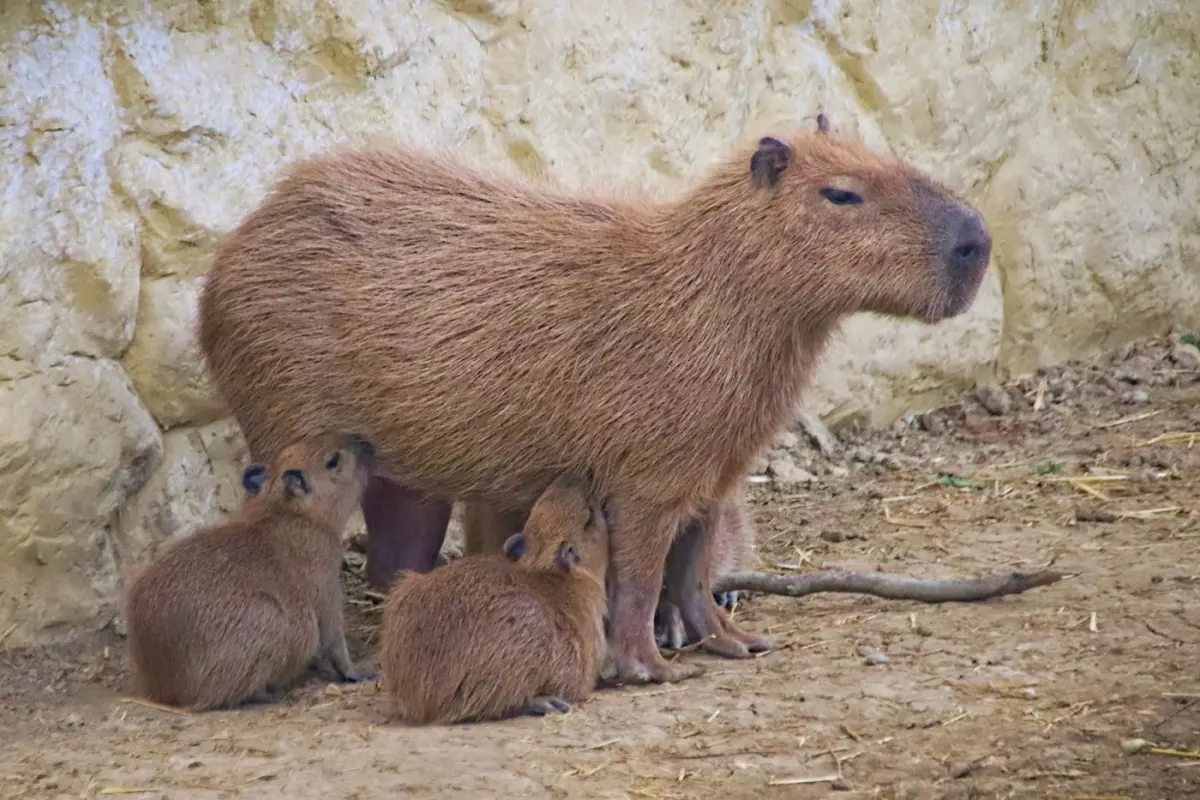
Capybaras are highly social animals, often found in groups of up to 100 in their native South American habitats. Living alone can be stressful for them, which may have compounded Fernando’s health issues. It seems Wellington Zoo’s aspirations of a breeding program were not backed by the necessary institutional support across the region to ensure Fernando’s well-being after the loss of his mate.
The challenges of finding a new home
Transferring a capybara like Fernando to another facility is no small task. The need for specific social conditions, space, and resources to maintain these large rodents means not every zoo is equipped to take them on. According to IBR’s report, no other New Zealand zoo had the space or an existing capybara herd necessary to provide Fernando with a suitable home.
The capybara’s unique needs extend beyond just physical space. As the largest rodents on earth, their care involves providing ample swimming areas, as capybaras are semi-aquatic and use water not just for cooling off but also for social interactions and escaping predators. Without these provisions, Fernando’s transfer was simply not feasible.
Common misconceptions about capybaras
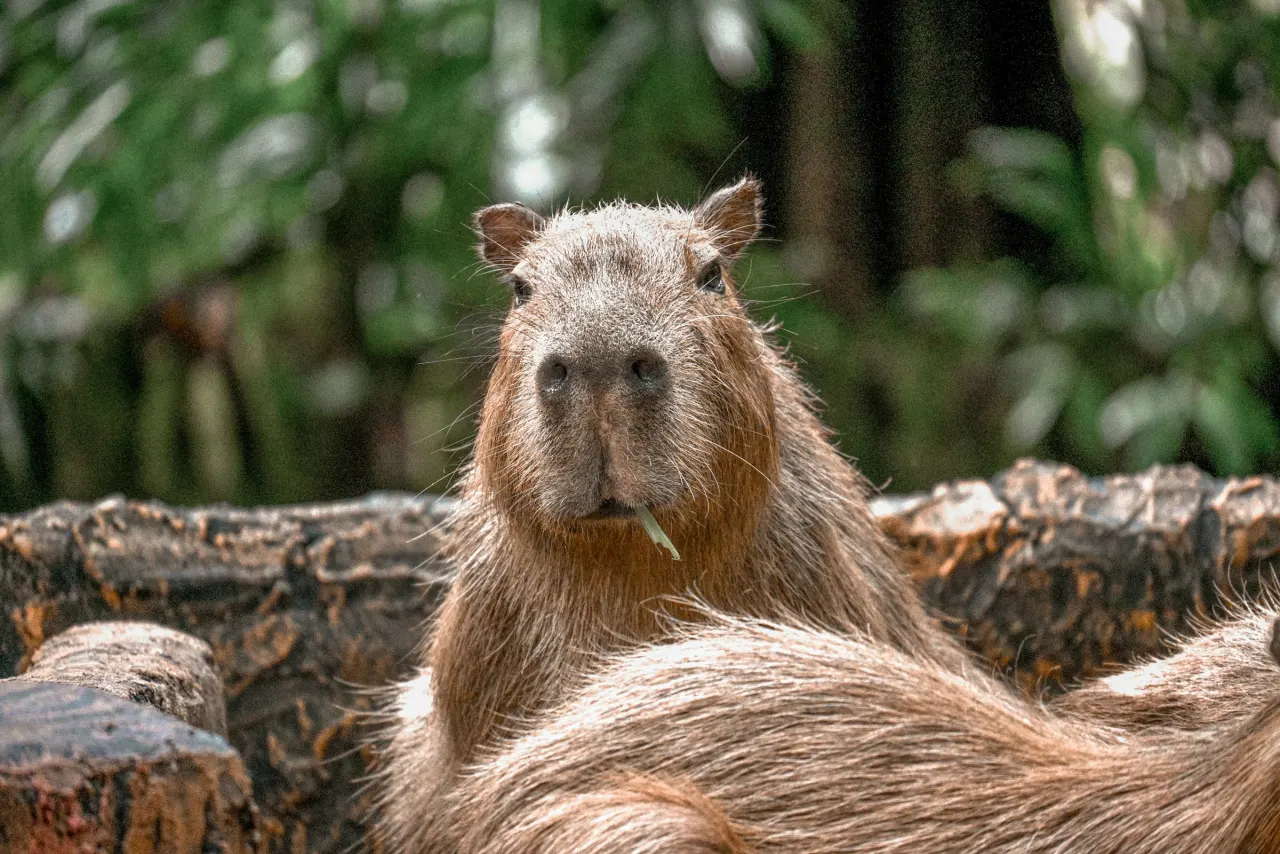
In discussing capybaras like Fernando, it’s important to dispel a common misconception: capybaras are often thought to be solitary creatures, but they are anything but. In the wild, they are social animals that thrive in groups. Their need for company is why Fernando’s solitary state post-Dia’s death was particularly concerning.
Another interesting fact about capybaras is their ability to hold their breath underwater for up to five minutes. This adaptation is crucial for their survival in the wild, allowing them to evade predators and navigate their aquatic environments.
The Grumpy Capy take
Fernando’s story is a sobering reminder of the complexities involved in zoo animal care and the challenges of maintaining biodiversity in captivity. The failure to find Fernando a new home underscores the limitations of New Zealand’s capacity to support specialized programs for animals like capybaras.
While Wellington Zoo’s intentions may have been noble, the lack of regional support and infrastructure meant that Fernando’s life ended prematurely. This story highlights the need for better collaborative networks among zoos to ensure that animals dependent on specific social structures are not left in limbo when plans go awry.
Worth noting: the Stuff source page included unrelated promotional content, which was ignored during the writing of this article.