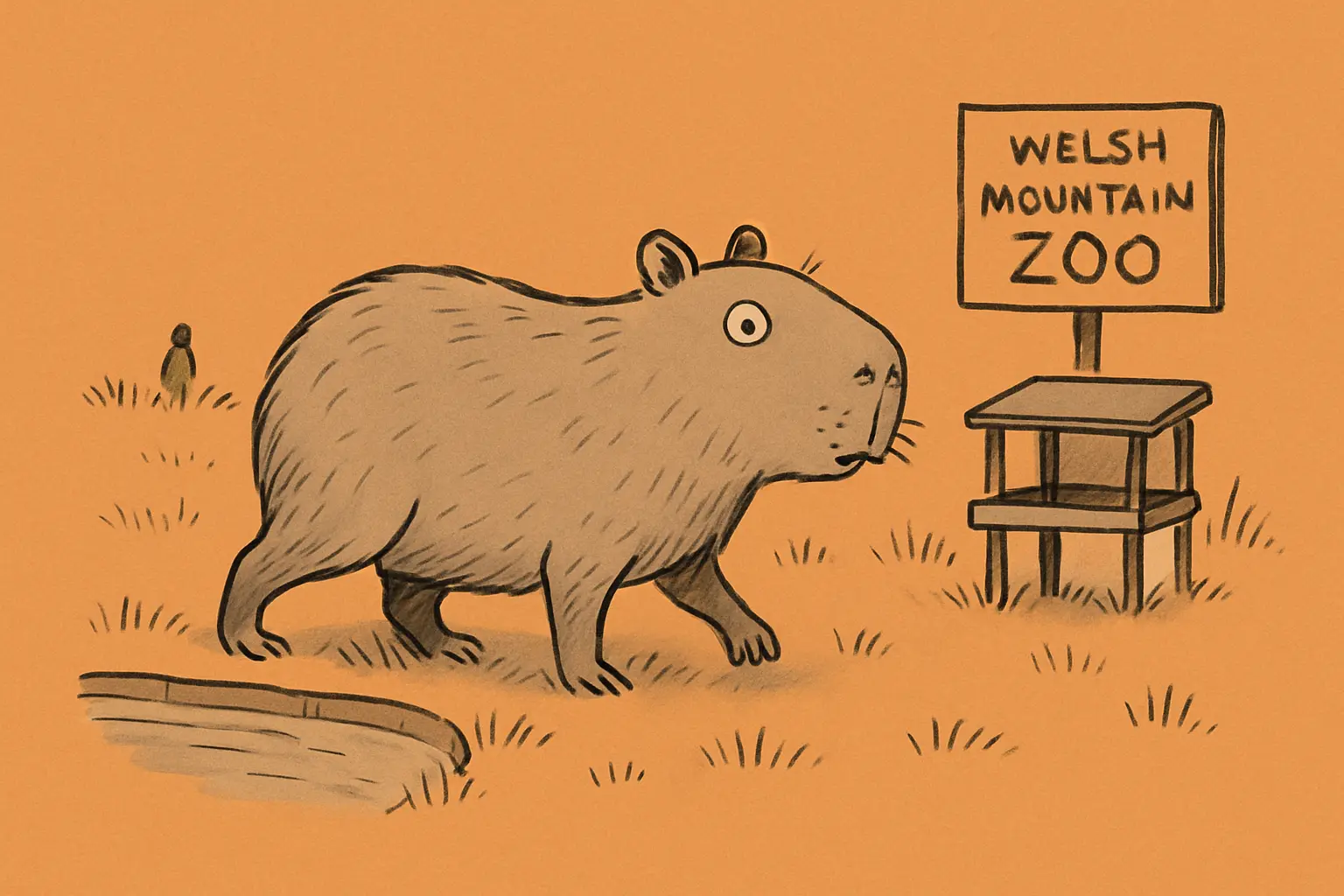
A sudden loss at the Welsh Mountain Zoo
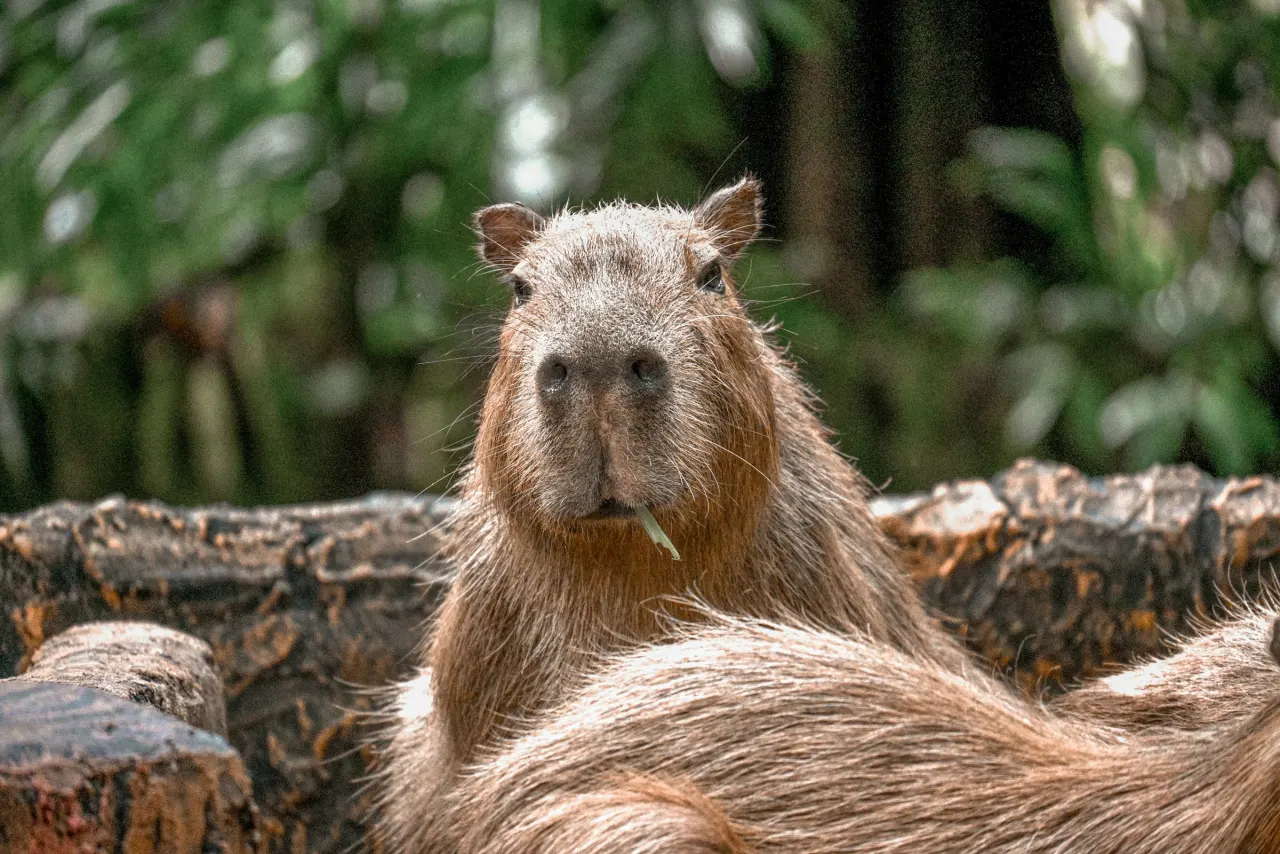
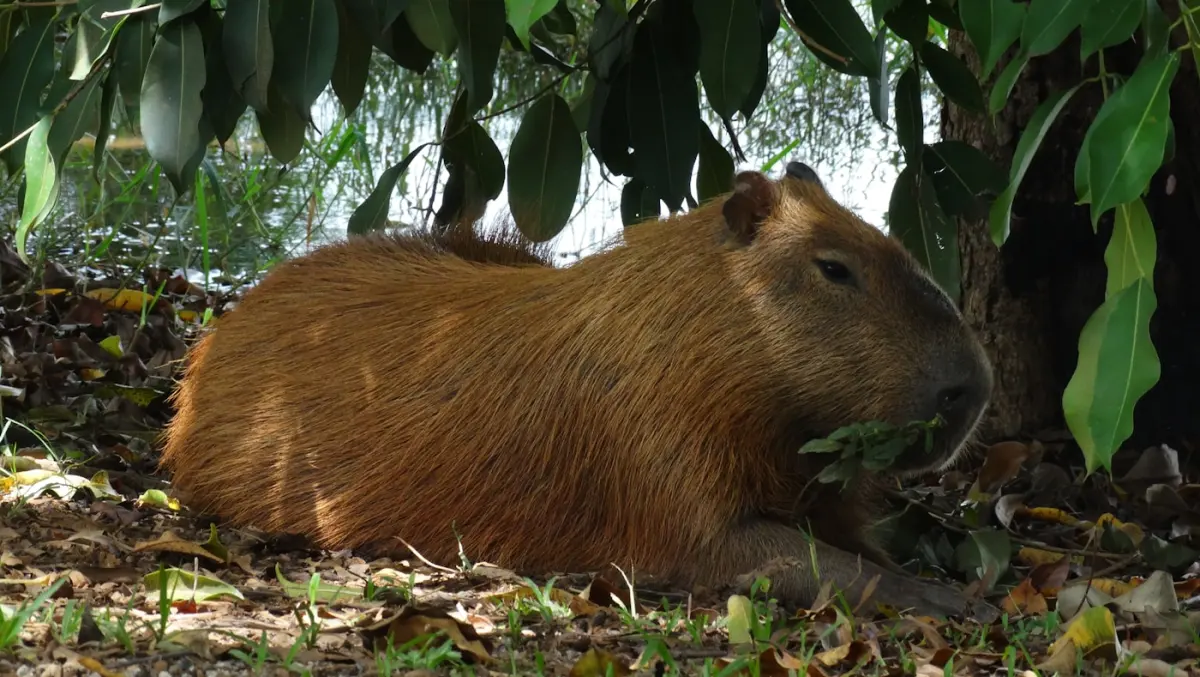
The Welsh Mountain Zoo is in mourning following the sudden death of one of its capybaras, Mango. According to the Liverpool Echo, the zoo staff have been left heartbroken by Mango’s unexpected passing. While the exact cause of death is not detailed in the report, the loss of Mango has sparked concerns about the conditions in which these animals are kept.
Capybaras, native to South America, are known for their social nature and typically live in large groups. This social requirement raises questions about whether Mango was provided the companionship necessary for such a species. The absence of any further context from the zoo about Mango’s living conditions or potential health issues only adds to the list of uncertainties.
Climate and stress considerations
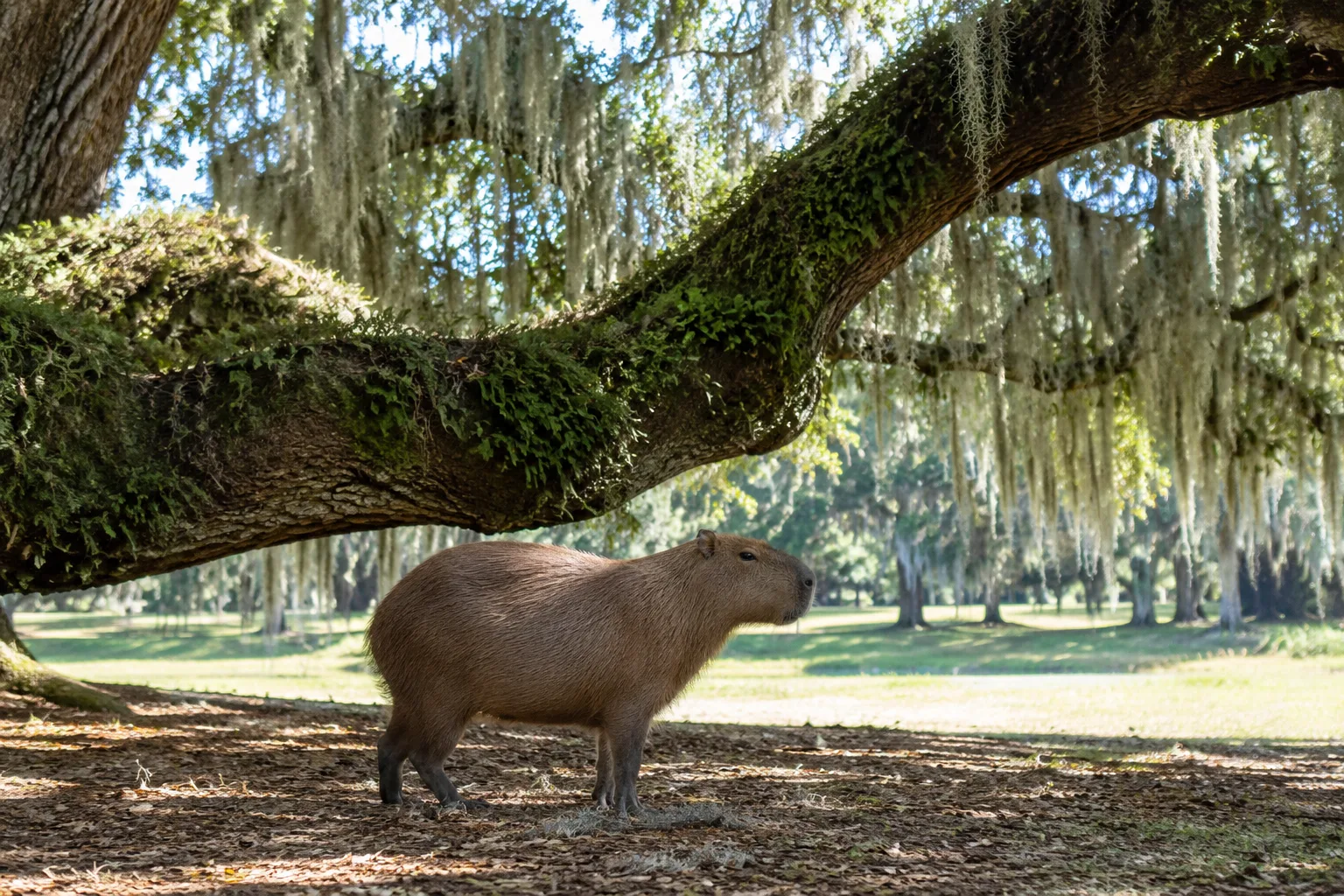
Comments from the public, like those on Facebook, suggest climate and stress may have played a role in Mango’s demise. One comment speculated that the cold and wet conditions typical of Welsh weather might not be conducive to the well-being of a capybara. While capybaras are adaptable creatures, capable of living in various environments, they thrive in warmer, humid climates that mimic their natural habitat.
Stress is another factor mentioned by commenters, with some suggesting that the lack of social interaction or the stress of captivity could have contributed to Mango’s sudden death. Capybaras are known to slow-blink to show calmness and lack of threat, a behavior that might not have been enough to manage potential stressors in Mango’s environment.
The social nature of capybaras
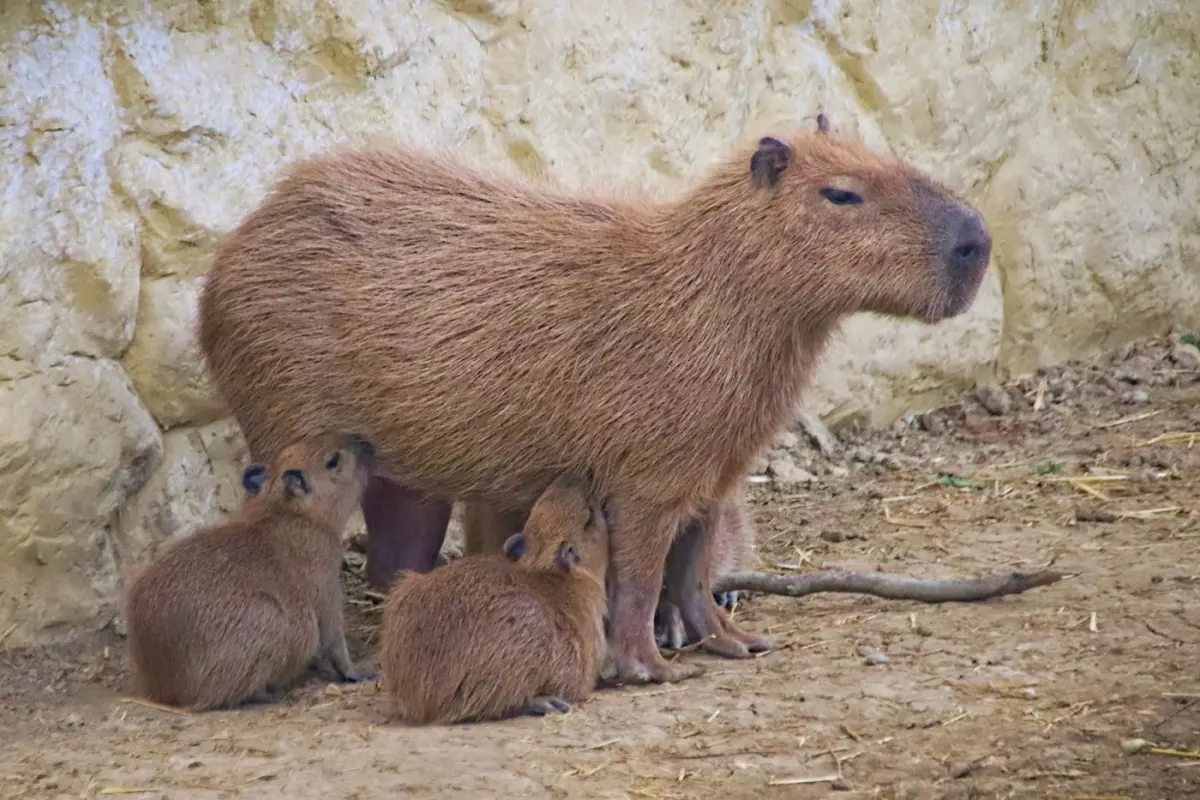
Capybaras are the largest rodents in the world, closely related to guinea pigs, and they thrive in social settings. In the wild, they are often seen in groups of up to 100 individuals during the dry season. This social structure is crucial for their psychological and physical health. Depriving these animals of social interaction can lead to stress, which, in turn, might affect their overall health.
The scant details from the Welsh Mountain Zoo about Mango’s companions or lack thereof leave room for speculation. If Mango was isolated or kept in an environment where social interactions were limited, it could have had detrimental effects on his health.
Misconceptions about capybara care
A common misconception is that capybaras are simple to care for due to their seemingly laid-back nature. In reality, they require specific conditions to thrive. These include not only social companionship but also a habitat that provides adequate space, water for swimming, and a diet rich in grasses. Their teeth, which never stop growing, need constant gnawing on fibrous materials to prevent overgrowth.
This incident with Mango might remind zoos and pet owners alike of the complexities involved in caring for such animals. It’s not just about providing a physical enclosure but ensuring that all aspects of their natural habitat and social needs are met.
The Grumpy Capy take
It’s more than a little concerning that the Welsh Mountain Zoo provided so little information about the circumstances surrounding Mango’s death. For an animal as social as a capybara, questions about companionship and environmental stressors aren’t just idle speculation—they’re critical.
The zoo’s heartbreak is understandable, but without transparency, it leaves room for doubt and speculation. The public deserves to know if Mango’s living conditions met the standards required for a creature of its nature. This is a reminder that while capybaras might look like oversized guinea pigs, their needs are anything but simple.