The clip itself
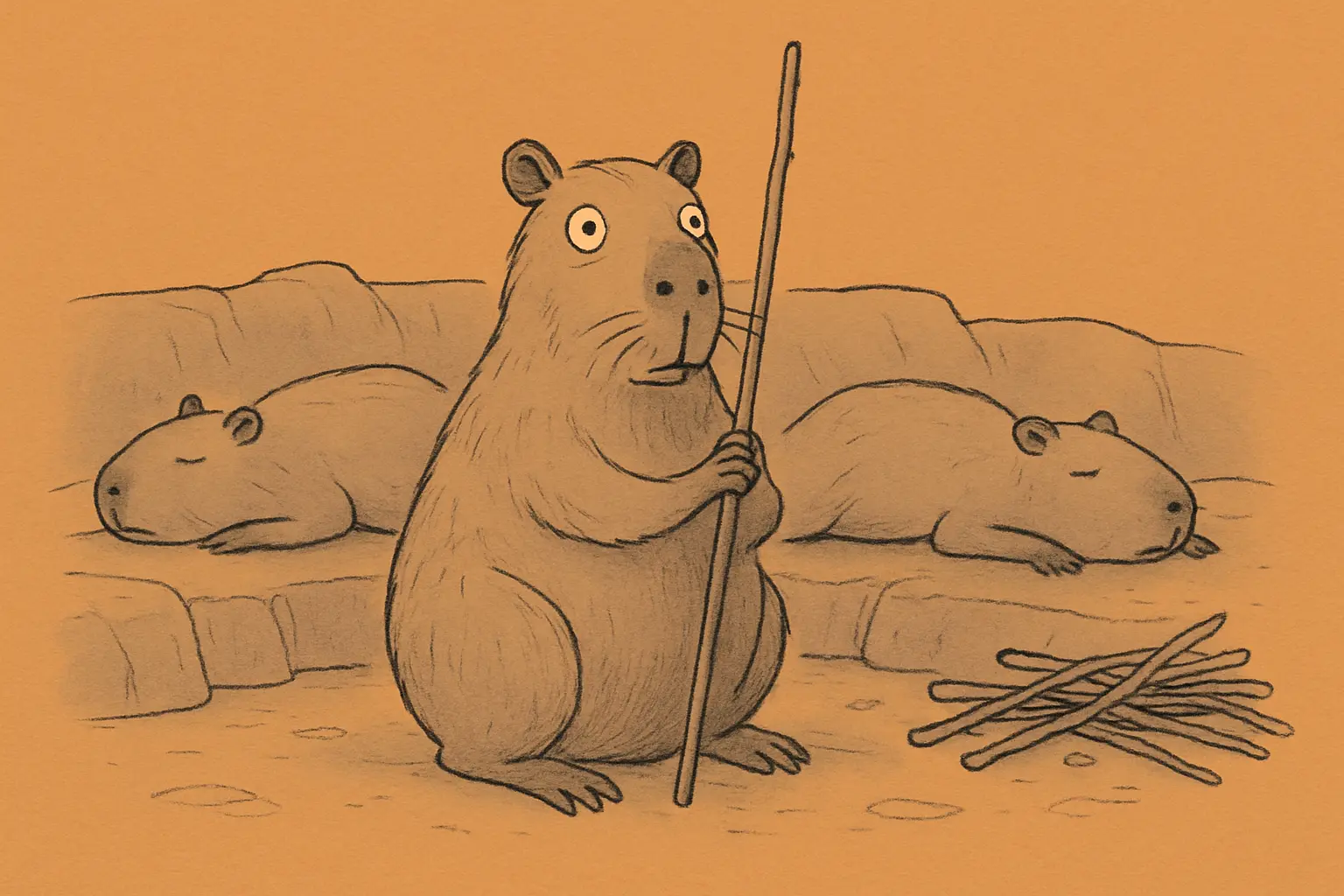
On Friday, an account called Nature Unedited posted a 14-second video to X showing a capybara rotating a branch with what the internet has decided is martial artistry. The enclosure is rocky. The capybara’s companions are lounging. The branch is spinning. That is the entire event.
It is worth being clear about what “twirling” means here. The animal is manipulating a stick with its snout and forepaws in a way that looks rhythmic and deliberate. Whether it is deliberate is a different question entirely, and one the clip cannot answer.
How 700,000 people responded
According to the X trending summary, the video accumulated 700,000 views and 37,000 likes in a short window after posting. The comment section filled with references to the Monkey King — the staff-wielding figure from Chinese mythology — alongside the leekspin meme, which is itself a decade-old internet artefact about a character spinning a vegetable. The jokes arrived fast and followed a familiar template.
The most-repeated quip, per the trending summary, was a variation on “while you were being woke, he was studying the stick.” That format has been applied to everything from cats to historical figures for years. The capybara has now joined that lineage, which is either an honour or a sign that the format has truly run out of road.
What the enclosure tells us
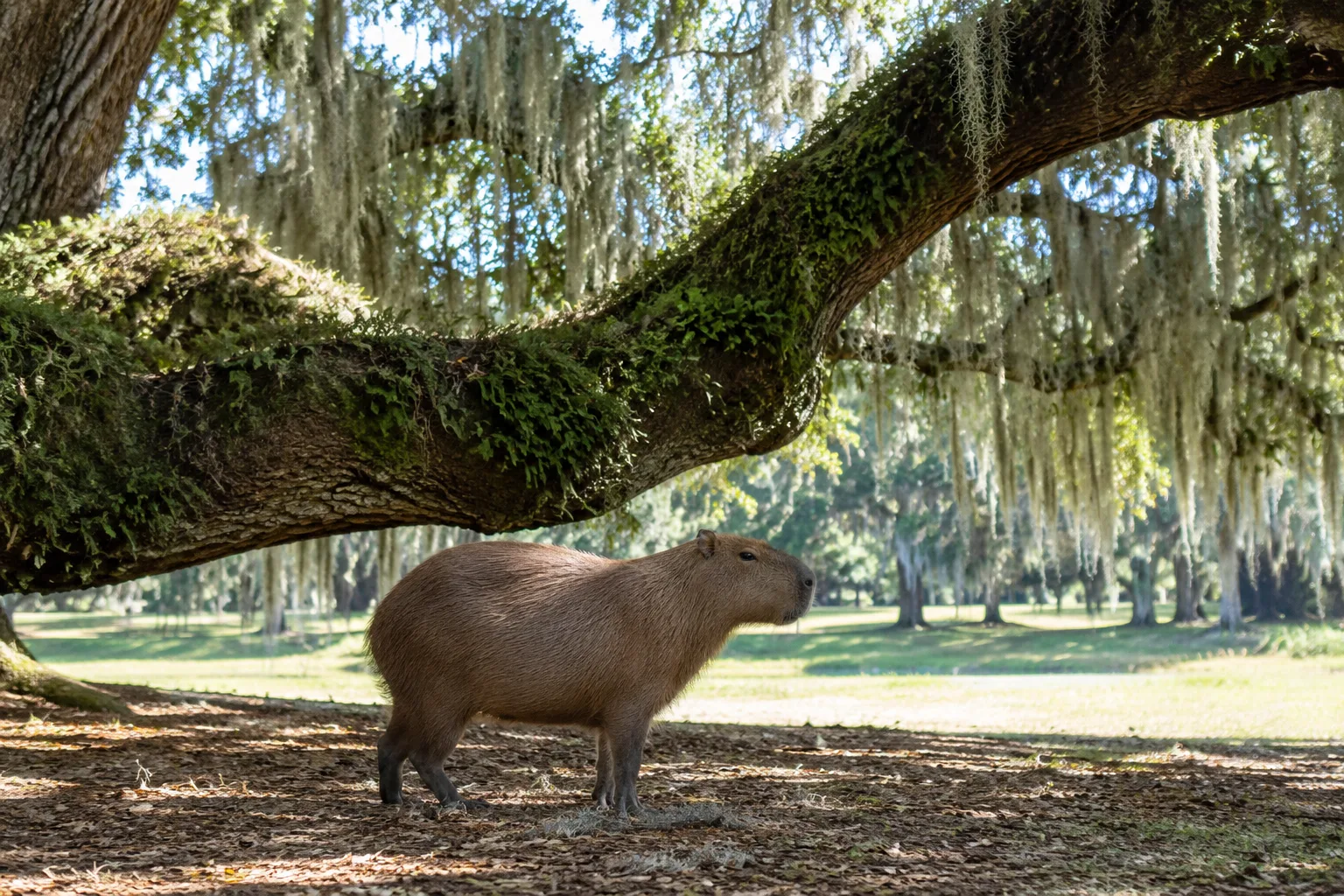
The rocky setting and the cluster of resting companions visible in the background suggest a zoo or wildlife park rather than a wild habitat. Capybaras in the wild are found across South America — from Venezuela and Colombia down through Brazil and into northern Argentina — typically near rivers, lakes, and marshes where they can regulate their body temperature by wallowing.
That thermoregulation detail matters here. Capybaras spend a substantial portion of their day in or near water precisely because they have almost no sweat glands. A rocky, apparently dry enclosure on a warm day would give an animal like this a reason to stay active and fidget with whatever is available. The stick may be enrichment. The twirling may be boredom management. Neither explanation is as cinematic as “kung fu master.”
The misconception hiding in the comments
A recurring thread in the response was surprise that a capybara could do something that looked coordinated and dexterous. This reflects a common misreading of the species. Capybaras are not passive, dim, or purely reactive animals. They are the largest rodents on earth — adults regularly exceed 50 kilograms — and they are closely related to guinea pigs, which itself tends to surprise people who picture something far more exotic.
More to the point: capybaras are highly social, communicate through a range of vocalisations and scent signals, and are known to use their environment actively. The idea that one picking up and moving a stick is somehow shocking says more about how little most people know about the animal than it does about the animal’s actual capabilities.
The Grumpy Capy take
This is a fine video. Fourteen seconds of a large rodent doing something mildly unexpected is a reasonable use of fourteen seconds. The jokes are mostly harmless, and the Monkey King comparison is at least thematically coherent — both involve a staff, both involve an animal of some cultural weight.
What is less fine is the complete absence of any identifying information about where this animal lives, who cares for it, or what the stick actually is. Nature Unedited posted a clip; X summarised the reaction; nobody asked a single question about the capybara’s name, facility, or welfare. That is the standard now, and it is not great.
Worth noting for transparency: this story is based entirely on an X trending summary generated by Grok, which carries its own disclaimer about accuracy. The clip itself was not independently reviewed, no facility was named, and the view and like counts reflect a snapshot that will have changed by the time you read this. The capybara, presumably, does not care.