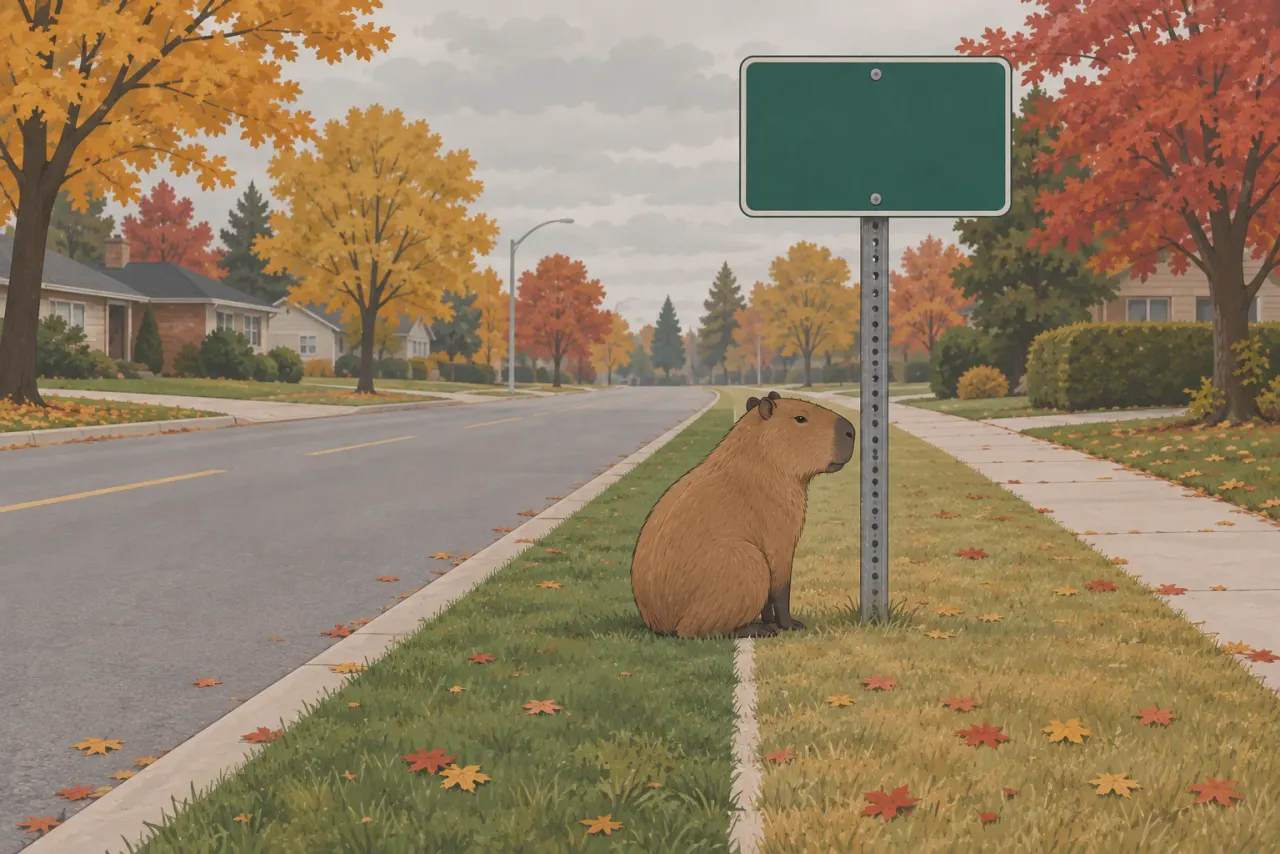
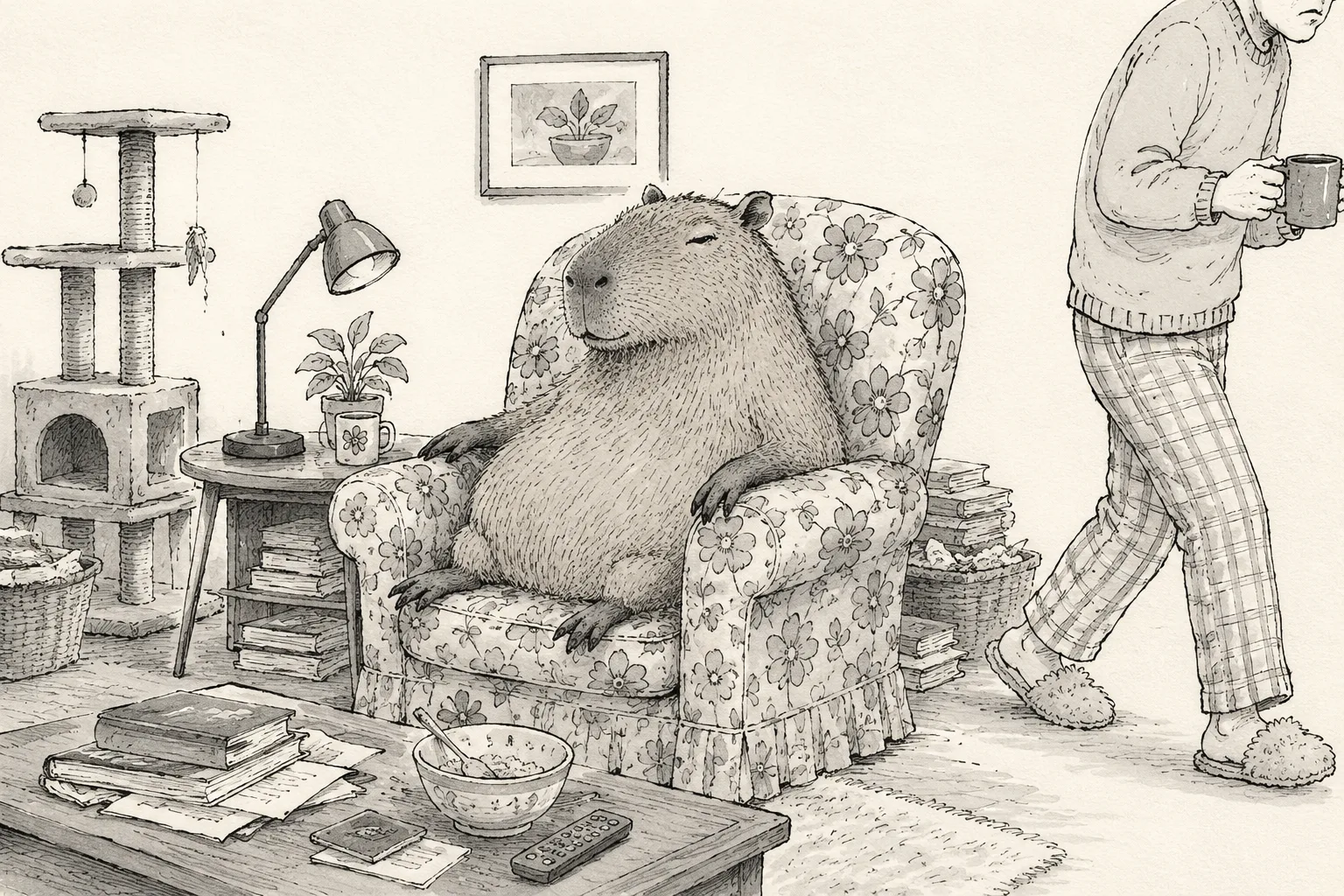
The capybara plush economy exists because calm is hard to buy, but apparently you can approximate it with stuffing.
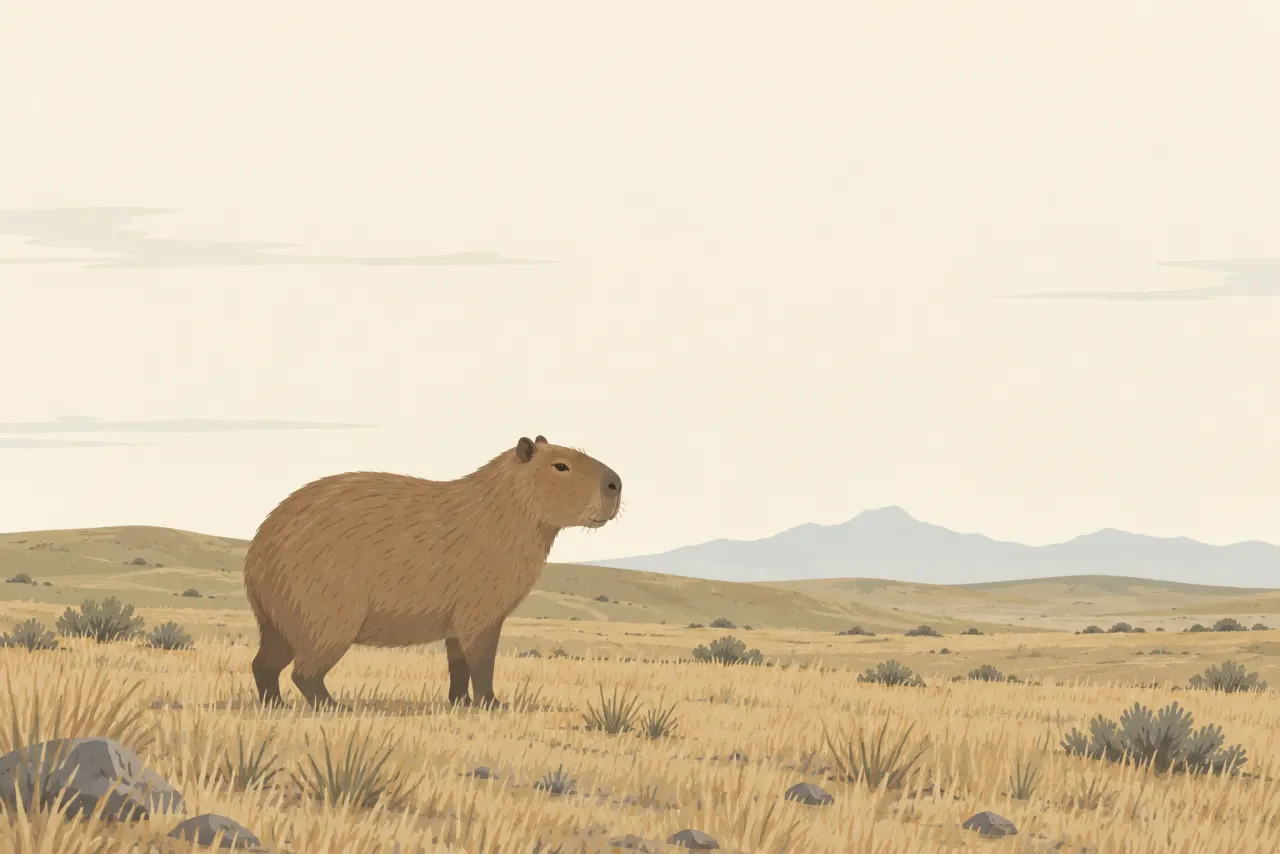
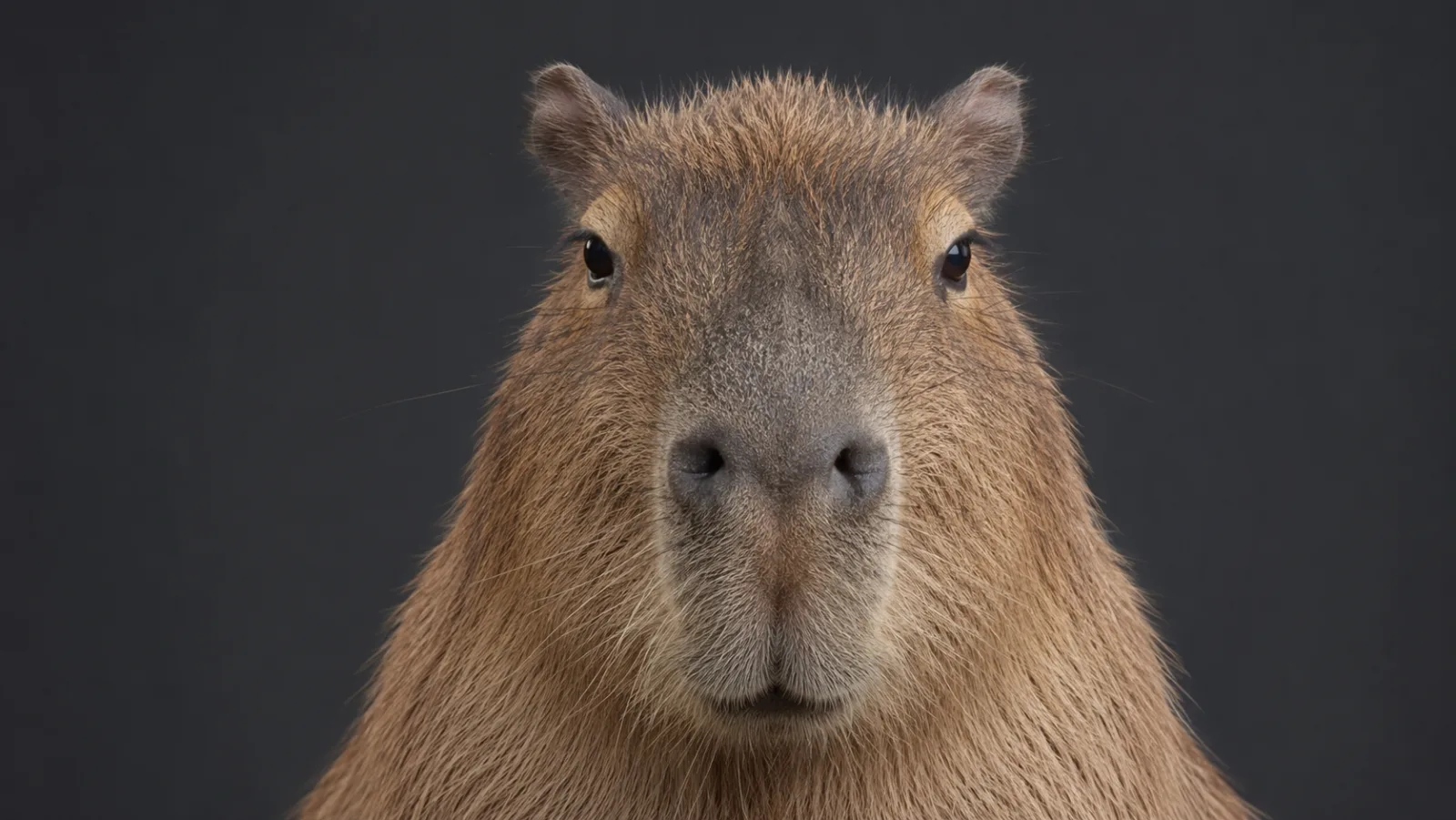
There is also a design reason. Capybaras are already plush-shaped: blunt face, small ears, heavy body, short legs, no dramatic tail, and the expression of someone who has opted out of urgency.
The Shape Was Built For Plush
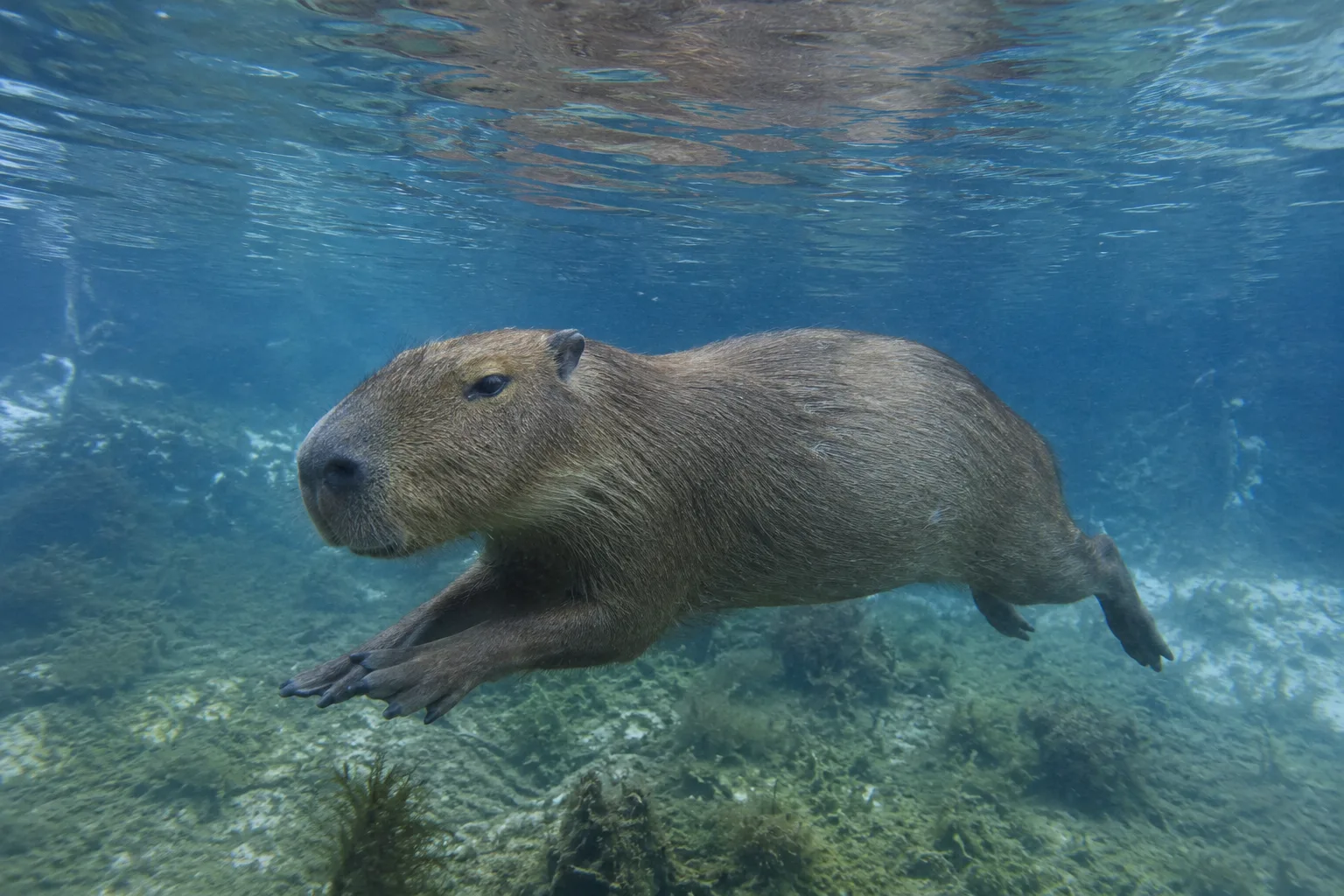
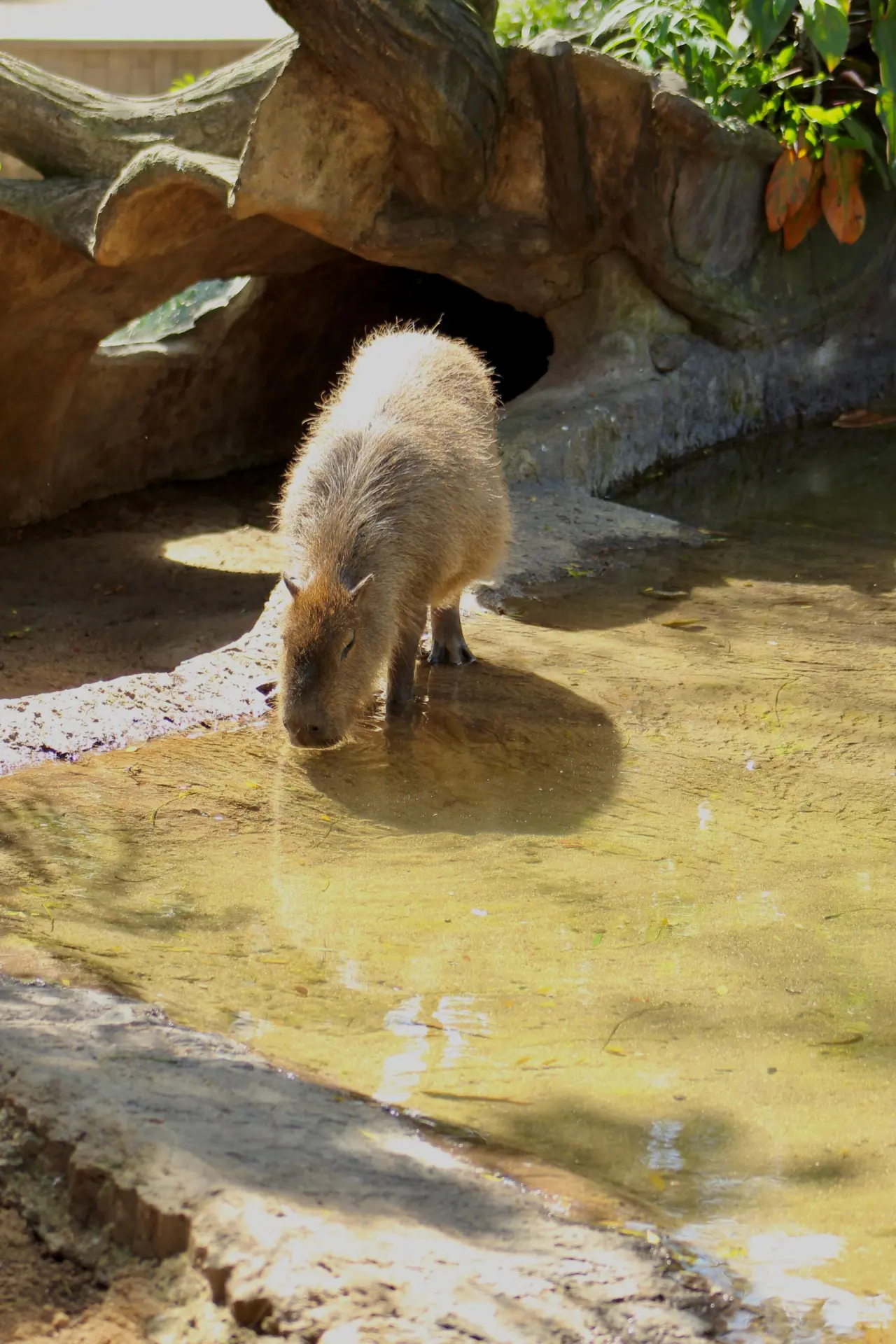
San Diego Zoo lists capybaras as the world’s largest rodents, with bodies that are sturdy rather than elegant. That matters for toys. A capybara plush does not need a delicate silhouette. It needs mass, softness, and a face that looks like it has seen your calendar and declined.
The best ones preserve the animal’s outline. Too round and it becomes a potato. Too pointy and it becomes a guinea pig with a housing crisis.
The Internet Made The Rodent Giftable
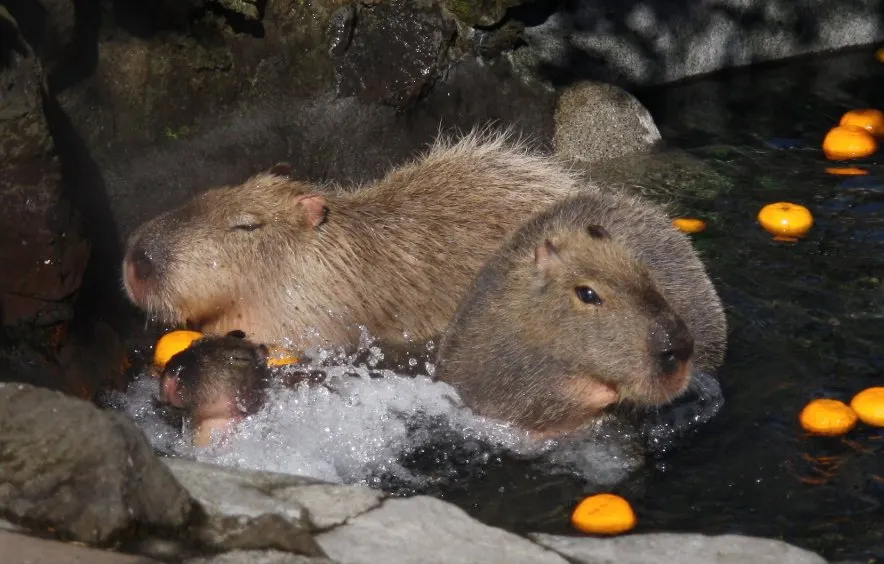
Capybaras were always interesting. The internet made them emotionally legible. Hot springs, animal-friend clips, “OK I Pull Up,” and a thousand captions about being unbothered turned the capybara into a mascot for people who are tired but trying to be normal about it.
A plush is the obvious merch object. It is soft, funny, harmless, and easier to fit in a dorm than an actual semi-aquatic rodent, which is rude but accurate.
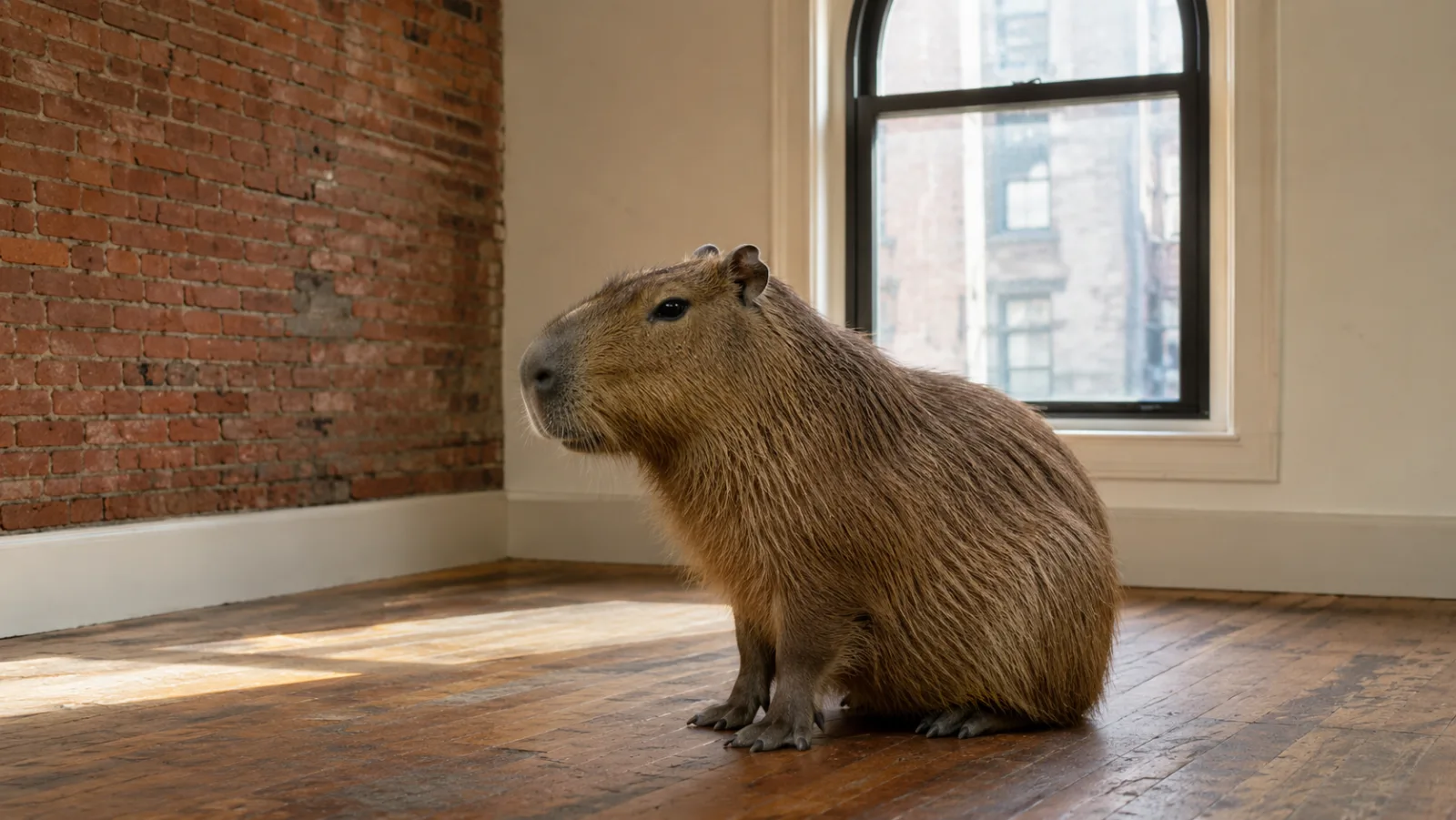
What Makes A Good Capybara Plush
| Feature | What to check |
|---|---|
| Face | Blunt nose, small ears, calm eyes |
| Body | Long oval shape, not a generic round blob |
| Materials | Soft fabric, secure seams, clear stuffing feel |
| Safety | Age label and no loose parts for young kids |
| Care | Washability or at least spot-clean instructions |
Look at customer photos when possible. Product renders are where strange plush faces go to lie.
The Proportions A Good One Gets Right
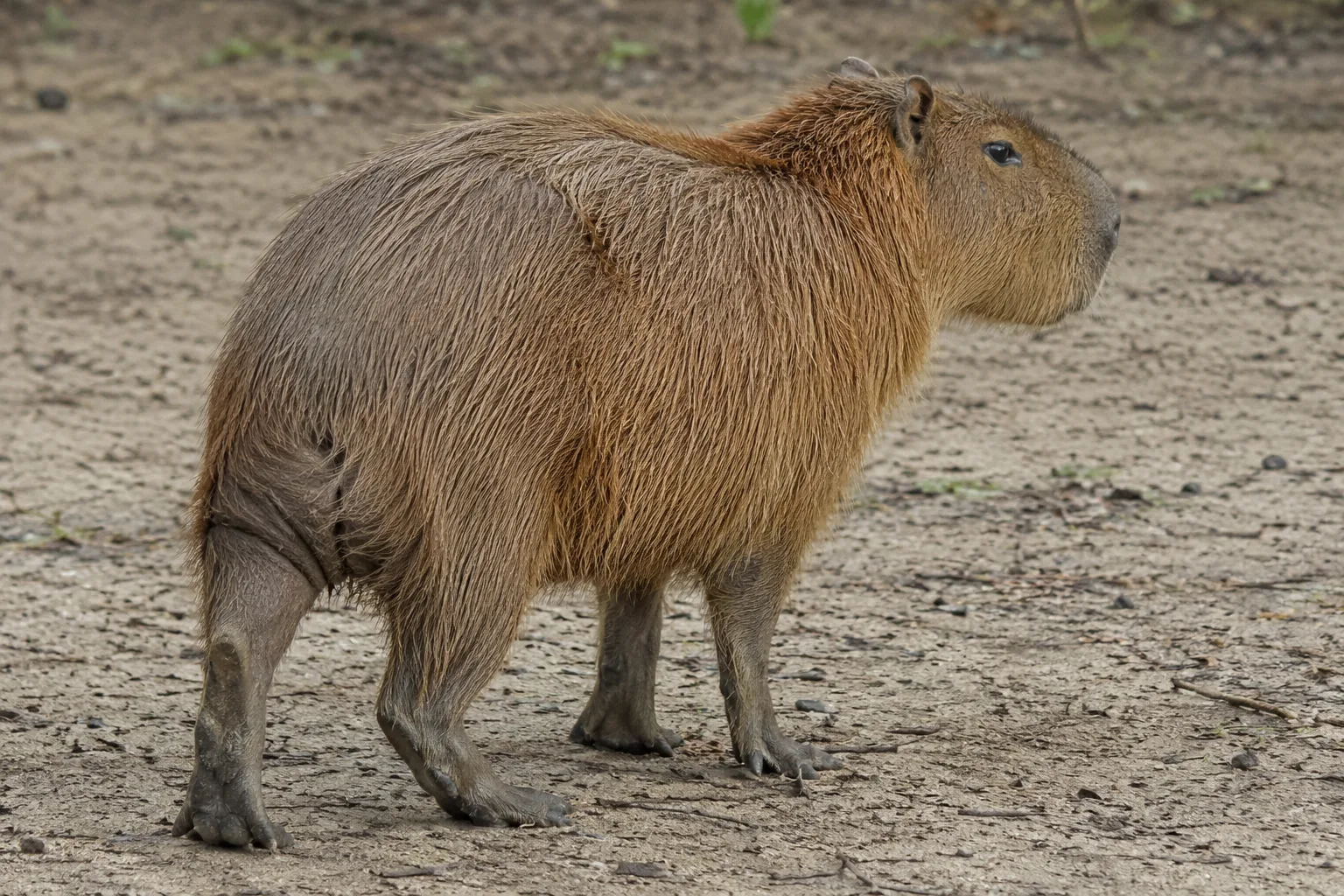
Most plush capybaras miss on the same measurements, and all of those measurements are public. Animal Diversity Web puts the animal at 35 to 66 kg, standing up to 0.6 metres at the shoulder, with a length of about 1.2 metres.
Two to one, long to tall. A plush much rounder than that has quietly become a guinea pig, which is a different animal with a different internet career.
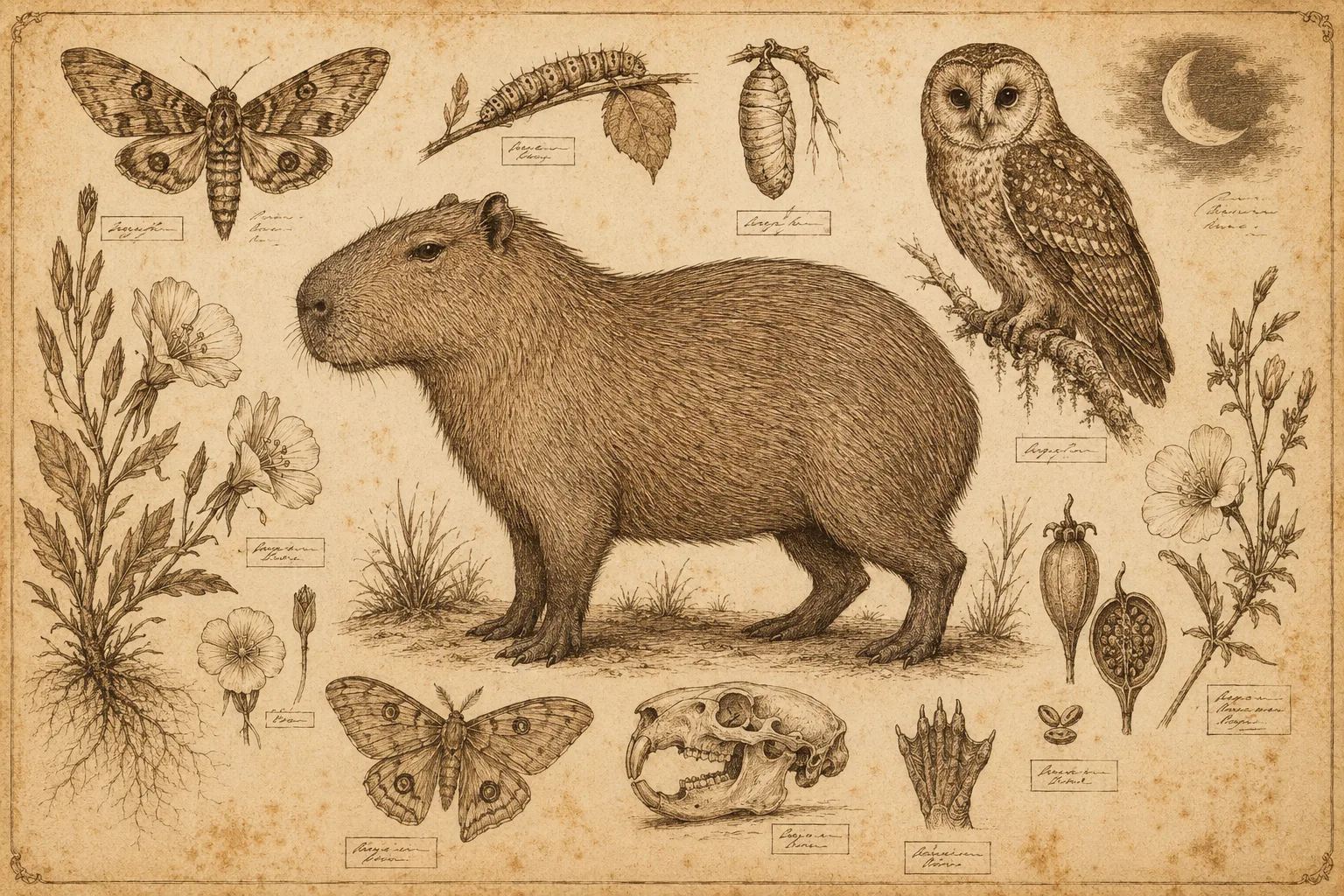
Three more details separate a plush designed from the animal from one designed from another plush. ADW describes the body as “barrel-shaped, sturdy, and tailless” — a tail of any kind is a design error, not a stylistic choice. The eyes, ears and nostrils sit on top of the head rather than on the front of the face, which is what makes a real capybara look like it is permanently half-submerged even on dry land. And the front legs are slightly shorter than the hind legs, so a capybara standing still reads as faintly downhill.
The fur is the one thing a plush should not copy. ADW calls it coarse and thin. Long-pile fabric makes a very soft toy and a very unconvincing capybara — at which point you have bought a sheep with opinions.
What The Age Label Actually Decides
Every toy sold in the United States has to meet ASTM F963. 16 CFR 1250.2(a) says it flatly: “Each toy must comply with all applicable provisions of ASTM F963-23.” That is the floor, not a feature, whatever a listing implies by mentioning it.
The rule worth reading is the other one. 16 CFR 1501 is the small-parts ban, and §1501.2(a) names this exact category — “stuffed, plush, and flocked animals and other figures.” Under it, nothing that can detach during normal use may fit entirely inside the small-parts cylinder specified in §1501.4. The test exists because a plastic eye is the wrong size in the worst possible way.
Then §1501.2(c) does the thing nobody expects: “This regulation does not apply to toys or articles which are solely intended for use by children 3 years of age or older.”
A capybara plush labelled "3+" has not been held to the small-parts rule at all. The age grade is not a note about attention spans. It is which regulation the toy was built against.
The label is not a free pass either. §1501.2(b) reads intent from the manufacturer’s stated intent “if it is a reasonable one,” from the advertising and marketing, and from whether the article is commonly recognised as being for under-threes. A seller cannot dodge the rule by saying nothing. They can dodge it by labelling up — which is what a lot of soft, round, obviously baby-shaped plush quietly does.
So if it is going to a child under three, buy the one that says so: embroidered features instead of plastic eyes, no bead fill, no detachable accessories. If it is going to an adult, none of this applies and you can go back to arguing about the nose.
Gifts For Kids, Adults, And Tired Desk People
For kids, safety and washability matter most. For adults, the face matters. Adults will pretend it does not, then reject a plush because it “doesn’t have the right emotional neutrality.” This is normal capybara-fan behavior.
For desk gifts, choose smaller. A giant capybara plush is funny until it occupies the chair like a new manager.
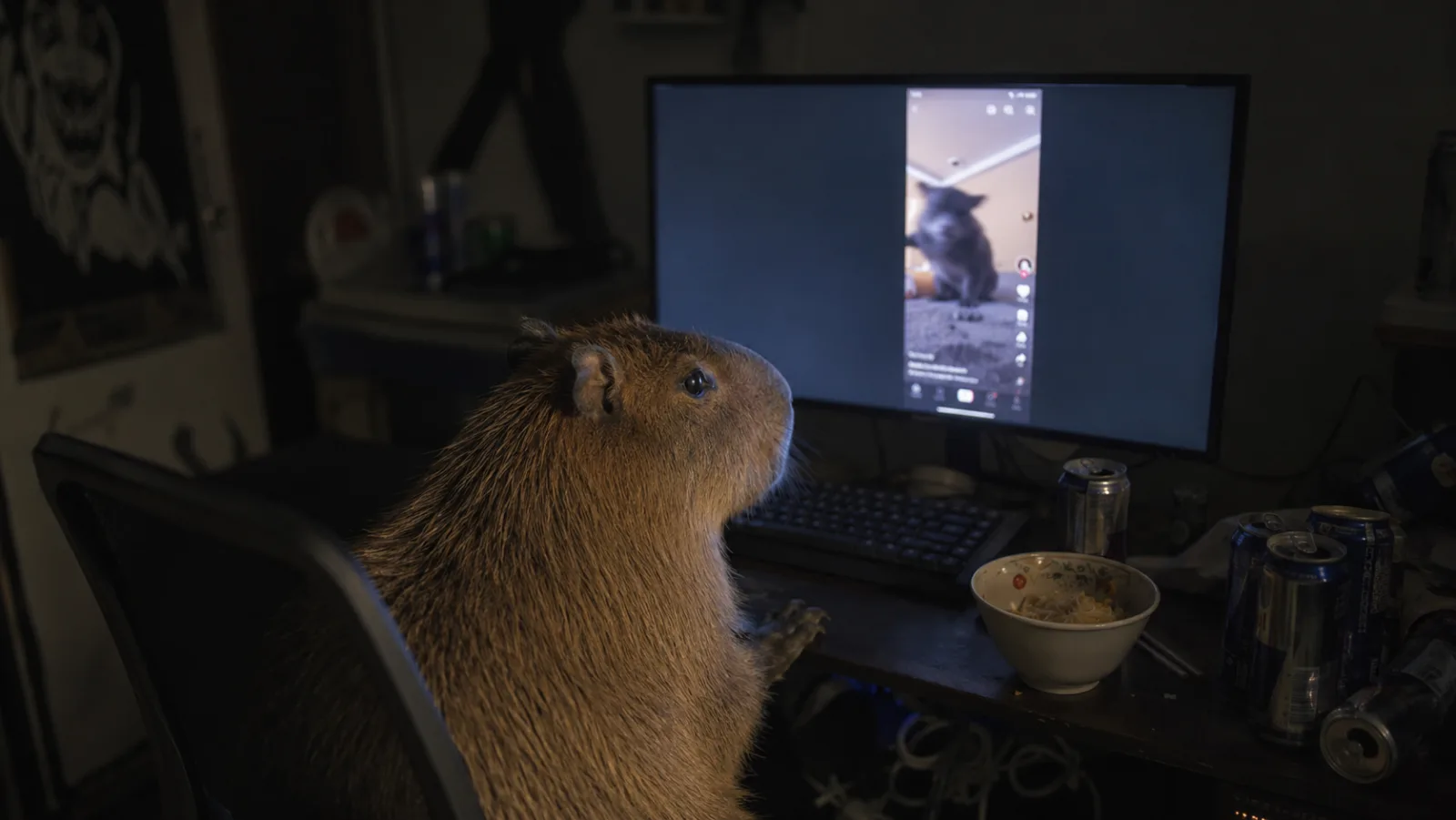
Avoid The Sad Beige Blob
The bad plush has no species signal. It is just beige, round, and apologetic. A good one gives you the capybara essentials: low drama, correct nose, tiny ears, sturdy body, and an expression that says it has already chosen rest.
That is the whole appeal. A squishy little rodent, doing less than everyone else, succeeding anyway.