
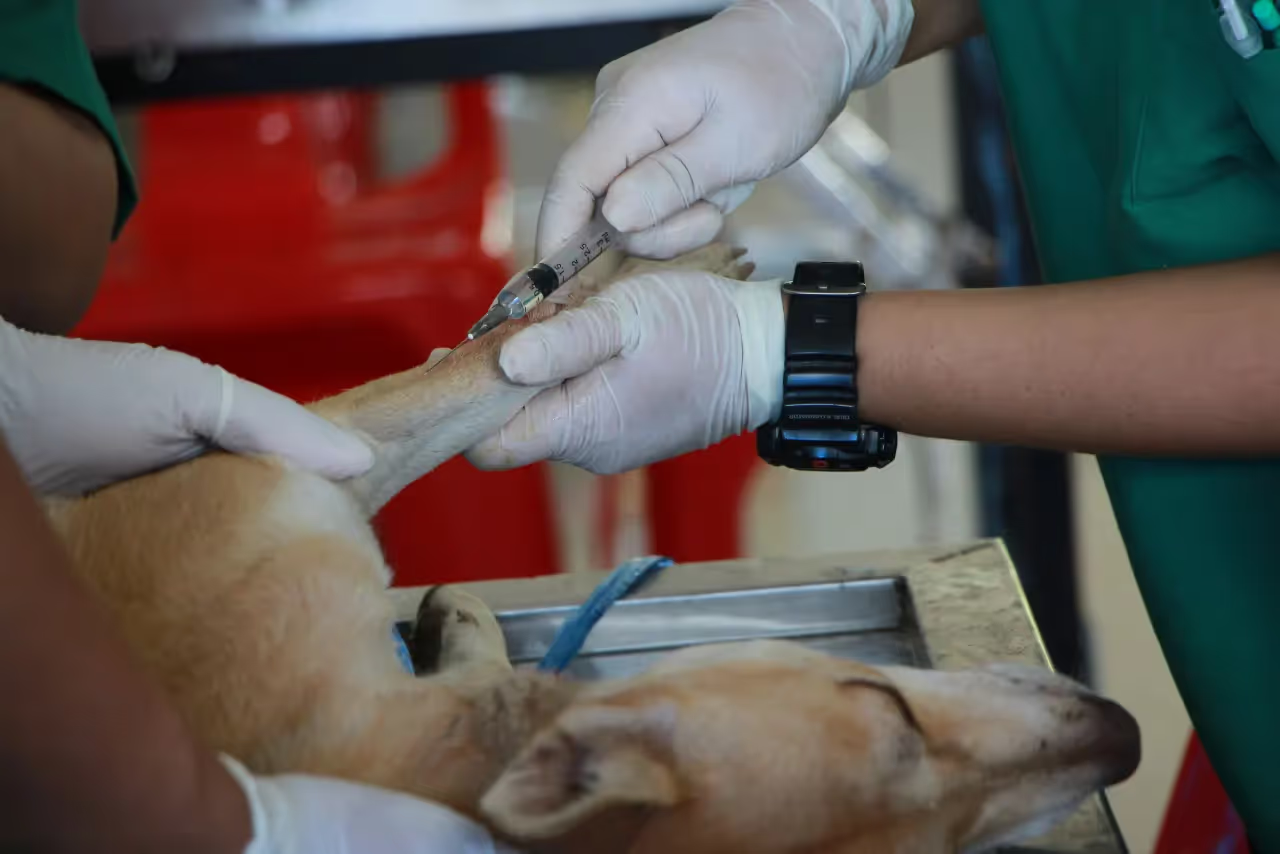
Capybaras can be part of the rabies conversation for one plain reason: they are mammals. That does not mean every capybara is a tiny public-health siren with whiskers. It means bites from unknown mammals deserve adult attention.
The useful answer is calm and a little boring. Prevent bites. Wash wounds. Call a medical professional or health department when exposure is possible. Do not use a Reddit thread as a vaccine schedule.
Can Capybaras Carry Rabies? The Direct Answer
Rabies affects mammals, and the CDC treats rabies exposure as a serious medical issue. A capybara is a mammal, so rabies is biologically possible. The practical risk depends on where you are, whether the animal is wild or managed, how it behaved, and whether saliva entered broken skin or mucous membranes.
| Question | Safer wording |
|---|---|
| Can capybaras get rabies? | Mammals can get rabies, so yes, biologically possible |
| Should I panic near a zoo capybara? | No, follow staff rules and barriers |
| Should I ignore a bite? | No, wash it and seek guidance |
| Can the internet assess my exposure? | Absolutely not |
The answer is not “capybaras are rabid.” The answer is “do not freelance rabies risk.”
That distinction matters because fear searches tend to swing between two bad moods: panic and dismissal. Panic makes every capybara look like a health department case file. Dismissal makes people ignore broken skin because the animal was cute. The correct middle is dull and sturdy: assess exposure, wash, report, and ask the people trained to answer locally.
The Bite Path Matters More Than The Cute Animal
Rabies is usually transmitted through saliva from an infected animal, commonly through bites. That is why exposure details matter. Was there a bite? Did it break skin? Was the animal wild, escaped, sick, unusually aggressive, or unknown? Where did it happen? Can the animal be observed by authorities?
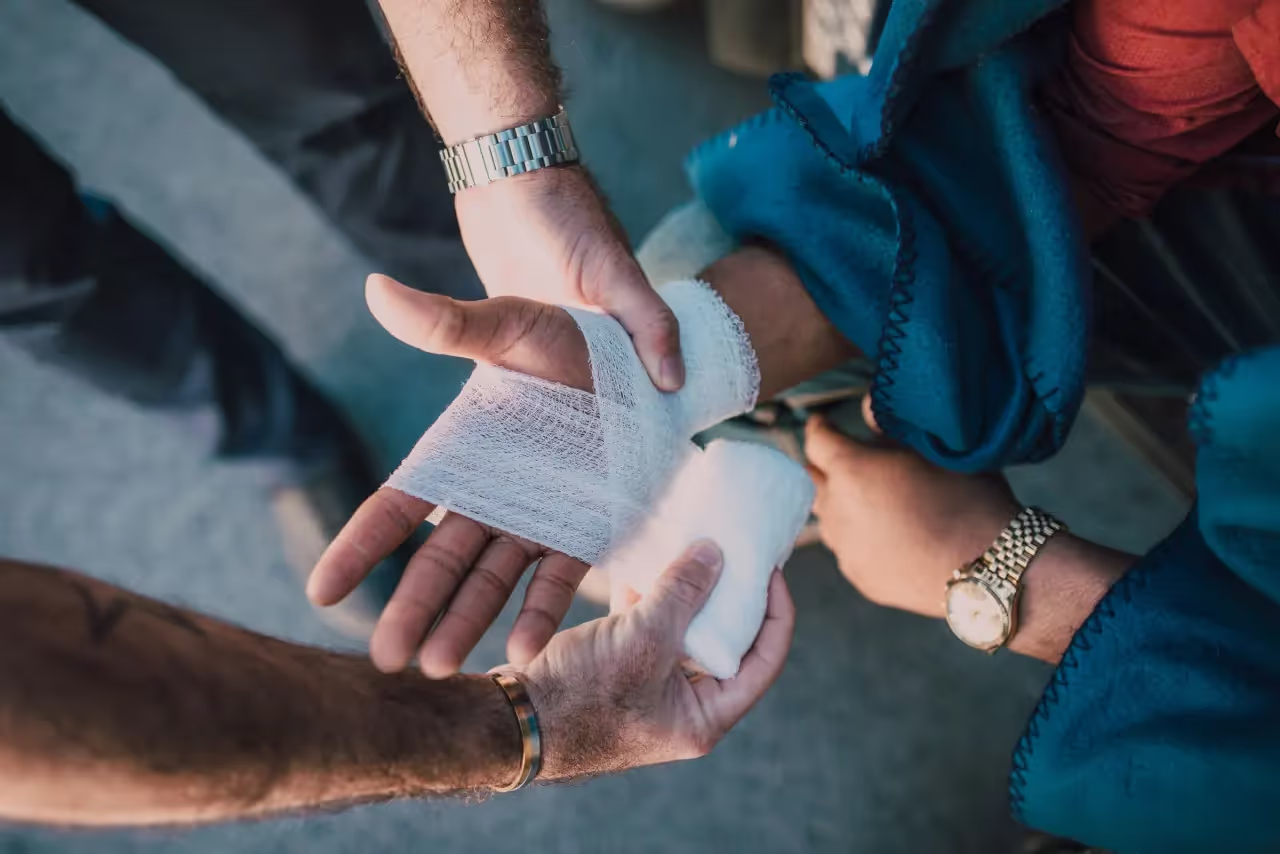
Mayo Clinic’s animal-bite guidance starts with washing the wound and seeking care when needed. For possible rabies exposure, the CDC points people toward prompt medical and public-health assessment. This is one of those areas where calling is not overreacting. It is the whole system.
Other Disease Questions Worth Asking
Rabies gets attention because it is frightening and serious, but it is not the only reason animal-contact rules exist. The CDC’s animal-exhibit guidance emphasizes handwashing, food separation, supervision, and avoiding unsafe contact because animals can carry germs even when they look healthy.
| Risk area | Practical control |
|---|---|
| Bites and scratches | Distance, staff rules, no crowding |
| Feces or dirty surfaces | Wash hands, do not eat in animal areas |
| Outside feeding | Never bring unauthorized food |
| Young children | Close supervision and handwashing |
| Sick-looking animals | Alert staff, do not touch |
The poisonous-or-venomous guide covers the related confusion. The real issue is rarely toxin drama. It is everyday animal-contact hygiene with higher stakes when teeth get involved.
A weirdly common mistake is treating a managed animal encounter like a friend’s backyard. It is not. Staff rules, known animal histories, handwashing stations, and contact limits are the difference between “memorable visit” and “urgent care explaining what a capybara is.” If a venue acts as if hygiene is optional because the animals are cute, that is not charming. That is the part where you keep your hands in your pockets.
If children are involved, build the rule before you arrive. No fingers near mouths, no face contact, no eating in animal areas, and no secret snacks. Kids do better with simple rules than with a parent improvising public-health policy beside a fence.
What To Do After A Risky Capybara Encounter
If there is no contact, enjoy the story and wash your hands if you touched rails, feeding areas, or shared surfaces. If a capybara bites, scratches, or gets saliva into broken skin, wash the area with soap and water and seek medical guidance.
| Step | Why it matters |
|---|---|
| Wash with soap and water | Reduces ordinary wound contamination |
| Note the location and animal | Helps public-health assessment |
| Tell zoo or facility staff | They can identify and observe the animal |
| Call medical care or health department | Rabies decisions need local expertise |
| Do not wait for symptoms | Rabies prevention is time-sensitive |
This is not veterinary advice or medical advice. It is a map to the people whose job is to answer the actual question. The least dramatic phone call is often the one that prevents the dramatic week.

Wash It, Report It, Call Someone
Can capybaras carry rabies? Because capybaras are mammals, rabies is biologically possible, and a bite from an unknown or strangely acting capybara should be taken seriously.
Do not panic near managed zoo animals. Do not ignore broken skin. Wash the wound, report the incident, and contact medical or public-health professionals. The capybara may be calm. Rabies policy is not.