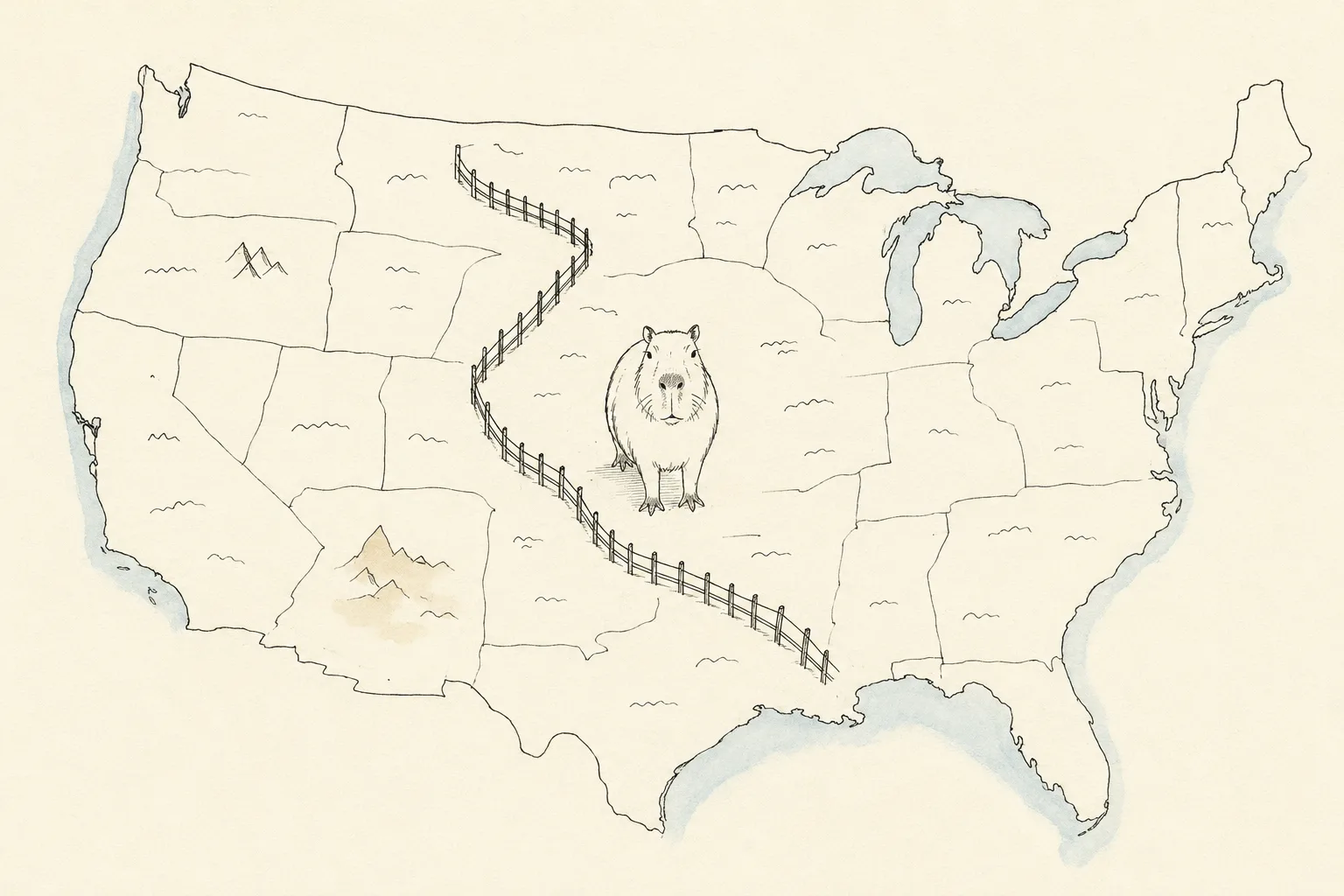
No federal law makes a capybara legal or illegal to own in the United States. The answer gets assembled locally, from a state wildlife rule, an import permit, a county ordinance, a city code, and occasionally a zoning officer with strong feelings about backyard ponds.
Fifteen states reach a capybara by name or by licence category, three of them naming the species itself. Ten have a dangerous-animal statute that never reaches a rodent. Seven catch it with a rule that never says the word. Sixteen leave the state-level question genuinely open until an agency answers it. Two carry no source-checked reading on this site at all, and this page says so rather than coloring them in.
That last group is the reason this is a screening map. A map that guesses is worse than no map.
State first, then your city, and absence is not permission
There is no federal pet-capybara rule. The state layer decides whether a permit exists; the local layer decides whether you can use it. Both have to clear before anyone should send a deposit.
Where a state does not mention capybaras, that silence means different things in different states. In Iowa it means the dangerous-animal law does not apply. In New Mexico it means prohibited by default. Never read one as the other.
There Is No Federal Capybara Law, and That Is the Whole Problem
Ownership questions get answered by at least five separate bodies of law, and they do not talk to each other. A yes from one is not a yes from the rest.
| The question being asked | Who answers it | Why it changes the outcome |
|---|---|---|
| Can I possess one? | State wildlife or agriculture agency | Sets whether a permit exists, and whether pets qualify. |
| Can I bring one in? | State animal health or import office | Import is a separate approval from possession. |
| Can I keep one here? | City, county, zoning, HOA | Local rules routinely outlaw what the state allows. |
| Can I charge money for it? | USDA APHIS, plus state exhibition rules | Paid encounters and breeding cross into federal licensing. |
| Can I care for one? | An exotic vet, and physics | 100 pounds, social, semi-aquatic, and unbothered by your plans. |
USDA APHIS applies Animal Welfare Act standards to animals exhibited to the public, sold as pets, used in research, or transported commercially. That layer is not a backyard permission slip. It is another office with another clipboard, and it activates the moment money enters the picture.
The honest read: for most people asking this question, the answer is not a state. It is no, and the map is just how long it takes to find out.
How To Read This Map Without Mistaking It for Permission
Every row below is one of five readings, and the difference between them matters more than the color of any state.
| Reading | What it means | What it does not mean |
|---|---|---|
| Permit or prohibition, named | A state rule or licence category reaches the animal directly. | That the permit is obtainable by a private pet owner. |
| No statewide ban in the statute checked | The dangerous-animal law we read does not cover rodents. | Legal. Import rules and city code are untouched by this. |
| Permit required by catch-all | A rule reaches the animal without ever naming it — “any wild mammal,” “any wildlife held in confinement.” | That the state was thinking about capybaras. It was not. |
| Unresolved at state level | The agency classifies species case by case, or the list is not public. | Banned. It means the answer requires a written reply. |
| Not source-checked here | We have not read an official source for this state yet. | Anything at all. Treat the cell as blank. |
Those four numbers are counted from the table further down, not from anywhere else. If a state moves between them, this page moves with it.

The Three States That Name the Capybara by Species
Most states regulate by naming lions, bears, and venomous snakes, then never mention a rodent. Three do better, or worse, depending on what you wanted.
Oregon says no. OAR 635-056-0050 lists prohibited mammals by order, and under Rodentia it reads “Capybara — Hydrochaeridae — Hydrochaeris hydrochaeris.” Live prohibited wildlife may not be imported, possessed, sold, purchased, exchanged, or transported. Oregon’s rule does not issue permits for ordinary private possession of prohibited species.
Idaho says yes, with a form. The Idaho State Department of Agriculture’s deleterious exotic animals rule, IDAPA 02.04.27, covers “All South American Rodents except Guinea Pigs and Chinchillas,” and the parenthetical spells it out: includes capybaras and Patagonian cavies. Possession requires an Application for Possession of Deleterious Exotic Animals, filed before you buy, breed, import, or keep. There is an annual declaration form after that.
Utah says yes, with a certificate. Utah’s R657-3b lists “Capybaras Hydrochoerus hydrochaeris, Hydrochoerus isthmus” in its controlled mammals table. Controlled species need a certificate of registration from the Division of Wildlife Resources, granted against holding facilities, applicant experience, and public health, and renewed by December 31 each year.
Rhode Island reaches the same place by a different road. Under 250-RICR-40-05-3, an exotic animal needs a DEM possession permit unless it appears on the Appendix A exempt list. The paca, a South American rodent and a capybara relative, is on that list. The capybara is not. Two large neotropical rodents, one exempt, one permitted, and the difference is which one somebody typed in 250-RICR-40-05-3.17.
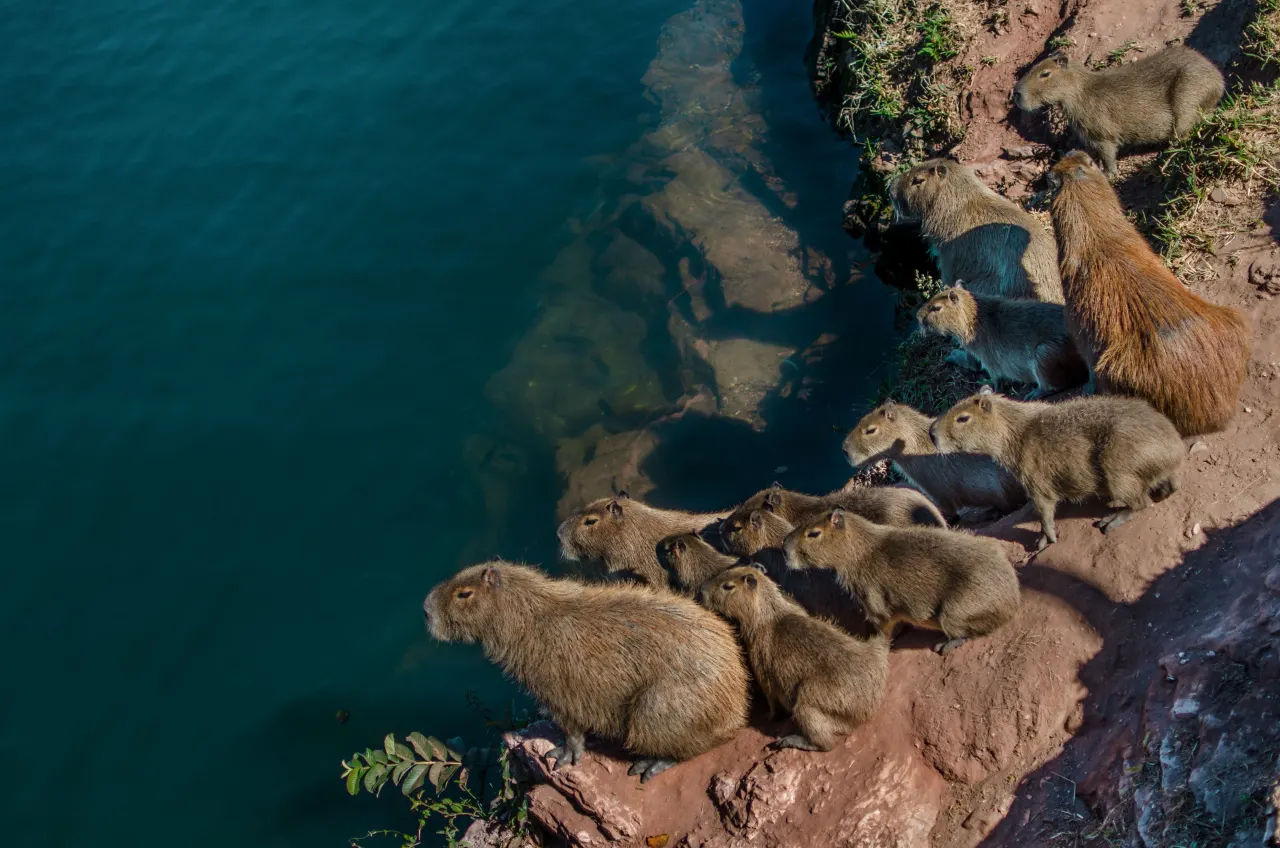
Capybara Legality by State: The 50-State Screening Table
State names in accent colour link to the full guide for that state. The rest are prompts, not answers. Nothing in this table is permission to buy an animal. If you are outside the US, the capybara legality checker carries this table plus the Canadian provinces and thirteen countries in one place.
| State | 2026 screening read | What the answer turns on |
|---|---|---|
| Alabama | Unresolved at state level | ADCNR restricted-species rules, then county animal control. |
| Alaska | Permit required by catch-all | 5 AAC 92.029(b) names the rodents you may keep without a permit. It stops at chinchilla. |
| Arizona | No statewide ban in the statute checked | Not on Game and Fish’s prohibited list; Agriculture clears import. |
| Arkansas | Not source-checked here | Arkansas Game and Fish Commission, then city code. |
| California | Permit or prohibition, named | Title 14 section 671 restricted rodents. No ordinary pet route. |
| Colorado | Unresolved at state level | How CPW classifies the species under the Wildlife Act. |
| Connecticut | Permit required by catch-all | §26-55 permits every wild mammal. §26-40a’s banned list is cats, canids, bears and apes. |
| Delaware | Permit required by catch-all | 3 Del. C. §7201 covers any non-native wild mammal. The exempt list stops at guinea pigs and degus. |
| Florida | Permit or prohibition, named | FWC captive wildlife licensing, split by activity type. |
| Georgia | Permit or prohibition, named | A DNR Wild Animal License, issued by use type. |
| Hawaii | Permit or prohibition, named | HAR §4-71-6: prohibited unless listed. The Caviidae entry names only the Patagonian cavy. |
| Idaho | Permit or prohibition, named | IDAPA 02.04.27 names capybaras. ISDA possession permit. |
| Illinois | No statewide ban in the statute checked | 720 ILCS 585 lists predators. Chicago is far stricter. |
| Indiana | Unresolved at state level | Which DNR captive wild animal permit class applies. |
| Iowa | No statewide ban in the statute checked | Chapter 717F never reaches Rodentia. Import via IDALS. |
| Kansas | No statewide ban in the statute checked | K.A.R. 115-20-3 tests provenance, not species. |
| Kentucky | Unresolved at state level | KDFWR transportation permit and its prohibited list. |
| Louisiana | Unresolved at state level | LDWF permit offices, plus parish code. |
| Maine | Permit or prohibition, named | The Category 2 possession permit lists all of Family Caviidae, which now includes the capybara. |
| Maryland | Unresolved at state level | Restricted-animal statute plus rabies-vector import rules. |
| Massachusetts | Unresolved at state level | MassWildlife’s 321 CMR 9.01 list. |
| Michigan | Unresolved at state level | NREPA permitting. The Large Carnivore Act does not apply. |
| Minnesota | Unresolved at state level | The regulated-animal statute, plus DNR permits. |
| Mississippi | No statewide ban in the statute checked | Sections 49-8-1 to 49-8-19 name no rodent. Import via Animal Health. |
| Missouri | Unresolved at state level | MDC classification. The Class III shortcut online is unreliable. |
| Montana | Unresolved at state level | ARM 12.6.2225(4): unclassified species cannot be imported. |
| Nebraska | Permit or prohibition, named | Neb. Rev. Stat. 37-477 captive wildlife permit. |
| Nevada | No statewide ban in the statute checked | No statewide prohibited list. Clark and Washoe counties decide. |
| New Hampshire | Not source-checked here | NH Fish and Game, then the town. |
| New Jersey | Permit or prohibition, named | Potentially Dangerous Species permit from Fish and Wildlife. |
| New Mexico | Unresolved at state level | 19.35.7 NMAC group assignment. Unlisted defaults to prohibited. |
| New York | Permit or prohibition, named | NYC Health Code 161.01 bans it by name. DEC licences elsewhere. |
| North Carolina | Unresolved at state level | NCWRC captive wildlife categories. |
| North Dakota | Permit required by catch-all | NDCC 36-01-00.1(4) makes any confined wildlife nontraditional livestock, licensed by the Board of Animal Health. |
| Ohio | No statewide ban in the statute checked | ORC 935 lists predators. Municipalities do the deciding. |
| Oklahoma | Unresolved at state level | ODWC breeder, import and exhibitor rules. |
| Oregon | Permit or prohibition, named | OAR 635-056-0050 lists the capybara as prohibited wildlife. |
| Pennsylvania | Permit or prohibition, named | Game Commission exotic wildlife possession permit. |
| Rhode Island | Permit or prohibition, named | Not on the Appendix A exempt list, so a DEM permit is required. |
| South Carolina | No statewide ban in the statute checked | Title 47 Chapter 2 reaches only Carnivora and Primates. A rodent sits outside it. |
| South Dakota | Permit required by catch-all | Import permit for any nondomestic animal. The possession list is carnivores, ungulates and primates. |
| Tennessee | Unresolved at state level | TWRA Class I, II or III assignment. |
| Texas | No statewide ban in the statute checked | Health and Safety Code Ch. 822 names no rodent. The city decides. |
| Utah | Permit or prohibition, named | R657-3b lists capybaras as controlled. DWR certificate required. |
| Vermont | Permit required by catch-all | 10 V.S.A. §4709(a): no live wild animal of any kind without the Commissioner’s authorization. |
| Virginia | Permit or prohibition, named | DWR captive wildlife permit, with facility review. |
| Washington | Unresolved at state level | WDFW classification under the RCW and WAC. |
| West Virginia | No statewide ban in the statute checked | Article 19-34 names no rodent. The board revises the list yearly. |
| Wisconsin | Permit or prohibition, named | DNR Class A or Class B captive wild animal farm licence. |
| Wyoming | Permit required by catch-all | Chapter 10 §3 permits every warm-blooded wildlife. Only Rodentia from Africa are barred outright. |
Forty-eight of those rows are backed by a state guide on this site or, for the ten without one, by the statute cited below. Two are not, and they are labeled that way on purpose. A blank cell is more useful than a confident guess.
Why Not Being on the Banned List Is the Most Expensive Sentence Online
Two states can both leave capybaras off a list and mean opposite things by it. This is the single most common way people get the answer wrong, and the states that write their rules as negative lists are the reason forum advice travels badly.
Absence works for you
- Iowa, Mississippi, West Virginia
- The statute names dangerous species
- No rodent appears anywhere on it
- That layer of state law simply does not apply
Absence works against you
- New Mexico, Montana
- The agency classifies species by category
- Unlisted means prohibited or unclassifiable
- Not being named is the bad outcome, not the good one
Montana runs three tiers under Title 87 and the capybara appears on none of them. ARM 12.6.2225(4) then provides that exotic wildlife may not be imported unless the commission has classified the species. So the Montana route starts with a classification decision, not a permit application, and a screenshot of a green map will not tell you that.
New Mexico is blunter still: under 19.35.7 NMAC, any species not on the Department of Game and Fish importation list defaults to Group IV, which is prohibited to the general public.
Deposit paid on a green-map reading, transport booked, then an import office asks which classification the animal holds. The seller is in a permissive state. You are not. Nobody refunds the trailer.
Three more traps sit under the same heading. Local law can be stricter than state law, and usually is: a county can restrict exotic mammals, a city can ban wild animals outright, and zoning can kill a pond long before anyone reads a statute. Pet ownership and public exhibition are different legal creatures, and the moment visitors pay, USDA APHIS is in the room. And import is a separate approval from possession, so buying legally in one state does not oblige another to accept the animal.
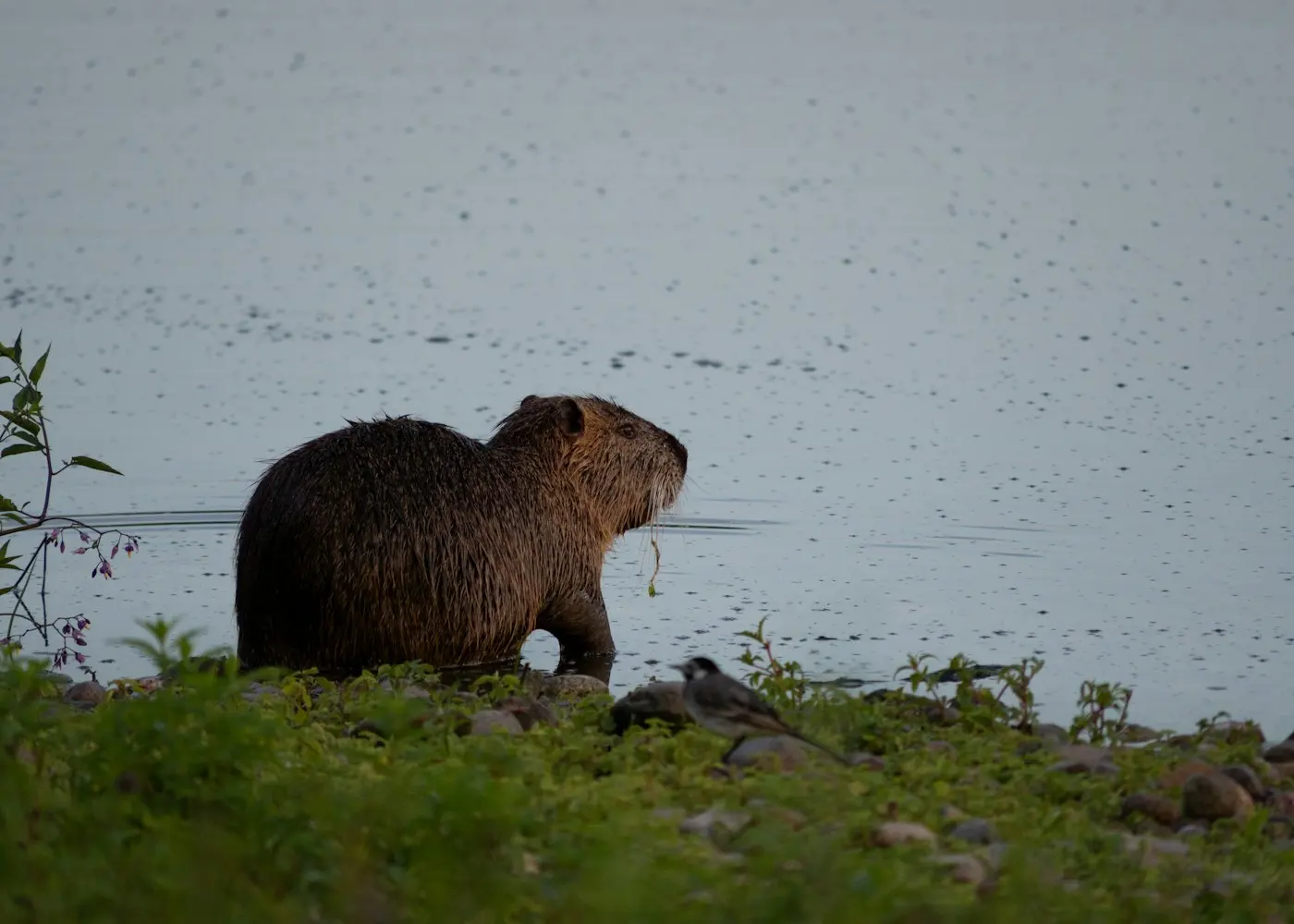
Welfare is the trap nobody screenshots. The AZA Capybara Care Manual treats water access, social grouping, diet, shelter, barriers, and veterinary care as serious husbandry requirements rather than enrichment. A legal capybara kept badly is not a win, and several of the states with the loosest paperwork have the hardest climates.
The Order the Calls Go In, in Any State
Writing this batch of state guides turned up something the map cannot show: the same address can produce three different answers depending on which office picks up. A state biologist gives the species answer. A county clerk gives the zoning answer. A city animal control officer gives the “we have never had this question” answer, which is not the same as a no but gets treated like one at the counter. All three are correct about their own layer and none of them is answering yours.
The fix is boring and it works. Ask each office only about its own layer, in writing, using the scientific name, and keep the dates.
-
State wildlife or agriculture agency — possession
Ask what classification Hydrochoerus hydrochaeris currently holds and what permit attaches to it. Not "are capybaras legal." That question gets a callback and no record.
-
City or county code office — the address
Exotic mammals, enclosure size, ponds, drainage, outbuildings. In some states, including New Mexico, local authorisation is an attachment to the state application, so this cannot wait.
-
State animal health or import office
A separate approval from possession, with its own health certificate and disease requirements. Clearing one never clears the other.
-
HOA, landlord, or deed records
Private covenants are quiet and brutal, and they answer to nobody's wildlife agency.
-
An exotic-animal veterinarian
Will they treat capybaras, will they take emergencies, and how far away are they. No vet means no care plan, whatever the permit says.
-
USDA APHIS, only if money moves
Exhibition, paid interaction, breeding, sale, or commercial transport brings federal licensing into scope.

What This Map Cannot Do for You
It can tell you which questions to ask and which office to ask them of. It cannot tell you the answer for your address, and any page that claims otherwise is guessing on your behalf.
Start with your state’s row above. If it links to a guide, read that first, because it carries the statute, the permit name, and the agency contact. If it says “not source-checked here,” treat the state as unknown and start with the wildlife agency. Then work down the six calls, in order, and keep every written reply with its date on it.
For the wider picture, read the licence and permit overview, the cost guide, and the honest version of the is this even a good pet question. If you are shopping rather than researching, where to legally buy a capybara in the US covers the seller-side paperwork. Outside the country, there is Canada and the rest of the world.
For most people the best capybara plan is still an accredited zoo, where somebody else handles water quality, social grouping, fencing, drainage, and the daily reality of a 100-pound rodent with opinions. That is not a consolation prize. It is the version where the animal does well.
This guide is current as of September 1, 2026. Rules change, lists get revised, and local law can override anything above. Treat this as a screening map and a research checklist, not a legal determination, and confirm the current position with your state agency, your local code office, and a qualified attorney before acting on it.