Samba’s great escape
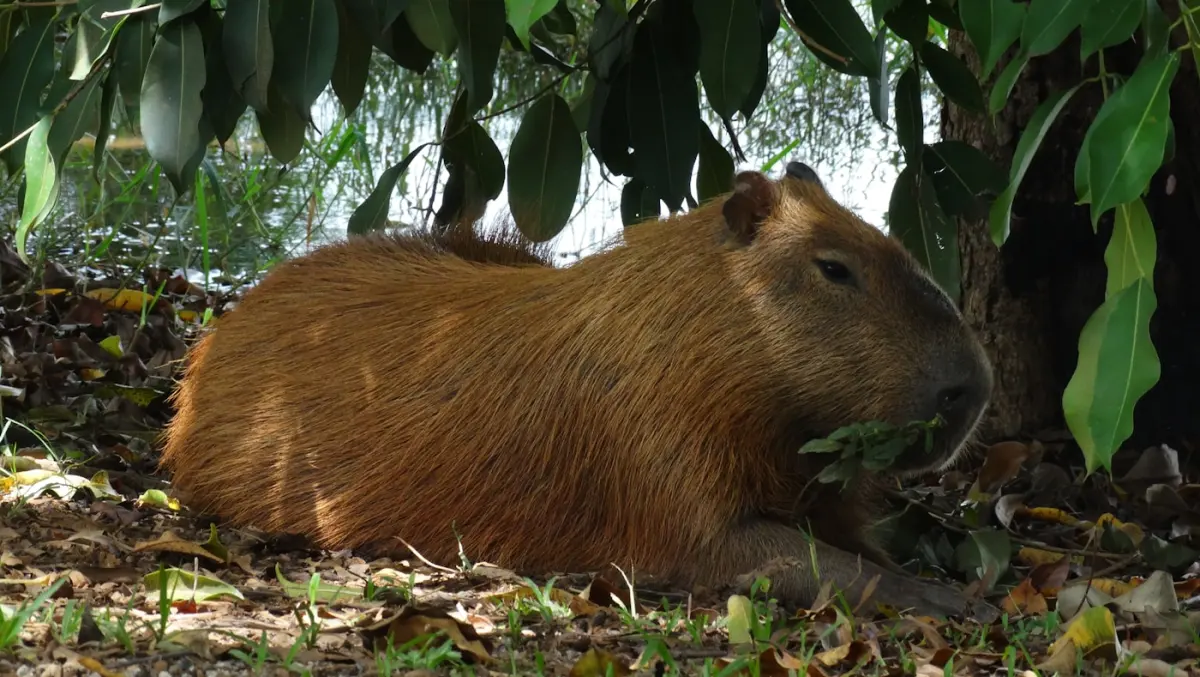
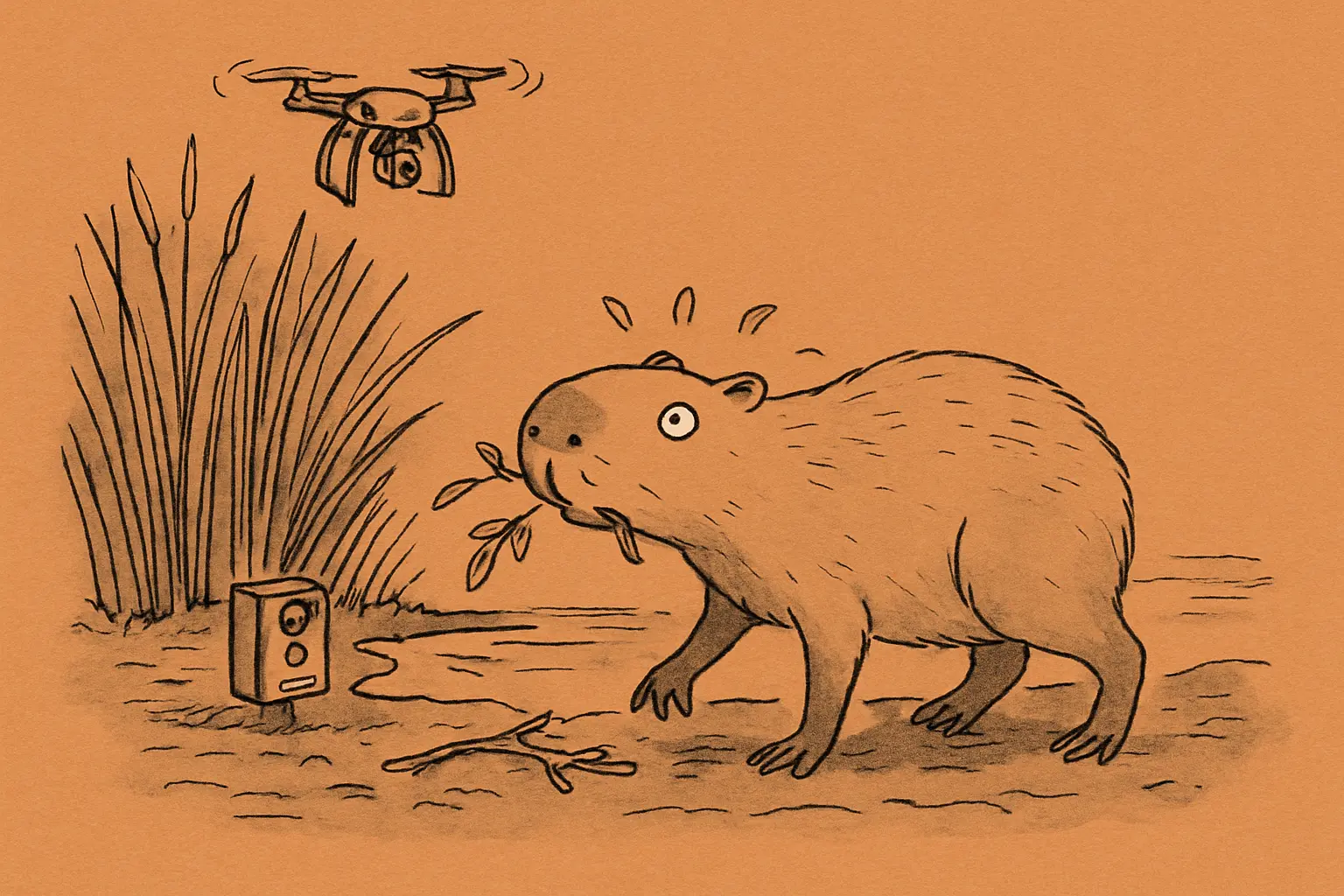
A young capybara named Samba has managed to turn the quiet corners of southern England into a hotbed of intrigue and confusion. Since her escape from a temporary enclosure at Marwell Zoo back in March, Samba has evaded capture despite a flurry of sightings and search efforts. According to The Cool Down, Samba’s escapades have included appearances in pub beer gardens, along riverbanks, and even in the River Itchen, making her quite the local celebrity.
The situation unfolded when Samba, along with her sister Tango, was moved from Jimmy’s Farm and Wildlife Park in Suffolk to Marwell Zoo near Winchester. Unfortunately, less than a day after her arrival, Samba found her way through a hole in her enclosure, while Tango was quickly recaptured. Her sister’s safe return hasn’t deterred Samba from her solo adventure.
The search efforts
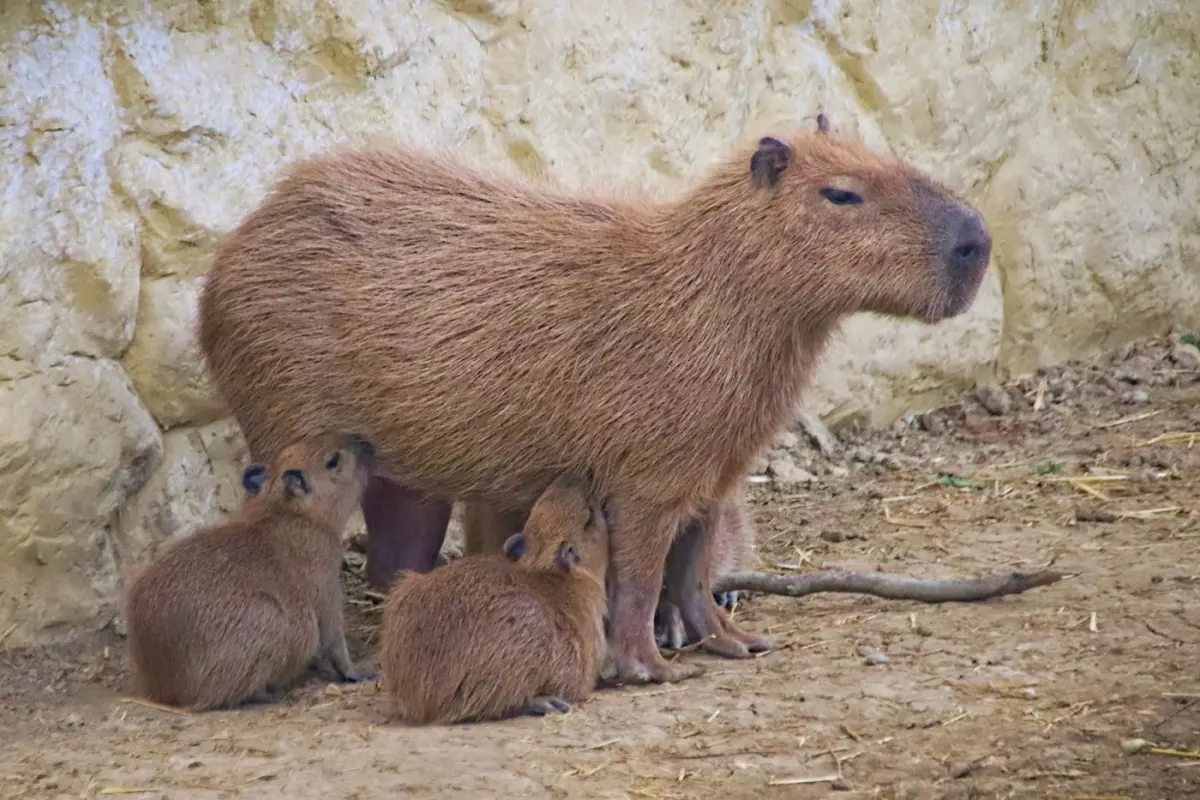
The search for Samba is nothing short of a community affair. Laura Read, chief executive of Marwell Zoo, highlighted the extensive resources deployed in the effort to bring Samba home. Specialist dog units, thermal drones, and ground volunteers have all been engaged in the hunt. Despite these efforts, Samba’s smaller size as a nine-month-old pup makes her a tricky target compared to a full-grown capybara, which can reach up to five feet in length and weigh as much as 146 pounds.
Dr. Mark Pickering from the University of Southampton pointed out the challenges of using technology usually reserved for larger search and rescue operations. Even with advanced tools, the vastness of the English countryside provides ample hiding spots for a capybara.
Capybara biology and misconceptions
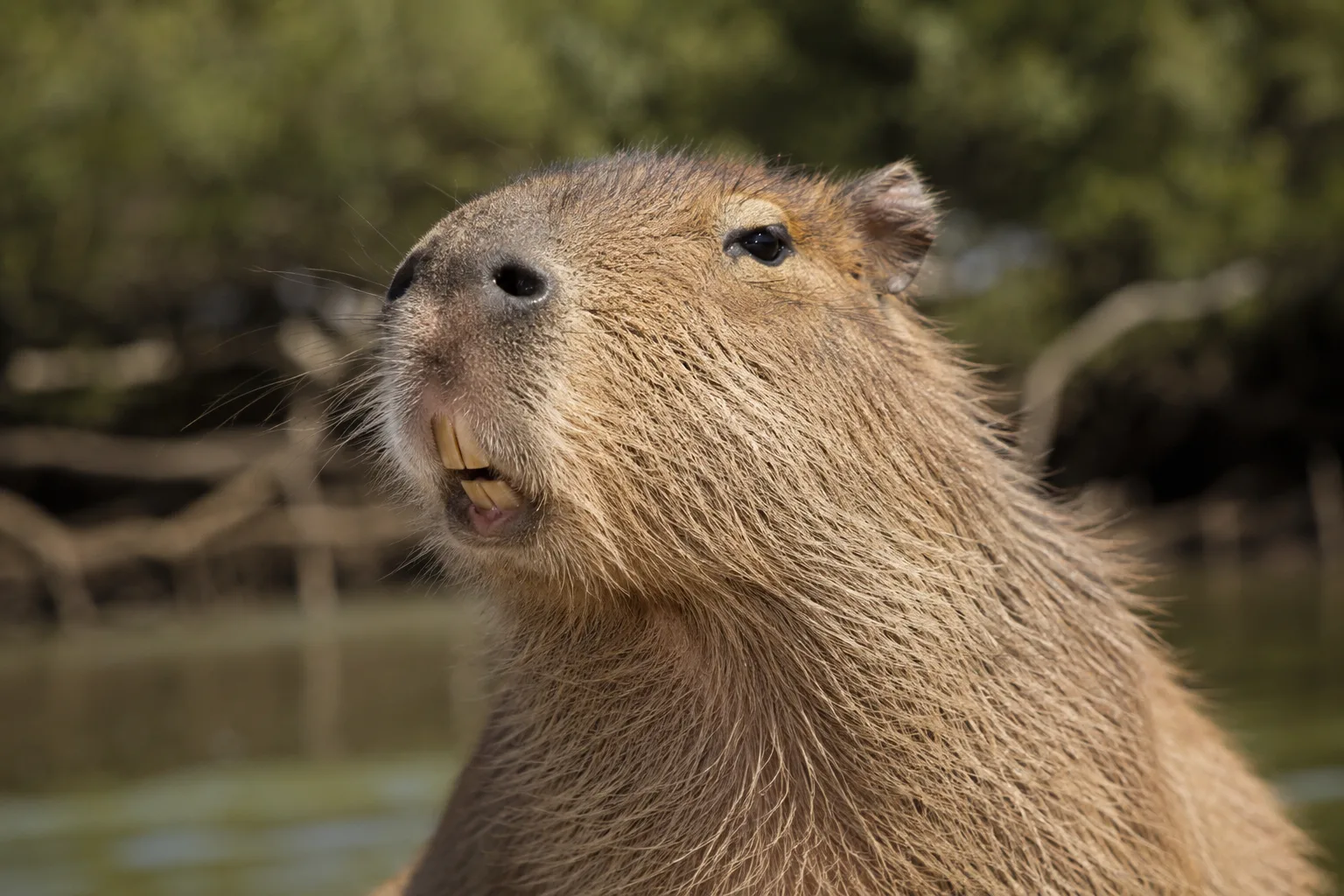
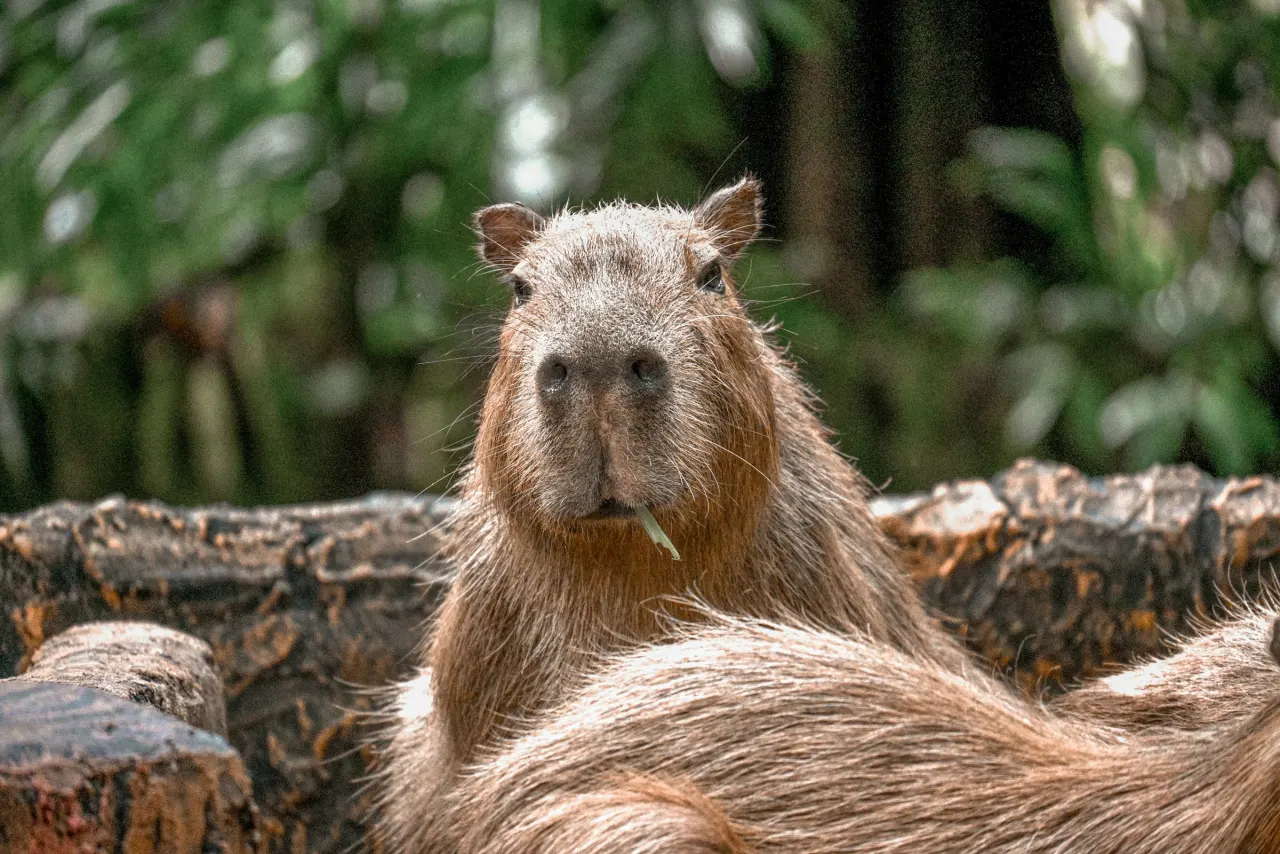
Capybaras are the largest rodents on earth, and their social nature is a key aspect of their behavior. In their native South America, they live in groups and are known for their friendly disposition. However, contrary to some public misconceptions, they are not giant guinea pigs. While they are related to guinea pigs, capybaras have distinct behaviors and needs.
In the context of Samba’s escape, her solitary adventure is unusual for a creature that thrives on social interaction. As The Cool Down reports, the zoo’s primary concern is her safety and the need to reunite her with her sister, Tango.
Community involvement
The search for Samba has become a communal activity, with locals and visitors alike participating. Emma Smith, manager of the Ship Inn in Owslebury, noted the influx of search teams and curious onlookers after Samba was seen near the pub. This kind of community search effort, while well-intentioned, can sometimes complicate matters. The zoo has even asked people not to share real-time sightings on social media to avoid spooking Samba, instead urging them to call a dedicated hotline.
Eliza Holland, a member of the public who joined the search, described the camaraderie among those scouring the riverbanks. This unusual hunt has brought people together, though whether it will lead to Samba’s capture remains to be seen.
The Grumpy Capy take
Let’s be honest: Samba’s story is a testament to the unpredictability of wildlife. Even with the best technology and intentions, animals like capybaras don’t always conform to our expectations. What we have here is a young animal probably just trying to find a place that feels right, and perhaps that’s not so different from what any of us are doing.
For transparency, it’s notable that the primary source relied heavily on local color and community quotes. While these add charm, they don’t necessarily advance the search. Let’s hope that the next sighting of Samba is the one that brings her safely back to the zoo.