The forced breeding programme that went as badly as it sounds
According to the Care2 petition on ThePetitionSite.com, staff at Miami’s Zoological Wildlife Foundation were instructed to pair animals for breeding — a programme described as financially motivated, since newborns draw tourists and command prices from other facilities. Two of those pairings ended in catastrophe.
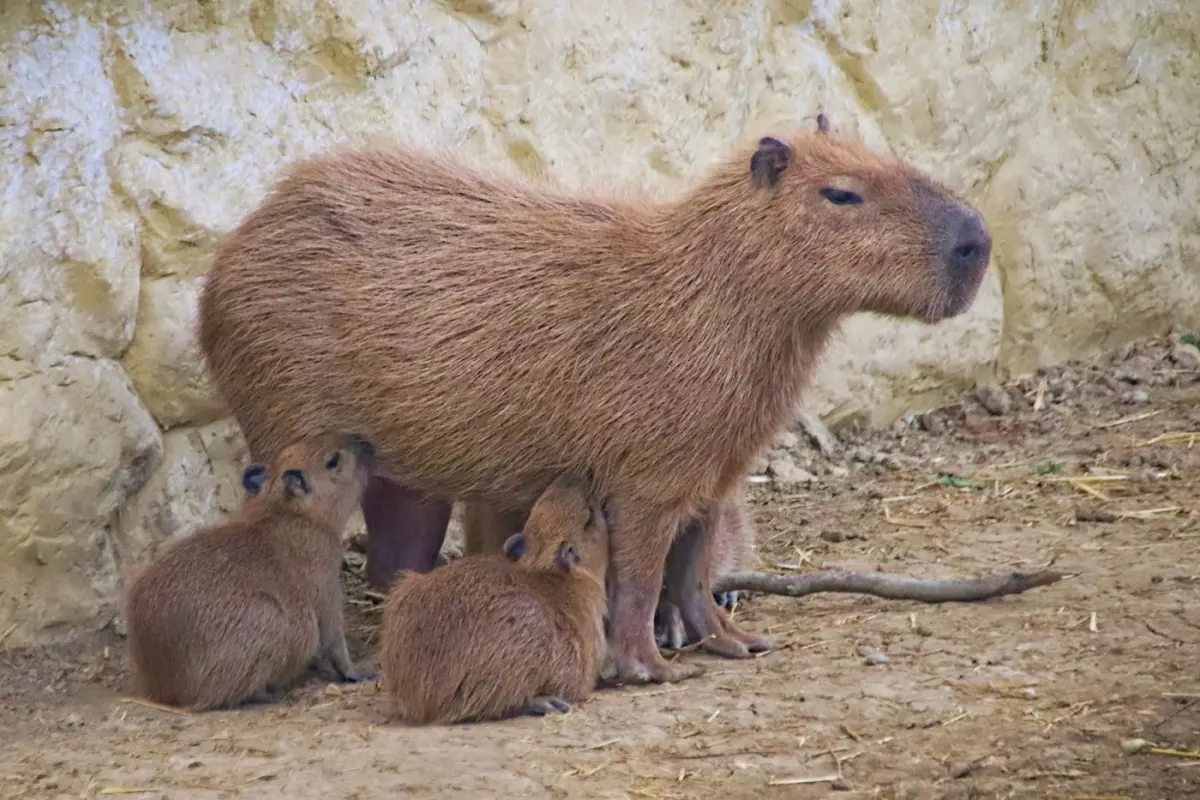
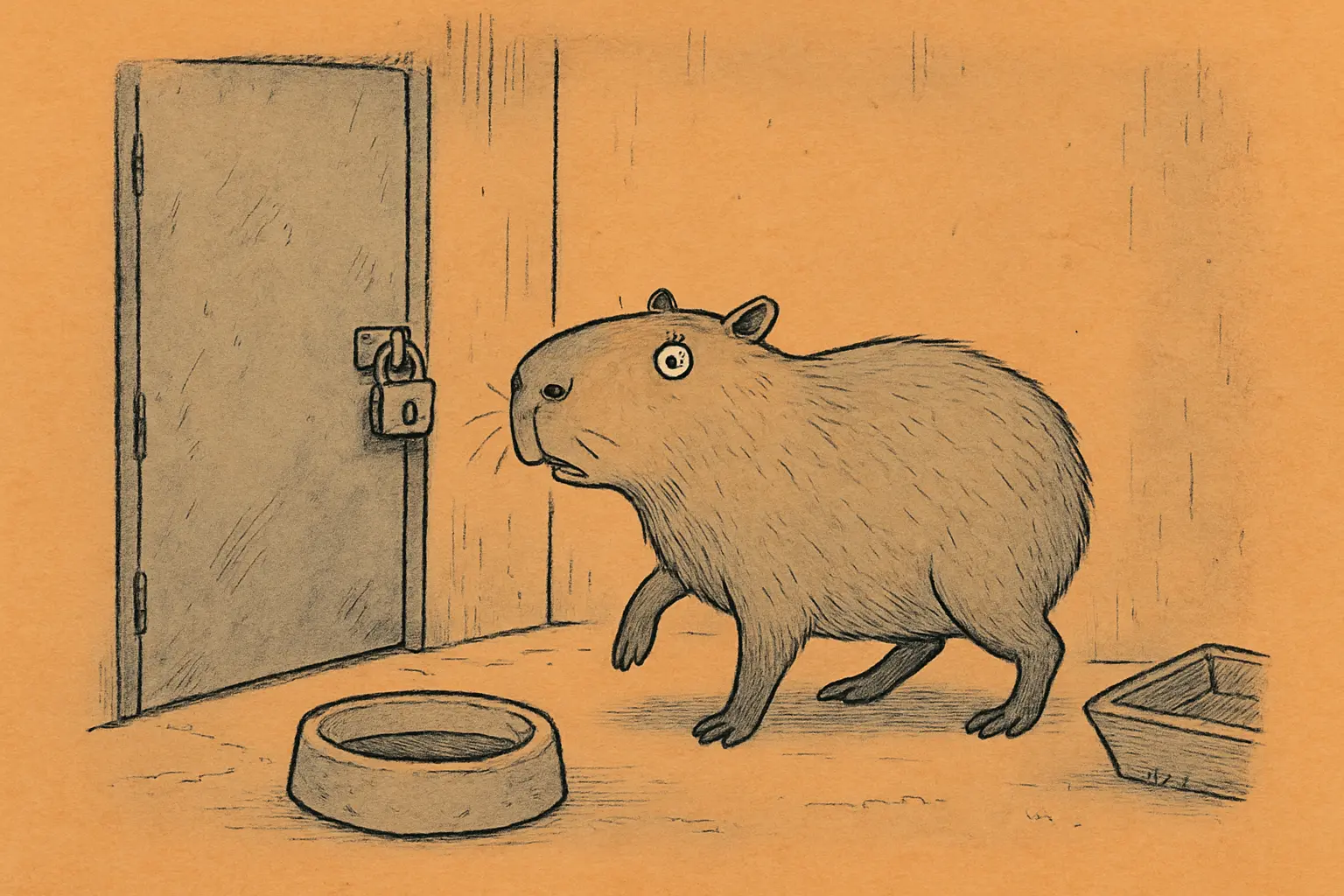
In the first case, a female capybara was confined with a male for six weeks. Records cited by the petition show the male became aggressive during mating attempts and killed her. Capybaras are highly social animals that naturally live in groups of ten to twenty individuals in the wild, with complex dominance hierarchies that take time to establish. Locking two unfamiliar animals together in a small enclosure and waiting for reproduction is not how that works.
What the Animal Welfare Act actually requires
The relevant federal law here is the Animal Welfare Act, which mandates that animals housed together or in adjacent enclosures must be “compatible.” That word is doing a lot of work. It is not a vague aspiration — it is a legal standard that facilities are supposed to demonstrate, not assume.
The petition from the Care2 Team argues the Zoological Wildlife Foundation failed this standard in both documented cases. A six-week confinement that ends in one animal killing the other is, by any reading, evidence that compatibility was never established. Federal inspectors apparently agreed: the facility was cited for multiple violations beyond the breeding incidents, including enclosures described as filthy and dilapidated, and food and water sources contaminated with insects and algae.
Petra, the clouded leopard who lost a leg
The second case involves a clouded leopard named Petra, a member of an endangered species. Staff placed her in an enclosure adjacent to a male they hoped she would breed with. A gap beneath the shared door allowed the two animals to interact when they were not being locked together for supervised mating sessions.
Petra put her paw through the gap. The male attacked it. The injuries were severe enough that veterinarians amputated her entire leg. The facility’s response, according to the petition, was to publicise Petra’s condition to generate public sympathy and solicit donations. That sequence — cause the injury, then fundraise off it — is the detail that tends to stick with people reading this story.
Who owns this facility and how he still has a licence
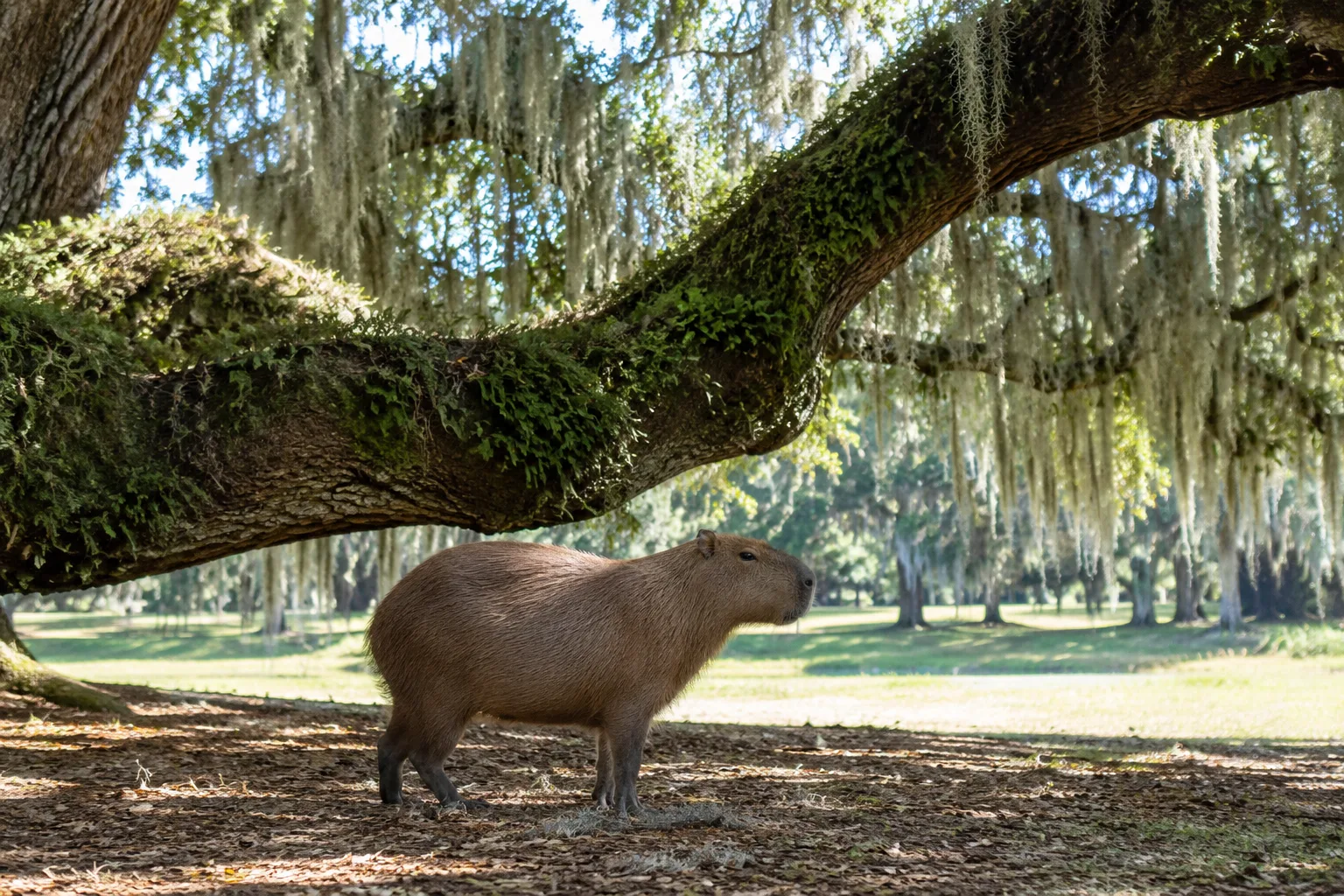
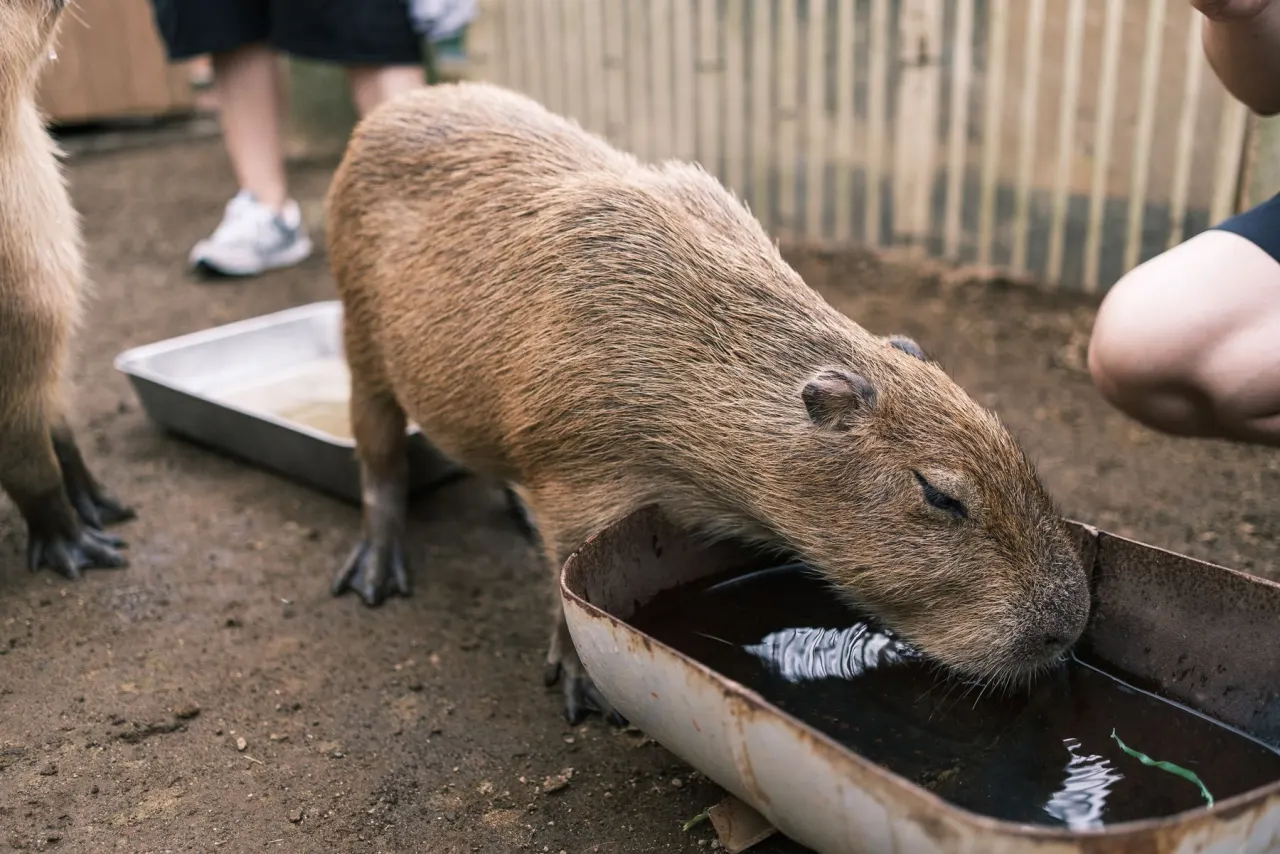
Capybaras are the largest rodents on earth, capable of reaching 65 kilograms, and they are built for life near water — their eyes, ears, and nostrils are positioned high on their heads so they can remain almost fully submerged while staying alert. None of that biology makes them easy animals to manage carelessly. The same is true of clouded leopards, which are solitary, territorial, and not inclined to tolerate unfamiliar conspecifics through a gap in a door.
The facility’s owner, Mario Tabraue, was convicted in 1989 on charges related to narcotics trafficking and racketeering, receiving a sentence of 100 years before his eventual release. He later appeared as a peripheral figure in the Netflix documentary Tiger King. That background alone does not disqualify someone from holding a USDA exhibitor’s licence — but it does raise a reasonable question about how thoroughly ongoing compliance is being monitored. The petition, directed at the USDA, is asking that question loudly.
The Grumpy Capy take
A common assumption about animal welfare violations at private zoos is that they are discovered and then stopped. The more accurate pattern, visible across years of USDA inspection records at various facilities, is: violations are found, citations are issued, fines are levied if at all, and the facility continues operating while appealing or correcting the specific items flagged. The underlying culture that produced the violations is rarely addressed by a citation about algae in a water bowl.
The Petra case is the one that deserves the most scrutiny here. Maiming an endangered animal and then using the resulting public sympathy to raise money is not an oversight or a lapse in protocol. It is a choice about how to manage the aftermath of an injury your facility caused. That distinction matters when evaluating whether any amount of remediation makes this facility an appropriate place to keep endangered species.
Worth noting, for transparency: the source for this article is a single advocacy petition. The petition cites federal inspection records but does not link to them directly. The Zoological Wildlife Foundation’s own account of these incidents is not represented in the source material and was not available for review.