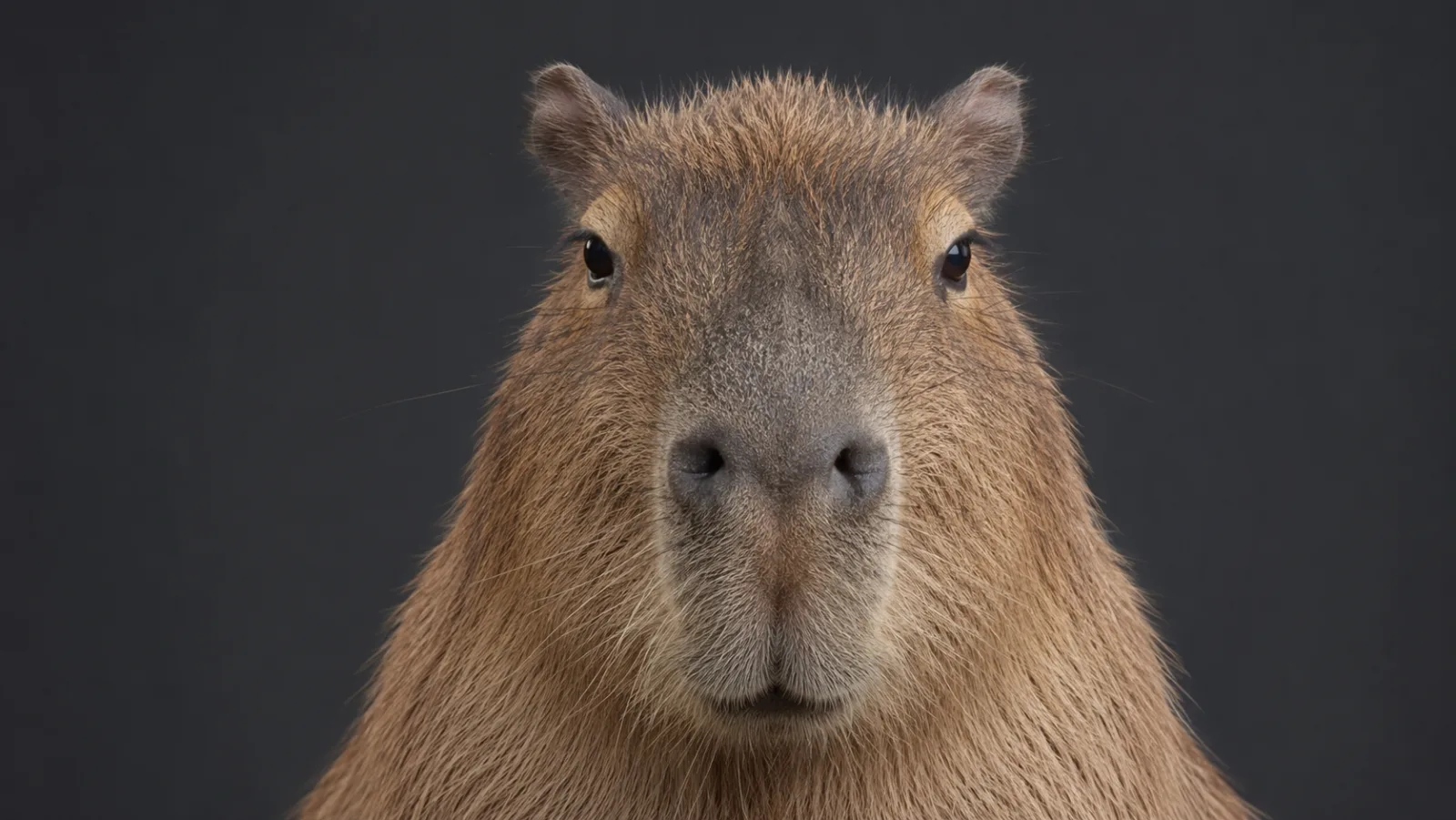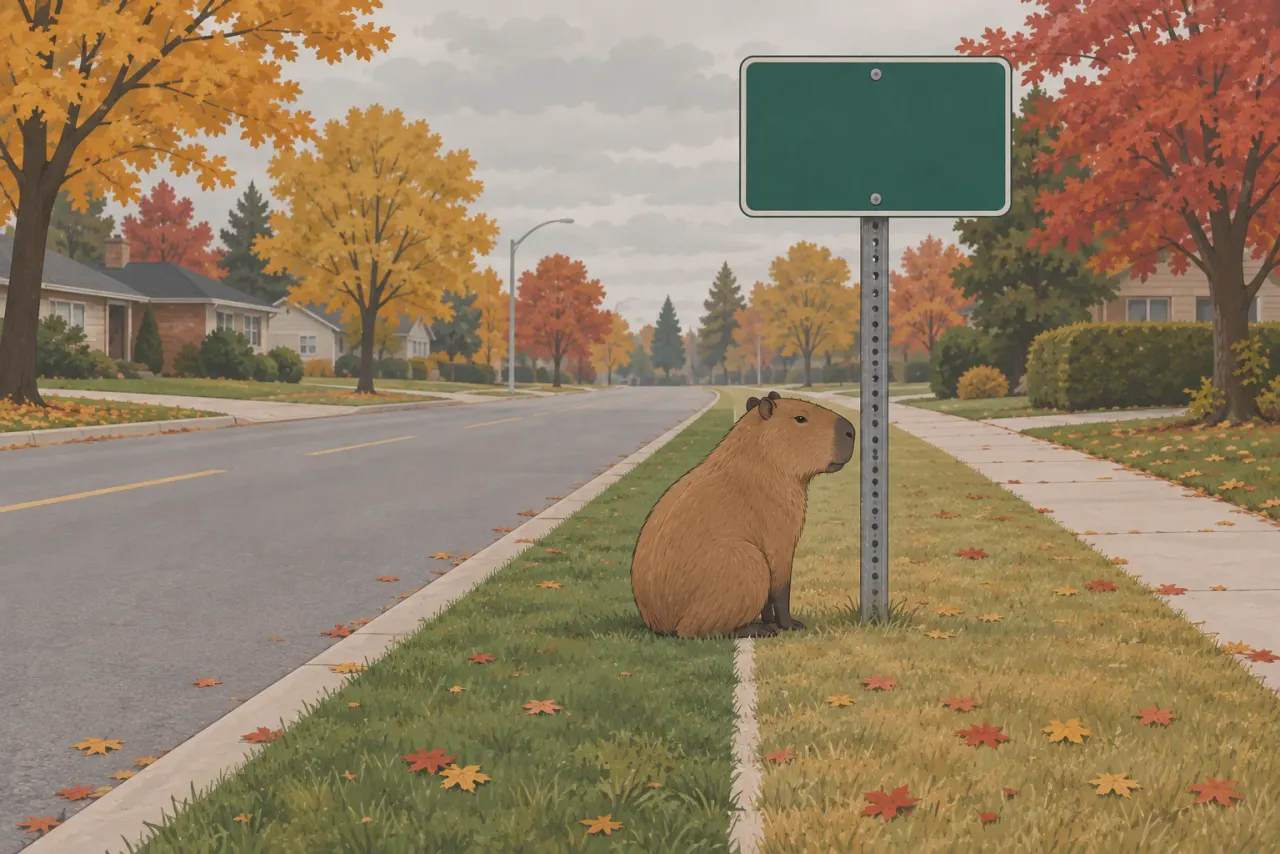
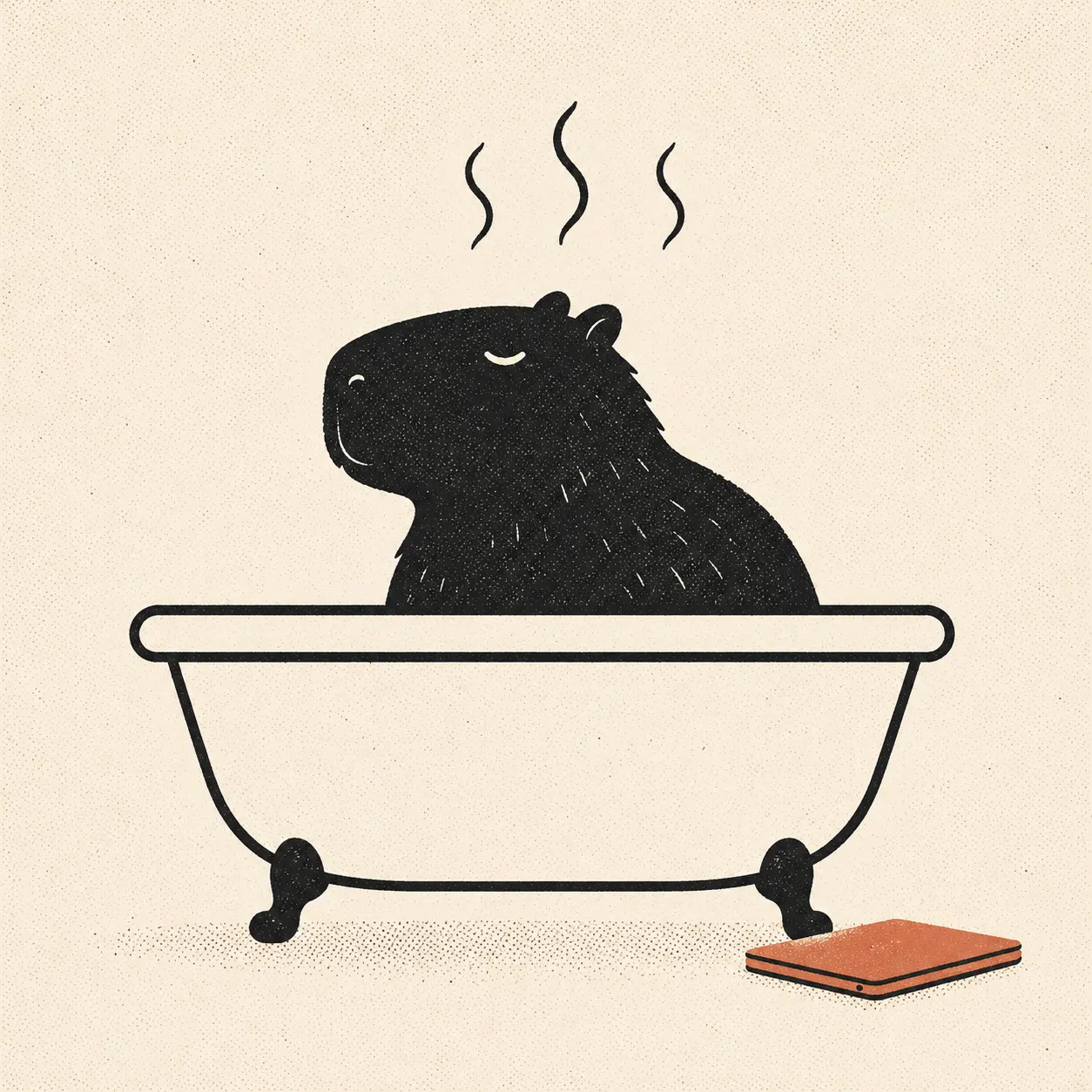
National Relaxation Day is supposed to be easy, which is exactly why humans will find a way to overcomplicate it. A capybara does not need a scented candle strategy. It needs water, group comfort, food, shade, and the right to stop participating.
That is a better relaxation framework than most wellness copy.
National Relaxation Day: The Short Answer
Celebrate National Relaxation Day the capybara way by reducing inputs. Pick a comfortable place, drink water, eat something simple, lower the social pressure, and do not turn the day into a self-improvement project with softer lighting.
| Human relaxation trap | Capybara correction |
|---|---|
| Scheduling eight restful things | Do fewer things |
| Posting the rest | Rest first, caption never |
| Buying a new personality | Sit near the existing water |
| Feeling guilty | Guilt is not an activity |
| Chasing perfect calm | Good enough calm counts |
Relaxation is not more virtuous because it has a theme.
For search visitors who just need the useful part: the capybara-style National Relaxation Day plan is reduce, don’t decorate. Reduce noise, reduce decisions, reduce social pressure, reduce the number of tabs open in your brain. Then add one ordinary comfort. A glass of water, a walk, a couch, a quiet meal, a friend who does not need you to be sparkling. If the plan costs a lot, requires special gear, or needs a perfect photo, it has wandered away from the capybara.
Why Capybaras Make The Right Relaxation Mascot
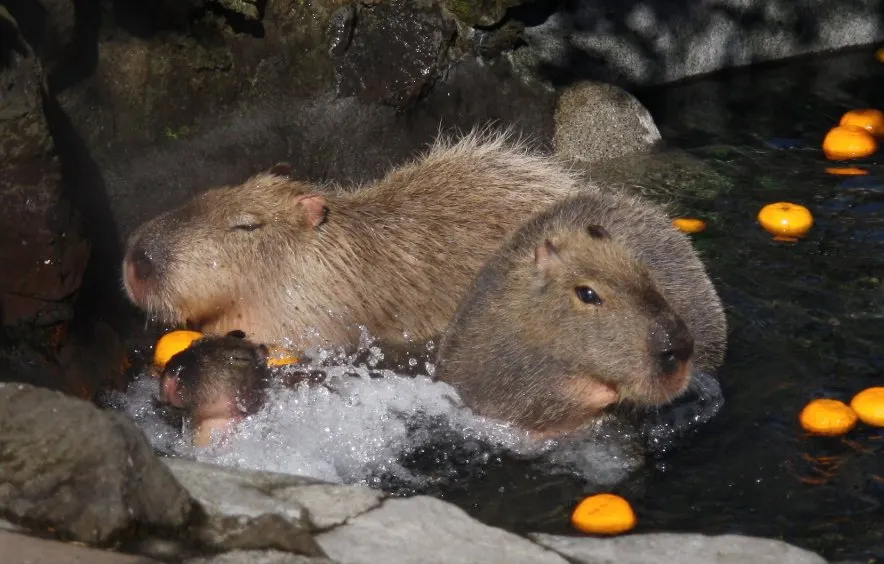
Capybaras look calm in a way that annoys people who are late for everything. They rest in groups, soak in water, graze, blink slowly, and seem to let the world explain itself from a distance.
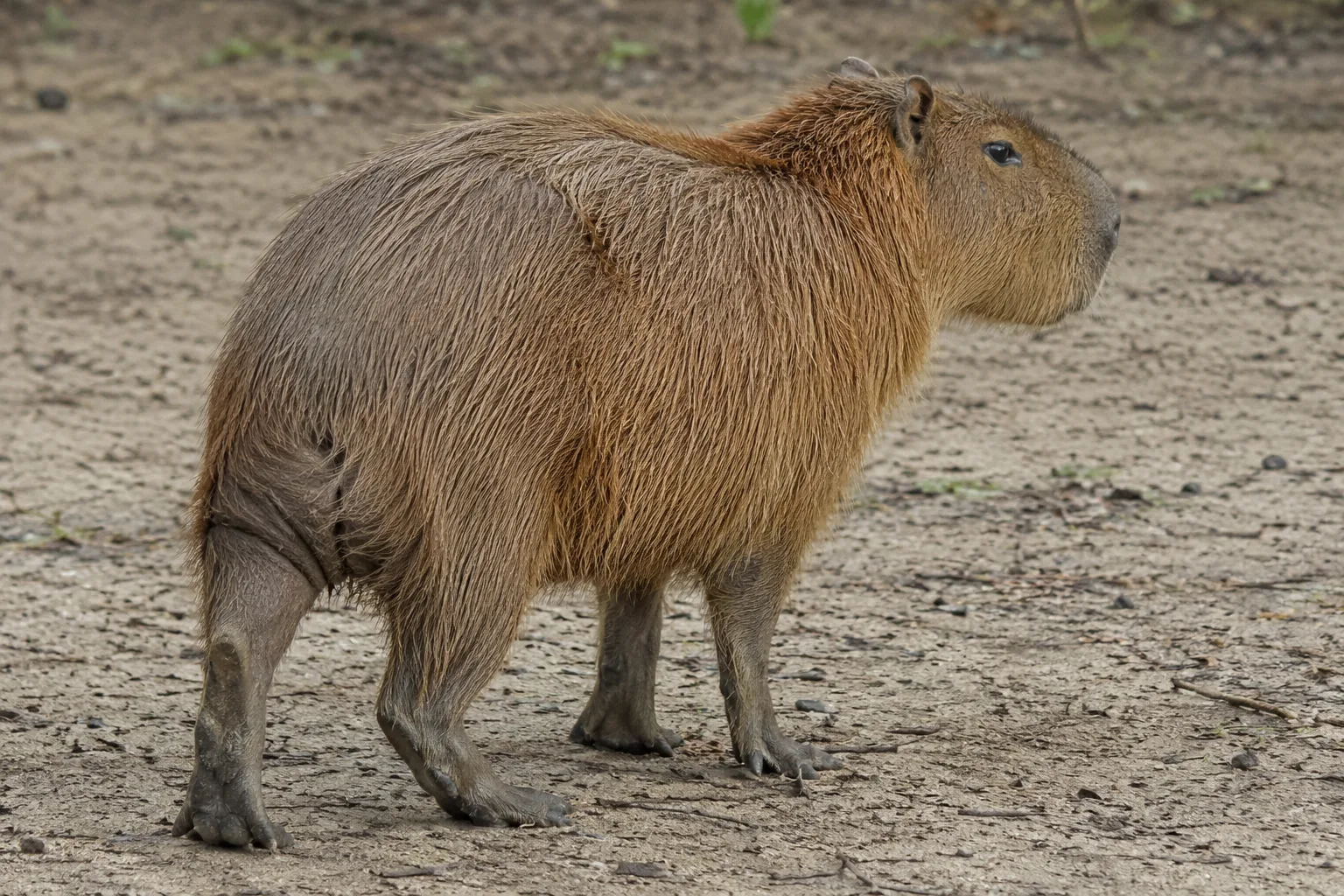
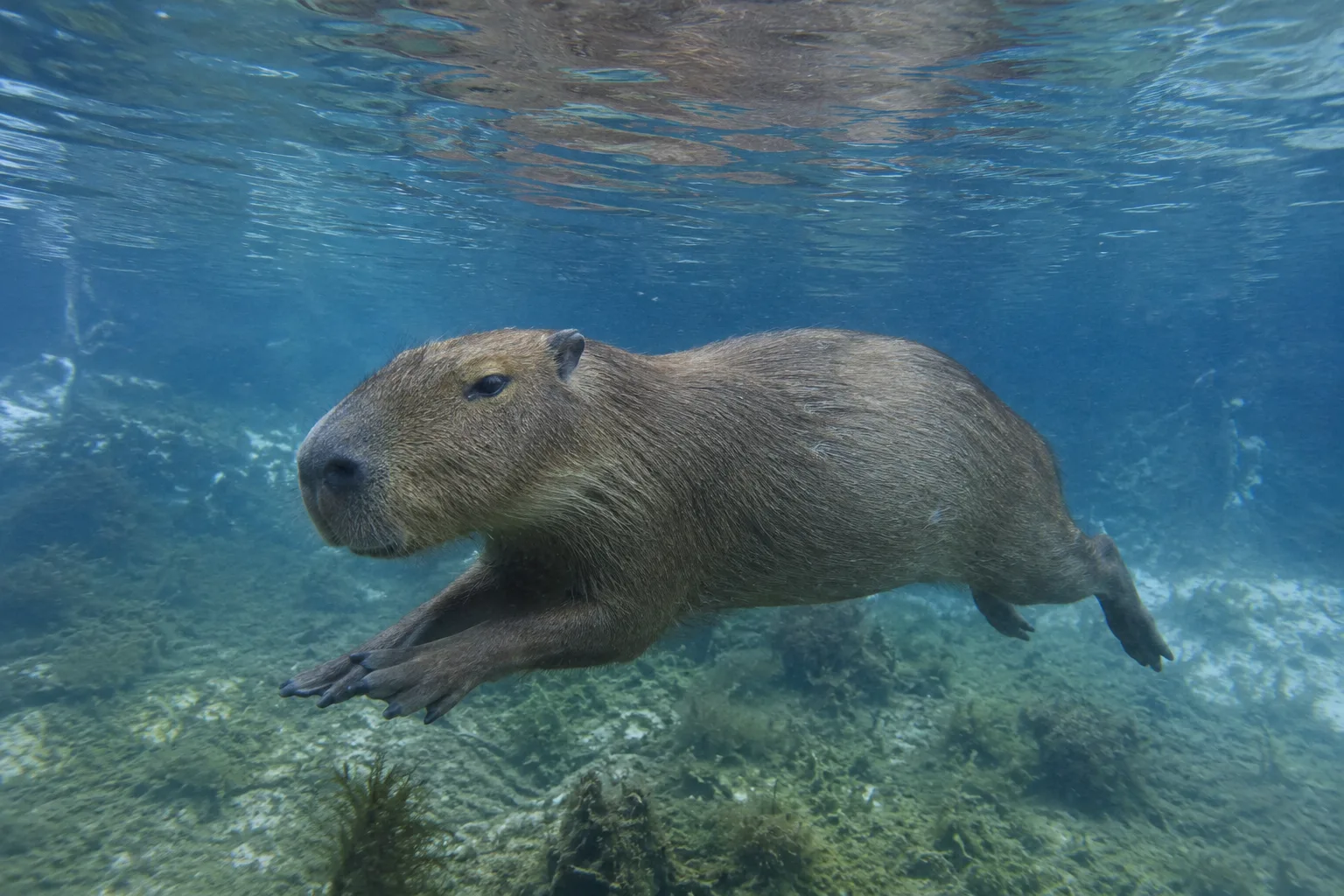
The real animal behind that image is social and semi-aquatic. Animal Diversity Web describes capybaras as herd-living herbivores of South American wetlands and water edges. San Diego Zoo Wildlife Alliance notes their swimming and group behavior. Their calm is not floating in space. It sits on habitat, social safety, and options.
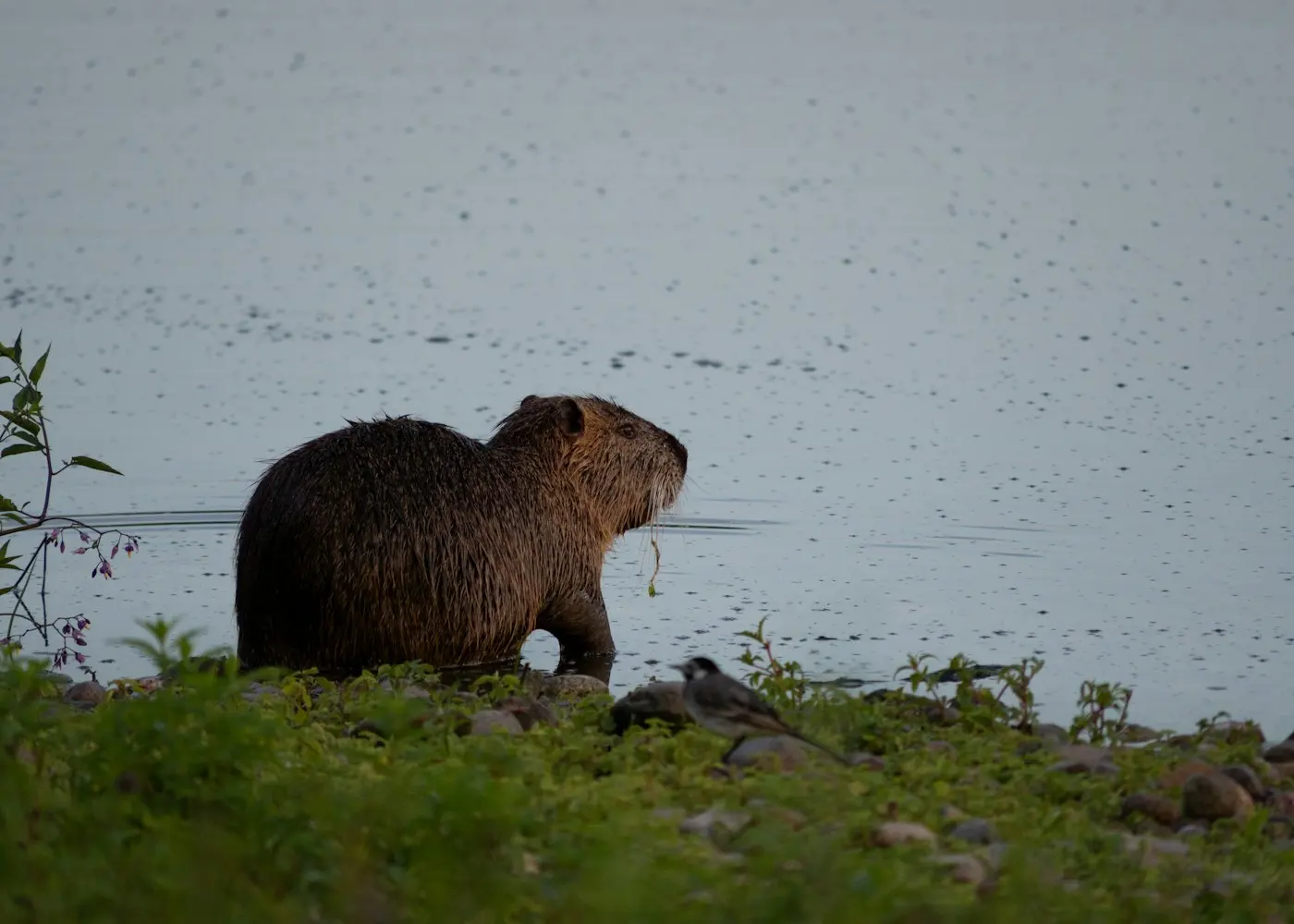
My honest aside: I trust capybara relaxation more than human relaxation because capybaras never try to sell me a planner.
Real Capybara Calm Has Conditions
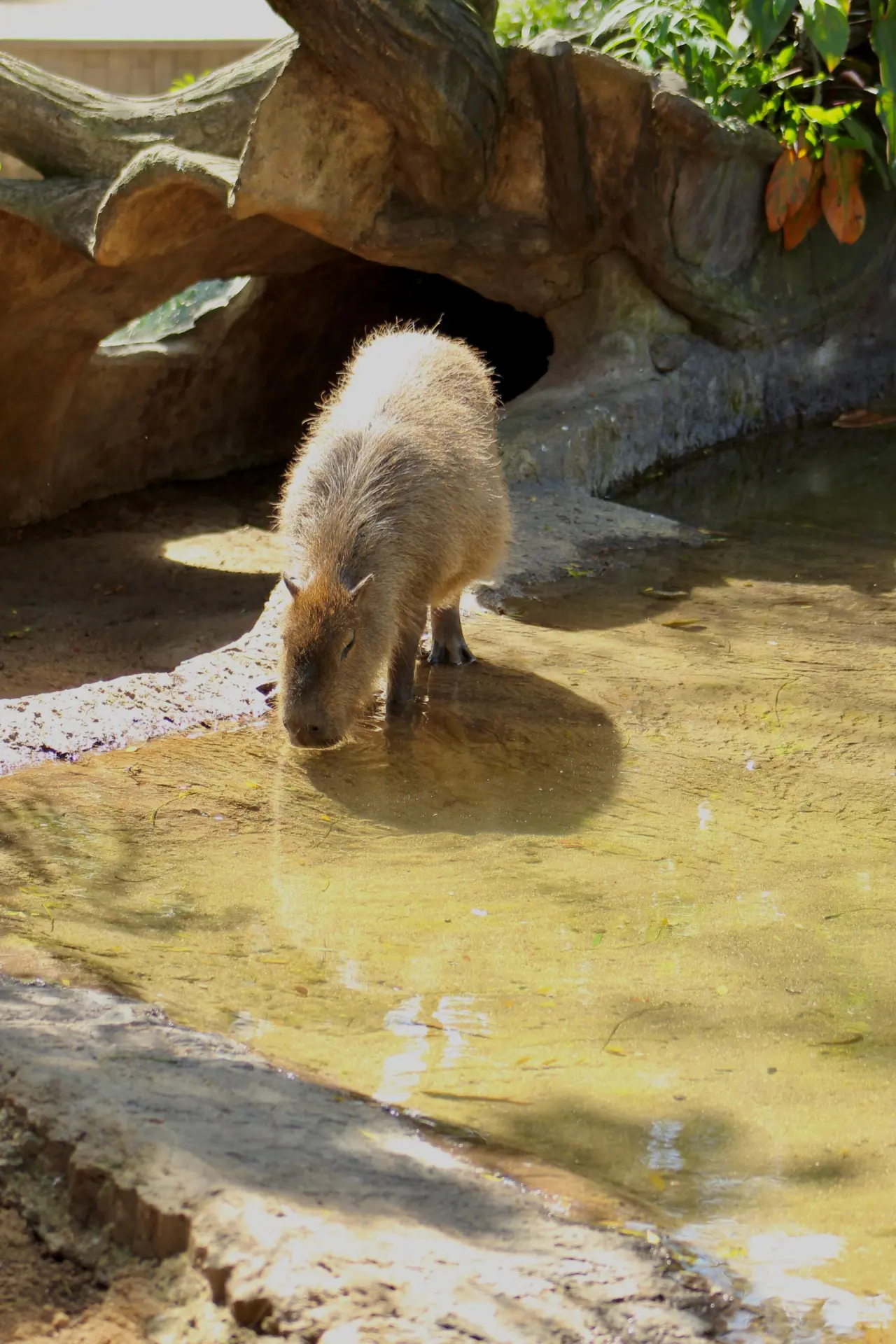
A calm capybara is not a switched-off animal. It is reading the area. It knows where the group is. It knows where the water is. It can leave if something changes. That last part matters.
Humans often want calm without changing any conditions. Same phone, same room, same noise, same obligations, just now with a bathrobe. Sometimes the correct move is not a relaxation hack. It is leaving the input field.
| Calm condition | Animal version | Human translation |
|---|---|---|
| Safety | Group nearby | People who do not drain you |
| Water | Pool, river, mud edge | Hydration and cooling down |
| Choice | Can move away | Exit plan |
| Routine | Grazing and rest rhythms | Fewer surprise demands |
| Boundaries | Space respected | No apology for pausing |
The comfortable-or-stressed question covers this in animal terms. The human version is embarrassingly similar: comfort is easier when nobody is crowding you.
How To Relax Without Making It Weird
Do one small thing that lowers pressure. Not ten. One. Put your phone in another room for twenty minutes. Sit outside. Make tea. Cancel the optional errand. Take a shower without turning it into a character reset.

Then resist the urge to grade it. Relaxation that has to be successful becomes work in a cardigan. The capybara would not review its own pond time. It would simply be in the pond.
If you share the day with other people, make the rules visible. “I am taking a quiet hour.” “I can do dinner, not errands.” “I am coming, but I may leave early.” These are boring sentences, which is why they work. A lot of stress survives because everyone is trying to be agreeable while privately overheating.
The capybara lesson is not to disappear from the group. It is to remain in the group without letting every group need become your emergency. Calm is easier when the social contract includes exits, water, and fewer surprise demands.
Relaxation Myths A Capybara Would Ignore
The worst relaxation advice makes rest expensive, performative, or suspiciously productive. The capybara knows better without knowing anything, which is humbling.
| Myth | Better answer |
|---|---|
| Relaxation needs a perfect setup | A decent chair and fewer demands can work. |
| You must earn rest | Bodies need rest before they become persuasive. |
| Calm means never stressed | Calm means having recovery and choice. |
| Rest should improve you | Rest can simply maintain you. |
The shareable line is this: relaxation is not a side hustle with softer pants.
The Practical Takeaway
National Relaxation Day works best when you make it smaller. Hydrate, reduce noise, sit somewhere comfortable, keep one gentle plan, and stop demanding that rest become impressive.
The capybara is not relaxed because life is simple. It is relaxed because it respects the basics. Water. Group. Shade. Exit. Honestly, that is enough wisdom for one informal holiday.