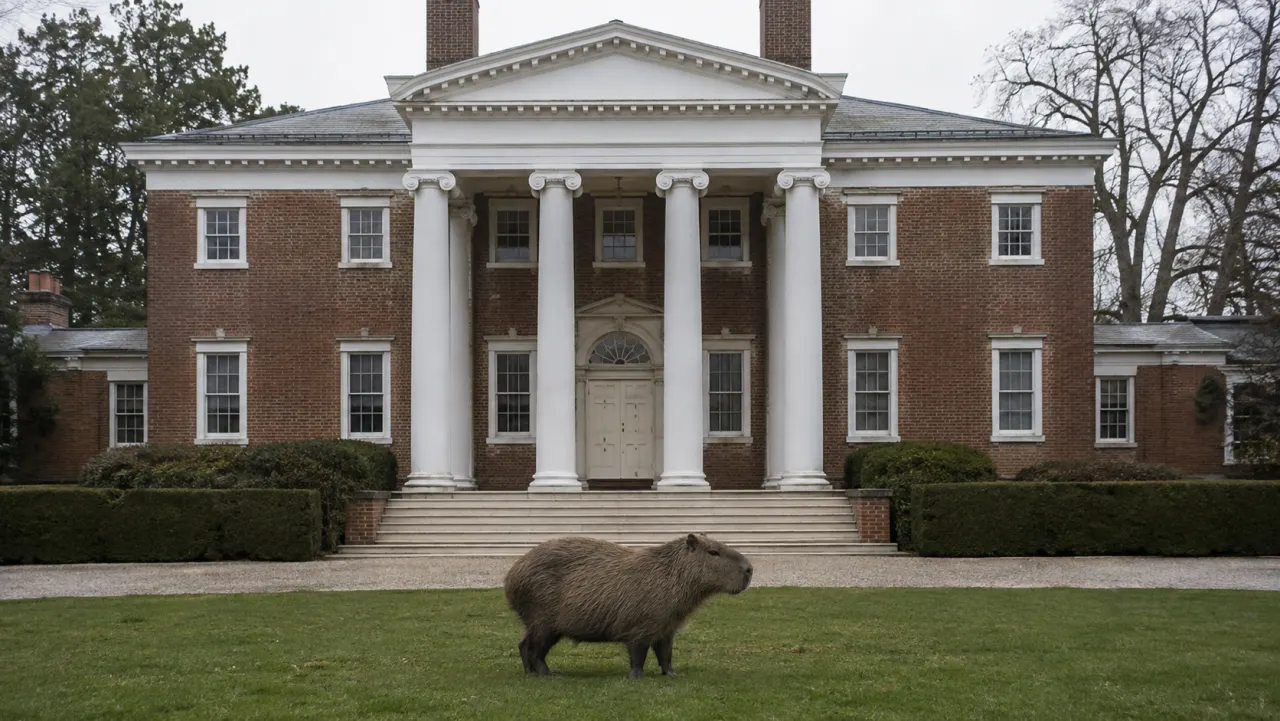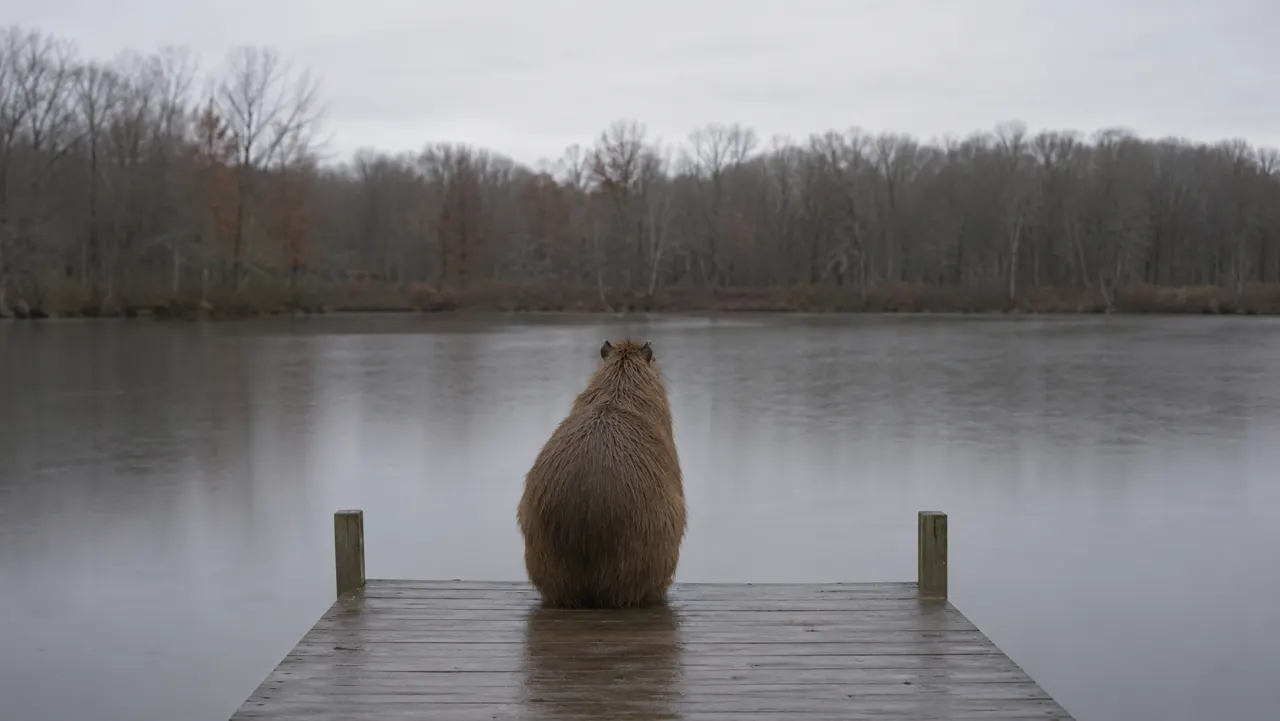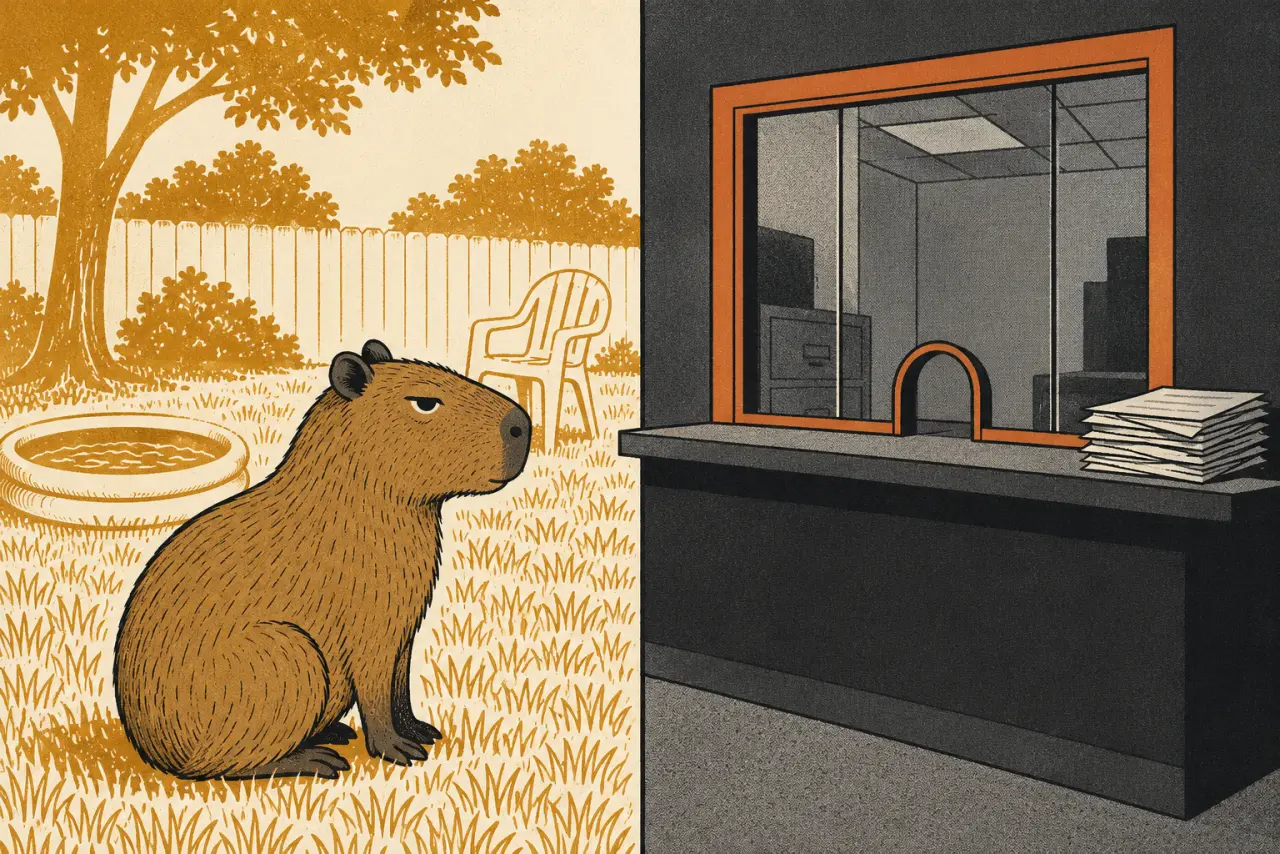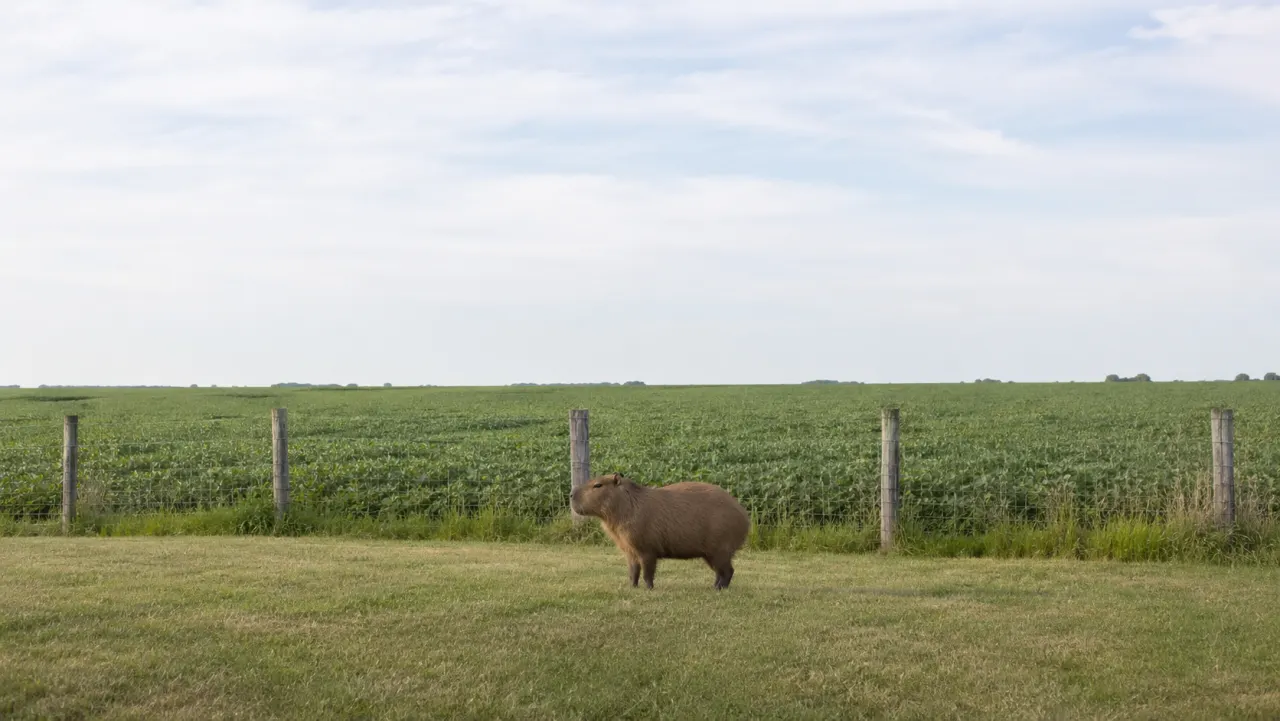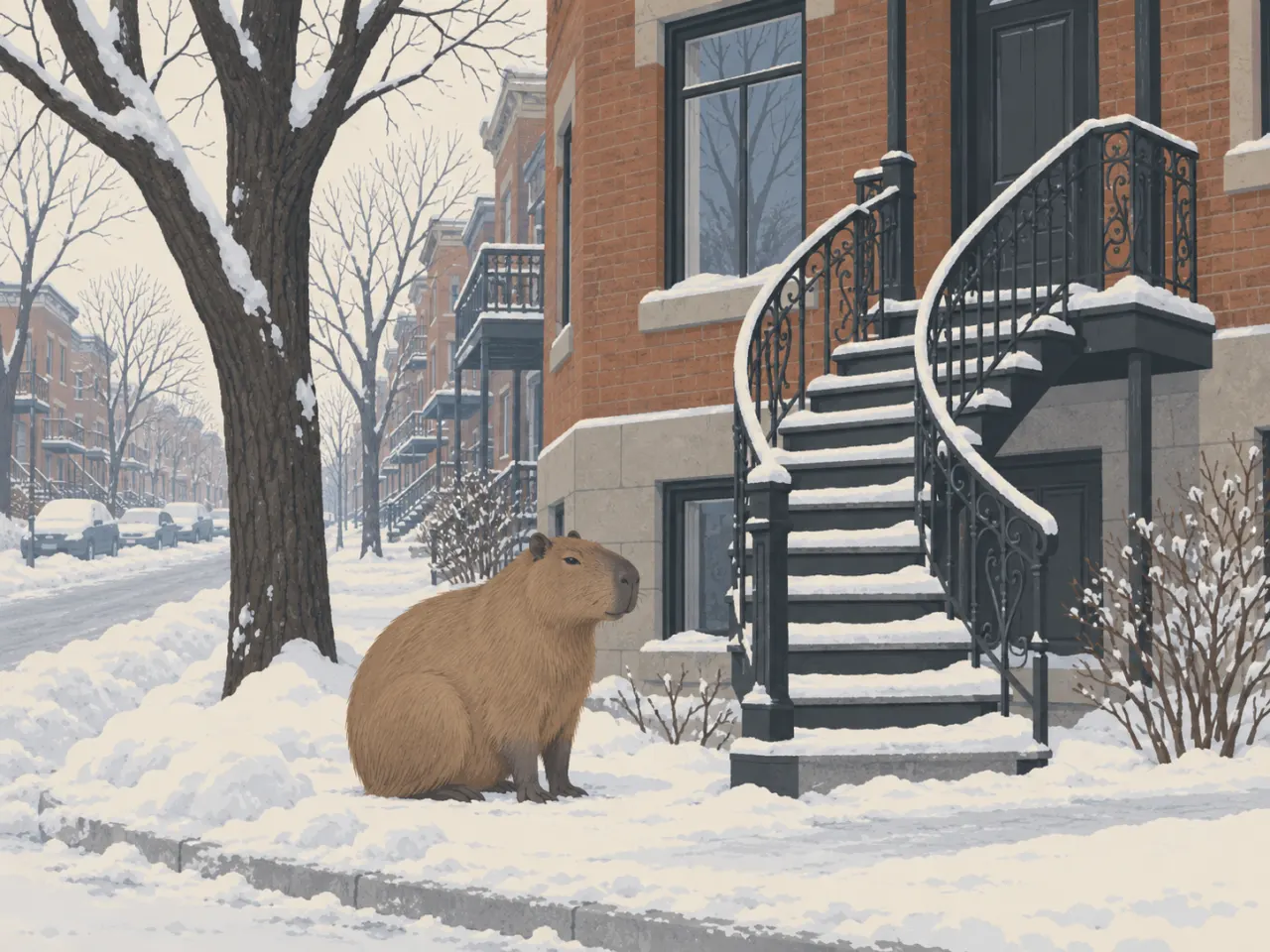
National Wildlife Day is a useful little speed bump in the content feed. It asks, briefly and inconveniently, whether the animal you love online is still allowed to be an animal after the internet has finished sanding it into a mood.
For capybaras, the answer needs saying. The internet’s favorite calm rectangle is wildlife. Not a starter pet. Not a group-chat therapist. Not a plush with teeth. Wildlife, with water needs and predator awareness and a life that did not begin in your saved folder.
Why Capybaras Are Wildlife, Not A Vibe
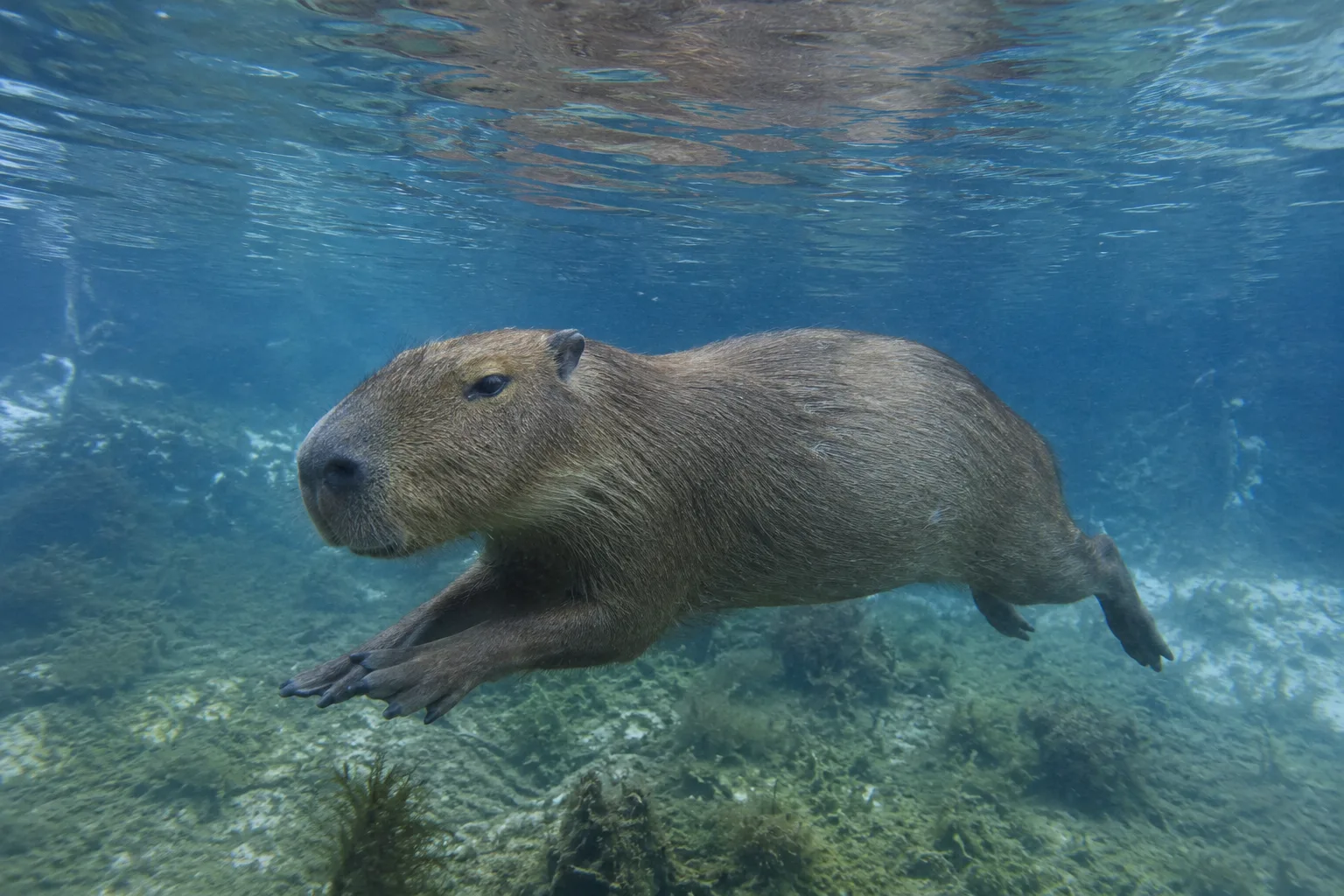
Capybaras are the world’s largest living rodents, native to South America and closely tied to water. Animal Diversity Web and San Diego Zoo both describe them as semi-aquatic grazers that live socially near rivers, marshes, wetlands, and grasslands. Britannica gives the same basic shape: large rodent, water-loving, South American, built for a life that is not your apartment.
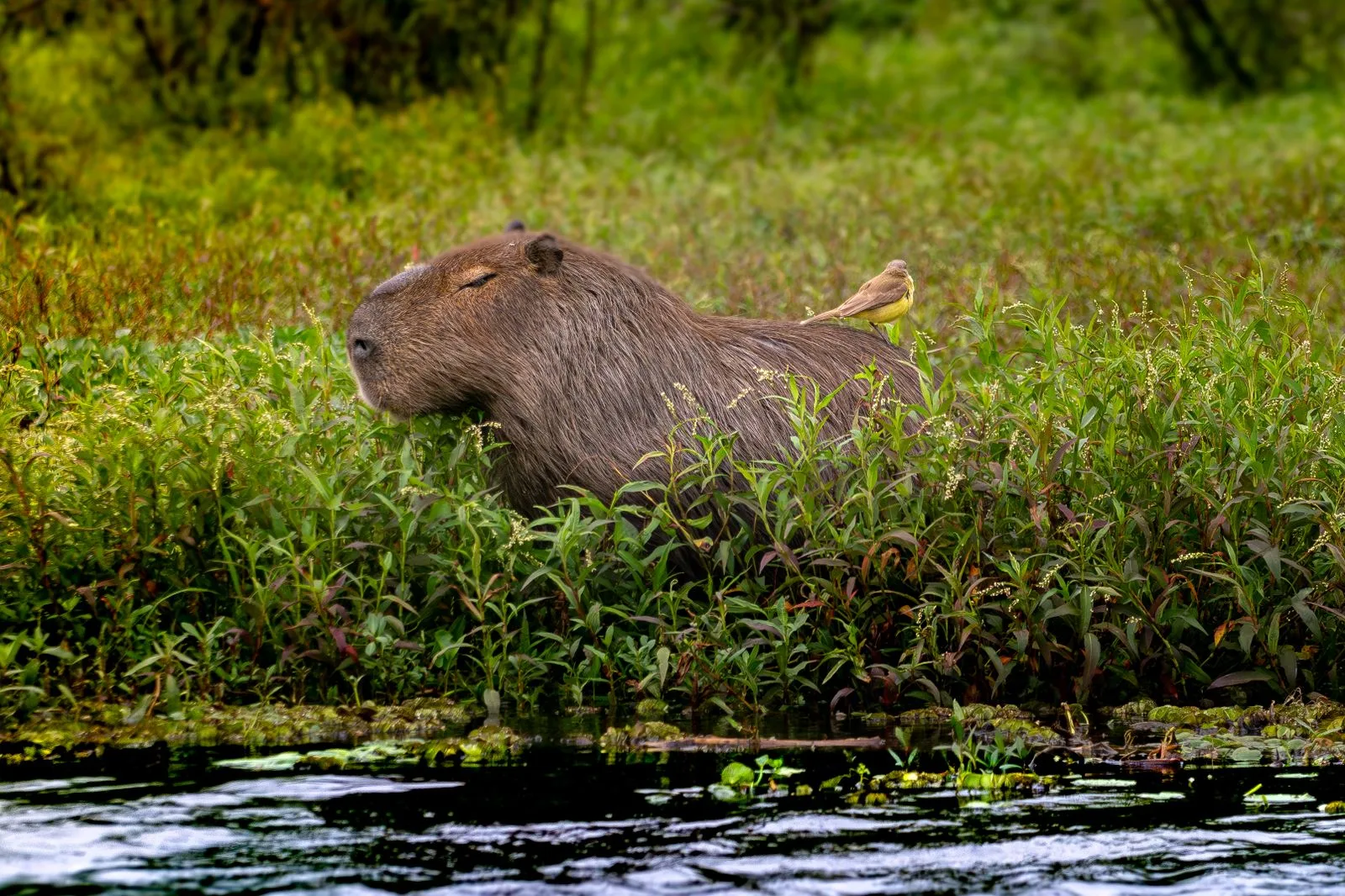
That matters because the capybara’s online personality is mostly a human invention. We see the low body, the blank face, the birds on its back, and we turn it into a philosophy. Some of that is harmless. Some of it gets slippery when people start treating a wild animal like it exists to model emotional regulation.
The capybara is not unbothered. It is adapted.
What Wild Capybaras Actually Do All Day
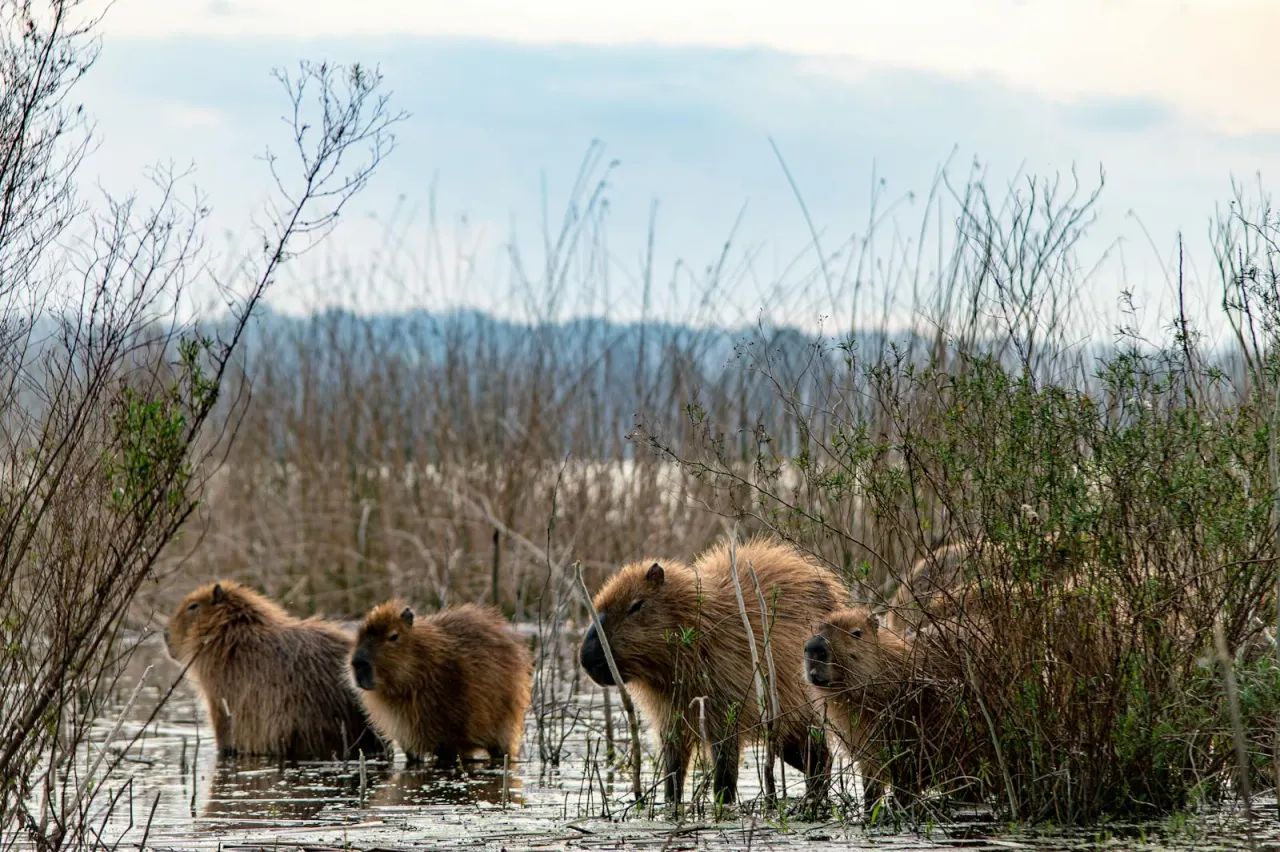
The daily job is not glamorous, which is why it is useful. Capybaras graze, rest, move between water and land, maintain social relationships, watch for danger, and feed a lot of other stories around them. In their native range, they are prey for predators, grazers in wetland-edge systems, hosts for parasites, neighbors to birds, and extremely visible reminders that a healthy landscape is usually crowded.
| Capybara role | What it means |
|---|---|
| Grazer | Turns grasses and aquatic plants into rodent bulk |
| Prey animal | Supports predator food webs in native habitats |
| Social mammal | Lives in groups with real hierarchy and communication |
| Wetland neighbor | Depends on water-edge habitat, not dry lawn fantasies |
| Internet symbol | Helps people care, if the meme points back to the animal |
The last row is the bargain. Internet fame can flatten wildlife into a mascot, but it can also make people curious. Curiosity is not conservation by itself, but it is better than indifference wearing expensive shoes. The useful version keeps walking from “cute” toward “what does this animal need?”
The Calm Myth Needs A Small Correction
Capybaras often look calm because they are large, social, and tolerant in the right settings. They really can be unusually tolerant around other animals, and that is part of why the friendship meme works. But calm is not the same as safe, domesticated, or available.
The AZA care manual’s husbandry lens is a useful antidote to the meme lens: capybaras need social housing, water access, appropriate diets, space, and professional care. A wild animal’s needs do not disappear because its face looks like it just muted a meeting.
My honest read: “unbothered” is the wrong word, but it is emotionally close enough that people keep using it. The better word might be “selective.” The capybara is selective about panic, selective about movement, selective about whether your nonsense deserves a response.
That is not a bad lesson. Just do not confuse the lesson with the animal.
How To Be A Better Capybara Fan Today
Start by letting the capybara be specific. Learn where it lives. Learn what it eats. Learn why water matters. Learn the difference between a zoo encounter with rules and a roadside attraction that makes the animal do audience work.
Then adjust your fandom.
| Fan impulse | Better version |
|---|---|
| ”I want one” | Read the pet ownership reality first |
| ”It is friends with everything” | Learn the body-language warnings too |
| ”That video is cute” | Ask whether the animal can leave |
| ”Capybara equals calm” | Remember it is still a prey animal |
| ”I need merch” | Choose respectful designs that do not mock the animal |
This is not me confiscating the fun. I am on record as pro-fun, within reason and occasionally against my better judgment. The point is that good fandom has a spine. It can enjoy the joke, then refuse the sketchy encounter, the unsafe feeding video, and the “I need one” comment that aged badly before it finished posting.
The National Wildlife Day Version
If you are using National Wildlife Day as a capybara day, make it useful. Share a real fact with the meme. Link to a zoo page. Read about wetlands. If you visit capybaras, stay behind the barrier and watch how they use water, group spacing, shade, and sound.
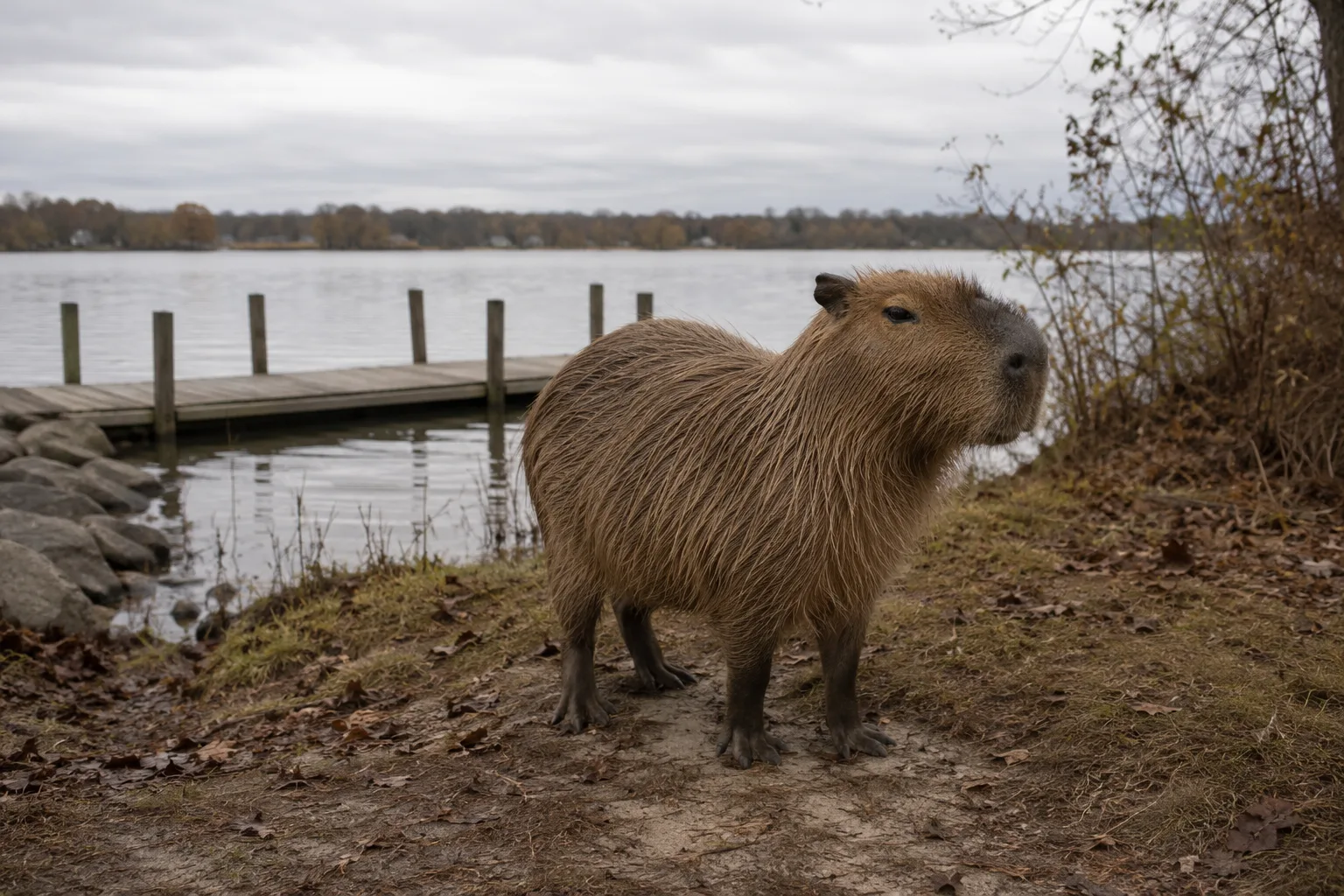
The fan delight is better when it gets more precise. A capybara is not just a calm lump. It has semi-webbed feet, high-set eyes and nostrils, a barrel body, social calls, and a face that makes every human project a tax return’s worth of feelings onto it. That is funnier because it is real.
The native range guide is a good next read if the meme has successfully tricked you into learning something. The meme does that sometimes. I respect the hustle.
The Short Version
National Wildlife Day is not asking you to stop loving capybaras online. It is asking you to love the actual animal in addition to the image.
So yes, post the calm capybara. Send the bird-on-back clip. Make the joke. Then remember the wetland, the herd, the water, the predators, the keepers, the habitat, and the fact that wildlife does not become less wild because it got good at the internet.