Maryland does not hand capybara fans a tidy answer. The state’s main restricted-animal law lists several animal groups people expect: big cats, bears, certain wild dogs, nonhuman primates, crocodilians, venomous snakes, foxes, skunks, and raccoons. Capybaras are not an obvious named item in that list.
That is useful. It is not a green light.
The safer 2026 answer is: Maryland capybara ownership requires written confirmation on restricted-animal law, import rules, rabies-related mammalian wildlife rules, local ordinances, and any exhibition licensing.
Not an obvious named item, which is not the same as clear
Maryland's restricted-animal law names big cats, bears, certain wild dogs, nonhuman primates, crocodilians, venomous snakes, foxes, skunks and raccoons. Capybaras are not an obvious entry on that list, which makes this a question for the state rather than a settled answer.
Maryland Is Not A Clean Yes Or No From One Statute
Maryland Criminal Law section 10-621 prohibits importing, selling, trading, bartering, possessing, breeding, or exchanging certain listed live animals, with exemptions for specific permitted or licensed settings. The public list is not a capybara-specific ban.
But exotic animal legality rarely ends at one list. A capybara plan can involve import, transport, local animal code, zoning, public safety, veterinary access, and commercial display. Maryland is dense, local rules are common, and neighbors notice large wetland rodents faster than owners expect.
| Layer | Why it matters |
|---|---|
| Section 10-621 | Main restricted-animal statute; capybara is not a neat named item in the list. |
| COMAR import rules | Mammalian wildlife import and rabies-vaccine requirements may matter. |
| Local ordinances | Counties and cities can be stricter than state law. |
| USDA APHIS | Public exhibition or commercial encounters can trigger federal licensing. |
| Welfare standards | Capybaras need water, social housing, diet planning, and exotic veterinary care. |
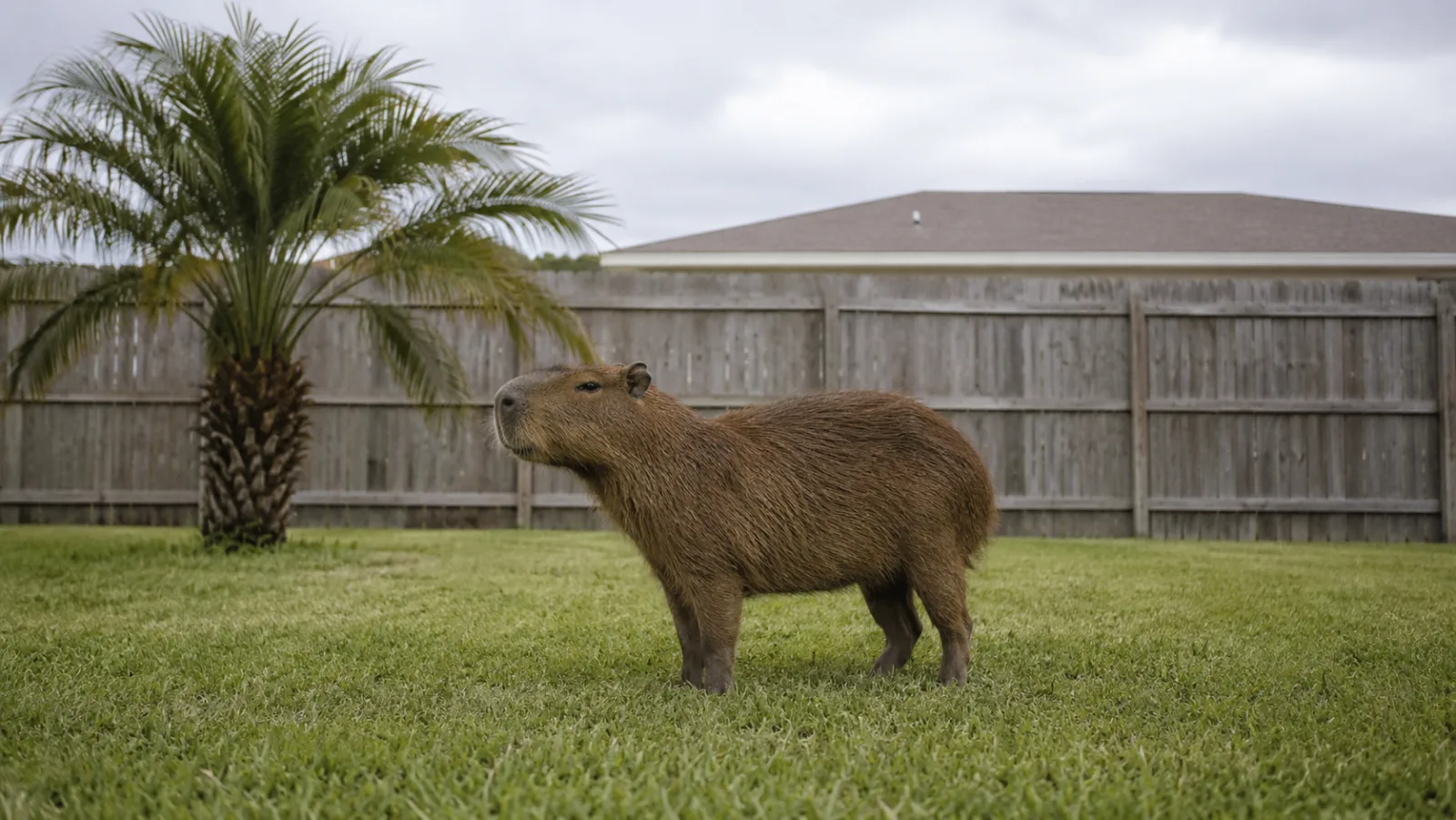
The Import And Rabies Layer Matters
Maryland COMAR rules on importing certain animals include restrictions tied to mammalian wildlife and rabies vaccination. That matters because exotic mammals do not always have USDA-licensed rabies vaccines, and import rules can block an animal before the ordinary pet-law conversation even starts.
This is where many capybara plans fail quietly. A person asks whether possession is banned, but the real issue is whether the animal can be lawfully imported, transported, certified, vaccinated where required, or documented from a legal captive source.
Ask Maryland authorities before money moves. Ask the seller for legal origin, health certificate, veterinary records, transport documents, and any state-specific import paperwork. If the seller cannot answer those questions without becoming poetic, step away.
The practical sequence matters here more than in most states. Call the Maryland state animal health or agriculture office first and ask the specific import question: for this species, from this origin state, what certificate, vaccination, or permit does Maryland require to bring the animal in. Get the answer in writing, with a name attached. Only once import is genuinely possible does the rest of the plan, possession, local code, enclosure, vet, become worth your time. Doing it in the other order is how people end up with a deposit down on an animal they cannot legally move.
Maryland Local Rules Can Still Close The Door
Maryland counties and municipalities can restrict exotic animals, outdoor enclosures, nuisance animals, ponds, fencing, and public contact. Baltimore City, Montgomery County, Prince George’s County, Anne Arundel County, and smaller municipalities may all differ.
Commercial use adds another layer. Paid encounters, petting events, public display, breeding, sale, or transport can trigger USDA Animal Welfare Act licensing. A private possession answer does not cover a cafe, party, or photo-session business.
The Care Bill Before The Paperwork Clears
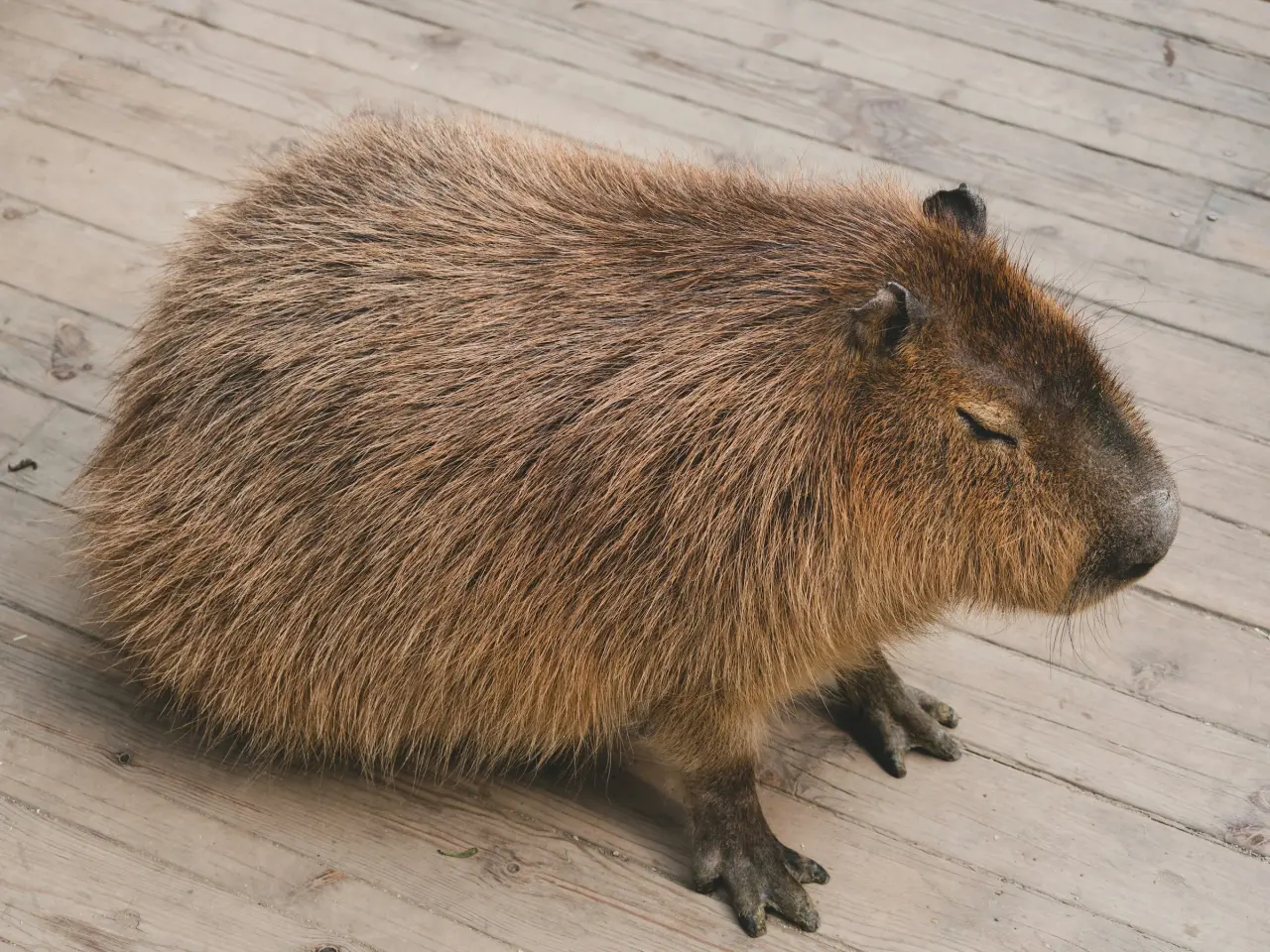
Even if every legal layer clears, Maryland is an expensive place to do this right, and the state is dense enough that there is rarely a quiet acre to hide a mistake on. Capybaras can live well past eight years, grow past 100 pounds, and need a high-fiber, grass-forward diet supplemented with vitamin C, because, like their guinea pig relatives, they cannot make their own. The diet is a real veterinary risk, not a detail.
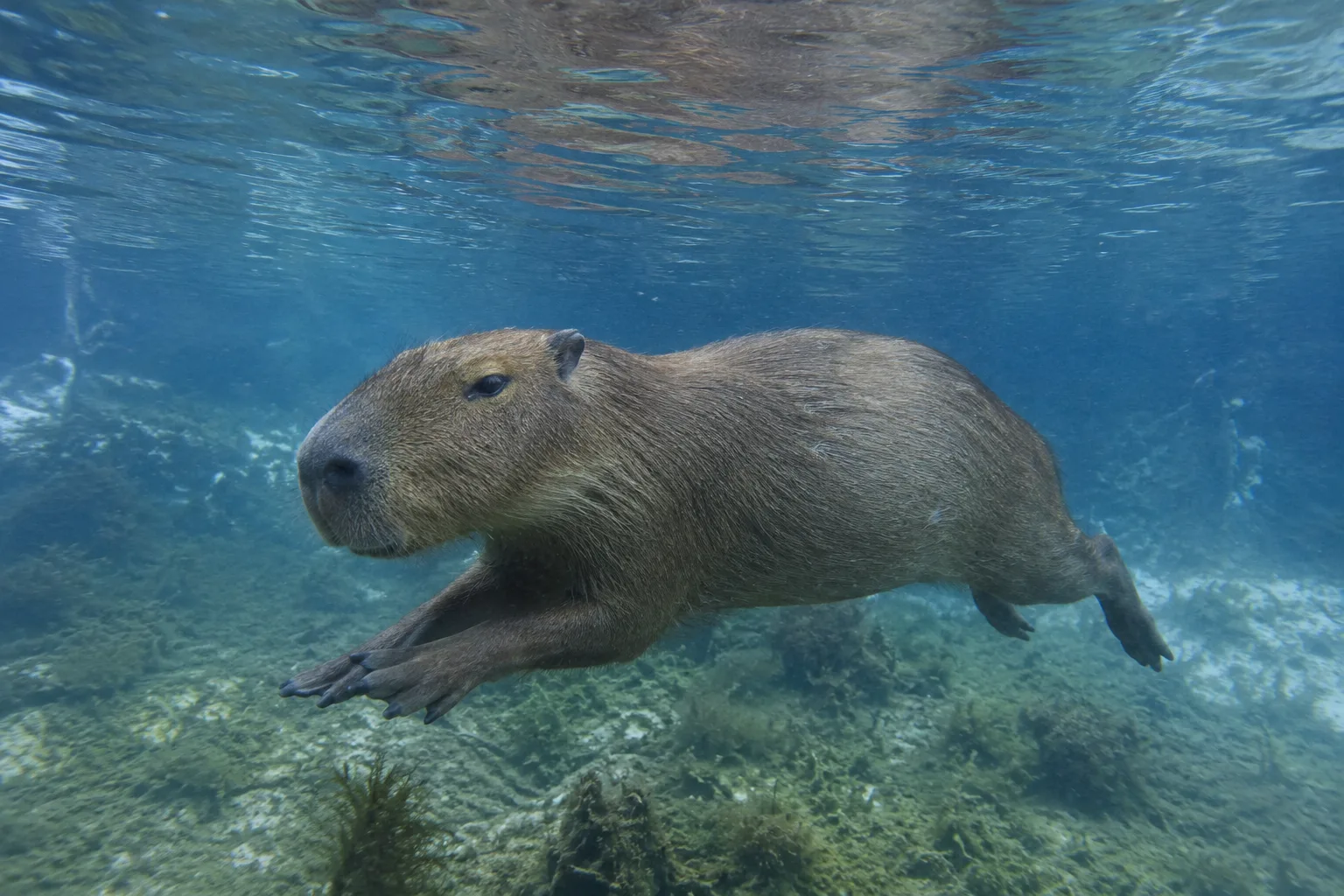
San Diego Zoo Wildlife Alliance describes capybaras as the world’s largest rodents, and the AZA care guidance treats water access, social grouping, shelter, and veterinary planning as baseline husbandry. In practice that means secure fencing for a big animal, a real pool with filtration and drainage, shade and cooling for Maryland’s humid summers, winter shelter, and an exotic-animal vet who will actually take the case.
Then double most of it, because capybaras are herd animals and a solitary one is a welfare problem. A pair is the responsible floor, and a pair is roughly twice the feed, space, water, and vet relationship of the single animal people imagine when they watch a calm video.
Maryland Capybara Myths To Drop
| Myth | Better answer |
|---|---|
| ”It’s not named in 10-621, so it’s legal.” | Absence from one list is not permission. Import, rabies, local, and exhibition rules can still apply. |
| ”Import is just shipping.” | Maryland mammalian-wildlife and rabies import rules can block an animal before the pet-law question even matters. |
| ”A state answer covers my county.” | No. Baltimore, Montgomery, Prince George’s, Anne Arundel, and smaller jurisdictions set their own rules. |
| ”One capybara is fine.” | Capybaras are social herd animals. Solitary housing is a recognized welfare stressor. |
This is where a lot of Maryland plans die quietly. Someone confirms the animal is not on the banned list, pays a deposit, and only then learns the real wall is import: the species may have no USDA-approved rabies vaccine, and the rabies and mammalian-wildlife rules can stop the animal at the state line. The pet-law question they researched was never the one that mattered.
The Maryland Paper Trail Checklist
Before import, purchase, possession, or public display, get written answers and keep the file.
| Agency / document | What to ask | Why it matters | What changes the answer |
|---|---|---|---|
| Maryland DNR or relevant state animal authority | Does Maryland restrict private possession or import of capybaras, and which office has final authority? | Authority can sit across more than one agency. | Possession vs. import vs. exhibition; which agency claims jurisdiction. |
| Maryland agriculture or animal health office | What import, health certificate, rabies, or transport rules apply to a capybara? | Import and rabies rules can block the animal before pet law applies. | Out-of-state origin, vaccine status, required certificates. |
| County or city animal control | Does local code prohibit exotic mammals, non-domestic animals, outdoor enclosures, or public contact? | Dense Maryland jurisdictions often go stricter than the state. | County and city limits, zoning, nuisance and pond rules. |
| USDA APHIS | Does public exhibition, paid encounter, breeding, sale, or transport require AWA licensing? | Federal exhibition licensing is separate from state rules. | Any paid public contact, photos for money, commercial sale. |
| Exotic-animal veterinarian | Will you treat capybaras, including emergencies and import-health documentation? | Care, import, and licensing all assume a real vet relationship. | Distance, after-hours coverage, willingness to sign health paperwork. |
The Maryland Bottom Line
Maryland might not give the simple “capybara is named and banned” answer some people expect. That does not make it easy. The hard wall here is usually import and rabies rules, not the headline statute, and the dense local map means a county can close the door the state left open. Treat Maryland as a written-confirmation state, sort out import before you fall for a photo, and do not let a capybara dream outrun the paperwork.
Maryland’s answer is split across import/rabies rules, the restricted-animal statute, and dense local code, and any of them can change. This reflects what was on the books as of June 2026. Before you act, confirm the current rules with the relevant Maryland state agency, your county or city animal control office, and a qualified attorney. Treat this as a starting point, not legal advice, and treat the AZA care standard, not a viral clip, as the welfare bar.