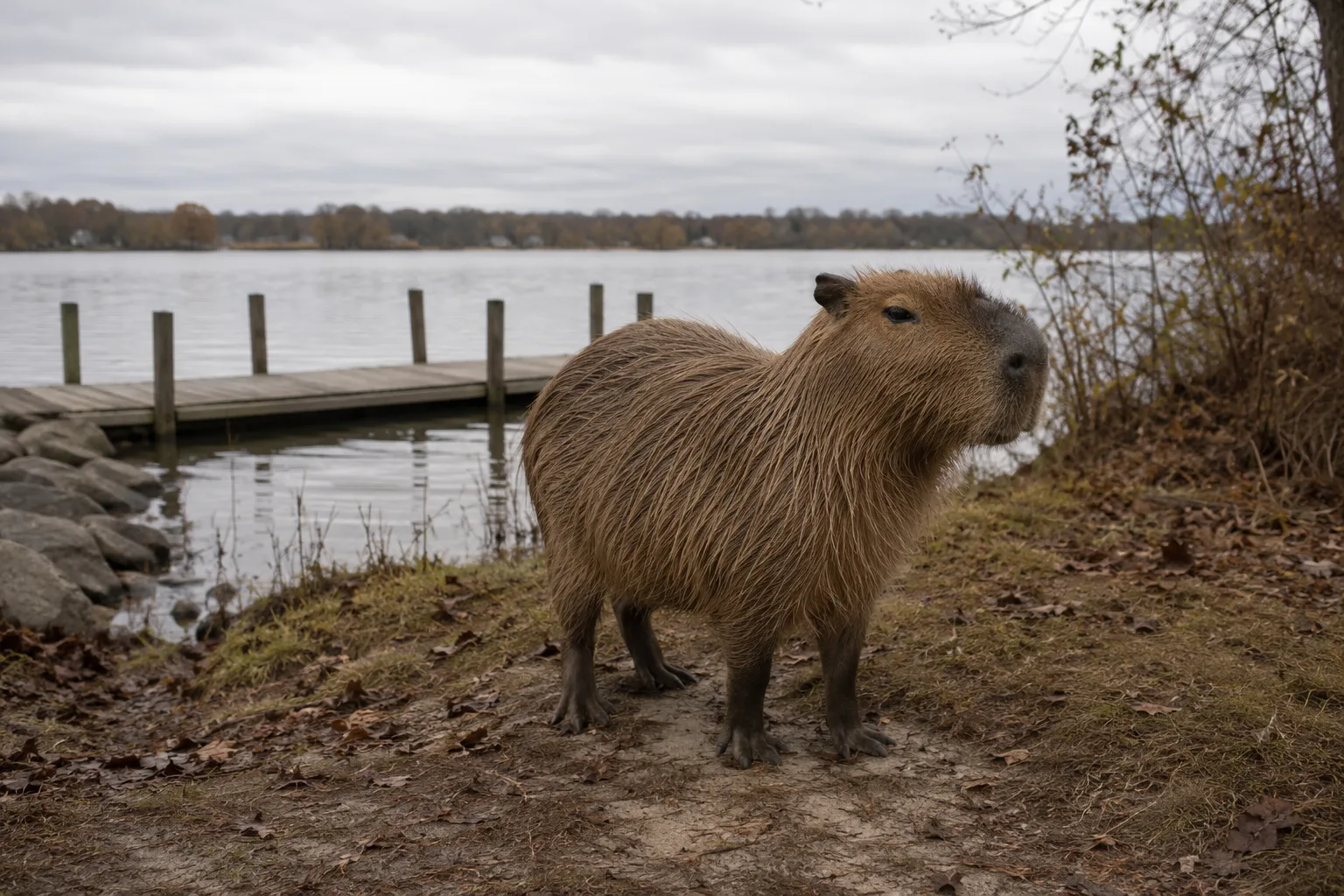
The Netherlands has one of the cleanest capybara pet answers in this batch, and it is not the one capybara fans want.
No, capybaras are not legal for ordinary new pet ownership in the Netherlands. RVO’s house and hobby animal list controls which mammals may be kept, bought, and sold as pets or hobby animals, and capibara, Hydrochoerus hydrochaeris, is not on the list.
That is the useful answer. The capybara can keep its dignity. The Dutch form can keep its list.
Capybaras Are Not On The Dutch Pet List
RVO says the house and hobby animal list contains mammal species that may be kept as pets or hobby animals. It also says if a mammal species is not on the list, you may not keep that species, except in specific legal exceptions.
The RVO assessment search tool specifically lists “Capibara” and says it is not on the house and hobby animal list. It identifies the species as Order Rodentia, Family Caviidae, Species Hydrochoerus hydrochaeris, and risk class F.
| Dutch fact | Meaning |
|---|---|
| House and hobby animal list exists | Mammals need to be on the positive list |
| Capibara is not on the list | Ordinary new pet keeping is not allowed |
| Risk class F | The assessment places capybara in the highest risk class shown |
| Rules started July 1, 2024 | Transitional cases are treated separately |
How The House And Hobby Animal List Works
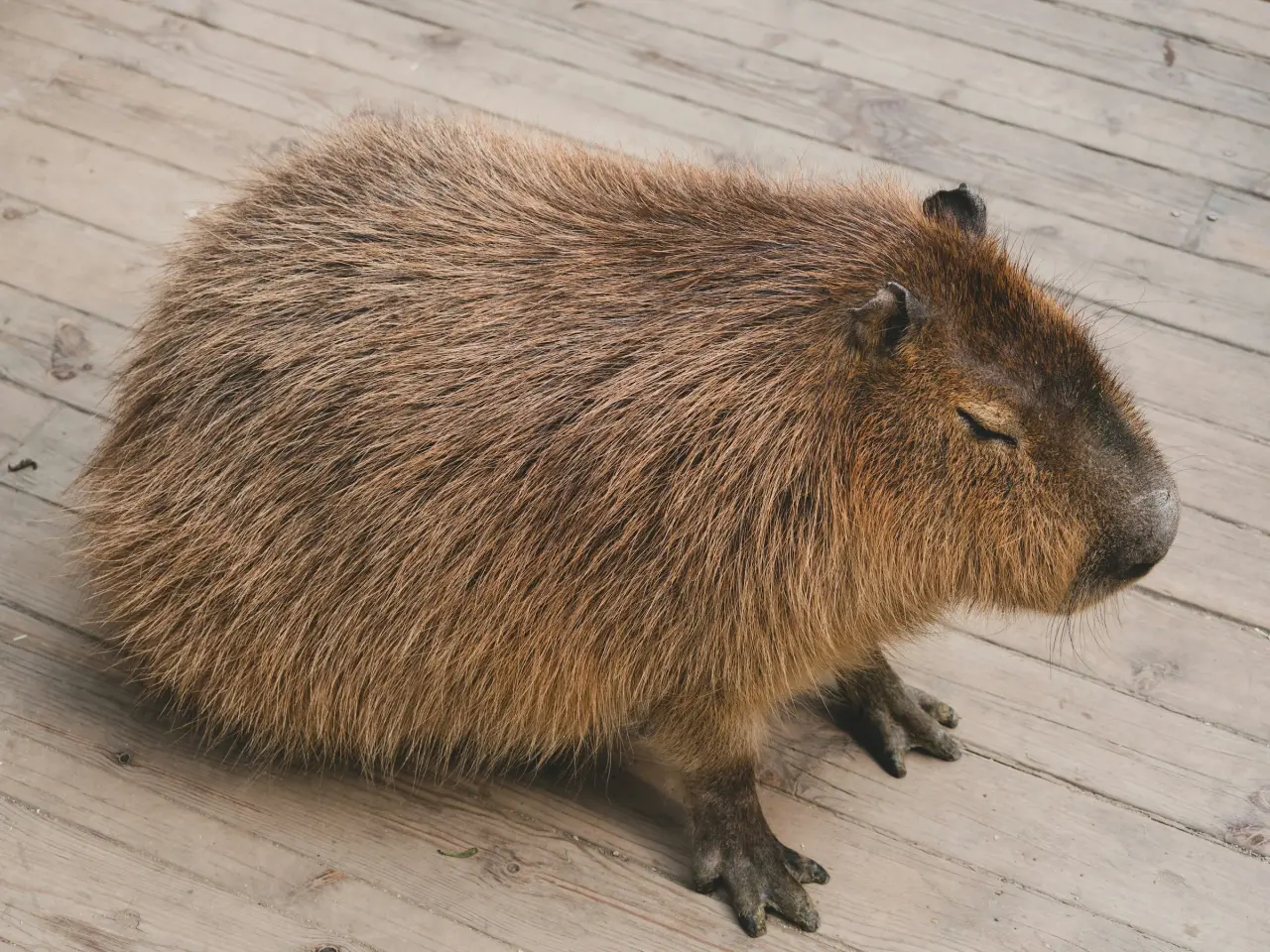
The Dutch system is a positive list, not a blacklist. Instead of asking whether a species is banned, the ordinary pet question is whether the species is allowed. For mammals, only animals on the list may be bought, kept, and sold as pets or hobby animals.
Rijksoverheid explains that since July 1, 2024, people may only buy, keep, or sell mammals on the house and hobby animal list. The list includes familiar domestic animals and some hobby species. It does not include capybaras.
This is why “but capybaras are gentle” does not move the answer. The Dutch system is based on suitability and risk assessment, not individual animal charm. A calm capybara is still a capybara.
The Exceptions Are Narrow And Not A Shopping Route
RVO describes exceptions. The big one for private keepers is transitional: if someone already had a mammal not on the list before July 1, 2024, they may keep it if they can prove that date with documents such as a purchase record, chip, pet passport, or vet bill. They must also prevent the animal from having young.
Other exceptions include veterinarians treating animals, emergency transport, transport to or from an airport or harbor under conditions, authorized opvangcentra, zoo permits, and animal-testing institutions with permits.
Those are not shopping routes.
The transitional path catches people out the most, so it is worth being blunt about it. It is not a way in. It only protects an animal already living with you before the cutoff, and even then it asks for paperwork and a promise of no litters. If you did not own a capybara on June 30, 2024, none of this opens a door.
| Exception | Why it does not help most readers |
|---|---|
| Already owned before July 1, 2024 | Requires proof and no breeding |
| Veterinarian | Treatment, not ownership |
| Emergency transport | Temporary necessity |
| Zoo permit | Institutional context |
| Authorized opvangcentrum | Rescue or care setting |
Where People Get The Dutch Rule Wrong
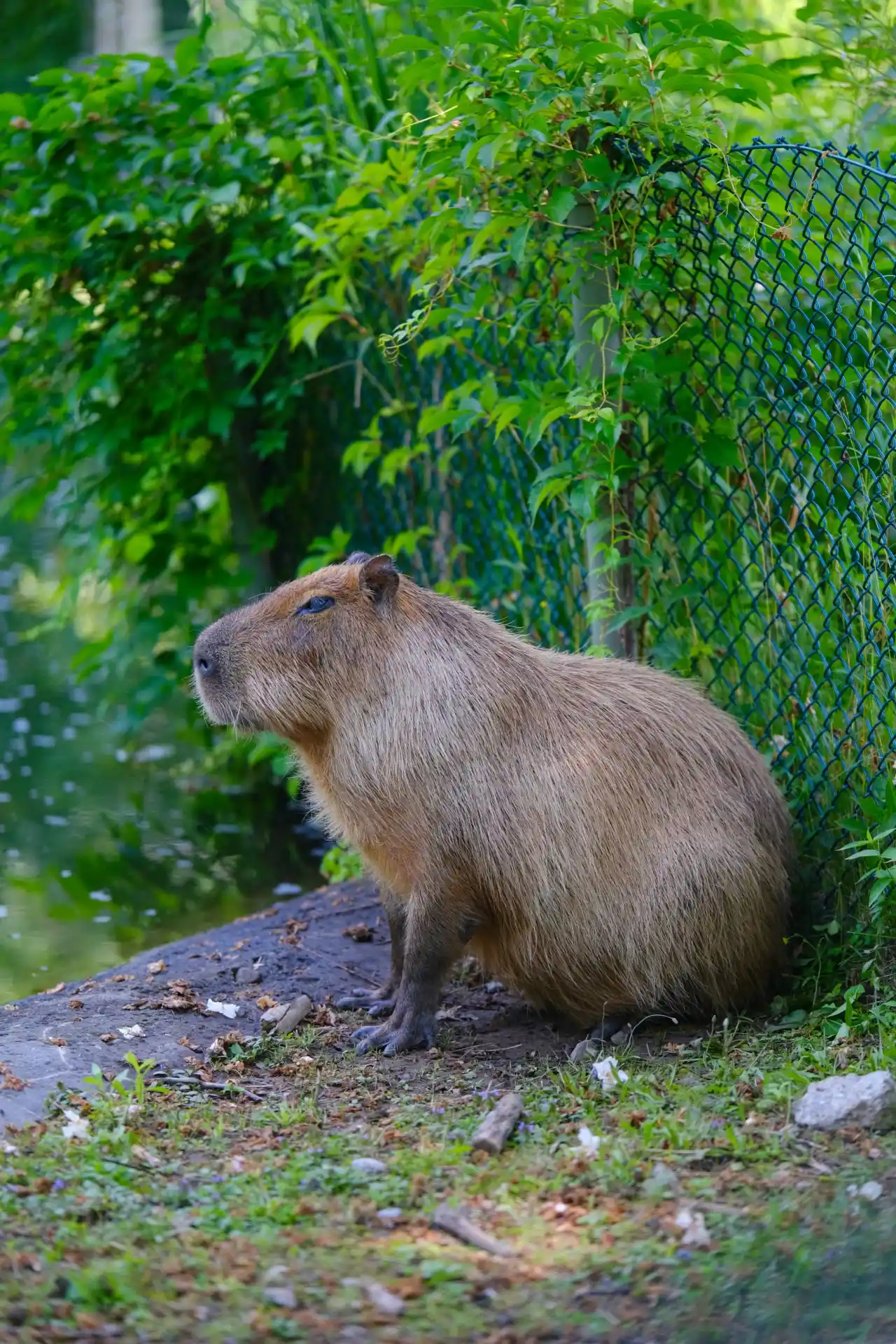
Most of the confusion comes from importing assumptions that worked elsewhere. A positive list flips the logic, and a lot of advice you find online was written for a banned-species system instead.
| Myth | Better answer |
|---|---|
| If it is not banned, it is allowed | Backwards here. For mammals, only listed species are allowed. Not listed means not kept. |
| A breeder or import paper makes it legal | A receipt proves a transaction, not permission. The species still has to be on the list. |
| Buying in another EU country and bringing it home is a loophole | Bringing the animal into Dutch keeping puts it back under Dutch rules. Origin does not rewrite them. |
| Risk class F is just a label | It signals the assessment placed capybara in the highest risk band shown, not a borderline case. |
| A vet visit or a rescue proves private keeping is fine | Those sit under separate exceptions for treatment and care, not ownership. |
I will say the quiet part plainly: this is one of the better-designed exotic-pet rules I have read for this batch of guides. It is not friendly to capybara fans, but it is honest about it. You do not have to reverse-engineer fifty municipal ordinances to get a yes or a no. The list answers in one line.
The Paper Trail If You Want To Confirm It Yourself
Do not take an article’s word for a keeping decision, including this one. The rules move, classifications get revised, and your situation may have a wrinkle a general guide cannot see. If you want certainty, work the trail below rather than a forum thread.
| Agency / document | What to ask | Why it matters | What changes the answer |
|---|---|---|---|
| RVO house and hobby animal list | Is Hydrochoerus hydrochaeris on the current mammal list? | The list is the gate for ordinary keeping | A future revision could add or reclassify a species |
| RVO assessment search tool | What risk class and status is recorded for capibara? | Shows the official entry, not hearsay | Updated assessments can shift the recorded class |
| RVO transitional rules | Do I qualify, and what proof is accepted? | The only path for pre-cutoff animals | Missing proof or a litter voids the protection |
| NVWA | Who enforces this and what do they check? | Enforcement reality, not just the rule on paper | Enforcement guidance and inspections can change |
| Local municipality (gemeente) | Any extra local or housing restriction? | Local rules can still say no on top of national ones | Your address or housing type may add limits |
The Welfare Answer Matches The Legal Answer
The law is doing what the animal biology already suggests. Capybaras are large, social, semi-aquatic grazers. Animal Diversity Web describes their group life and water-linked behavior. San Diego Zoo Wildlife Alliance notes their size and aquatic adaptations. That is not a good match for ordinary Dutch housing.
A capybara needs compatible capybara company, water, outdoor space, forage, shelter, drainage, and exotic veterinary care. A damp garden corner and a hopeful attitude do not become habitat because the animal looks serene.
The cost reality is the part people skip. This is the largest rodent on earth, roughly 35 to 66 kg as an adult, and it is built around water it can actually wade and swim in, not a paddling pool. It is a herd animal, so a single capybara is a welfare problem before any legal one. The AZA Capybara Care Manual treats group housing, water access, and species-appropriate forage as baseline, not luxury. Like guinea pigs, capybaras cannot make their own vitamin C, so the diet has to supply it or they get sick. They are hindgut fermenters that re-ingest soft morning feces to finish digesting, their teeth grow for life, and almost no ordinary small-animal vet is set up for any of this. None of that gets cheaper or simpler because the law happened to say no first.
This is one of the rare times the legal answer and the welfare answer point in the same direction: admire the capybara somewhere equipped for capybaras.
The Better Netherlands Capybara Plan
This is general information, not legal advice, and it reflects what is on the books as of June 2026. Lists get revised and classifications change, so treat any keeping question as a permit-and-list question until the agency confirms it for your exact situation. Check the current RVO house and hobby animal list and assessment tool, NVWA guidance, your municipality, and a qualified Dutch attorney before acting. None of this asserts a definitive yes or no for your case. The agencies do.
For Dutch readers, the better plan is a zoo or wildlife park visit, not private ownership. If you are researching global rules, read where capybaras are legal around the world. If you are still wondering why ownership fails so often, read do capybaras make good pets.
The Netherlands gave capybara fans a blunt answer: not on the list. In a topic full of mushy maybe, that is almost generous.