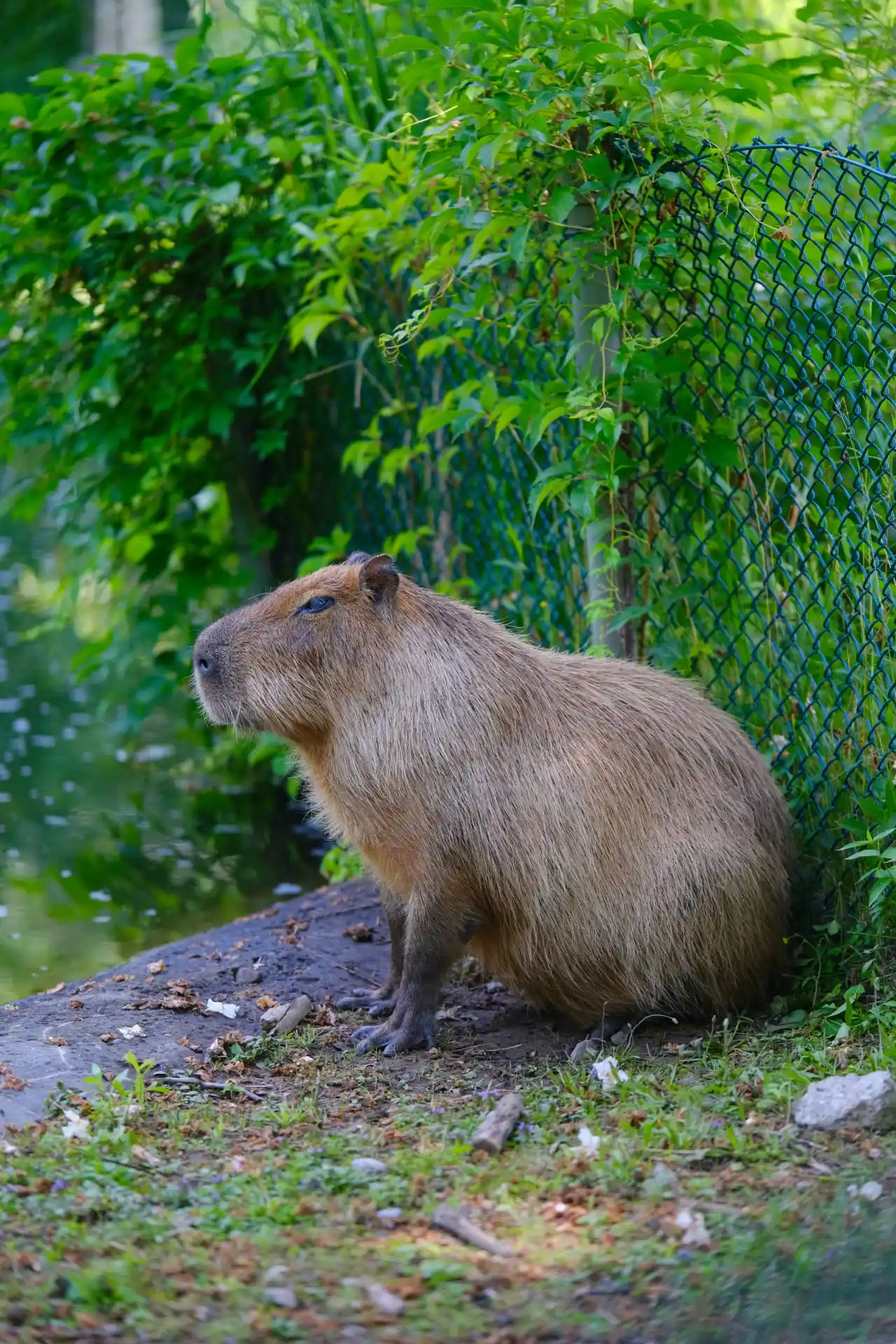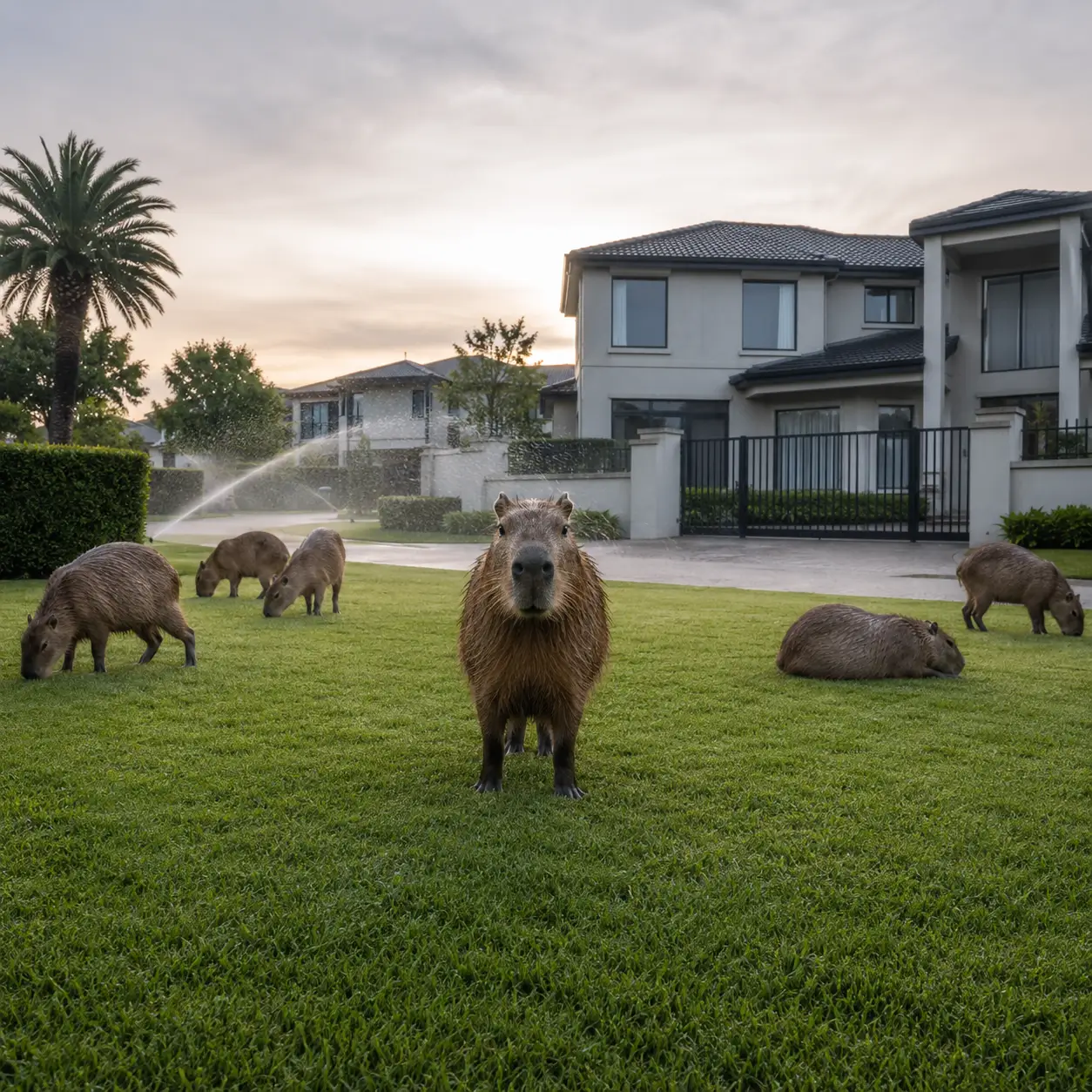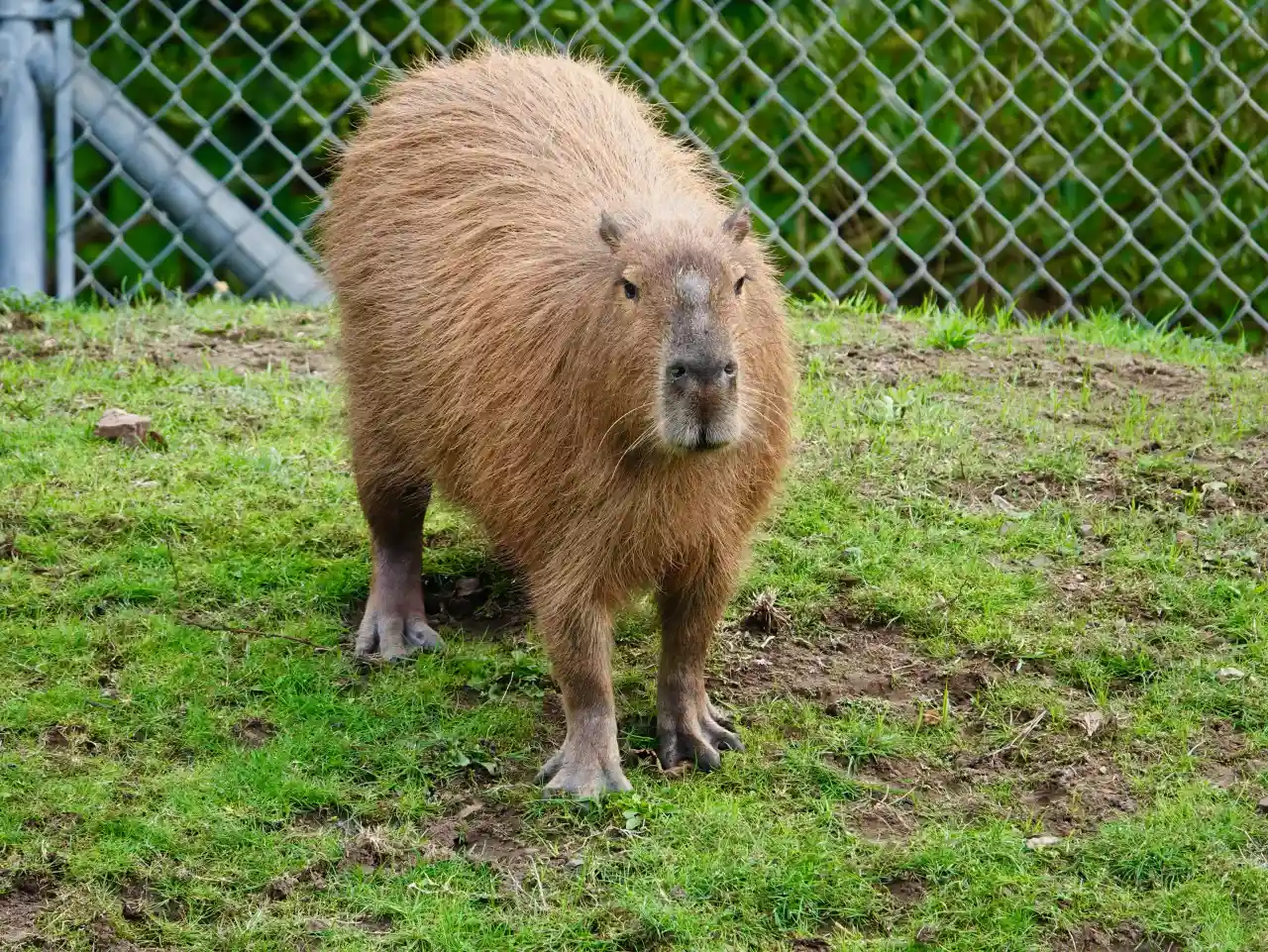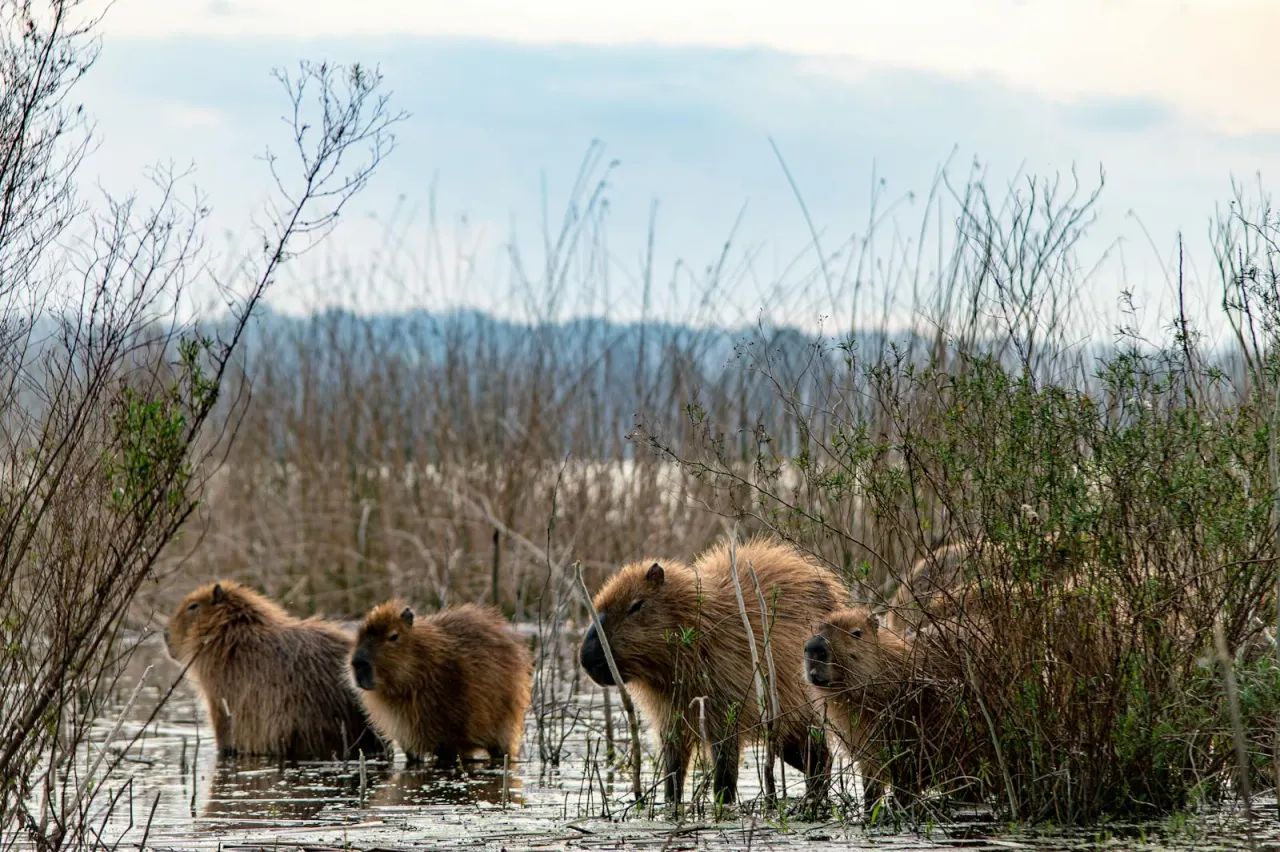

Ontario is the clearest example in Canada of a province that never answered the question, and four cities that answered it for you. Search “are capybaras legal in Ontario” and you will find a lot of pages telling you the province does not ban them. That part is true and it is also the least useful true thing anyone can tell you, because the province was never the layer that decides.
No provincial rule, and a no in all four of the province's largest cities
Ontario's captive-wildlife regulation runs on its own native species categories. A capybara is outside them, so there is no provincial licence to apply for and no provincial ban to breach.
Toronto, Hamilton and Mississauga each cap pet rodents at 1,500 grams. Ottawa prohibits large rodents as a category. The AZA puts adult capybaras at 27-79 kg. Start with your municipal clerk, not the ministry.
The Short Answer for Ontario
If you live in Toronto, Ottawa, Hamilton or Mississauga, the answer is no and it is not close. Together those four hold just over a third of Ontario’s population, so for a lot of readers the question is settled before the interesting parts begin. If you live in Brampton, the province’s fourth-largest city, the answer is different, and that difference is the most useful thing on this page.
If you live anywhere else in Ontario, the answer is unresolved and you will have to get it from your own municipality. That is not a dodge. It is the structure of the law here, and most people work it in exactly the wrong order.
Why Ontario Itself Never Answers This
The province’s own guidance opens by saying that “by law, you generally cannot keep wild animals captive — or release them into the wild — in Ontario.” Read quickly, that sounds like a ban. Read with the statute open, it is a rule about Ontario’s wildlife, not about wildlife generally.
The instrument is O. Reg. 668/98, Wildlife in Captivity, made under the Fish and Wildlife Conservation Act, 1997. Its parts are organised around zoos, amphibians and reptiles, specially protected raptors and birds of prey, and dog train and trial areas. Every operative category traces back to “game wildlife” or “specially protected wildlife”, and both of those are defined by the Act’s own schedules. They are lists of species that live in Ontario.
Hydrochoerus hydrochaeris lives in the Pantanal. It is not on an Ontario schedule, it was never going to be on an Ontario schedule, and the regulation therefore has nothing to say about it.
What the province does decide
- Keeping Ontario's native game and specially protected species
- Zoo licensing categories under Reg. 668/98
- Falconry, wildlife rehabilitation, scientific authorisations
What it does not decide
- Whether a non-native exotic mammal may be a pet
- Whether your city permits one
- Whether you may keep one, in either direction
This is why the ministry work centre is the wrong first phone call. The person answering will tell you, correctly, that they do not regulate this, and a lot of prospective owners hear that as clearance.
"The province does not regulate capybaras" and "you may keep a capybara" are different statements. The first is a fact about jurisdiction. The second is a claim about permission that nobody at the province is in a position to make.
What Ontario’s Four Largest Cities Actually Say
Every page on this topic summarises these. Here they are quoted.
| City | Instrument | What it says about rodents | Capybara outcome |
|---|---|---|---|
| Toronto | Municipal Code Ch. 349, §§ 349-2 and 349-4 D, Schedule A | Rodentia prohibited except rodents not exceeding 1,500 g derived from self-sustaining captive populations | No |
| Ottawa | By-law 2003-77, s. 83 + Schedule B item 14 | ”All large rodents (Rodentia)” prohibited — no weight test | No |
| Hamilton | Responsible Animal Ownership By-law 12-031, Part 10.0 s. 10.1 | Rodentia prohibited except where neither sex of the species exceeds 1,500 g at maturity | No |
| Mississauga | By-law 0098-2004, s. 15(1) + Schedule A | Order Rodentia prohibited except rodents not exceeding 1,500 g from self-sustaining captive populations | No |
| Brampton | Animal Services By-law 201-2023, s. 14 + Schedule A | 24 prohibited items, no Rodentia entry and no weight threshold. Item 4 reaches Sciuridae only | Not prohibited by the schedule |
Ottawa’s is the one worth reading closely, because it is built differently from the other three. Schedule B item 14 reads:
“All large rodents (Rodentia), including, but not limited to gopher, muskrat, paca, groundhog, marmot, beaver, prairie dog, viscacha, and porcupine.”
Section 83 then does the work: “No person shall keep in the City, either on a temporary or permanent basis, any prohibited animal, as set out in Schedule ‘B’.”
Note what is in that list and what is not. Paca and viscacha are both South American rodents. Somebody drafting this schedule was thinking about the neotropics. The capybara, the largest rodent alive and from the same continent, is not named. It does not need to be. “All large rodents” is a category, “including, but not limited to” is a non-exhaustive formula, and a 50-kilogram rodent is not going to win an argument about whether it is large.
Hamilton’s is the strictest of the four, and the reason is a single clause most readers skim. By-law 12-031 excludes Rodentia only:
“(a) where neither the female nor the male of the species exceeds or will exceed 1,500 grams in weight before or at maturity; and (b) that are derived from a self sustaining captive population”
That is a test applied to the species, not to the animal in front of you. Toronto and Mississauga’s phrasing invites the argument that a young capybara currently under the line might qualify; Hamilton’s closes it in advance by asking what the species will weigh at maturity. All three reach the same destination, but Hamilton got there without leaving a door to push on.
Where the 1,500 Gram Number Came From
Three of Ontario’s four largest cities use the identical threshold, with near-identical wording about self-sustaining captive populations. That is not a coincidence and it is not independent policy analysis. It is municipal drafting doing what municipal drafting does. One city writes a workable clause, the next city’s staff report cites it, and a number propagates. Montreal draws the same line in kilograms, so Canada’s two largest cities plus two more in the GTHA all landed on 1,500 grams.
The number itself was never about capybaras.

Look at the company the rodent clause keeps in these schedules. Ottawa’s Schedule B runs through venomous arthropods, even-toed ungulates, odd-toed ungulates, primates, elephants. Mississauga’s list sits Rodentia between Proboscidea and Crocodylia. These are lists about danger and about animals nobody should keep in a semi-detached. The rodent line is the odd one out: it is a threshold written to sort a hamster from a prairie dog, and its examples are pet-shop problems.
Nobody drafting it was picturing a grazing animal the size of a large dog. Ontario’s biggest cities settled the capybara question sideways, with a number chosen for a completely different argument, and then three of them copied it from each other.
The Rest of Ontario Is Not Automatically Open
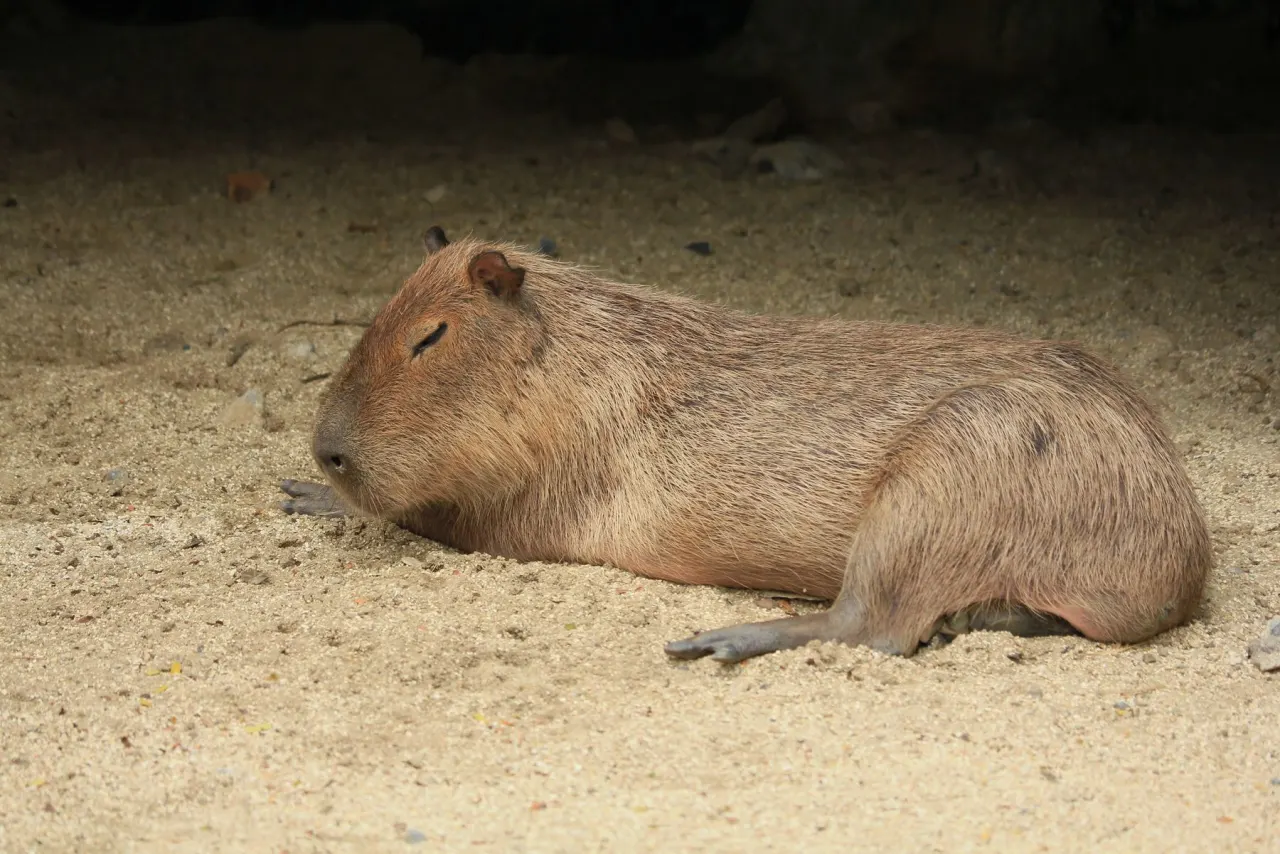
It is tempting to read the table above and conclude that the answer is yes everywhere outside the big four. Two reasons that does not follow.
First, plenty of smaller Ontario municipalities run their own prohibited-animal schedules, and many were drafted from the same template as the ones above. The 1,500 gram clause has travelled a lot further than these four cities.
Second, where no exotic-animal by-law exists, the question does not disappear — it moves. Zoning determines what may be kept on a residential lot. Property standards and nuisance provisions apply regardless. A rural or agricultural zoning designation changes several of these answers, which is why “I will just buy acreage” is a more common plan than a successful one. And none of that touches a landlord, a condominium declaration or a restrictive covenant, each of which can say no on its own.
There is also a timing risk specific to an unregulated municipality: a council that has never considered the question can consider it after you have the animal. A by-law passed in year two does not grandfather an animal you bought in year one unless it says so.
The Order the Calls Should Go In
Most people work this backwards, start with the province, get told it is not a provincial matter, and treat that as the answer.
-
Your municipal clerk or by-law services
Ask specifically whether the municipality has a prohibited-animal schedule and whether it contains a Rodentia entry or a weight threshold. Ask for the by-law number. Get it in writing.
-
Your zoning
Confirm what your specific parcel permits. Residential zoning is where a lot of otherwise-legal plans stop.
-
Whoever controls your building
Landlord, condo board, co-op, covenant. Any one of them can prohibit it independently of the city.
-
The border, if the animal is coming from outside Canada
Import is federal. The CFIA sets requirements for all animals including non-traditional pets, and this is a separate question from whether you may keep one. See the Canada overview for that layer.
-
An exotics vet who will actually take the animal
Before purchase, not after. A capybara with no vet within driving distance is a welfare problem waiting for a date. How to find one.
The province does not appear on that list, and that is the point.
Misconceptions Ontario Readers Keep Repeating
“Ontario has the weakest exotic pet laws in Canada, so it’s fine.” This is repeated constantly and it is half right. Ontario has no province-wide exotic animal act — a private member’s bill proposing a provincial licensing scheme sat at first reading rather than passing. But the absence of a provincial law is exactly why the municipal layer is so developed here. The rules did not vanish; they moved down a level.
“It’s not on the prohibited list, so it’s allowed.” Ottawa’s schedule does not name the capybara and prohibits it anyway, through a category. Category-based drafting is the norm in these by-laws, and reading them as species checklists produces confident wrong answers.
“I’ll keep it under 1,500 grams while it’s a baby.” Hamilton’s clause is written against exactly this. It asks what the species weighs at maturity, not what the animal weighs today. Even under Toronto’s phrasing, an animal that becomes prohibited the month it grows is not a plan, it is a countdown.
“Rural Ontario has no rules.” Rural municipalities have by-laws too, and where they do not, zoning and nuisance provisions still apply. Acreage solves the space problem, which is real. It does not solve the legal one, and it does not solve winter.
“The Toronto Zoo has them, so they’re legal in Toronto.” Chapter 349 names Toronto Zoo animals as an exception to its own prohibition. The institution gets a carve-out written into the same schedule that closes the door on you, which is the ordinary shape of exotic-animal law everywhere in Canada. If you want to see one in Ontario legally, that is the route that exists.
The Paper Trail, and What Moves Each Answer
| Ask this | Ask them for | Why it matters | What changes the answer |
|---|---|---|---|
| Municipal clerk or by-law services | The by-law number and the text of any Rodentia or prohibited-animal clause | This is the only layer that actually decides in Ontario | Council amends the schedule, or adopts one where none existed |
| Planning or zoning counter | The zoning designation on your specific parcel and what animals it permits | Zoning blocks plans that the animal by-law would allow | A rezoning, or a use that was legal non-conforming lapsing |
| Landlord, condo board or covenant holder | Written permission naming the species | Any one of them overrides a permissive city | A board vote, a lease renewal, a new declaration |
| CFIA import office | The import requirements for a live non-traditional pet from your origin country | Federal, and separate from whether you may keep it | Origin-country status, health certification rules |
| An exotics vet | Written confirmation they will accept the species | An animal with no vet is a welfare problem with a date on it | The practice’s caseload, or the vet leaving |
The Ontario Bottom Line
The province is silent, and silence is the least actionable answer in exotic-pet law. It means nobody has decided in your favour — it means nobody has been asked.
In Toronto, Ottawa, Hamilton and Mississauga the question is closed. Everywhere else in Ontario it is a municipal clerk away from being closed, and the odds are the clerk is reading from the same 1,500 gram clause the big four are.
If what you actually want is to be near one, the province is well served: Toronto Zoo runs an encounter, and there is a capybara-themed cafe in Scarborough. Both are legal, both are open, and neither requires you to explain a 50-kilogram rodent to a by-law officer.
For the federal import layer and the other provinces, start with the Canada overview. If you are weighing this seriously rather than idly, what it actually costs and what the care load looks like are the two pages that change most minds.
Current as of September 19, 2026. Statutes and by-laws are amended on someone else’s schedule, not yours. Confirm the text with your municipality’s by-law services before money changes hands or an animal moves. This is a screening path, not legal advice.