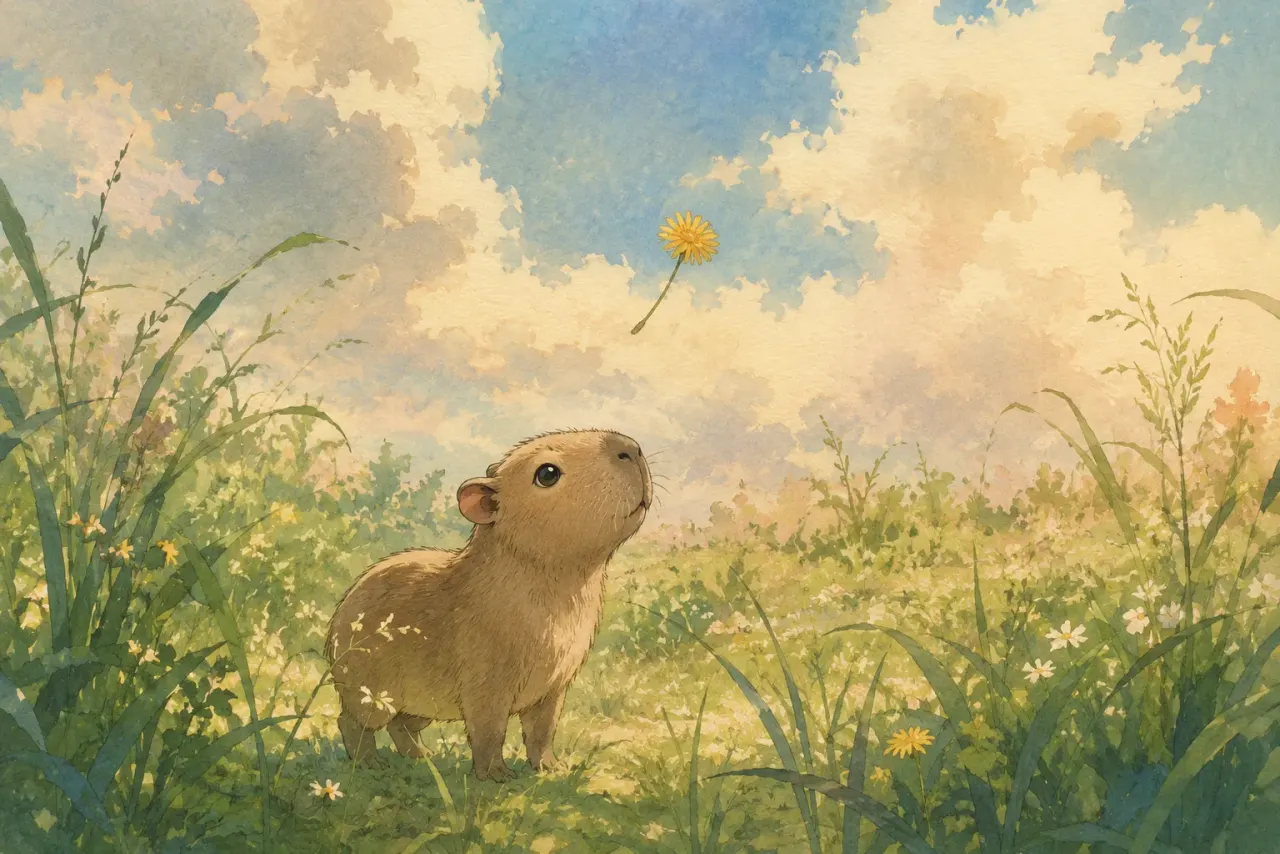
Capybara coloring pages should be relaxing. They should not require a child to ask why the guinea pig is standing in a pond with the emotional weight of a substitute teacher.
Most of the capybara line art floating around is not really capybara line art. It is a generic rodent with a pointed nose, a small tail, and none of the specific weirdness that makes the animal recognisable. Here is what separates the good ones.
The Six Shape Rules
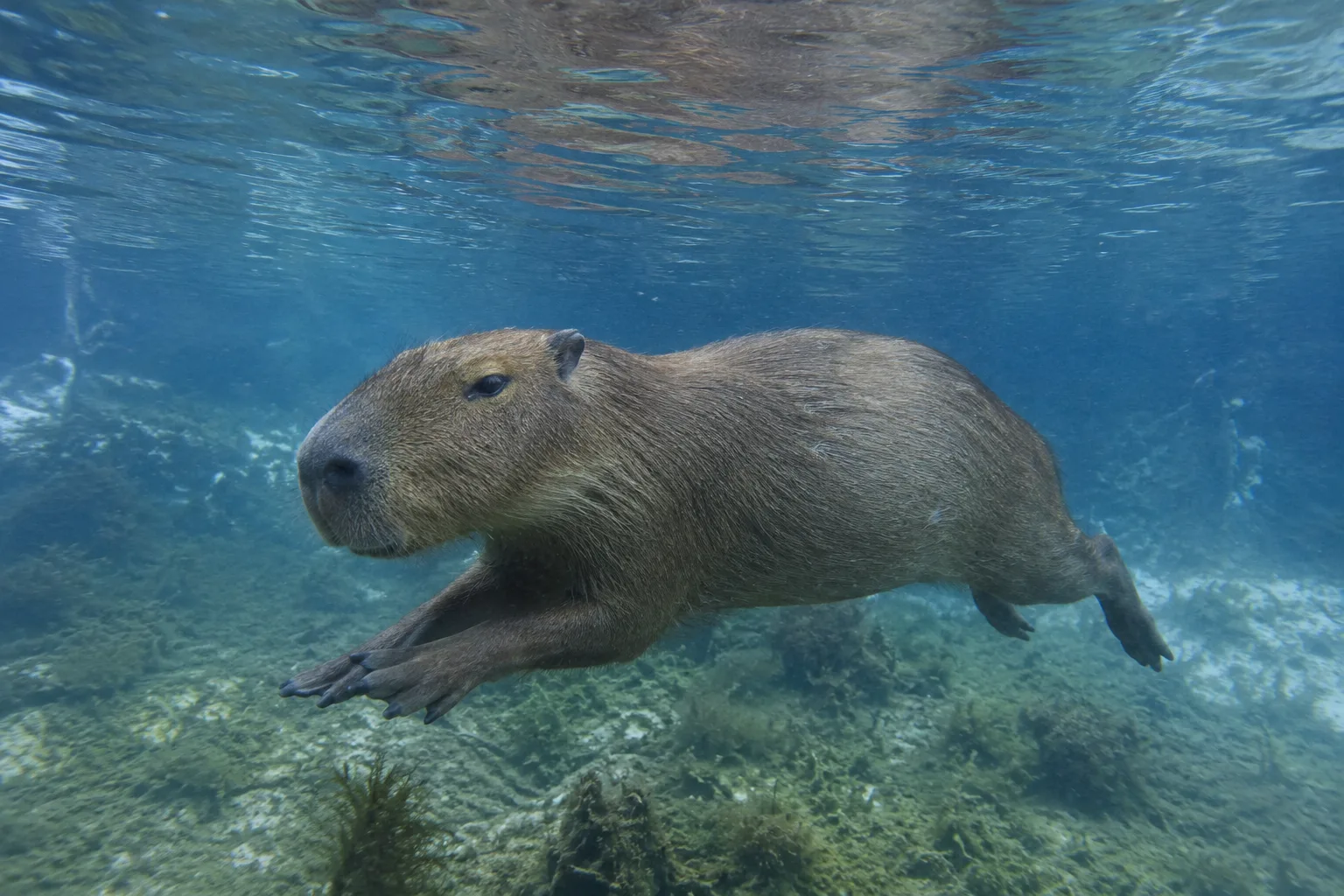
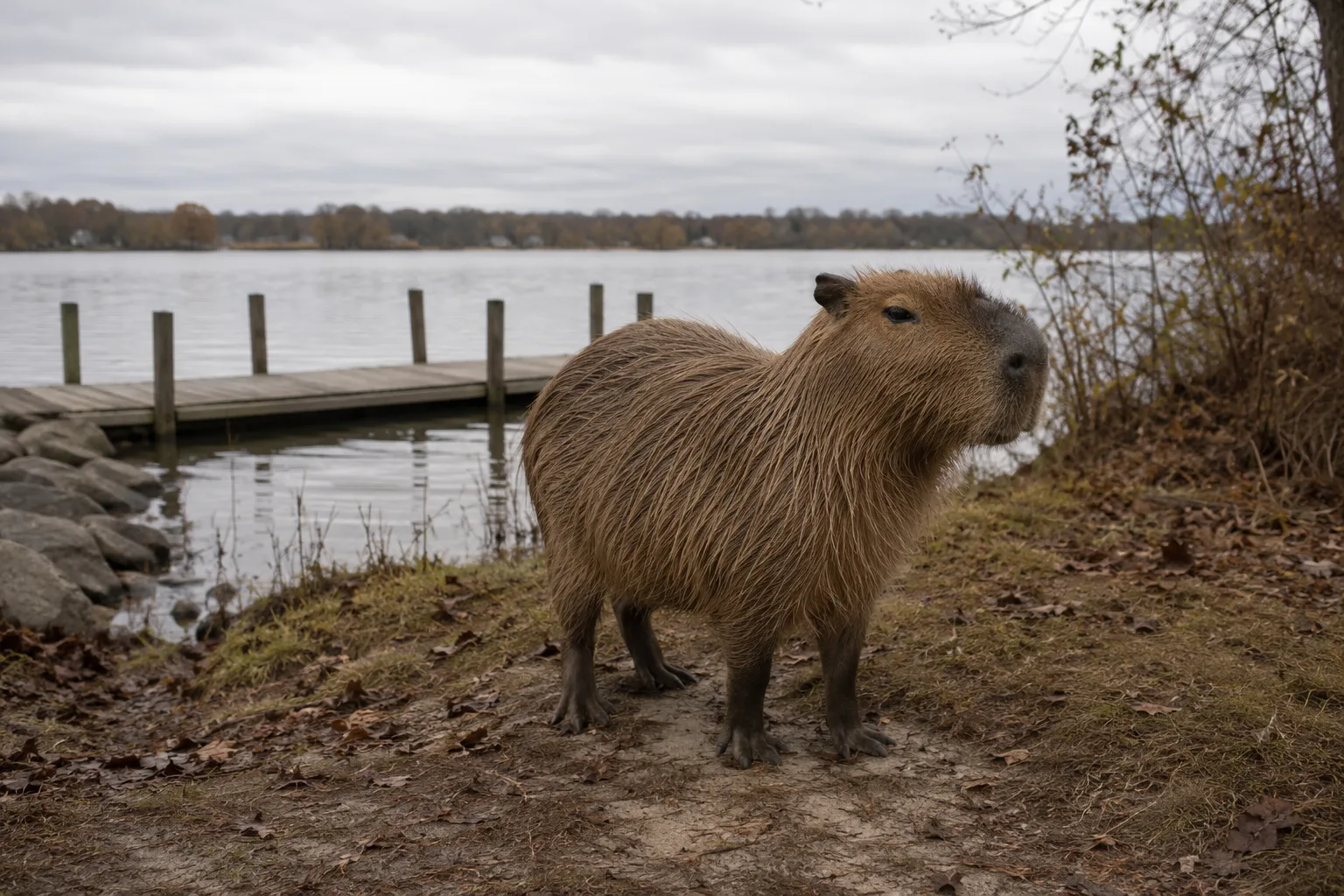
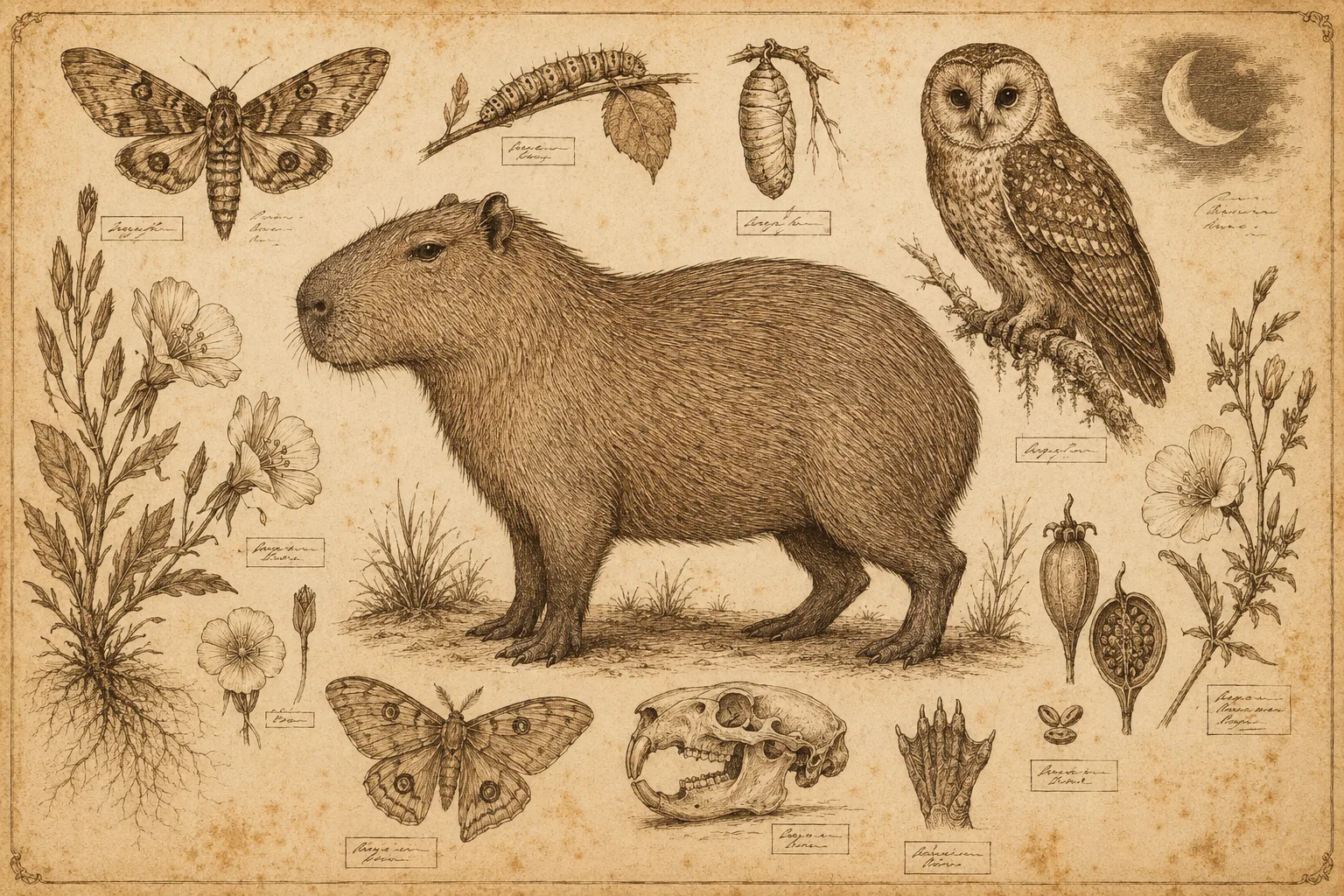
San Diego Zoo Wildlife Alliance describes capybaras as the world’s largest rodents, with barrel-like bodies, small ears, no tail, and slightly webbed feet. Those are the drawing clues.
| Feature | What it should look like | Why it matters |
|---|---|---|
| Nose | Big, blunt, almost squared off | Separates capybara from guinea pig |
| Ears | Small, rounded, set well back on the head | Keeps the face simple and correct |
| Body | Long heavy oval, deeper than you expect | Makes the animal feel capybara-sized |
| Legs | Short and sturdy, ending bluntly | Avoids the deer or dog silhouette |
| Tail | None | The single fastest tell |
| Setting | Water edge, grass, reeds | Shows the semi-aquatic life |
Lose the barrel body and the blunt head and the page becomes “generic brown mammal, emotionally damp.”
The Tail Is The Fastest Tell
If you only check one thing, check the tail.
Capybaras do not have a visible one. A great deal of capybara clip art has a small tail drawn on anyway, because it was traced from a guinea pig, a beaver, or somebody’s memory of a rodent. Once you notice it you cannot stop noticing it, and it is the most reliable single indicator that whoever drew the page never looked at the animal.
The second-fastest tell is the muzzle. A capybara’s face ends in a broad flat block, not a point. Pointed nose means the artist was thinking of a rat.
Themes That Actually Work
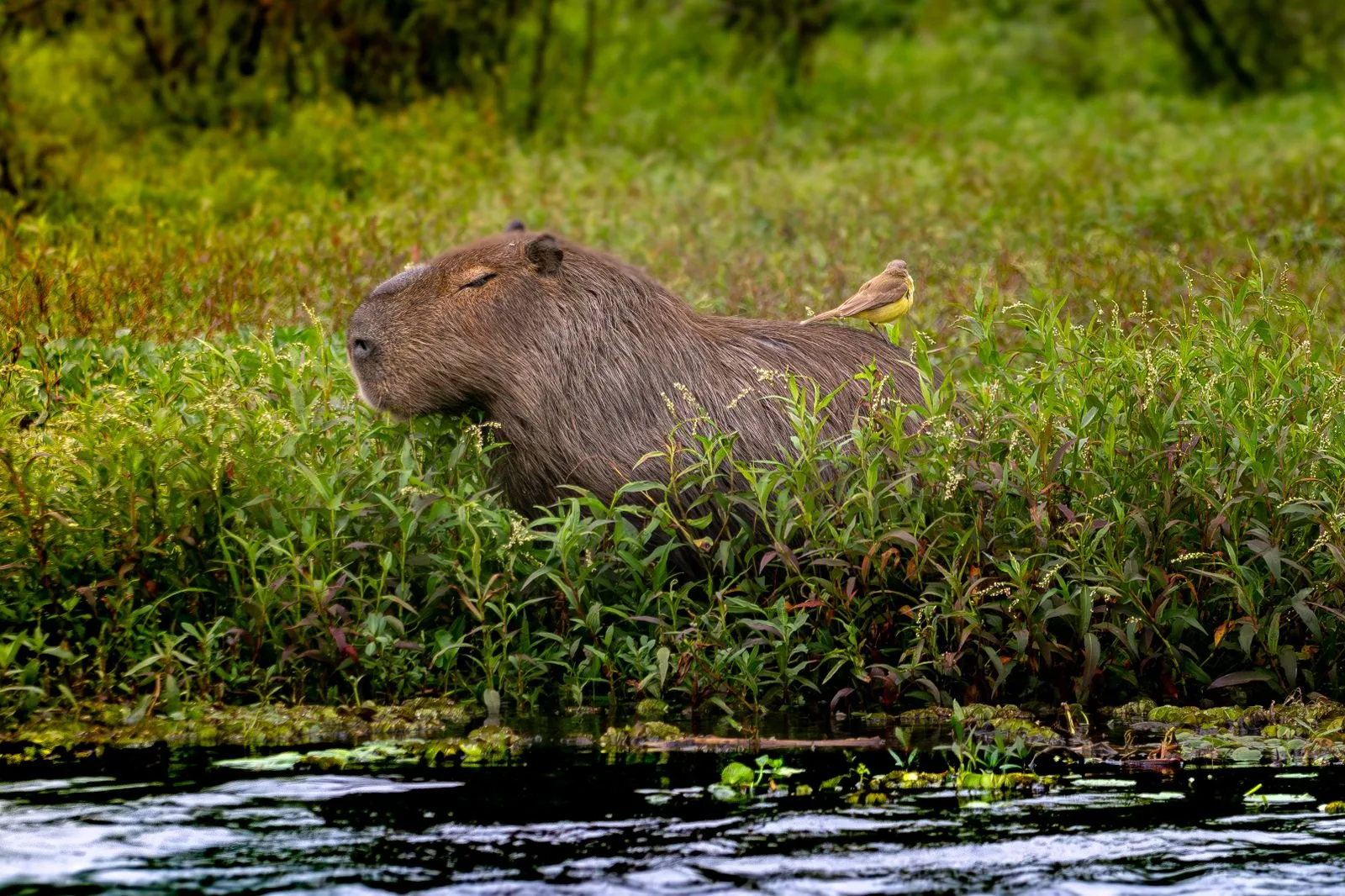
The easiest scenes are pond capybara, capybara with a bird on its back, baby capybara with a parent, yuzu bath, capybara nap, and capybara eating grass. Each gives a clear scene without demanding a dissertation.
The bird-on-the-back theme is worth seeking out. It is a real thing capybaras tolerate, it is funny before the crayons arrive, and it gives a small child a second, easier subject to finish when the big one gets tiring.
For older kids and adults, look for reeds, water ripples, leaves, and patterned towels — repetition is the part that makes colouring calming. For younger kids, the opposite: animal large, background nearly empty. Tiny reeds look charming until a five-year-old turns them into a green storm.
Match The Page To The Coloring Human
| Who is colouring | What to look for | What to avoid |
|---|---|---|
| Ages 3–5 | One large animal, thick outlines, almost no background | Anything with small repeated detail |
| Ages 6–10 | A scene with two or three elements, some texture | Full-page pattern work |
| Teens and adults | Ripples, reeds, repeated marks, a calm composition | Cartoon proportions |
| A whole classroom | One simple scene everyone can finish | Pages where a slow colourist gets stranded |
How To Print One Without Ruining The Lines
The most common way a good printable goes wrong is the print dialog, not the file.
- Choose Actual size or 100%, not “shrink to fit.” Fit-to-page adds a random margin and thins the outlines.
- Print in black and white or greyscale. Colour mode can render black lines slightly grey.
- Plain copy paper is fine for crayon and pencil. Use thicker stock for markers, because markers bleed through and then you have a second, worse coloring page on the table underneath.
- If the lines look thin on screen they will look thinner on paper. Pick a page with confident, heavy outlines.
Using One In A Classroom
Add a small fact box next to the page: “Capybaras are semi-aquatic rodents from South America.” Animal Diversity Web supports the South America range, and San Diego Zoo covers the water-edge lifestyle. A colouring page that teaches one fact has already done more than most worksheets with clip art and ambition.
If you are putting pages on a class website or newsletter, describe them properly rather than naming the file “cute wallpaper 7.” Harvard’s guidance on describing content images is the short version: say what the image shows and why it is there. “Capybara at a pond edge with a bird on its back, colouring page” helps a screen-reader user, a search engine, and the parent scanning for the right printable.
Print The Calm And Keep Going
Recognisable, roomy, gently weird. Water or grass. Blunt face, small ears, loaf-shaped body, no tail.
If someone colours it orange and calls it Greg, that is between them and the page.