
Kids can absolutely love capybaras at the zoo. They just need a plan that does not involve yelling “BIG GUINEA PIG” into a fence while a 100-pound rodent reconsiders public life.
Give kids this rule set: quiet voices, slow bodies, no feeding, no reaching, no tapping, and no chasing for photos. The capybara is not ignoring them. It is being an animal.
The Parent Script Before You Arrive
Try this before the exhibit, not after the small person is already vibrating at capybara frequency:
“We are going to watch first. We will not feed, touch, tap, or reach. If the capybara is resting, we let it rest. If a keeper gives us a rule, that rule wins.”
That is it. Short, boring, effective. Children do better with the rule before the emotional event. Adults also do better, though many pretend otherwise.
The Capybara Manners That Matter
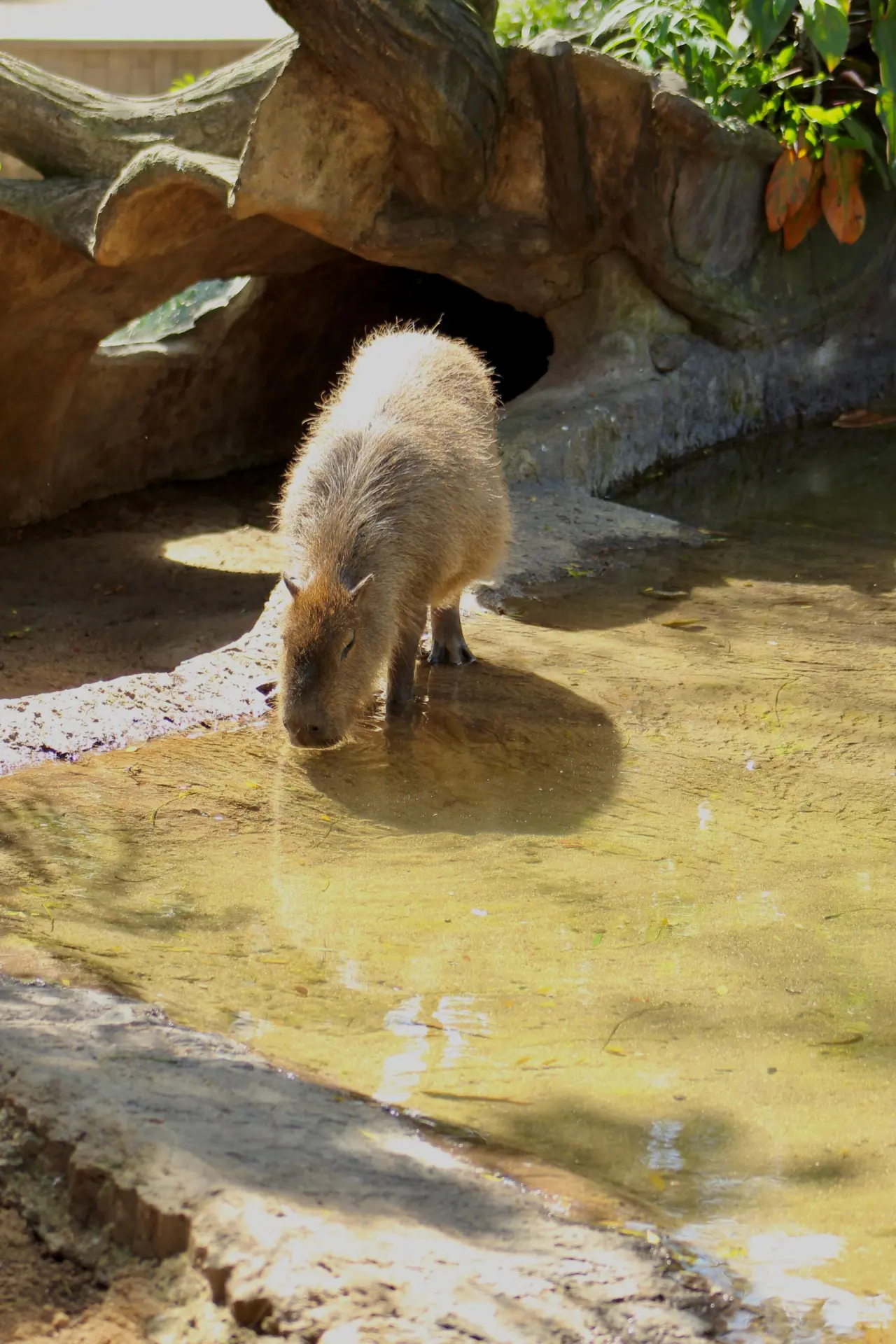
San Diego Zoo Wildlife Alliance describes capybaras as social, vocal, semi-aquatic animals that use water and group warnings for safety. That is a lot of real animal inside one very memeable shape.
| Kid impulse | Better zoo rule | Why it matters |
|---|---|---|
| Tap glass or fences | Hands off barriers | Noise and vibration can stress animals |
| Offer snacks | No feeding unless staff says yes | Diets are planned |
| Lean through rails | Stay behind barriers | Teeth, safety, and rules exist |
| Shout for a photo | Quiet voices | Calm animals show more natural behavior |
| Chase along an exhibit | Walk slowly | Running can pressure animals |
AZA accreditation centers animal welfare and staff training, which is the adult way of saying “the sign is not a suggestion written by a bored rectangle.”
A Few Facts That Make Kids Behave Better
Children regulate themselves better when they understand the animal instead of just being told no. A short reality check does more work than a long lecture, so here is the version worth memorizing.
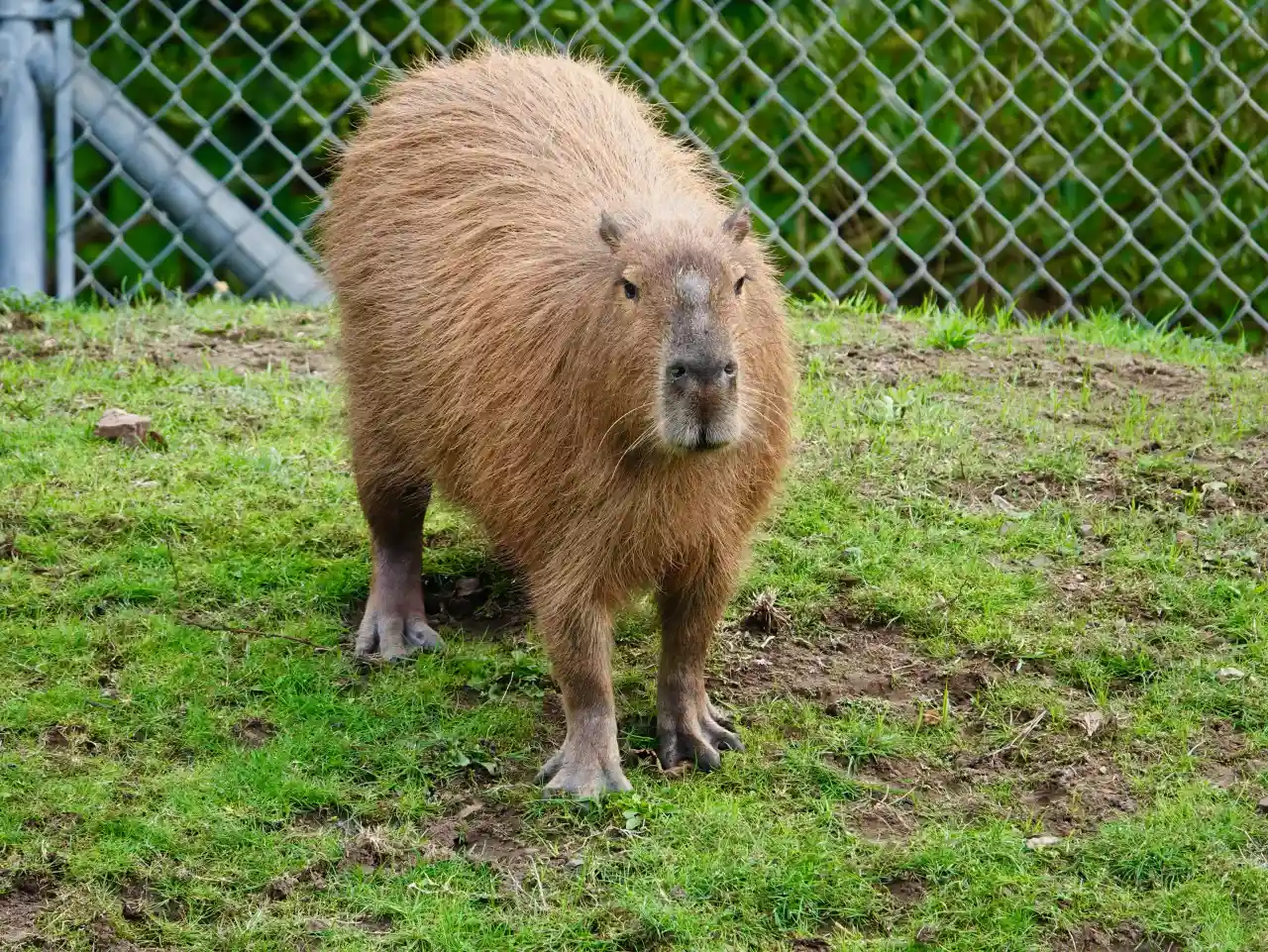
The capybara is the world’s largest rodent. Adults run roughly 35 to 66 kilograms, which is somewhere between a medium dog and a small adult human. Animal Diversity Web lists them as native to South America, semi-aquatic, and built for grazing on grasses and aquatic plants. They are herd animals by nature, so a healthy exhibit usually shows more than one, and a single capybara off on its own is not snubbing your child.
Two facts tend to delight kids more than any photo. First, capybara teeth never stop growing, which is why you may see them chewing on tough plants or wood to keep the length in check. Second, like guinea pigs, they cannot make their own vitamin C, so their zoo diet is planned around it. That alone explains why your granola bar is not a gift. It is a small dietary problem wearing a wrapper.
There is also the part nobody mentions on the cute videos. Capybaras are hindgut fermenters and re-ingest some of their own soft morning droppings to pull more nutrition from their food. It sounds gross. It is also completely normal and, honestly, a great way to redirect a kid who is about to scream. Curiosity is quieter than excitement.
Matching The Rule To The Age
The same rule set lands differently depending on who is holding your hand. A toddler is not going to negotiate the finer points of welfare science, and a ten-year-old will smell a lecture from across the carousel.
| Age | What usually goes wrong | What works instead |
|---|---|---|
| Toddler | Reaches, taps, melts down fast | One rule, “hands stay with me,” and a short visit |
| Early grade school | Wants to feed and touch everything | A job: count the capybaras, spot the water |
| Older child | Performs for photos and noise | Real questions about behavior and habitat |
My honest opinion, after watching a lot of families lose this fight at the rail: the under-five visit should be short by design. Fifteen good minutes beats forty-five minutes of escalating bargaining. You are not failing the day by leaving early. You are reading the room before the room reads you.
What Keepers Quietly Wish You Knew
Most of what frustrates staff is not malice. It is excitement with no off switch. A few things make their day easier, and they make your visit better too.
- Read the sign before asking the keeper a question the sign already answers.
- Keep food and drinks away from the barrier, even sealed ones, because the smell still carries.
- Do not lift a child over a rail for a better angle. The angle is not worth the risk.
- If staff close an area or move an animal, treat it as final, not as a starting offer.
The point of all this is not to make a zoo visit feel like a test. It is to teach a child that respect and excitement can share the same body at the same time.
Better Questions For Curious Kids
Replace “Can I touch it?” with better questions:
- Why are its eyes and ears so high?
- Where is the water?
- Is it resting, eating, or watching?
- How many capybaras are together?
- What would help it feel safe?
Those questions turn excitement into observation. They also make the child sound like a tiny field biologist instead of a snack-powered siren.

What To Do When Excitement Gets Loud
Move away before a staff member has to do the polite zoo voice. Take a water break. Look at a map. Find a bench. Return later if everyone can reset.
This is not punishment. It is visitor management with juice boxes. Capybaras should not have to absorb a meltdown because the adults wanted one more picture.
The CDC also recommends handwashing after animal contact, especially for children, when encounters are allowed. If a venue includes touching or feeding, hygiene is part of the outing, not an optional boss level.
Keep The Love Small Enough To Be Kind
The best capybara zoo visit teaches kids that loving animals does not mean owning, grabbing, feeding, or performing at them. It means watching closely and letting the animal stay an animal.
That is a surprisingly mature lesson from a creature shaped like a damp ottoman.