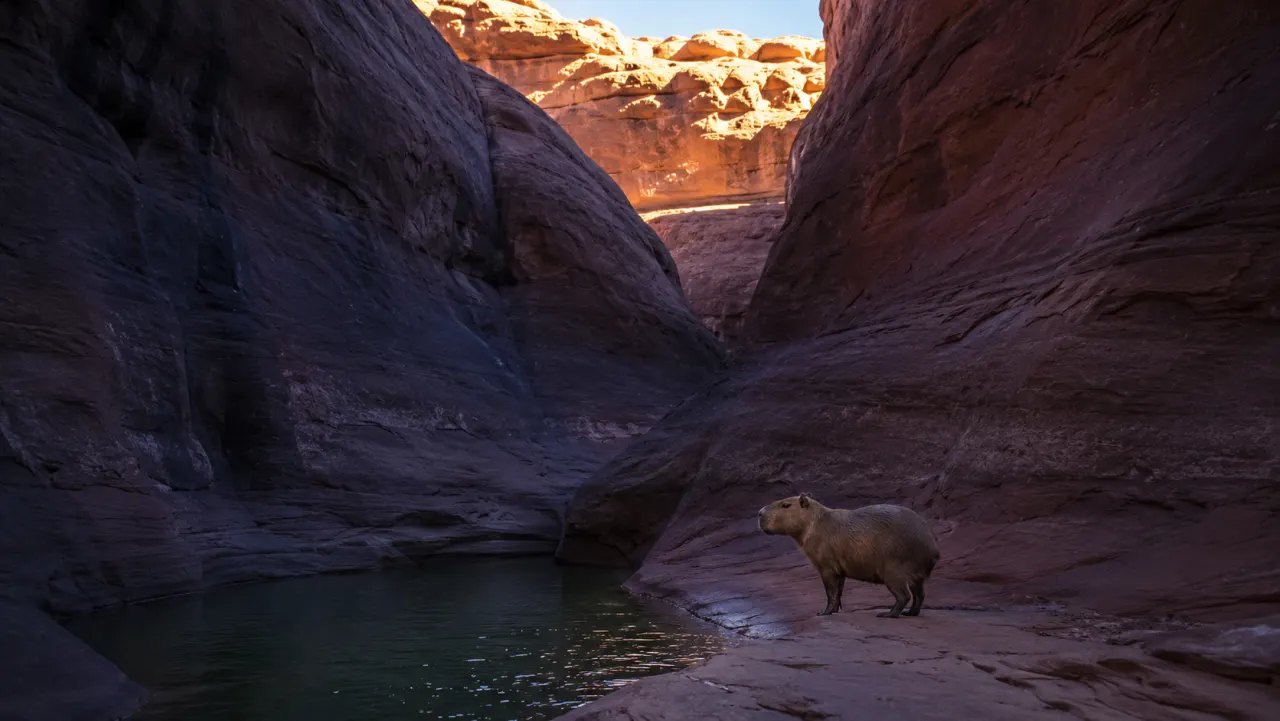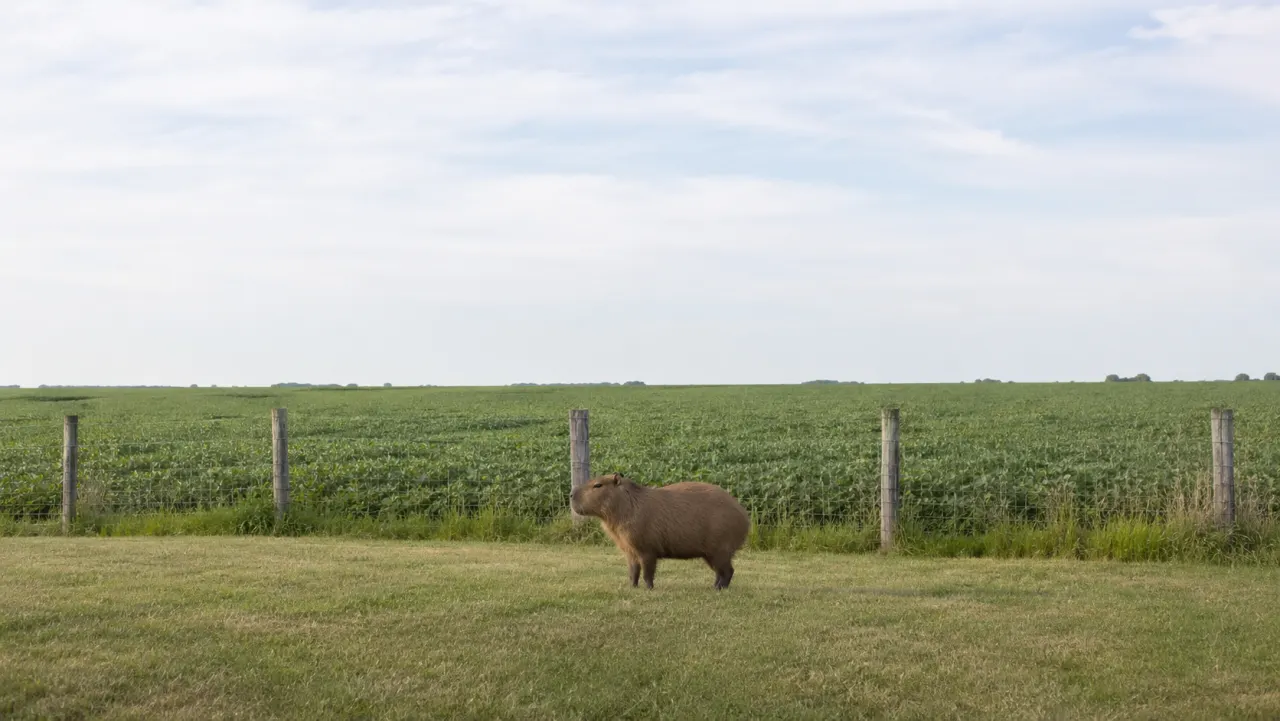
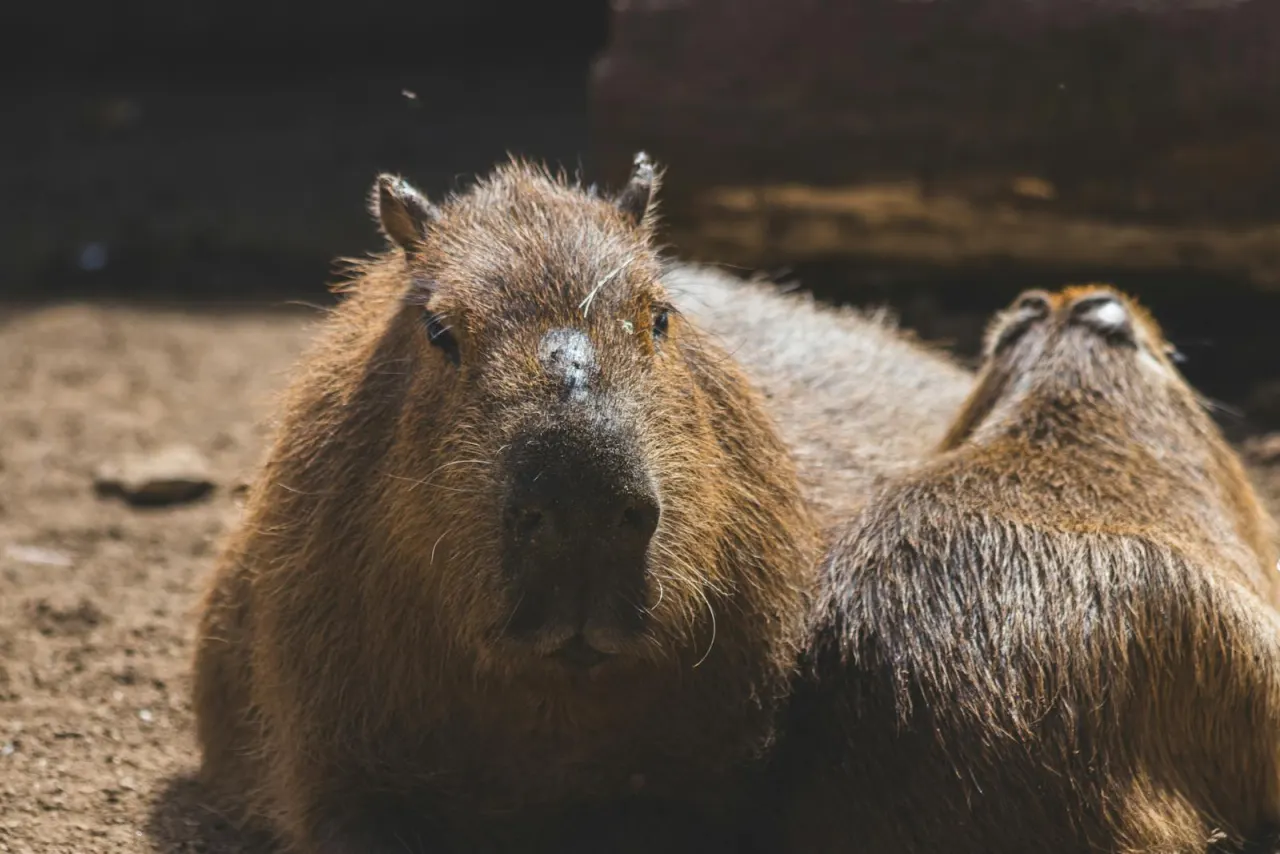
The best way to photograph capybaras is to act like you are not the main character at the exhibit. Use distance. Move quietly. Wait. Do not tap, call, feed, chase, block, or bargain with a rodent for eye contact.
Respectful capybara photography is patient photography. Shoot natural behavior: grazing, resting, swimming, social contact, and watchful pauses. If the animal walks away, lowers into water, turns its back, freezes, or retreats behind its group, the photo session has ended. The capybara sent the memo with its body.
The First Rule Is Stop Trying So Hard
Capybaras are semi-aquatic prey animals. San Diego Zoo describes how they use water, group warnings, and vocalizations as part of daily life. That means the photo you want exists inside a welfare context, not outside it.
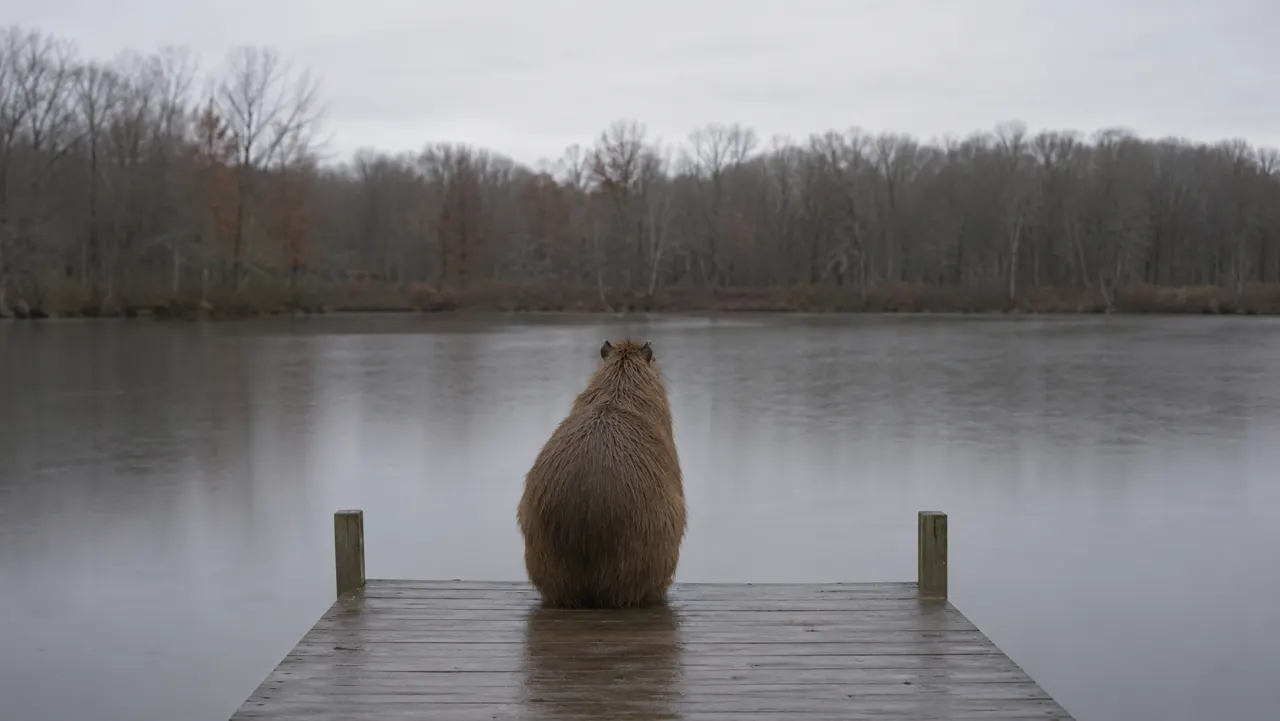
The annoying truth is that better photos often come from doing less. Stand still. Let the animal behave. Watch the light. Wait for the head turn. Accept that sometimes the perfect capybara image is the back of a damp loaf disappearing into reeds.
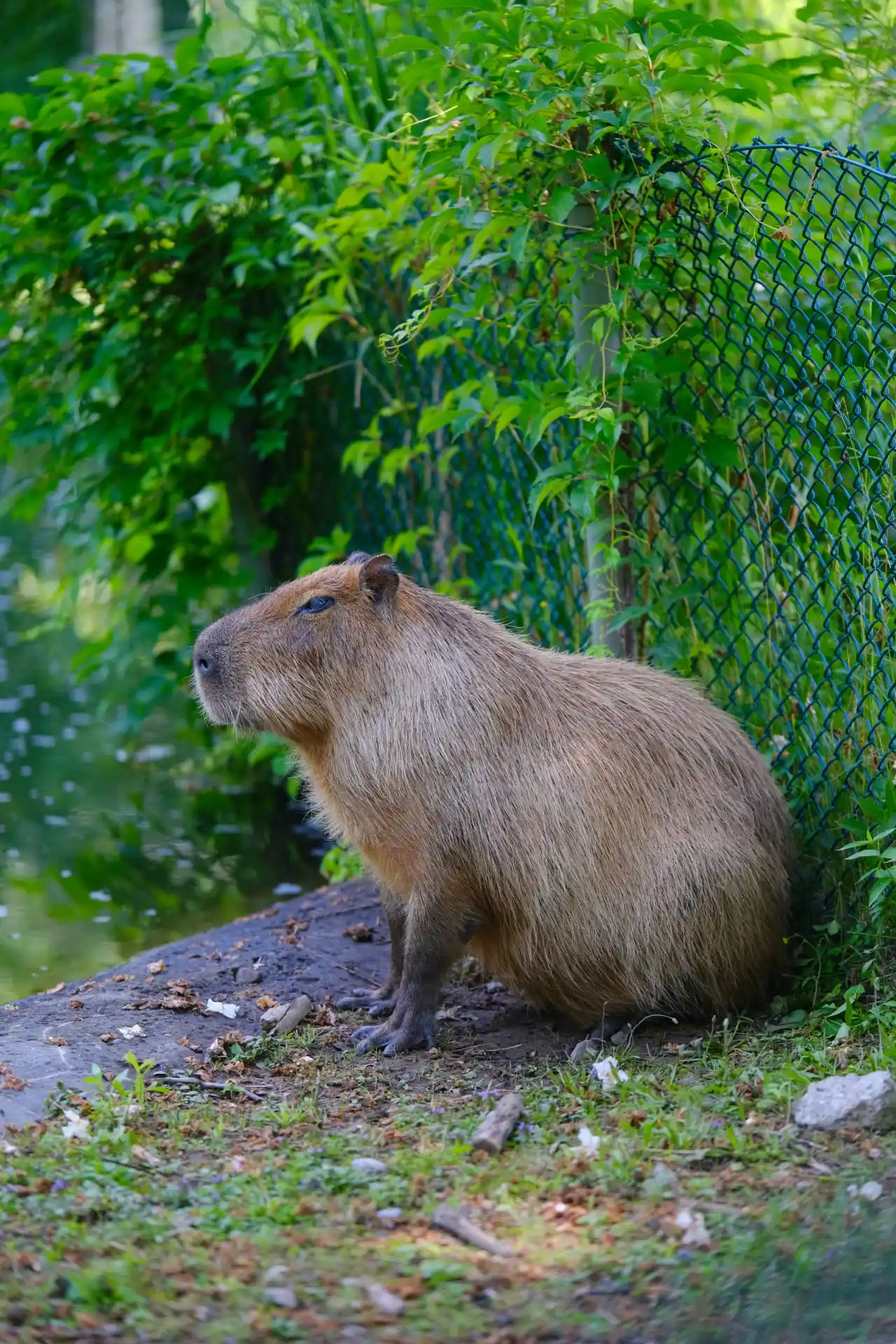
When Capybaras Are Easier To Photograph
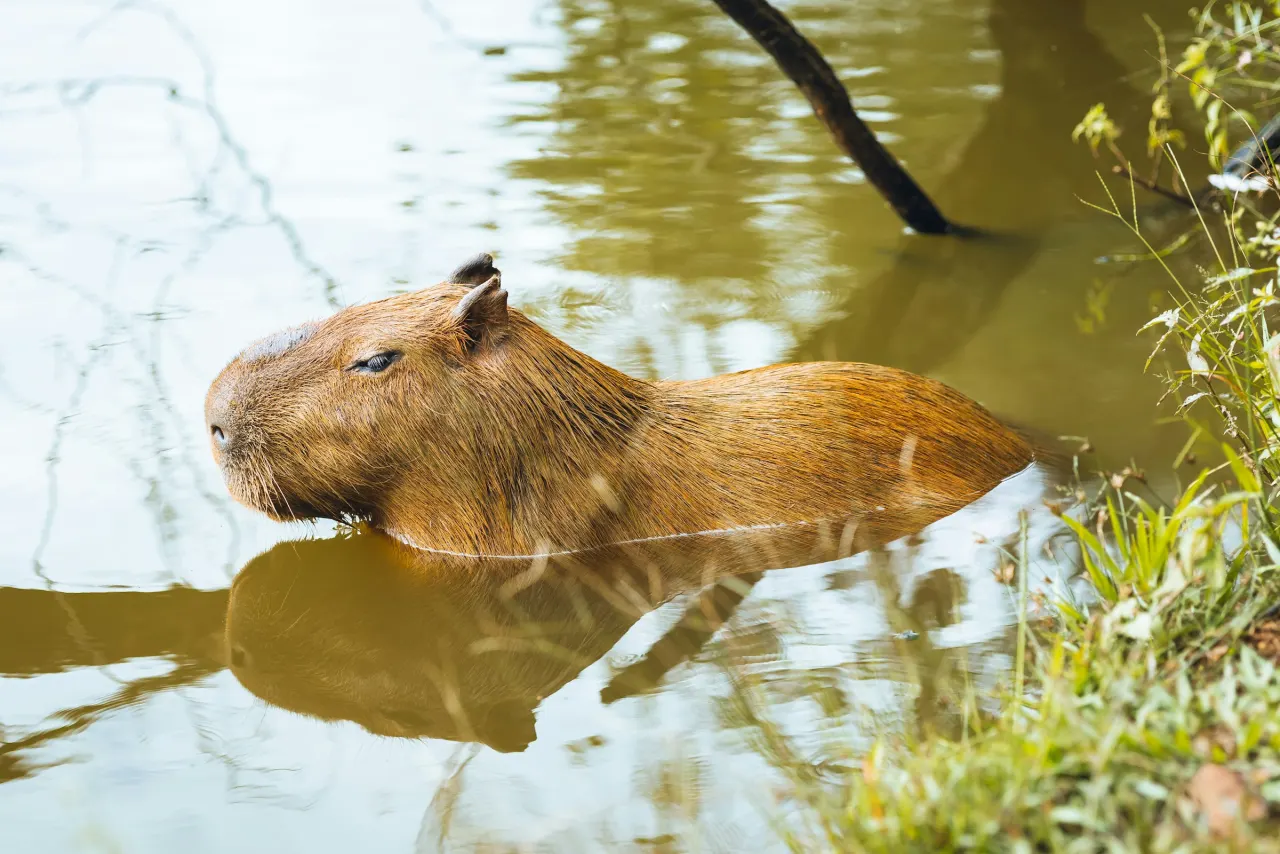
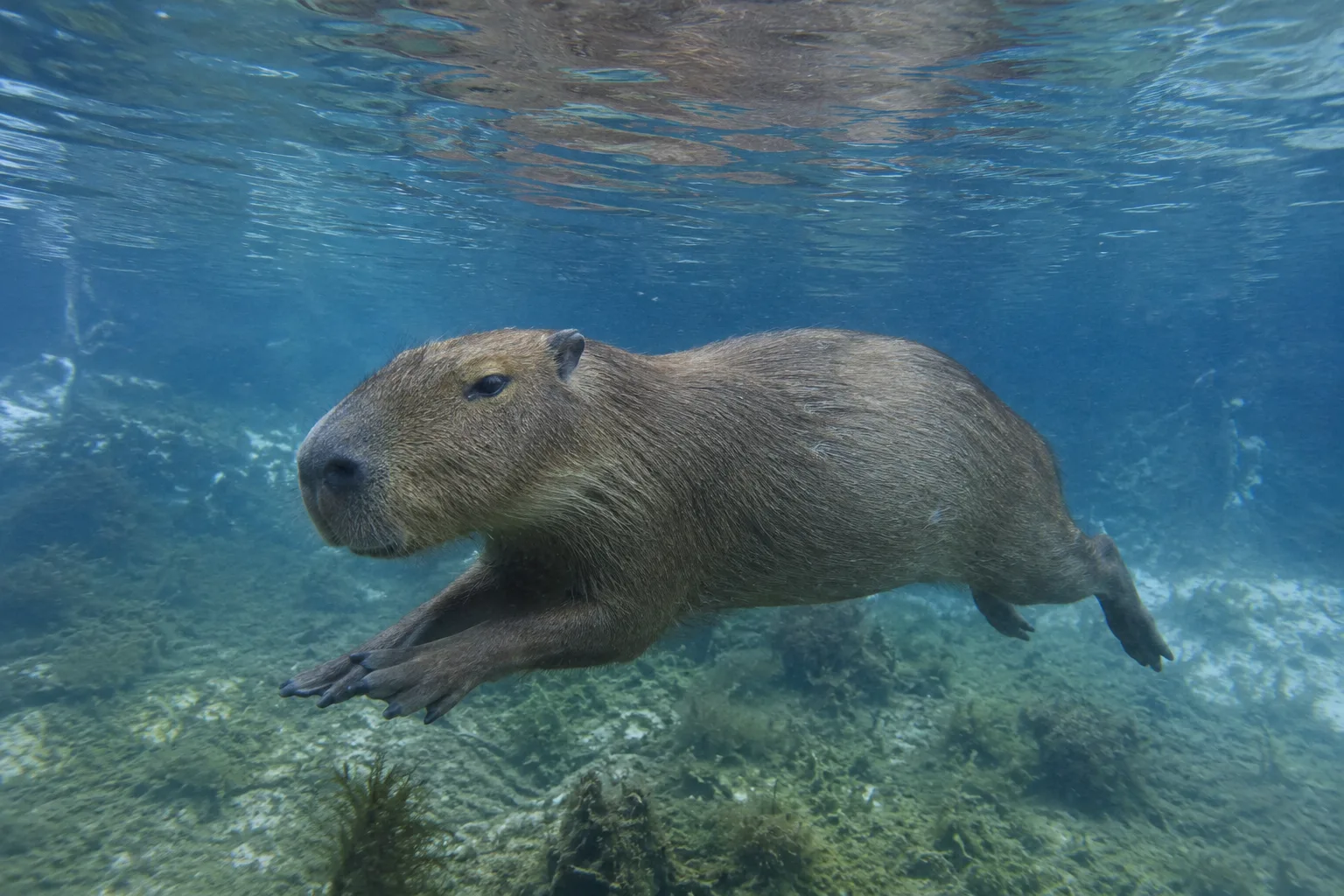
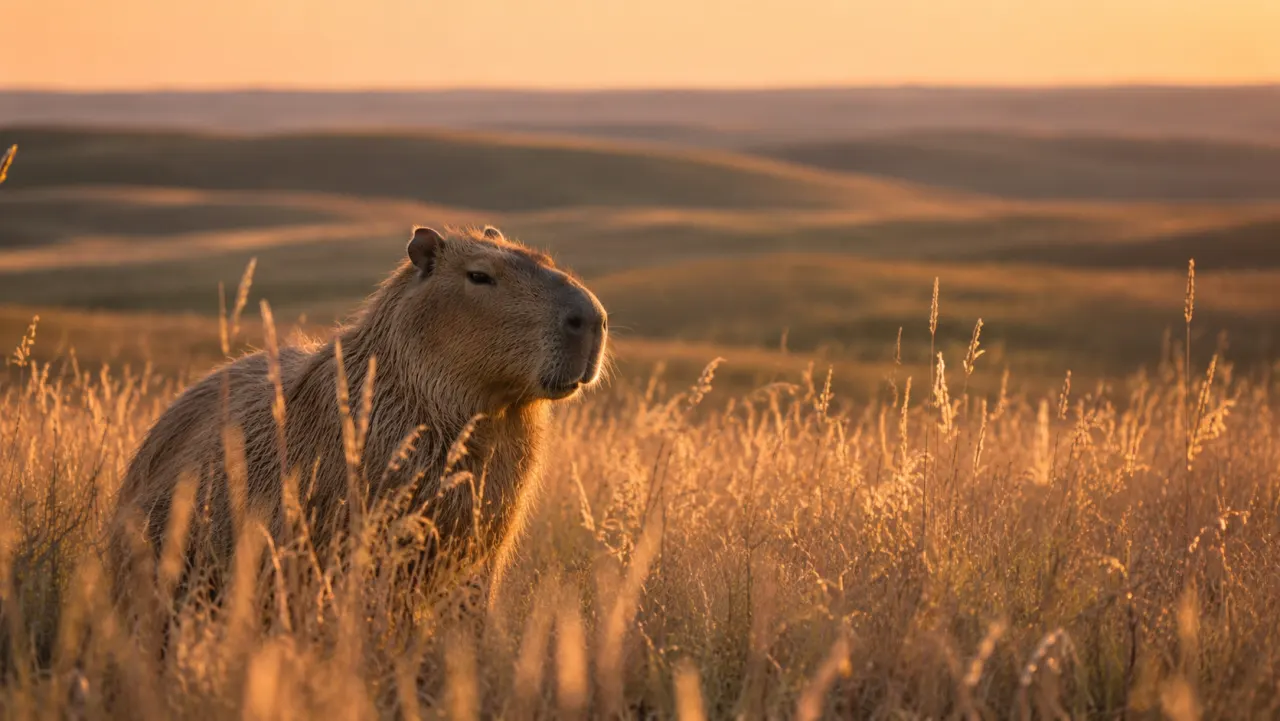
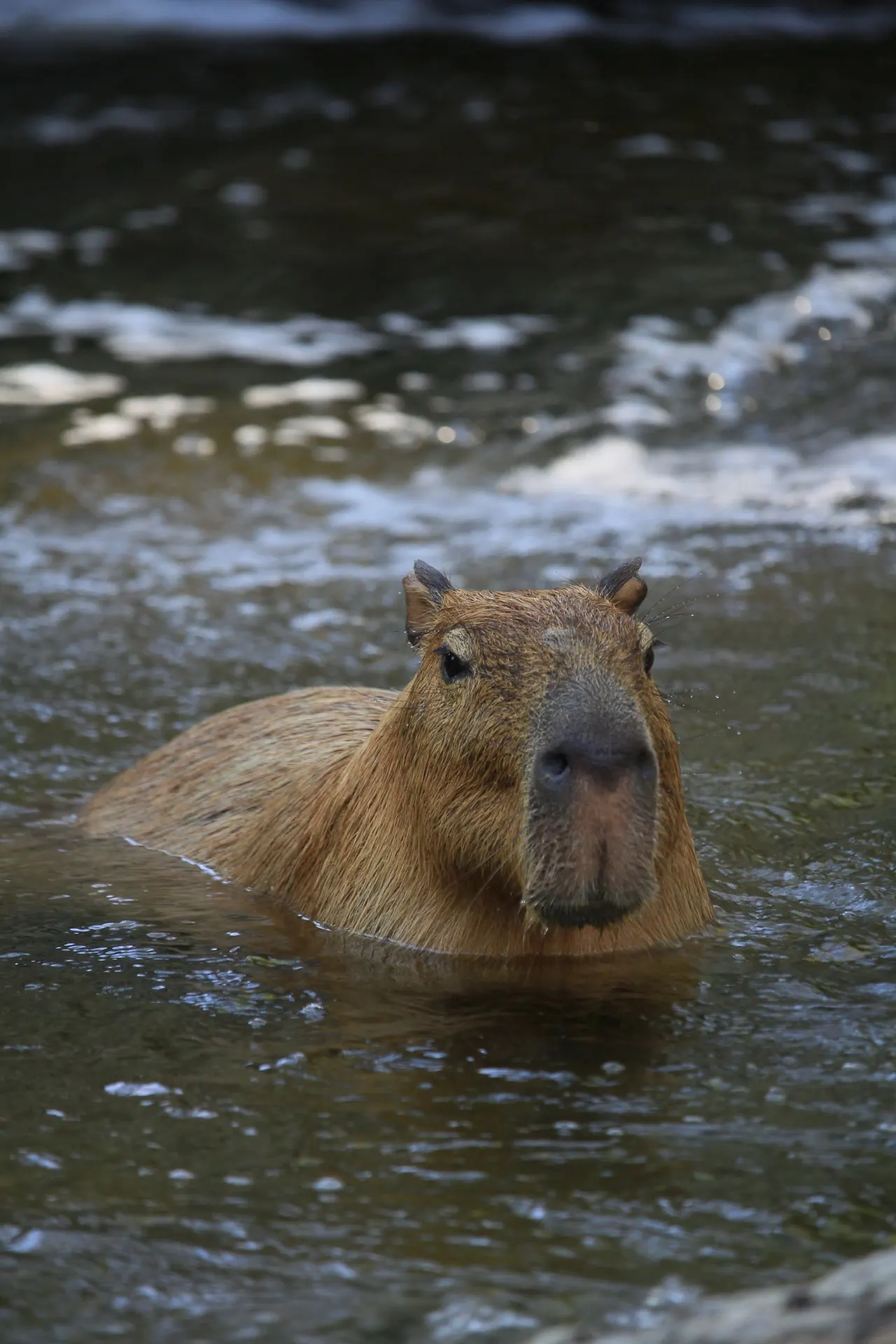
Morning can be better than a hot afternoon. Cooler weather can mean more movement. Keeper talks or feeding windows may offer activity, if the zoo schedules them. Water time is often visually strong because the capybara’s head, eyes, and ears line up in a way that makes the whole animal look like a very calm periscope.
| Moment | Photo payoff | Ethical note |
|---|---|---|
| Morning grazing | Natural behavior and softer light | Stay quiet and outside barriers |
| Pool time | Strong capybara identity | Do not crowd the water edge |
| Keeper talk | Context and activity | Follow staff directions |
| Resting group | Social behavior | Let rest be rest |
Compose The Habitat, Not Just The Face
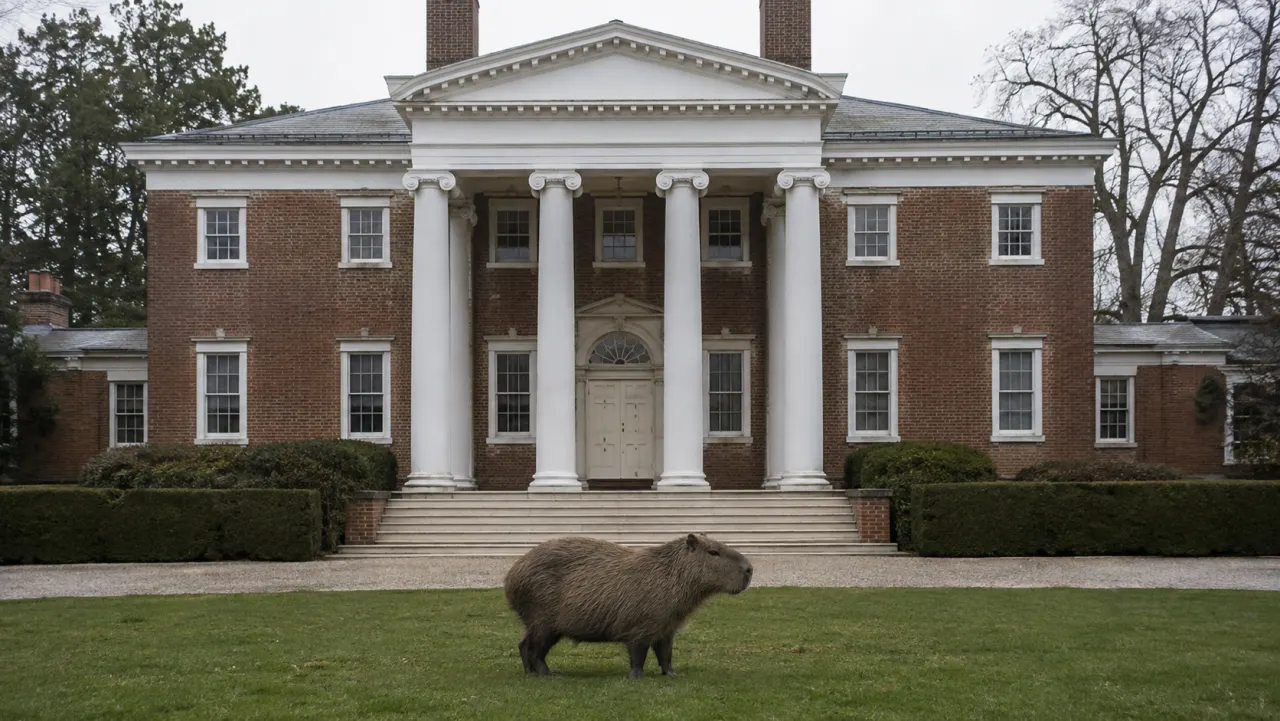
A tight portrait can be great, but habitat makes the photo more honest. Include water, grass, shade, group members, rocks, or fence lines when they explain how the animal lives. A capybara with no context can become a floating meme head. Funny, yes. Informative, no.
Google’s image guidance rewards descriptive context, and accessibility guidance points the same way: say what the image shows. That means your caption and alt text should not just say “cute capybara.” Try “capybara resting beside a shallow zoo pond” or “capybara grazing near water.”
Things Not To Do For A Capybara Photo
Do not tap glass. Do not whistle. Do not throw food. Do not reach through fences. Do not ask a child to run ahead and “make it look.” Do not block other visitors while you wait for the animal to validate your camera roll.
At encounters, do not force touch or selfies. AZA ambassador-animal resources emphasize care, management, messaging, and visitor interaction guidelines. Translation for the rest of us: if contact is allowed, it should be staff-led and animal-aware.
Read The Animal Before You Read The Light
Most photo advice obsesses over gear and golden hour. The thing that actually decides your photo is the capybara’s mood, and the capybara will tell you its mood if you bother to look.
A relaxed capybara grazes with a loose body, ears flicking, eyes half-shut, sometimes flopped on its side like a deflated ottoman. That is your window. A stressed one is the opposite: head up and rigid, eyes wide, body pointed away from you, edging toward water or toward its group. Capybaras are herd animals, and the herd is the safety system. Animal Diversity Web notes they live in social groups and use alarm calls, so a capybara drifting toward its companions is not posing, it is leaving.
Here is the part people skip. A capybara turning its back is not shy, it is finished. The honest move is to lower the camera and let it be. You will get more keepers over a year by reading these signals than by any lens you could buy.
Capybara Facts That Make Better Photos
Knowing the animal makes your framing sharper. A few established facts worth carrying in your head:
| Capybara fact | Why it changes your photo |
|---|---|
| World’s largest rodent, roughly 35 to 66 kg | Wide framing shows real scale better than a cropped face |
| Semi-aquatic with semi-webbed feet | Water shots read as true behavior, not a gimmick |
| Native to South America, grazers of grasses and aquatic plants | Greenery and waterline give honest context |
| Highly social herd animals | Group shots tell more than an isolated portrait |
| Teeth grow continuously (hypsodont) | A grazing capybara is normal, not a rare “action” moment |
San Diego Zoo Wildlife Alliance and Animal Diversity Web both describe the capybara as a water-tied, group-living grazer. That single sentence is most of your composition brief. Put water, grass, and at least one neighbor in the frame and the picture stops being a meme head and starts being a real record of an animal.
Quick Misconceptions, Quietly Corrected
A lot of bad capybara photos start with a bad belief. The corrections are short.
| Myth | Better answer |
|---|---|
| A noise makes the capybara look at me | A noise makes the capybara leave, and makes staff dislike you |
| Closer is always a better photo | Distance plus a longer lens beats a stressed animal every time |
| A boring resting capybara is a wasted shot | A resting herd is the photo, calm behavior is the subject |
| Selfies prove I got close | A staff-led, animal-chosen distance is the only ethical version |
| Editing out the fence makes it “wild” | The barrier is part of an honest captive-animal record |
The selfie one is where I’ll plant a flag. The forced encounter selfie is the weakest capybara photo there is. It says nothing about the capybara and everything about the person holding the phone, and it usually required pushing the animal somewhere it did not want to go. A patient shot of a capybara doing capybara things will outlast it every time.
A Gentle Word On Gear
You do not need a wildlife rig. A phone is fine if you let the distance stay long and crop later instead of walking forward. A longer lens or a zoom helps mostly because it lets you keep your body still and far back, which is the whole point. Burst mode covers the head turn. Turn the flash off, always, near any animal.
Light still matters, just less than patience. Soft morning light flatters a damp coat. Backlight on water can be lovely if you expose for the animal and let the background blow out a little. None of this rescues a photo where the capybara is already trying to leave.
The Best Shot Is The Quiet One
Good capybara photography is quiet, patient, and a little humble. It lets the animal be boring, beautiful, weird, wet, social, and occasionally perfect on its own schedule.
If you need to harass the capybara to get the shot, the shot is bad. Even if it is in focus.