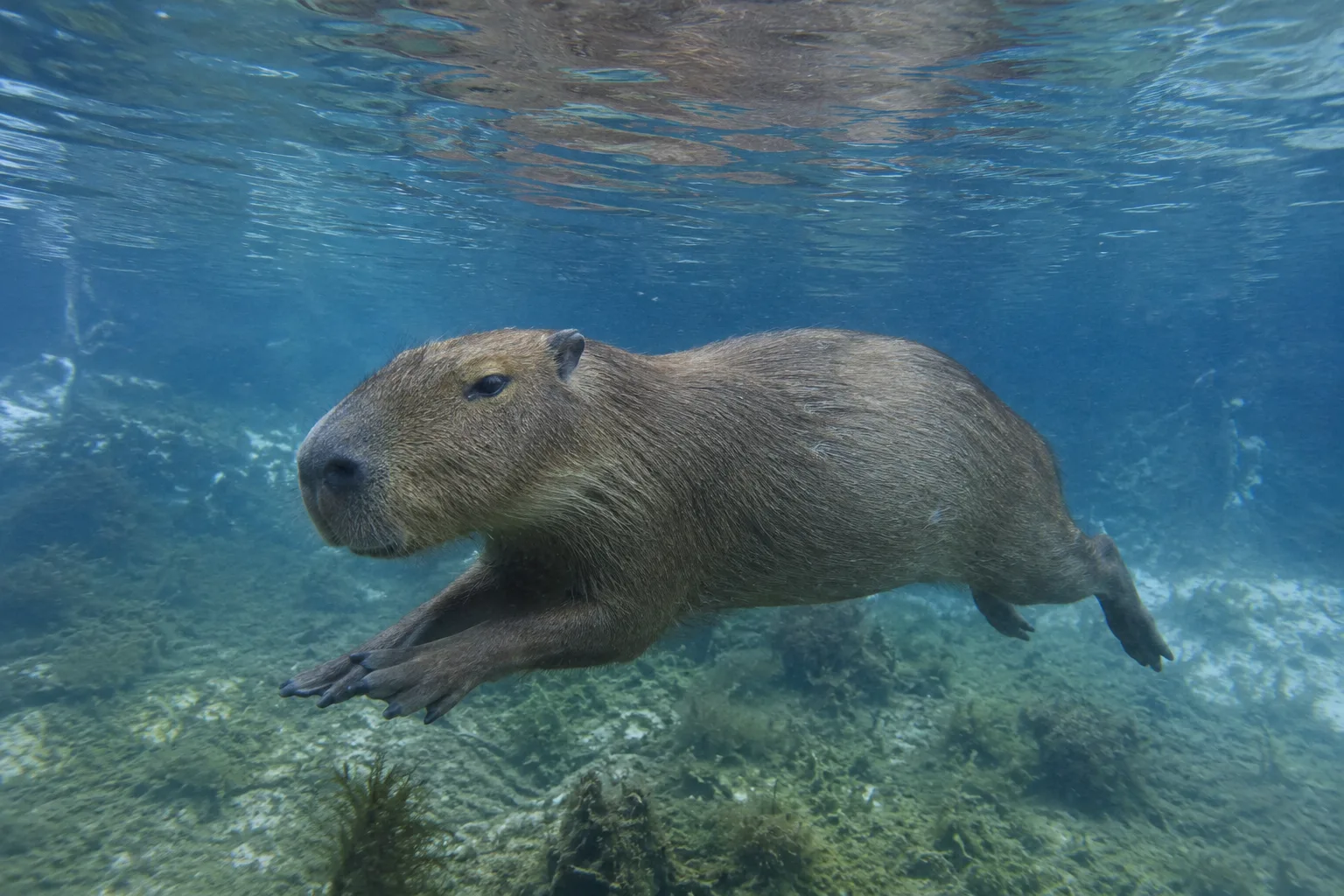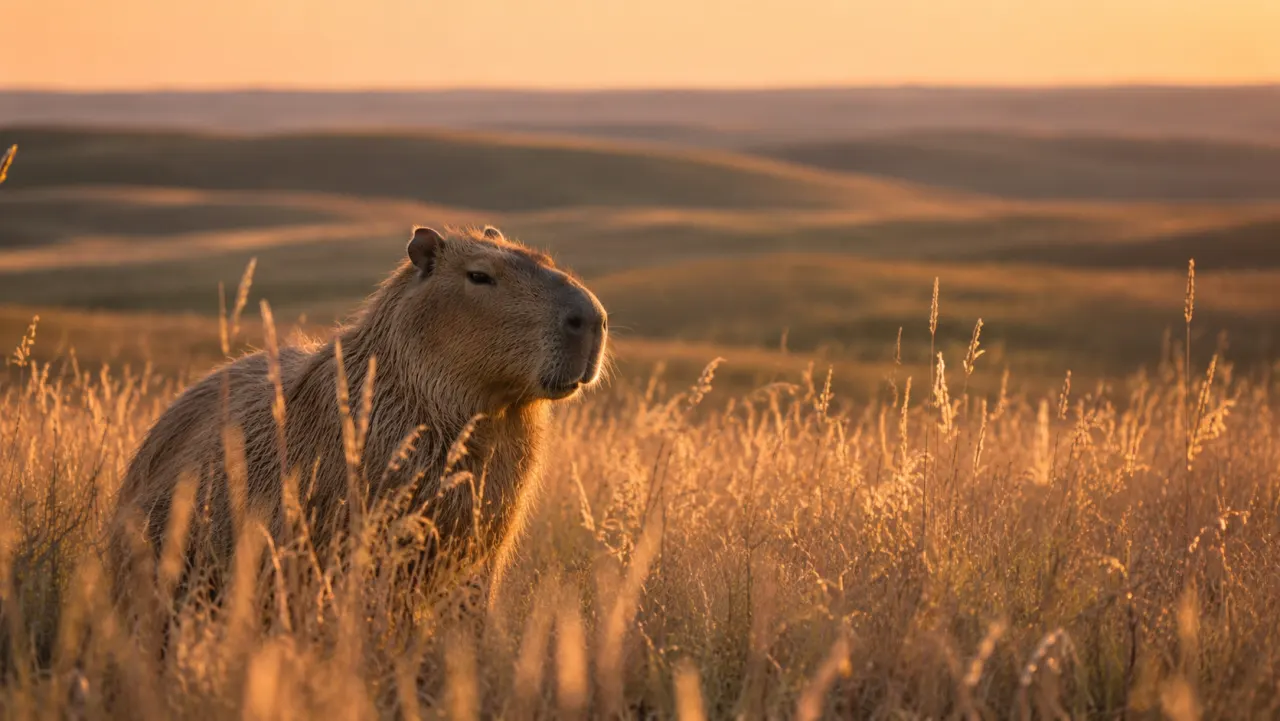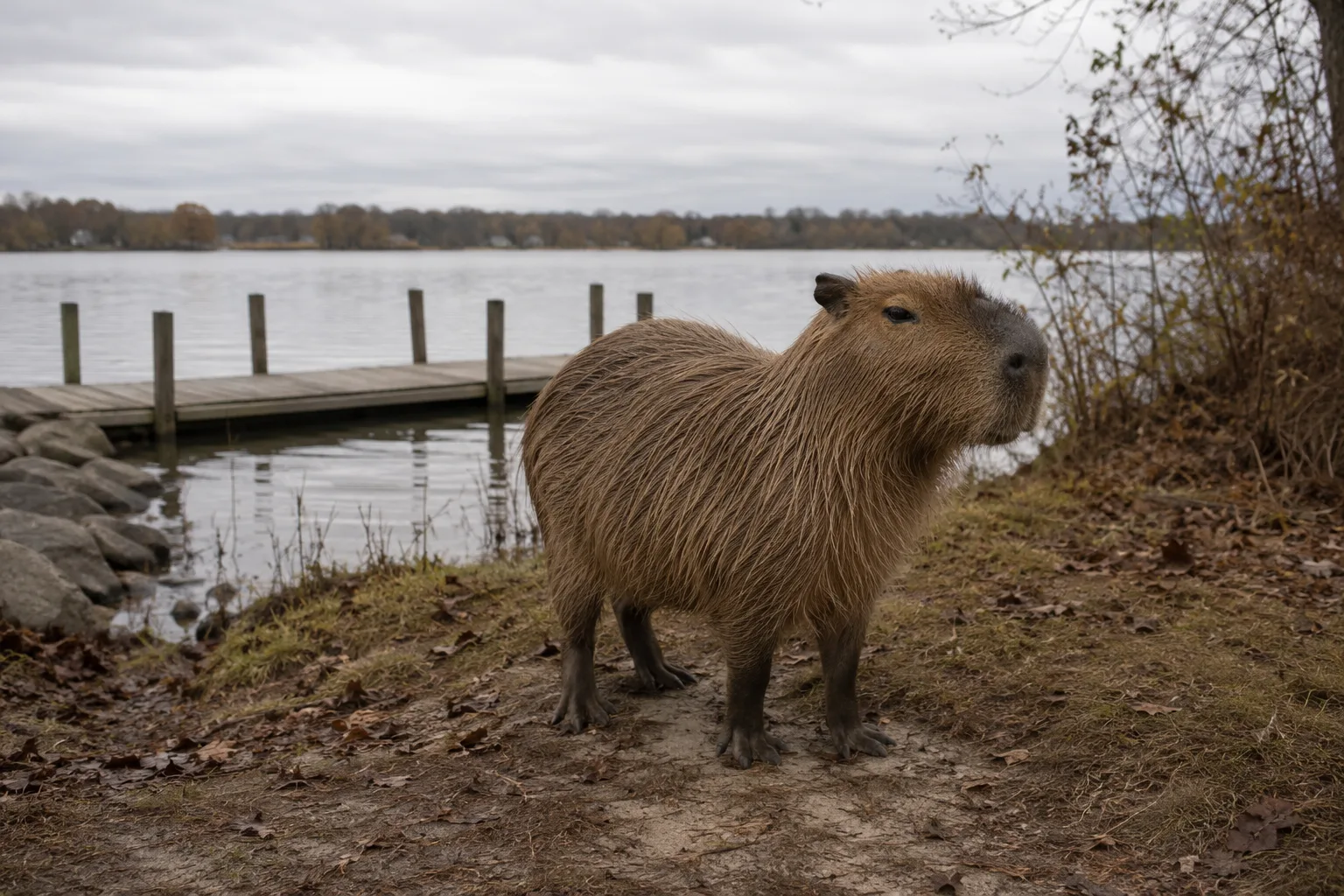

The most reliable U.S. capybara viewing is at accredited zoos and wildlife parks. Before you drive three hours with capybara dreams and gas-station coffee, check the facility’s current animal page or call ahead. Exhibits change. Animals move. Capybaras, famously, do not update Google Business Profile.
Even at good facilities, expect to wait, expect them to be near water, and expect the experience to be calmer than the internet trained you for. The worst zoo day is the one where the animal you came for is in a renovated habitat 50 feet behind a closed gate — confirm current status before driving.
Where To Actually Start Looking
Several major U.S. zoos publish capybara pages or have recently featured capybaras in their collections. The list moves, but a small group of facilities has been consistent enough over the last decade to be worth bookmarking. Some offer keeper talks or behind-the-scenes experiences, but availability changes by season, staffing, animal welfare needs, and the capybara’s personal schedule of standing near water with mild authority.
| Facility | Region | Why it earns the visit |
|---|---|---|
| San Diego Zoo Wildlife Alliance | Southern California | Strong official capybara education page, capybaras share a habitat with Baird’s tapirs, AZA accredited |
| Houston Zoo | Texas | Multiple capybaras plus recent pups in the South America Pantanal exhibit, AZA accredited |
| Cincinnati Zoo and Botanical Garden | Ohio | Strong Midwest option with an official capybara page |
| Sacramento Zoo | California | Active breeding group with pups, best viewing midday; Northern California pick |
| Nashville Zoo | Tennessee | Added its first capybaras in 2026 in a new South American habitat, AZA accredited |
For anywhere else in the country, the AZA “Find a Zoo” search filters down by state and accreditation status faster than guessing through Google.
The best move is not searching “capybara near me” and trusting the first place with a cute reel. Search the official facility site, look for an animal page or current exhibit mention, then call if the trip depends on it. A five-minute phone call is less romantic than a spontaneous road trip, but it beats standing outside a closed habitat holding a lemonade and a grudge.
A Regional Shortcut By Where You Live
The honest read: most capybara-curious Americans live more than a tank of gas from the species. Picking by region beats picking by social media buzz, because the buzz tends to be tied to whichever facility went viral most recently. The animal does not change by city. The infrastructure around them mostly does.
| If you live in | Start with | Why it holds up |
|---|---|---|
| Northern California | Sacramento Zoo | Active breeding group with pups; capybaras confirmed on exhibit |
| Southern California | San Diego Zoo Wildlife Alliance | Capybaras share a habitat with Baird’s tapirs |
| Texas / Gulf | Houston Zoo | Multiple capybaras plus pups in the South America Pantanal exhibit |
| Midwest | Cincinnati Zoo | Official capybara page, consistent species coverage |
| Southeast | Nashville Zoo | Added its first capybaras in 2026 in a new South American habitat |
| Everywhere else | AZA “Find a Zoo” search, filtered by your state | Confirms accreditation and current status faster than guessing |
These five are the ones I could actually confirm are keeping capybaras right now, not just at some point in the past decade. Plenty of other zoos have housed them, but the resident situation moves, so for anywhere off this list, start from the AZA search and the official animal page rather than someone’s TripAdvisor photo from three years ago.
One more unglamorous note: “capybara encounter” is not the same search as “capybara exhibit.” An exhibit can be excellent with no touching at all. An encounter can be ethical if it is short, supervised, opt-in for the animal, and attached to a serious facility. But the phrase also attracts pop-up animal businesses that know exactly how much a capybara face is worth on a phone screen.
How To Tell An Ethical Encounter From A Photo Op
A few signals separate a real welfare-focused facility from a place selling proximity. AZA accreditation is one. USDA Animal Welfare Act licensing is the federal floor for exhibition, and a missing license is a hard no. The rest you can read from the website and the encounter format.
Good signs:
- The animal can move away during the encounter and the rules say so explicitly.
- Group sizes are small and the time per group is short.
- Keepers are present, not just a volunteer with a payment terminal.
- The facility names its veterinarian or veterinary affiliations.
- Habitat photos show real water access, real space, and real vegetation, not a bare concrete pen.
Bad signs:
- “Hug a capybara” or “selfie with capybara” framing on the homepage.
- Long handling times, group sizes that block the animal from leaving, or photo packages priced higher than the entry ticket.
- No published AZA accreditation, no AWA license, no veterinarian named anywhere.
- Capybaras kept alone, with no companion animals visible.
The Before-You-Drive Checklist
Use this before committing gas money, train tickets, hotel points, or the emotional energy of a person who has already imagined the photo.
| Check | What to look for | Why it matters |
|---|---|---|
| Current animal page | A recent official capybara page, exhibit listing, or social post | Third-party photos can be years old. |
| Accreditation | AZA accreditation or another transparent welfare framework | It is not a guarantee of perfection, but it is a real filter. |
| Encounter rules | Opt-out language, staff supervision, small groups, no forced handling | Welfare should be written into the format. |
| Habitat photos | Water, shade, space, vegetation, barriers, and group housing | The exhibit should show capybara biology, not just capybara availability. |
| Phone confirmation | Staff confirms capybaras are currently viewable | Animals move, habitats close, and Google does not apologize. |
This is the tiny grown-up ritual that saves the day. Call the zoo. Ask, “Are the capybaras currently viewable to general guests this week?” If the staff member says “usually,” ask what time of day is best. The capybara has a schedule. It did not share the calendar invite.
For U.S. readers planning travel, I would rank the checks this way: official animal page first, accreditation second, current phone confirmation third, social-media clips last. The clips are useful for mood. They are not logistics. A reel can keep circulating after the animal has moved to another facility, another habitat, or the off-exhibit area for medical reasons.
Red Flags That Mean Walk Away
Some operations look like zoos online and act like rentable animal entertainment in practice. The clearest red flags are forced contact, no opt-out, animals that look stressed or repeatedly engaged with strangers without breaks, and any encounter run by a venue with no permanent capybara housing of its own. If a facility ships capybaras in for events, the welfare picture is almost always worse than a permanent habitat at an accredited zoo.
this is the part of the topic that turns me grumpy fastest. The cheap “swim with a capybara” packages are the part of the trend that does the most damage. A few hundred dollars and a soft TikTok edit can hide a lot of bad welfare.
USDA Animal Welfare Act licensing is not a glamour badge; it is a baseline federal layer for public exhibition and certain commercial animal activity. AZA accreditation is a higher bar for many zoo operations. Neither replaces your own eyes. If the water is dirty, the animal is alone, visitors are crowding the barrier, or staff cannot explain the rules, leave the fantasy in the parking lot.
Misconceptions About Zoo Capybaras
“Zoo animals are sadder than wild ones.” Not by default. Animal Diversity Web describes capybaras as social wetland animals; good zoo habitats are designed to recreate the parts of that life that matter, with the added benefit of consistent food, vet care, and freedom from predators. Bad facilities are bad. Good ones are not the same thing.
“If they let you touch the animal, it must be ethical.” Welfare quality is not measured by contact access. A no-touch policy at a strong facility usually beats a “limited touch” upsell at a weaker one.
“I should visit only during peak hours.” The opposite. Capybaras are often most observable when the crowd is thin: early entry, weekday afternoons, or near closing. The animal does more interesting things when it is not being narrated at by 80 children at once.
What To Actually Watch When You Get There
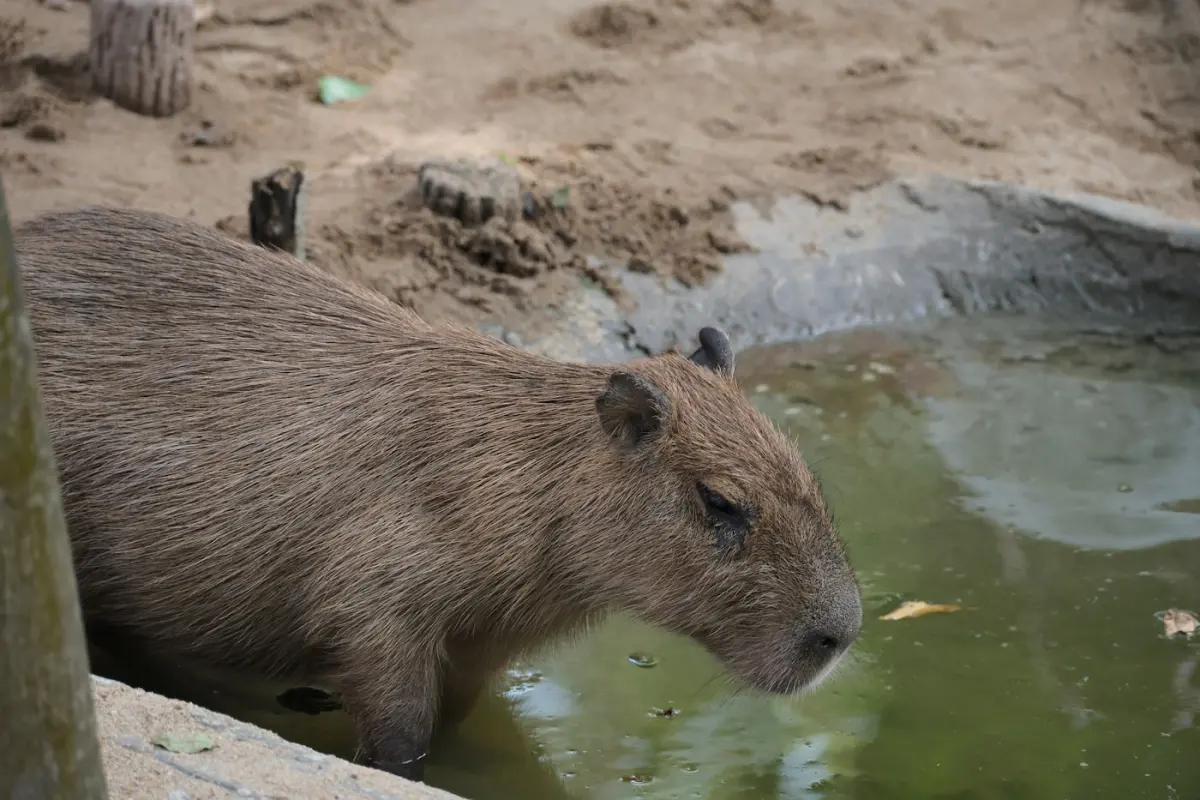
Once you find them, slow down. Capybaras are not a 30-second photo. They are a 10-minute observation animal. Watch how they move as a group, how often they orient toward water, how they graze, and how keepers talk about diet and social behavior. Notice ears lifting when a sound changes, younger animals staying near adults, individuals drifting toward water when uncertain, and the group doing very little with impressive commitment.
If you want context for what you are seeing, read up first on where capybaras live in the wild, why they tolerate other animals, or what sounds they actually make. The exhibit gets more interesting when you know what to listen for.
Good viewing is slower than social media. No fireworks, just social mammals managing their day. That is the capybara show.