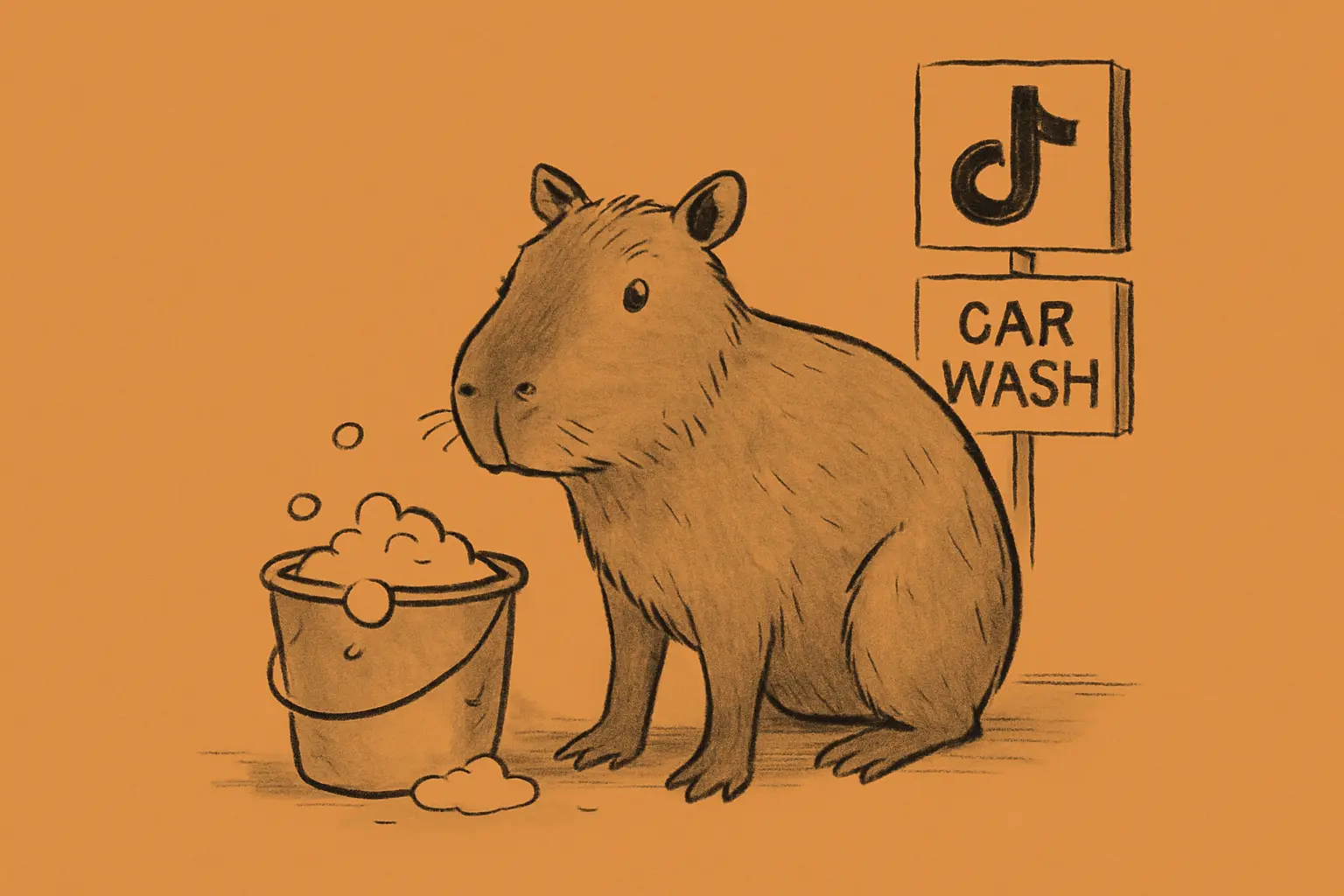
A capybara strolls into a car wash
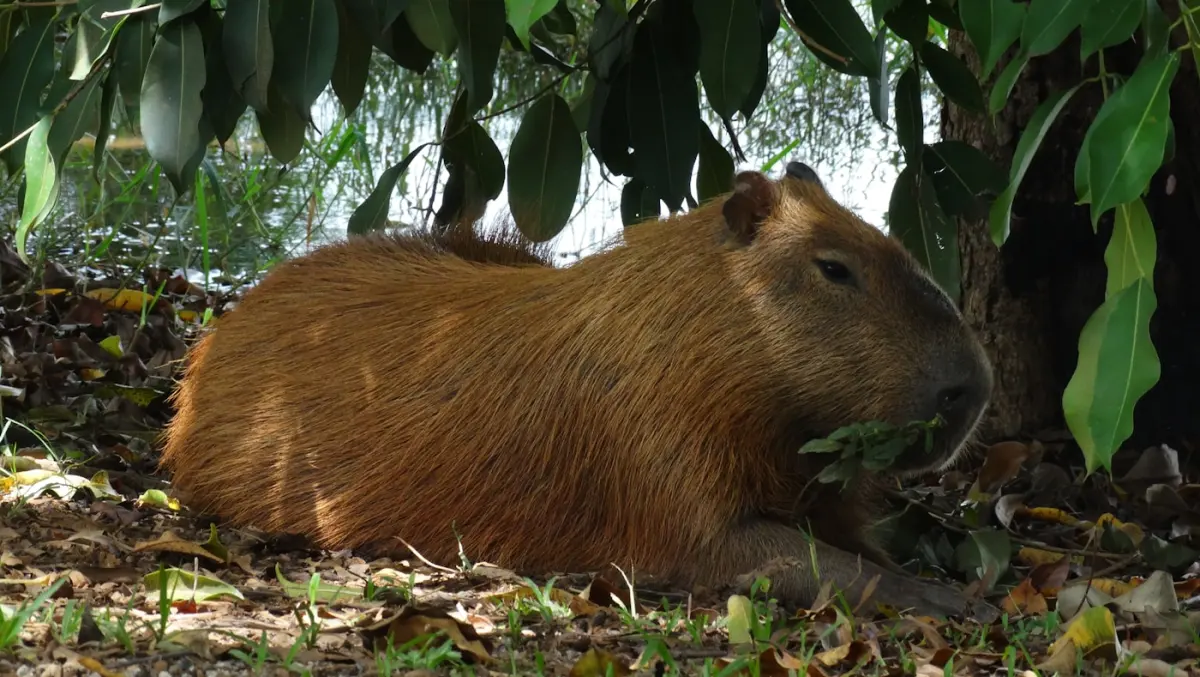
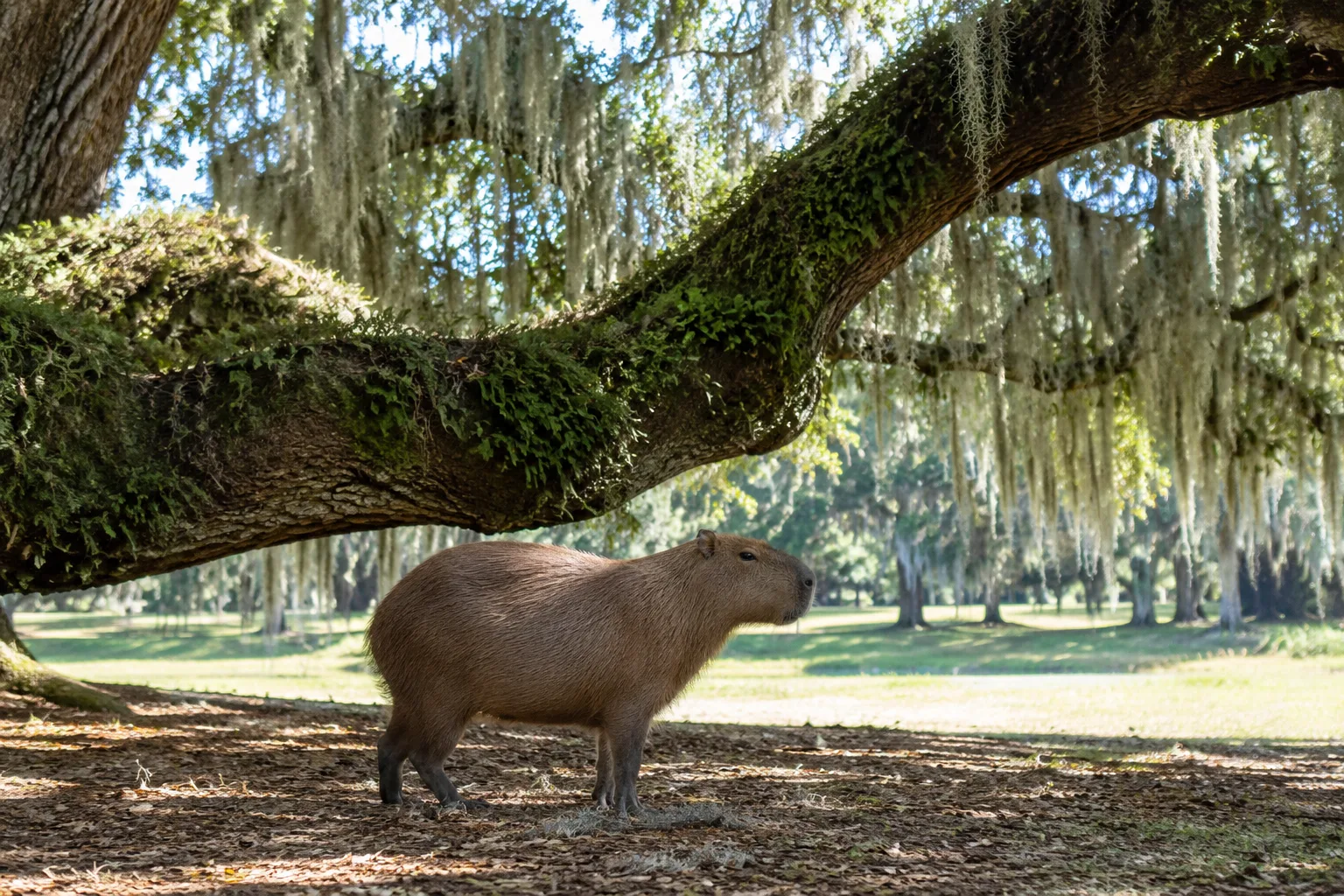
In Selayang, Malaysia, a local car wash had an unexpected visitor: a capybara. A video posted on TikTok by the user musabumair970 captured this unusual scene, showing the world’s largest rodent nonchalantly wandering around the premises. Wearing a collar, the capybara seemed unfazed by its urban surroundings, as if it was a regular customer just popping by for a rinse.
The capybara’s appearance in a busy Malaysian city has left many scratching their heads. As a species native to South America, capybaras aren’t exactly what you’d expect to see strolling past a row of sudsy cars. Their typical habitats are wetlands and grassy areas, not bustling cityscapes.
Legal hurdles and unanswered questions
The sudden appearance of this capybara has prompted local authorities to launch an investigation into its origins. According to UPI, keeping capybaras as pets in Malaysia is heavily regulated. Ownership is permitted only under specific licenses issued by the Department of Wildlife and National Parks, generally reserved for zoos and sanctioned sanctuaries.
So far, no permits have surfaced that might explain the capybara’s presence in Selayang. This has led to speculation about the possibility of illegal ownership. The collar suggests it was someone’s pet, yet without the necessary paperwork, the capybara’s legal status remains murky.
Social media’s role in wildlife tracking
The video, which unfortunately cannot be viewed due to technical issues, has nonetheless sparked significant attention online. Social media platforms like TikTok have increasingly become inadvertent monitors of wildlife encounters, capturing animals in unexpected locales. While this can occasionally aid in tracking and conservation efforts, it can also reveal lapses in regulations or compliance.
In this case, the TikTok user’s video has inadvertently highlighted potential gaps in wildlife management. Despite the lack of visual evidence now, the buzz it generated has prompted official scrutiny, illustrating social media’s growing impact as a tool for public accountability.
Capybaras and common misconceptions
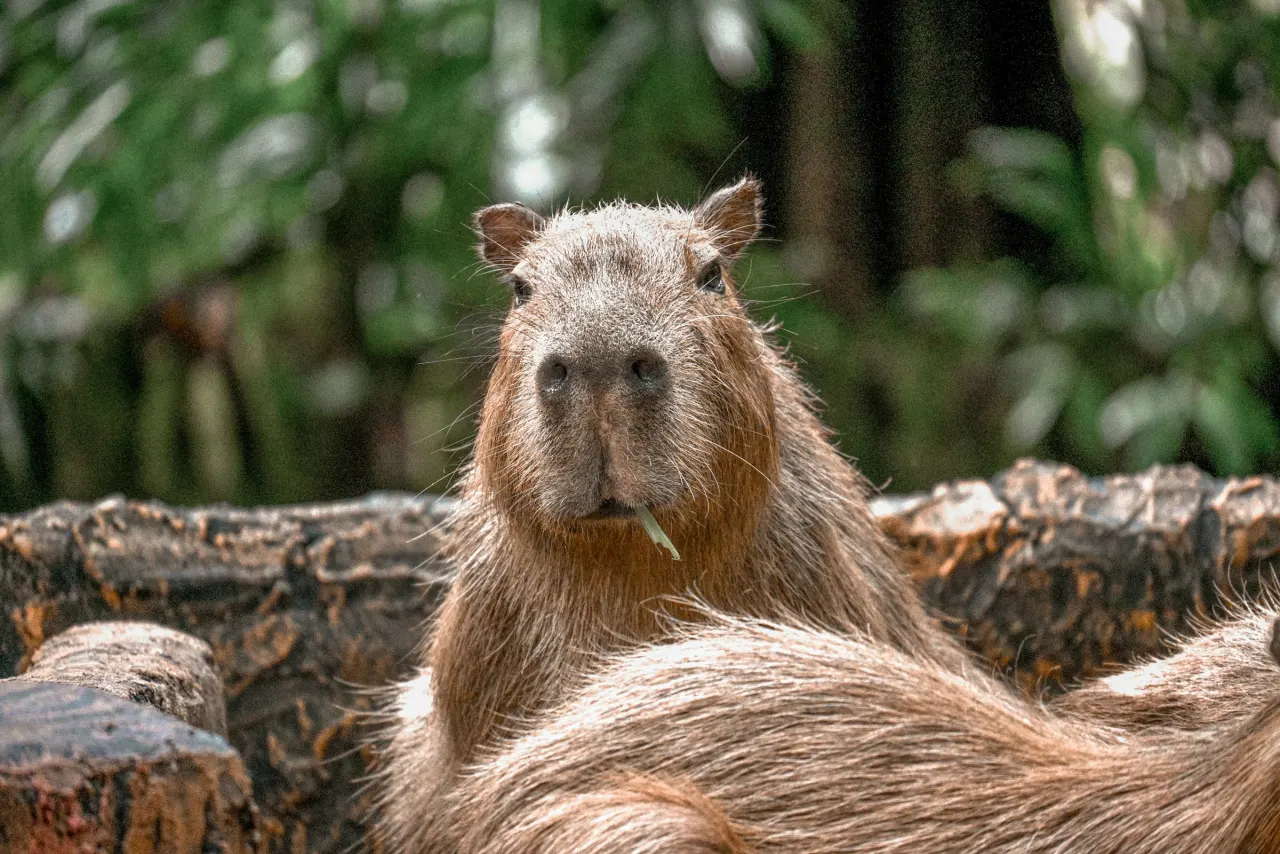
Capybaras, for those unfamiliar, are often mistaken for being closely related to beavers or even giant guinea pigs. While the latter is accurate, many don’t realize that capybaras are semi-aquatic creatures, well-adapted to both land and water environments. They can hold their breath underwater for up to five minutes, a useful trait for the swampy areas they typically inhabit.
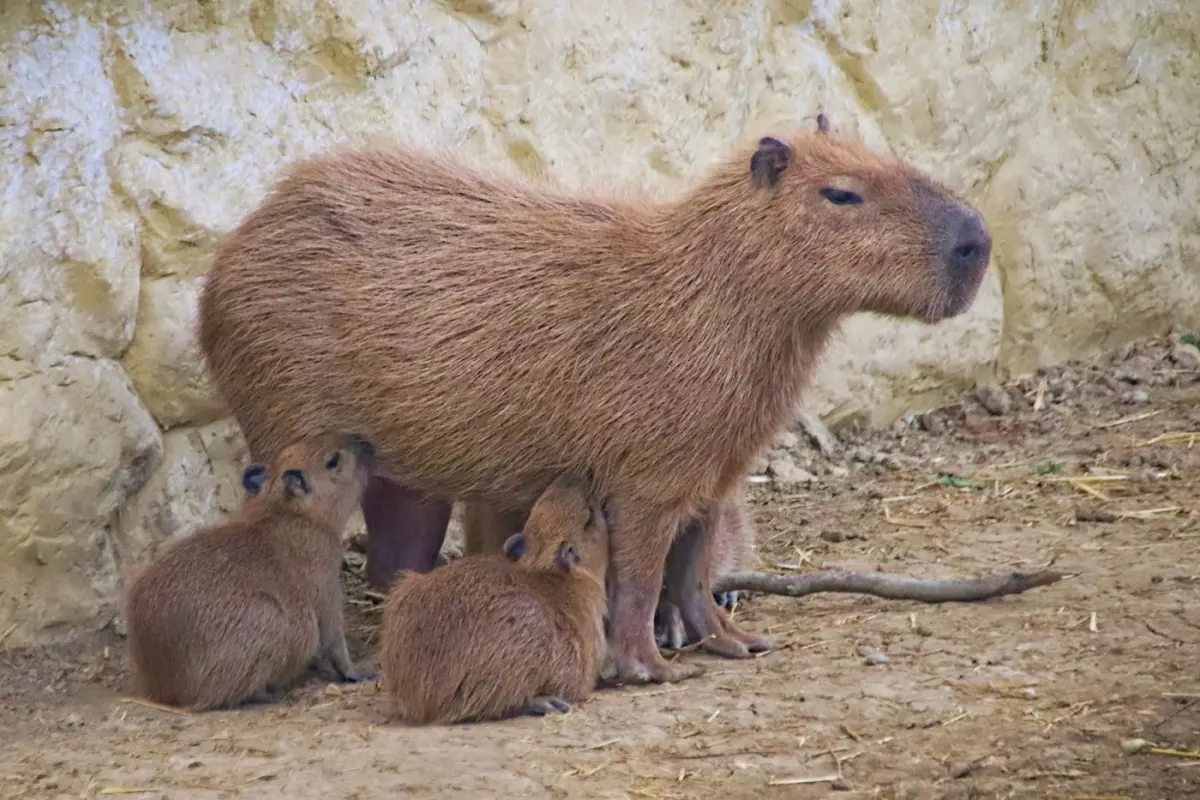
Another common misconception is that capybaras are universally friendly and tame, making them ideal pets. In reality, their social nature means they thrive best in groups, often needing ample space and specific environmental conditions to be truly comfortable. The solitary capybara in Selayang, especially if kept alone, may not be in the happiest of circumstances.
The Grumpy Capy take
The sighting of a capybara in a Malaysian car wash is a quirky headline, but it underscores a more serious issue: the exotic pet trade and its regulatory challenges. The lack of clarity about the capybara’s origins highlights the need for stricter enforcement of wildlife ownership laws.
Social media continues to be a double-edged sword, exposing both the wonders and the woes of animal encounters. While it can raise awareness, it also shines a light on the gaps in our systems. Until authorities can trace this capybara back to a responsible owner, it remains a symbol of both curiosity and concern in urban Malaysia.
For transparency, this coverage is based on a single UPI report, with no video currently viewable, and no additional sources confirming the animal’s current status or location.