Scotland’s 18-year capybara gap
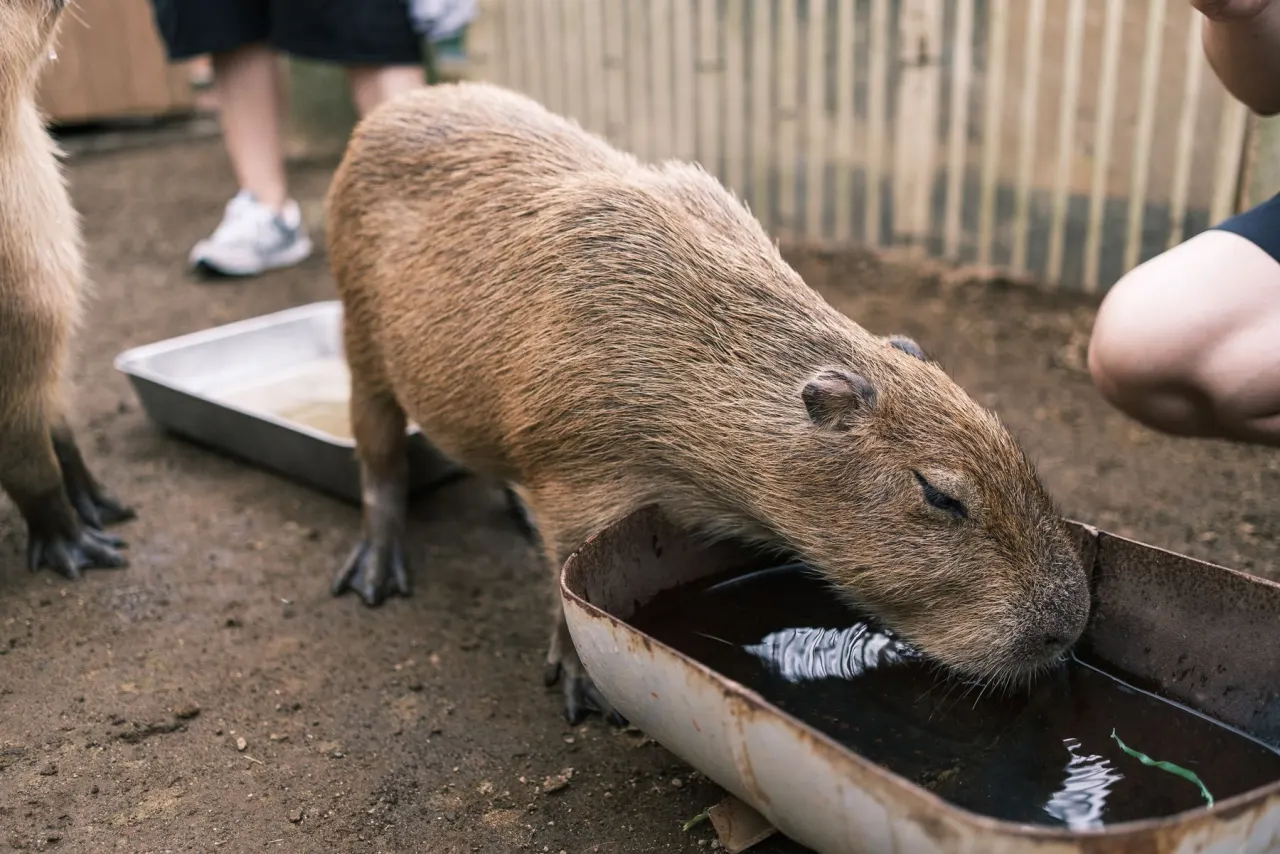
Edinburgh Zoo has a new capybara pup, born to resident pair Luna and Rodney. According to Griffon News, this is the first capybara born in Scotland in approximately 18 years. That is a long gap for a species that, in the wild, breeds year-round and raises pups communally within large, noisy herds.
The pup arrived weighing somewhere between 1.5 and 2.5 kilograms. That is a one-kilogram range, which is either honest uncertainty or a very approximate weigh-in. The zoo has compared this to a six-pack of Irn-Bru, which is the kind of unit of measurement that tells you something about the intended audience for the announcement.
What keepers actually know right now
Sex has not yet been confirmed. Keepers plan to determine it at the pup’s first health check, the timing of which has not been specified. In the meantime, staff are keeping a close eye on the animal during what they describe as a vulnerable early period.
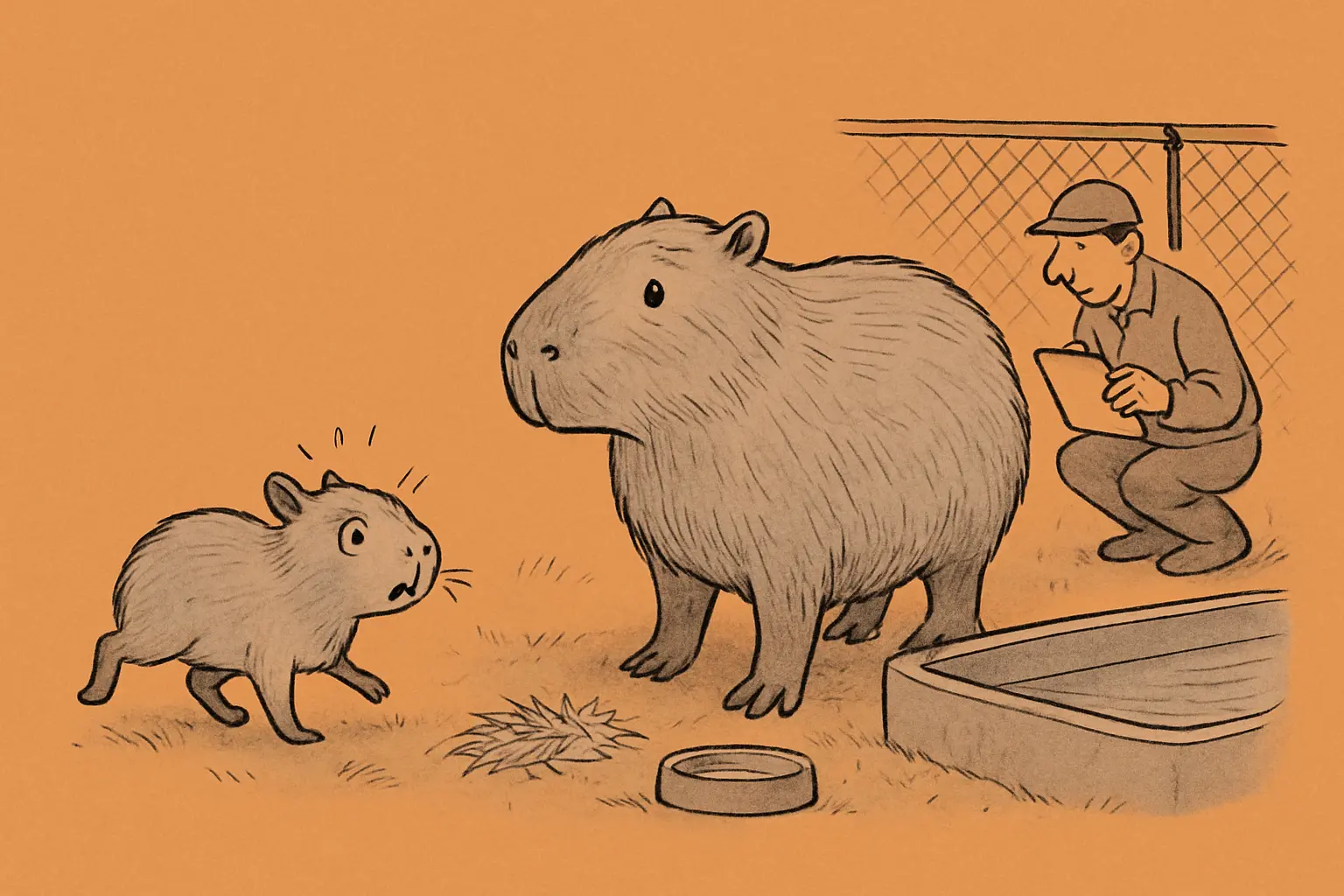
Animal keeper Jonny Appleyard expressed pride in Luna and Rodney’s parenting, noting that the pup is “slowly starting to get braver” and beginning to explore its enclosure. The pup is reportedly staying close to its mother, which is entirely normal. Capybara mothers in the wild nurse communally — any lactating female in a group will feed any pup, not just her own — so the Edinburgh setup, with a smaller managed herd, is a compressed version of that social structure.
How capybara pups develop
Capybara pups are precocial, meaning they are born with eyes open, able to walk, and capable of eating solid food within their first week. They are not helpless newborns in the way that, say, a rabbit kit is. The “vulnerable” framing from keepers likely refers to susceptibility to stress, temperature fluctuation, and the social dynamics of being the smallest animal in the enclosure.
Here is a fact that surprises most people: capybaras are the largest rodents on earth, with adults routinely reaching 65 kilograms or more. A newborn at 1.5 kilograms has a lot of growing to do. That growth happens fast. Griffon News quotes Appleyard advising visitors to come soon “if you want to see the new arrival at their cutest stage,” which is a reasonable observation — capybaras reach sexual maturity at around 18 months and look essentially adult well before that.
The social learning ahead
In the coming weeks, keepers expect the pup to begin learning behavioural cues from the rest of the herd. Capybaras communicate through a surprisingly varied acoustic repertoire: barks, chirps, whistles, and a low purring sound used between bonded individuals. Pups learn these signals by proximity and repetition, which is one reason herd-raised animals tend to be better socialised than hand-reared ones.
One common misconception worth clearing up: capybaras are often described as unusually docile or “friendly” animals, as though this is a fixed personality trait. In reality, their calm behaviour around other species — including humans — is largely a learned social tolerance developed within stable group environments. An isolated or stressed capybara is a very different animal. The pup’s integration into Edinburgh Zoo’s existing herd is not incidental to its wellbeing; it is central to it.
The Grumpy Capy take
This is a routine zoo birth dressed up with a milestone number. Eighteen years without a capybara birth in Scotland is notable, but the announcement offers almost no detail about why that gap existed, how Luna and Rodney came to be at Edinburgh Zoo, or what the zoo’s longer-term plans for the herd are. A birth weight range of a full kilogram suggests the coverage was assembled quickly from a press release rather than a keeper briefing.
That said, the milestone is real, and capybara breeding in managed collections outside South America requires genuine husbandry effort. Edinburgh Zoo’s parent organisation, the Royal Zoological Society of Scotland, does serious conservation work. This pup is a legitimate result of that.
Worth noting, for transparency: the source article is a short wire-style piece with limited keeper detail and no background on the zoo’s capybara history. All capybara biology in this article is drawn from established species literature, not from the source itself.