Viral sensation or common behavior?
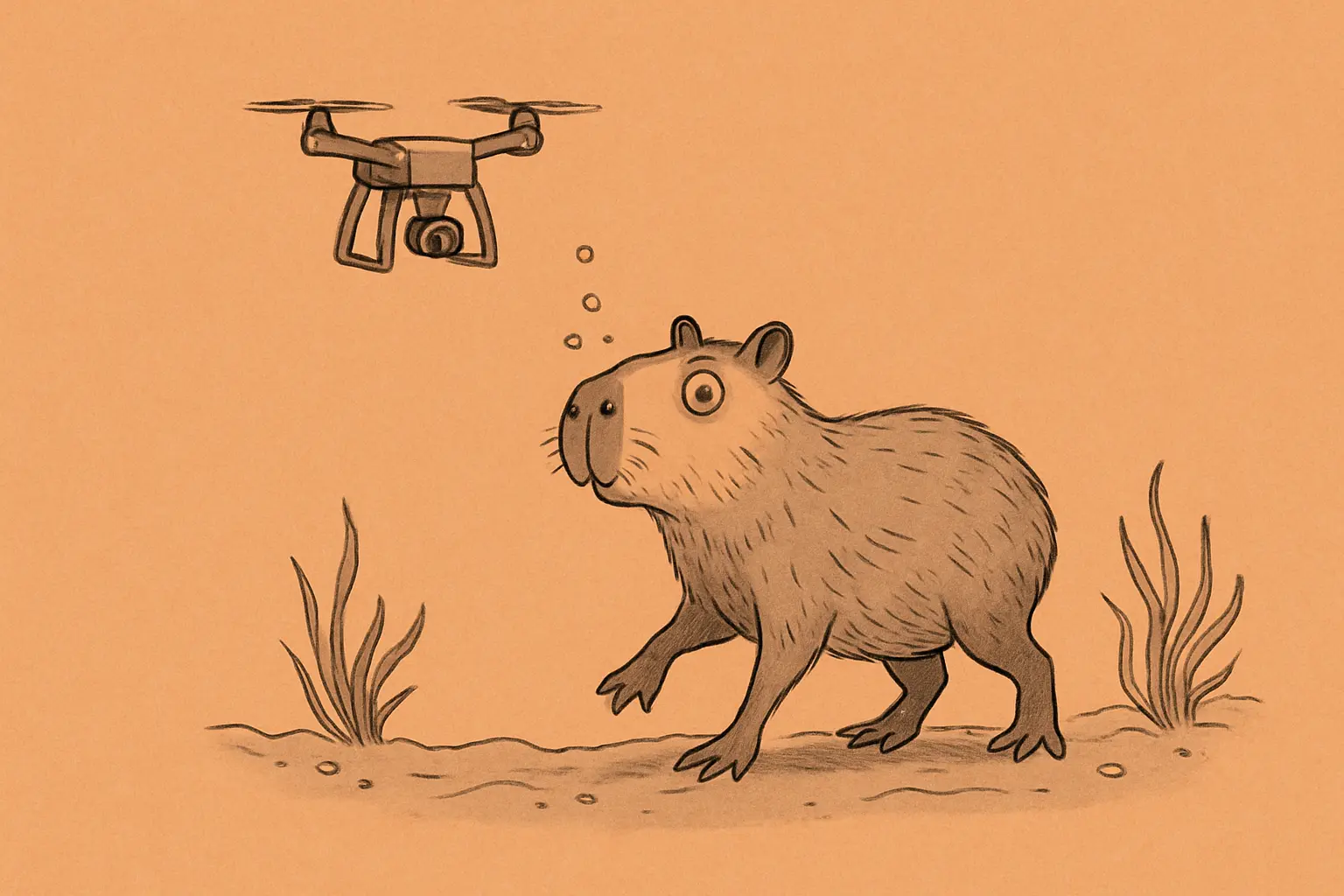
A recent viral video has once again thrust capybaras into the spotlight, this time for their aquatic agility. The video, shared on Reddit’s r/NatureIsF******Lit community, shows a capybara paddling underwater across a riverbed, fully submerged. This sparked surprise among viewers who were unaware of the capybara’s penchant for water. According to Yahoo, the animal seemed perfectly at ease, maintaining its leisurely pace underwater without rushing to the surface for air.
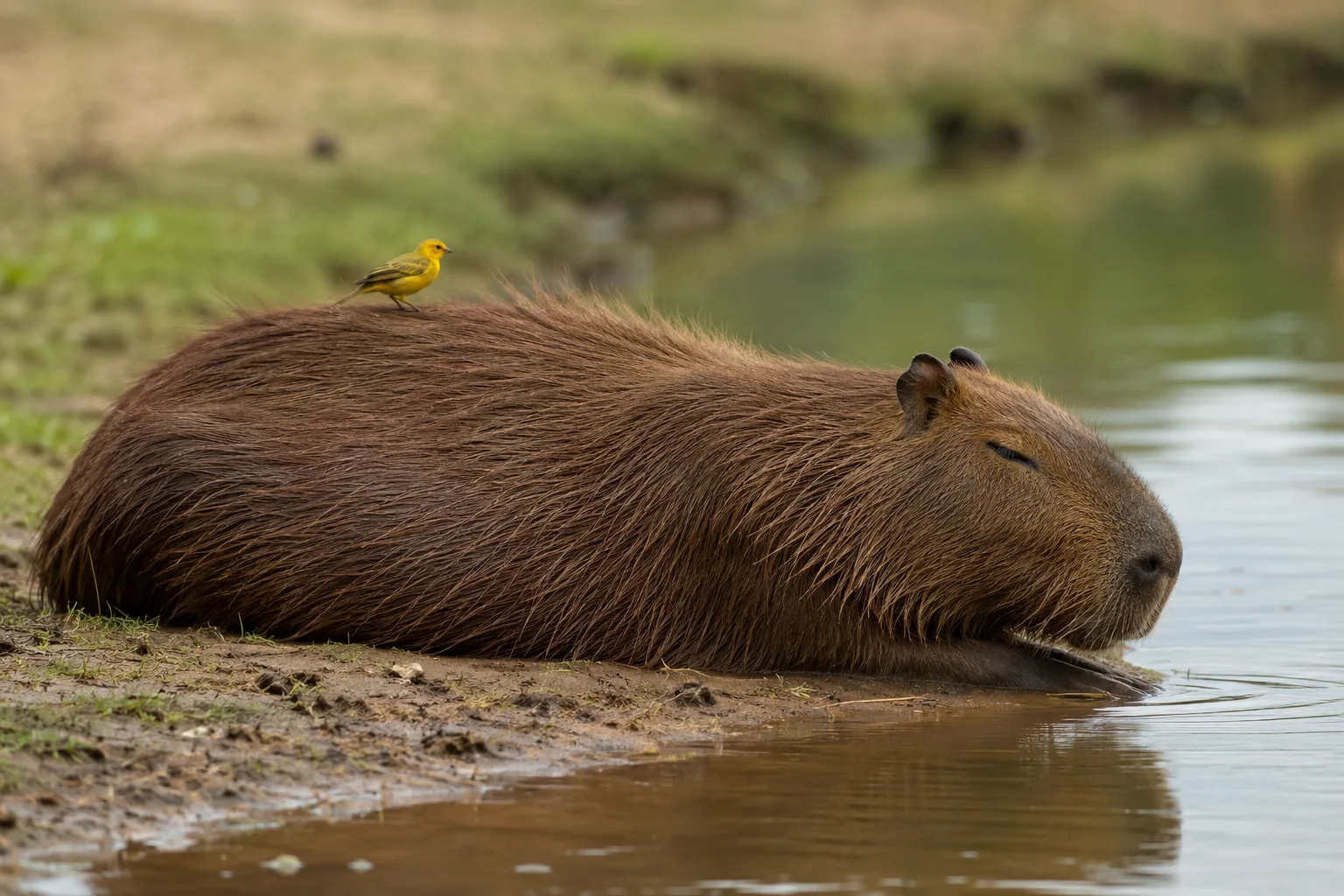
Capybaras are no strangers to water. Native to South America, they are semi-aquatic rodents that thrive in wetlands, rivers, and marshes. This particular video highlights their natural affinity for submerged environments, a feature that is often overlooked by those who only encounter them in memes and petting zoos.
Capybara biology: built for the water
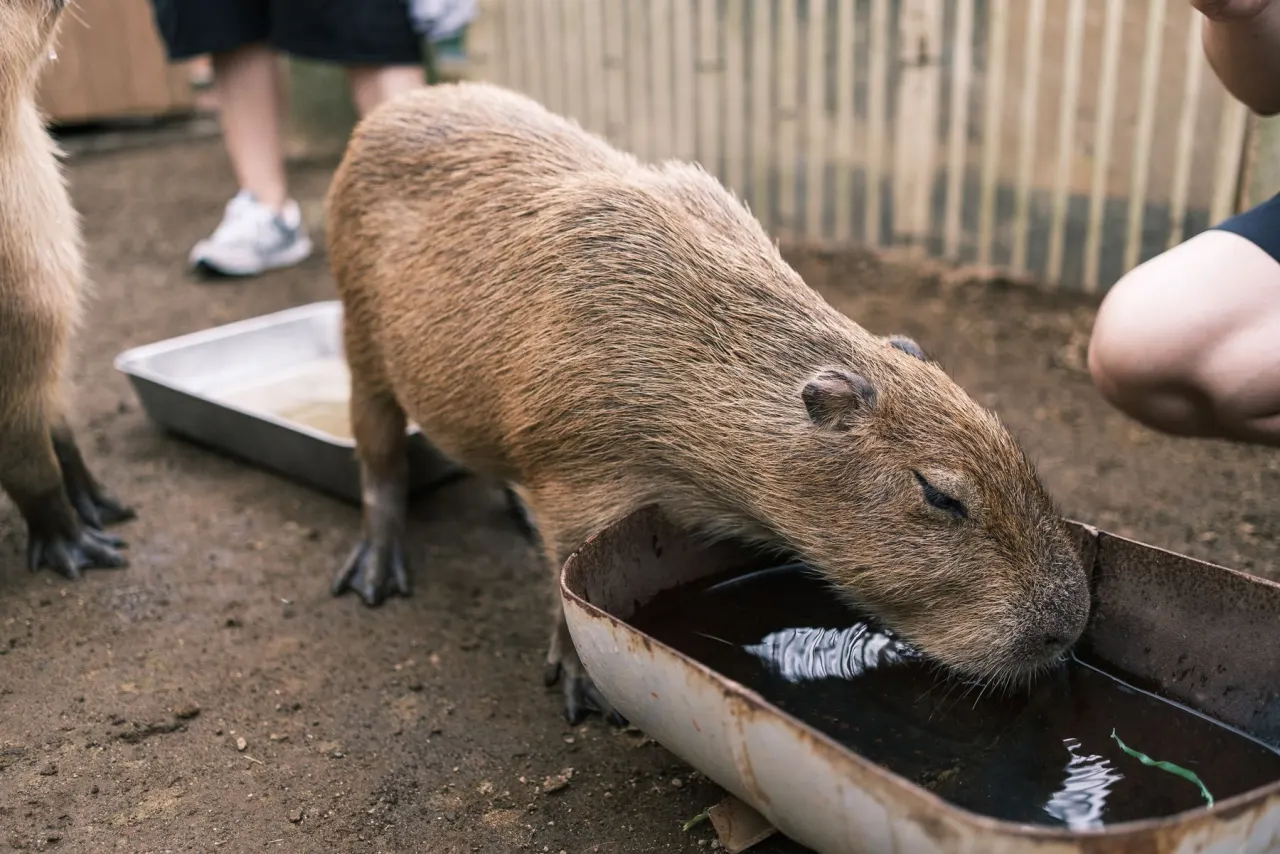
The video may have startled some, but it merely showcases the capybara’s evolutionarily honed skills. As the largest rodents on Earth, capybaras are uniquely adapted to aquatic life. They boast slightly webbed feet, which enable them to navigate water efficiently. Their eyes, ears, and nostrils are located high on their heads, allowing them to breathe and see while mostly submerged. These adaptations aren’t just for show; they are critical for the capybara’s survival in the wild.
One interesting fact, often mentioned in the Reddit discussions, is that capybaras can hold their breath for up to five minutes. This ability helps them evade predators and stay cool in their hot, humid habitats. However, this isn’t the only trick up their fur-covered sleeves. Capybaras also slow-blink at other animals, a behavior that signals calm and non-aggression, promoting their reputation as the “chill” animals of the animal kingdom.
Clearing up misconceptions
Despite their popularity, capybaras are frequently misunderstood. The viral video and subsequent discussions have led to some misconceptions about their behavior. For instance, comments comparing capybaras to “large aquatic guinea pigs” aren’t entirely off-base but do oversimplify their unique adaptations. While they are closely related to guinea pigs, capybaras’ semi-aquatic nature sets them apart.
The Yahoo article notes that many viewers were unaware of capybaras’ ability to remain submerged for extended periods. This capability is not just a fun fact but a crucial survival mechanism. It allows them to avoid predators and regulate their body temperature in their native wetland environments. Thus, while the video might seem extraordinary, it is just another day in the life of a capybara.
The internet’s role in wildlife appreciation
The viral nature of this video underscores the internet’s power in shaping public perception of wildlife. Capybaras, often immortalized in memes as unflappable and serene, gained another dimension as the internet realized their aquatic prowess. This new understanding might foster greater appreciation and conservation efforts for their habitats, which are under increasing threat from human activity.
Wetlands, in particular, are vital ecosystems that support a diverse range of species, including capybaras. Unfortunately, they are often undervalued despite their importance in improving water quality and reducing flooding risks for humans. Highlighting capybaras’ dependence on such environments can help raise awareness and drive conservation efforts.
The Grumpy Capy take
So, what does this viral video really mean? Not much, if we’re being honest. It’s a classic case of the internet discovering something that’s been happening for millennia—capybaras swimming. Yet, it serves as a reminder of how little the public knows about these creatures beyond their meme status.
Worth noting: the Yahoo source includes unrelated promotional content for newsletters and home upgrade contests, which do not contribute to the actual story. As always, capybara enthusiasts should look beyond the viral clips to understand and support their conservation needs. Let’s not let a moment of internet fame overshadow the real issues at hand: habitat loss and the need for conservation.