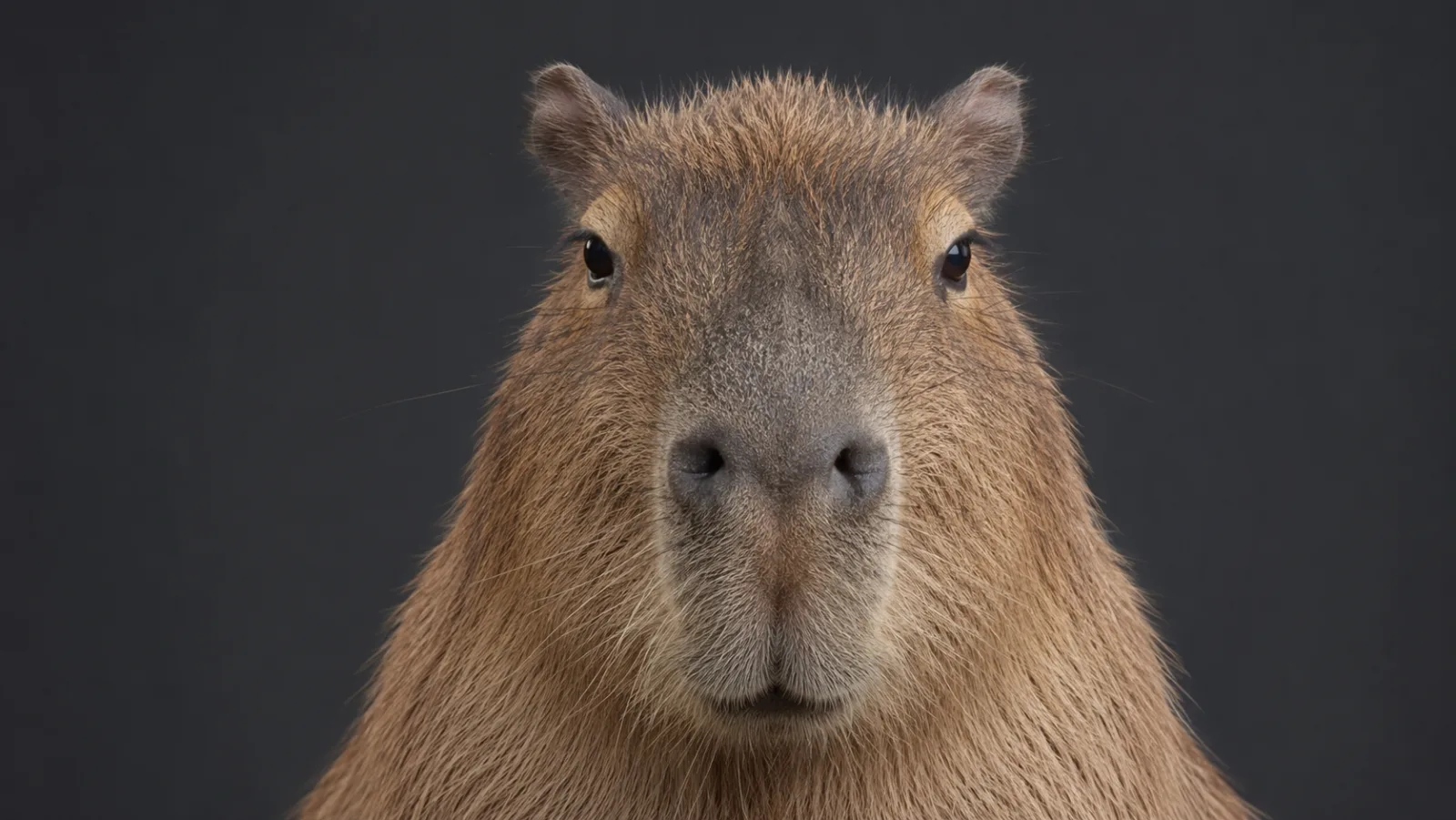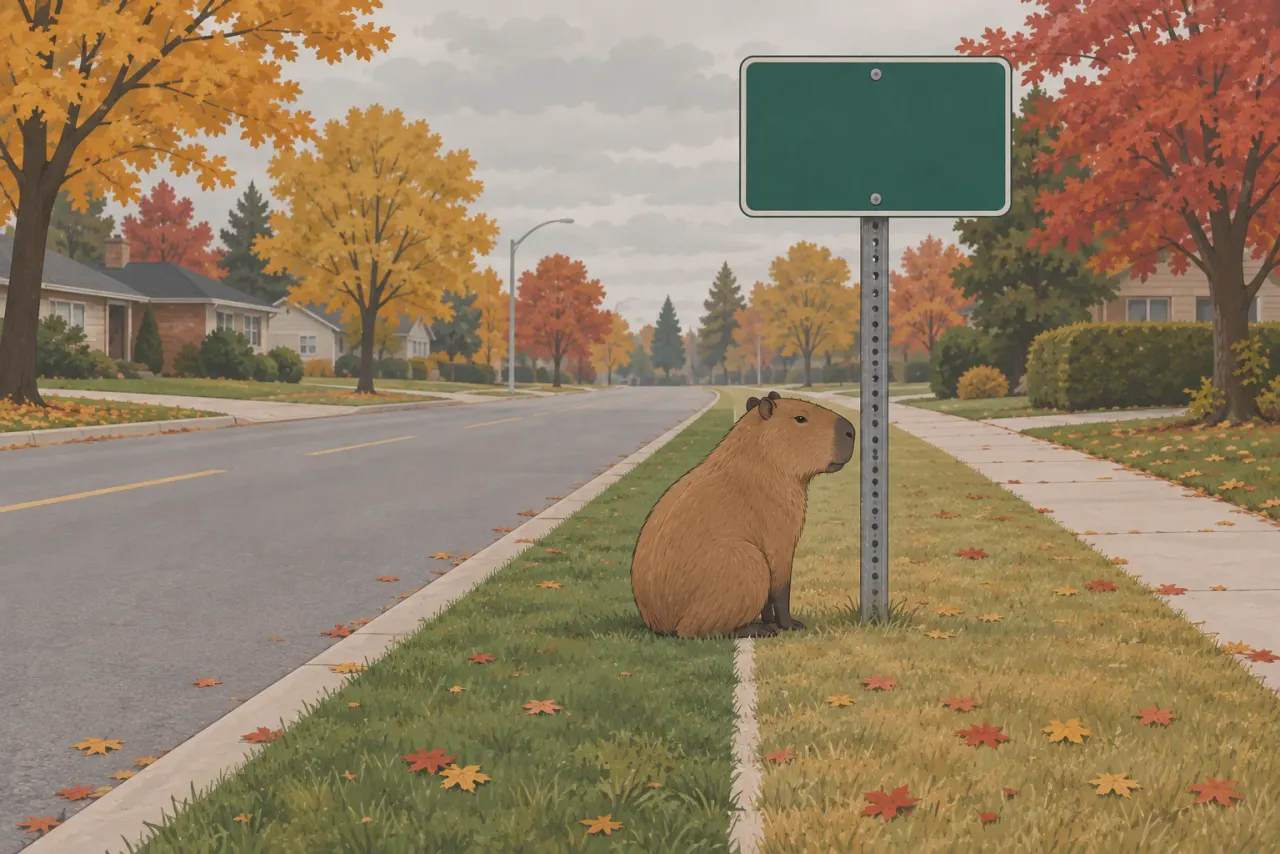
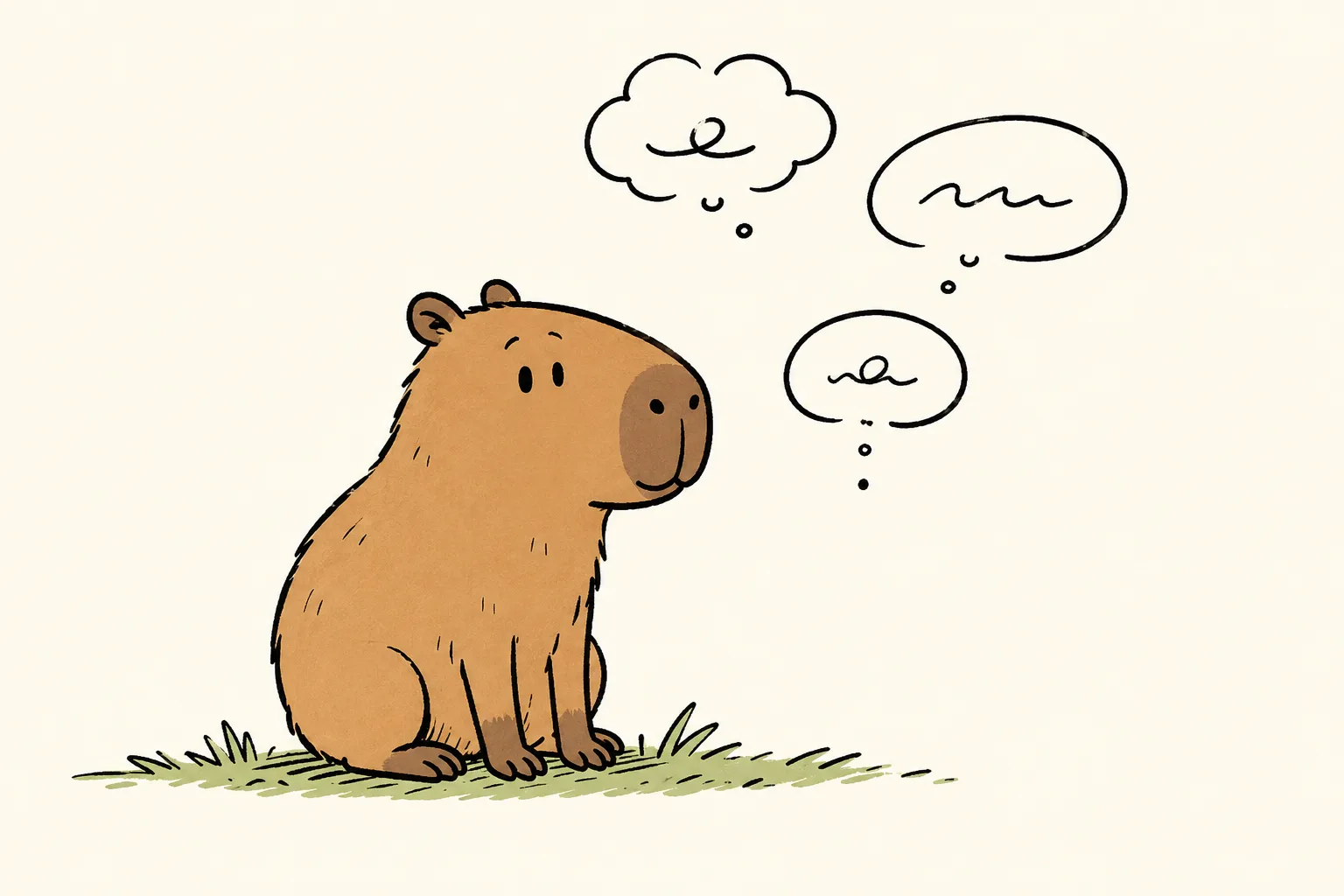
A capybara can look like a sofa cushion with opinions. It is still an animal with boundaries.
This is the friend-shaped problem: the softer and calmer an animal looks, the more people decide it must want human contact. Capybaras got famous at exactly the wrong angle for that. Round body. Quiet face. Group tolerance. Internet captions doing crimes.
Why Capybaras Look So Touchable
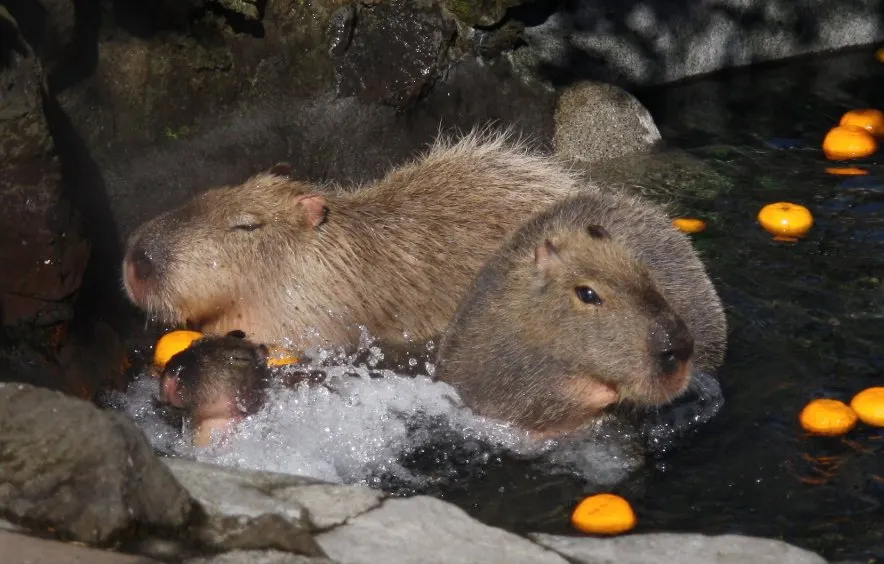
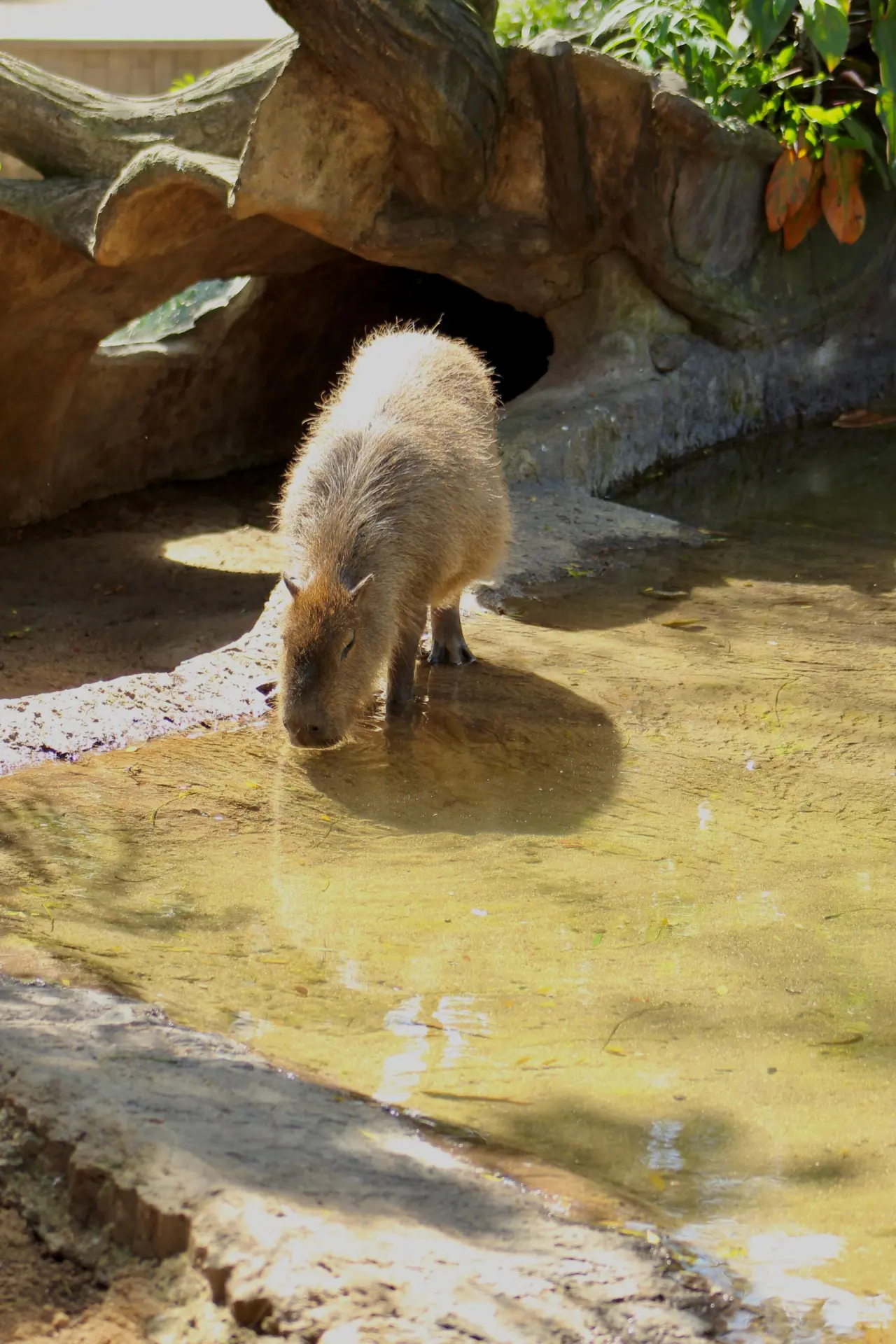
The body is doing a lot. Capybaras are large, blunt-faced, low-drama-looking animals. They often rest in groups. They soak in water. They tolerate birds and other animals in some settings. From a distance, the whole thing reads as “please pet this wet ottoman.”
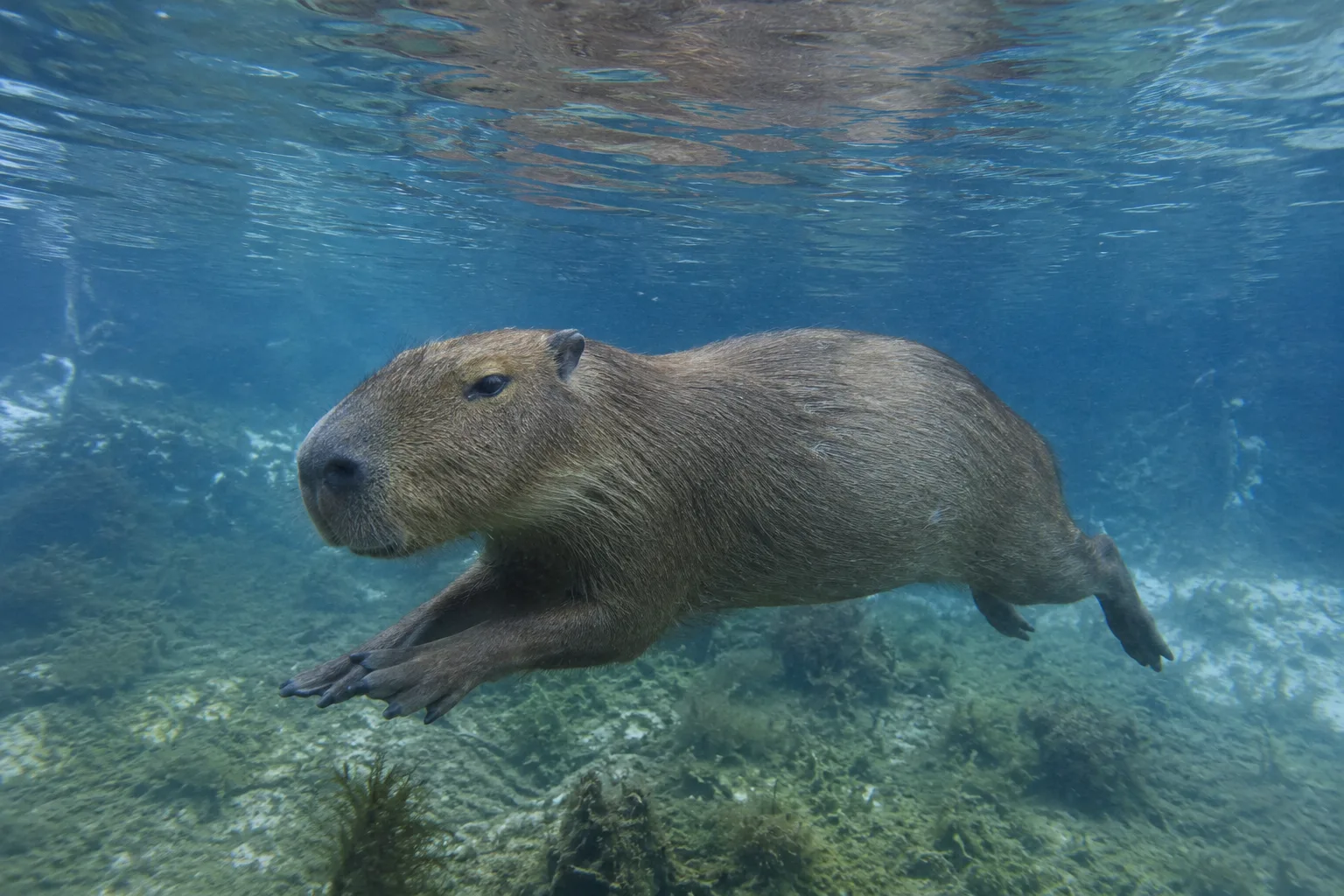
That reading is human projection. San Diego Zoo describes capybaras as the world’s largest rodents, strong swimmers, and social animals. The animal’s softness in photos does not erase its size, teeth, stress thresholds, or need for choice.
Friend-Shaped Is Not Consent-Shaped
Consent is not a word capybaras use, obviously. But good animal care still cares about choice. AZA has written about ambassador-animal programs giving animals more agency: the option to participate, leave, hide, or decline contact.
That idea transfers cleanly. If the capybara cannot leave, if staff have not allowed touch, or if the interaction depends on the animal being too still to object, do not do it.
The Body Language People Miss
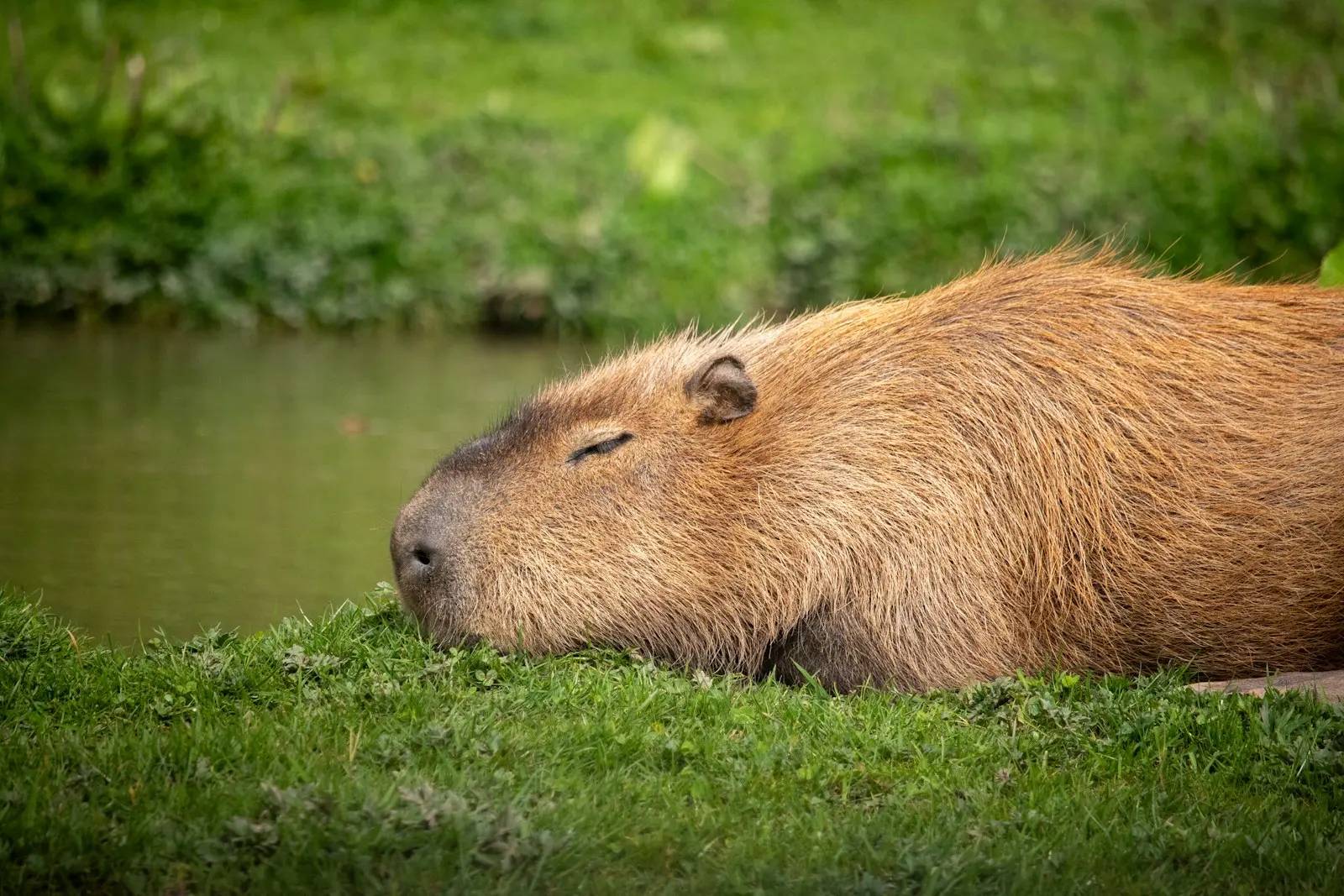
Capybara refusal can be quiet. Turning away, walking off, entering water, stiffening, staying behind another animal, or simply not approaching can all matter. People want a dramatic no. Animals often give a smaller one first.
| Human impulse | Better fan move |
|---|---|
| Reach over the barrier | Keep hands on your side |
| Try to feed it | Let staff handle the diet |
| Crowd for a selfie | Back up and use zoom |
| Touch because it is still | Wait for staff permission |
| Chase the better angle | Let the animal keep its distance |
Better Ways To Love A Famous Rodent
Watch the behavior. Notice the waterline face, the group spacing, the way one animal rests while another watches. Ask keepers about diet, enrichment, and habitat. Buy the plush if you must. The plush is built for your emotional needs; the capybara is not.
CDC guidance for animal exhibits also keeps the human side boring: wash hands, keep food away, supervise kids, and follow staff rules. Nothing ruins a wholesome animal moment like preventable germs and confidence.
The Animal Under The Cuteness
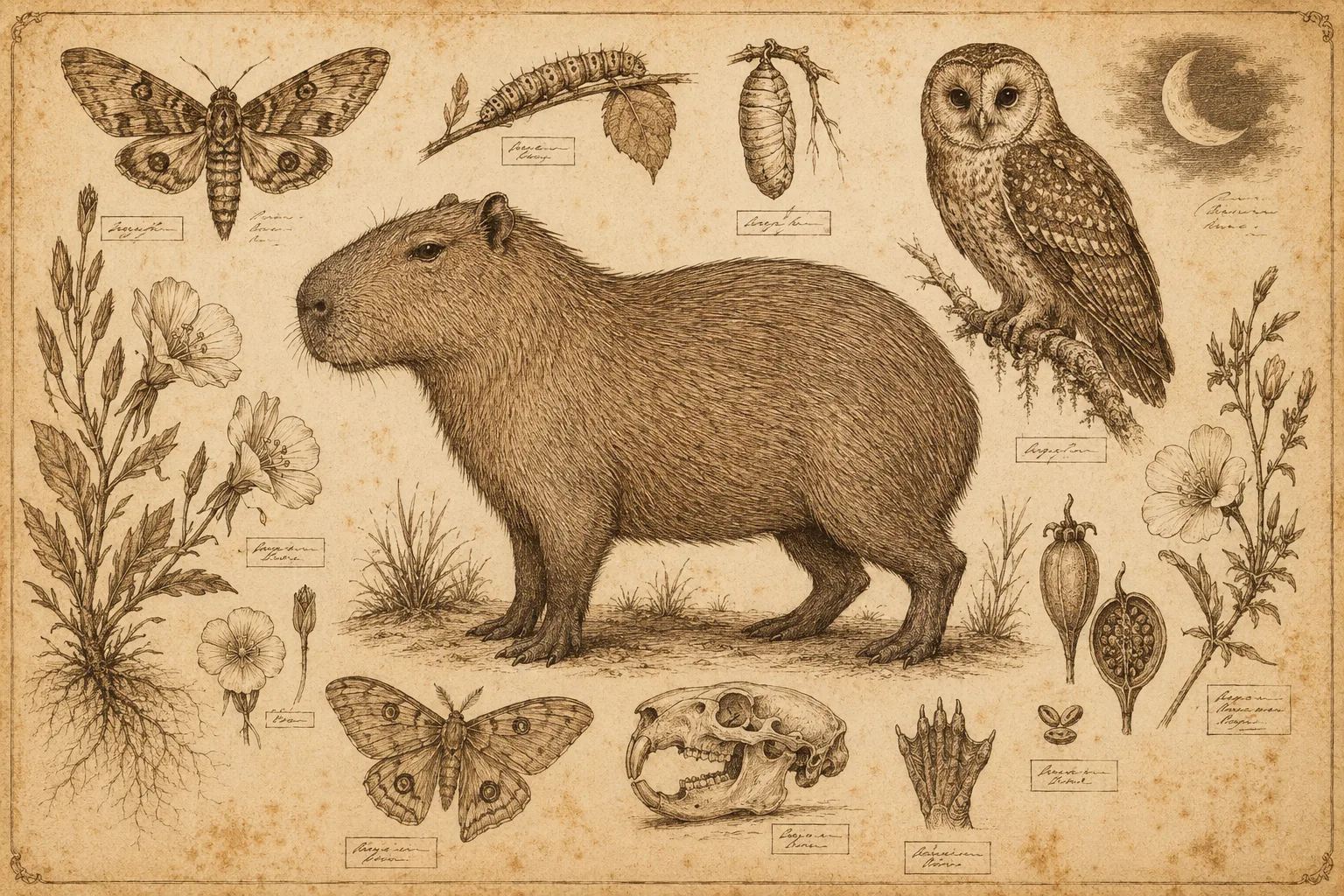
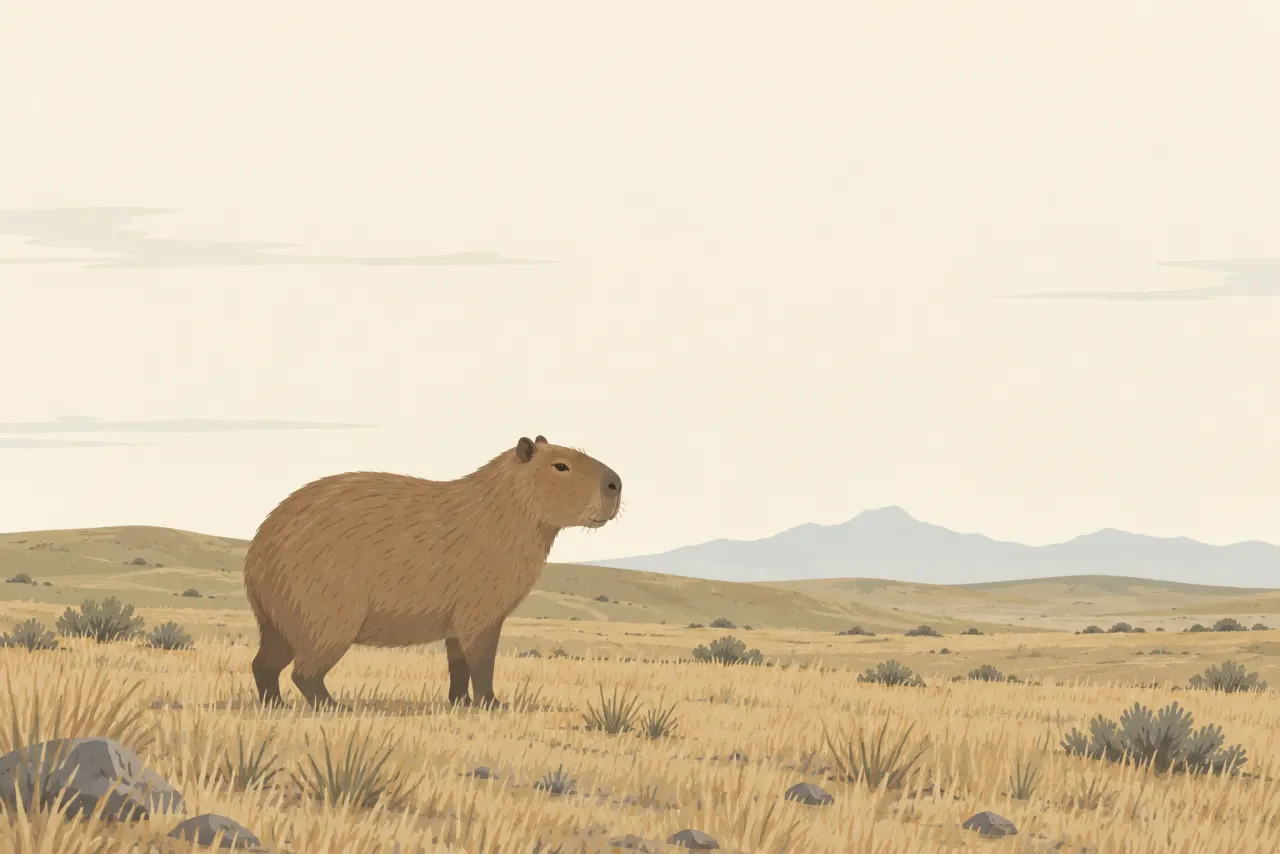
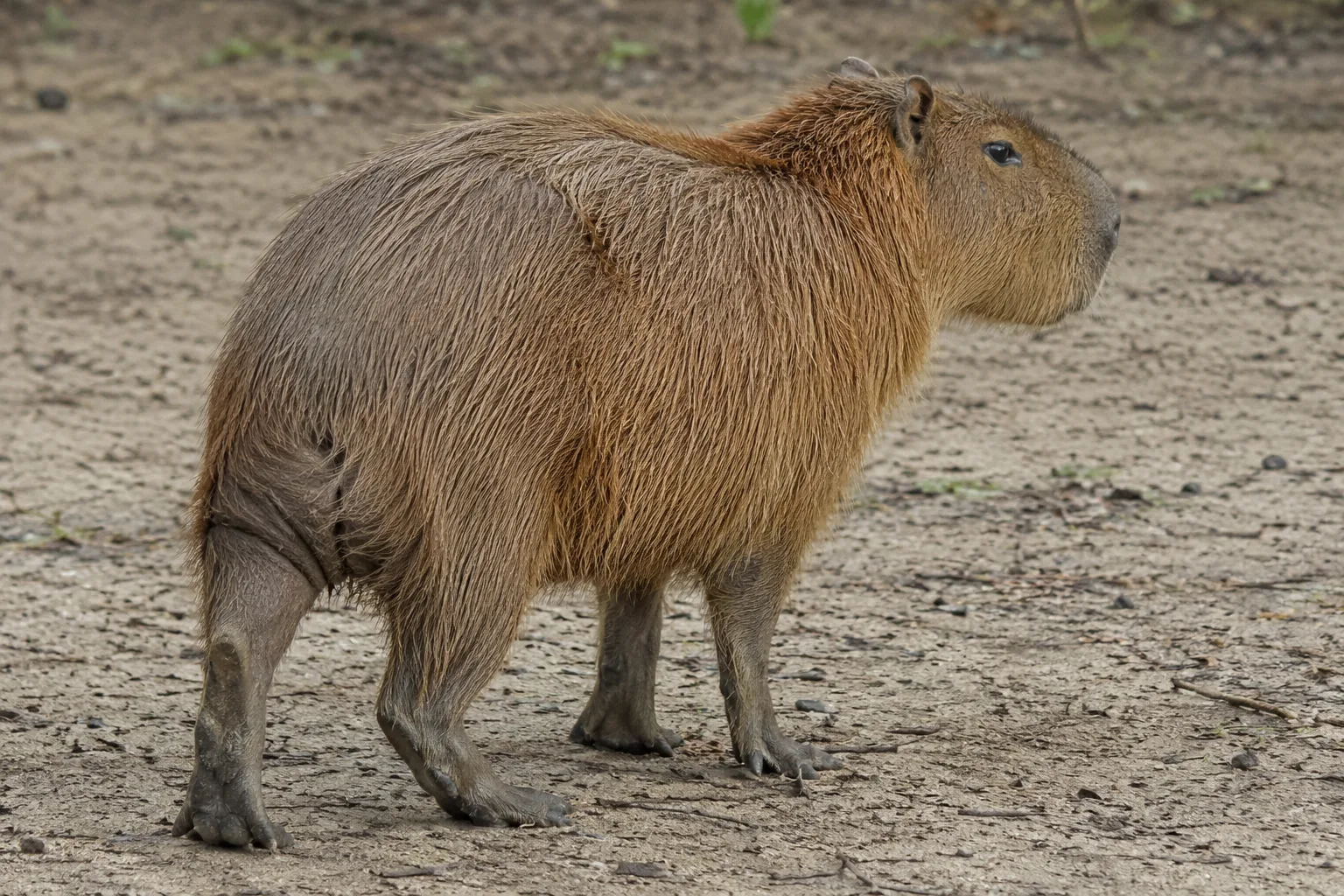
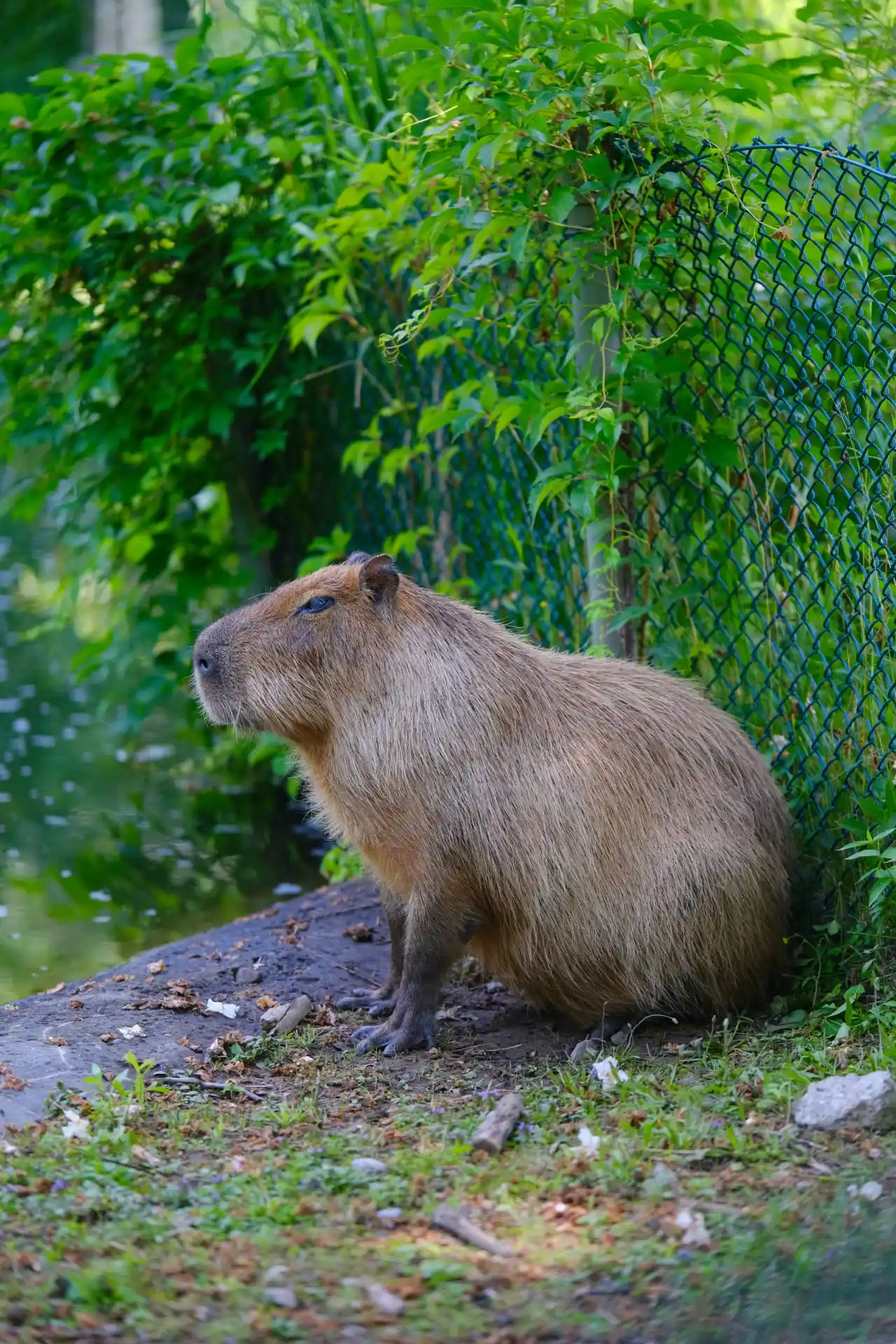
It helps to remember what you are actually looking at. The capybara is the world’s largest rodent, with adults running anywhere from roughly 35 to 66 kilograms, around 77 to 145 pounds. That is dog-sized to small-person-sized, not lap-sized. They are native to South America, semi-aquatic grazers that spend their days eating grasses and aquatic plants and slipping into water when something feels off.
The teeth are the part people forget because the face hides them. Capybara incisors grow continuously, the way a guinea pig’s or a beaver’s do, which is normal for the family but worth respecting. A bored, cornered, or startled animal with self-sharpening teeth is not a thing you want to be the cause of. None of this makes capybaras dangerous in the way a predator is. It makes them a large prey animal that would rather you stayed at arm’s length, and then some.
There is also a social fact that gets flattened in the memes. Capybaras are herd animals. Solitary housing is a recognized welfare stress for them, which is part of why you usually see them in groups. The calm-in-a-crowd image is real, but it is calm with their own kind on their own terms, not an open invitation to a stranger with a phone.
| What the photo suggests | What is actually true |
|---|---|
| Small, huggable, lap-sized | Largest rodent alive, often 35 to 66 kg |
| Soft mouth, no bite risk | Continuously growing incisors, a real prey animal |
| Loves company, including yours | Bonded to its own herd, tolerant of you at best |
| Still means happy and available | Still can mean rest, watchfulness, or just tolerating you |
| Lives to be petted by fans | Lives roughly 8 to 10-plus years doing capybara things |
The Part Nobody Puts On A Tote Bag
Here is the unglamorous biology that makes the “friend-shaped” framing a little funny. Capybaras are hindgut fermenters, and like their guinea pig relatives they cannot make their own vitamin C, so it has to come from diet. To get full value from the grass they eat, they practice coprophagy: they re-ingest soft morning feces to run the nutrients through a second time. The San Diego Zoo Wildlife Alliance and the AZA care manual both treat this as ordinary, healthy capybara digestion.
I think this is the most honest cure for the urge to grab one. The animal you want to scoop up and squeeze is a damp, grass-fermenting herbivore with a complicated gut and a strict diet that outside snacks can wreck. That is not an insult. It is just a creature built for a job that has nothing to do with being your emotional support ottoman. Outside food is one of the easiest ways well-meaning fans cause harm, and it is also the easiest thing to skip.
How To Be Normal Near A Capybara
The rule is simple. Love the animal without making the animal deal with your love.
Let the capybara be boring, wet, tired, hidden, uninterested, or busy chewing. The fact that it looks friend-shaped is part of the charm. Your restraint is part of the care.