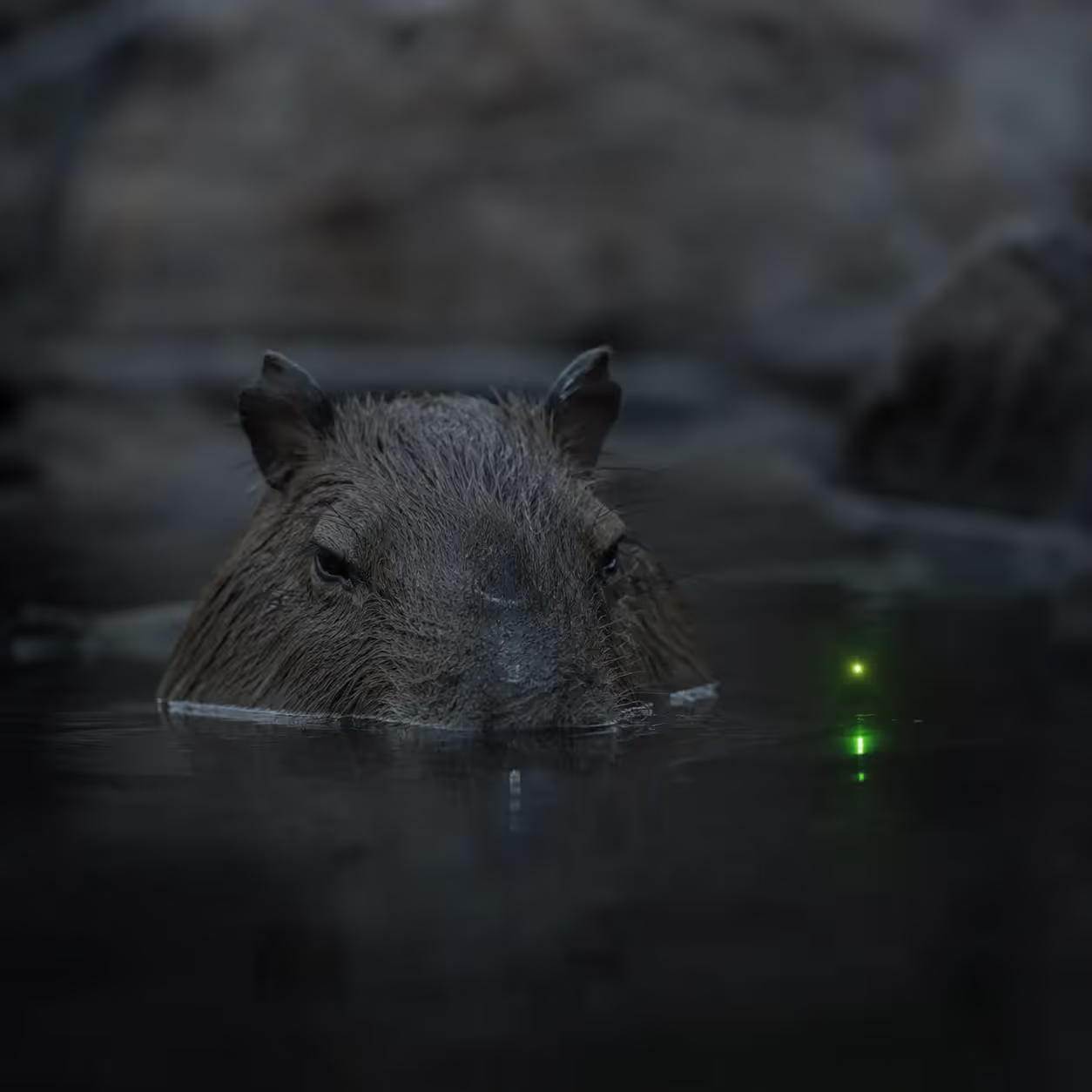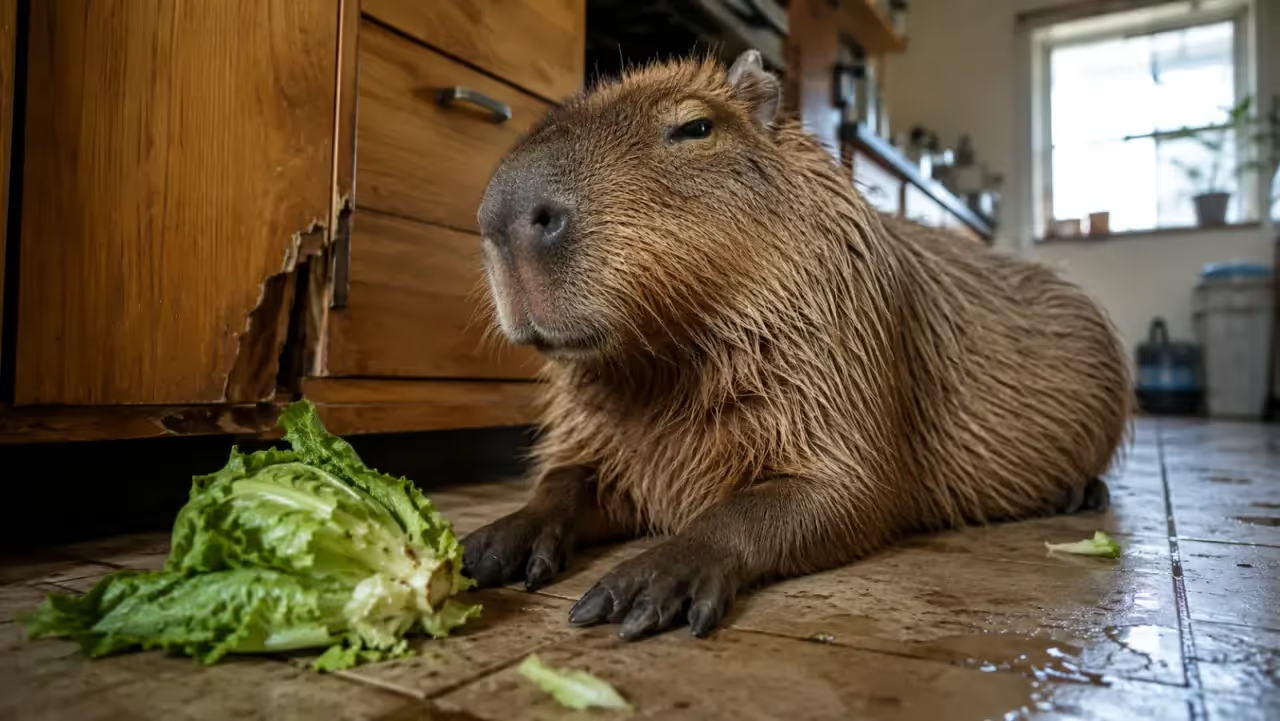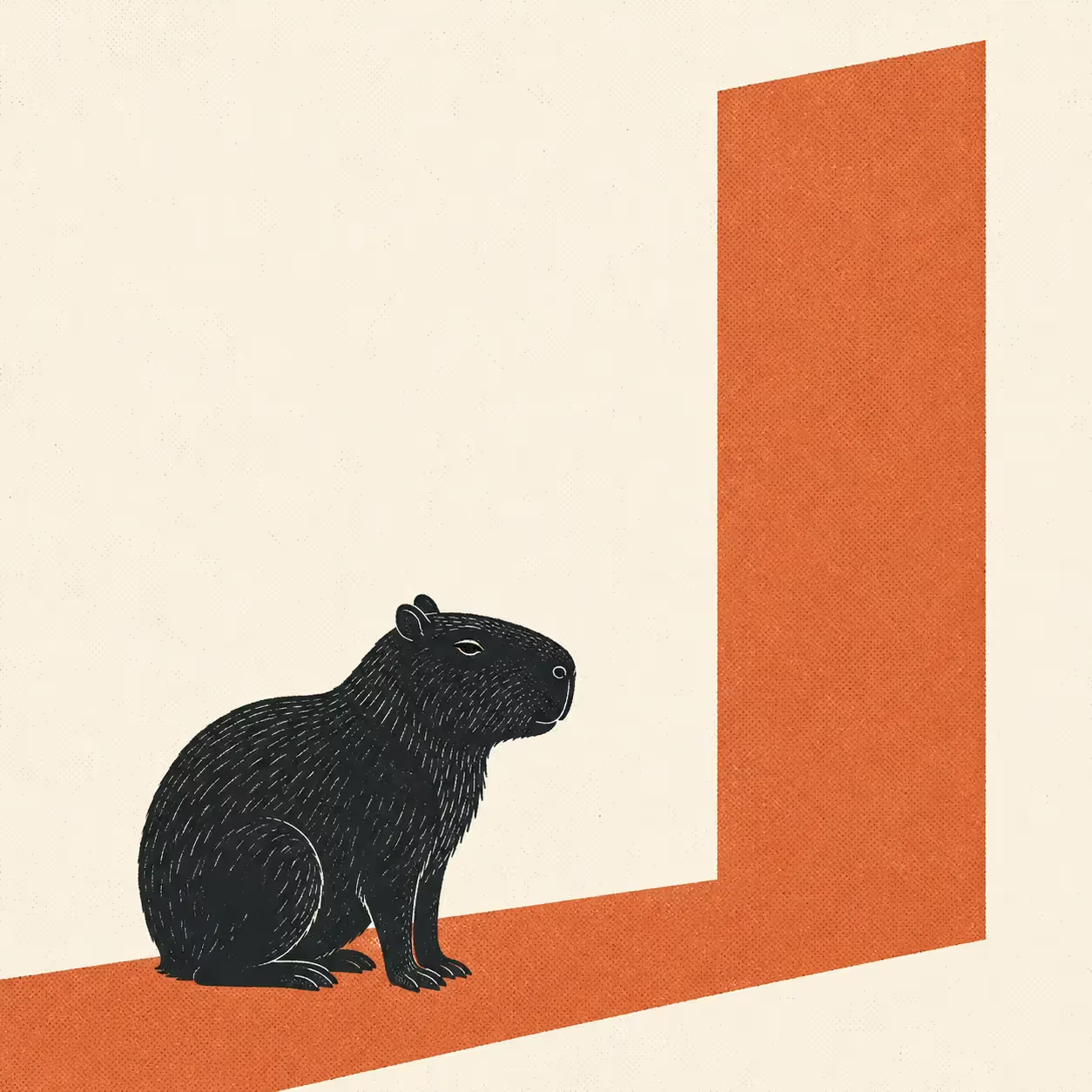

Can you keep just one capybara? Almost never, if you care about welfare and not just legal possession.
Capybaras are social animals. A lone capybara may look calm in a photo, but a still animal is not automatically a content animal. Sometimes it is a lonely animal with no better options.
Can You Keep Just One Capybara? The Short Answer
The welfare answer is no for almost every normal private-ownership scenario. The AZA Capybara Care Manual treats social housing as a core part of capybara care, and Animal Diversity Web describes capybaras living in groups. Same-species companionship is not decoration. It is part of the animal’s operating system.
| Question | Reality check |
|---|---|
| Is one capybara cheaper? | Only in the short term, and welfare pays the bill |
| Can humans replace a companion? | No |
| Can a dog replace a capybara? | No |
| Should ownership planning start with two? | Yes, at minimum |
| Does two mean easy? | Absolutely not |
That last line matters. Two capybaras are not “one problem plus a friend.” They are a larger habitat, larger water system, larger food plan, larger vet plan, and better welfare baseline.
Why Another Capybara Matters More Than Your Attention
Capybaras communicate with sounds, posture, scent, spacing, grooming, following, resting near each other, and group movement. You cannot provide that by being home a lot. You have thumbs, rent, and a phone. You are not a capybara.
This is where pet-curious readers often get quietly offended, because the fantasy is built around being chosen. I get it. A capybara that follows you around would feel like proof your personality passed a secret animal test. But an animal leaning on a human because it has no same-species option is not the same as a healthy bond. Sometimes dependence is just isolation wearing a flattering costume.

The lonely-capybara fantasy usually comes from pet logic: one animal, one bond, one owner who becomes the center of its world. That is a human story, not a capybara care plan. A social prey animal needs companions that understand its signals without a translation app and a snack budget.
The Two-Capybara Math Gets Rude Fast
Planning for two capybaras changes everything. You need more space, more water volume, more secure fencing, more indoor shelter, more food, more waste management, and more veterinary contingency. The cost guide already makes people blink; doubling the animal count does not double every cost neatly, but it raises the bar before you even start.
| Care area | One-capy fantasy | Two-capy reality |
|---|---|---|
| Water | A tub in the imagination | Real pool or pond management |
| Space | Backyard corner | Secure social habitat |
| Food | Cute produce videos | Hay, forage, pellets, browse, treats capped |
| Vet care | Find one vet someday | Exotic vet relationship before purchase |
| Behavior | Bond with me | Manage capybara social dynamics |
If that table feels discouraging, good. It is supposed to arrive before the seller’s phone number, not after a lonely animal is staring at a kiddie pool.
This is the backyard moment most people skip. Picture the second animal arriving and the first one not politely reading the script. There may be dominance behavior, spacing problems, food competition, or one animal claiming the best water entry. A serious setup has room to separate, reintroduce, monitor, and call experienced help. A casual setup has panic, a group chat, and a tarp. The capybaras deserve the first version.
Common Companion Myths That Do Not Hold Up
| Myth | Better answer |
|---|---|
| My dog can be its friend | Dogs are predators by design and do not replace capybara companionship |
| I work from home | Human presence is not same-species social life |
| It will bond better if alone | Isolation is not a bonding strategy |
| I can add another later | Introductions need planning, space, and expertise |
| A plush helps | A plush is decor with optimism |
Capybaras and dogs is the cautionary read if your mind jumped to “but my dog is gentle.” Maybe. Still not a capybara.
The same goes for cats, goats, chickens, and whatever other animal the internet has arranged near a capybara for vibes. Coexistence can be adorable. It is not a replacement for the social toolkit of another capybara: vocal timing, group resting, scent cues, dominance negotiation, and the deeply underrated comfort of another animal that knows exactly when to get in the water.

Who Pays For The Simpler Setup
If you are asking whether you can keep just one capybara, the better question is whether your setup can support at least two compatible capybaras well. That means space, water, food, fencing, shelter, veterinary care, and the ability to manage introductions.
One capybara may look simpler on paper. The animal is the one who pays for that simplicity. That is not a plan. That is loneliness with a permit question taped to it.