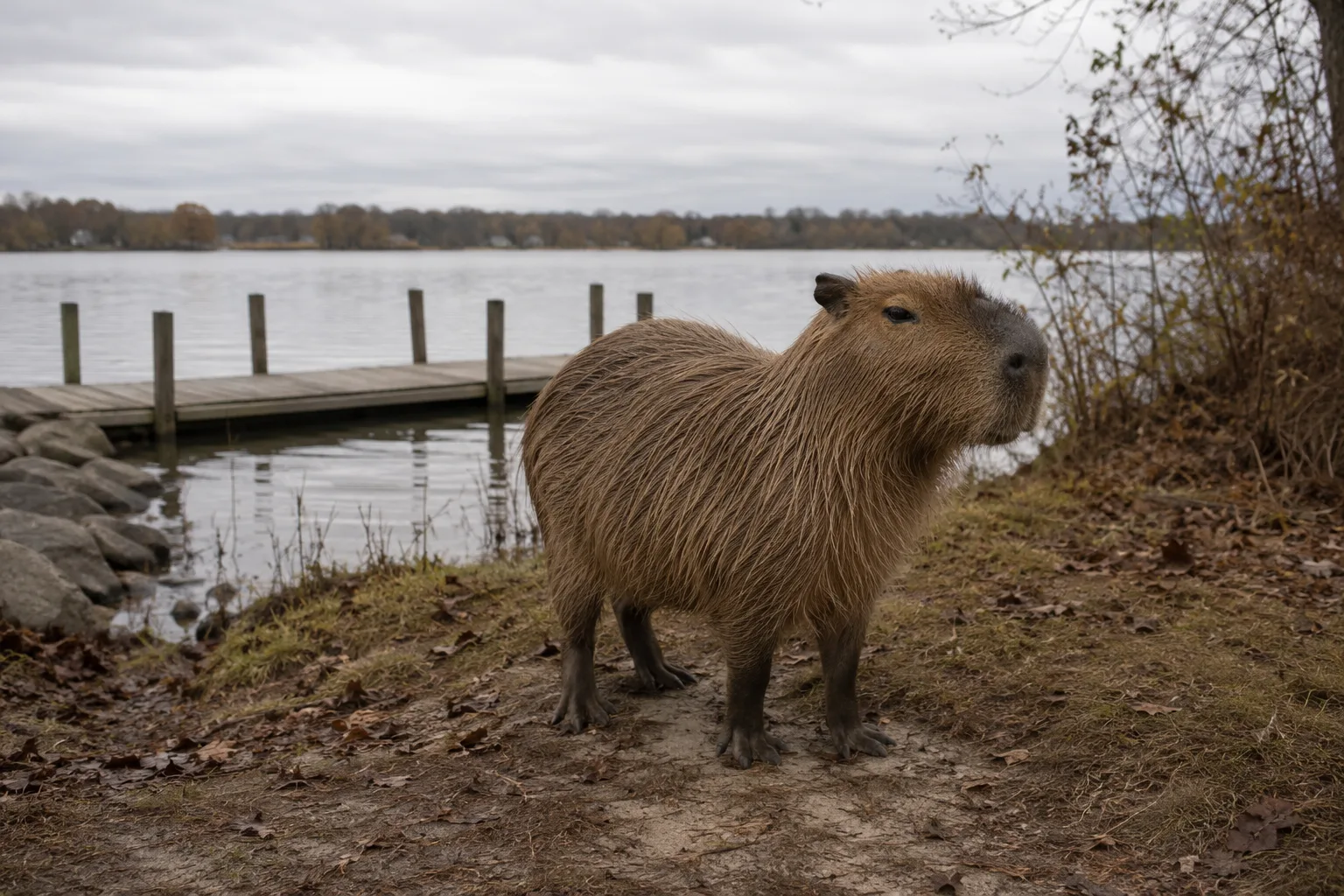
A capybara can cost thousands of dollars before it ever eats one blade of grass at your house. The animal itself is only one line item. The real bill is enclosure, fencing, water, drainage, social housing, hay, produce, veterinary care, permits, and repairs after your giant rodent discovers the concept of infrastructure.
This is why responsible capybara cost guides sound less like shopping advice and more like someone estimating a tiny municipal wetland.
The Cost Snapshot
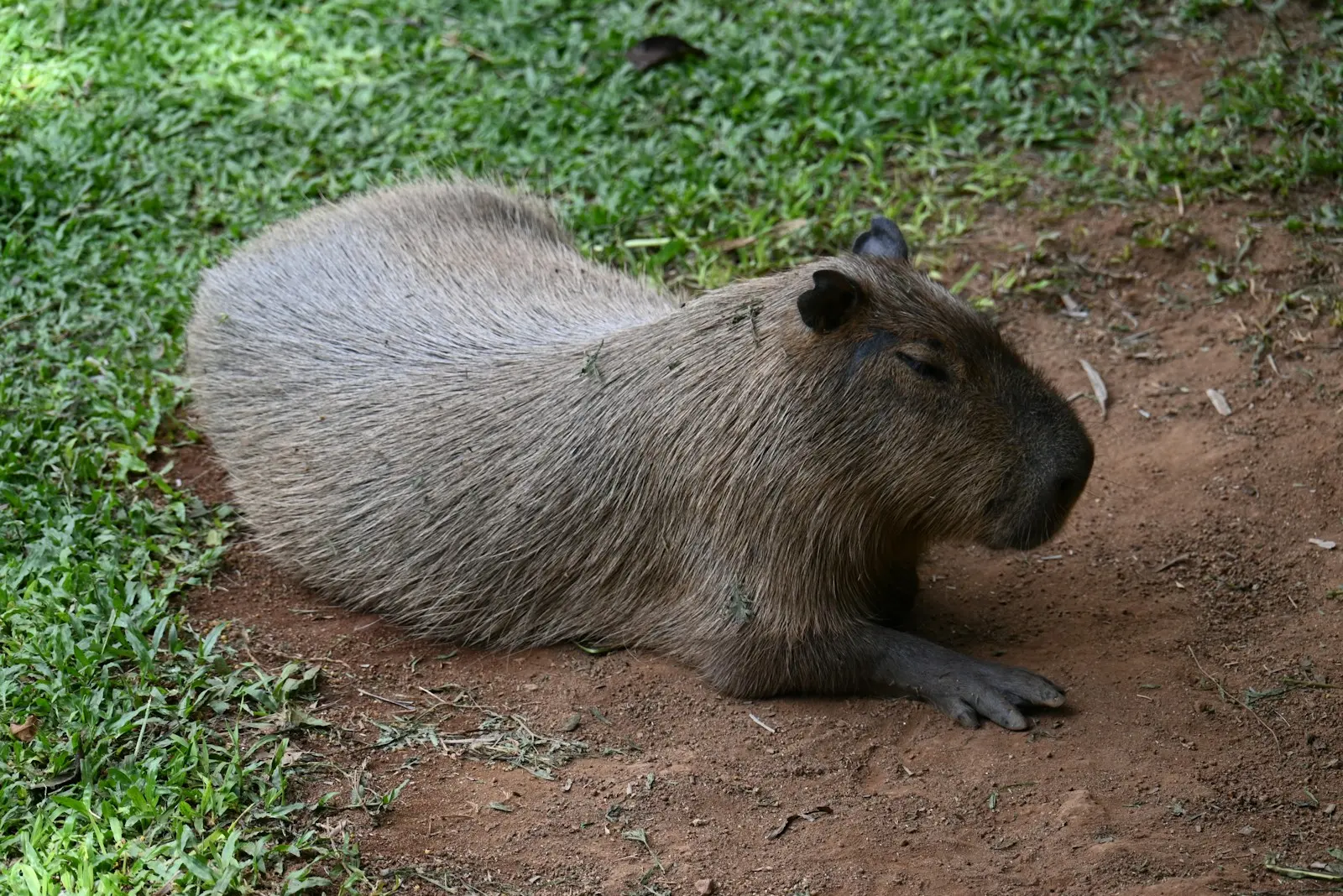
Prices vary by breeder, state, transport distance, legal requirements, and animal age. Because private exotic-animal markets are not transparent like grocery shelves, treat online prices as rough clues, not gospel. The more reliable way to estimate cost is to start with the animal’s biology.
Animal Diversity Web describes capybaras as the largest living rodents, strongly associated with water, and often living in social groups. San Diego Zoo Wildlife Alliance lists adult weights around 77 to 146 pounds. AZA guidance treats water, social management, diet, and containment as core care needs. Translation: the cheap capybara is usually the imaginary one.
| Cost category | What it includes | Why it gets expensive |
|---|---|---|
| Purchase or adoption | Animal price, transport, health records | Ethical, legal sources are limited and not impulse-buy cheap. |
| Enclosure | Fencing, shelter, gates, dig/chew resistance | A 100-pound rodent is not impressed by decorative garden fencing. |
| Water system | Pond, pool, filtration, drainage, cleaning | Capybaras need real water access, not just a photo prop. |
| Veterinary care | Exotic vet exams, emergencies, dental/hoof checks | Specialist care is harder to find and can require travel. |
| Food | Hay, grasses, pellets, produce, browse | High-fiber herbivore diets are ongoing, not occasional salad theater. |
The Wetland Tax
People usually ask, “How much is a capybara?” The better question is, “How much does capybara habitat cost?”
A capybara needs space to move, water deep enough for normal behavior, shade, warm shelter in cold weather, social companionship, and safe surfaces for feet and joints. Poor drainage can become a health problem. Weak fencing can become a neighborhood problem. Lonely housing can become a welfare problem.
The AZA manual is a useful reality check because it was written for professional care. If a zoo needs a manual, a private owner needs humility.
Startup Cost Vs Yearly Cost
The biggest mistake is treating capybara ownership like buying one exotic object. It is closer to launching a small facility. The first year is heavy because you are building the habitat. Every year after that is still heavy because water, feed, repairs, and veterinary access keep sending invoices with little shoes on.
| Budget bucket | One-time or ongoing? | Reader note |
|---|---|---|
| Legal checks and permits | Both | Rules can change by state, county, city, and whether the animal is exhibited. |
| Habitat build | Mostly one-time, then repairs | Secure fencing, shelter, water access, and drainage are the real startup bill. |
| Food | Ongoing | High-fiber forage is not optional; treats are not a diet plan. |
| Veterinary reserve | Ongoing | Exotic-animal care can require travel, sedation, imaging, or specialist referrals. |
| Companion animal | Often startup plus ongoing | Capybaras are social. One lonely animal is not the charming version of the story. |
Because prices vary wildly, the most honest number is a range with a warning label: expect the first year to run into the many thousands once proper enclosure and water are included. A setup that is suitable can climb much higher. If the total budget depends on finding the cheapest animal, the budget is already making bad decisions.
What The Paperwork Actually Costs
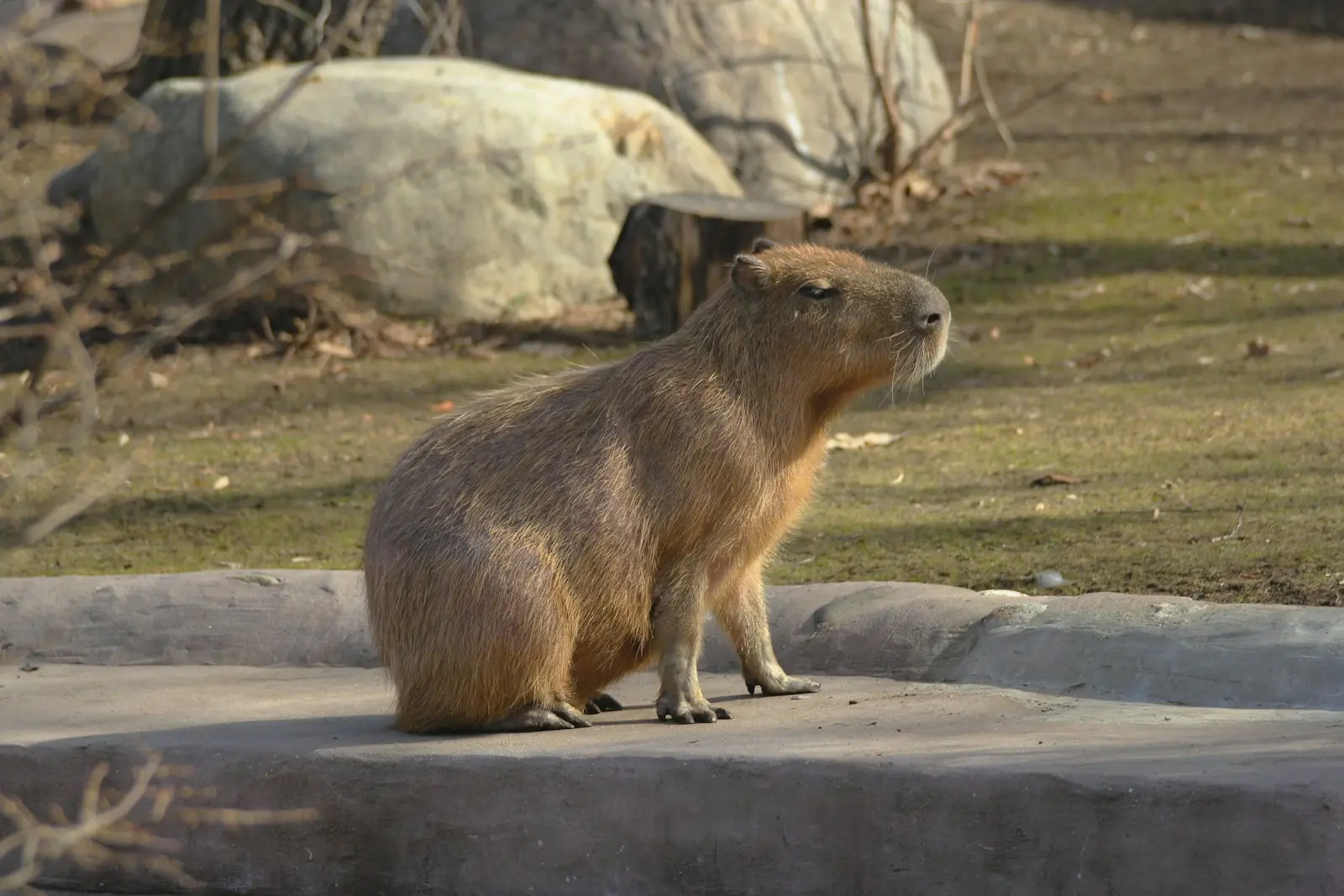
Here is the part every cost guide waves at and none of them price: the permit. The fees are public, they are written into statute, and they are almost comically small next to everything else on this page — which is exactly why quoting them alone is misleading.
| Where | The fee, as the statute sets it | What it is attached to |
|---|---|---|
| New Jersey | $10 Individual Hobby Permit, mammals | One permit regardless of how many animals it covers — not per animal |
| Nevada | $15 noncommercial, $500 commercial (NRS 502.240) | Expires 30 June whatever month you bought it, plus a Clark County per-animal permit and a zoning use permit |
| Georgia | $250.00 a year, wild animal licence (O.C.G.A. 27-2-23(8)(S)) | An annual licence, not a one-off |
| Mississippi | Up to $300 per permit type (Miss. Code Ann. § 49-8-9) | Plus liability insurance at $100,000 per animal, to a maximum of $1,000,000 |
| Federal, if you exhibit | $120 application (9 CFR § 2) | USDA licensing, which is a different question from whether you may keep one |
Read that Mississippi row again. The permit is at most $300 and the insurance behind it is up to a million dollars — and the insurance is the actual barrier, not the fee. New Jersey is the mirror image: a $10 permit that people cite as proof the state is relaxed, attached to a scheme that decides whether you qualify at all.
A licence number tells you what the state charges to process a form. It tells you nothing about the enclosure inspection, the insurance, the annual renewal, the county layer underneath it, or whether your application will be approved. Budgeting from the fee is how people end up with a deposit paid and no clearance.
Two structural costs hide inside those rows and neither is optional:
Renewal is a calendar, not a purchase. Nevada’s licence expires on 30 June regardless of when it was issued, so buying in May costs the same as buying in July and lasts six weeks. Georgia’s is annual. Price the animal’s whole life, not its first year.
The layers stack. Nevada is the clearest case: a state licence, then a county permit that is per animal, then a zoning use permit for the property. Three approvals, three timelines, and the cheapest of them is the one everybody quotes. The state-by-state map has the full picture; the permits and licences guide covers how the layers fit together.
And the number that is not on this table: in a good many states there is no fee at all, because there is no permit available at any price. California restricts the animal outright. That is a cost too — it is just denominated in “no.”
The Monthly Costs People Forget
Hay. Bedding. Water treatment. Produce. Replacement fencing. Electric bills. Winter heat. Vet savings. Permit renewals. Extra cleaning tools. A second capybara, because one lonely capybara is not the wholesome internet picture people imagine.
And then there is the social cost: fewer vacations, more cleaning, and the permanent knowledge that your backyard now has opinions.
Where The Money Really Goes
Capybaras are hystricomorph rodents, the same broader rodent group as guinea pigs, but the scale is ridiculous. San Diego Zoo gives adult weight at about 77 to 146 pounds. That means food volume, fencing strength, transport, and medical handling all live in a different category from small-pet care.
The Merck Veterinary Manual’s rodent health guidance is a reminder that teeth, diet, and husbandry are linked. Poor food choices and poor chewing opportunities can become health issues. The AZA manual adds the professional-care layer: social grouping, diet presentation, water quality, shelter, and observation all matter. None of those are glamorous. All of them cost money.
For most fans, the best capybara budget is zoo membership, a good camera, and snacks for yourself. The animal gets expert care. You get joy without drainage engineering.