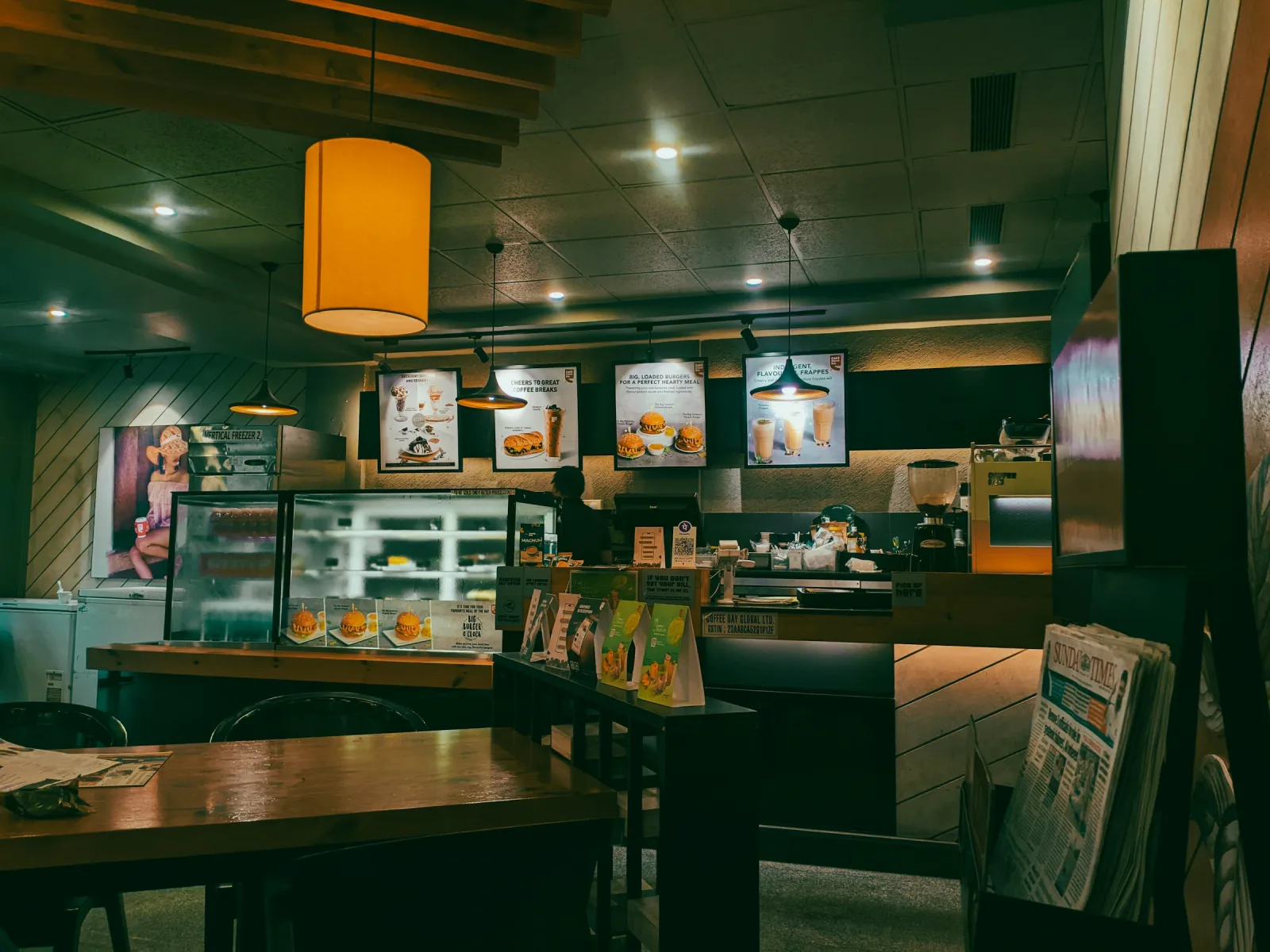
Capybara cafe vs zoo encounter is not really a question about coffee or ticket windows. It is a question about who the room was designed for.
The short answer: a good zoo encounter is usually less sketchy because it is more likely to sit inside a visible animal-care system. A capybara cafe can still be responsible, but you need to screen harder for water, rest, staff rules, retreat space, and whether the animal is being asked to perform closeness all day.
The fastest way to tell the two apart is to ask one question: when the capybara wants to walk away, can it? In a well-run zoo encounter, the answer is built into the habitat. The animal has a pool, shade, and a place guests cannot follow. In a lot of cafes, walking away just means a slightly different corner of the same small room. That single difference tells you more than the menu, the lighting, or the queue outside.
The Main Difference
A zoo encounter usually begins with the animal’s habitat and adds limited guest access. A cafe often begins with guest access and has to prove the animal-care system behind it.
Take The Capybara Cafe in St. Augustine, Florida, billed as America’s first capybara cafe and built around timed cuddle sessions with two capybaras, Mocha and Latte. That is the cafe model in one sentence: the experience starts from guest contact, and everything about water, rest, and retreat has to be shown, not assumed.
That does not make every zoo good or every cafe bad. It just changes the burden of proof. AZA accreditation evaluates animal welfare, living environments, social groupings, health, nutrition, enrichment, care, and management. A cafe may have care standards too, but they need to be visible enough that you are not judging from latte foam and vibes.
Space, Water, And Rest
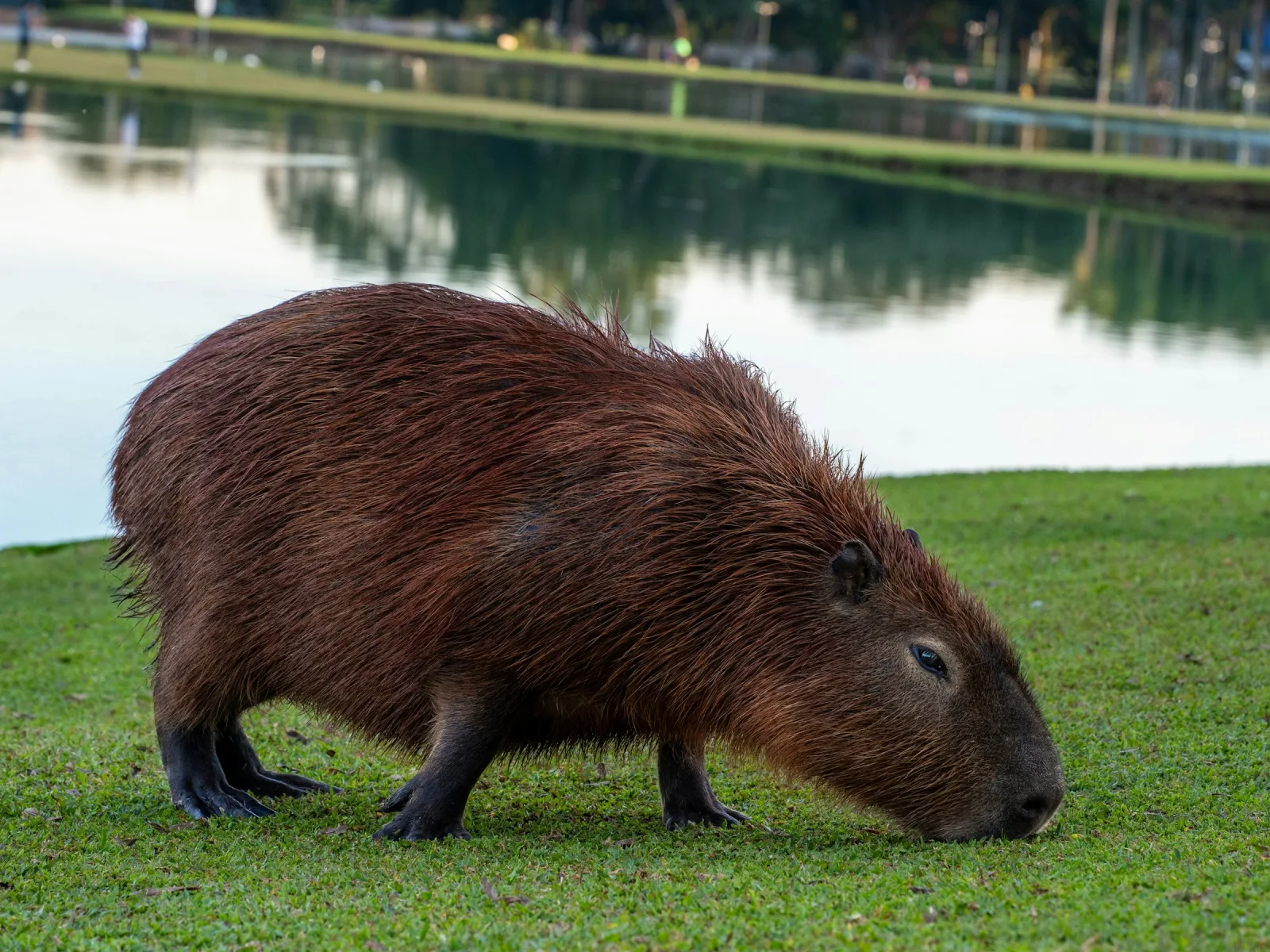
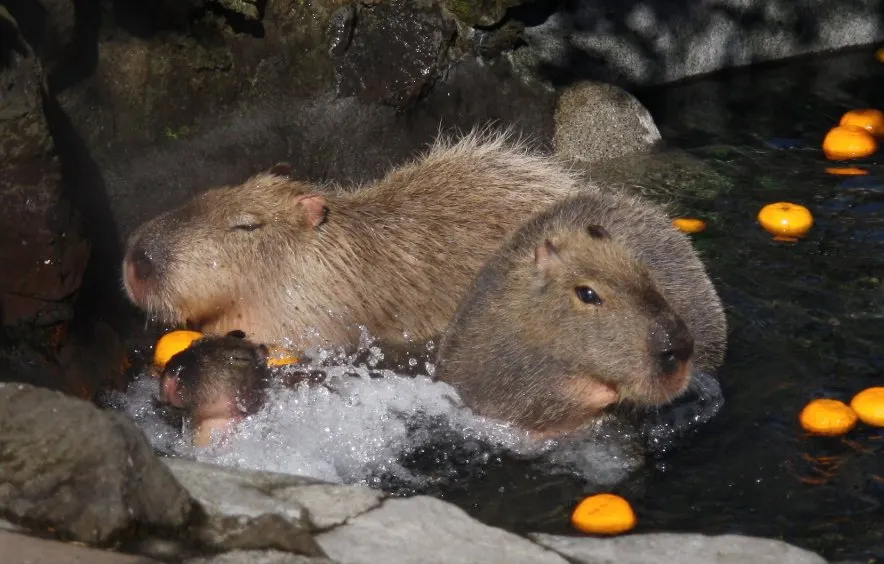
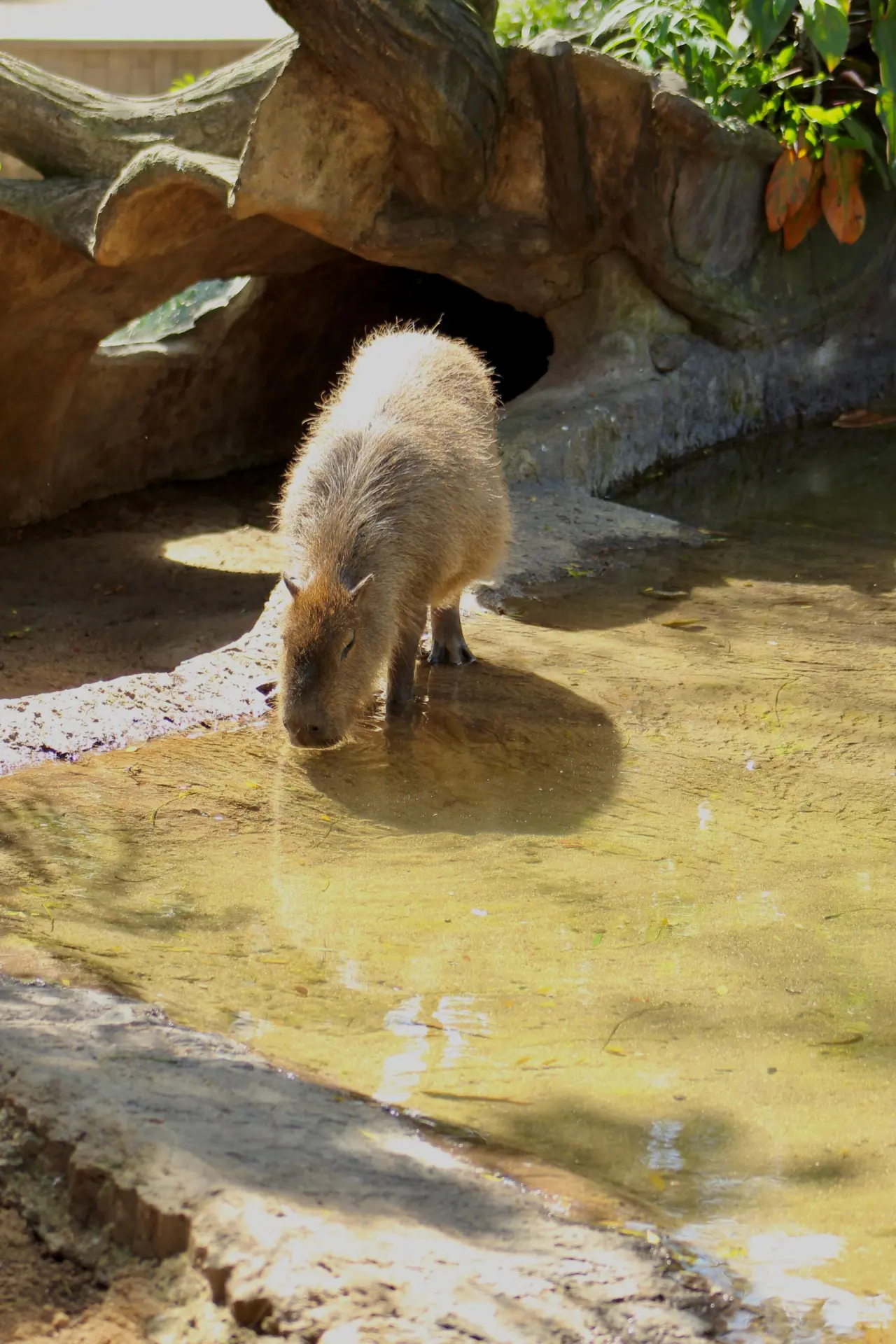
Capybaras need water. San Diego Zoo Wildlife Alliance says a swimming hole is part of a healthy capybara lifestyle, and the AZA manual says capybara behavior revolves around water. Any experience that puts the animal in a small dry guest room must explain how water, outdoor space, sanitation, and rest work when guests leave.
| Question | Cafe answer you want | Zoo answer you want |
|---|---|---|
| Where is the water? | Clear habitat plan beyond the guest room | Visible pool or described habitat access |
| Can they leave? | Yes, retreat space is real | Yes, animal choice is respected |
| How long are sessions? | Limited, with rest between | Limited, staff-led |
| What is the point? | Education and support, not endless cuddles | Education, welfare, and observation |
Staff Training And Oversight
USDA APHIS says AWA-regulated businesses must be licensed or registered. That is relevant for public exhibition, but it is not the finish line. The real question is what trained staff do during the session.
Do they brief guests? Read animal behavior? End contact when needed? Limit food? Stop children from crowding? Explain why guests cannot pick animals up? If staff behave like hosts at a party rather than animal-care people with authority, the capybara is the one absorbing the risk.
Guest Behavior Problems
Cafe settings can intensify guest weirdness. People sit close. They want value for money. They want the animal to approach, stay, cuddle, and bless the group chat. Zoo settings can have guest problems too, but barriers, larger habitats, and keeper control often reduce the pressure.
The red flag is not “people enjoy the animal.” The red flag is when the animal cannot choose distance from that enjoyment.
Misconceptions Worth Dropping
A few ideas get repeated until they sound like rules. Most of them collapse the moment you look at what the animal is doing.
| Common belief | Better answer |
|---|---|
| More petting means a closer bond | More petting usually means more demand on the animal, not more connection |
| A calm capybara is a happy capybara | Calm can also mean tired, shut down, or out of options |
| Feeding the animal is harmless fun | Unmanaged food can wreck a careful diet; capybaras need vitamin C and steady grazing, not snacks |
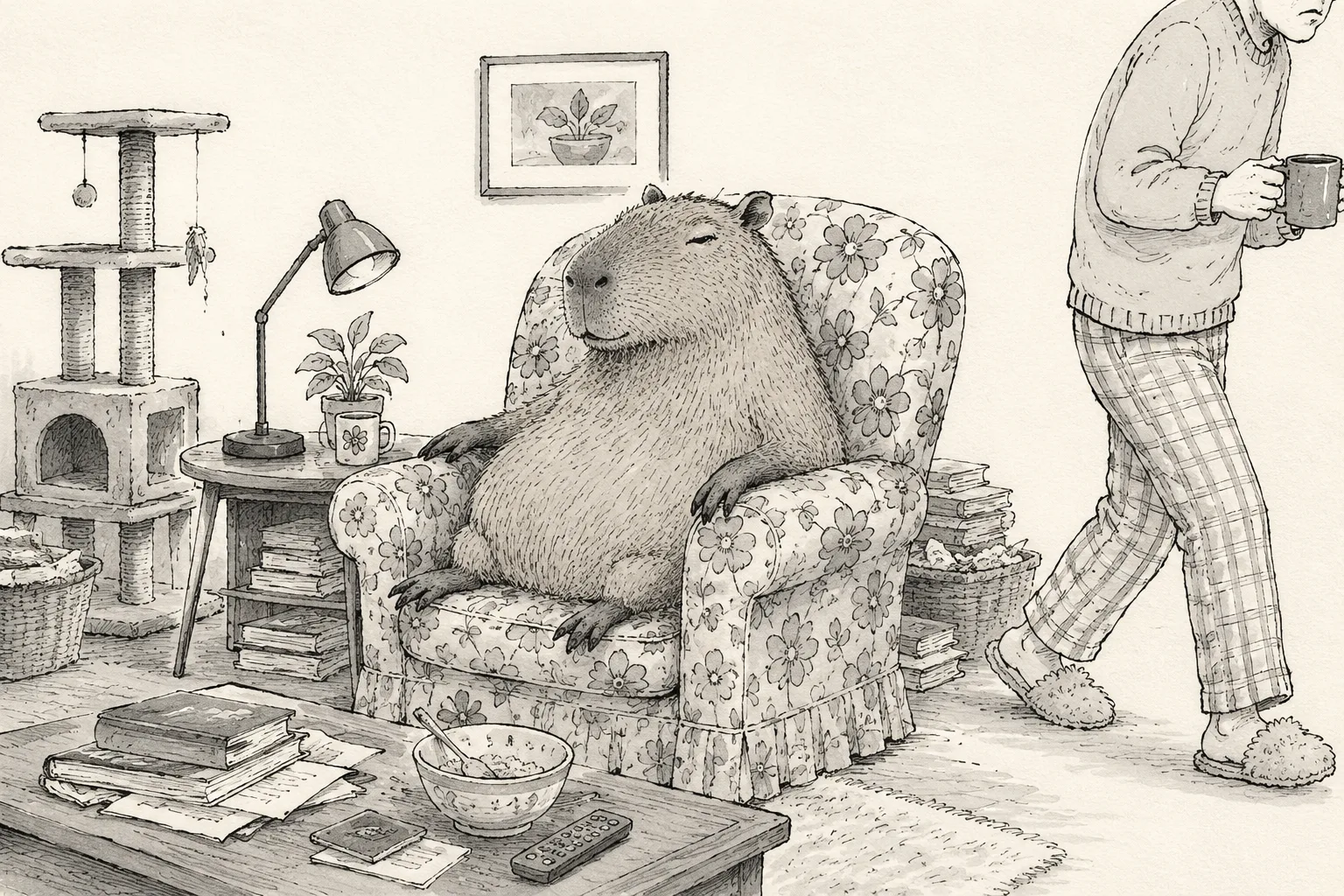
My honest take: the cafe model is the harder one to do well, and most of the buzzy ones are not doing it well. Not because the people running them are villains, but because the format quietly rewards contact over rest. When the business depends on guests touching the animal, the animal’s quiet preferences are always the first thing on the table to bend.
How To Choose Without Regret
Choose the experience with fewer promises and better answers. Look for water, social housing, staff authority, limited sessions, veterinary care, clean rules, and a no-picking-up policy. Be especially skeptical of any place selling unlimited cuddles, constant lap time, or a room that looks designed for Instagram before animal welfare.
If the choice is between a trendy room with more contact and a zoo program with more rules, pick the rules. The capybara did not ask to work brunch.