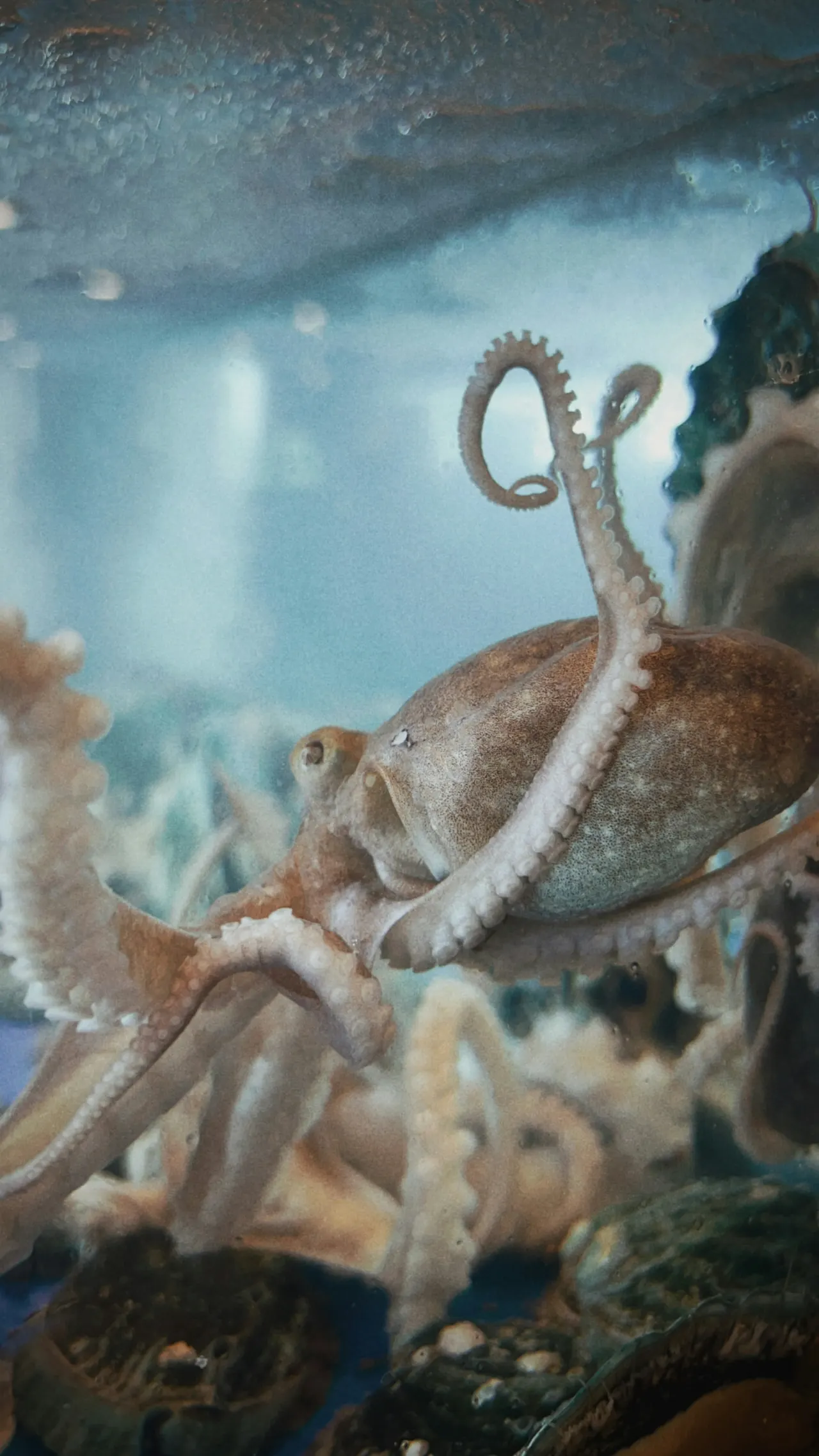
Every World Cup, an animal somewhere gets handed a job it did not apply for: call the winner. The 2026 final lands on July 19, which means the oracle-animal industry is already warming up its tanks and feeding bowls.
The short version: animals have “predicted” World Cup results for years, the most famous being Paul the Octopus, who went 8 for 8 in 2010. The math says this is luck plus good editing, not prophecy. And a capybara would never take the gig, because nothing about the job interests it.
That last part is the thesis. Stay with me.
How an octopus became the World Cup’s most trusted analyst
Paul lived at the Sea Life Centre in Oberhausen, Germany. Before each German match, keepers lowered two clear boxes into his tank, each holding a mussel and a national flag. Whichever box Paul opened first was his pick.
In 2010 he called all seven of Germany’s matches plus the Spain-Netherlands final, a clean 8 for 8. His 2008 Euro record was a more human 4 for 6. He got famous enough that, per multiple reports, fans of beaten teams sent death threats to a mollusk. Paul died later that year of natural causes, at the very normal octopus age of two and a half.
His run spawned a whole bestiary of successors. None matched the streak, but the format stuck: two bowls, two flags, one confused animal, a room full of cameras.

The oracle animals, ranked by how seriously people took them
Some did genuinely fine. Achilles, a deaf white cat from the State Hermitage Museum in St. Petersburg, picked from flag-marked food bowls during the 2018 World Cup and got several group-stage calls right, including Russia over Saudi Arabia. NPR covered it with a straight face. In 2022, an eight-year-old otter named Taiyo at Tokyo’s Maxell Aqua Park dropped a tiny ball in Japan’s bucket the day before they upset Germany 2-1, then his handlers quietly retired him while he was ahead.
| Oracle animal | Year & tournament | Record | What a capybara would do |
|---|---|---|---|
| Paul the Octopus | 2010 World Cup | 8 of 8, including the final | Decline to touch either box |
| Achilles the cat | 2018 World Cup | Several correct, incl. Russia-Saudi | Sit on both flags until they were warm |
| Taiyo the otter | 2022 World Cup | Correctly tipped Japan over Germany | Eat the ball, then leave |
Why the streak was always just a coin flip
Here is the unsexy part. Each pick is roughly a coin flip. Eight correct flips in a row is about a 1-in-256 shot, unlikely for any single animal and nearly guaranteed across the whole field. Cambridge statistician David Spiegelhalter’s Understanding Uncertainty project made the point back in 2010: with hundreds of animals worldwide making picks, somebody was always going to run the table, and that somebody gets the documentary. The thousands who guessed wrong get forgotten by dinner.
That is survivorship bias in one tank. We remember Paul because Paul was right. Nobody remembers the eight aquariums whose octopuses flubbed game one and were never booked again.
Honestly, the most impressive thing about Paul was the branding, not the brain.
Why a capybara would refuse the gig entirely
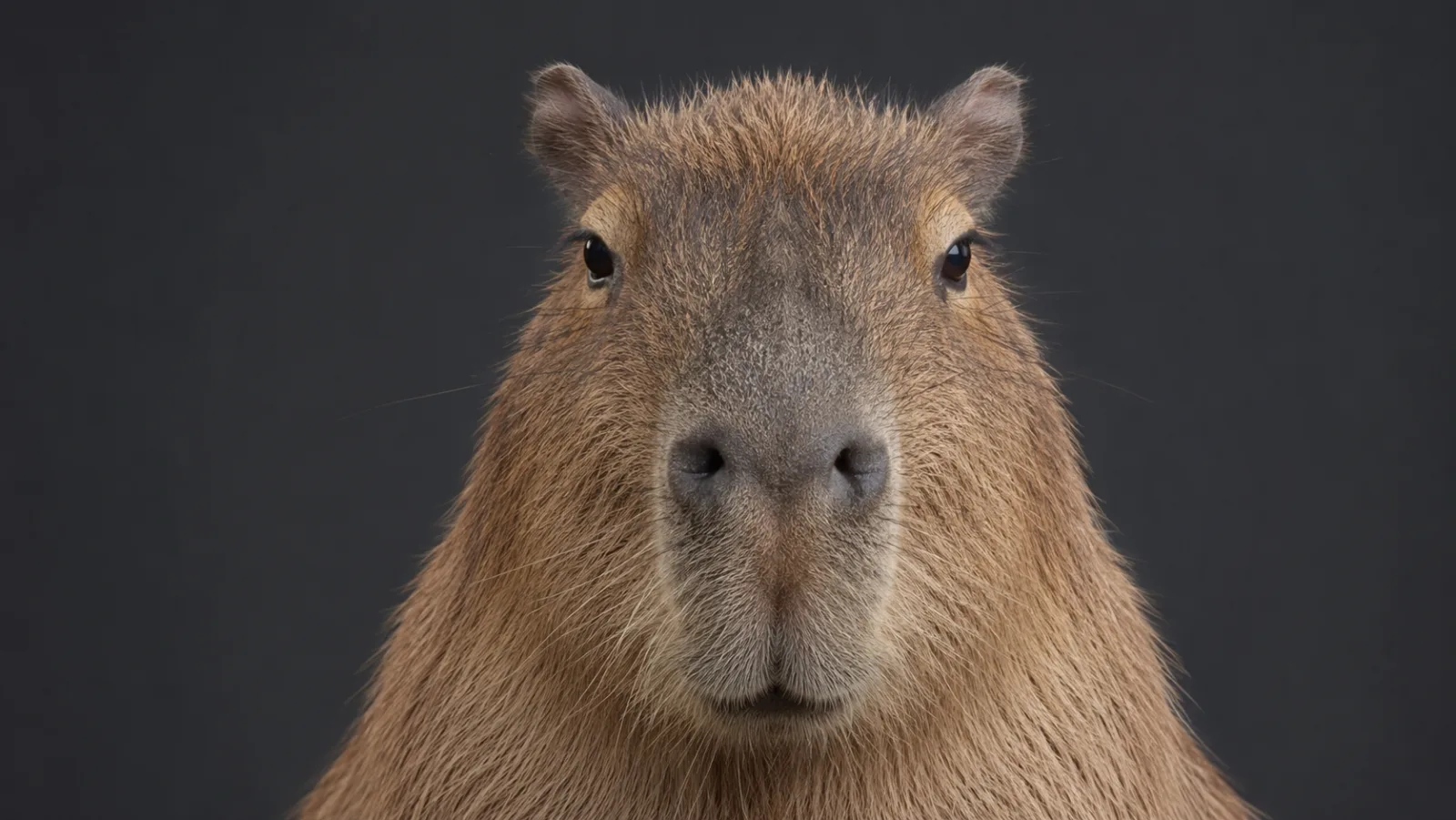
Now the capybara.
Every oracle stunt depends on one thing: an animal that will reliably move toward a reward. Octopuses investigate boxes. Cats go to food. Otters chase the ball. The flag is a decoy, the animal is just being itself near a snack, and we narrate destiny over the top.
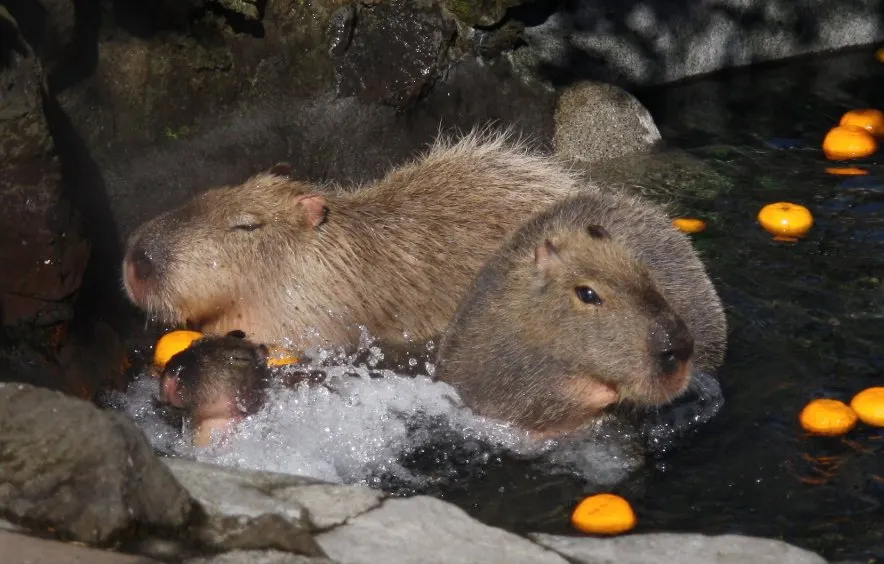
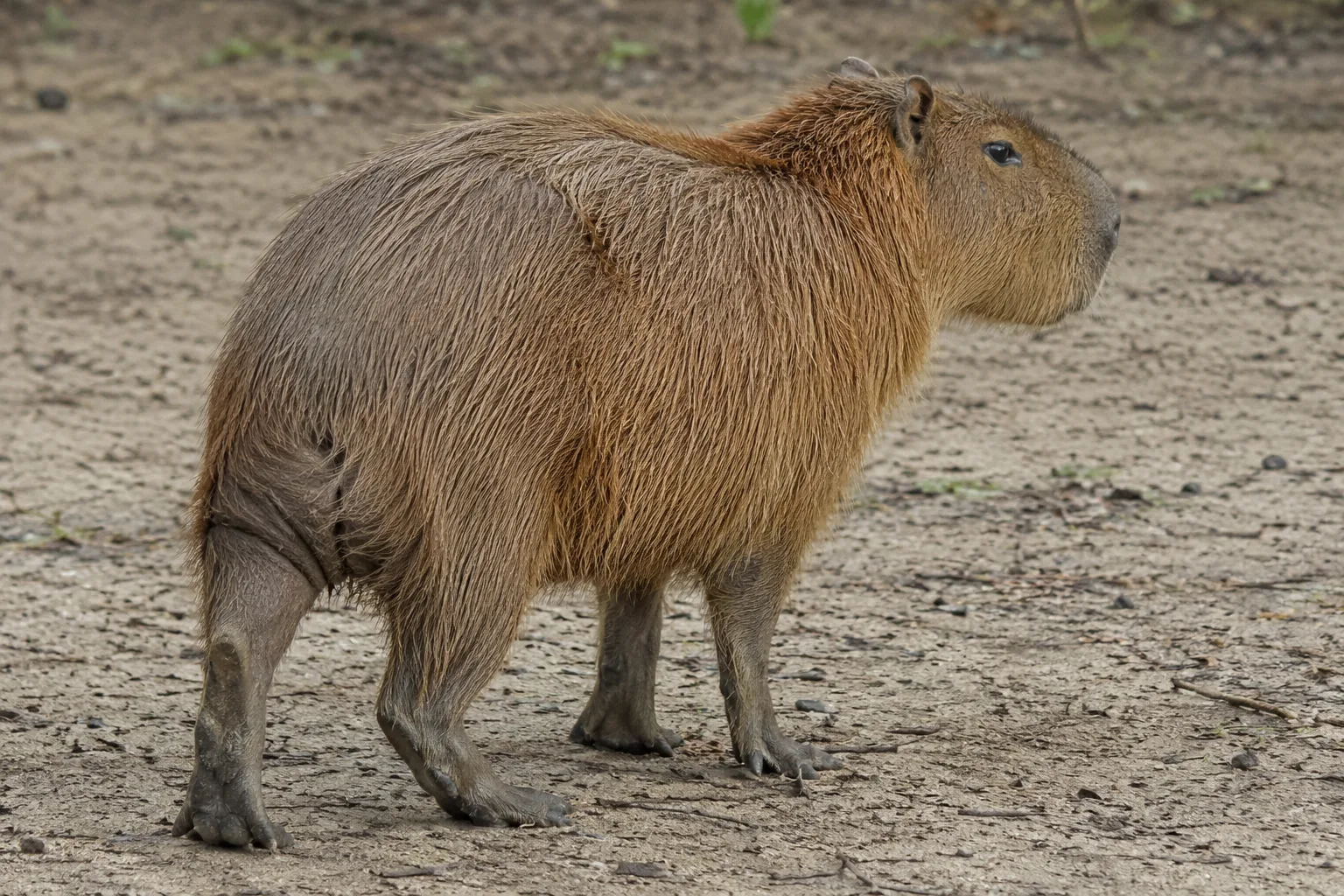
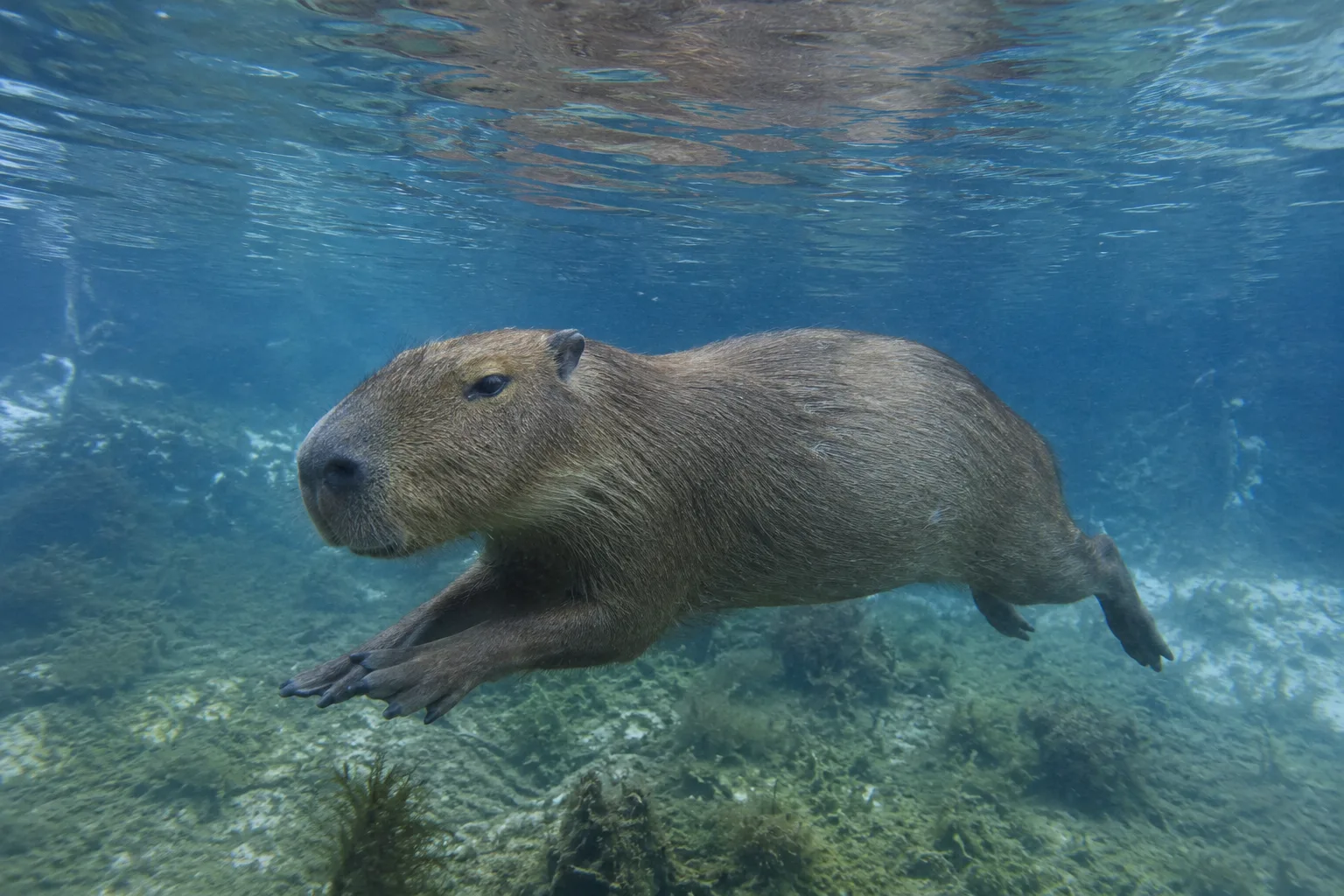
A capybara breaks the format at step one. Offer it two flagged boxes and it will weigh the situation, notice that neither one is a swimming hole, and lie down. If the flags are made of anything vaguely plant-like, it may eat both of them and the question with them. The famous calm isn’t a trick you can aim at a fixture list. You cannot bribe a capybara into caring about Argentina versus France, because it has already priced in that both teams will be fine without its input.
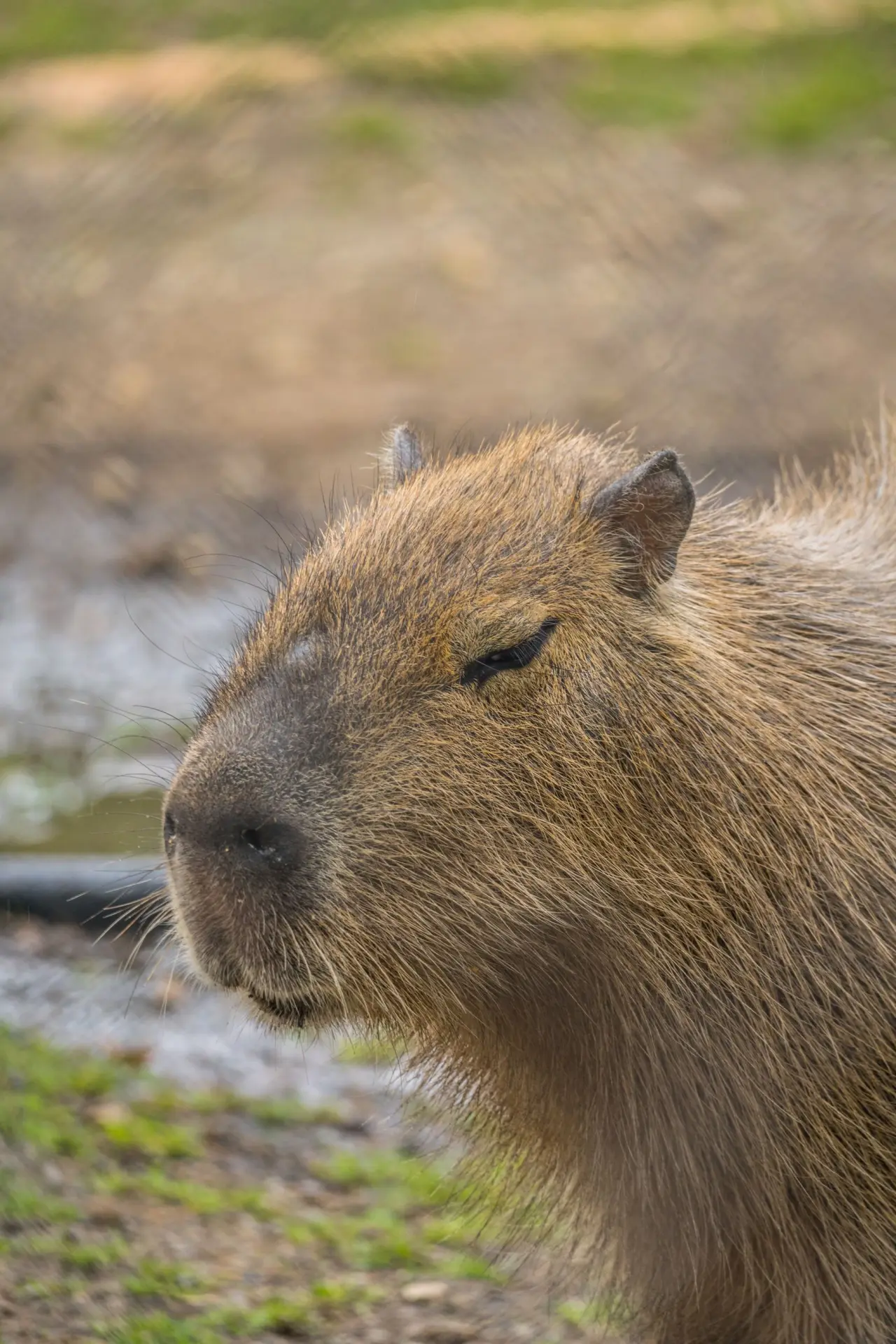
This is the part I find genuinely funny. Every other oracle animal is, on some level, eager. The capybara’s whole brand is the absence of eagerness. Its refusal isn’t a failed prediction. The refusal is the prediction.
Somebody Already Tried It, And It Went Exactly As Predicted
This is not a thought experiment any more. On 20 June 2026 Dallas Zoo asked its three capybaras — Velero, Atziri and Piquiri — to forecast the Argentina vs. Austria match, using two goals decorated in team colours and stocked with kale, bamboo and cantaloupes cut to look like footballs.
The result was a three-way split of the kind no octopus ever delivered. Two picked Austria. The third knocked the Argentina goal structure over entirely.
Read generously, that is a prediction of chaos. Read accurately, it is a capybara identifying the only part of the arrangement that was actually about it — the food, and the structure between it and the food. The stunt was tied to the zoo’s Goal Wild! experience within its Illuminature lantern festival, which is the real point of these things: the oracle is an admissions promotion wearing a lab coat.
Which is the argument this guide has been making. An octopus in a tank picks one of two boxes and the result looks like a choice. A capybara asked the same question will eat the apparatus, and that difference is not a personality quirk — it is the whole reason animal oracles were always theatre.
What a capybara would actually predict for July 19
If you cornered one on final day and demanded a call, here it is, translated from capybara:
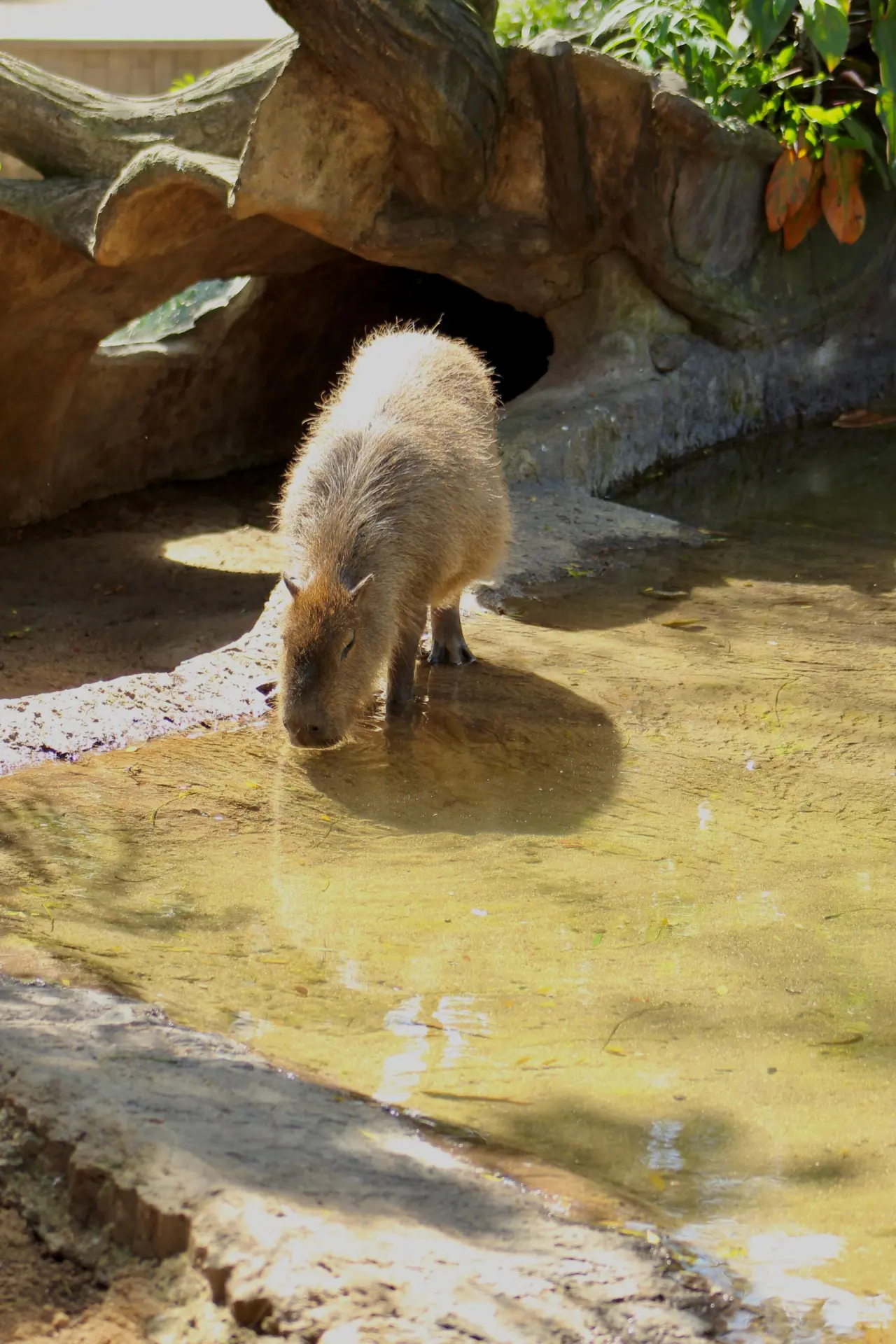
Sit in water. Wait for the heat to pass. Let the humans shout at the screen. The result arrives whether you guess it or not, and nobody’s bracket survived the group stage anyway.

A capybara would not call the final. It already knows the only forecast that has ever held up: the water will still be there tomorrow, and so will the next tournament. The rest is mussels in boxes.