Capybara conservation is weirder than “save the cute rodent.”
The common capybara is not the simple endangered-species story people sometimes assume. In many places, the bigger question is how humans manage wetlands, hunting, ranching, roads, crops, and local abundance. A species can be doing fine globally and still be badly misunderstood in every comment section.
The Global Status People Get Wrong
San Diego Zoo’s conservation-status fact sheet lists the common capybara population trend as stable, while noting that status depends on local conditions. That is the first correction: the capybara most people know from memes is not currently a global emergency symbol.
That does not make conservation irrelevant. It just means the story is not a rescue-poster headline.
Common Does Not Mean Simple
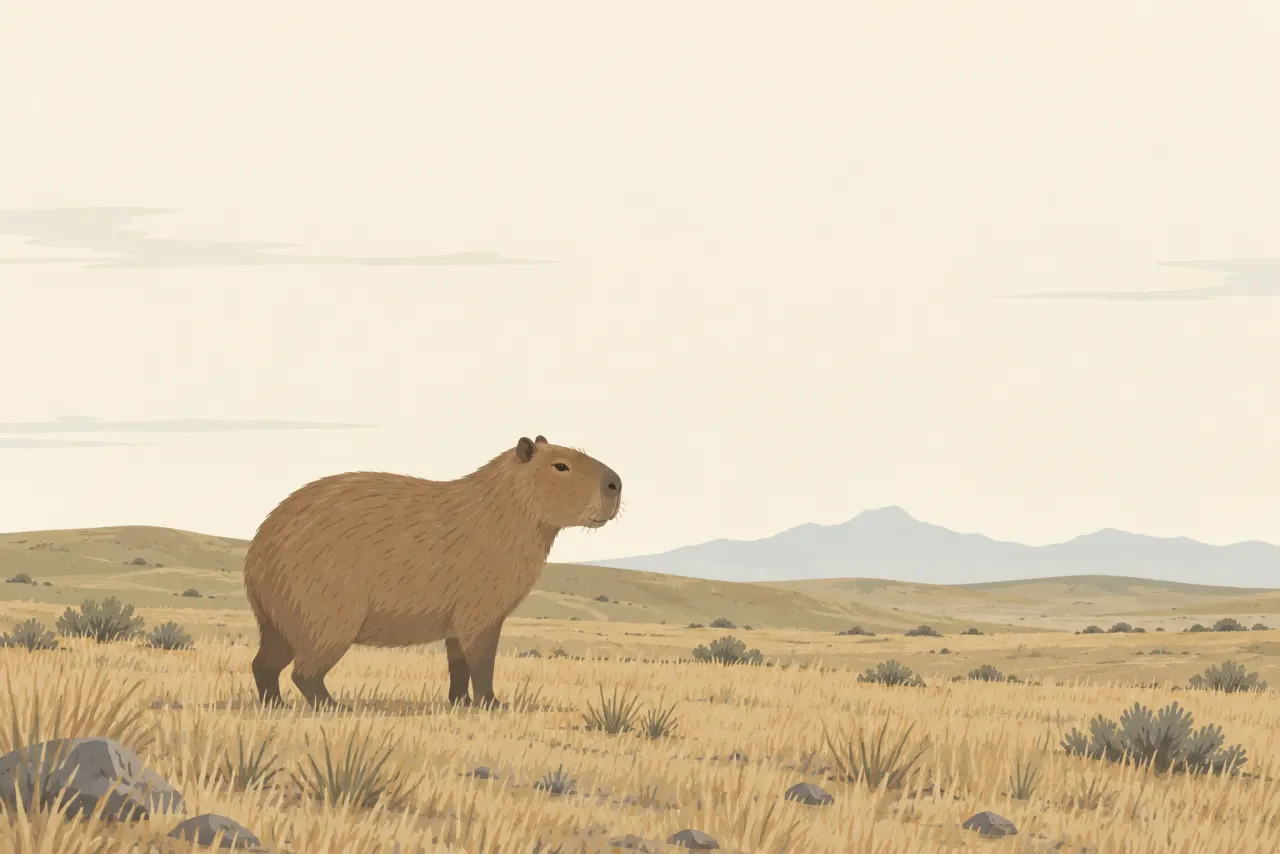
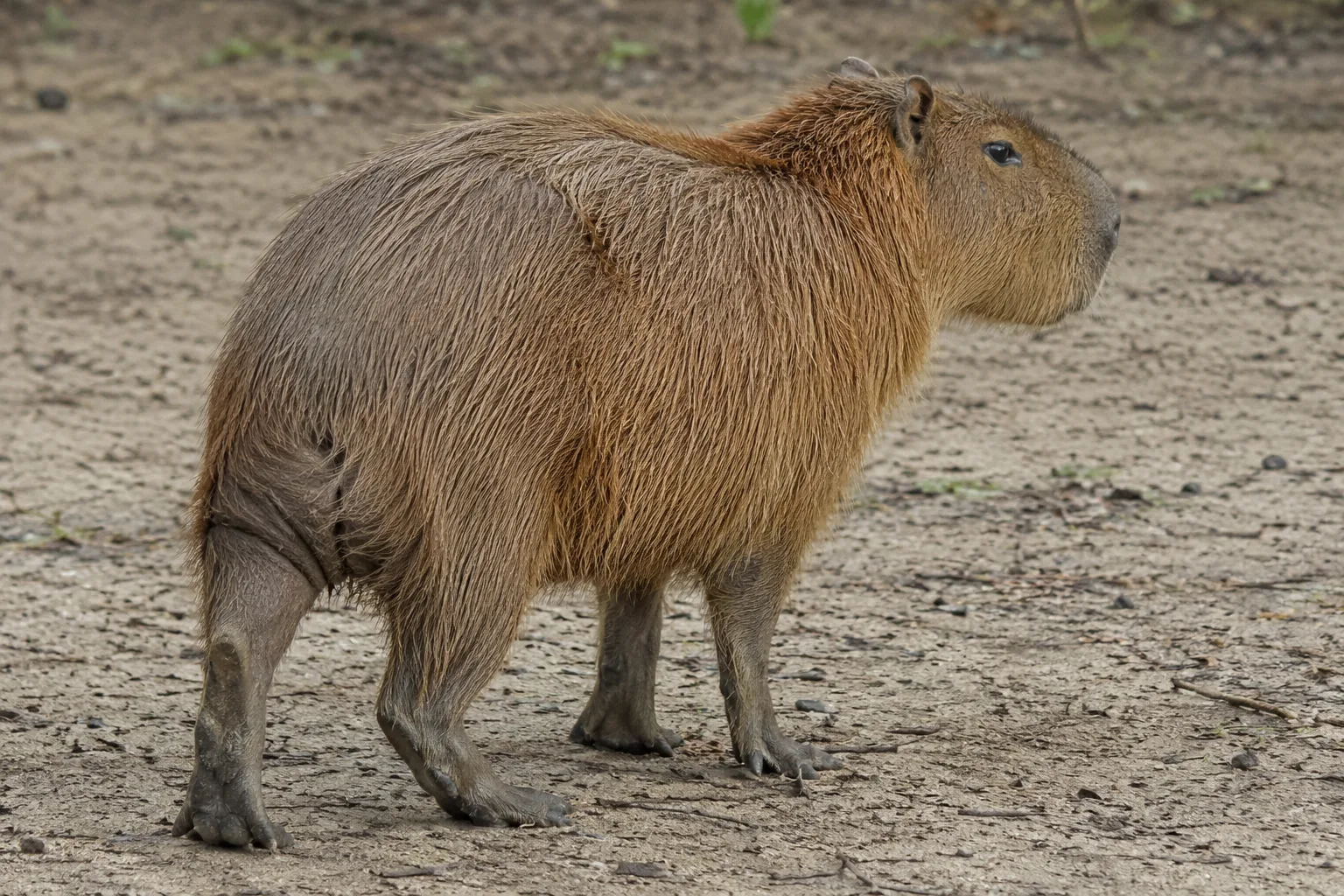
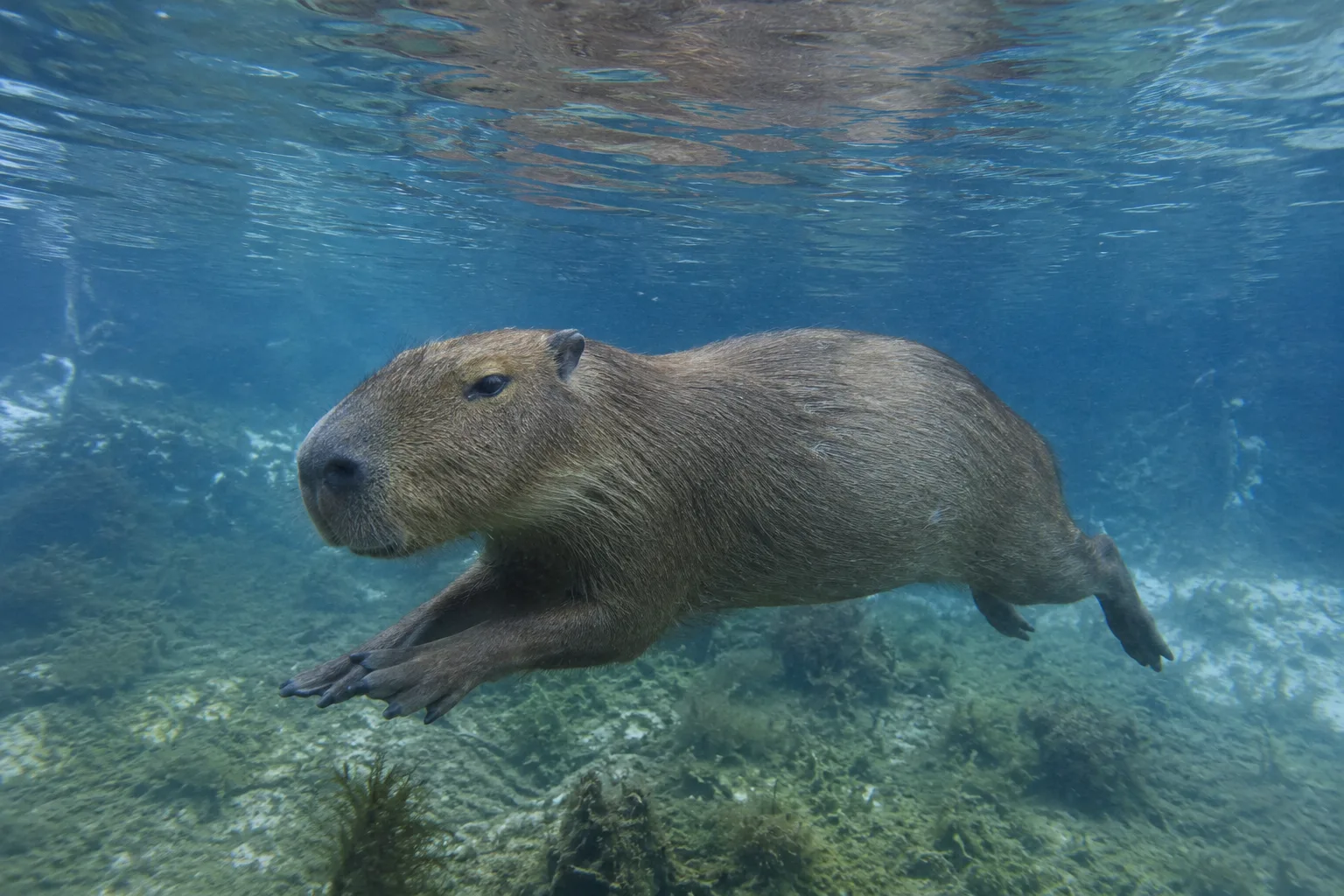
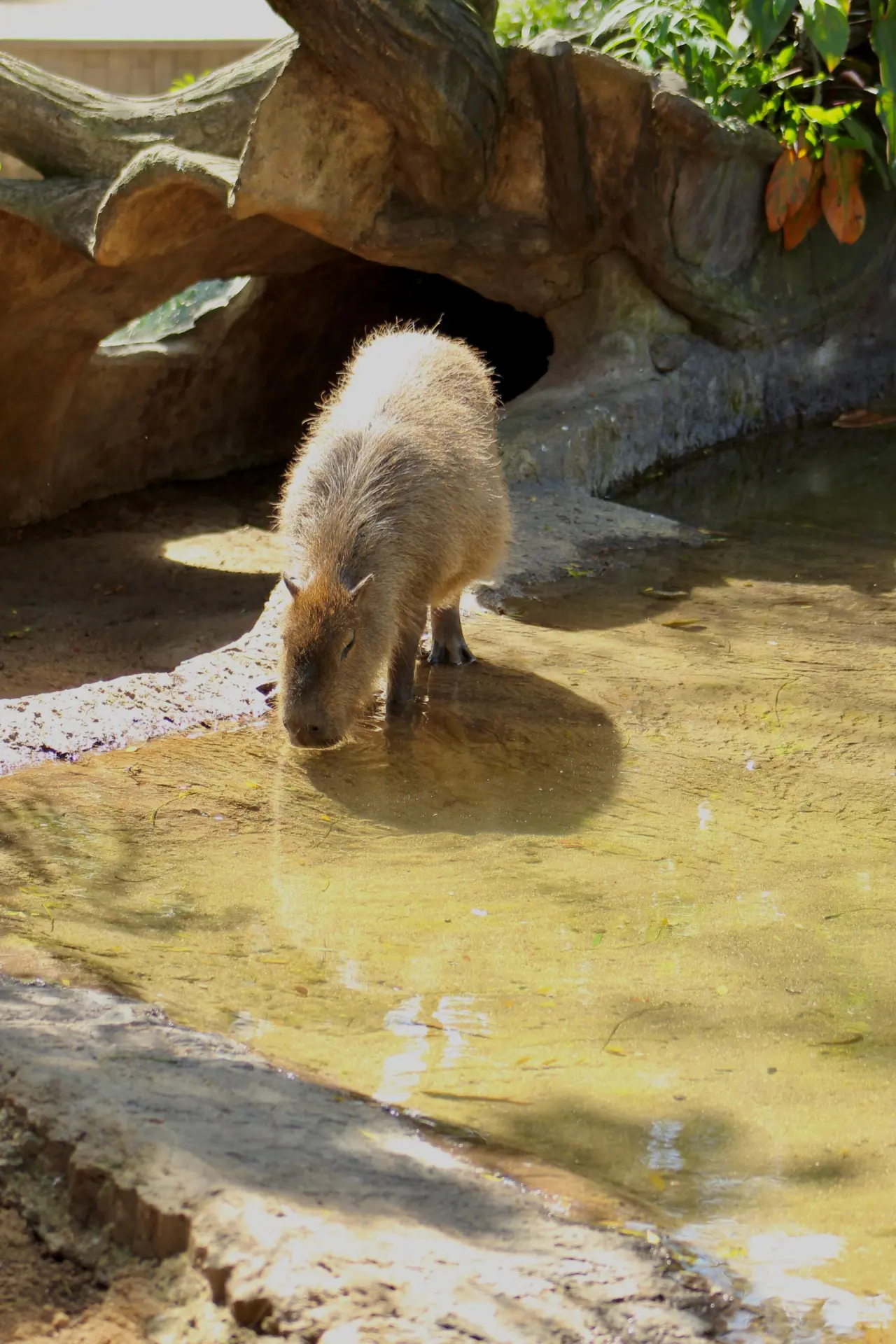
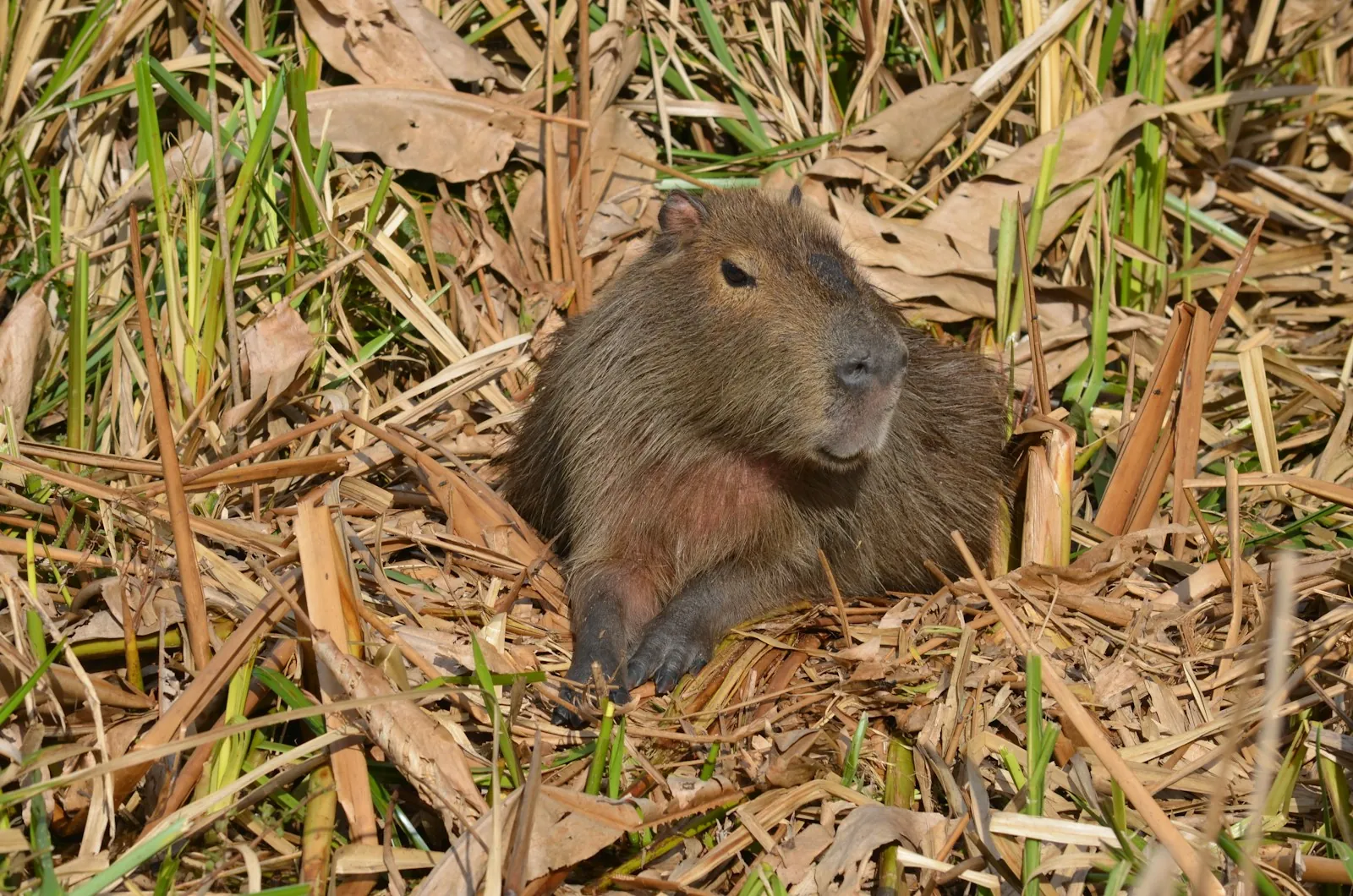
Common animals still need habitat. Capybaras are freshwater-edge animals: marshes, ponds, riverbanks, flooded grasslands, and wetland edges. Animal Diversity Web describes them as strongly tied to water, using it for safety and daily life.
When wetlands change, the capybara story changes too. Sometimes they lose habitat. Sometimes they do well in human-altered landscapes and become a conflict species. Nature is rarely considerate enough to fit the merch.
Where Capybaras And People Collide
The conflict side matters. In agricultural or suburban edges, capybaras can damage crops, cross roads, compete for space, or become part of hunting and management debates. In some places they are food, leather, nuisance, wildlife, tourist attraction, and meme in the same decade.
| Conservation issue | Why it gets messy |
|---|---|
| Wetland change | Capybaras depend on freshwater habitat. |
| Agriculture | Grazing animals can become crop-damage complaints. |
| Roads | Water-edge movement can put animals near traffic. |
| Hunting and use | Local rules may treat capybaras as managed wildlife. |
| Online tourism | Attention can help education or create pressure. |
Internet Popularity Is Not Conservation
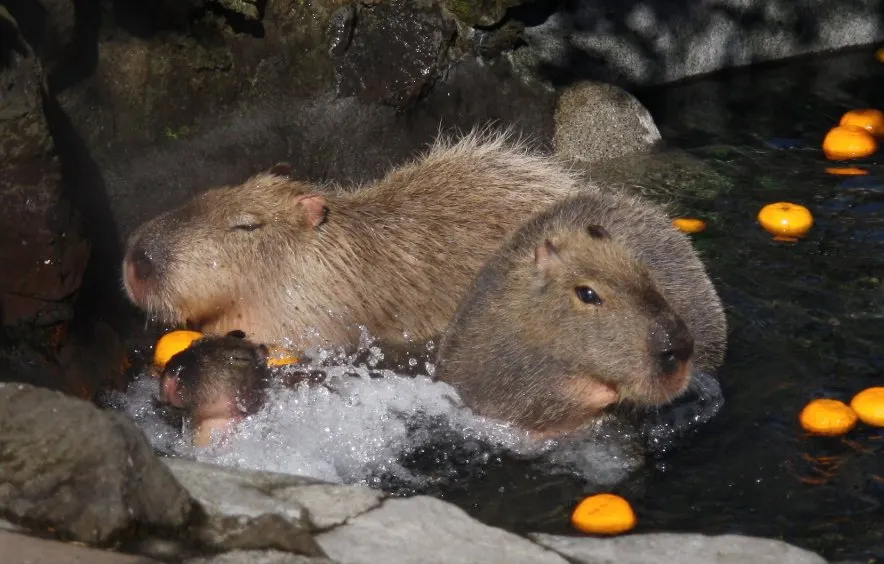
Buying a capybara plush is not habitat protection. Posting “protect them at all costs” under a hot-spring video is nice, but vague affection does not manage a wetland.
Real conservation interest is less glamorous: support credible facilities, avoid sketchy encounters, learn the local context, protect wetlands, and stop turning every capybara into a pet fantasy.

What “Stable” Actually Hides
The word “stable” does a lot of quiet work, and it can mislead. A species can be listed as stable across its whole range and still be thinning out in specific basins, drained marshes, or over-hunted stretches of river. Range-wide accounting averages the good places with the bad. Animal Diversity Web describes the common capybara as broadly distributed across South America and closely bound to freshwater, which is exactly why a single global label flattens a lot of local variation.
Capybaras also breed quickly for their size, which is part of why populations can rebound where conditions allow. That recovery ability is real, but it is not a guarantee. It depends on water staying where the animals need it, and on hunting pressure staying within something a population can absorb. Take the wetland away and no amount of fast breeding fixes the problem.
This is the honest opinion I’ll plant here: most online “save the capybara” energy is aimed at the wrong target. The animal is not the fragile part. The wet places are. A drained marsh does not trend, so it rarely gets defended with the same volume as a single photogenic face in a hot spring.
Sorting The Confusion
Plenty of confident claims float around about capybara conservation, and most of them collapse on contact with the actual record. A correction table is cleaner than arguing each one in a paragraph.
| Common claim | Better answer |
|---|---|
| Capybaras are endangered | The common capybara is generally treated as stable range-wide, per San Diego Zoo Wildlife Alliance, though local situations differ. |
| Being common means they’re safe everywhere | Abundance is uneven; a stable global trend can hide local decline in specific wetlands. |
| Their fame protects them | Attention is not protection. Habitat and management decisions do the actual work. |
| They thrive anywhere with water | They need freshwater edges specifically, and altered wetlands can turn them into a conflict species instead. |
| More capybaras is always good news | Local overabundance near crops, roads, or suburbs can drive culls and conflict, which is not a win for anyone. |
What Caring Looks Like In Practice
If the affection is real, it can point somewhere useful. None of this is dramatic, which is probably why it gets skipped.
- Back groups that protect wetlands and freshwater habitat, since that is the limiting factor, not the rodent itself.
- Treat capybaras as wildlife, not a pet category. They are large, intensely social herd animals, and isolating one is a welfare problem, not a lifestyle.
- Skip sketchy roadside encounters and any operation selling close contact for clicks. If the setup looks built for video, it usually is.
- Learn the local context before forming an opinion. The same animal is protected wildlife in one place and a managed nuisance two borders over.
- Resist the urge to project. A capybara is not a zen master, a therapy animal, or a personality test. It is a grazing semi-aquatic rodent with very specific habitat needs.
That last one matters more than it sounds. A lot of bad conservation thinking starts with people deciding an animal is whatever they want it to be, then getting upset when reality refuses to match the merch.
Care About The Wetlands, Not Just The Face
The useful fan position is not panic and not shrugging. Common capybaras are not vanishing from the planet tomorrow, but their habitats and local management still deserve attention.
The face got you here. Fine. Stay for the muddy, complicated part.