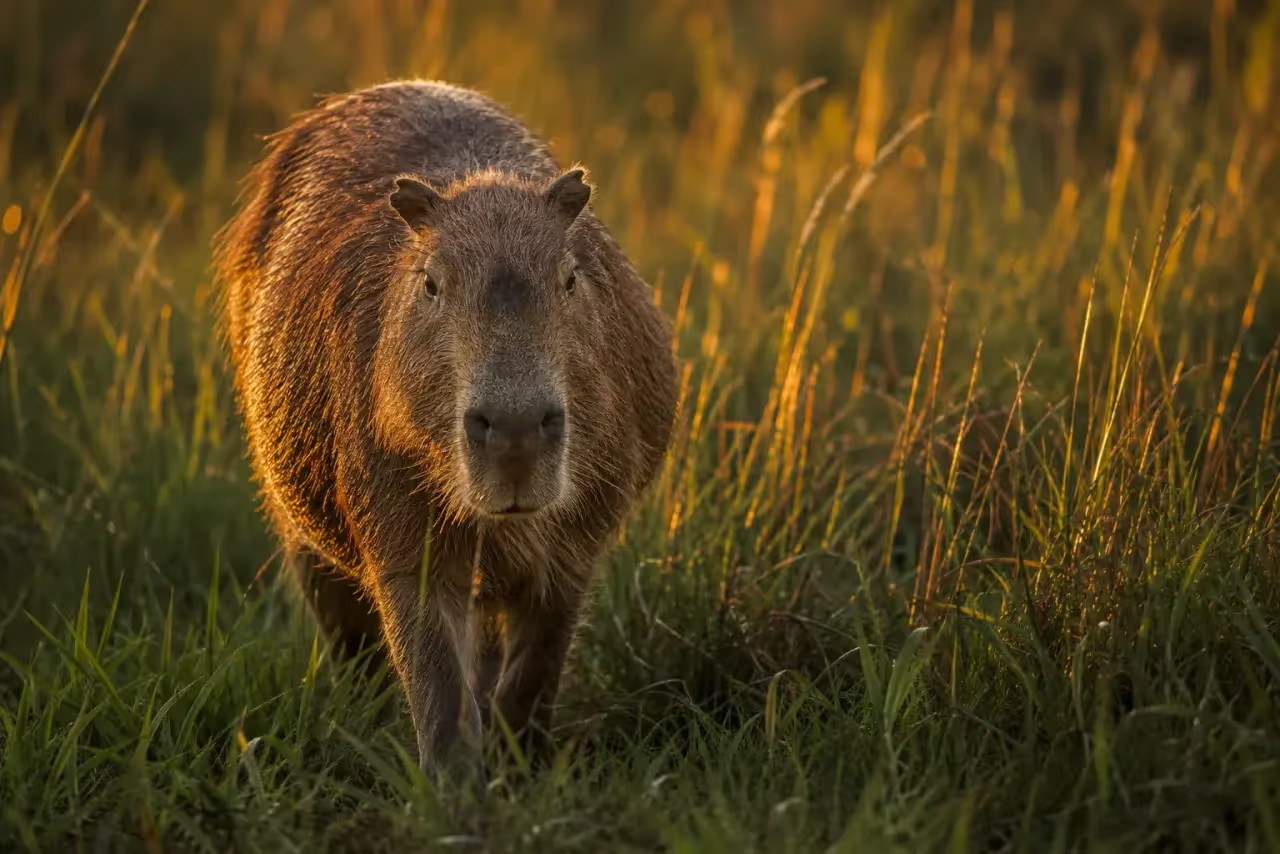

Yes, capybaras are mammals. Very large mammals. Very wet mammals. Mammals that look like somebody designed a guinea pig for a municipal water feature.
The full classification is: capybaras are mammals, rodents, herbivores, and semi-aquatic South American animals in the genus Hydrochoerus. None of those labels cancel the others. Biology can stack.
Yes, Capybaras Are Mammals
Capybaras have the classic mammal checklist: hair, warm-blooded bodies, live birth, and milk for their young. They are not reptiles, amphibians, marsupials, or “basically fish because they swim.”
| Mammal trait | Capybara evidence |
|---|---|
| Hair or fur | Short, coarse hair across the body. |
| Warm-blooded | They regulate body temperature as mammals do. |
| Live young | Females give birth to pups, not eggs. |
| Nursing | Pups drink milk from the mother. |
| Backbone | They are vertebrates. |
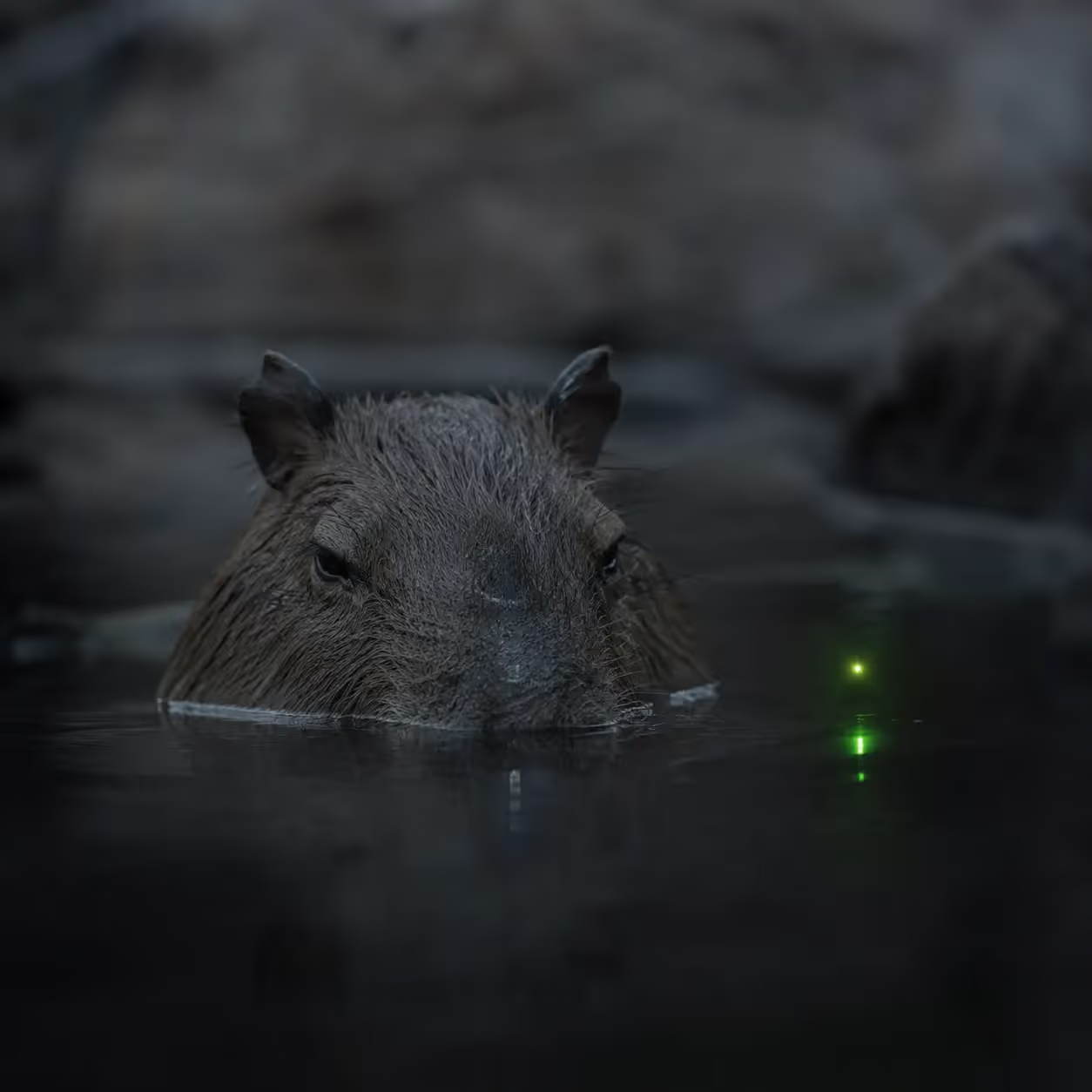
The water-loving part causes some confusion. Capybaras swim well, rest in water, and use wetlands as normal habitat. That makes them semi-aquatic mammals, not some separate category invented by vibes.
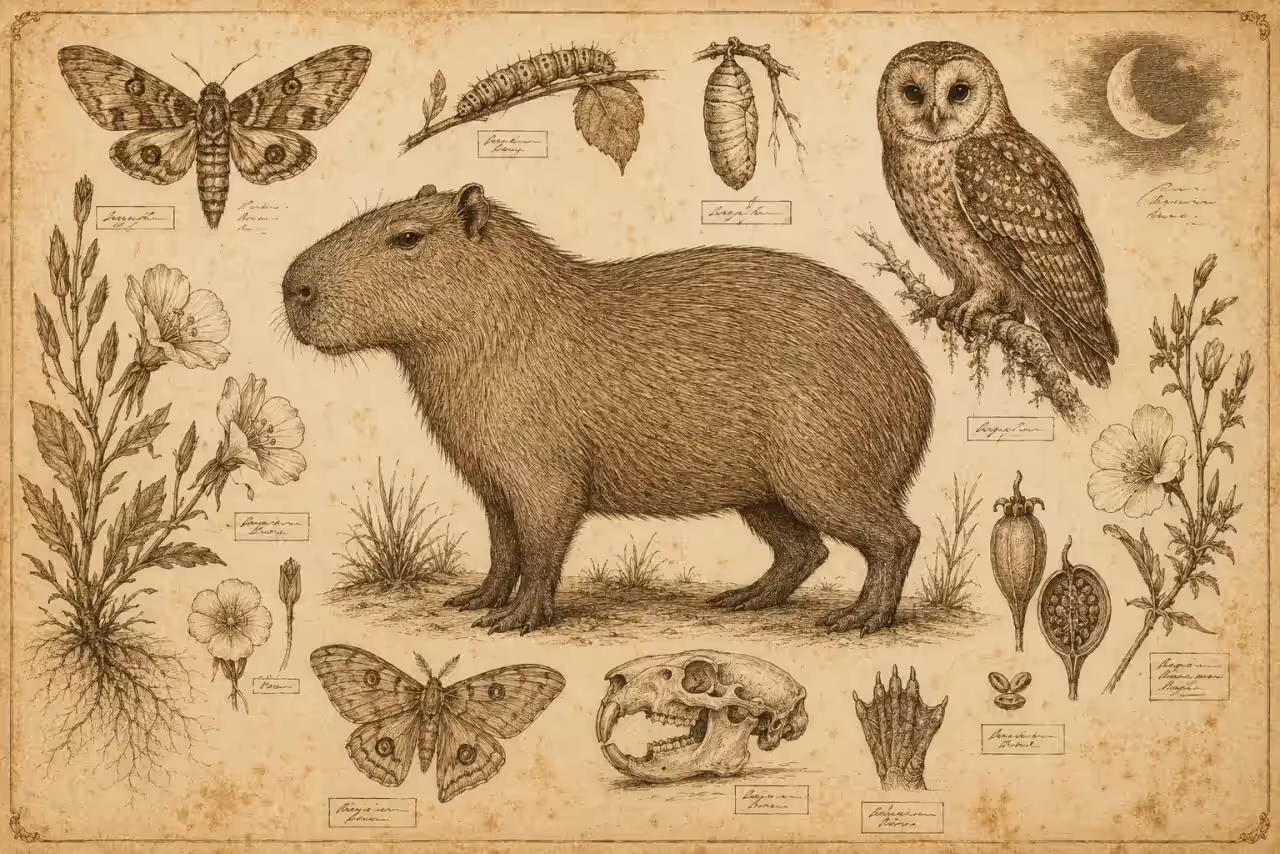
Mammal And Rodent Can Both Be True
Rodent is not the opposite of mammal. Rodent is a branch inside mammals. Mice, squirrels, beavers, guinea pigs, porcupines, and capybaras are all mammals and rodents at the same time.
San Diego Zoo Wildlife Alliance calls capybaras the world’s largest rodents and notes their relationship to cavies and guinea pigs. Animal Diversity Web places them in Rodentia and describes their grazing, group life, and water-linked behavior.
If you want the clean family-tree line, use this:
| Label | True for capybaras? |
|---|---|
| Mammal | Yes |
| Rodent | Yes |
| Rat | No |
| Marsupial | No |
| Hoofed animal | No, even if the toes are doing serious work |
| Aquatic animal | Semi-aquatic, not fully aquatic |
For the rat-versus-rodent confusion, is a capybara a rat? is the useful detour.
Baby Capybaras Make The Answer Obvious
Baby capybaras are one of the easiest ways to remember the mammal answer. They are born live, furred, open-eyed, and surprisingly mobile. They nurse, follow the group, and start sampling grasses early.
That mix is very mammal. It is also very capybara: practical from the beginning, tiny but not helpless-looking, already giving “I have somewhere to be near water.”

The Weird Parts Do Not Change The Classification
Capybaras have several traits that make people second-guess the mammal label. They have partly webbed feet. They can stay in water with eyes, ears, and nostrils high on the head. They graze like small furniture with molars. They are rodents big enough to ruin your “small mammal” mental folder.
Still mammals.
Classification is not based on whether an animal feels normal. It is based on anatomy, ancestry, and reproduction. A capybara can swim, graze, squeak, nurse pups, and look spiritually unavailable at the same time.
The practical takeaway: capybaras are mammals first, rodents more specifically, and capybaras most importantly. If someone asks for the shortest possible answer, say: yes, capybaras are mammals, and they are the world’s largest living rodents.
Where Capybaras Sit On The Tree
The full address, from broad to narrow, looks like a set of nested boxes. Each box is a real biological group, and the capybara never leaves any of them on the way down.
| Level | Group | What it means here |
|---|---|---|
| Class | Mammalia | Hair, milk, warm blood, live birth. |
| Order | Rodentia | Continuously growing front teeth, gnawing build. |
| Family | Caviidae | Cavy line: guinea pigs, maras, capybaras. |
| Genus | Hydrochoerus | The capybara genus specifically. |
Two of those boxes do most of the explaining. Mammalia is why the body works the way it does, milk and warm blood and all. Rodentia is why the teeth never stop. Capybaras are hypsodont, meaning the cheek teeth and the front incisors keep growing through life, because grinding tough grasses all day wears enamel down fast. A rodent that stopped replacing tooth would soon have nothing left to chew with. Britannica describes this constant-growth tooth setup as the defining rodent feature, and capybaras follow it to the letter.
Mammal Body, Built For Wet Grass
Being a mammal is the category. The interesting part is how this particular mammal is put together, because the build is genuinely unusual and it is where most of the confusion starts.
Capybaras are the largest rodent alive, with adults running roughly 35 to 66 kg, about 77 to 145 lb. That is dog-sized, sometimes large-dog-sized, on an animal most people picture as a big guinea pig. The feet are partly webbed, which reads as duck energy but is just a grazer that spends a lot of time in and around water. The eyes, ears, and nostrils sit high on the skull, so a capybara can float almost fully submerged and still see, hear, and breathe. None of that is a different class of animal. It is a mammal solving the problem of living half in the water.
The digestive setup is the part i find most underrated. Capybaras are hindgut fermenters, and they practice coprophagy, re-ingesting soft morning feces to pull a second round of nutrients out of grass. It sounds grim. It is also smart, and it is the same trick rabbits use. Grass is hard to break down, so the gut gets two passes at it. They also cannot make their own vitamin C, the same gap guinea pigs have, so it has to come from diet. Animal Diversity Web and San Diego Zoo Wildlife Alliance both describe capybaras as grazing herbivores tied to grasses and aquatic plants, which lines up with a gut built to wring value out of low-grade green food.
There is a social layer too, and it matters for anyone who confuses “exotic rodent” with “low-maintenance.” Capybaras are herd animals. Solitary housing is a welfare stressor, not a quirk. A lone capybara is a stressed capybara, full stop. That is a mammal fact as much as the milk is.
Confident Wrong Answers, Corrected
People reach for nearby labels when a capybara looks too strange to be a plain rodent. Most of those guesses are close enough to feel right and wrong enough to repeat.
| Common claim | Better answer |
|---|---|
| It is basically a giant rat | Both are rodents, but capybaras are in family Caviidae with guinea pigs, not with rats. See is a capybara a rat?. |
| The webbed feet make it part amphibian | It is a semi-aquatic mammal. Amphibians are a separate class entirely. |
| It lays eggs like a platypus | Capybaras give birth to live, furred, mobile young. No eggs. |
| It is too big to be a rodent | Size has nothing to do with the order. Rodent is defined by the teeth, not the scale. |
| Swimming makes it an aquatic animal | Semi-aquatic. It lives at the water’s edge, not in open water like a fish or a dolphin. |
The pattern across all five is the same mistake: judging classification by vibe instead of by anatomy and ancestry. A capybara can look like a loaf, swim like it owns the pond, and graze like livestock, and still be exactly what the biology says it is.
So the answer holds at every level. Mammal, because of the hair, milk, warm blood, and live young. Rodent, because of the ever-growing teeth. Capybara, because nothing else is quite this large, this wet, and this unbothered.