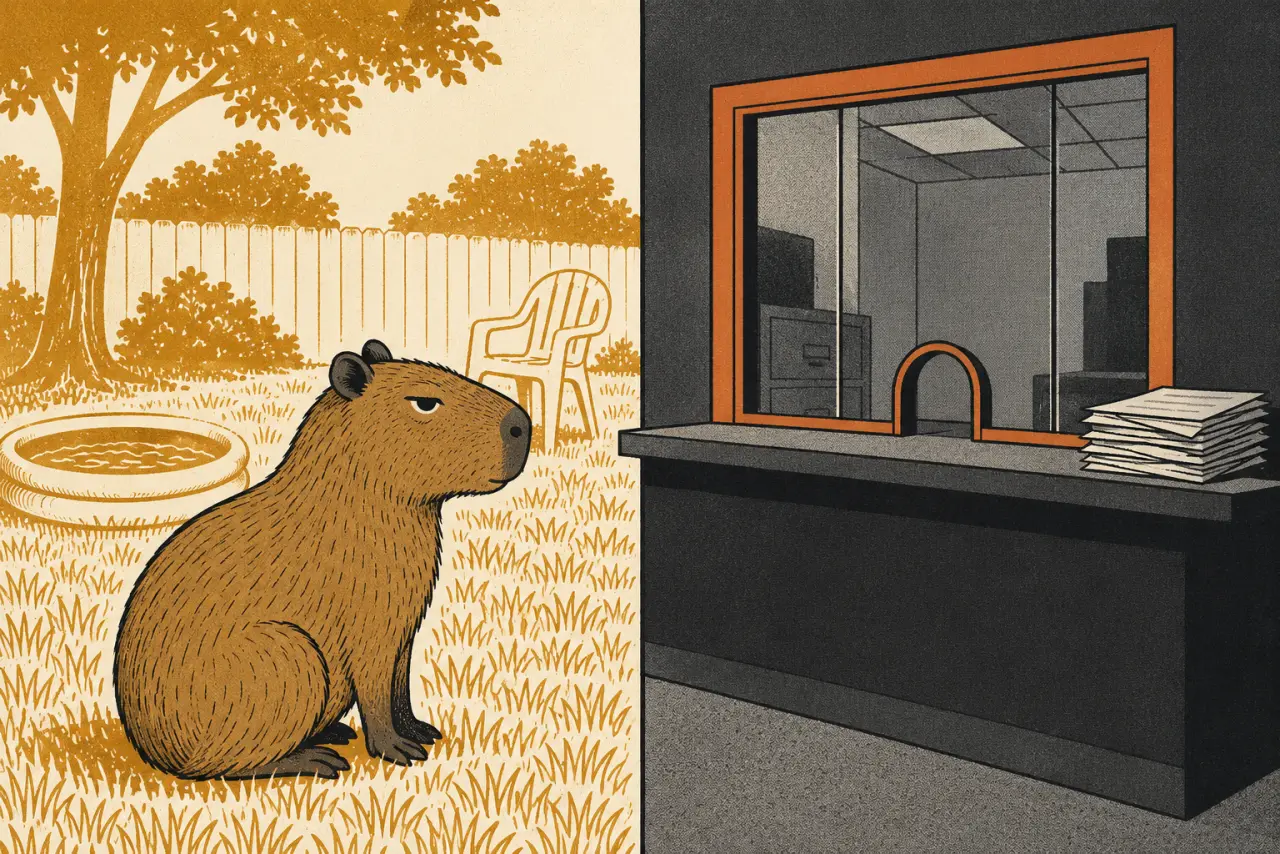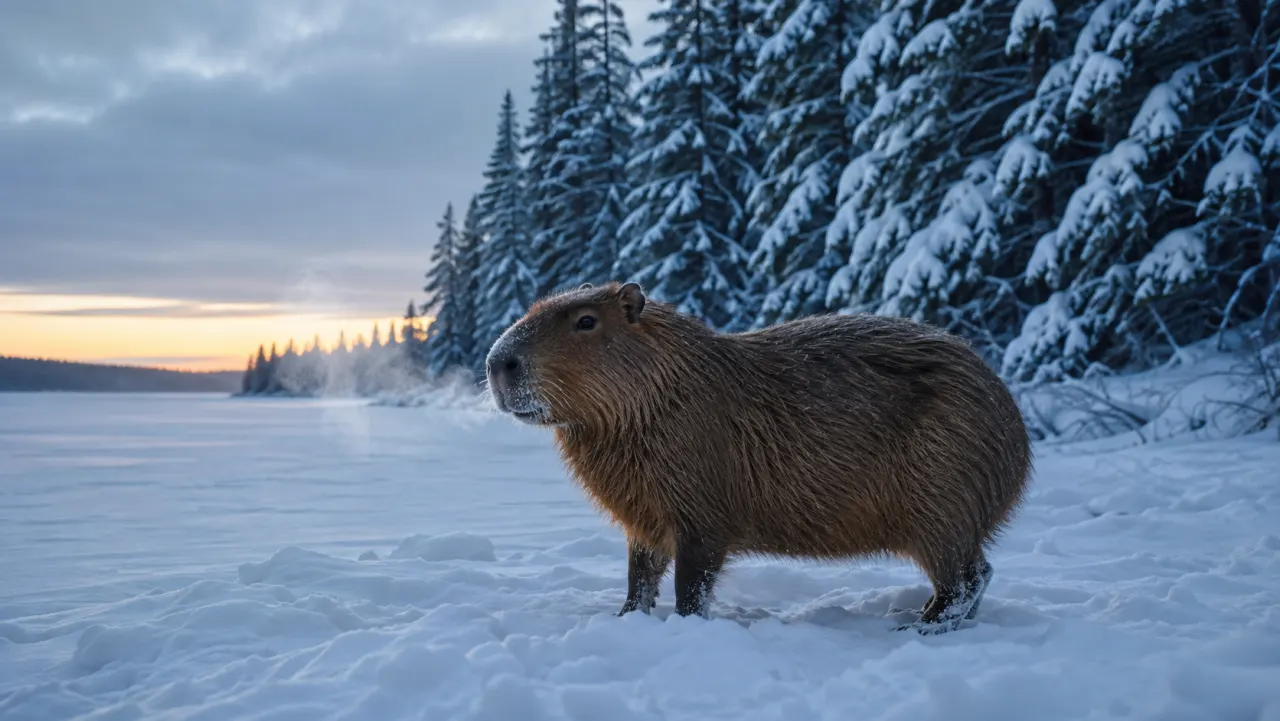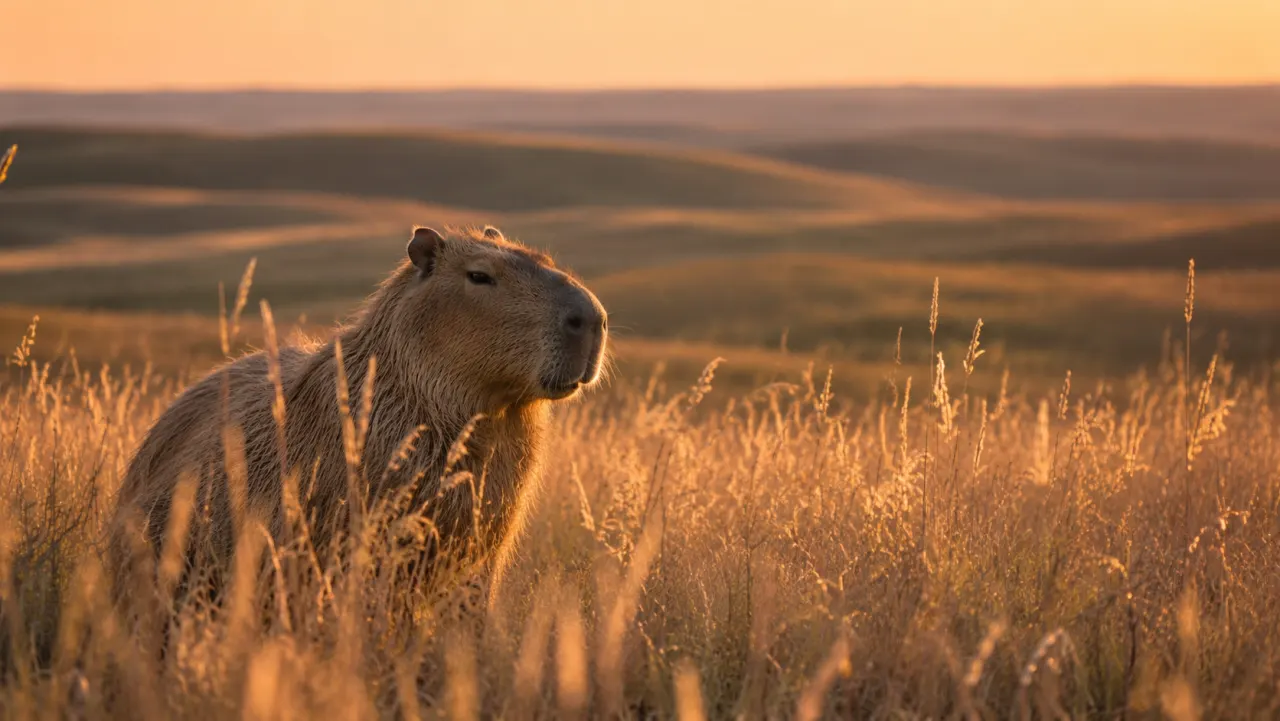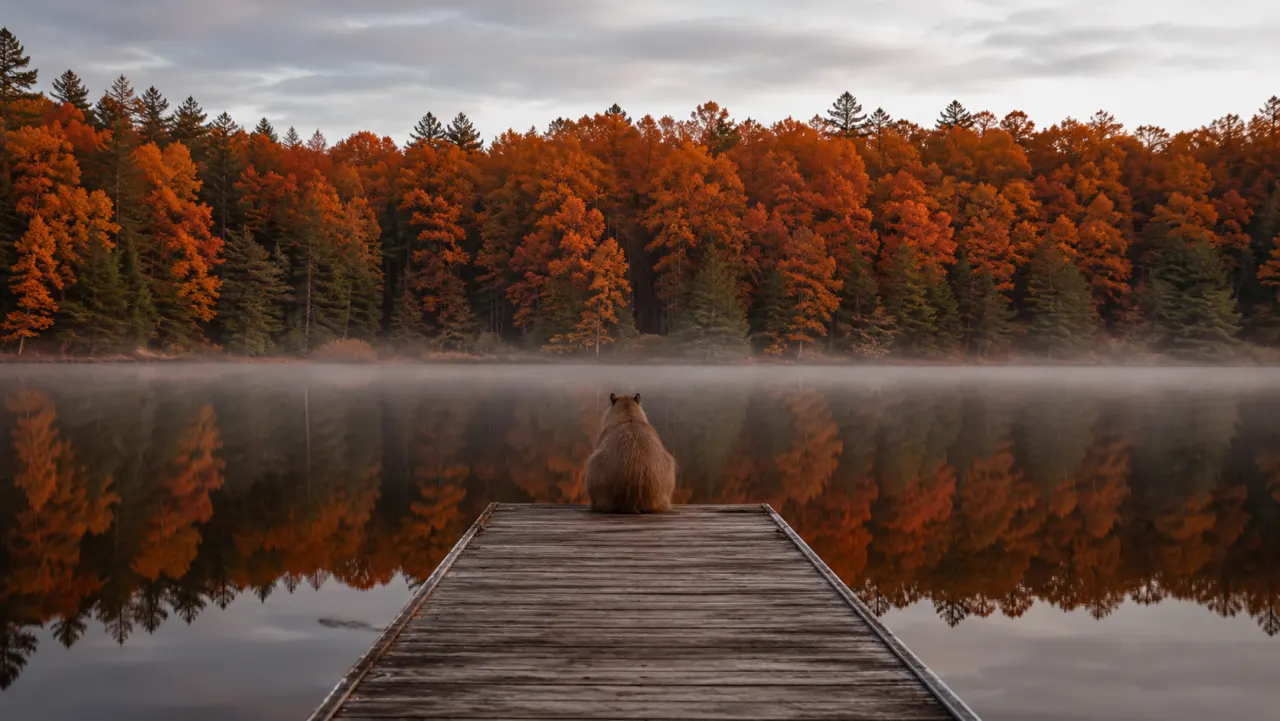
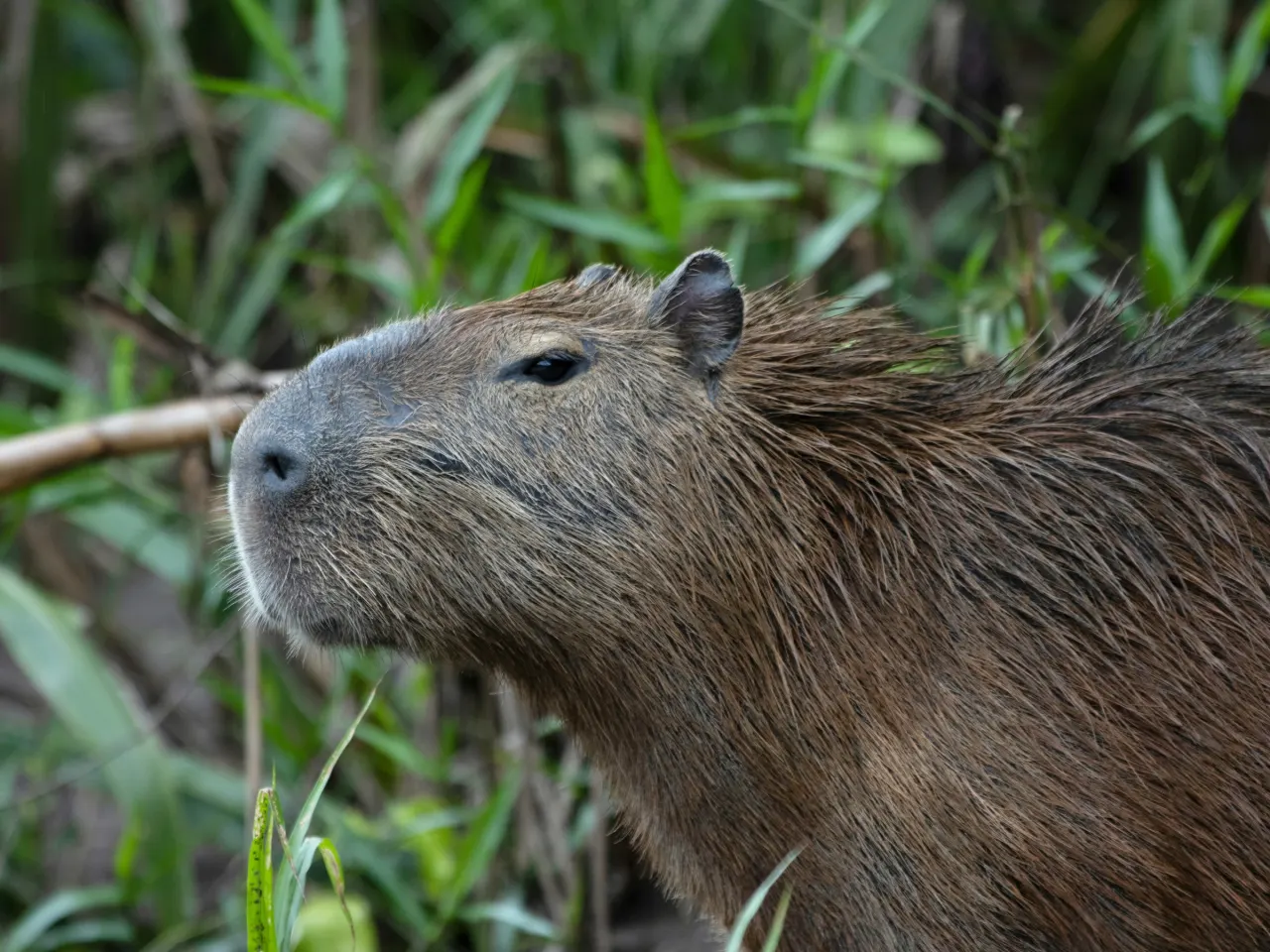
Capybaras are brown, but that answer is doing a lot of lazy work.
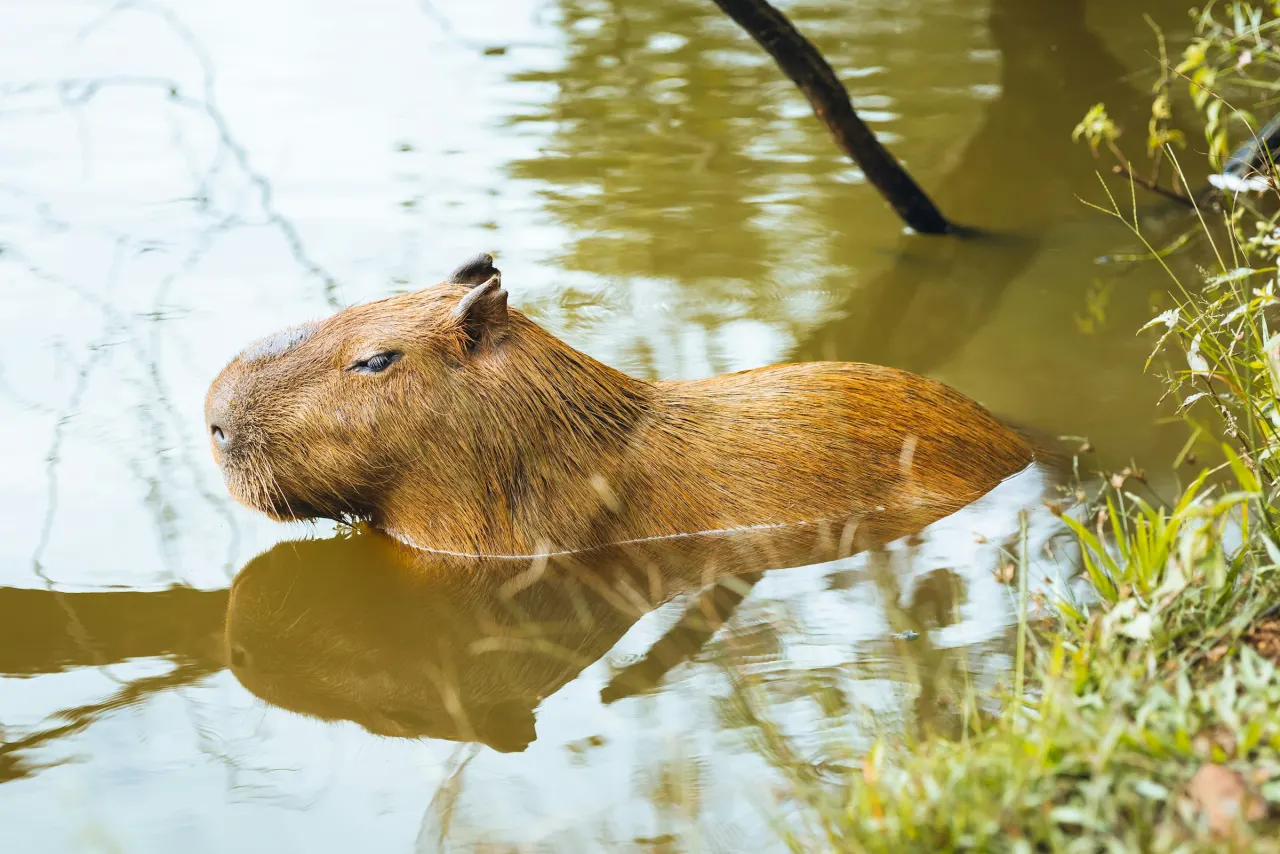
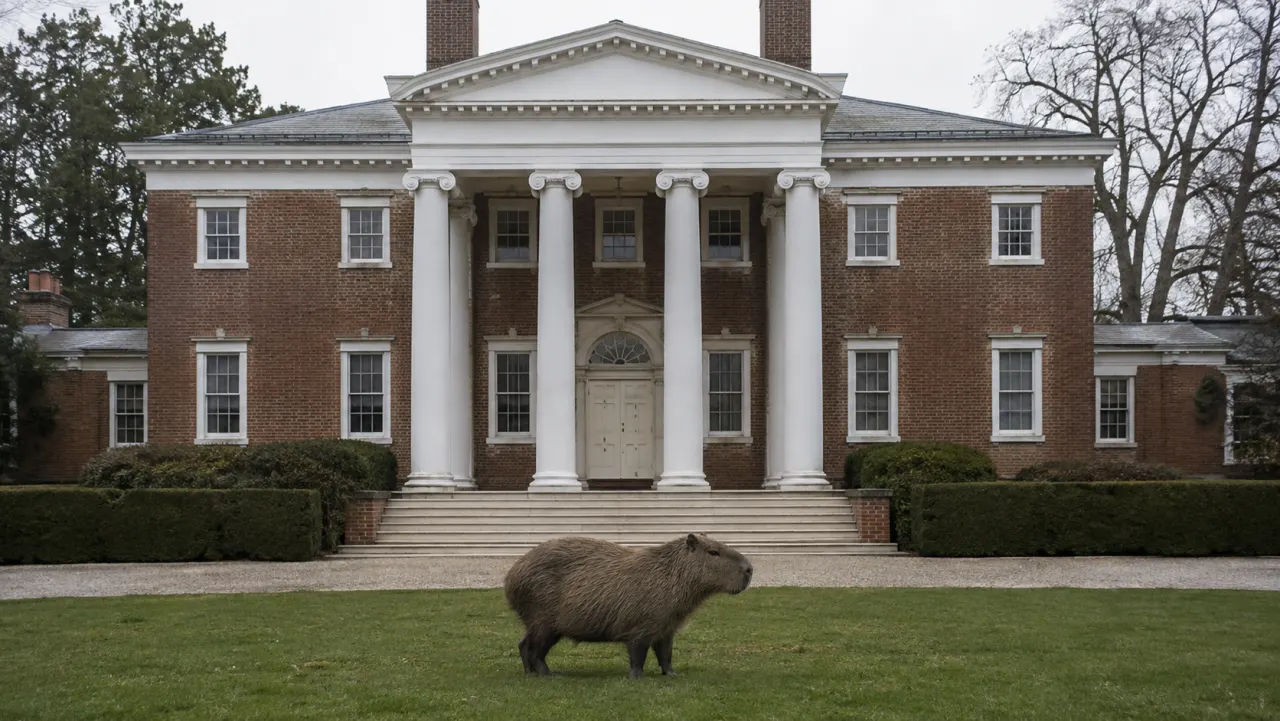
The normal capybara color range is brown, reddish-brown, yellowish-brown, or gray-brown. The fur is coarse and sparse, not plush and even, so a capybara can look coppery in sun, charcoal-brown after swimming, dusty tan after mud, and almost gray in shade. Same animal, different lighting, suddenly everyone online becomes a paint historian.
The Short Answer Is Brown, But Not One Brown
Animal Diversity Web describes capybaras as having coarse brownish fur, while zoo and natural-history sources tend to use brown, reddish-brown, yellowish-brown, or gray-brown language. That range is the honest answer.
The color also sits on a strange coat. Capybara fur is not dense like a cat’s or velvety like a rabbit’s. It is bristly, sparse, and practical for a semi-aquatic grazer that spends much of its life near water. You can see skin tone and shadows between hairs in close photos, which makes the color look patchier than people expect. For the hand-feel side of that coat, read what a capybara feels like.
| Lighting or condition | How the color may read |
|---|---|
| Bright sun | Warmer reddish-brown or tan |
| Shade | Gray-brown or dark brown |
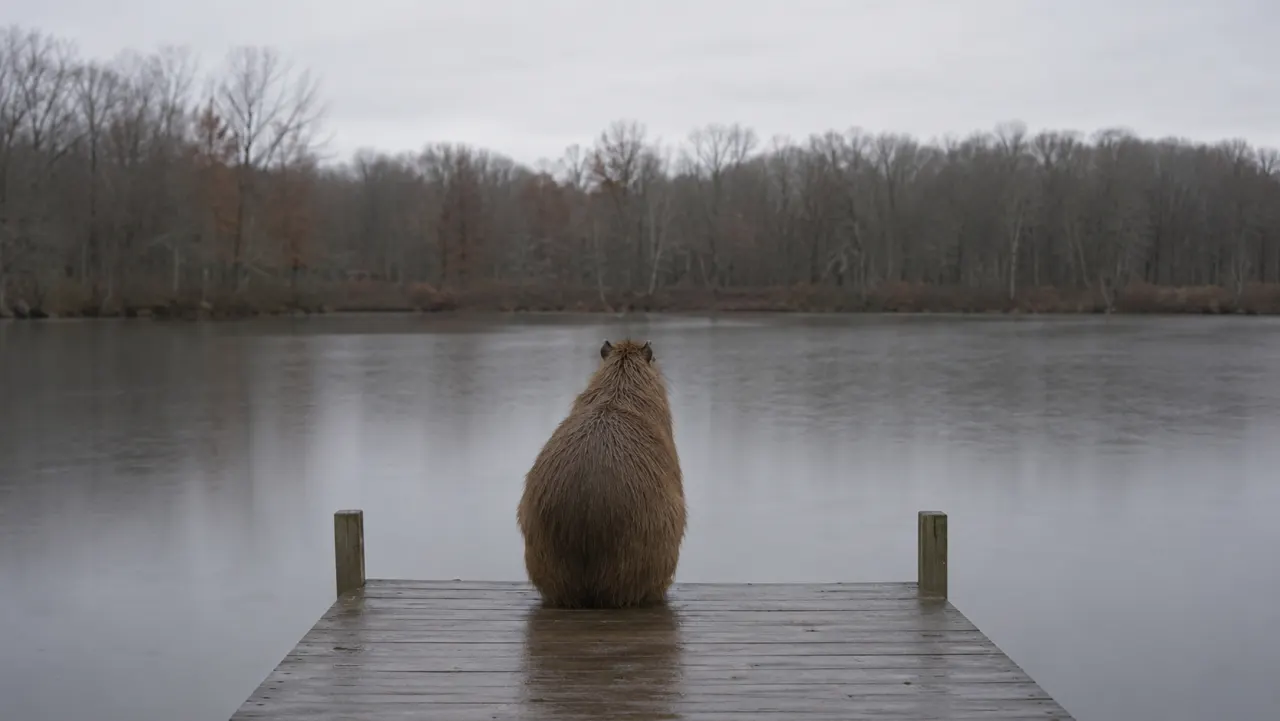
| Wet fur | Dark chocolate to nearly black-brown in patches |
| Dry dusty coat | Pale brown or straw-brown |
| Muddy body | Whatever color the mud is, unfortunately |
If you are describing one for a school report, “brown to reddish-brown” is safe. If you are identifying one in the field, color is only a clue.
Why Wet Capybaras Look Darker
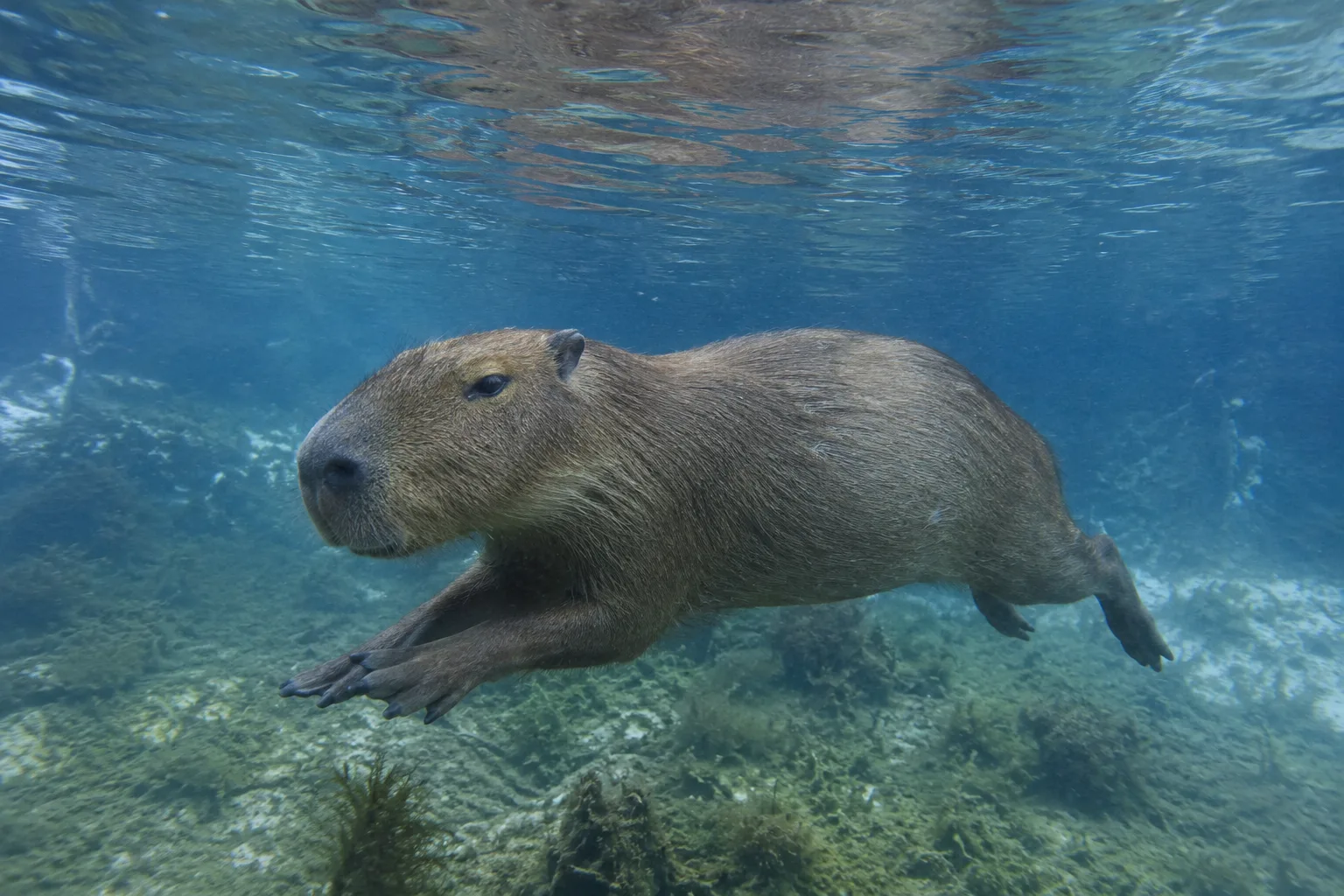
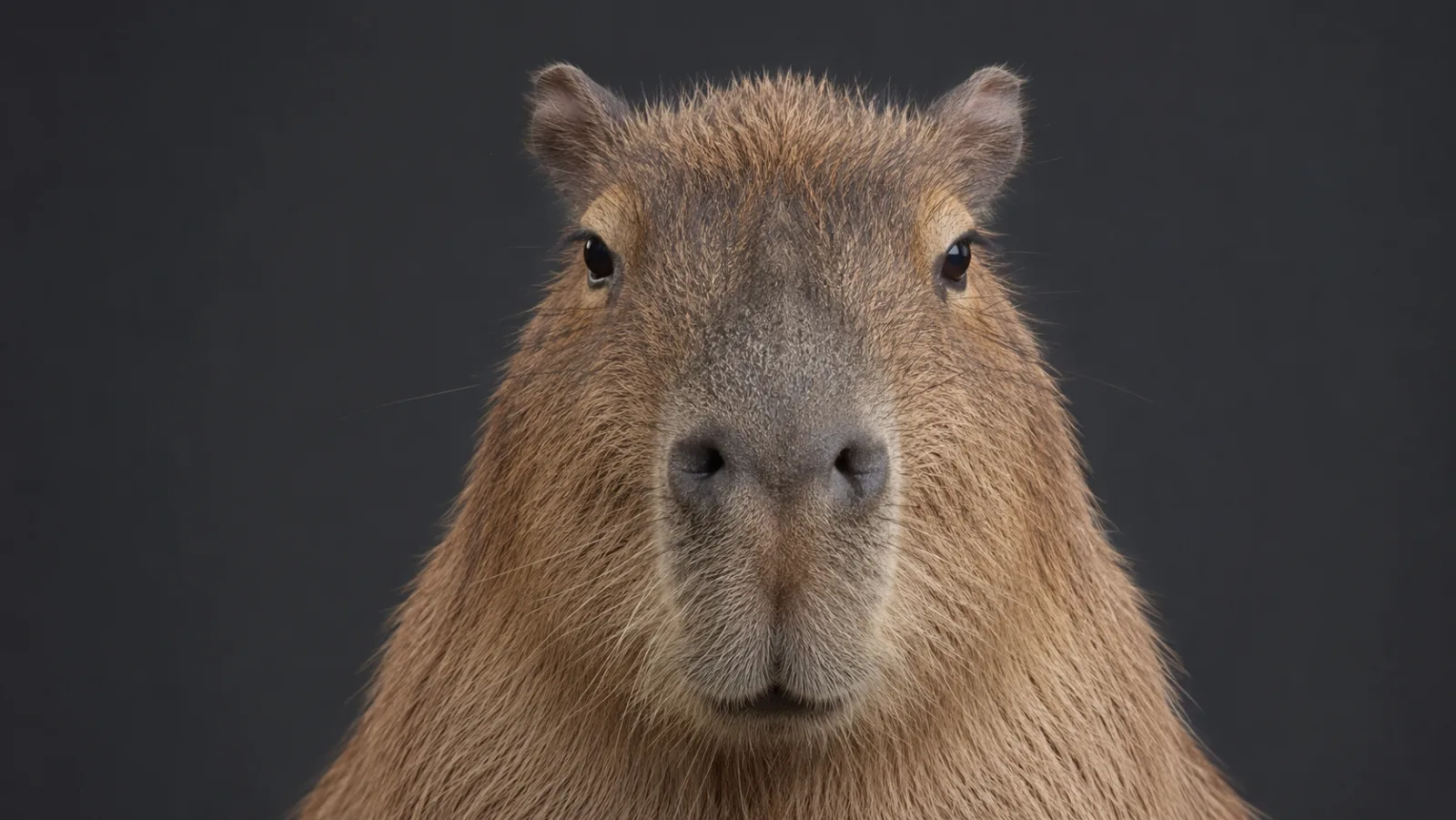
Wet fur absorbs and reflects light differently. A capybara that looked honey-brown on the bank can look much darker after a swim, especially along the back, legs, and belly where water clumps the hair together.
That matters because capybaras are semi-aquatic. San Diego Zoo Wildlife Alliance describes them as excellent swimmers with eyes, ears, and nostrils high on the head, a layout built for life around water. A wet capybara is not a special morph. It is just a capybara behaving like a capybara.
This is also why zoo photos vary so much. The same animal photographed in morning shade, then later in full sun after a pool session, can look like two different paint samples.
Do Baby Capybaras Have A Different Color?
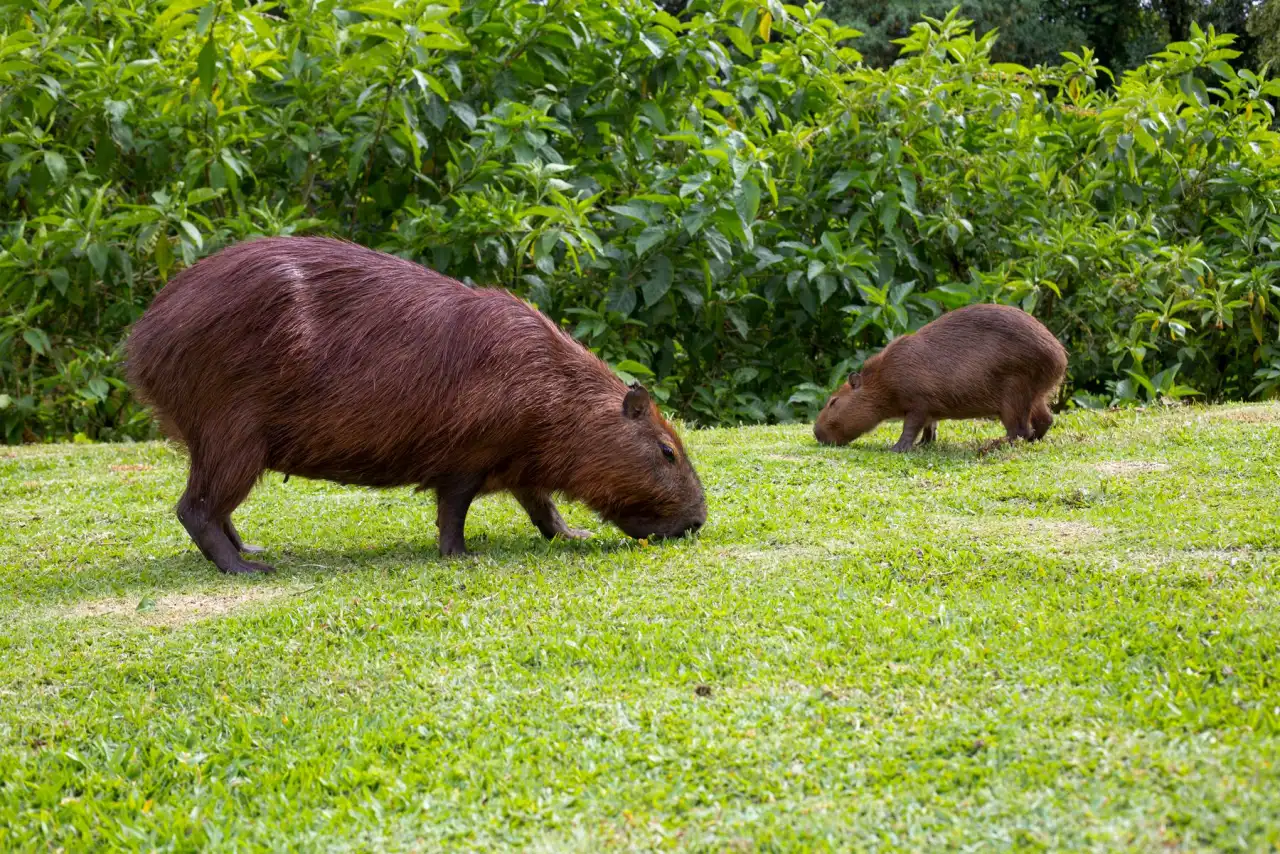
Baby capybaras are usually in the same brown family as adults. They may look a little warmer, softer, or more evenly colored in photos because they are tiny, clean for about twelve seconds, and not yet carrying the full weathered texture of an adult coat.
The useful difference is not color so much as shape. Young capybaras are mini versions with smaller bodies, shorter legs, and softer proportions. Adults have the blunt rectangular head, heavy body, and wonderfully serious expression that makes them look like a sofa cushion with opinions.
For baby basics, the dedicated guide on how many babies capybaras have is more useful than trying to identify age by shade alone.
Color Is Not Enough For Identification
Capybaras share the brown-water-rodent problem with nutria, beavers, muskrats, and very large internet mistakes. Color alone will betray you.
Use the whole animal. Capybaras are much larger than nutria, have no long ratlike tail, and carry a blunt, high-eyed head. Beavers have a broad flat tail. Nutria have orange incisors, a rounder body, and a visible tail. Guinea pigs are, with respect, not built like yard furniture.
| Animal | Color overlap | Better clue |
|---|---|---|
| Capybara | Brown to gray-brown | Huge body, blunt head, no visible long tail |
| Nutria | Brown | Long round tail, orange teeth, smaller body |
| Beaver | Brown | Flat paddle tail |
| Muskrat | Dark brown | Much smaller, narrow body |
| Guinea pig | Many colors | Domestic pet size, not semi-aquatic |
The full visual comparison lives in capybara vs nutria vs beaver vs guinea pig, which exists because color keeps starting arguments it cannot finish.
Why The Coat Is Built This Way
The color makes more sense once you know what the coat is for. Capybaras are semi-aquatic grazers from South America, the largest rodent on the planet, with adults running roughly 35 to 66 kg. A heavy body that spends its day moving between grass, mud, and water does not need a show coat. It needs hair that dries fast and does not hold a swamp.
So the fur is sparse and bristly on purpose. Britannica and the natural-history sources describe that coarse texture plainly, and it has a direct effect on color: light passes between the hairs and bounces off the skin underneath, so the “color” you see is part hair, part skin, part shadow. That is why a capybara almost never photographs as one flat tone. The honest opinion here is that most online capybara color arguments are really arguments about lighting, and people would save themselves a lot of typing if they admitted that up front.
A few coat traits that quietly shape the color you see:
| Coat trait | Effect on perceived color |
|---|---|
| Sparse, coarse hair | Skin tone and shadow show through, looks patchy |
| Quick-drying for swimming | Color shifts fast from dark-wet to pale-dry |
| Lives in mud and grass | Surface picks up tan, gray, or reddish field tones |
| No dense undercoat | Less of the even, uniform color people expect |
None of this is exotic. It is a working animal’s coat doing a working animal’s job.
How To Describe Capybara Color Without Getting It Wrong
People reach for color when they want a clean answer, and capybaras refuse to give one. A handful of common claims are worth correcting before they spread further.
| Myth | Better answer |
|---|---|
| Capybaras are gray | Most read brown to reddish-brown; gray-brown shows up mainly in shade or wet conditions |
| There are orange capybaras | Golden light, reddish mud, and warm coats push photos toward orange, not a true orange morph |
| White capybaras are a separate type | Pale animals are rare individuals, not a normal color form of the species |
| A wet capybara is a different animal | Wet fur just looks darker; same capybara, same color, more water |
| Babies are a lighter color | Young ones sit in the same brown family, they only look softer because their coats are new |
If you want one durable rule: describe the range, not a single chip. “Brown to gray-brown, warmer or darker depending on light and water” will be right far more often than any single crayon name. For more on how that coarse coat actually feels in the hand, what a capybara feels like goes further than color ever can.
What About White Or Albino Capybaras?
Very pale, white, or albino-looking capybaras do show up in viral photos and captive-animal chatter. Treat those as rare exceptions, not the species description.
For ordinary biology, the answer stays boring and useful: brown to reddish-brown or gray-brown, with a coarse coat that changes appearance under water, sun, mud, shade, and camera settings. A capybara’s color is less like a paint chip and more like a weather report.