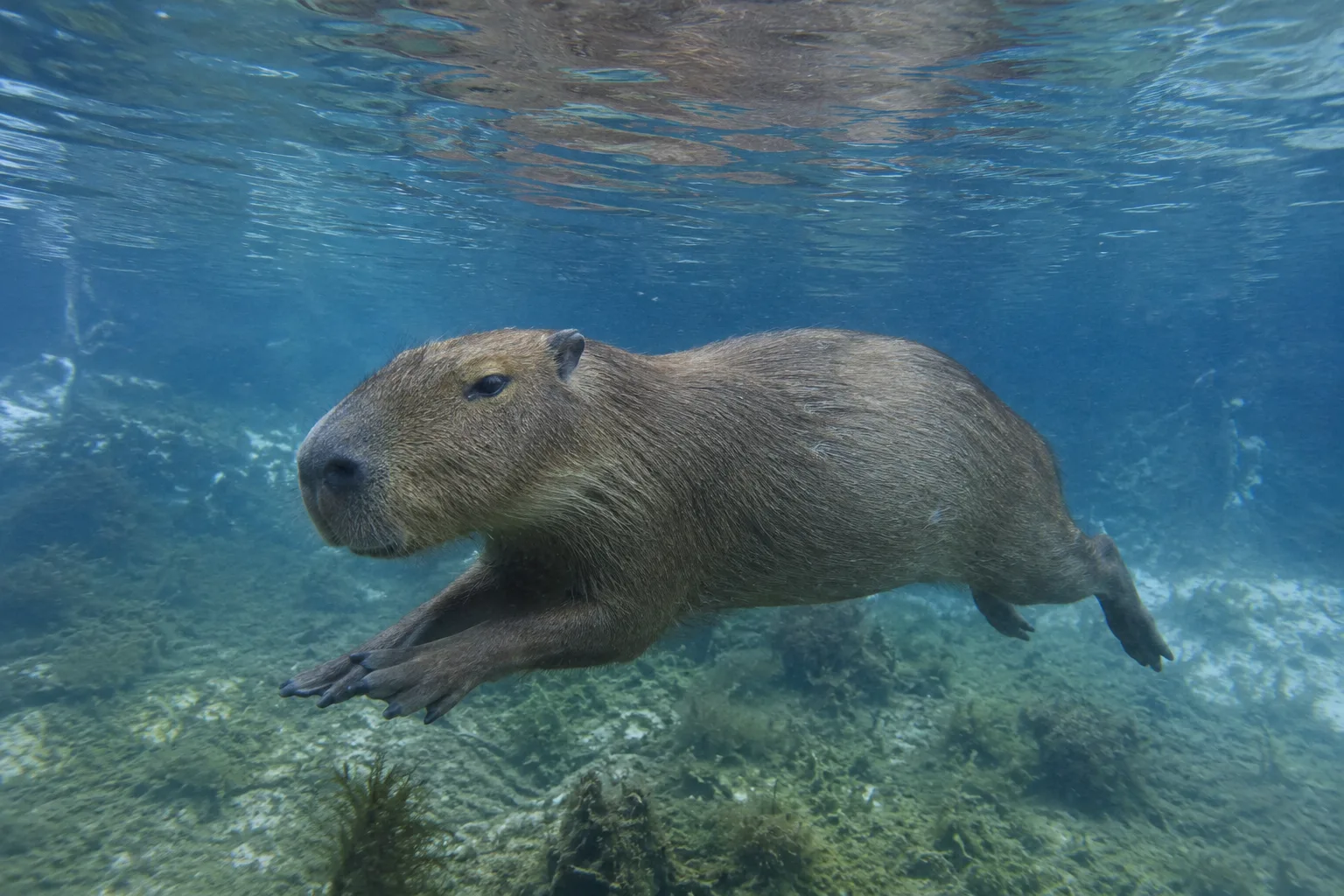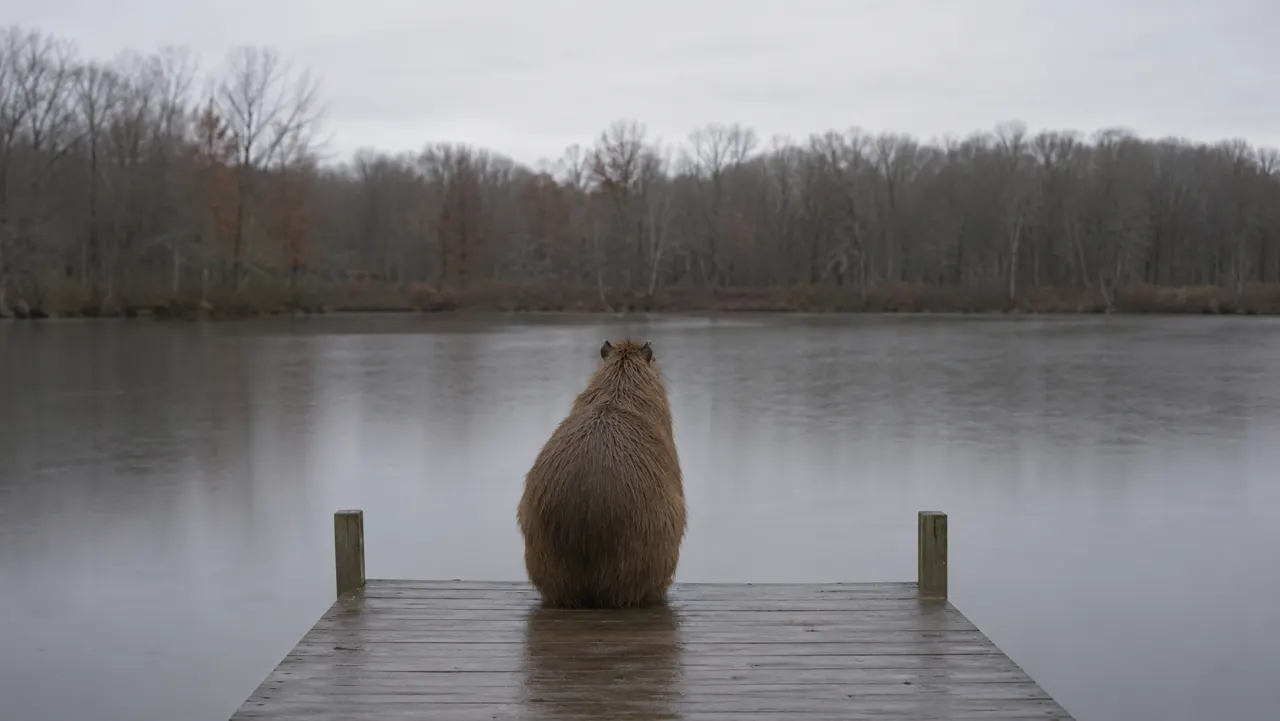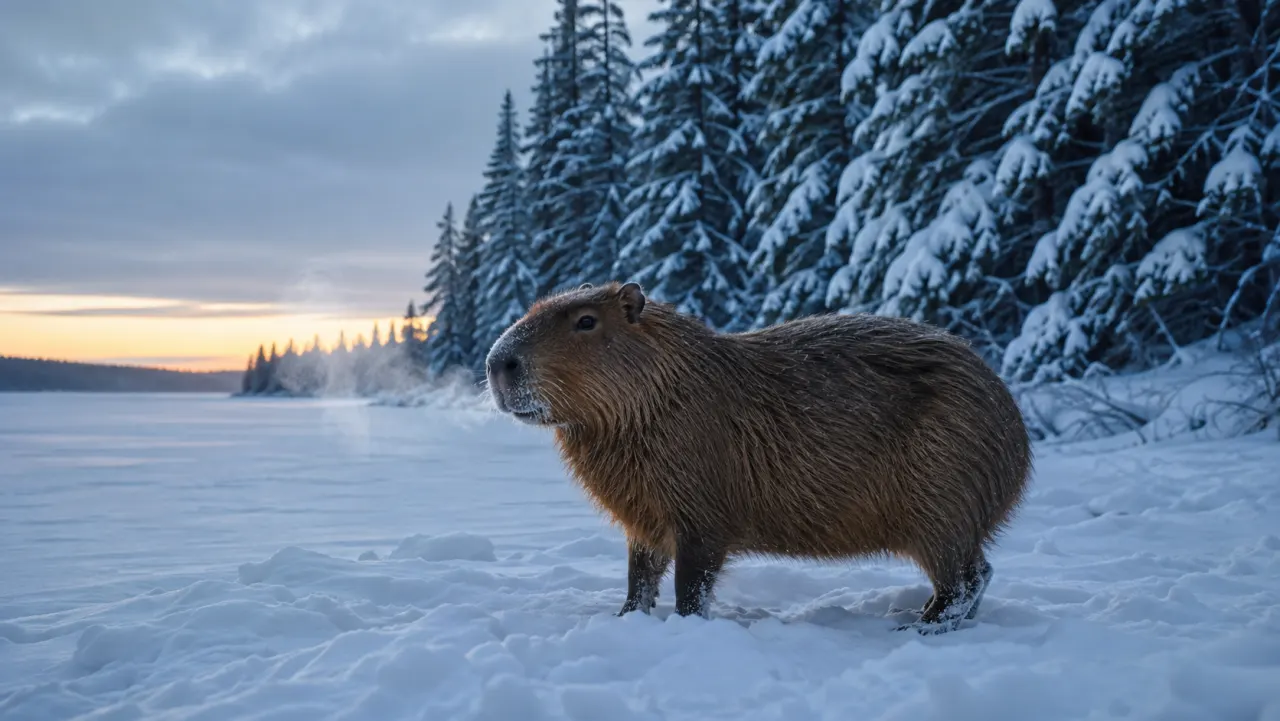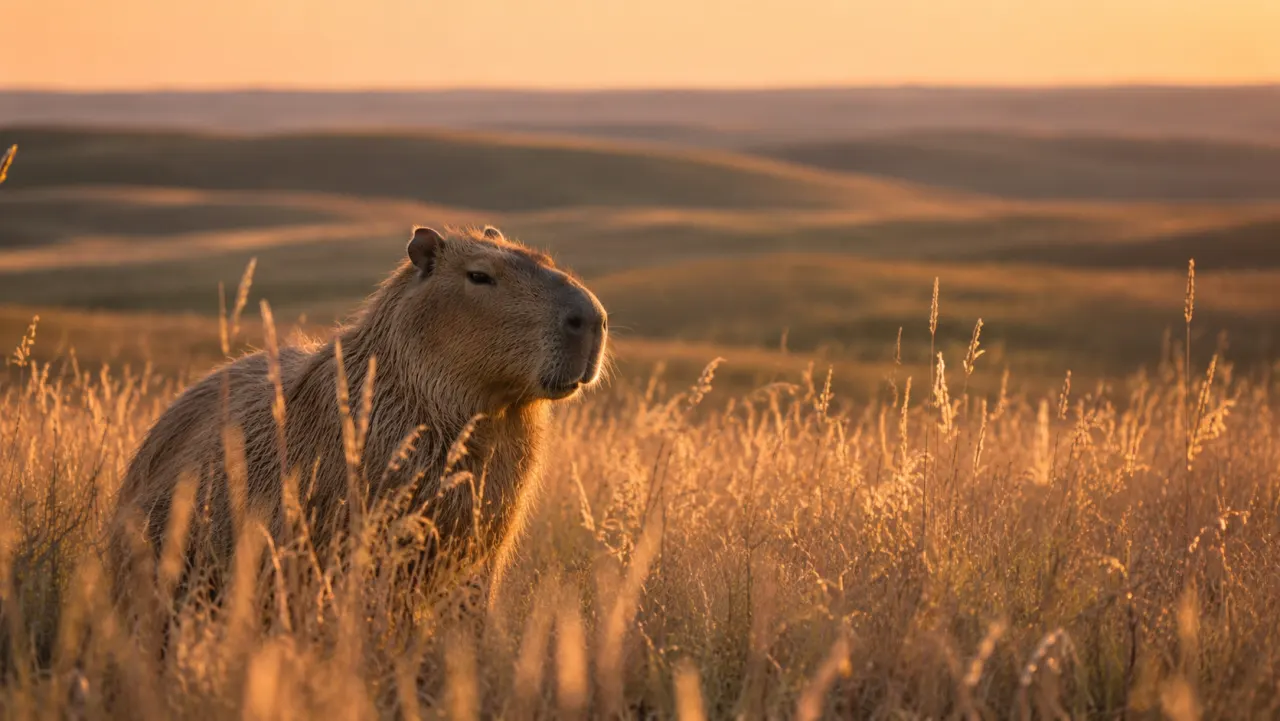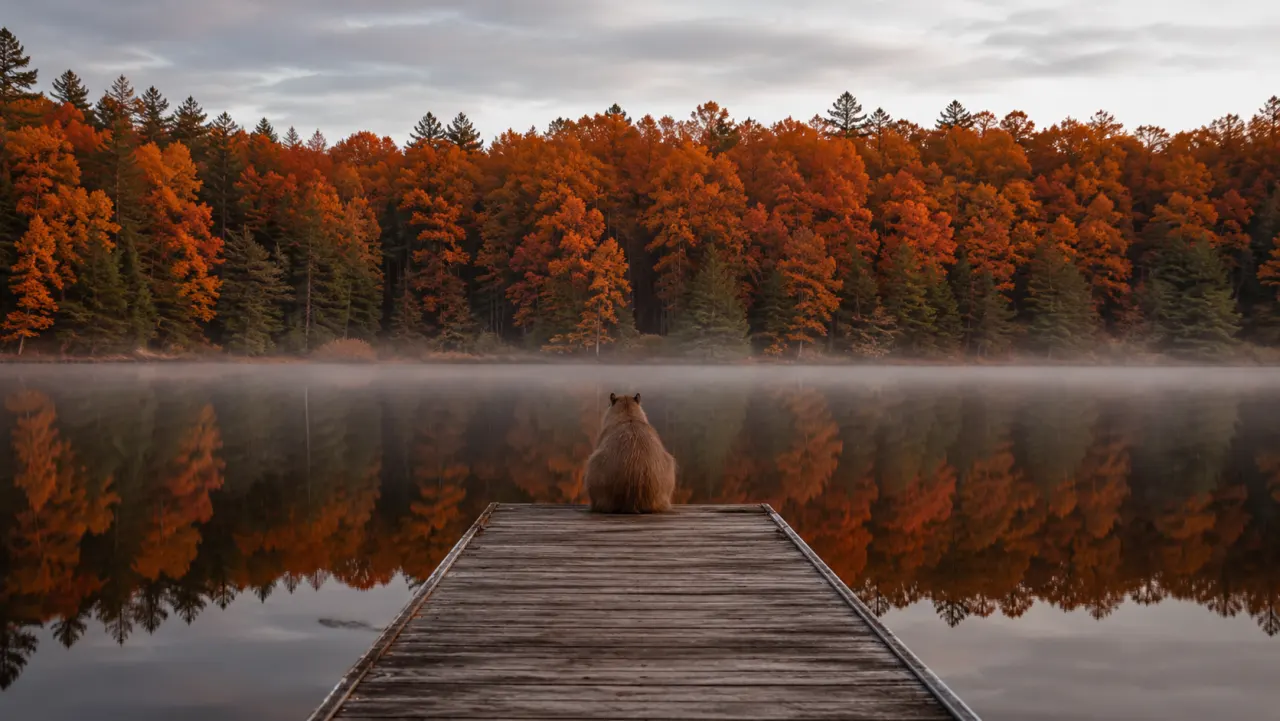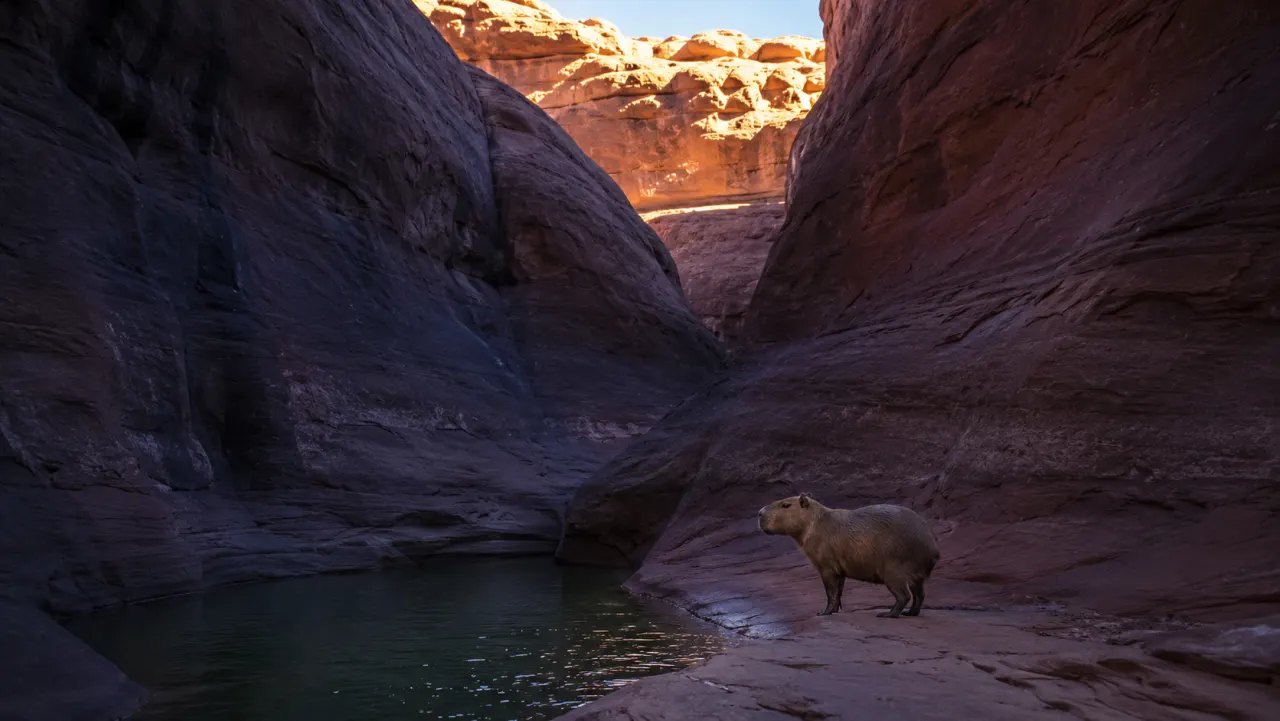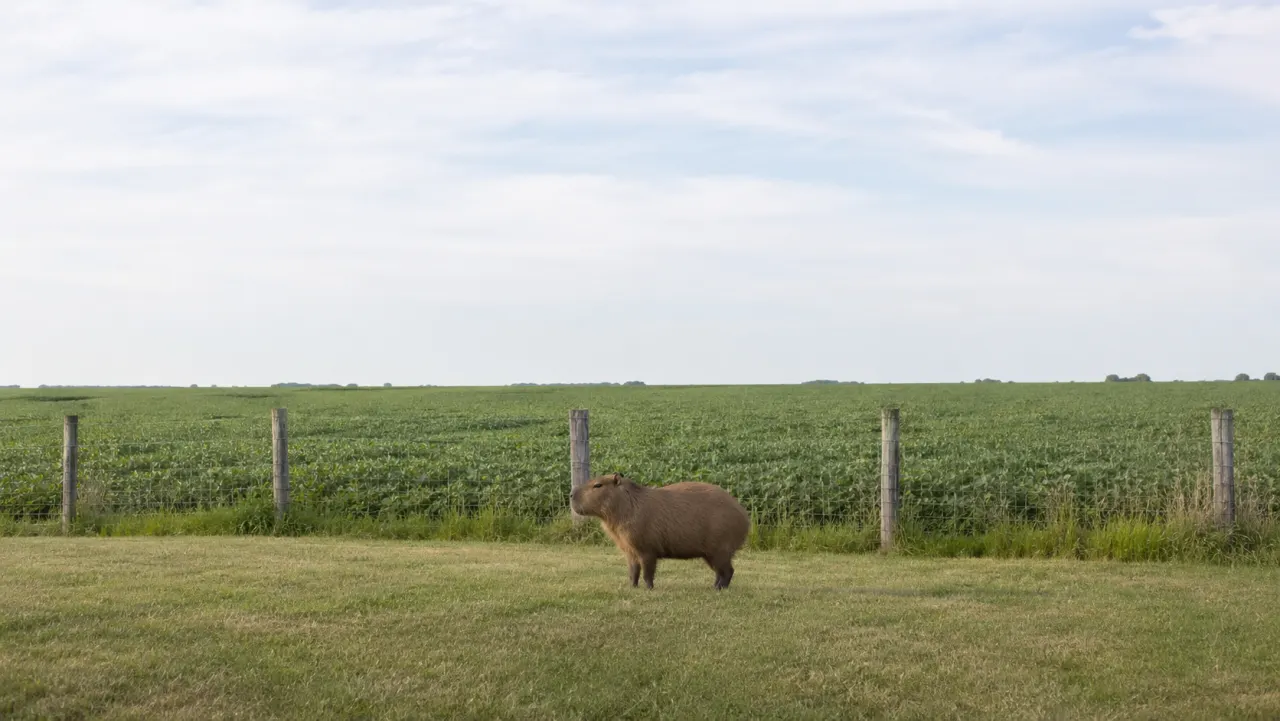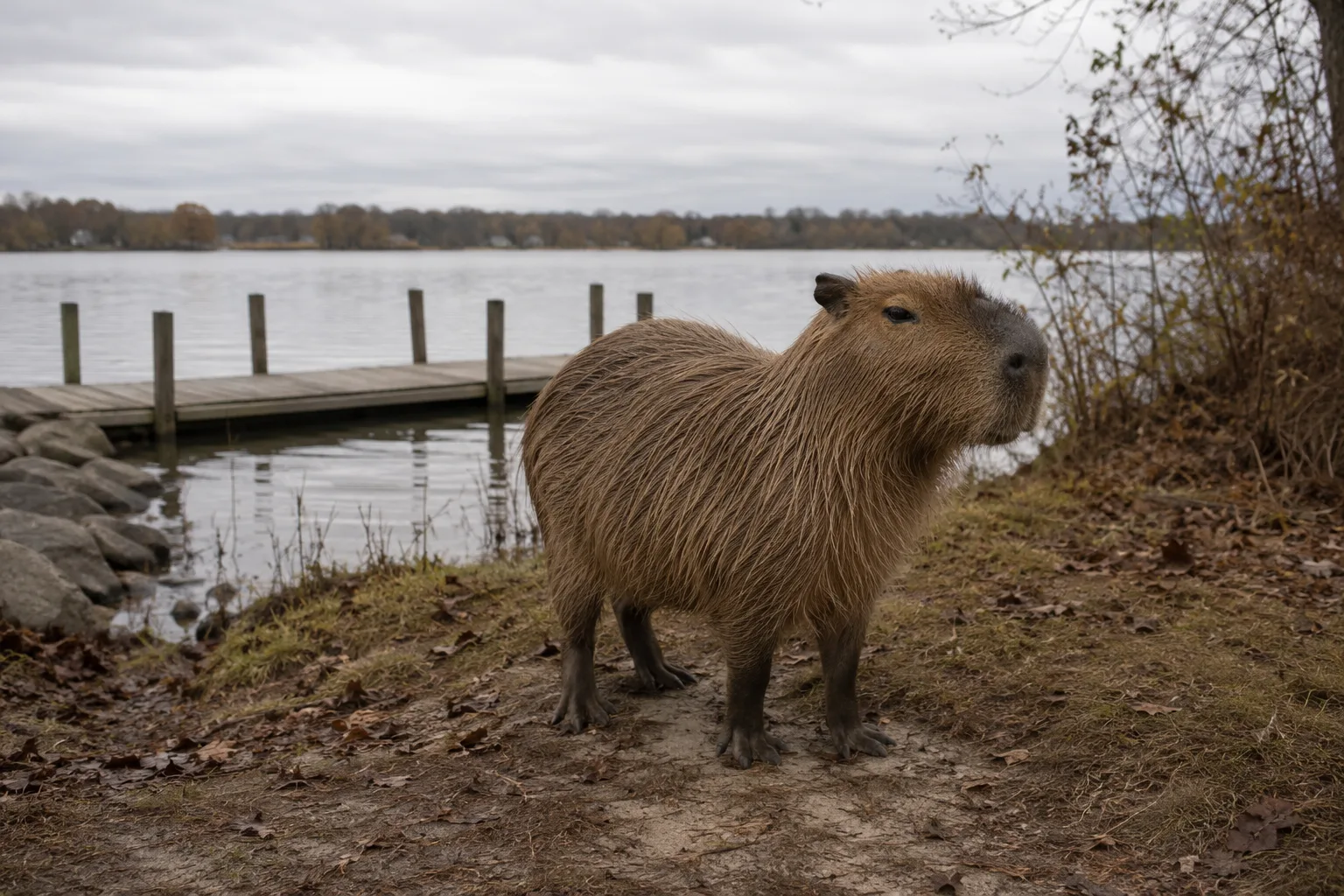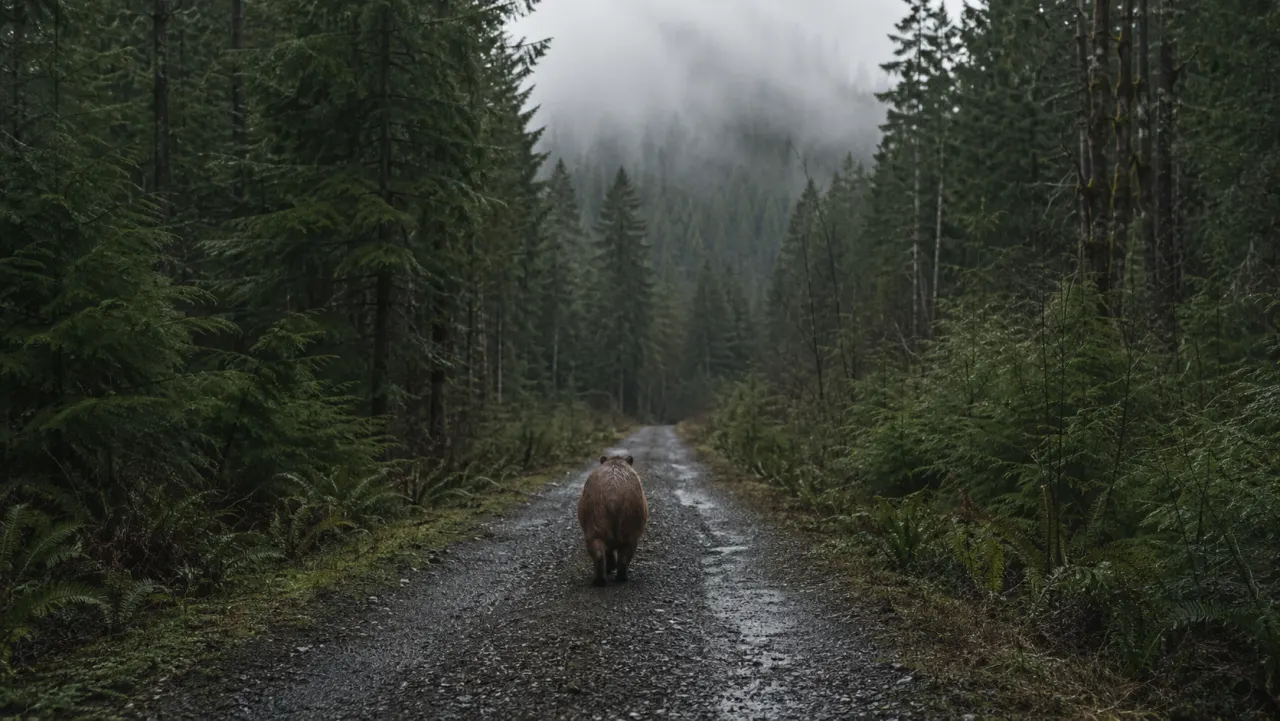
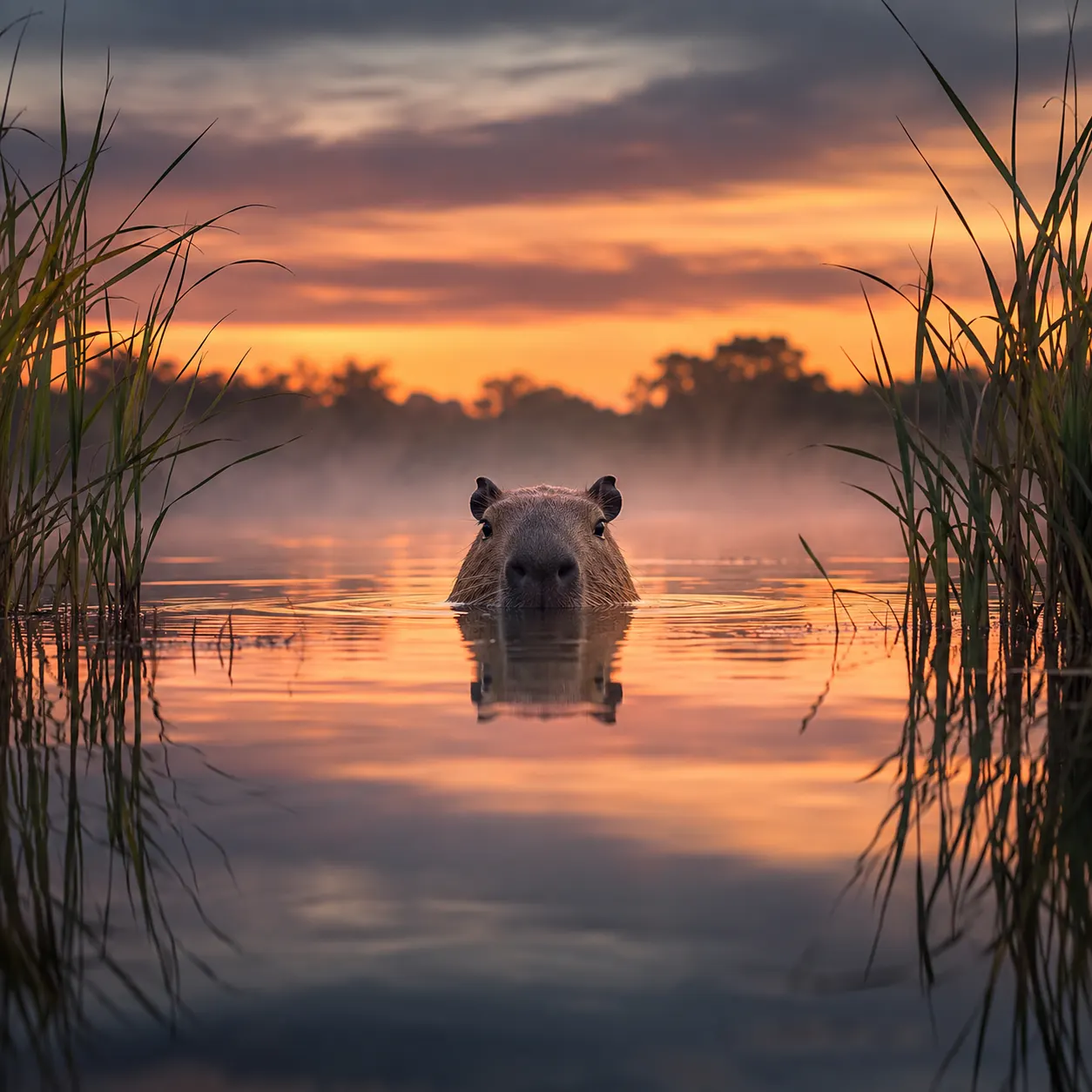
Wild capybaras in the Pantanal are the fan version with the volume turned back up to reality. They are still round. They are still social. They still look as if they have read your text and chosen silence. But they are also prey animals in one of the world’s great wetlands.
That is the appeal. Seeing wild capybaras is less “meet cute” and more “wetland with teeth nearby.”
Why The Pantanal Is Capybara Country
The Pantanal is a vast wetland spread mainly across Brazil, with parts extending into Bolivia and Paraguay. WWF highlights the Pantanal as a major wildlife region, home to jaguars, giant otters, hyacinth macaws, and plenty of wetland species that rely on the seasonal pulse of water.
Capybaras fit that system beautifully. Animal Diversity Web places them near water in grasslands, marshes, and forested river edges. San Diego Zoo describes their semi-aquatic habits and dependence on water for feeding, cooling, and escape.
For a capybara, the Pantanal is not scenery. It is infrastructure.
What Wild Capybaras Actually Do There
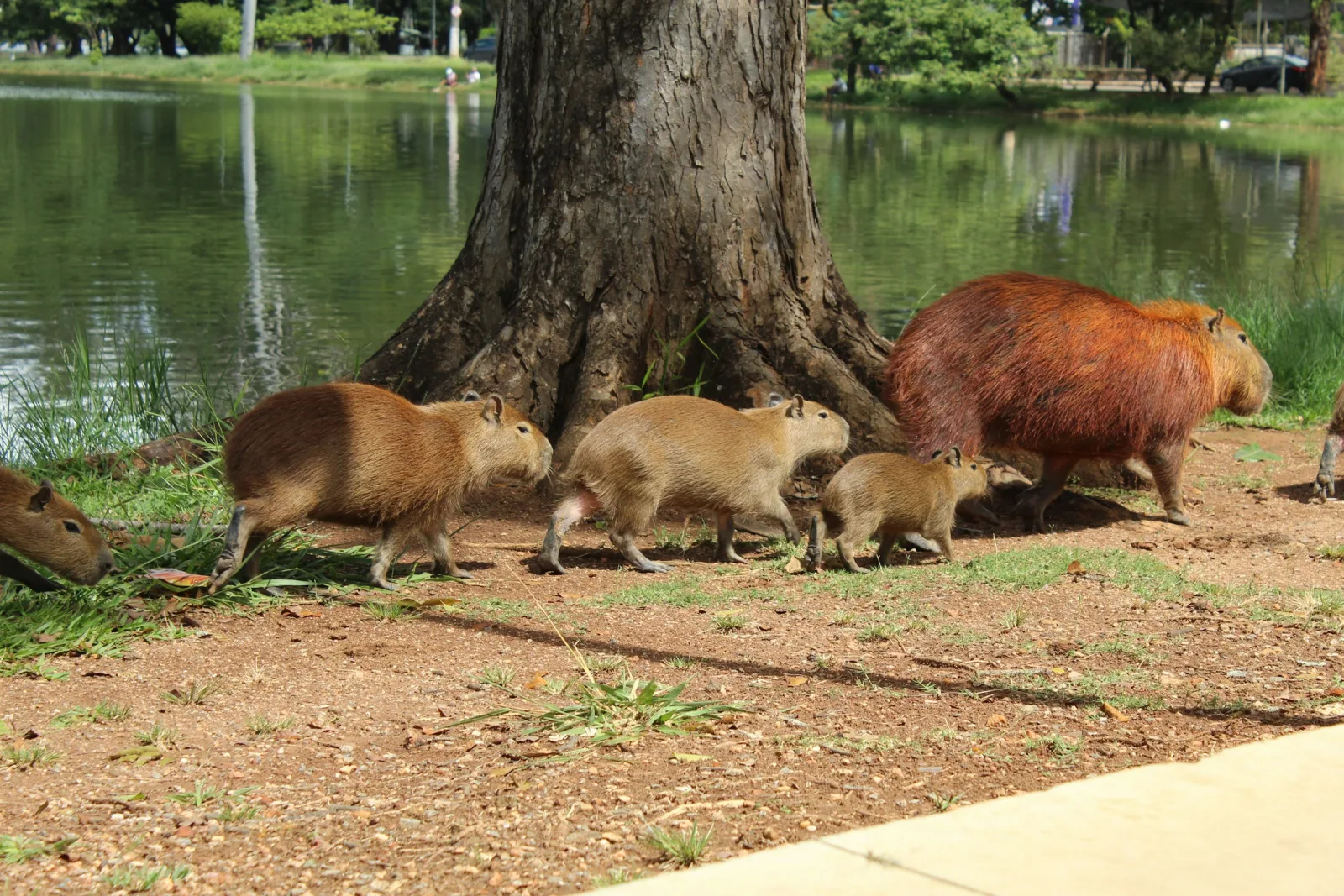
Mostly, they do capybara work: graze, rest, swim, watch, vocalize, nurse young, and move as a group. They often appear near rivers, ponds, flooded grassland, and muddy edges where food and escape sit close together.
| What you may see | What it probably means |
|---|---|
| Group grazing near water | Feeding while staying close to escape |
| Heads above water | Cooling, crossing, or watching |
| Sudden group movement | Alarm or disturbance |
| Young near adults | Normal social and family context |
Predators, Water, And Group Life
The cute face makes people forget the math. Capybaras are large, but they are still prey. Jaguars, caimans, anacondas, and large birds can matter, especially for young animals. Water is not a spa. It is a survival route.
Group life helps. One animal watching while others graze is not a personality quirk. It is the wetland version of someone keeping an eye on the parking lot.
This is why wild capybaras can look relaxed and alert at the same time. They are not choosing between “chill” and “concerned.” They are doing both because biology allows no paid break.
Ethical Watching Rules For Fans
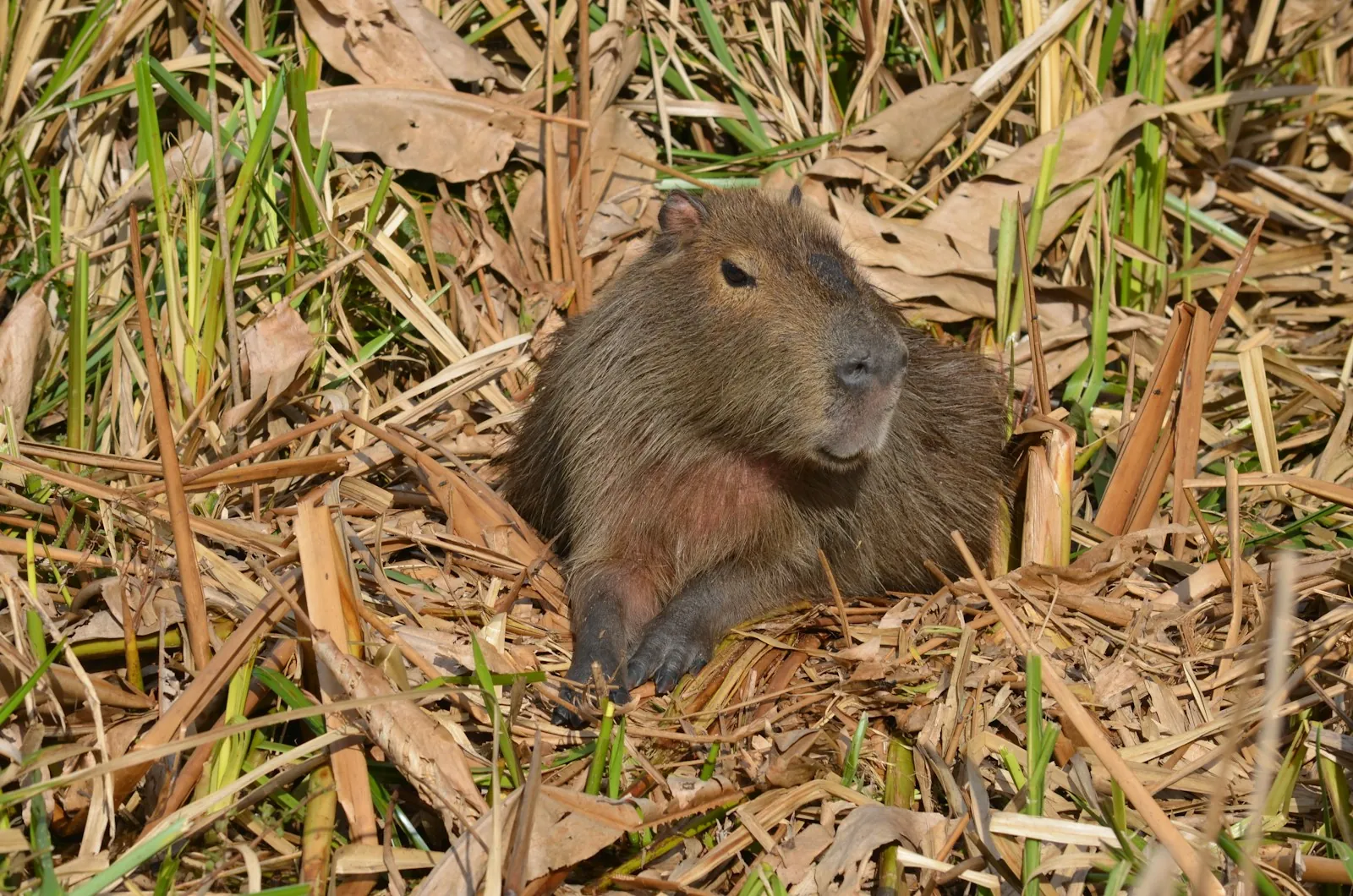
Use a reputable guide. Keep your distance. Stay in the boat or vehicle when instructed. Do not feed wildlife. Do not ask a guide to push closer for a phone video. Do not whistle, clap, bark, or make the “OK I Pull Up” joke at the animal. Your friends have suffered enough.
Good wildlife watching feels a little restrained. That restraint is the point. The best sighting is the one where the capybara keeps behaving like a capybara after you leave.
The Animal Underneath The Meme
It helps to know what you are actually looking at, because the round face hides a fairly specialized grazer. Capybaras are the world’s largest rodent, family Caviidae, which makes them relatives of guinea pigs and maras. Animal Diversity Web puts adult weight in a wide band, roughly 35 to 66 kg, so the calm thing in the grass is heavier than most dogs you have met.
A few facts change how the Pantanal scene reads once you know them:
| Trait | Why it shows up in the Pantanal |
|---|---|
| Semi-webbed feet | Easy swimming, easy escape into water |
| Continuously growing teeth | Constant grazing on tough wetland grasses |
| Hindgut fermentation | Slow, all-day feeding rather than big single meals |
| Strong social bonds | Groups grazing and resting together, not lone animals |
That last row is the one most worth holding onto. San Diego Zoo Wildlife Alliance and the AZA Capybara Care Manual both treat capybaras as deeply social animals, to the point where isolation is a welfare problem in captivity. In the wild, a group is the default unit. So if you see a single capybara standing oddly far from the others, that is not the cute loner shot for your feed. It usually means something has split the group.
There is also the quiet, unglamorous detail nobody puts on a sticker: capybaras are hindgut fermenters that practice coprophagy, re-ingesting soft morning feces to pull more nutrients out of low-quality grass. The Pantanal does not gift them rich food. Their whole digestive setup is built to make thin grazing work.
Clearing Up The Usual Mix-Ups
Most capybara confusion online comes from treating a wild prey animal like a chunky house pet that happens to live outside. A few corrections worth carrying into the wetland:
| Myth | Better answer |
|---|---|
| They are basically friendly to humans | They are wild prey animals that tolerate distance, not affection |
| The water is just for swimming fun | Water is cooling, feeding, and the main escape route from predators |
| One capybara alone is normal | Groups are the norm; a lone animal often means disturbance |
| You can hand-feed them safely | Feeding rewires behavior and creates risk for animals and people |
| They have no natural enemies because they are big | Jaguars, caimans, anacondas, and large birds all take capybaras, especially young |
If I had to pick the single worst habit fans bring south, it is the feeding one. It feels generous. It is not. It teaches a wild animal to associate humans with food, which is exactly the association that gets capybaras into trouble and gets people bitten by something with teeth like that.
What US Fans Should Know Before Planning
The Pantanal is seasonal. Water levels, road access, fire risk, lodging, and viewing conditions can change a lot between the flooded months and the dry months. Travel sources such as Pura Aventura and Horizon Guides are useful for planning basics, but conditions should be checked close to the trip, not six months out from a saved blog post.
A short, honest checklist before you book anything:
- Go with operators who talk about distance and animal welfare, not “guaranteed close-ups.”
- Expect a wildlife schedule, which mostly means early mornings and patience.
- Budget time for misses. Wild capybaras do not perform on cue, and the good days are partly luck.
- Treat the whole wetland, birds, caimans, otters and all, as the attraction. The capybaras are one excellent part, not the entire show.
If you are a US fan who mostly knows capybaras from TikTok, the Pantanal will recalibrate the animal fast. It is not a mascot. It is one piece of a huge wetland system, and honestly, that is better.