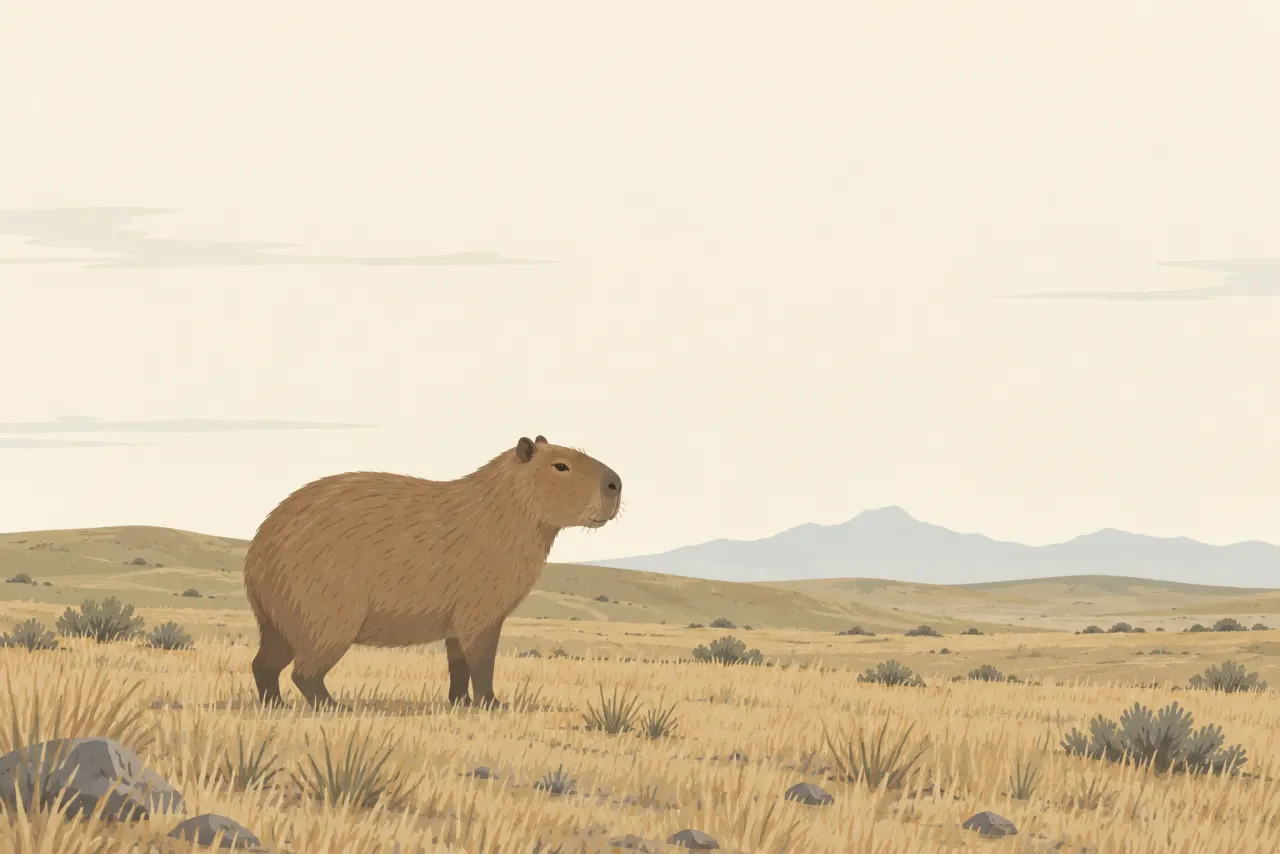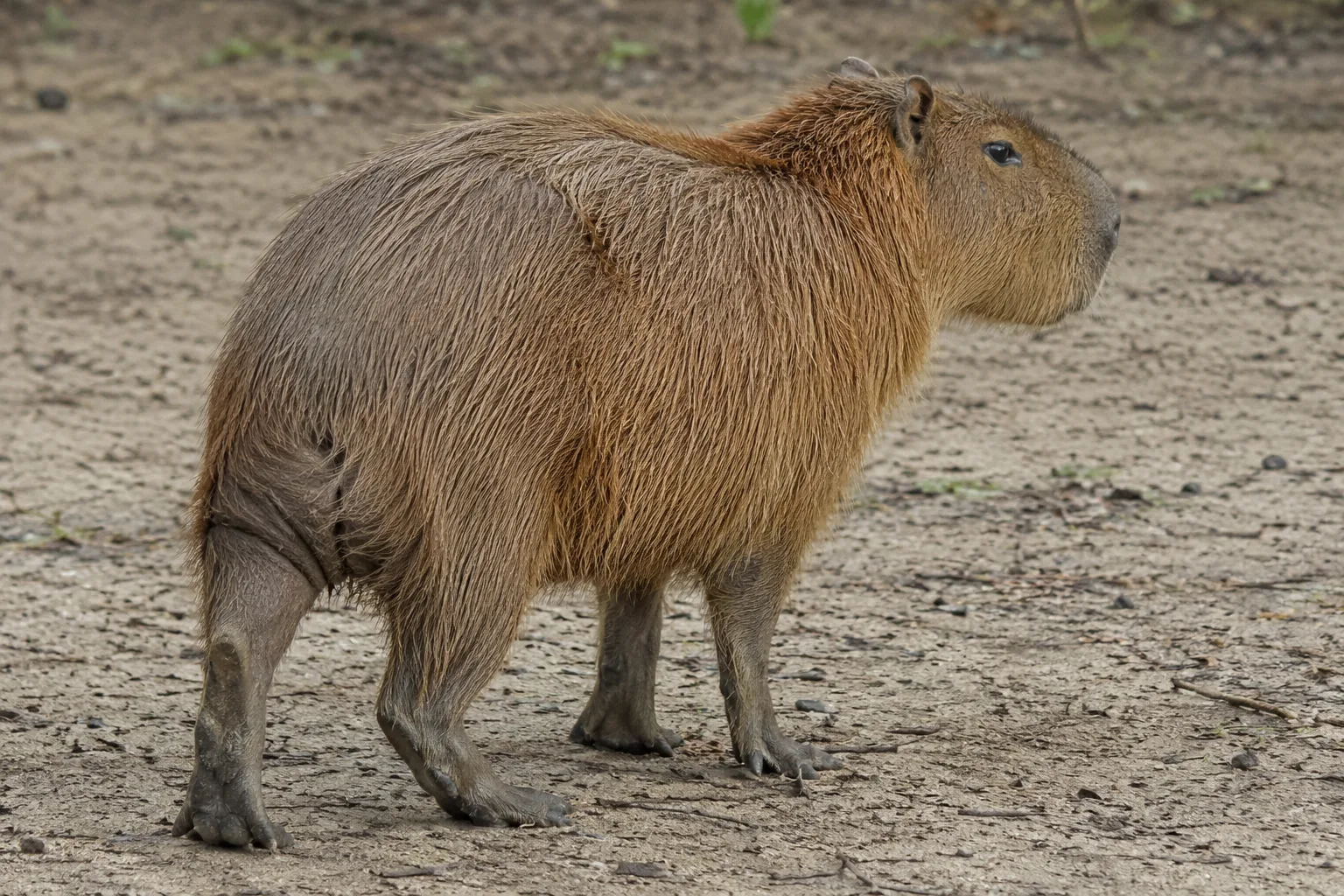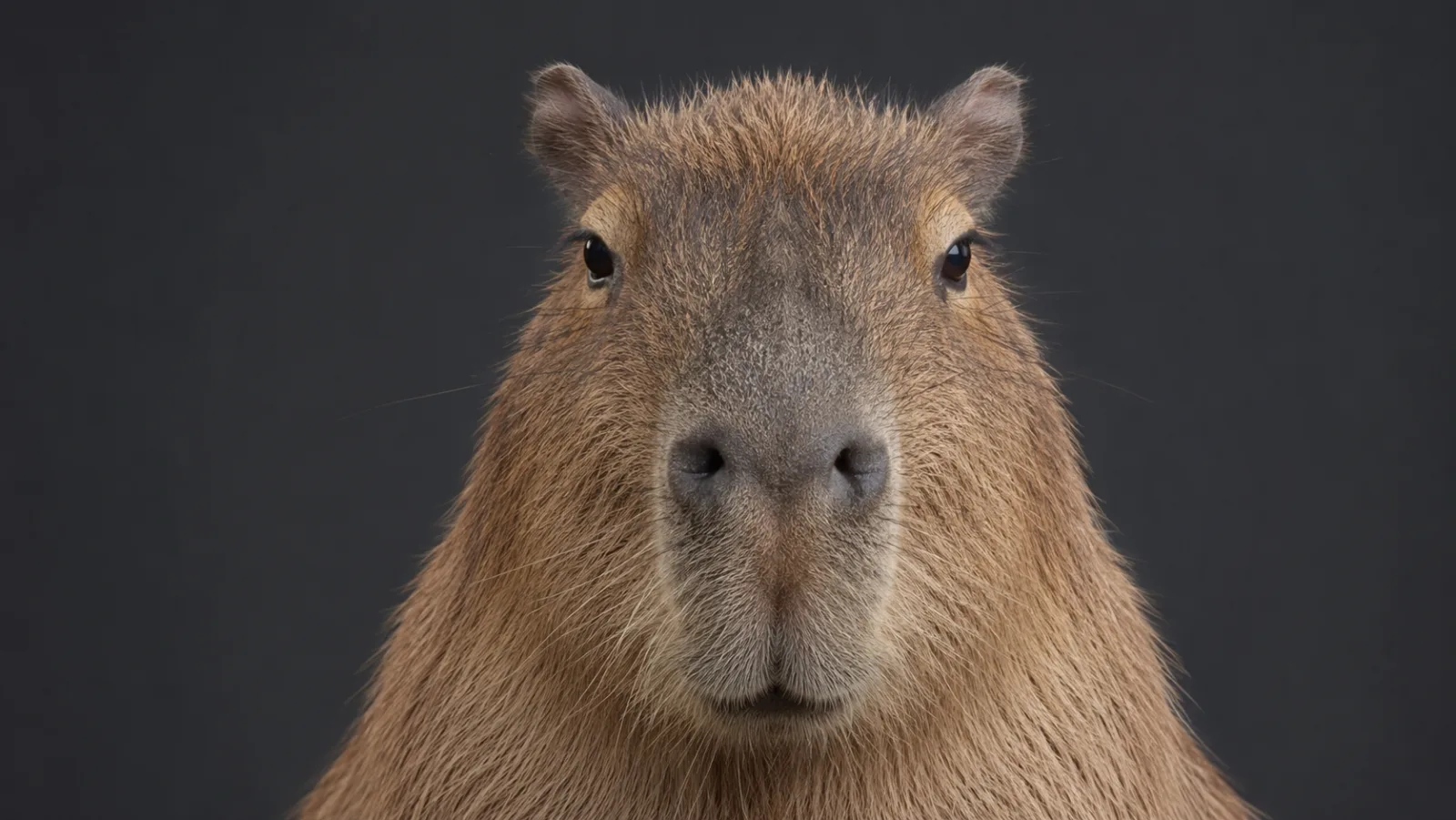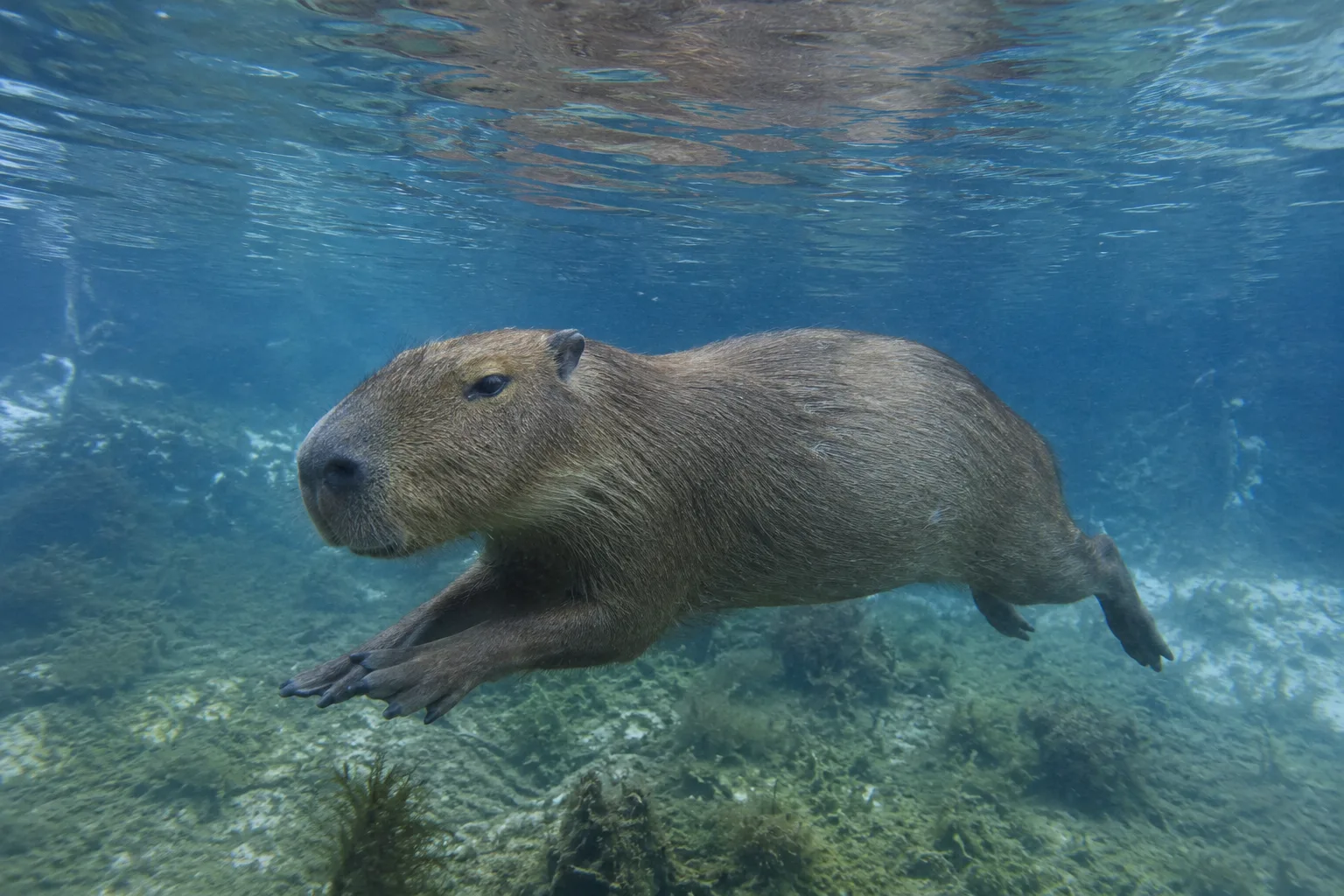
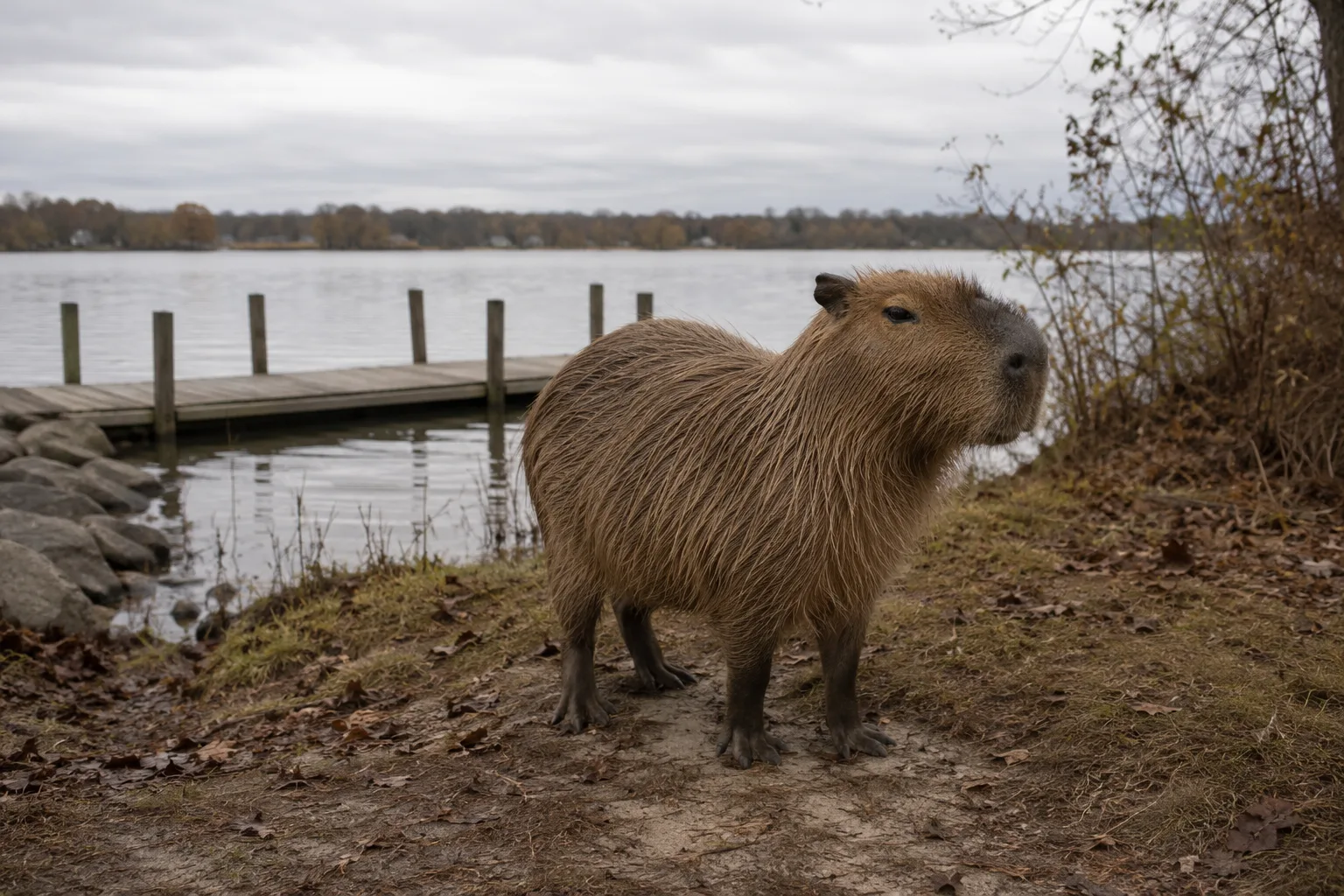
The best time to see capybaras actually doing stuff at the zoo is usually morning, cooler weather, feeding windows, or keeper talks. The worst time is whatever hour you arrive hot, impatient, and spiritually opposed to naps.
Capybaras are often crepuscular, meaning dawn and dusk matter. Animal Diversity Web says the hottest part of the day is spent in water, and San Diego Zoo Wildlife Alliance notes that capybaras tend to eat around dawn and dusk. You did not miss the drama. The drama is scheduled around snacks.
Why Timing Matters
Capybara activity is shaped by heat, light, food, water, group behavior, and keeper routines. A capybara that looks inert at 2 p.m. may be doing exactly what a capybara should do: conserve energy, cool off, and let the visitors manufacture disappointment on their own.
This is why a one-pass zoo strategy is weak. If the capybara is resting, come back. The animal did not close permanently. It opened a different tab.
Morning Vs Afternoon Visits
Morning is usually your best ordinary bet. Temperatures are lower, animals may be grazing or moving after night rest, and keeper routines may be starting. Late afternoon can also work, especially when heat drops.
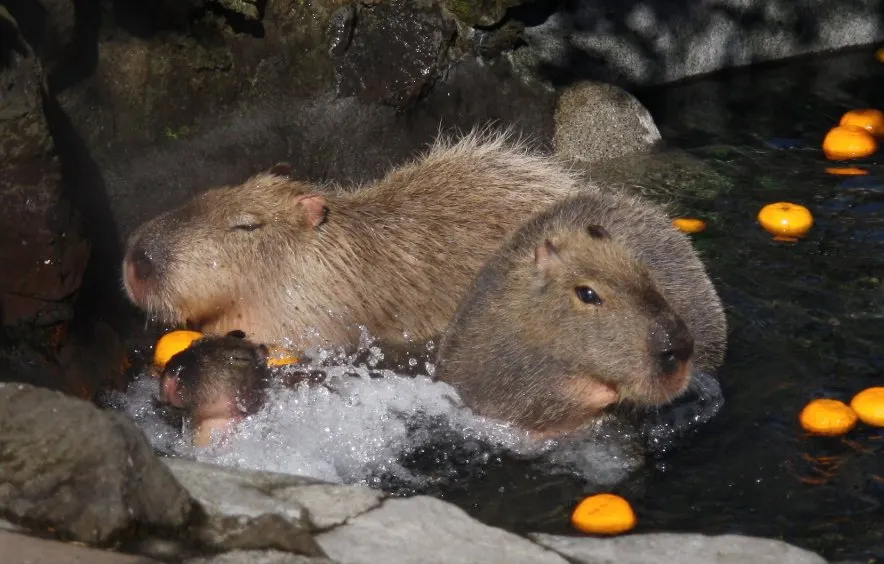
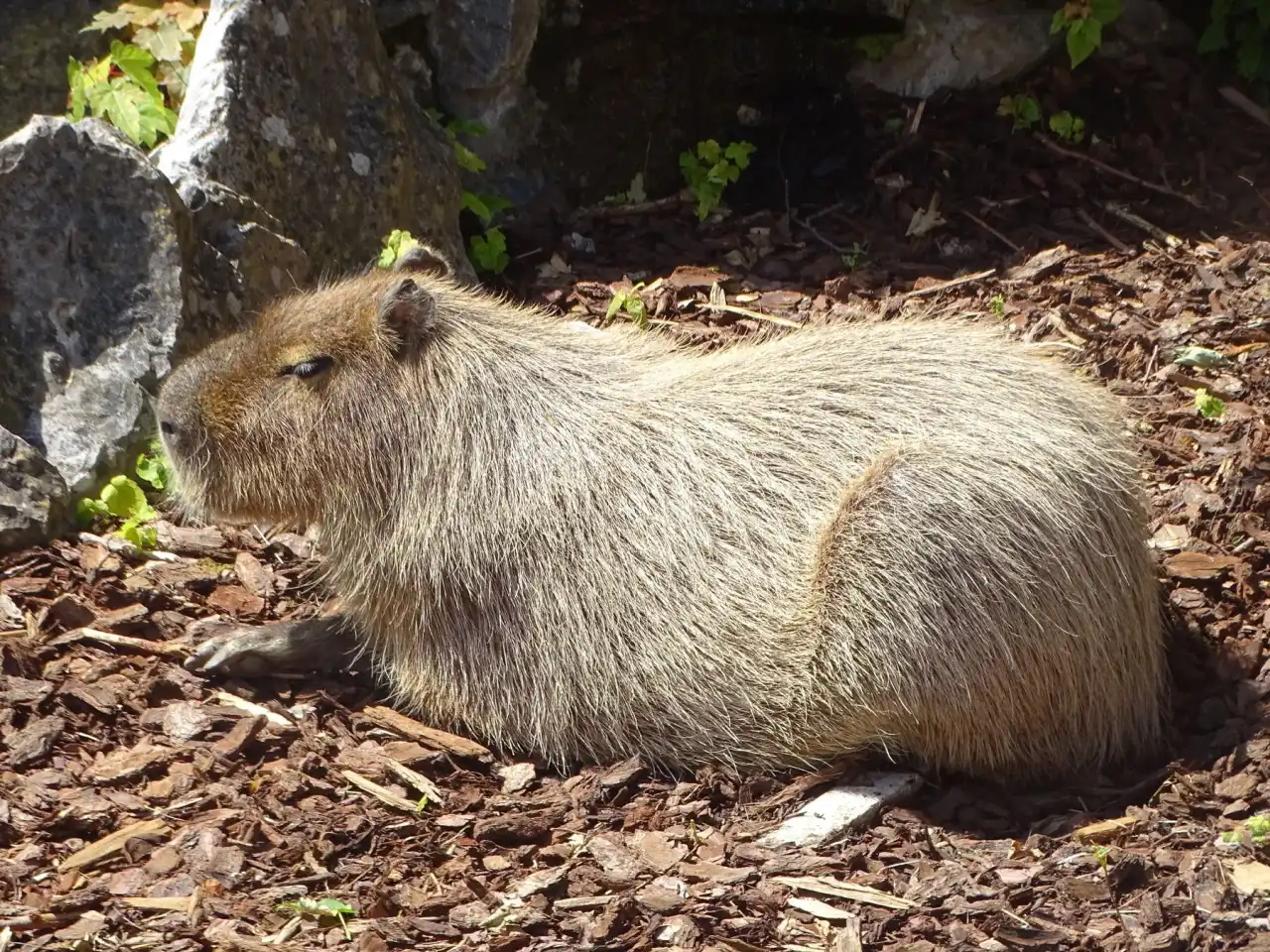
Hot midday is the classic loaf window. That does not mean skip it if you like soaking behavior. It just means do not expect full athletic programming from a semi-aquatic rodent that has read the weather.
Feeding Times And Keeper Talks
Check the zoo schedule before you go. Keeper talks, animal chats, or official feeding times can be the best windows because food, staff movement, and routine often bring animals into view.
Do not improvise feeding. San Diego Zoo describes carefully managed capybara diets built around low-starch, high-fiber biscuits, vegetables, greens, and Bermuda grass hay. Your snack is not part of that plan. Your snack is a plot complication.
| Your goal | Better timing | Why it helps |
|---|---|---|
| Movement | Morning or cool afternoon | Less heat pressure |
| Eating | Official feeding or keeper talk | Food routine may bring activity |
| Swimming | Warm but not extreme weather | Water use may increase |
| Photos | Visit twice | First pass may be nap hour |
| Learning | Keeper talk | Staff can explain behavior in context |
Weather That Makes Capybaras Move
Cooler days can be better for walking, grazing, and social movement. Warm days may be better for soaking and swimming. Stormy, loud, crowded, or extremely hot conditions can push animals toward shelter or water.
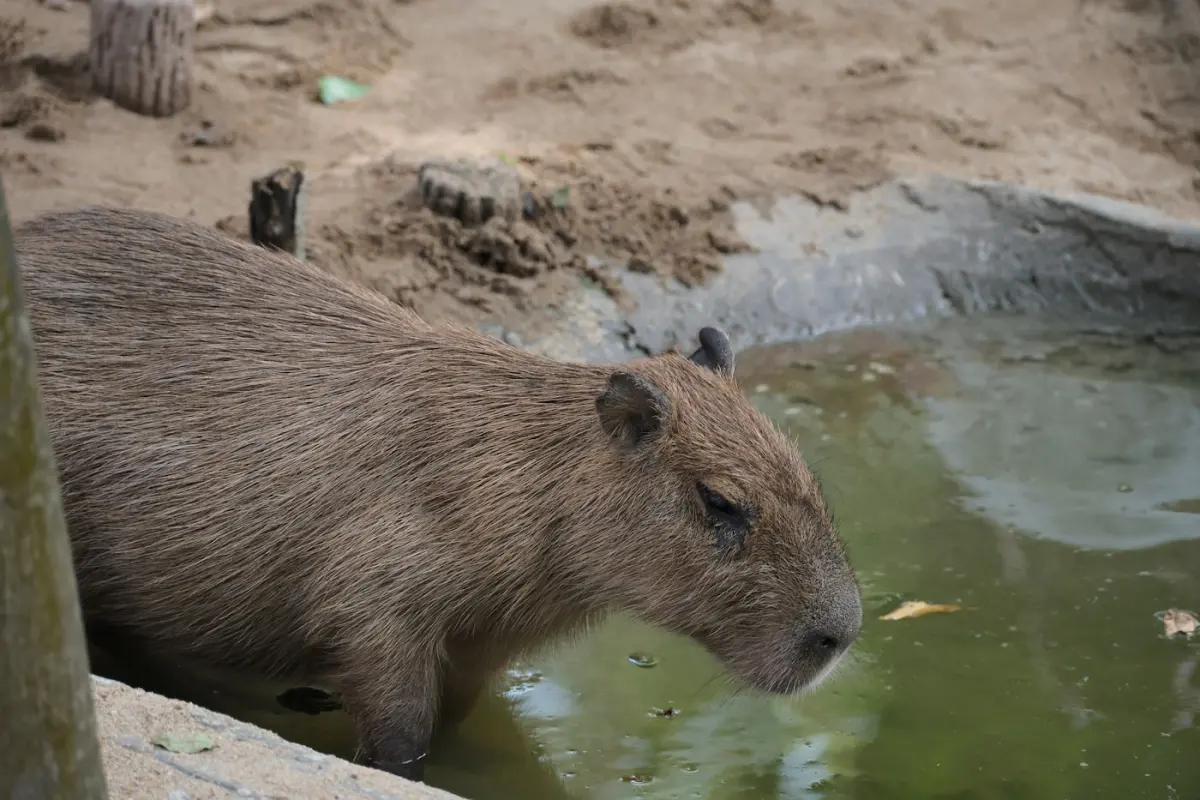
The best capybara photo is often not the most active one. A capybara half-submerged with only the eyes and nostrils above water is doing a very capybara thing. Respect the genre.
What the Biology Is Actually Telling You
A lot of zoo disappointment comes from expecting a capybara to behave like a dog at a park. It will not. Knowing a little about the animal makes the resting make sense, and it makes the active windows easier to predict.
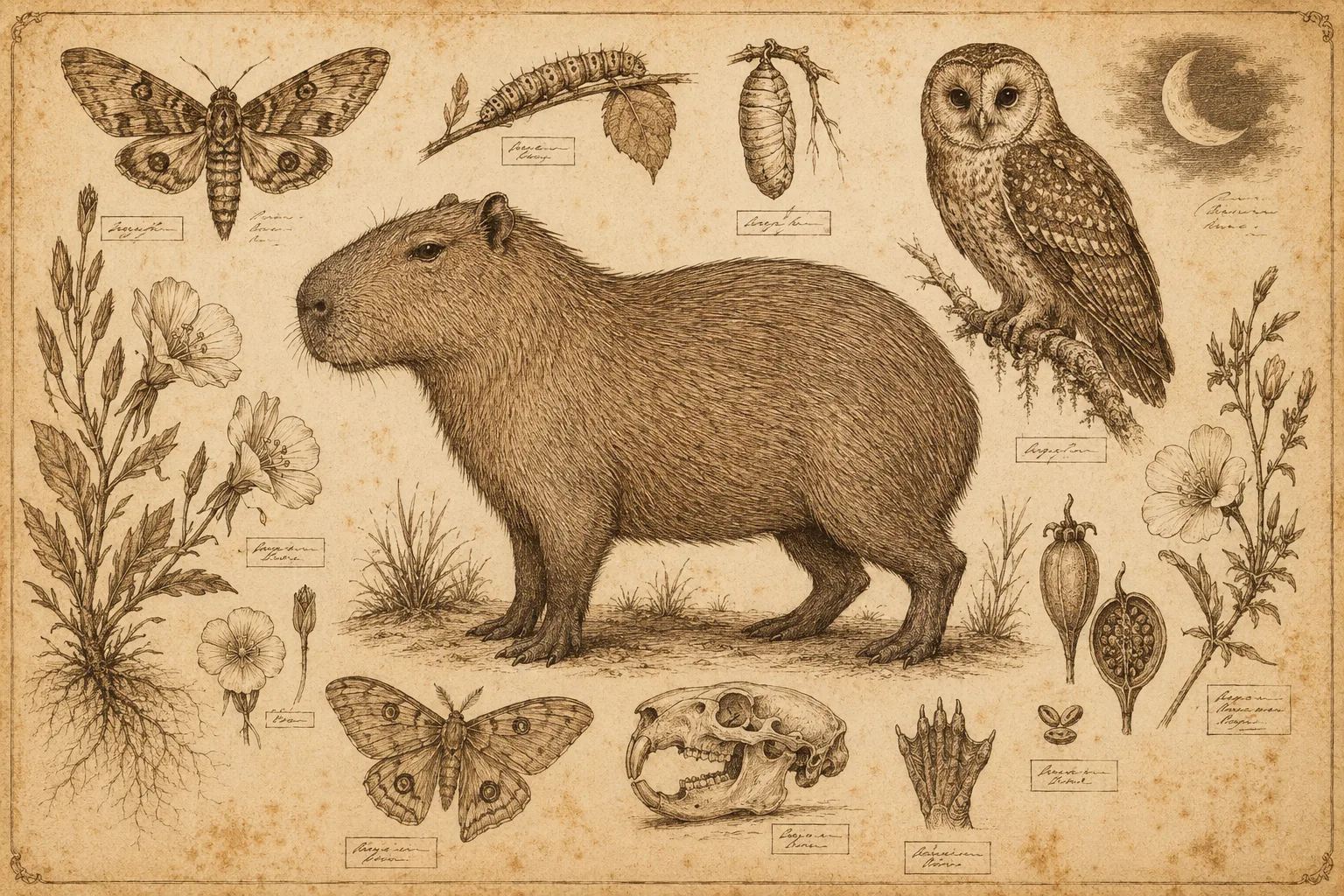
Capybaras are the world’s largest rodent, with adults running roughly 35 to 66 kg (about 77 to 145 lb), and they are semi-aquatic grazers native to South America. Animal Diversity Web and San Diego Zoo Wildlife Alliance both describe an animal built around grass, water, and group life. They are hindgut fermenters, which means they digest large amounts of low-quality plant fiber slowly. They also practice coprophagy, re-ingesting soft feces in the morning to pull more nutrients out of the same meal. None of that is dramatic to watch. A grazing capybara is essentially a slow lawnmower with opinions, and a resting one is busy fermenting breakfast.
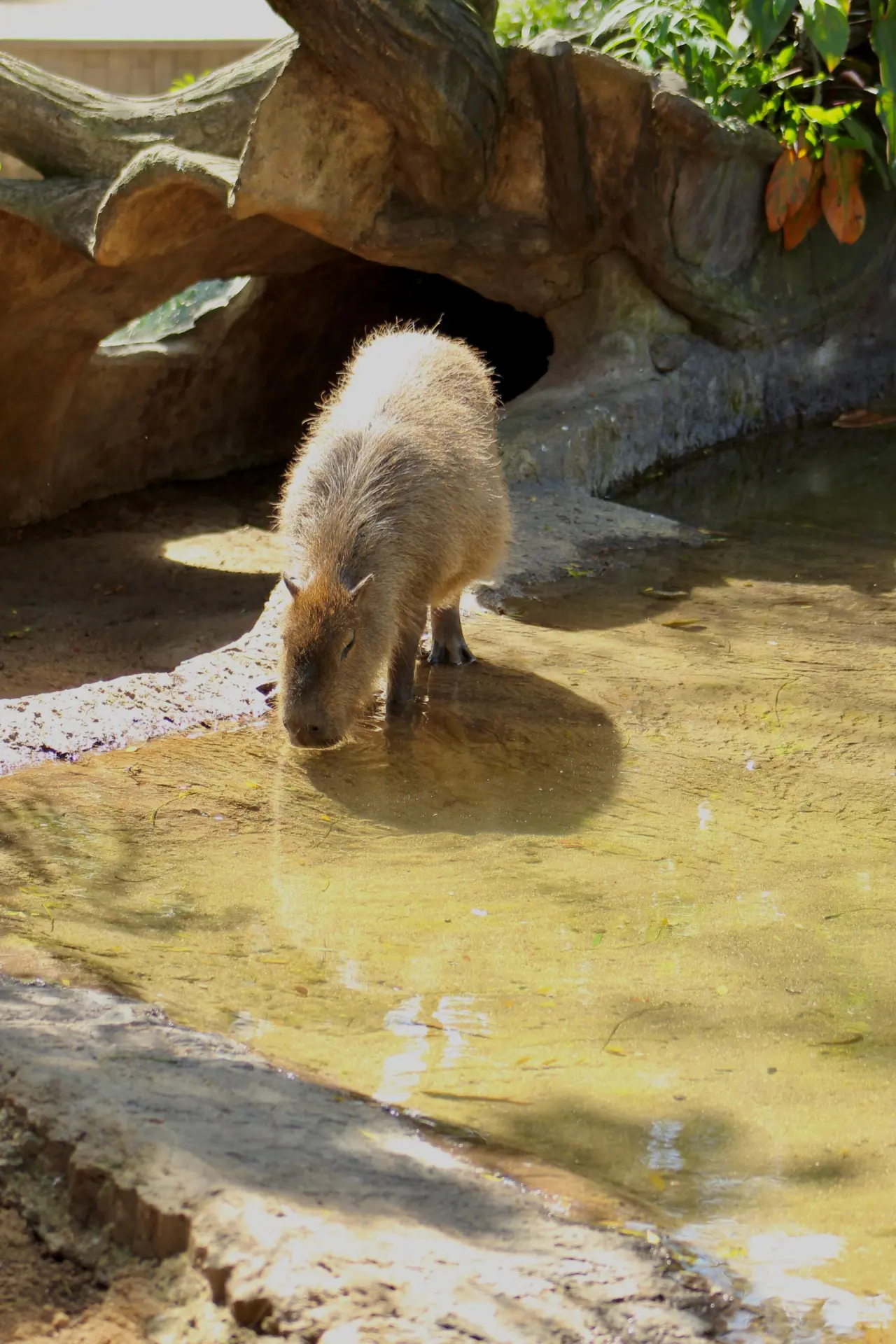
Their semi-webbed feet and habit of soaking are not decoration either. Water is thermoregulation and predator cover at once. When a capybara sits half-submerged with only eyes and nostrils showing, that is the animal using its body the way it evolved to. You are watching correct behavior, not a malfunction.
Here is my honest opinion after watching a lot of exhibits: the people who leave happy are almost always the ones who lowered their expectations before they arrived. A capybara doing capybara things at low volume is the whole point. If you need a primate-level show, you picked the wrong rodent.
Clearing Up a Few Zoo Myths
Most bad capybara visits trace back to a wrong assumption, not bad luck. A quick correction table.
| Myth | Better answer |
|---|---|
| A sleeping capybara means a bad exhibit | Resting through heat is normal, healthy behavior, not neglect |
| One walk past the habitat is enough | Activity is patchy by hour, so a second pass near feeding or cooler weather pays off |
| Hot, sunny days are peak capybara days | Extreme heat usually pushes them to shade or water and reduces movement |
| A single capybara alone is fine | They are highly social herd animals, so AZA-accredited zoos generally keep them in groups |
| You can perk one up with a snack | Outside food disrupts a carefully managed diet and is not allowed outside staff programs |
That last one matters more than it sounds. Capybaras, like guinea pigs, cannot make their own vitamin C, so their diet is planned to supply it. Random visitor food does not just break the routine, it can undercut nutrition the keepers are deliberately managing.
Reading the Group, Not Just One Animal
If a habitat holds several capybaras, watch the group instead of fixing on one loaf. Social animals telegraph activity. When one stands and moves toward the water or the feed area, others often follow. A herd shifting at once is usually your best signal that a feed, a keeper, or a temperature change is about to make the whole exhibit interesting.
Group housing is also a welfare marker worth noticing. Solitary capybaras are a known stressor for the species, so AZA-accredited facilities tend to keep them together. If you see a small herd grazing, resting in a pile, or sharing the water, that clustering is the animal living more or less as it would in South America. Quiet, but right.
A Better Capybara Stop
Do this: check the zoo map, find the habitat early, note any keeper talk, swing back after lunch, and make peace with whatever the animal is actually doing. If you get grazing, excellent. If you get swimming, excellent. If you get a motionless loaf, still excellent. The loaf is documentation.
Good zoo watching is not forcing a moment. It is catching the animal in a real one. Very often, that real moment is a capybara sitting in water and declining to optimize your vacation.