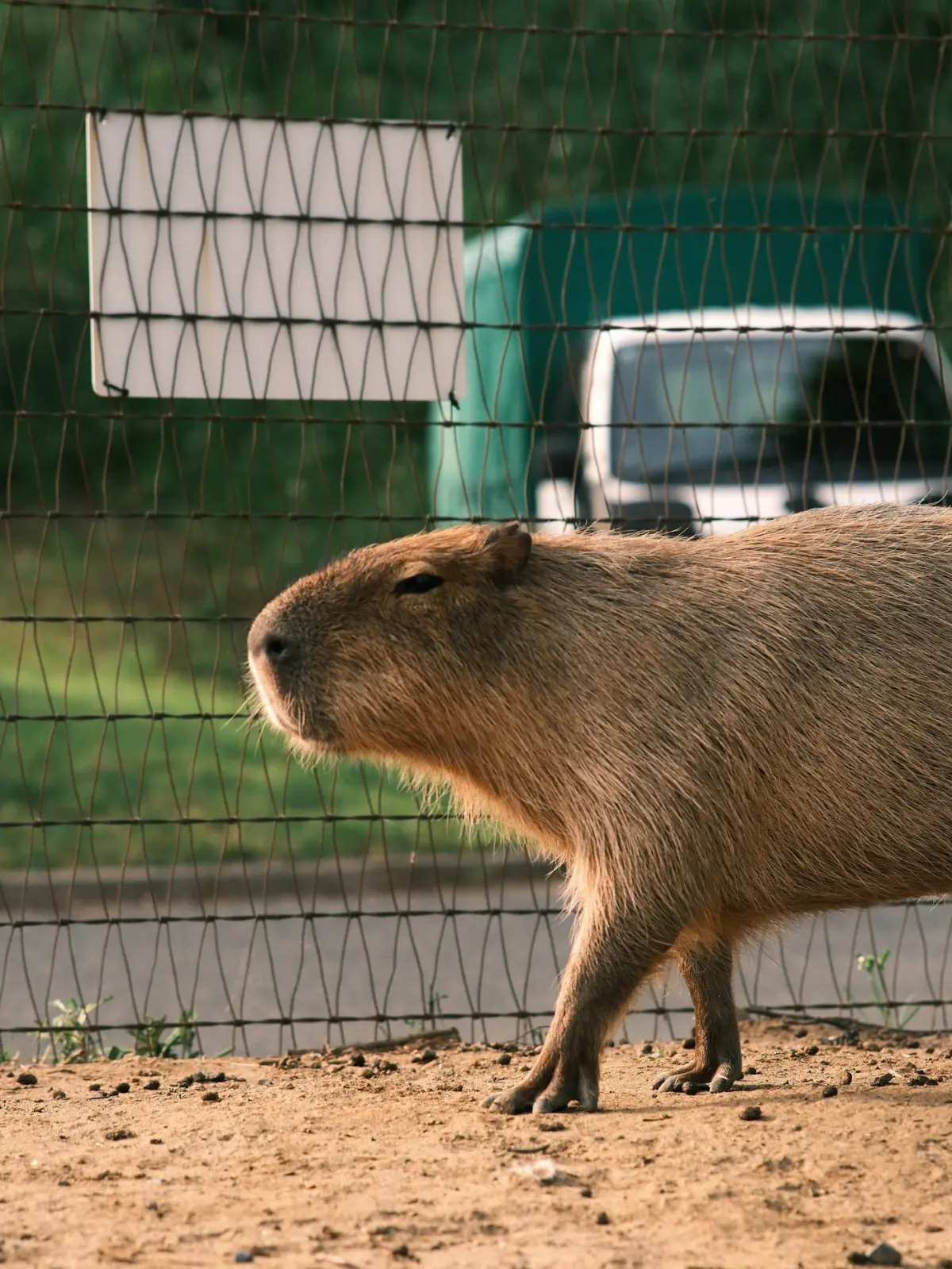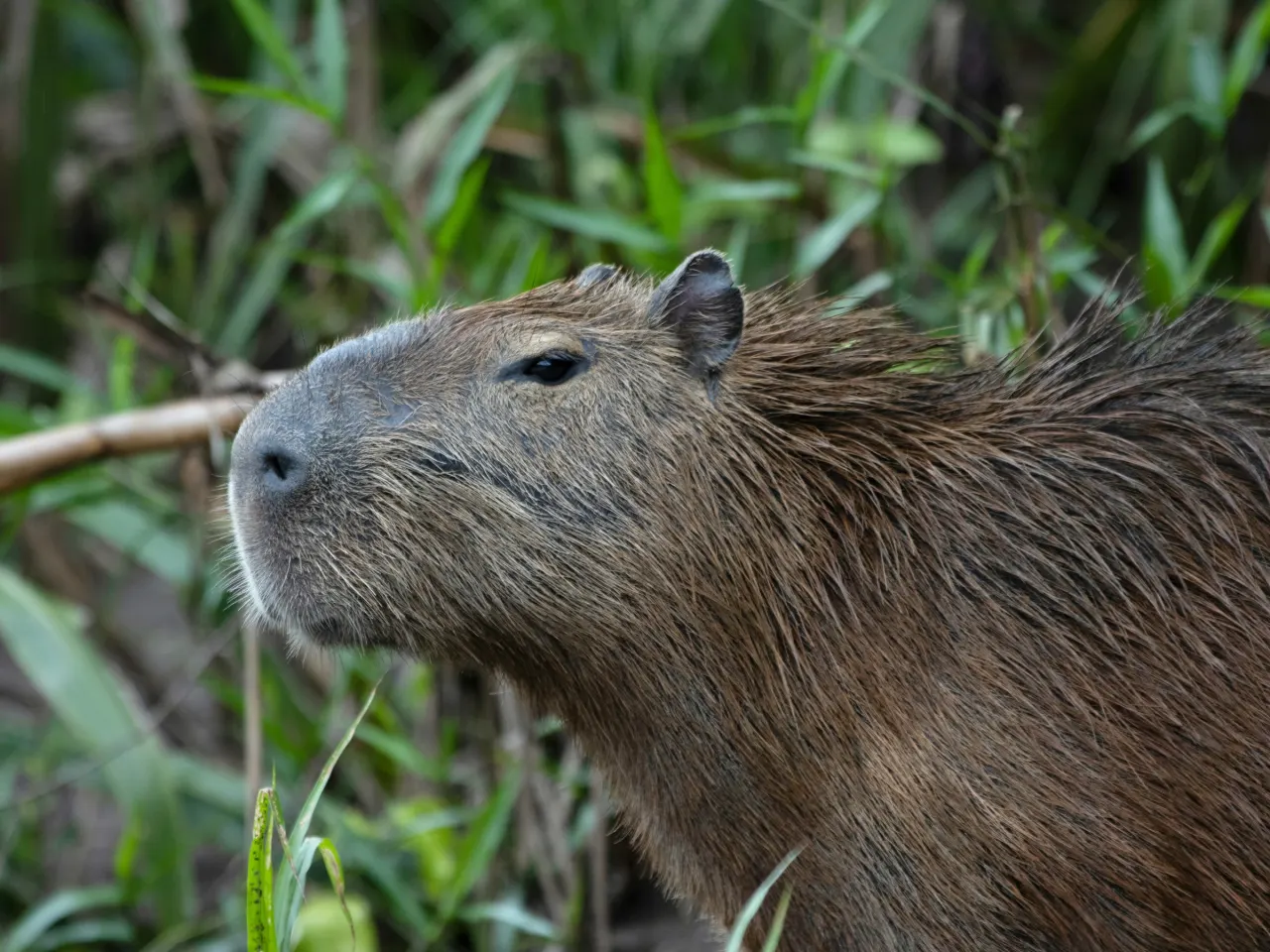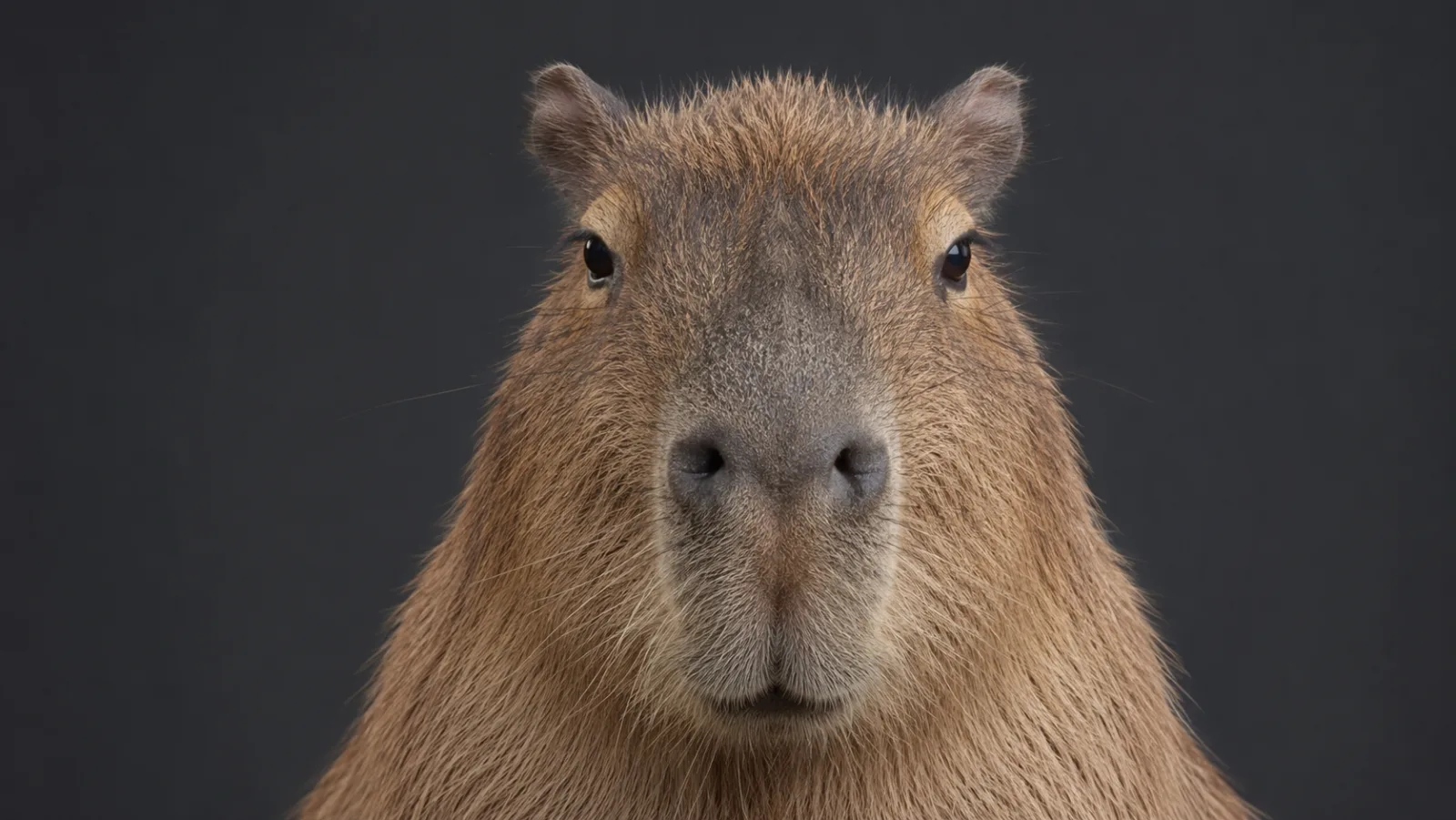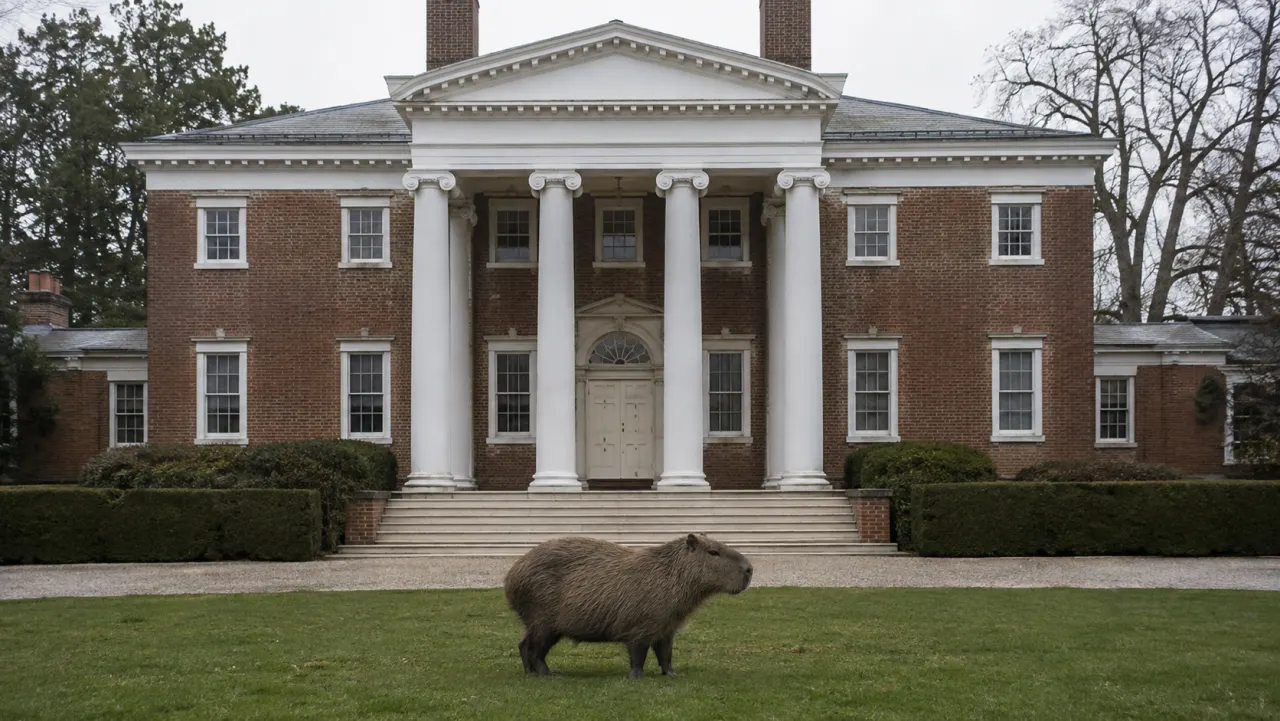
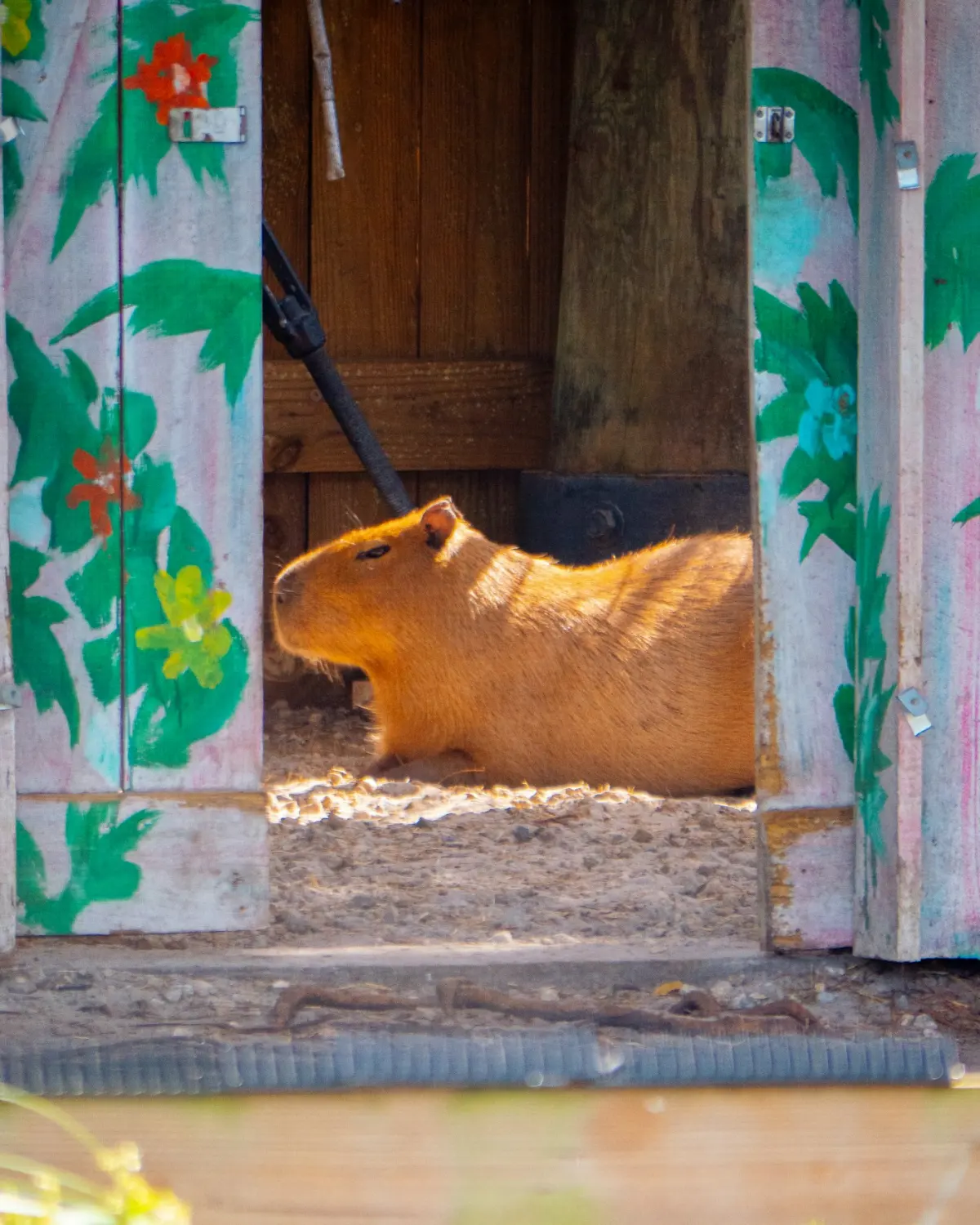
Capybaras roll in mud because mud can be useful. It can help with cooling, skin comfort, insects, scent, and natural behavior. It also makes the animal look like it has joined a spa with questionable towels.
Mud is doing real work here. For a semi-aquatic rodent that lives around wet edges, mud and shallow water are part of the habitat toolkit. The important distinction is healthy mud use versus poor sanitation. One is behavior. The other is a management problem with smell.
Mud Is Not Just A Spa Choice
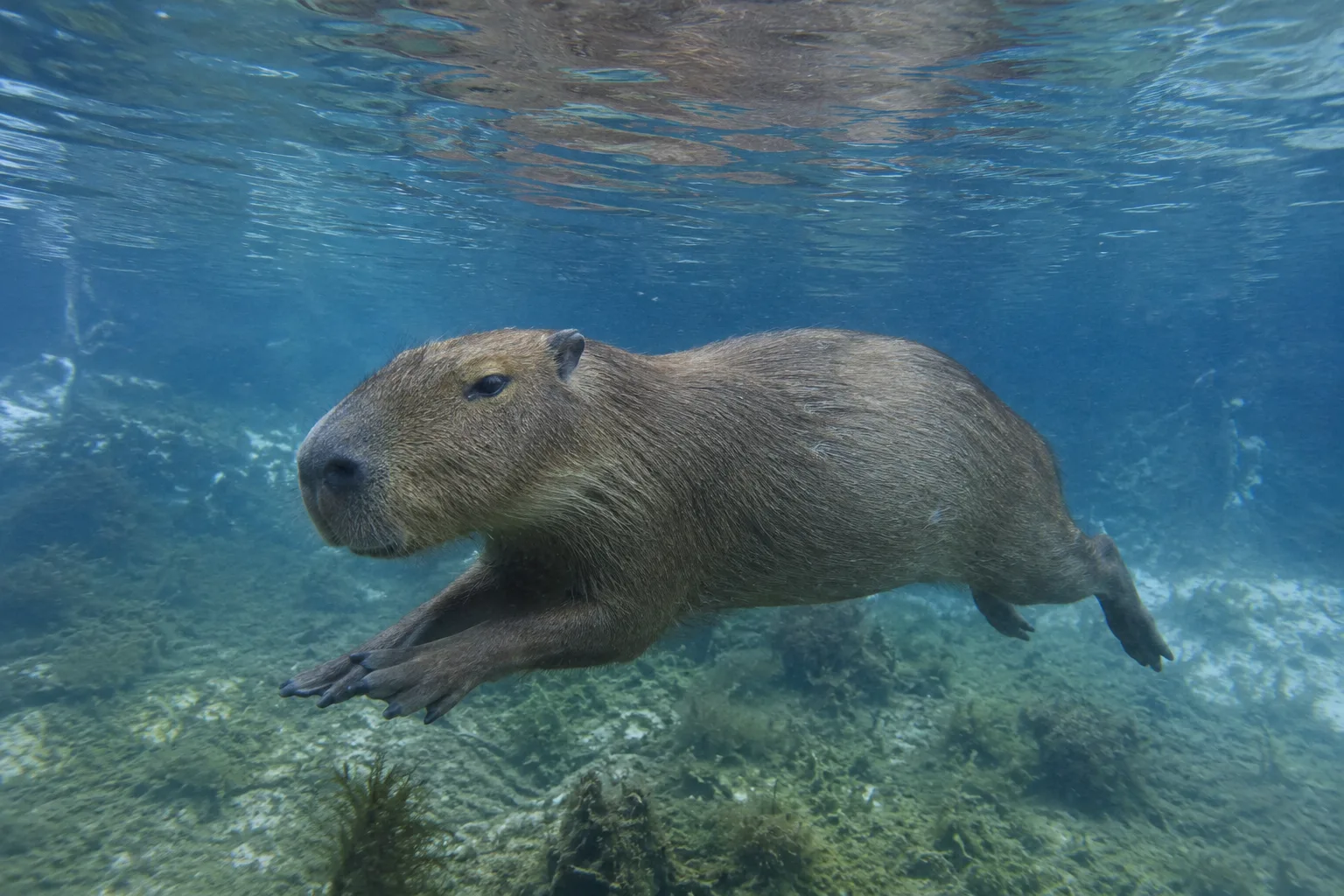
San Diego Zoo describes capybaras as water-edge animals that eat water plants and grasses, swim well, and use water to escape danger. Mud sits in that same edge world: not fully dry, not fully pond, very useful if you are a large herbivore with sparse fur and a social calendar near reeds.
In managed care, the AZA Capybara Care Manual emphasizes habitat, diet, water, and husbandry. A muddy patch can be enrichment, but it does not replace clean water, shade, dry resting areas, or sanitation.
Cooling Is The Obvious Reason
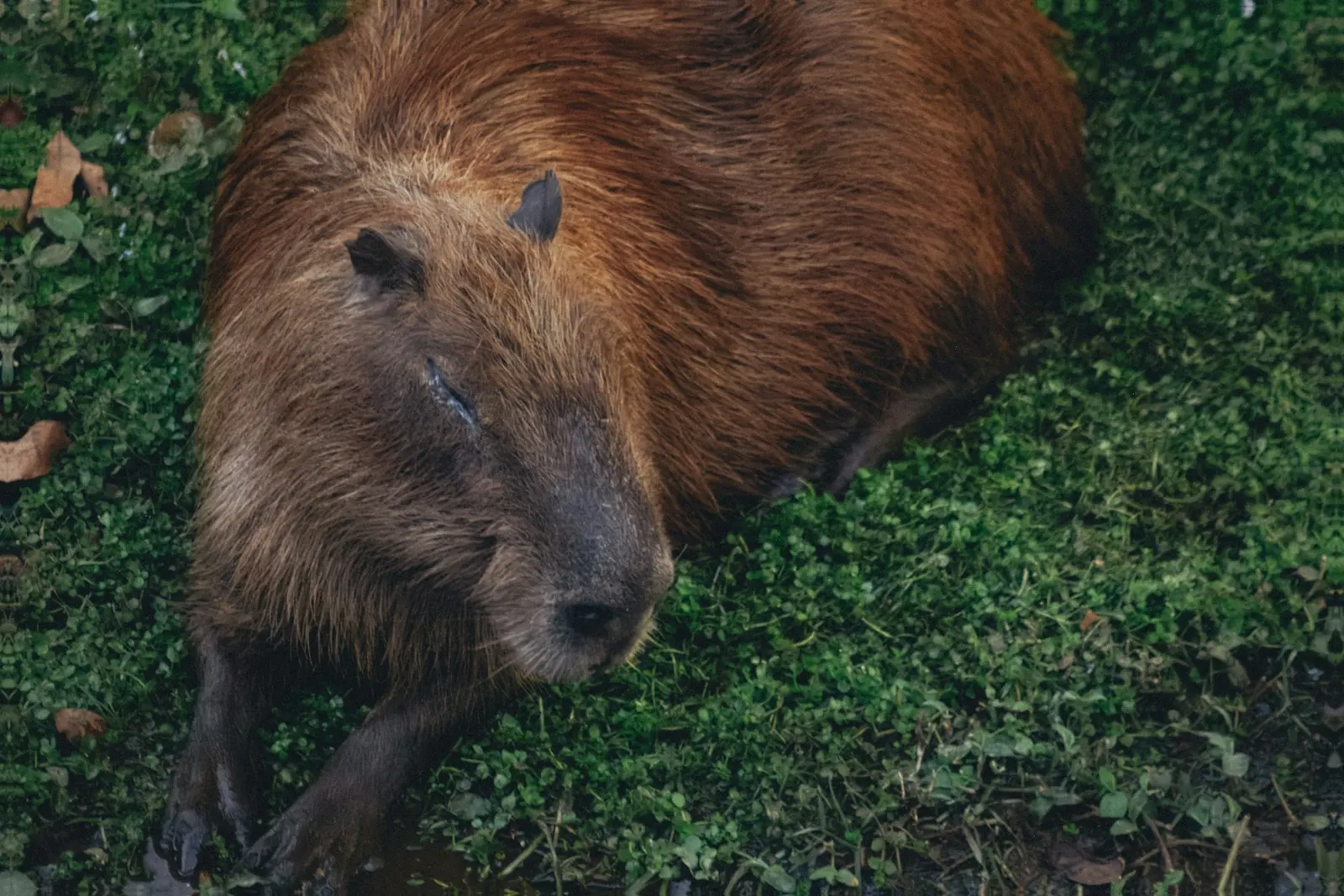
Mud can cool the body as moisture evaporates and as the animal stays in contact with a cooler surface. Research on wallowing in pigs points to thermoregulation as a major reason pigs use mud, and while capybaras are not pigs, the basic heat problem is familiar: a big animal in warm sun needs ways to manage temperature.
Capybaras also use water directly. Mud is not the main pool. It is the messy cousin who helps at summer events.
| Behavior | Possible benefit | What it does not prove |
|---|---|---|
| Lying in mud | Cooling or comfort | That the animal is neglected |
| Rolling | Coating skin or play-like enrichment | That it needs a bath immediately |
| Rubbing on ground | Itch, scent, or texture | One fixed meaning |
| Moving to water after mud | Cooling and cleaning | That mud was a problem |
Skin, Insects, And The Messy Middle
Mud may help create a temporary barrier against biting insects or sun exposure, depending on the animal and conditions. It may also feel good. Animals are allowed to have textures they prefer. Humans buy weighted blankets and then act superior.
AZA’s behavior and enrichment resources treat enrichment as part of managed animal welfare, not decoration. For capybaras, a habitat with water, shade, varied ground, browse, and social choice gives more behavior options than a sterile pen with a decorative puddle and a bad attitude.
The Myth That Mud Means Dirty
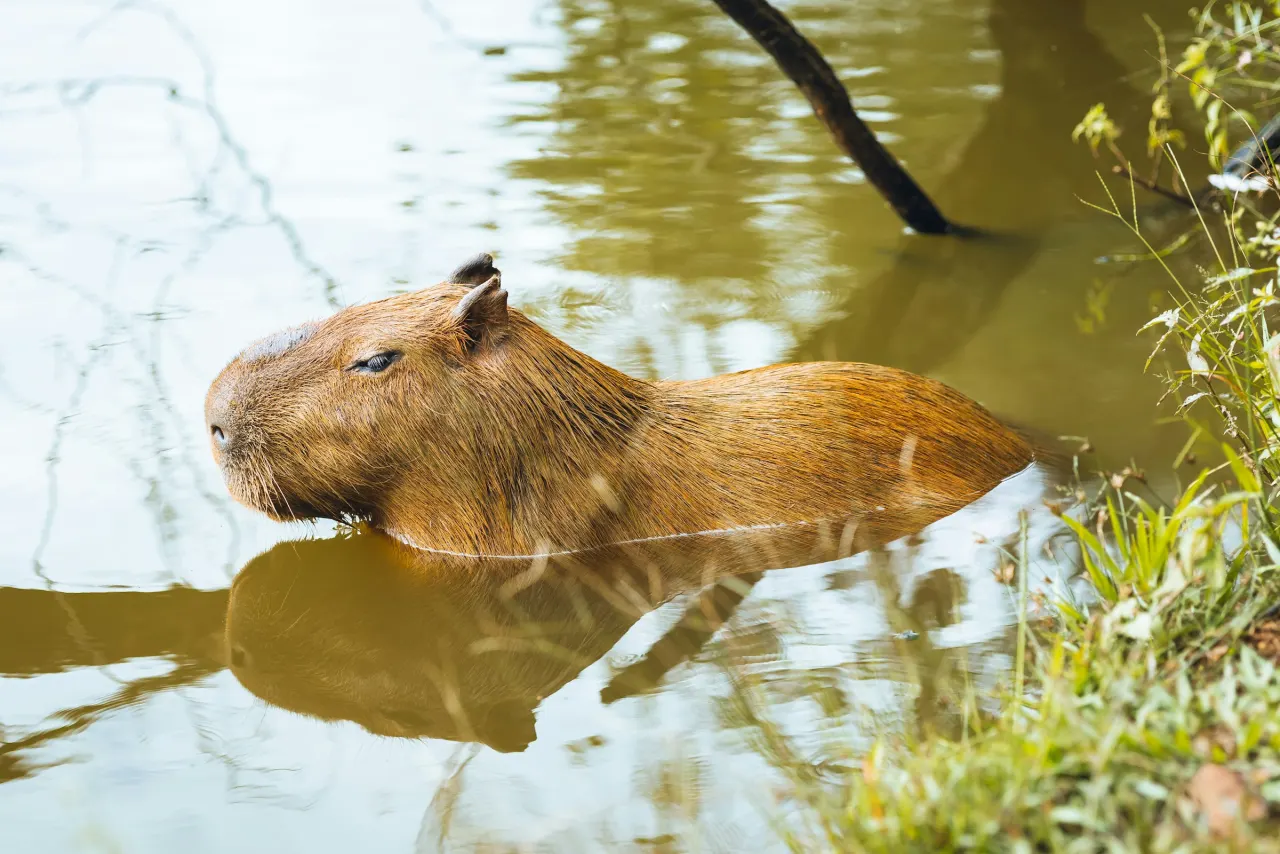
Mud on a capybara is not automatically a welfare red flag. Dirty water, strong odor, no dry area, no shade, crowding, or feces-heavy surfaces are different issues. A healthy habitat can include mud. A bad habitat can also include mud. The mud alone is not enough evidence.
For zoo visitors, the better question is not “why is it muddy?” It is “does the habitat offer clean water, dry rest, shade, social space, and staff care?” That question has less drama and more teeth.
Why The Body Pushes Capybaras Toward Wet Edges
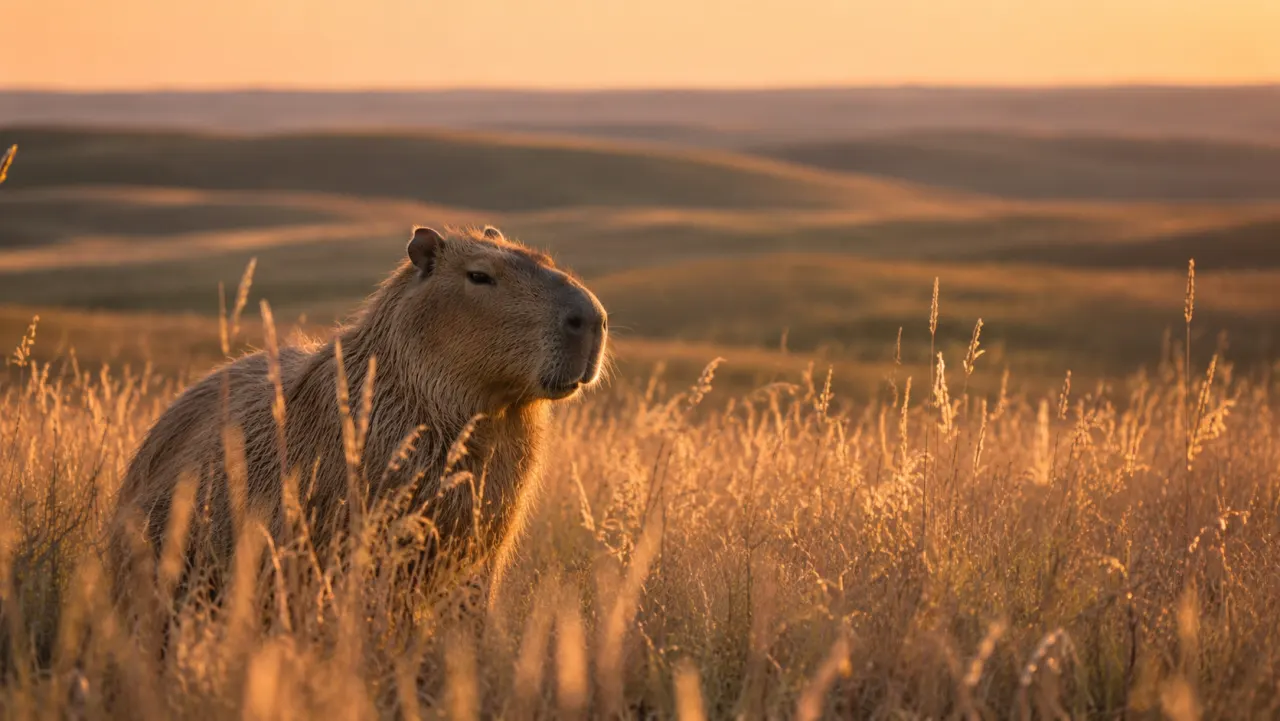
It helps to remember what kind of animal we are talking about. Capybaras are the world’s largest rodent, with adults running roughly 35 to 66 kg. They are native to South America, semi-aquatic, and built to graze grasses and aquatic plants near water. Their feet are partly webbed. They swim well and use water to escape predators. None of that screams “dry indoor pet.”
A few traits make wet, messy ground more than a quirk:
| Trait | Why it matters near mud and water |
|---|---|
| Sparse, coarse fur | Less insulation, so cooling depends on surfaces and moisture |
| Large body size | More heat to shed in warm sun than a small rodent |
| Semi-webbed feet | Built for soft, wet ground, not just dry grass |
| Highly social herd | Wallows and water edges become shared spaces, not solo retreats |
Capybaras are hindgut fermenters that re-ingest soft morning feces to pull more nutrients from grass, and they cannot make their own vitamin C, so diet does a lot of work. The point is that their bodies are tuned for a wetland life. Mud is one texture in a habitat that already runs damp. Asking why a capybara likes mud is a bit like asking why a duck keeps standing in the pond.
What A Visitor Should Actually Look For
If you are at a zoo or sanctuary and the capybara is muddy, the mud is the least interesting thing in front of you. The habitat around it tells you far more. A reasonable mental checklist, drawn from the kind of habitat standards the AZA Capybara Care Manual describes:
- clean, accessible water deep enough to swim, not just a puddle
- a dry, shaded resting area away from the wet ground
- room to move and graze, with browse or grass rather than a bare pen
- company, since solitary housing is a real welfare stressor for a herd animal
- general sanitation, meaning the water and ground are managed, not left to rot
A capybara can be muddy and well cared for. A capybara can also be muddy in a bad setup. The mud does not pick a side. Honestly, the obsession with whether the animal looks clean says more about us than about the capybara. We project bathroom habits onto a grazer that evolved in floodplains.
| Myth | Better answer |
|---|---|
| Mud means the animal is neglected | Mud is normal wetland behavior; judge the whole habitat |
| A muddy capybara needs a bath | Capybaras self-clean by moving to water; intervention is rarely needed |
| Mud can replace a pool | It cannot; semi-aquatic animals need real water to swim and cool off |
| Clean-looking equals well cared for | A spotless bare pen can be worse than a muddy, well-built habitat |
The Mud Is Practical, Unfortunately
Capybaras roll in mud because mud can be practical: cooling, comfort, insects, enrichment, and ordinary wetland life. The vibe is funny, but the behavior has reasons.
The mud is practical. The spa energy is just a bonus.