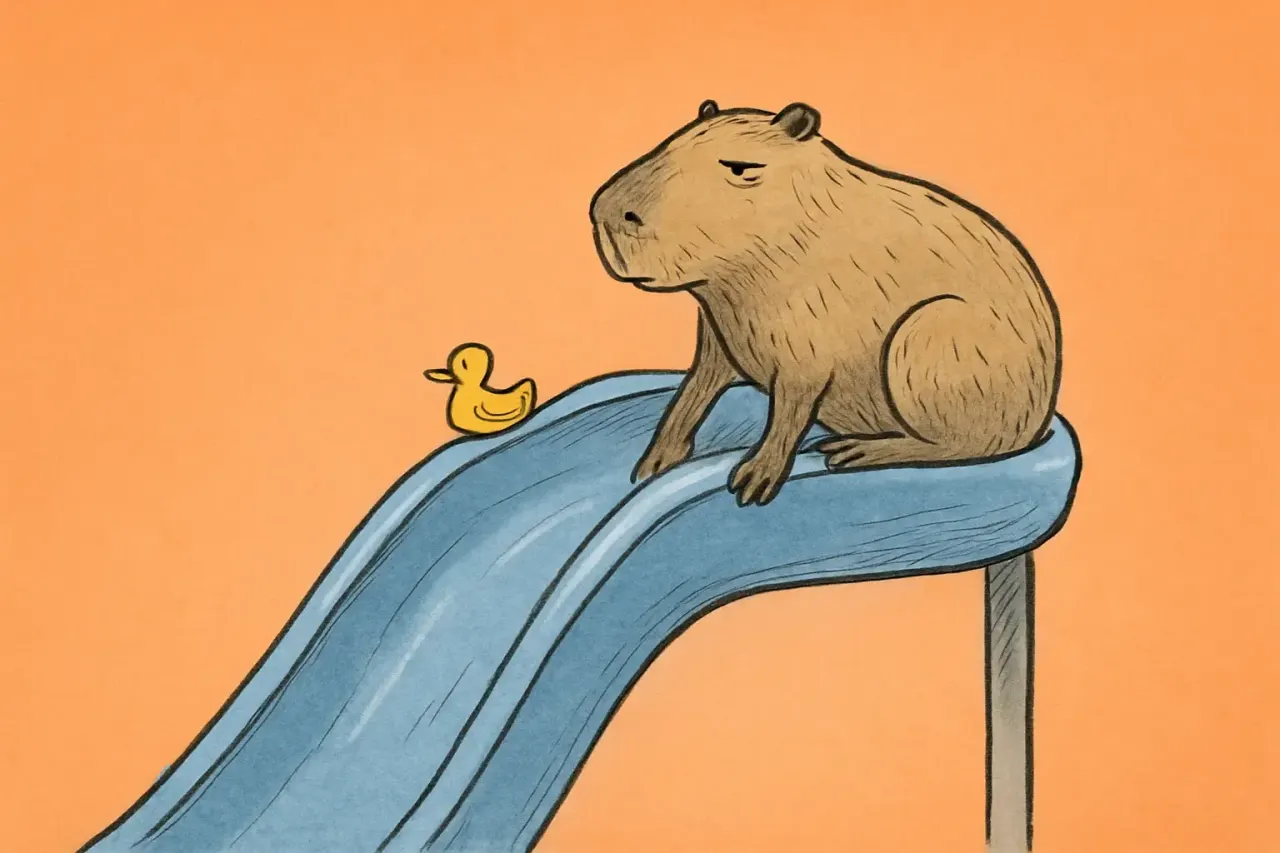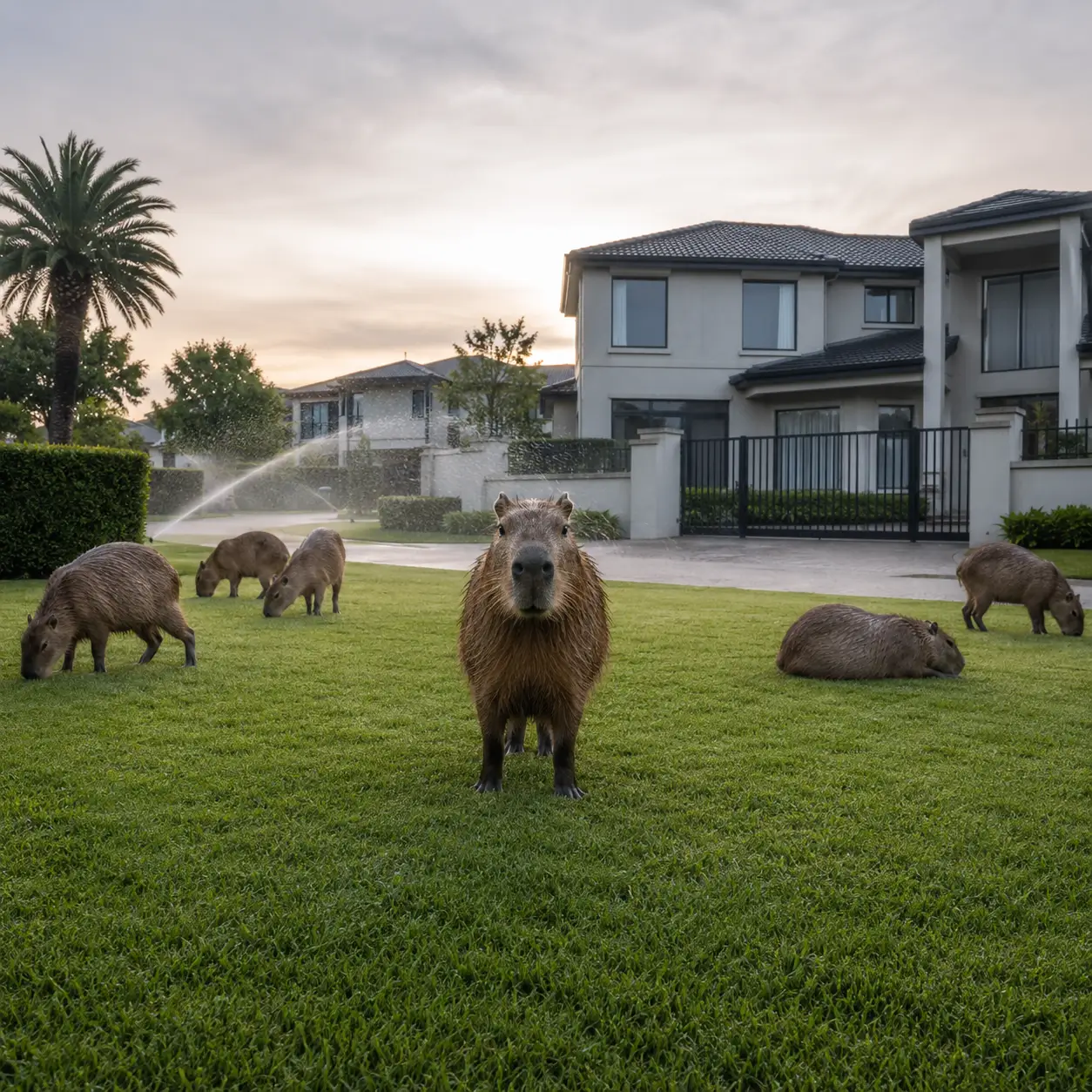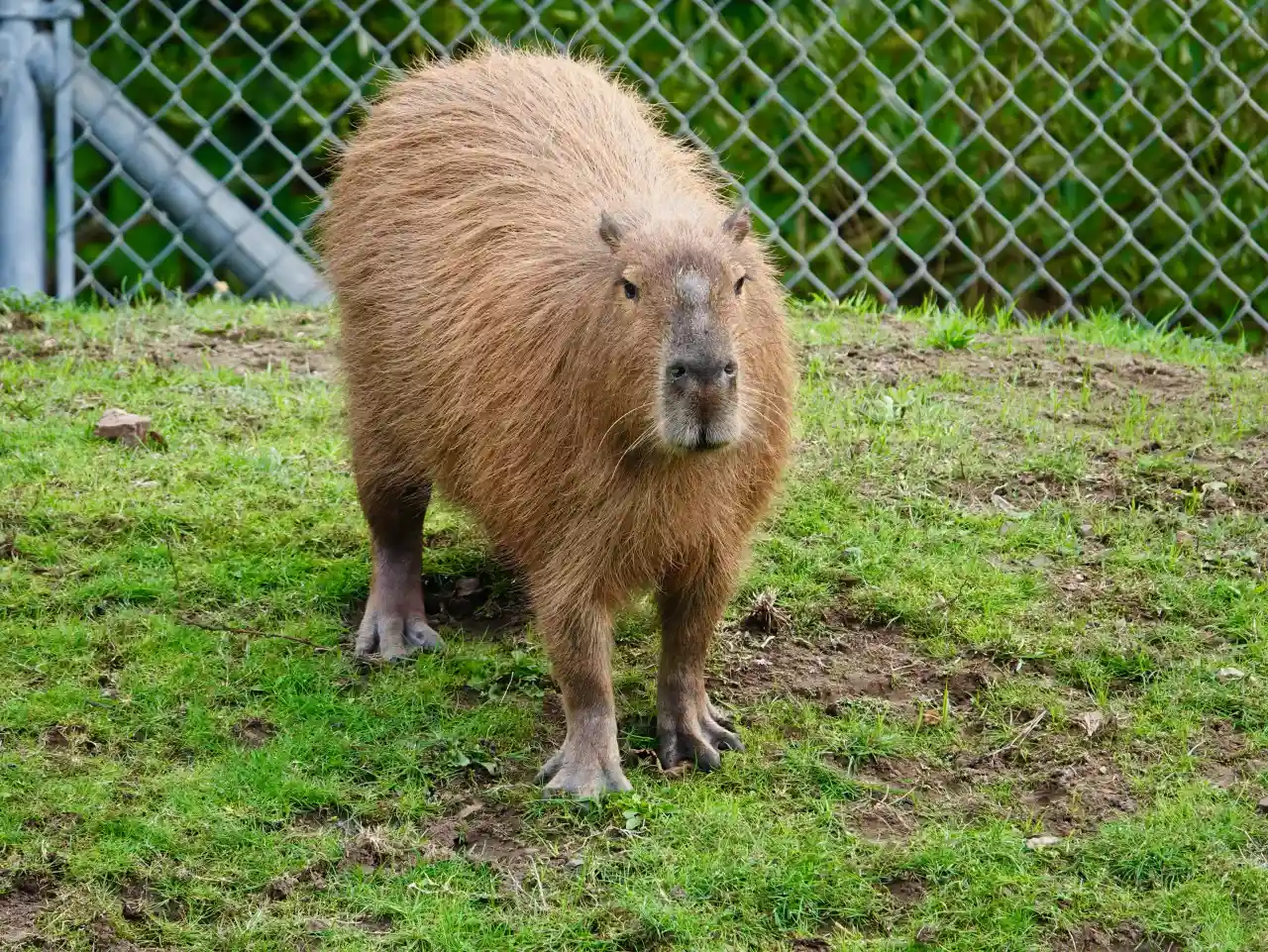
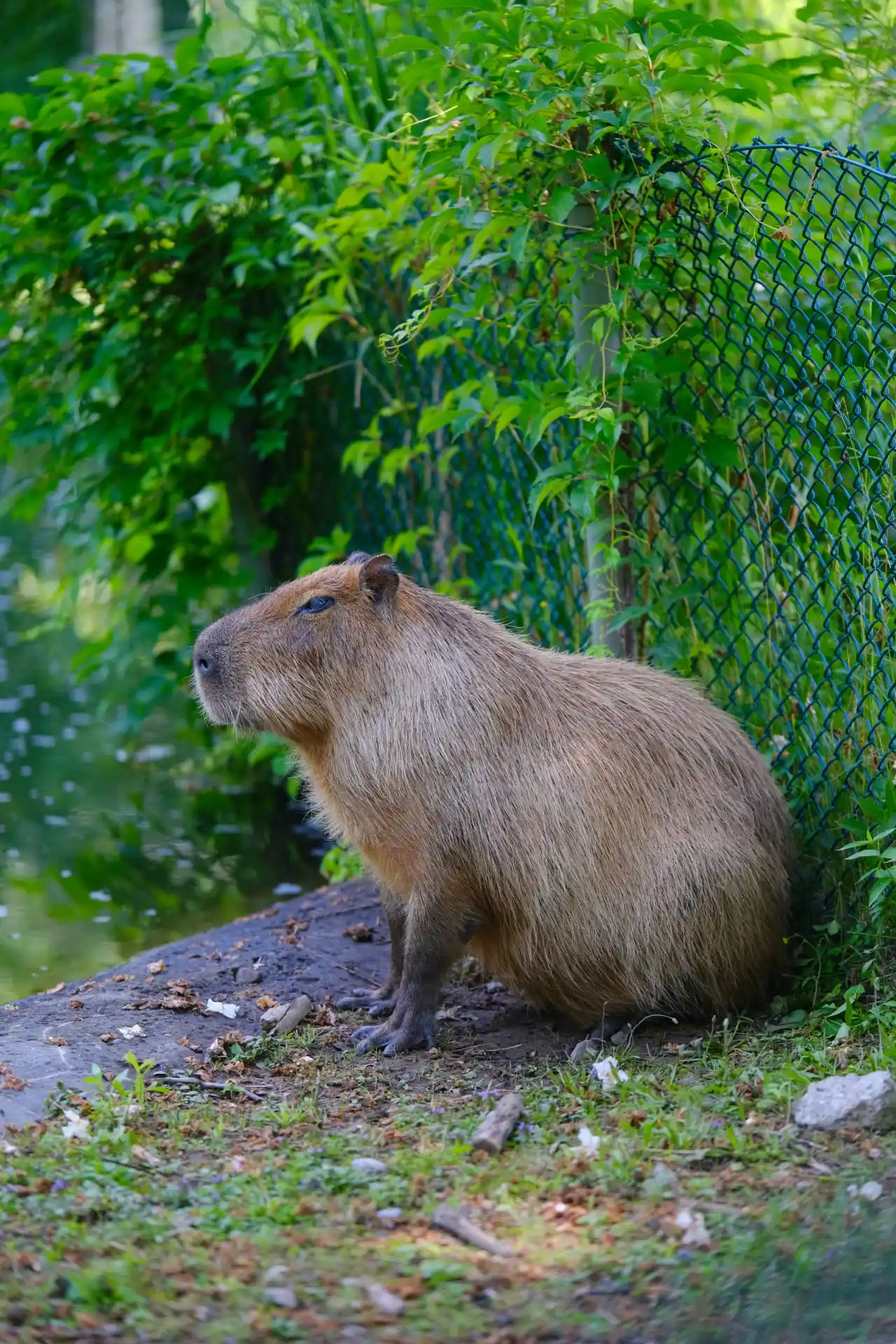
The capybara enclosure is not a stage. This is devastating news for people who arrive with a phone at 3 p.m. and expect an animal shaped like a coffee table to begin a full program.
The short answer: zookeepers wish capybara fans understood that rest, water, barriers, group life, and rules are part of good care. A capybara doing very little may be having an excellent day. The fact that your camera roll wanted drama is not the animal’s department.
They Are Not Always Performing
Capybaras are often most active around cooler parts of the day. Animal Diversity Web describes them as primarily crepuscular, with hot periods spent in water. San Diego Zoo Wildlife Alliance says they tend to eat around dawn and dusk and may wait until night if threatened.
So yes, the capybara may be resting when you arrive. It may be soaking. It may be chewing with the expression of someone reviewing a disappointing lease. This is not a broken exhibit. This is biology with a lunch break.
| Visitor expectation | Keeper reality |
|---|---|
| It should be moving because I am here | Activity follows weather, feeding, safety, and routine |
| Resting means boredom | Rest can signal comfort, heat management, or social ease |
| The animal should come closer | Distance can be the healthy choice |
| A cute animal wants attention | Cute is not a consent system |
The Pool Is Not A Prop
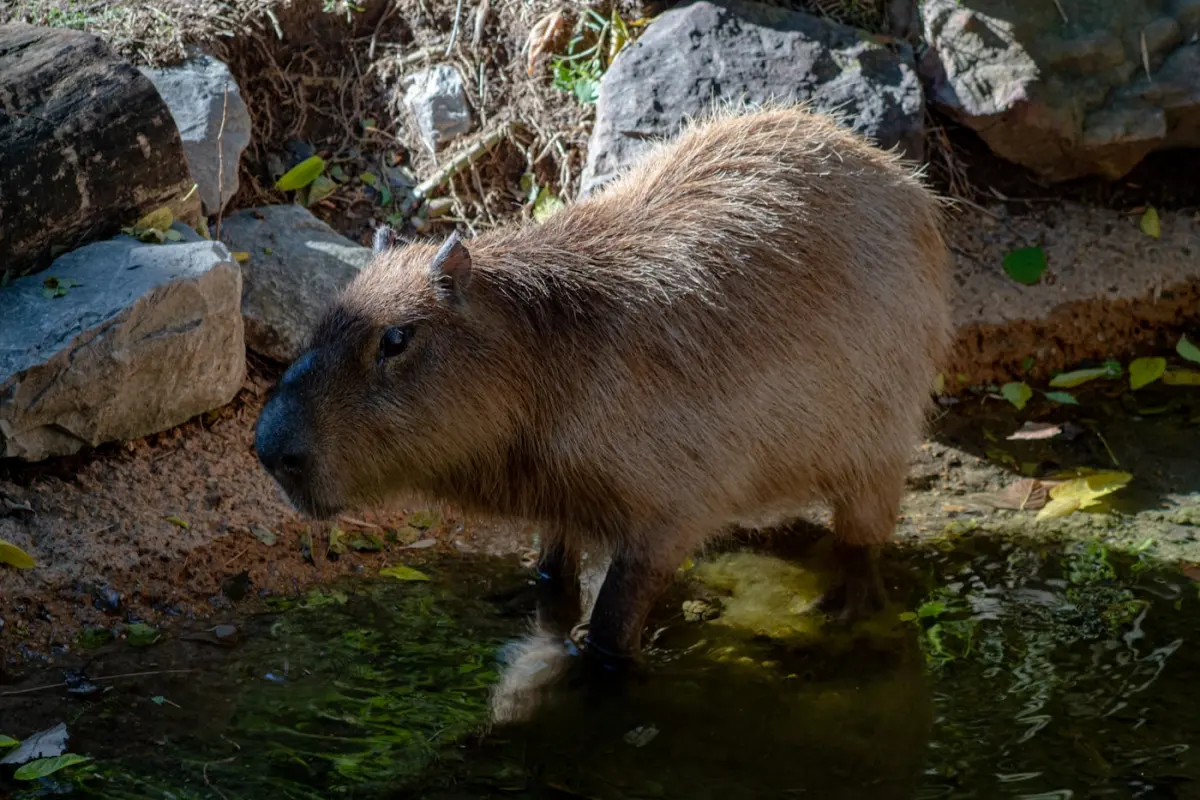
The water is doing more work than the caption. The AZA Capybara Care Manual ties core capybara behavior — feeding, cooling, escape, hiding — directly to water, so the pool is not there because someone in exhibit design had a pond phase. It is central habitat. If the animal gets in and stops being photogenic from your angle, that is not rude. That is the capybara using the capybara feature.
Cute Does Not Mean Cuddly
Capybaras have become internet shorthand for calm, but zoo staff still have to manage real animals with weight, teeth, social relationships, and stress thresholds. San Diego Zoo lists adult capybaras at 60 to 174 pounds. That is not plush-toy territory. That is “please respect the barrier” territory.
AZA accreditation looks at animal welfare, care, management, living environments, social groupings, health, nutrition, and enrichment. The visitor sees a quiet animal near water. The keeper sees all the systems that keep that quiet moment from becoming a problem.
The Boring Animal Is Usually The Well-Kept One
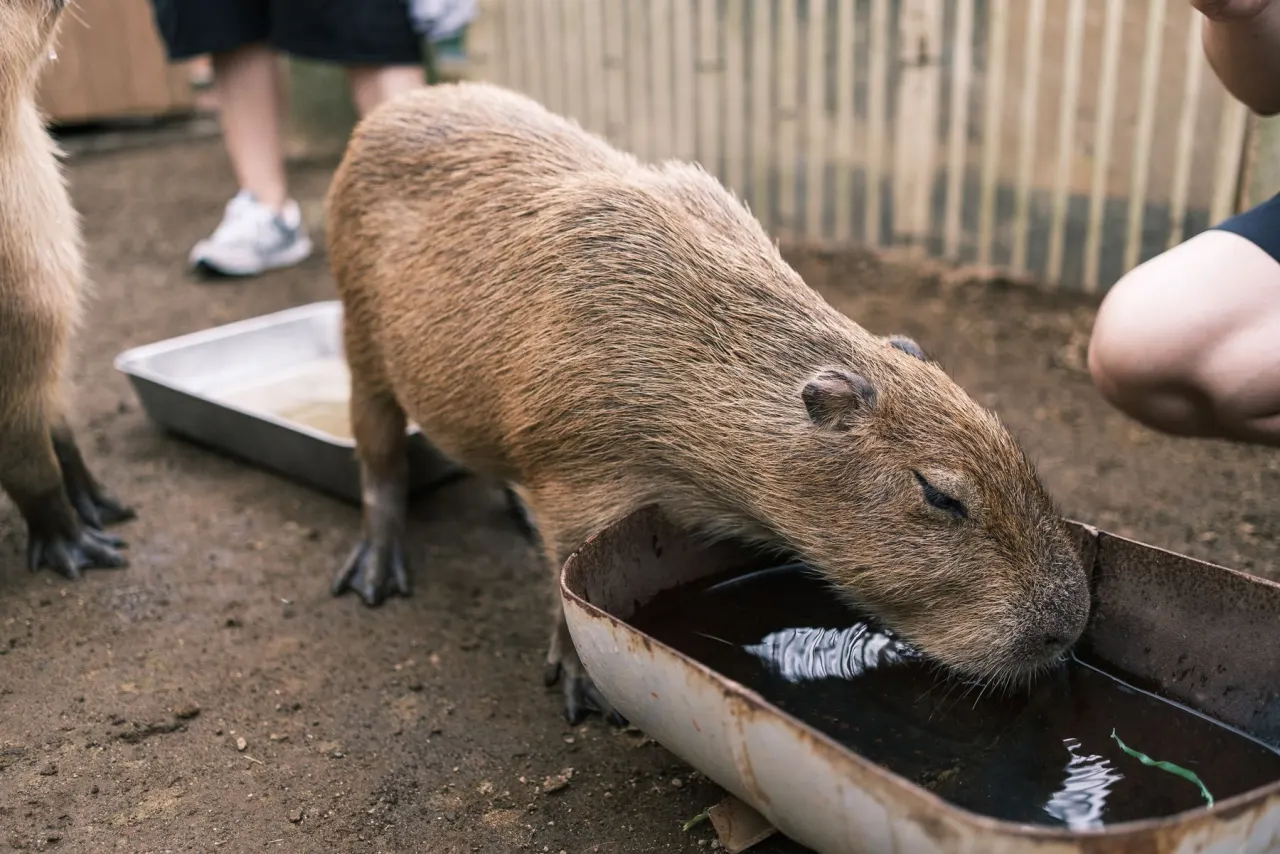
Here is the honest opinion most keepers will not say into a microphone: the calmest, least dramatic enclosure is often the best-run one. A capybara that ignores you, soaks for an hour, and chews aquatic plants with total indifference is an animal that feels safe. Stress is what makes animals pace, hide constantly, or react sharply to crowds. Comfort looks like a loaf doing nothing.
This matters because a lot of the disappointment in the capybara enclosure is really a content problem, not a welfare problem. The animal is fine. The visit is just slower than the algorithm promised.
One care requirement is worth spelling out: capybaras are highly social herd animals, so a lone capybara is a stressed capybara, which is why good zoos house them in groups. It is not a fun fact, it is a design decision.
Visitor Mistakes Keepers Notice Fast
The classic mistakes are not mysterious. Tapping glass. Calling loudly. Feeding through barriers. Letting kids climb rails. Reaching toward the animal because “it looks friendly.” Blocking a path during an encounter. Asking if it can be picked up. Bringing outside food, which is how a planned diet meets a stranger’s pocket apple and everyone suffers.
Keepers are not trying to ruin your visit. They are trying to keep the capybara from learning that humans mean noise, hands, and digestive consequences.
How To Be The Visitor Keepers Like
Start with the least glamorous skill: patience. Check the exhibit twice, once early if you can. Read the signage. Go to the keeper talk. Ask questions about diet, water, and group behavior instead of asking whether it bites first, although yes, capybaras can bite if handled badly.
If the zoo offers an encounter, follow the rules exactly. If it does not, enjoy the capybara as a capybara. A boring, healthy, hydrated, socially housed capybara is the win.
Somewhere nearby, a keeper is silently grateful you understood the assignment.