A new home for Danny the capybara
The Lake Superior Zoo is set to unveil a new exhibit that will feature their resident capybara, Danny, along with a few military macaws. According to WDIO News, the exhibit aims to provide a year-round viewing opportunity for visitors. Thanks to a generous $20,000 donation from Minnesota Power, the zoo has expanded the indoor space for these animals, ensuring they have more room to roam and be visible to the public throughout the year.
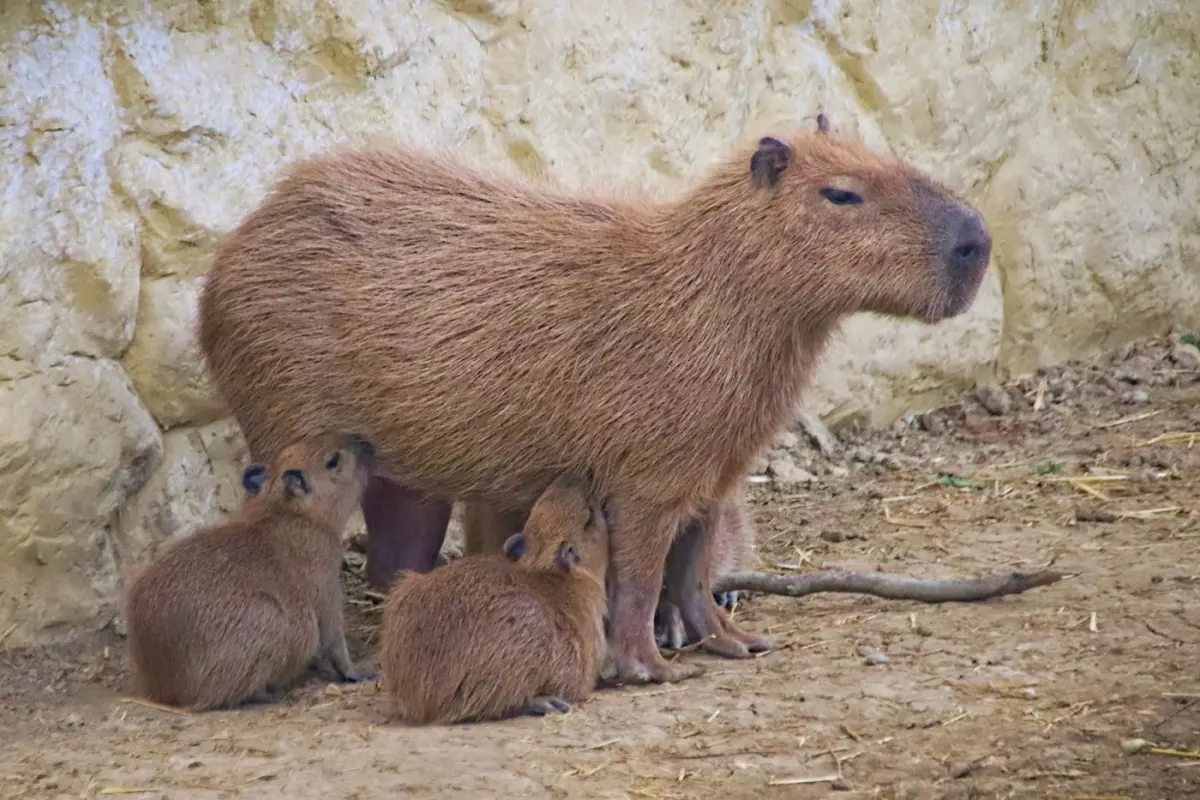
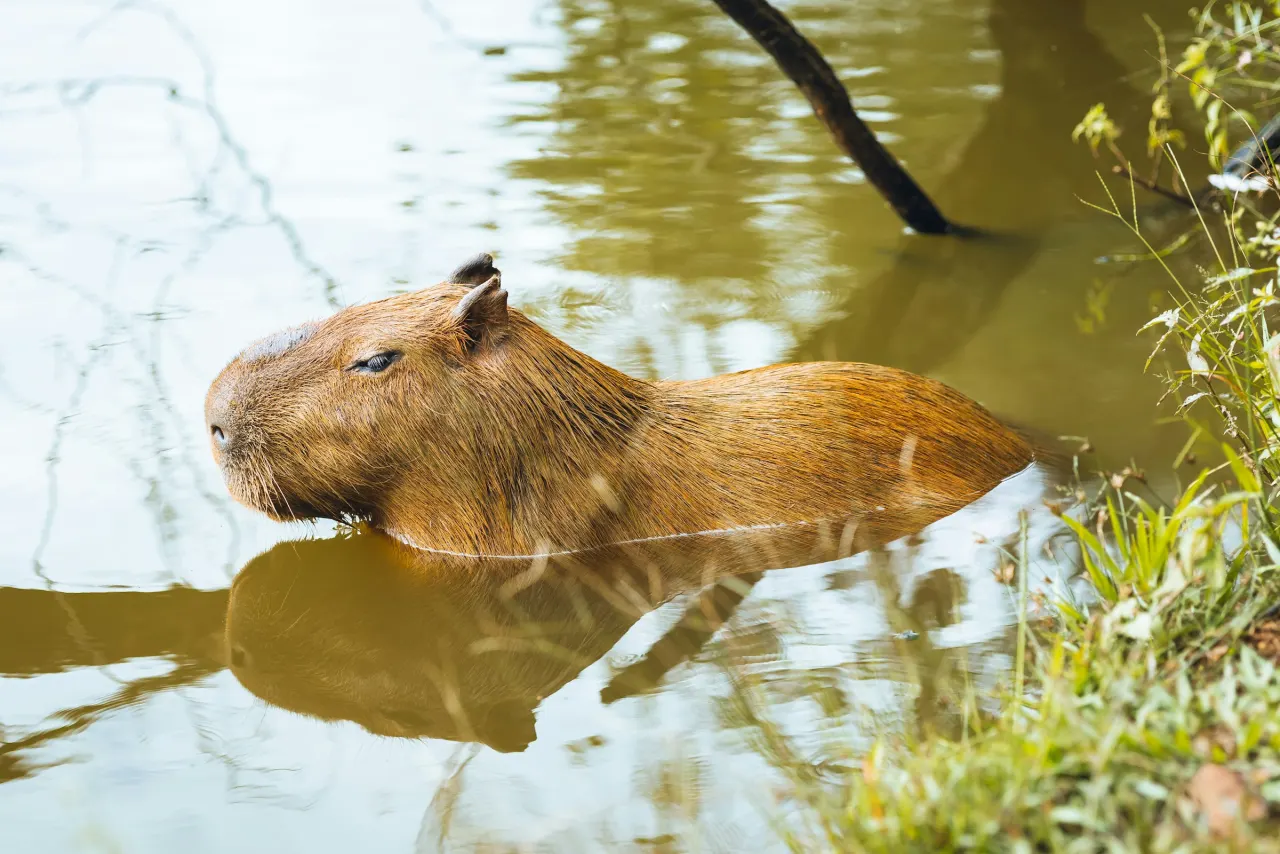
Capybaras, native to South America, are the largest rodents on the planet. Known for their semi-aquatic lifestyle, they often require ample space to swim and bask in the sun—a fact the zoo has taken into account. The new enclosure will include a pool, which should keep Danny cool during the warmer months and allow him to indulge in one of his species’ favorite activities: swimming.
Windows and sunlight: a design choice
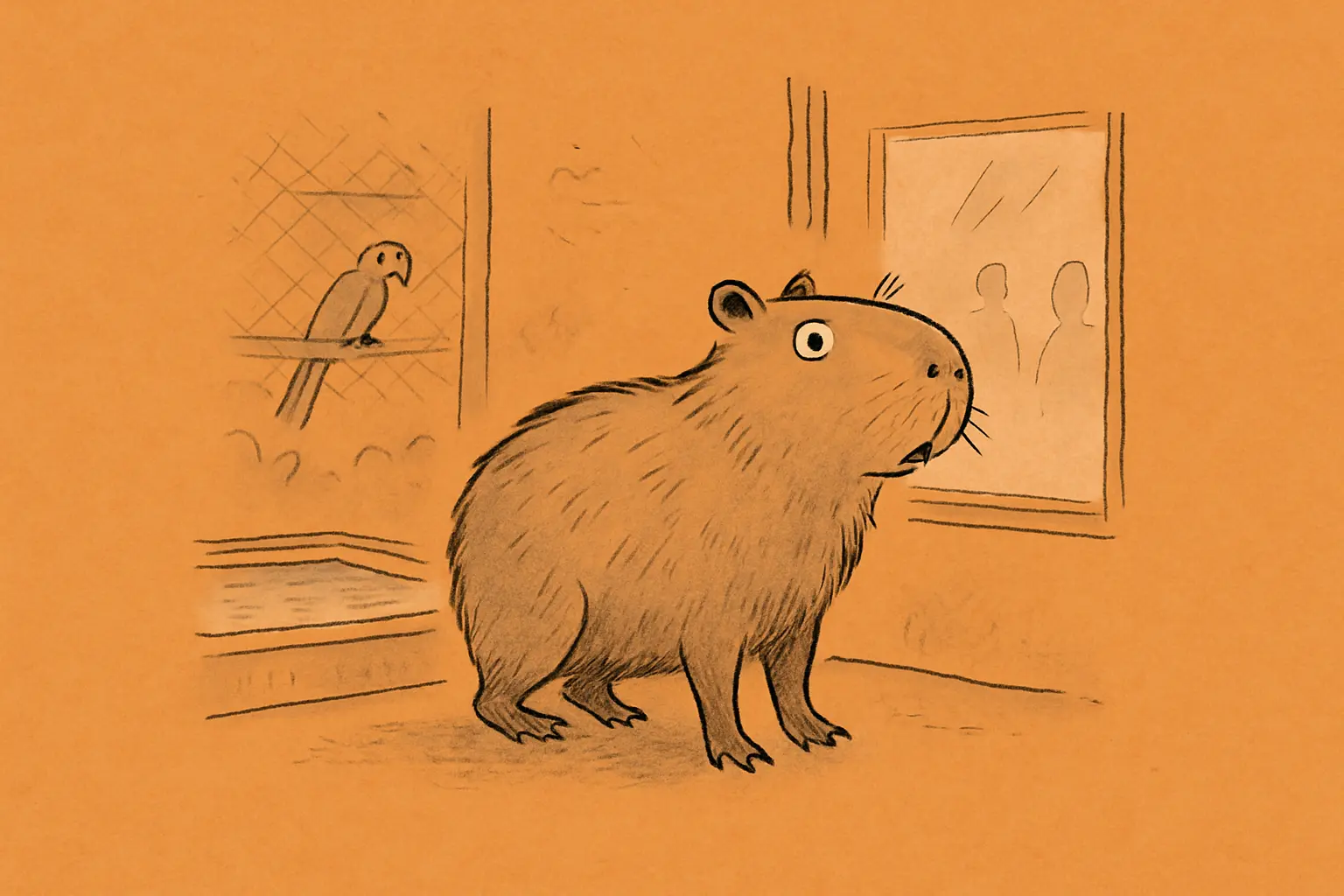
The exhibit’s design, as detailed by Lizzy Larson, Director of Animal Management and Facilities at the zoo, incorporates more windows into the indoor space. This design choice not only allows visitors to observe Danny and his feathered companions year-round but also provides the animals with more sunlight. In turn, this promotes their well-being by exposing them to natural light cycles—something particularly important for capybaras.
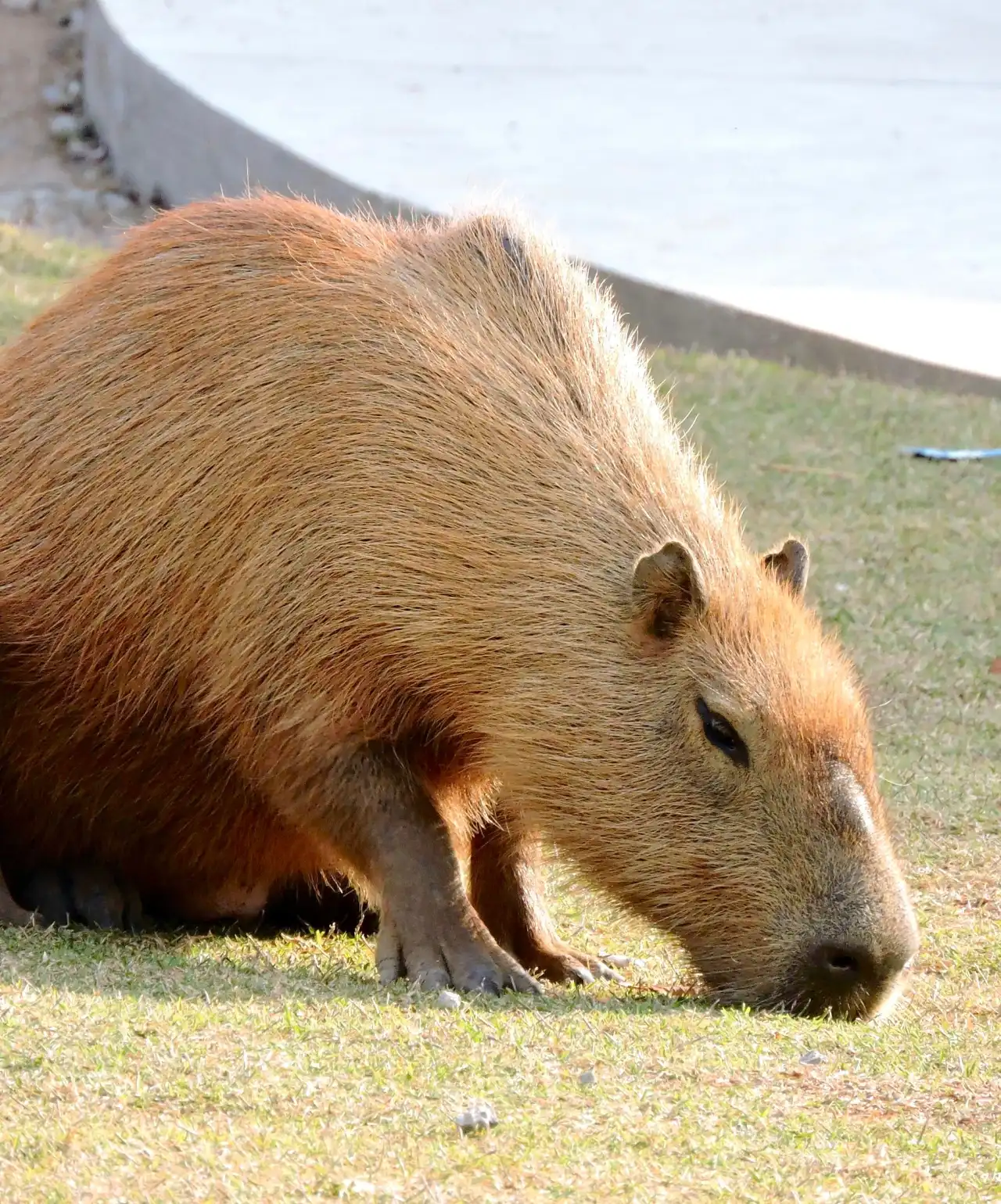
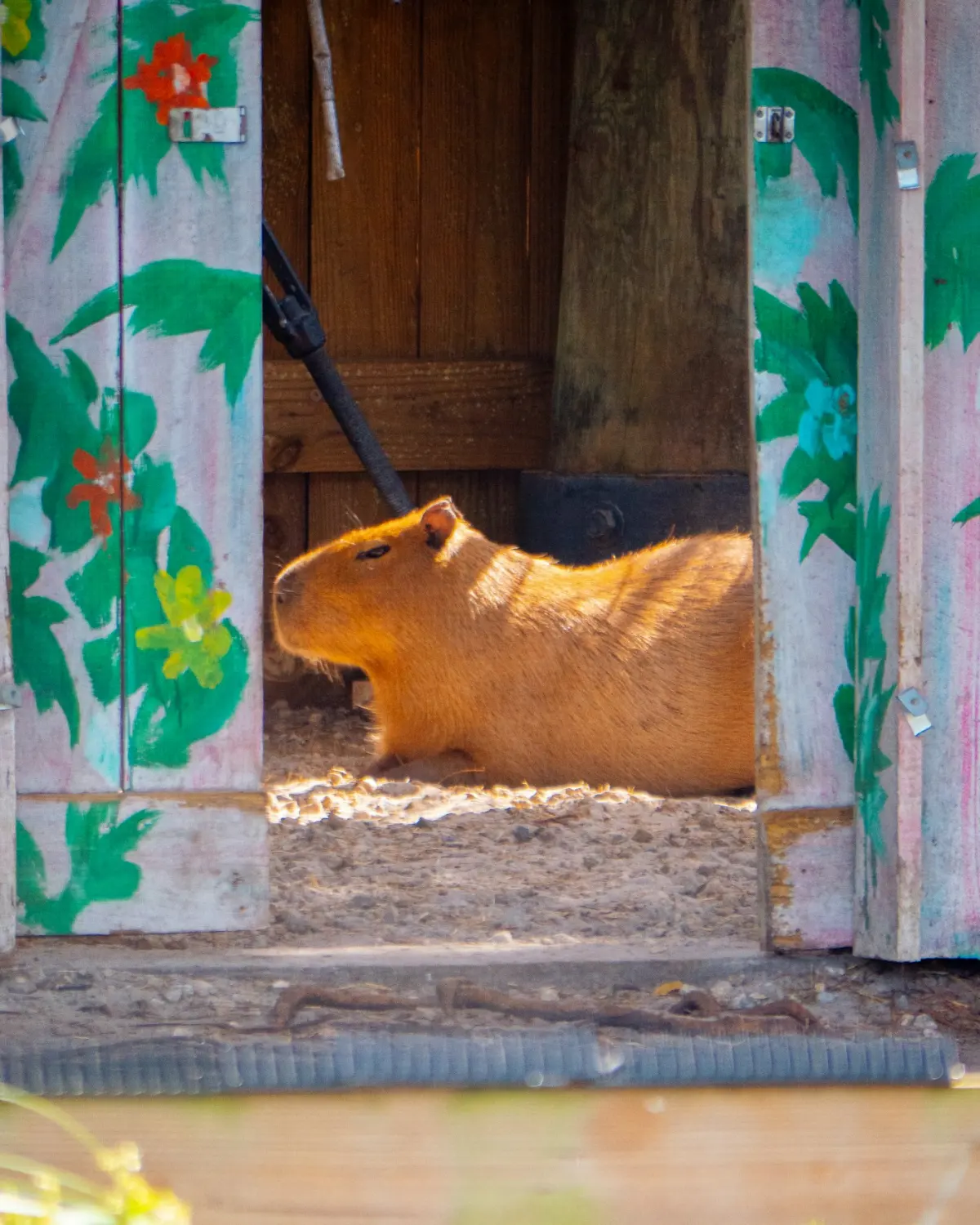
Sunlight plays a crucial role in regulating a capybara’s health. In the wild, they spend a considerable amount of time sunbathing to maintain their body temperature and overall health. With the new indoor setup, Danny will not be deprived of this essential aspect of his routine, even during the icy grip of a Minnesota winter.
Funding and future plans
The development of this exhibit was made possible by a $20,000 donation from Minnesota Power. The funding underscores the importance of community involvement in enhancing zoo facilities and enriching the lives of the animals that call these places home.
In addition to the indoor space and pool, the zoo plans to enhance the environment with various enrichment tools. These will likely include items that stimulate Danny’s natural behaviors, such as foraging and exploring, ensuring that he remains active and engaged.
Capybara misconceptions
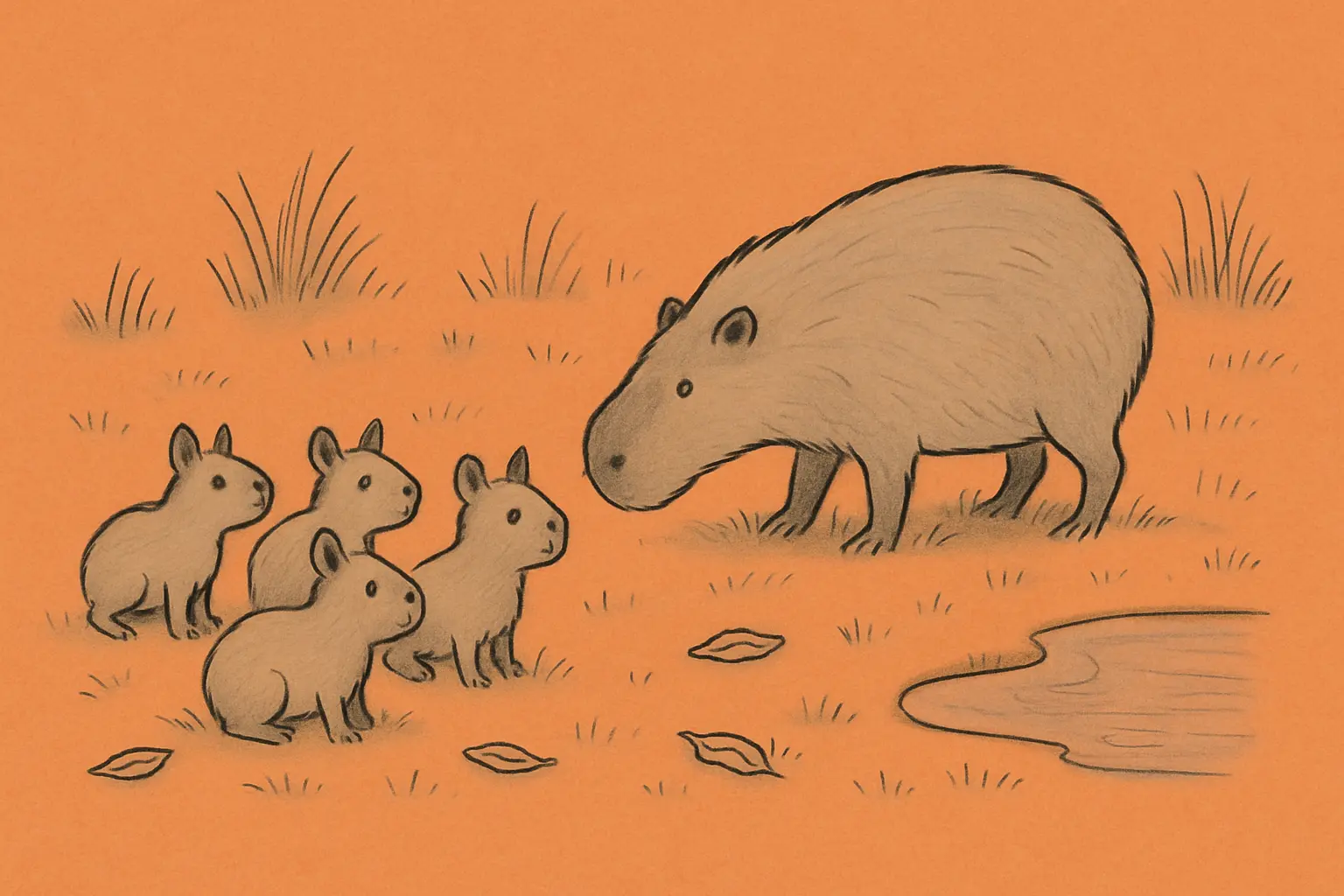
It’s worth addressing a common misconception: many assume that capybaras are solitary creatures because they are often pictured alone in various media. However, capybaras are incredibly social animals, often living in groups of 10 to 20 individuals in the wild. Their social nature makes them one of the more intriguing animals to observe in a zoo setting, as they often interact with their environment and companions in dynamic ways.
The Grumpy Capy take
While the new exhibit at Lake Superior Zoo sounds promising, one can’t help but question the real value of these upgrades. Twenty thousand dollars is no small amount, yet it seems to have primarily funded some windows and a pool—hardly groundbreaking innovations in the realm of animal care.
Moreover, the focus on providing sunlight through windows might be overemphasized. While it’s true that natural light is beneficial, it would be more reassuring to hear about detailed plans for environmental enrichment within the enclosure. What truly keeps animals like Danny engaged is not just seeing the outside world but interacting with a stimulating environment.
For transparency, we relied solely on information from WDIO News. Any further details about the exhibit’s impact on Danny’s quality of life remain to be seen.