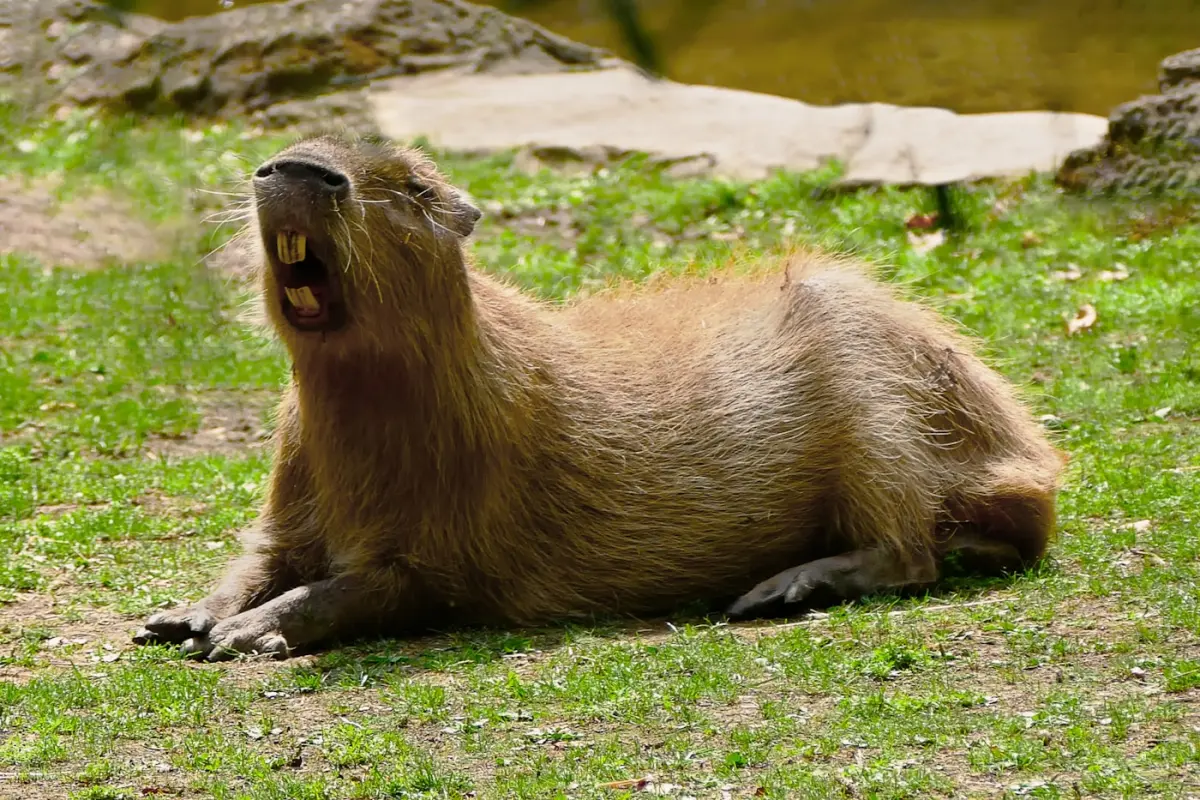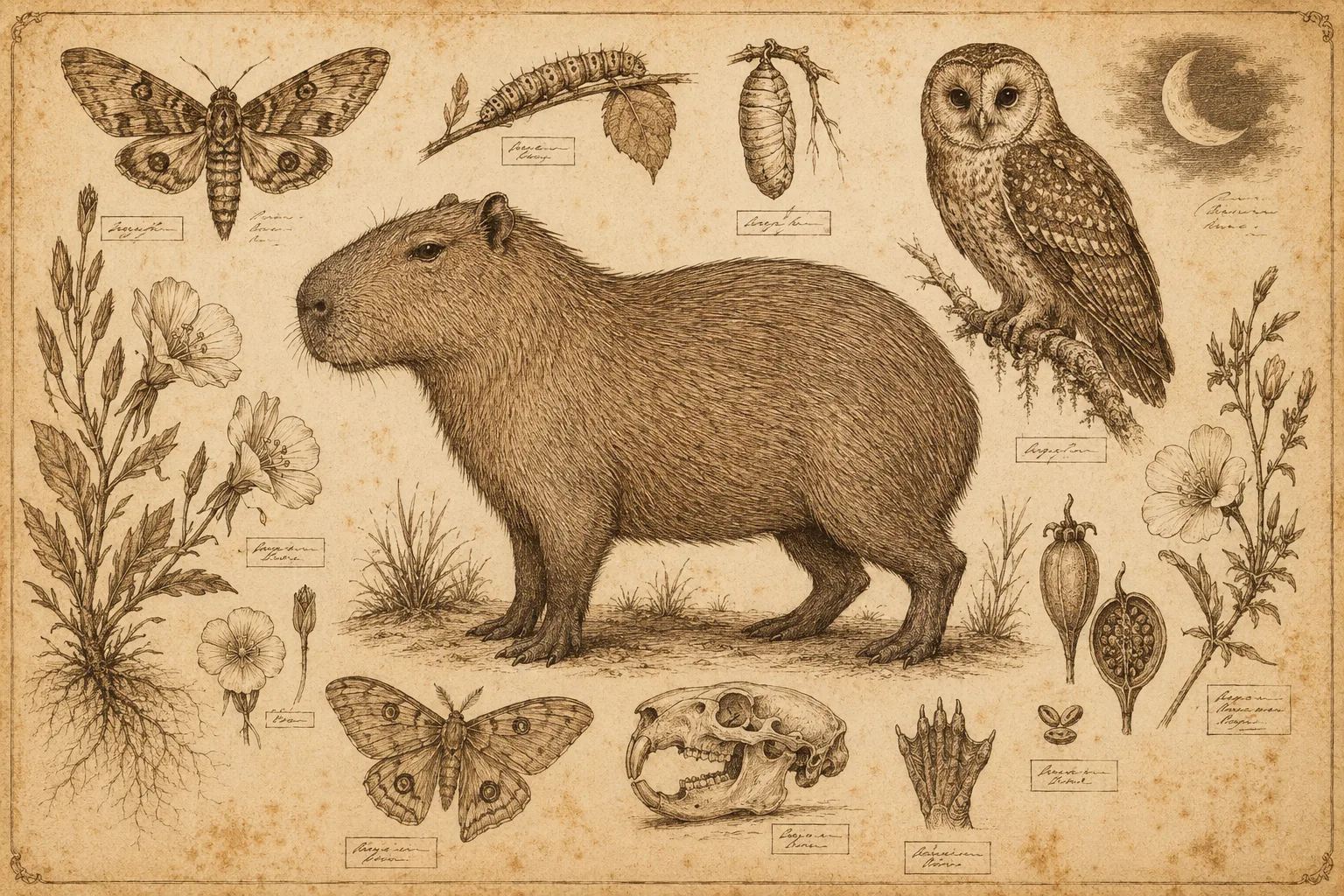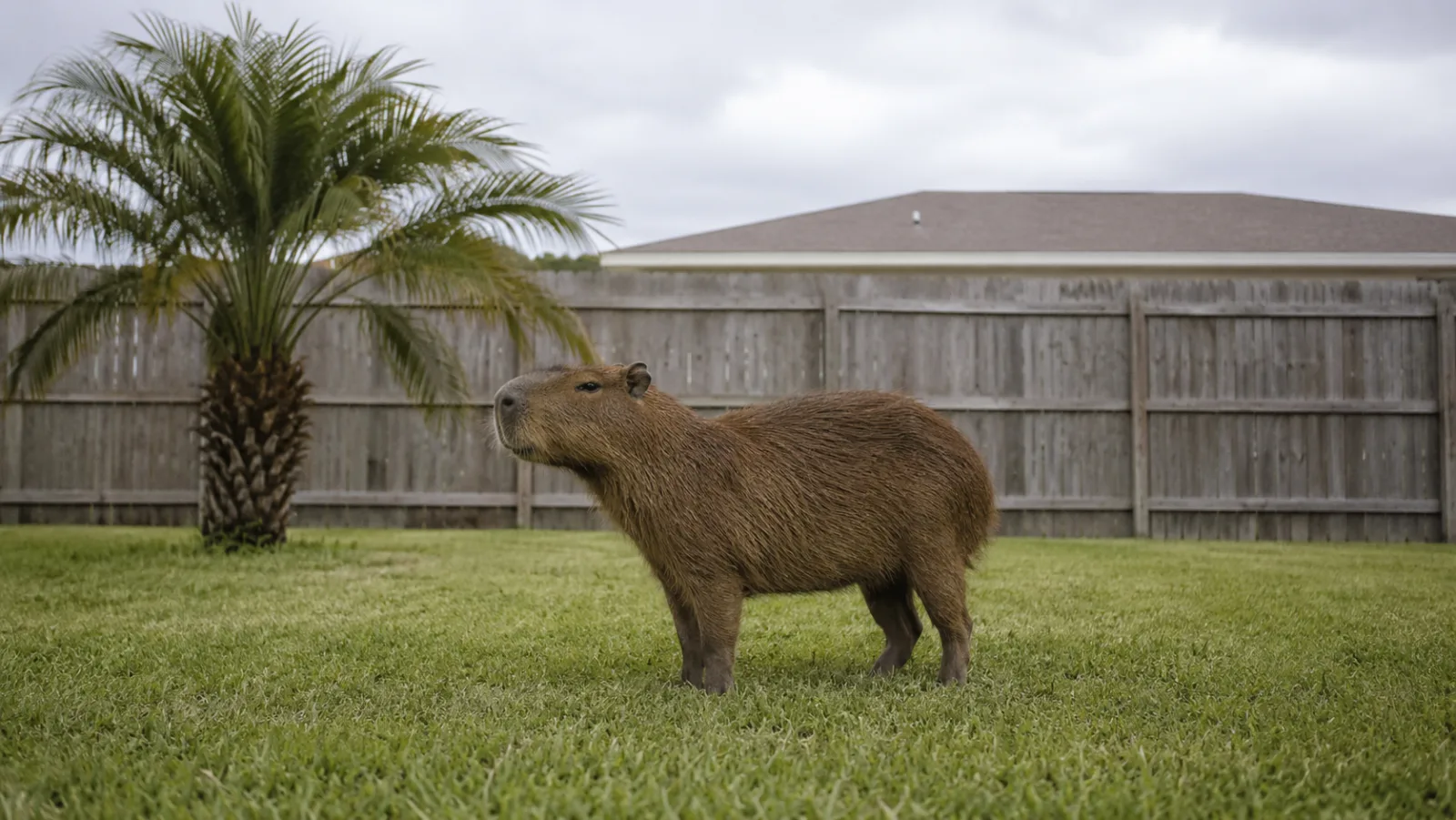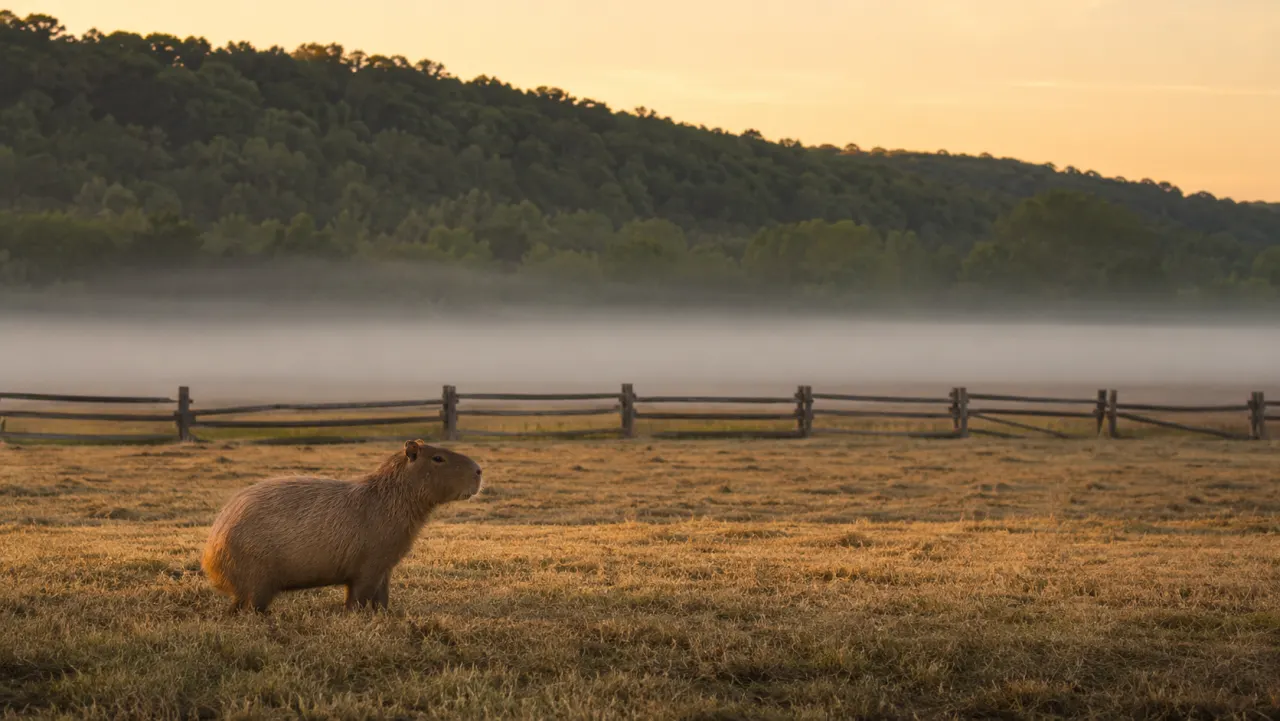
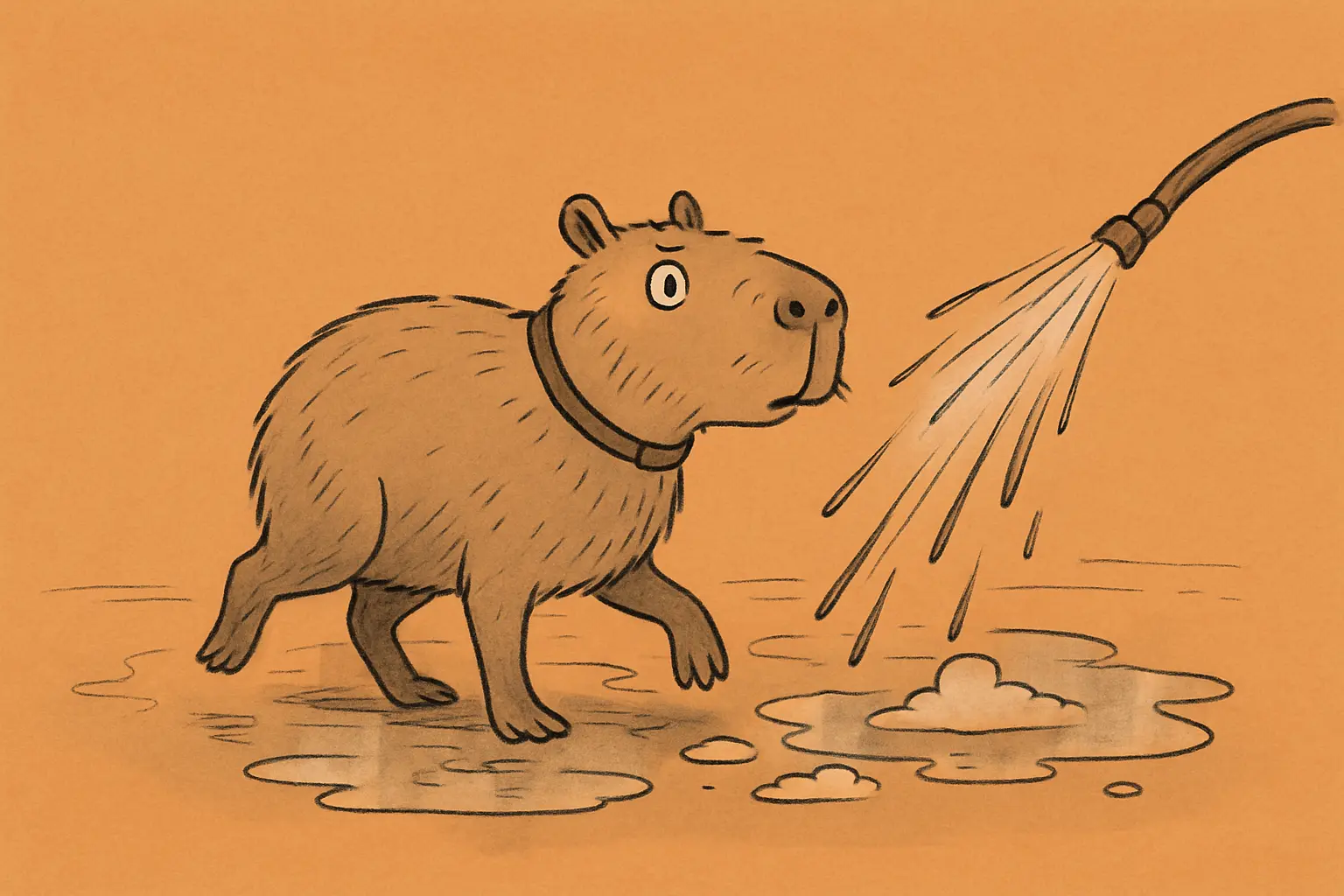
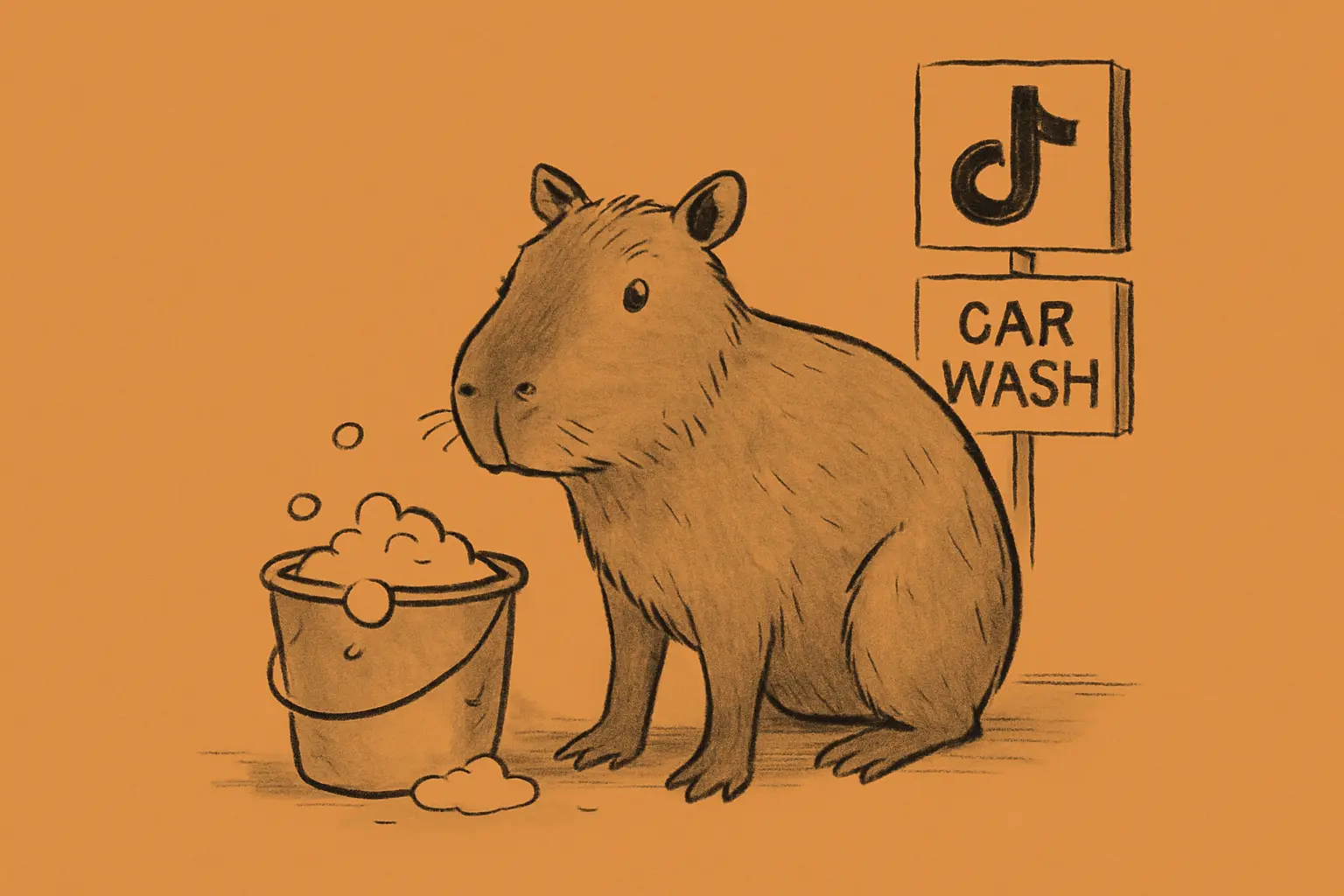
A capybara walked across a car wash forecourt in Selayang, Malaysia, apparently untroubled by any of it, and somebody filmed it. The clip, posted to TikTok by user musabumair970 and picked up by UPI on 8 July 2026, would have been a straightforward oddity except for one detail.
It was wearing a collar.
Why the collar changed the story
A South American rodent loose in Selangor is unusual. A South American rodent loose in Selangor wearing a collar is a regulatory problem, because it means the animal was being kept by someone rather than having escaped a recognised institution.
Keeping a capybara in Malaysia requires authorisation from the Department of Wildlife and National Parks, and those permits are generally issued to zoos and licensed sanctuaries — not to private individuals. No permit surfaced to explain this animal, and authorities opened an investigation into its origin and the legality of its keeping.
The risks nobody in the comments mentioned
Urban capybara sightings read as charming and are usually not, for the animal.
A loose exotic in a built environment faces traffic first and stress second — capybaras are prey animals, and an unfamiliar, noisy, enclosed setting is a sustained stress load, not an adventure. There is a road-hazard dimension too, since drivers rounding a corner into a 50-kilogram rodent do unpredictable things. And recovery is not free: tracking and safely retrieving an animal like this pulls wildlife officials off other work.
The welfare problem underneath all of it is social. Capybaras live in groups of ten to twenty in the wild and do measurably badly alone. Whatever this animal’s living arrangements were before it reached the car wash, a single collared capybara is by definition not in a group.
What the comments got wrong
The clip produced the standard split — delight at the sight of it, and a quantity of confident misidentification.
One TikTok commenter claimed there were “many behind my grandfather’s house,” which is not possible. There is no wild capybara population in Malaysia; the species is native to South America and found across every country on that continent except Chile. The commenter was almost certainly describing otters or a large native rodent. Another popular reading cast the animal as a “CEO in disguise,” which is at least honest about being a joke.
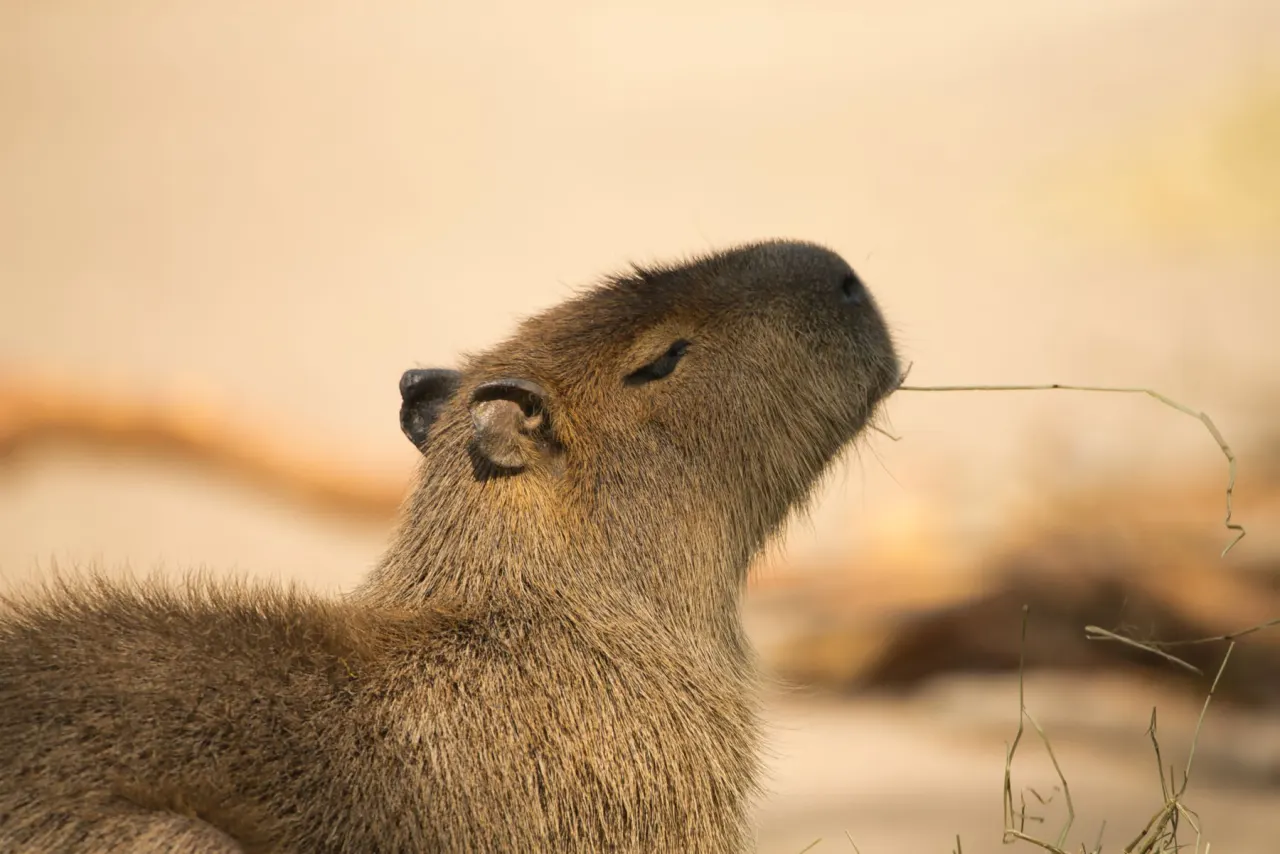
Worth correcting the more persistent misconception while we are here: capybaras’ calm is not tameness, and their internet reputation as the animal that gets along with everything is not an argument for keeping one. That tolerance is a social system built on scent-marking, vocalisation and posture in an animal that expects to be in a herd. Take it out of the herd, put it in a city, and none of that transfers.
What is still unresolved
- The animal’s current status. Neither report established whether it was recovered, by whom, or where it went.
- Ownership. No permit surfaced and no owner was publicly identified.
- The video itself was reportedly no longer viewable by the time of the later coverage, which leaves the collar detail resting on the original reporting rather than on footage anyone can now check.
- Whether enforcement followed. The investigation was opened. What it concluded has not been reported.
The Grumpy Capy take
The car wash is the funny part and the collar is the actual story. Somebody in Selangor decided a capybara was a reasonable animal to own, and the first time the public learned about it was when it wandered onto a forecourt.
This is the shape of the exotic pet problem almost everywhere: the regulation exists, it is reasonably strict on paper, and it is discovered to have failed only when the animal turns up somewhere it should not be. Malaysia’s licensing regime is not the weak link. Enforcement between the licence and the living room is.
The capybara, for its part, appeared entirely unbothered, which is exactly what capybaras look like whether or not anything is fine.