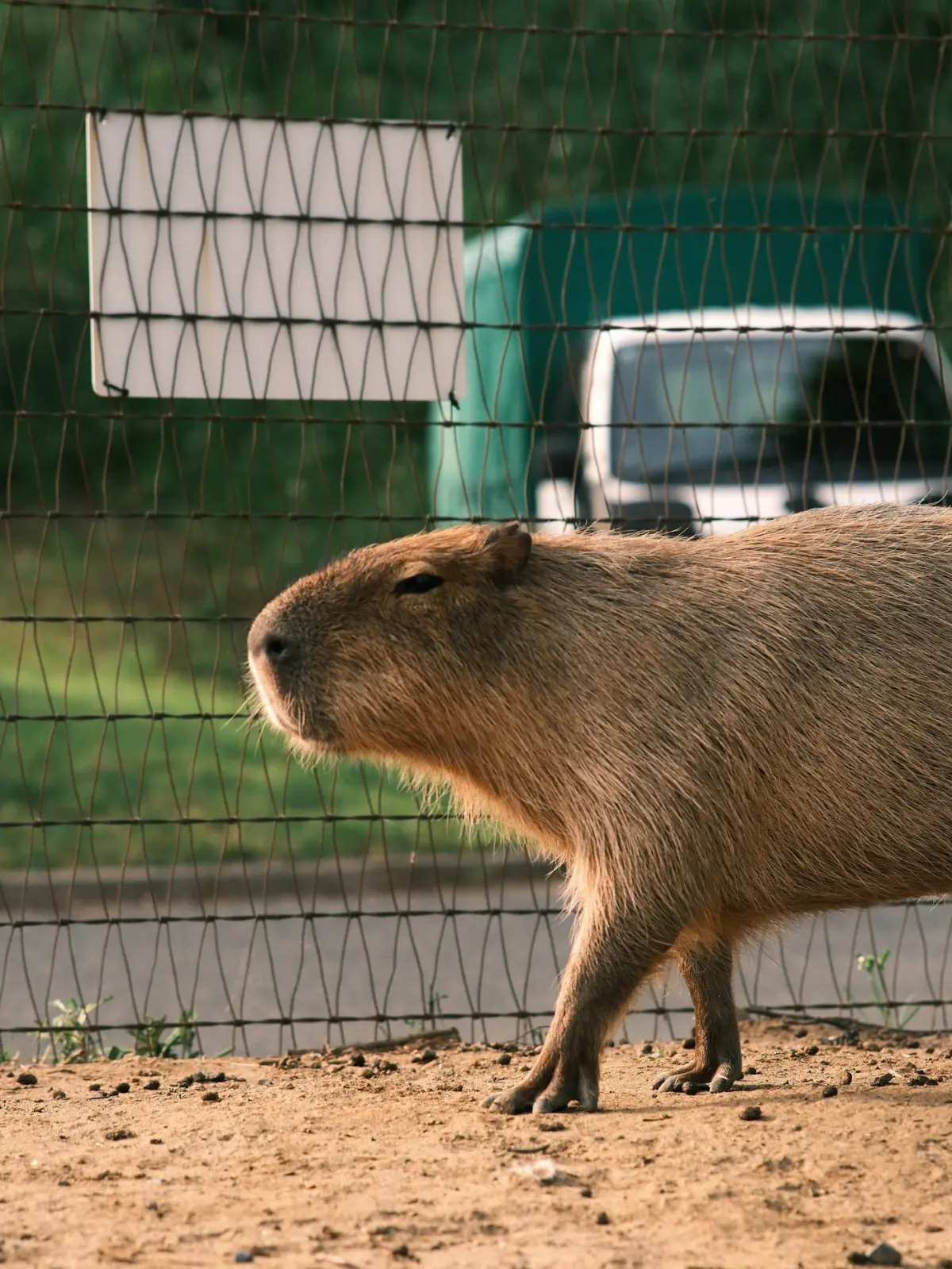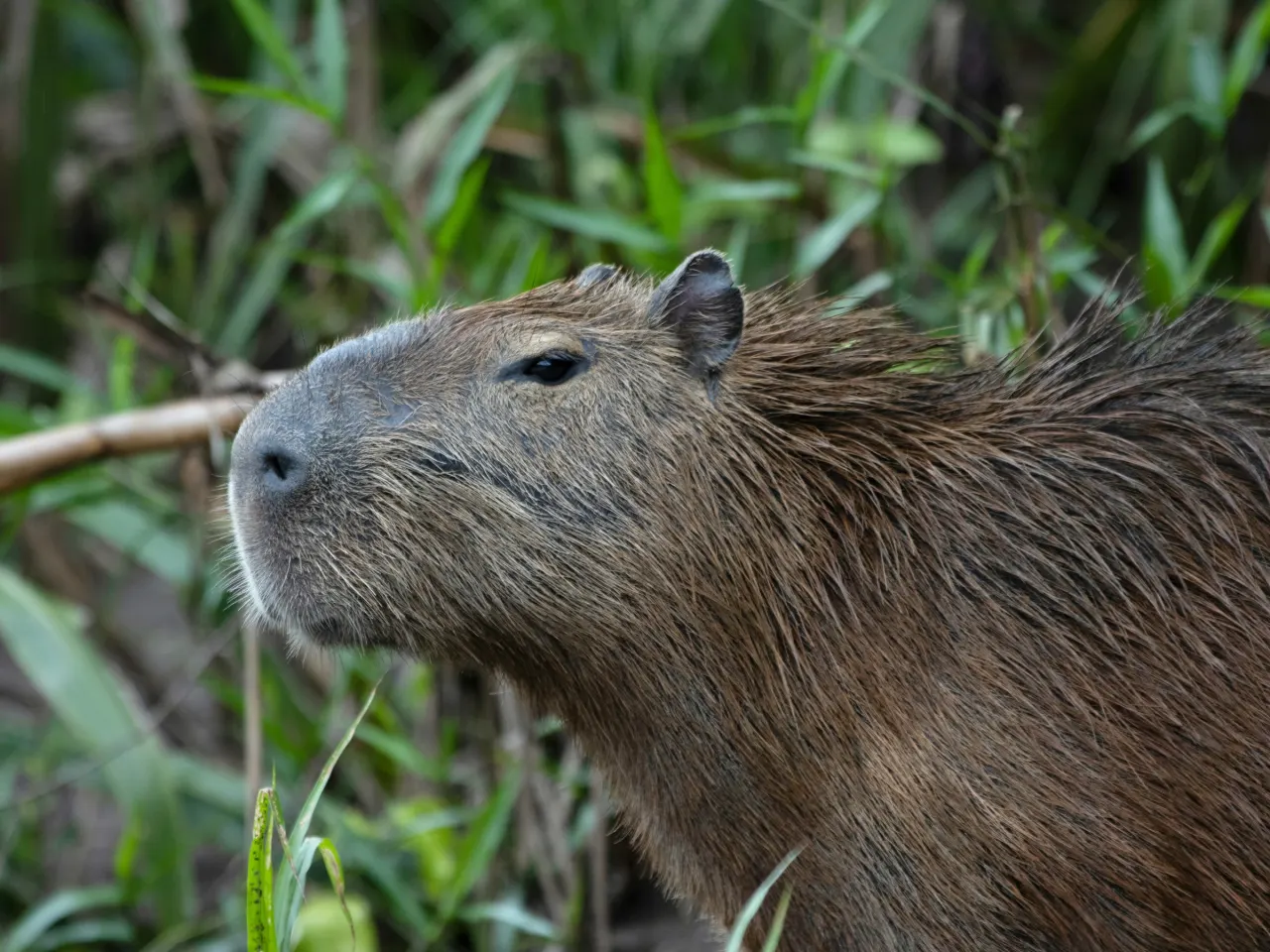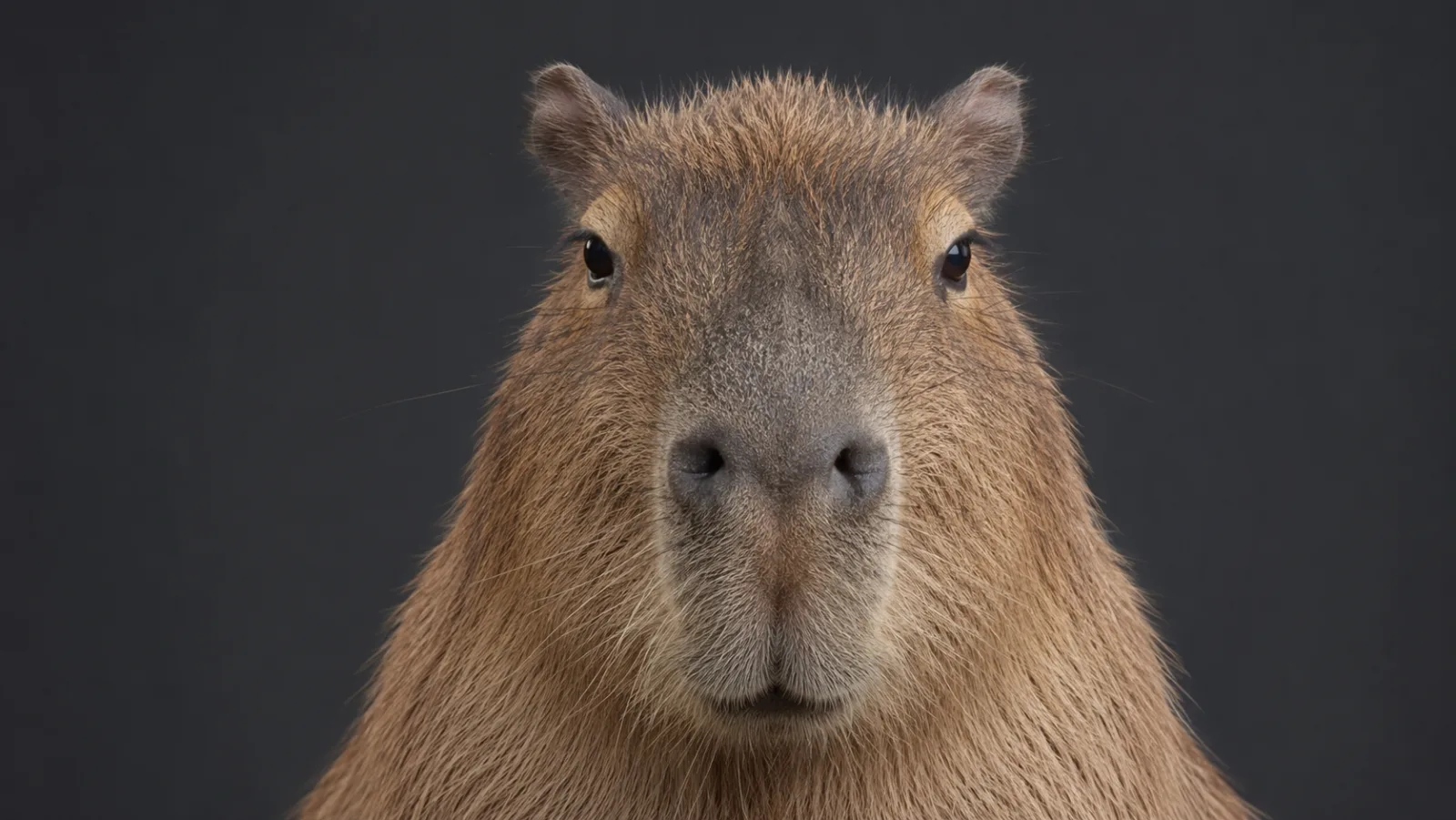
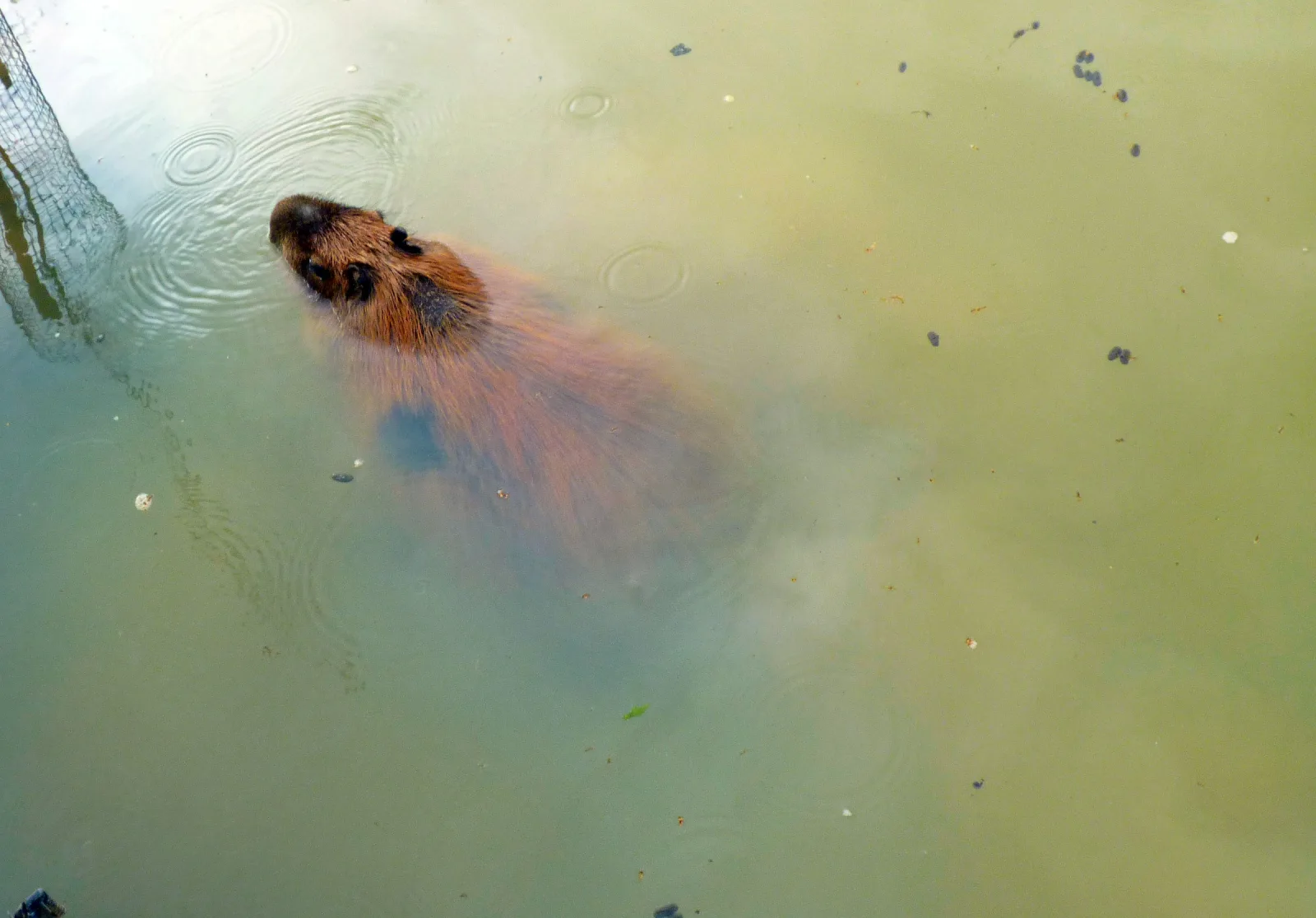
Capybara vs wombat is a comparison built almost entirely from energy. Both animals look sturdy, serious, and mildly inconvenienced by being perceived. Biologically, though, they are doing different jobs on different continents.
The quick answer: capybaras are South American rodents built around water and group life. Wombats are Australian marsupials built around burrows. Same mood, different animal.
The Fastest Difference: Rodent Vs Marsupial
Start with the family tree. Capybaras are rodents. San Diego Zoo identifies them as the world’s largest living rodents. Wombats are marsupials, grouped with Australian mammals that carry young in pouches.
That is not a small difference. That is the comparison leaving the highway.
| Feature | Capybara | Wombat |
|---|---|---|
| Animal group | Rodent | Marsupial |
| Native region | South America | Australia |
| Lifestyle | Semi-aquatic grazer | Burrowing herbivore |
| Social impression | Often group-living | More solitary depending on species and setting |
Water Life Vs Burrow Life
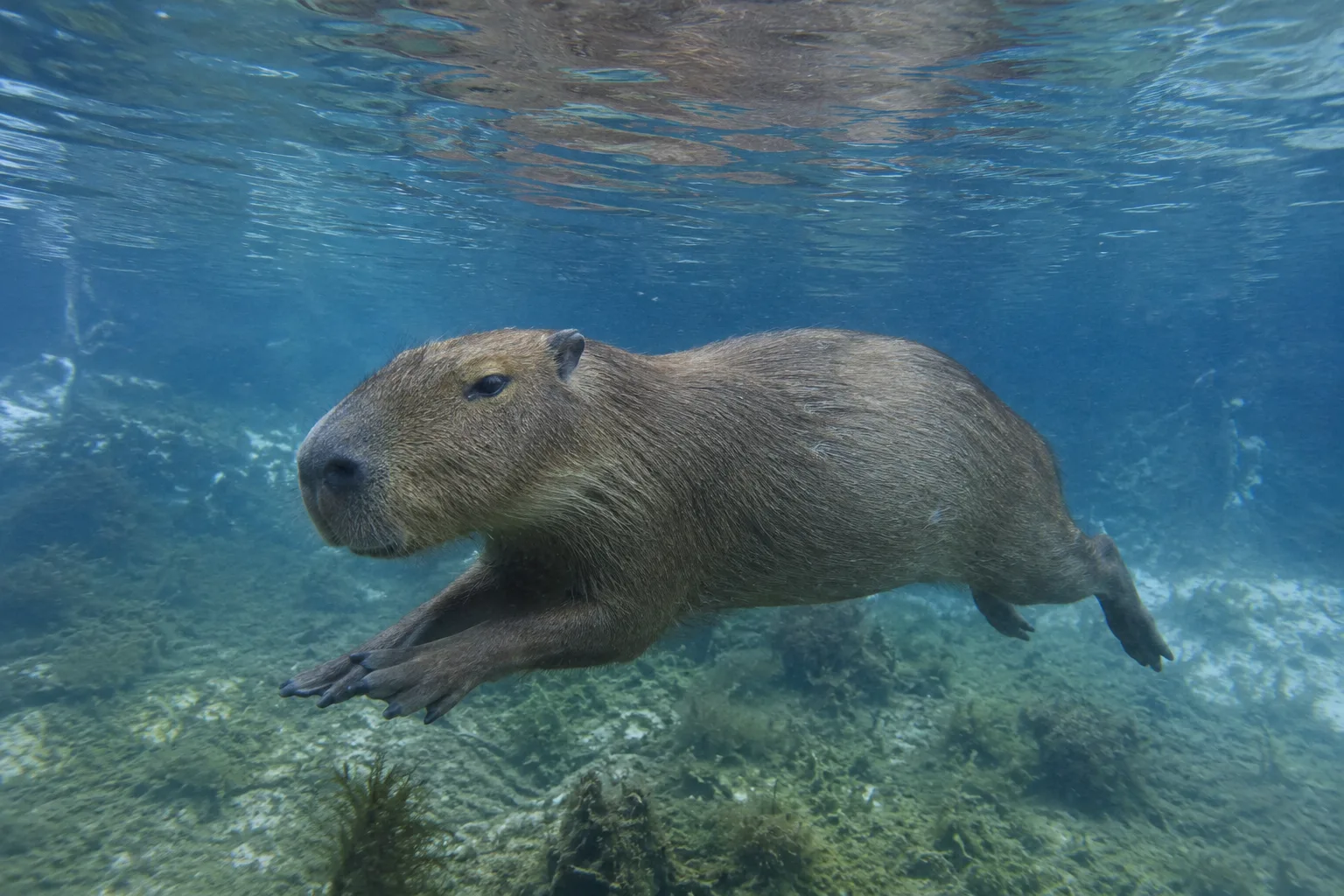
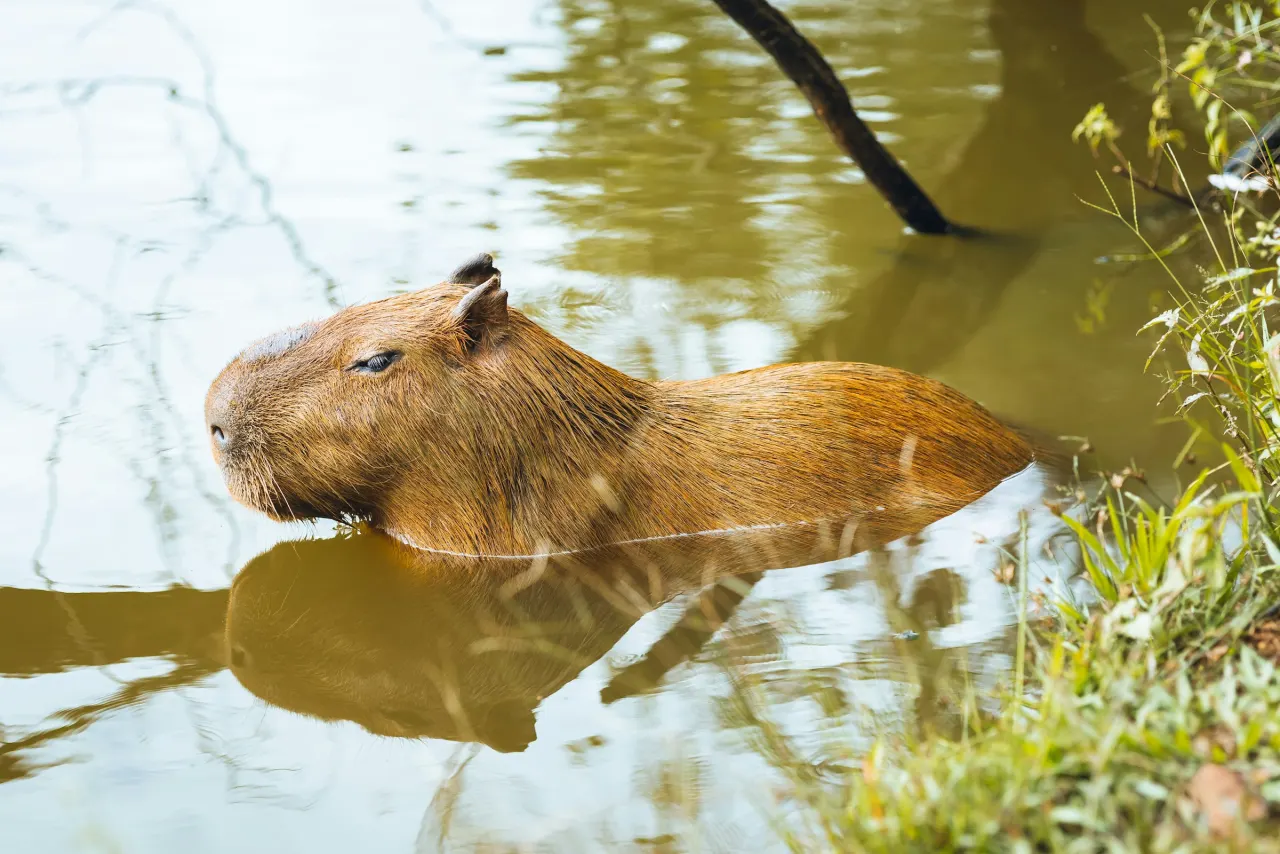
Capybaras are built around water. They graze near it, swim through it, soak in it, and use it to escape predators. Their eyes, ears, and nostrils sit high on the head, which helps with the half-submerged capybara look fans love.
Wombats are built around digging. PBS and WWF Australia both describe wombats as powerful burrowers with compact bodies and strong limbs. A wombat’s design brief is not “riverbank loaf.” It is “move soil and survive underground.”
Teeth, Diet, And Body Shape
Both are herbivores, but their bodies tell different stories. Capybaras graze and spend huge amounts of time around wetland vegetation. Wombats graze too, but their tough bodies, digging limbs, and burrow systems define the visual read.
Wombats also have one of the internet’s favorite mammal facts: cube-like poop, linked to their digestive system and intestinal shape. That is memorable, yes. It is not a reason to confuse them with capybaras. Please let at least one fact stay in its own lane.

Range And Habitat Settle The Argument
If the animal is wild in South America near water, think capybara. If it is wild in Australia near burrows, think wombat. Zoos can put both in front of the same visitor, which is where the confusion starts.
Look for the head and legs. Capybaras have a longer, blunt rodent head and a more water-ready stance. Wombats look lower, denser, and more like they could renovate a hillside by force.
What The Capybara Body Is Actually For
Once you know what a capybara is built to do, the wombat comparison falls apart on its own. Capybaras are the world’s largest rodents, with adults landing somewhere around 35 to 66 kilograms (roughly 77 to 145 pounds), according to Animal Diversity Web. That bulk sits on semi-webbed feet, which is not a wombat trait. Webbed feet are a water animal’s tell, useful for pushing through shallow wetland and staying steady on muddy banks.
The diet runs the same direction. Capybaras are grazers of grasses and aquatic plants, and like guinea pigs, they cannot make their own vitamin C, so they have to get it from what they eat. They are hindgut fermenters, which is the polite way of saying they re-ingest soft morning droppings to pull a second round of nutrients out of fibrous food. Wombats also handle tough plant matter, but that whole system in a capybara is wetland-tuned, not burrow-tuned.
There is also the social piece, which I think is the most underrated difference. Capybaras are herd animals, full stop. Solitary housing is a known welfare stressor for them, something the AZA Capybara Care Manual treats as a baseline care requirement. A lone capybara is a problem to fix. A wombat keeping to itself is just a wombat having a normal day. That single fact tells you these animals are running on different operating systems: one is a social wetland grazer that escapes into water, the other is a solitary digger that escapes into the ground.
Common Mix-Ups, Sorted
Most of the confusion comes from a handful of half-remembered claims. Here is the cleanup.
| Myth | Better answer |
|---|---|
| Capybaras and wombats are related | Not really. Capybaras are rodents (family Caviidae, kin to guinea pigs and maras); wombats are marsupials. Different branch entirely. |
| Wombats swim like capybaras | No. Wombats are diggers. Capybaras are the semi-aquatic ones, with high-set eyes and nostrils for staying half-submerged. |
| They are basically the same size | Capybaras are generally the larger of the two and hold the title of largest living rodent. Wombats are dense and heavy for their frame, but built on a different plan. |
| Both make cube-shaped poop | That trick belongs to wombats and their gut anatomy. Capybaras do not. |
Why The Internet Files Them In The Same Drawer
The internet compares capybaras and wombats because both animals look like they have no interest in being sleek. They are sturdy. They are blunt. They look as if they know a secret and it is probably about your posture.
That is the whole overlap. A capybara and a wombat share a mood, not a family tree.