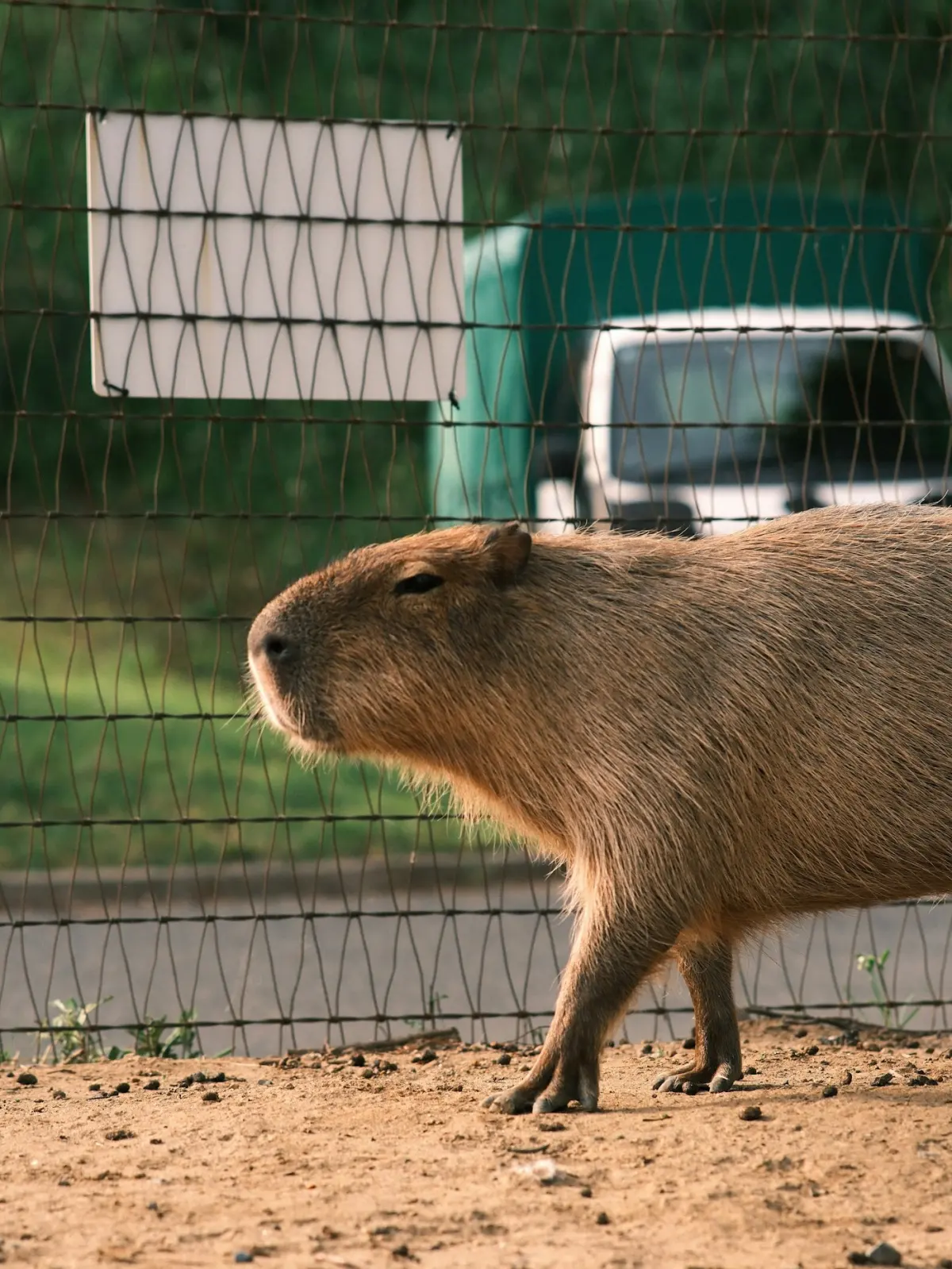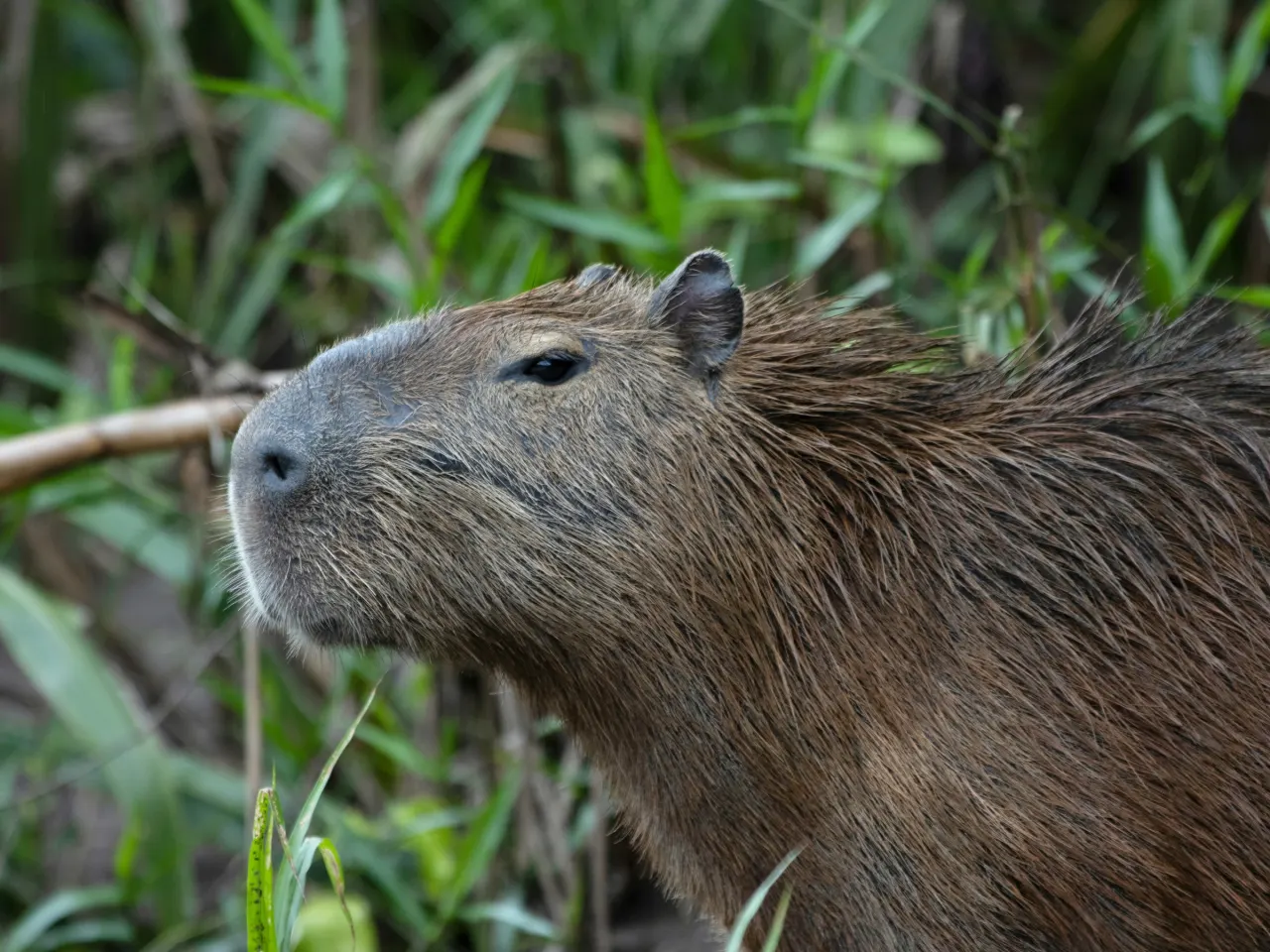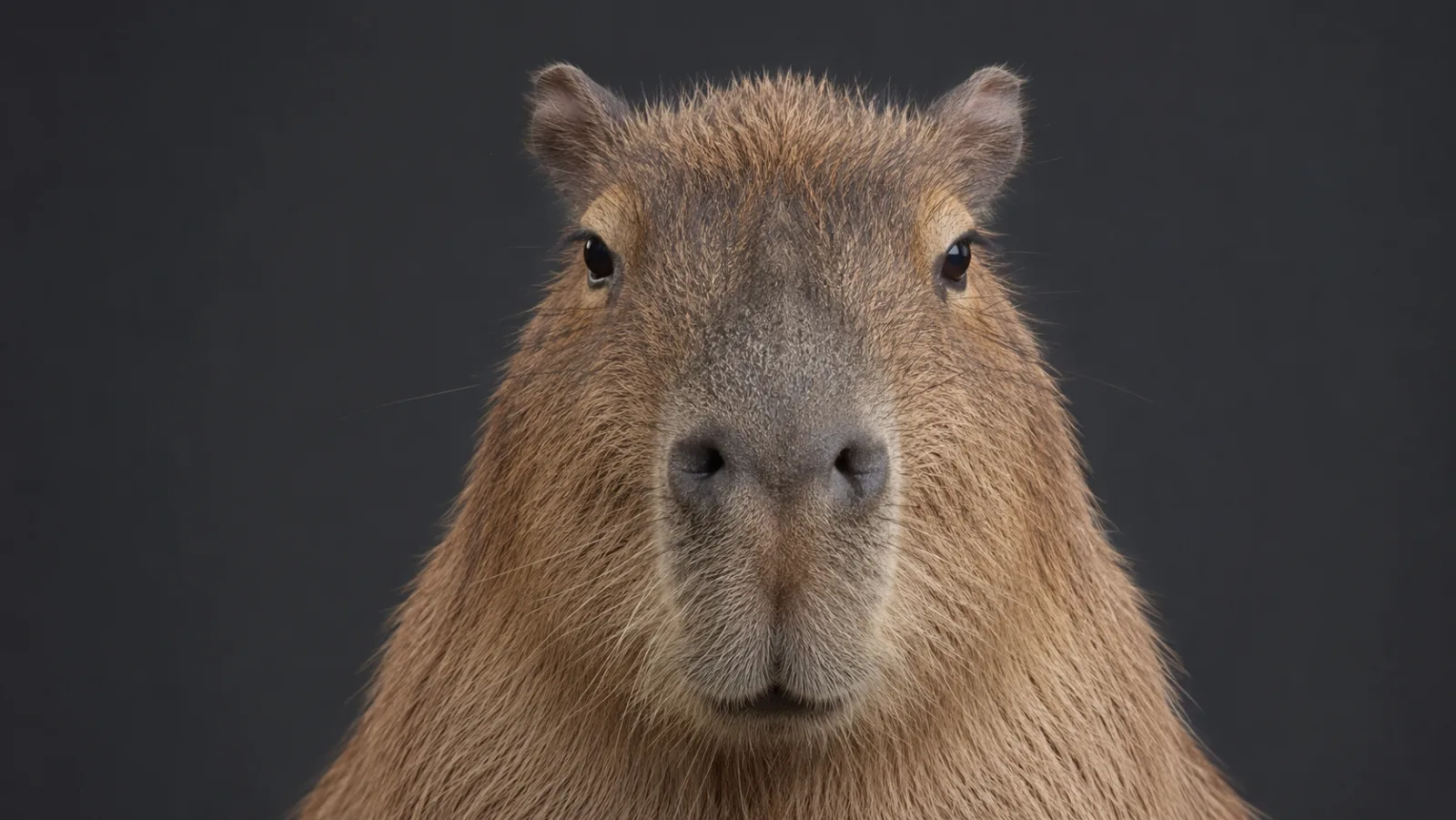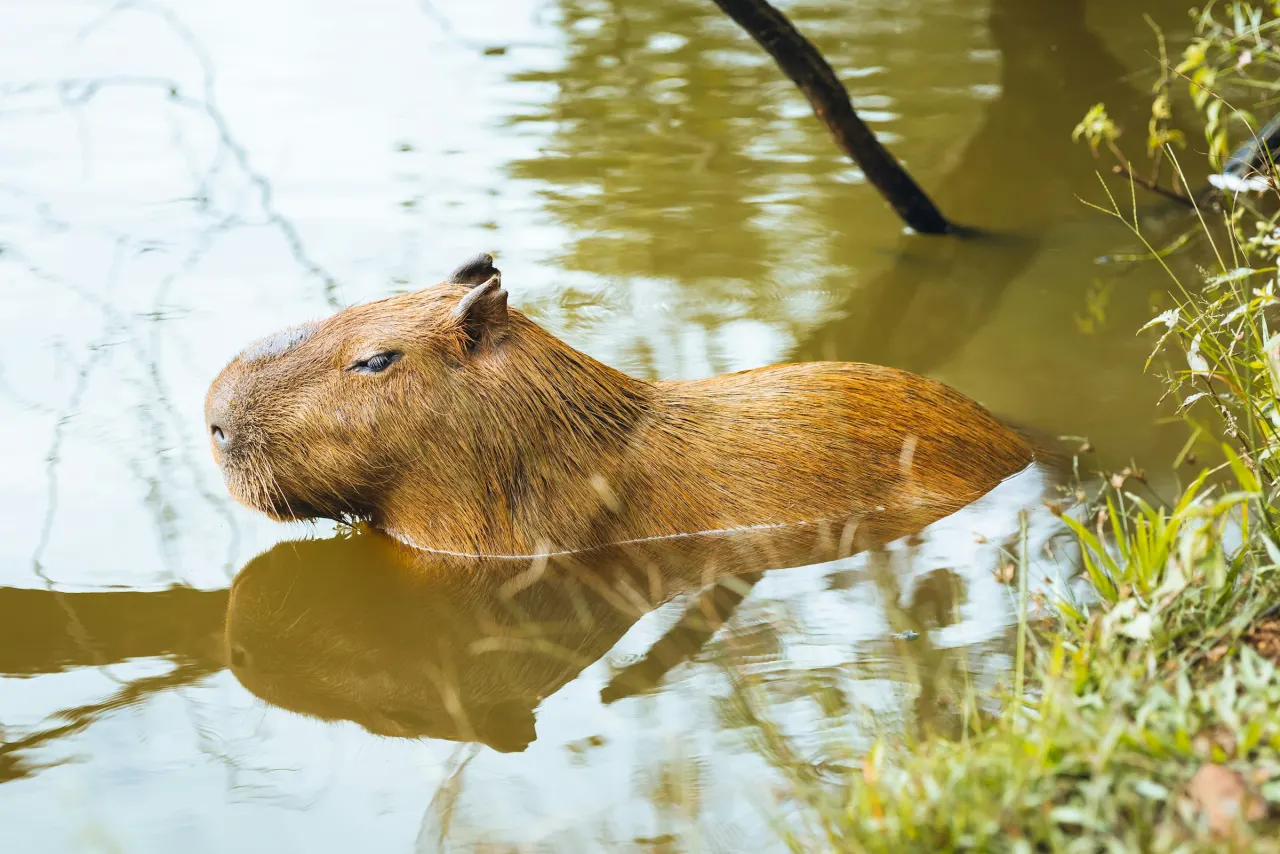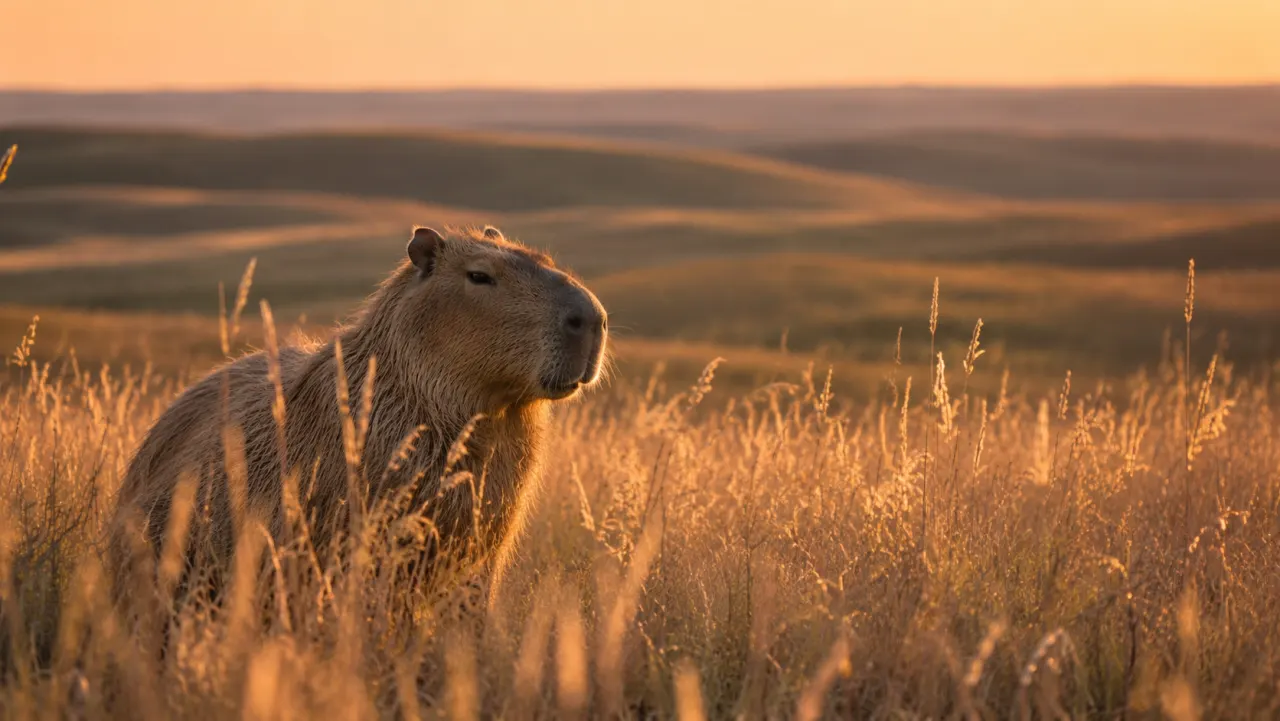
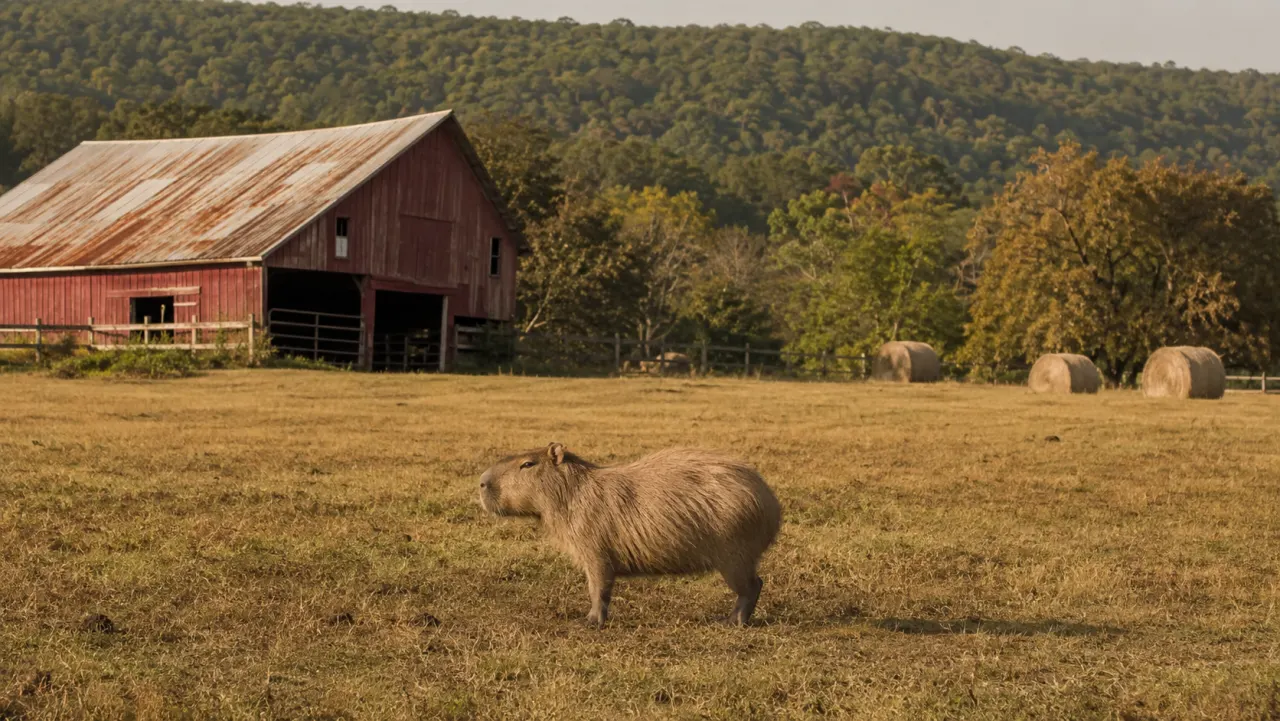
Alabama is one of the states where the online answer often comes out sounding too relaxed. The weather is warm, the yards can be big, and capybaras are not obviously sitting in the public restricted-species headline.
That is not the same as “go buy one.”
The cautious 2026 answer: Alabama does not appear to name capybaras on its public restricted species possession page, but private ownership still needs written confirmation from Alabama DCNR, animal-health import checks, local permission, and a serious capybara welfare plan.
Warm weather is not the answer
Alabama's restricted-species headline does not obviously reach capybaras, which is exactly why the online answer comes out too relaxed. The real answer runs through the state agency, import paperwork and your local code — in that order.
Alabama Looks More Open, But That Is Not Permission
Outdoor Alabama’s restricted species possession page says Alabama prohibits possession, sale, import, release, or transport of several categories: nonnative venomous reptiles, species listed as injurious wildlife under the federal Lacey Act, and tegus. Capybaras are not named there.
That makes Alabama look more open than states that explicitly ban capybaras. Still, exotic animal law is not a scavenger hunt where missing the word “capybara” wins the prize. The next questions are import, animal health, local rules, federal exhibition rules, and whether the setup is remotely humane.
| Question | Alabama starting point |
|---|---|
| Is a capybara named on the restricted species page? | Not on the public page reviewed for this guide |
| Is that a complete ownership approval? | No |
| Is import or transport still an issue? | It can be, and should be confirmed before movement |
| Can local government be stricter? | Yes |
The Permit And Import Questions To Ask
Alabama DCNR is the first stop for wildlife and restricted-species questions. Use the species name, Hydrochoerus hydrochaeris, not just “capybara.” Ask whether private possession, importation, sale, breeding, transport, or exhibition requires a permit or is barred under any current rule.
Then ask the animal-health side about import documents. Exotic mammals crossing state lines often need a certificate of veterinary inspection or other movement paperwork even when possession itself is not banned. If the animal is coming from out of state, the answer is not complete until the transport paperwork is complete.
Public display changes the room. Paid encounters, birthday parties, petting events, breeding, sale, or transport for exhibition may trigger USDA Animal Welfare Act licensing. “Legal pet” and “legal business” are different animals, and only one of them tends to show up wearing a waiver clipboard.
Counties, Cities, And HOAs Can Still Block It
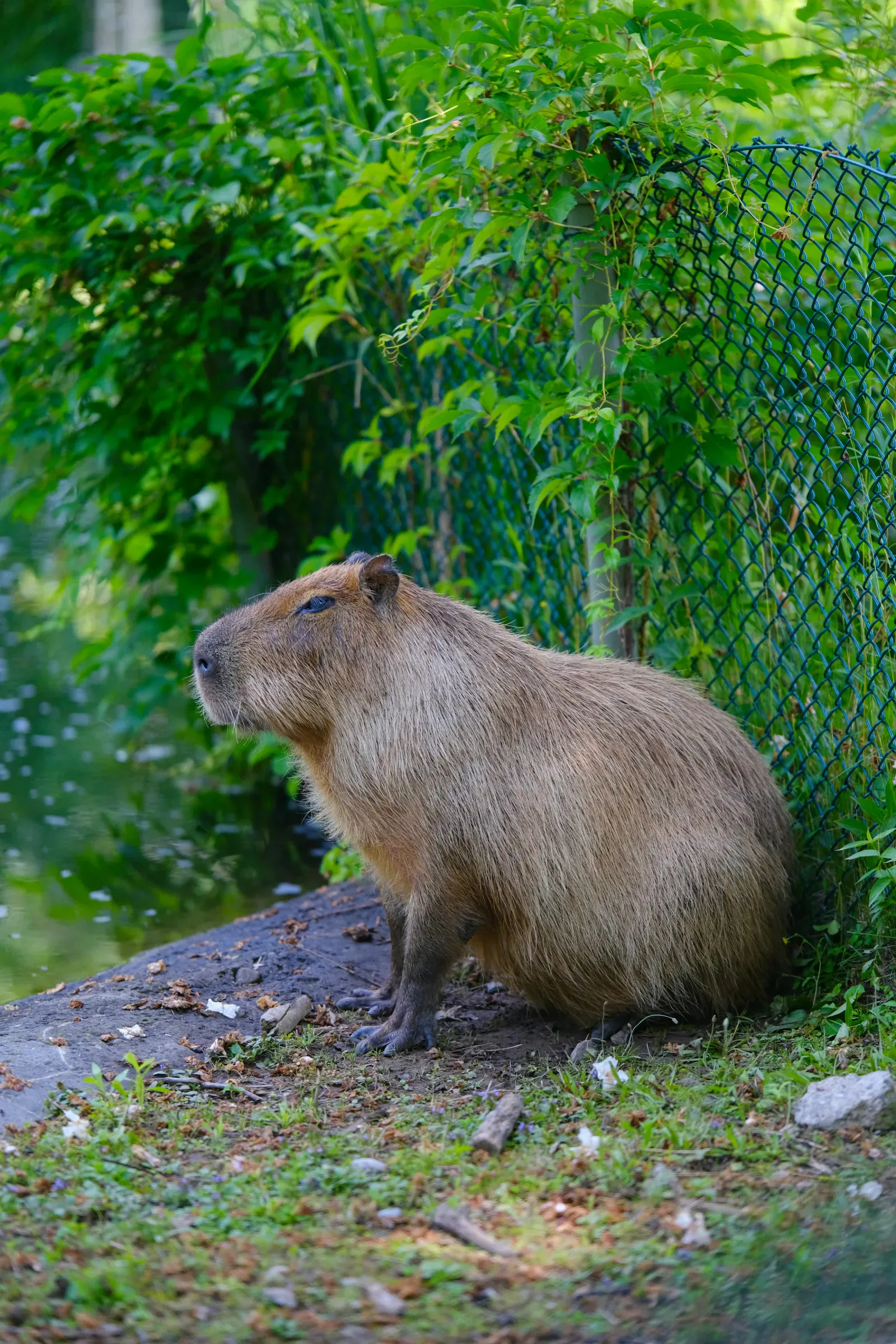
Alabama local governments can regulate animals, zoning, enclosures, nuisance conditions, public health, and water features. A capybara enclosure is not invisible. It needs secure fencing, water, shade, shelter, drainage, manure management, and a plan for escape or storms.
Ask the city or county animal-control office if exotic mammals are allowed. Ask zoning whether the property can host the enclosure and water system. Ask the HOA or landlord if non-domestic animals, livestock, ponds, or outdoor pens are banned.
Do not settle for “I don’t think we have a rule.” Ask who has final authority and get the answer in writing.
Alabama Weather Does Not Solve Capybara Care
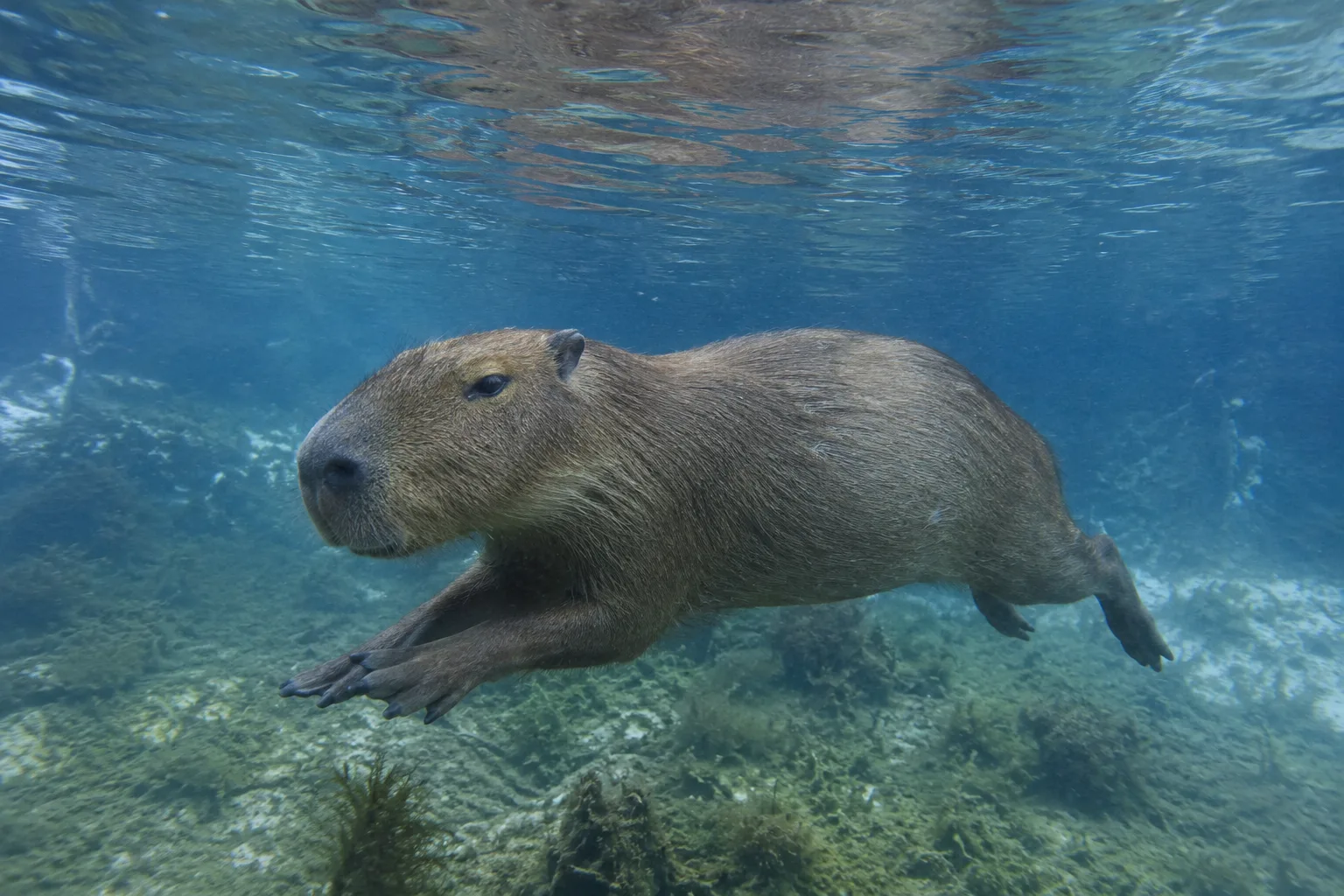
Alabama warmth helps compared with icy northern states, but the animal is still a semi-aquatic, social, high-fiber grazing rodent. San Diego Zoo Wildlife Alliance lists adult capybaras at roughly 77 to 145 pounds. Animal Diversity Web describes group-living, water-linked grazing behavior. The AZA manual treats water access, social housing, diet, and management as professional husbandry needs.
That means a good Alabama setup still needs:
| Need | Alabama version |
|---|---|
| Water | Clean, drained, shade-managed pool or pond access |
| Social housing | More than one compatible capybara, not a lonely novelty pet |
| Fencing | Secure perimeter that handles pushing, digging, flooding, and storms |
| Diet | Grass, hay, forage, and careful produce rather than treat content |
| Vet care | Exotic-animal vet willing to treat a large rodent before an emergency |
Warm weather does not pay the vet bill. It also does not clean the pool.
Where People Get Alabama Wrong
The relaxed online answer comes from one true fact stretched too far: capybaras are not on the public restricted-species list. People then fill the gaps with confident guesses. Here is where the guessing usually goes sideways.
| Myth | Better answer |
|---|---|
| Not on the restricted list means fully legal everywhere in Alabama | The state page is one layer. Import paperwork, city and county code, zoning, and federal exhibition rules are separate, and any of them can still say no. |
| Warm southern weather makes a capybara an easy yard pet | Climate removes the cold-stress problem. It does not remove water, social housing, fencing, drainage, diet, and vet needs. |
| One capybara is fine if you give it lots of attention | Capybaras are herd animals. Solitary housing is a known welfare stressor, so a single animal is the wrong starting point, not a budget version. |
| A pond and a fence are basically the whole setup | Water has to be clean and drained, fencing has to resist digging and flooding, and an exotic vet has to exist before the first emergency. |
| If a permit existed, the seller would have told me | Sellers are not the permitting authority. The agency confirmation is yours to get, in writing, for your exact address and animal. |
What The Animal Actually Is
It helps to remember what you are housing before any office signs off. The capybara is the world’s largest rodent, native to South America, and built around water and grass. San Diego Zoo Wildlife Alliance puts adults at roughly 77 to 145 pounds. Animal Diversity Web describes a semi-aquatic grazer that lives in groups near water.
A few biology facts drive the real cost more than any permit does. Capybaras are hindgut fermenters that re-ingest soft morning feces to pull nutrients from a high-fiber diet, so a grass-and-hay base is not optional. Like guinea pigs, they cannot make their own vitamin C and have to get it from the diet, which an exotic vet should help you plan rather than a guess off a forum. Their teeth grow continuously, which is one more reason “find a vet who treats large rodents” sits on the checklist and not in the maybe pile. None of this is exotic trivia. It is the daily workload that warm Alabama weather does nothing to shrink.
My honest read: Alabama’s openness is real, but it mostly raises the odds that someone buys a capybara they were never set up to keep. A state that does not stop you is not the same as a state telling you this is a good idea.
The Alabama Verification Checklist
Current as of June 2026: this is a starting point, not legal advice. Recheck Alabama DCNR, animal-health import rules, and local code in writing before acting near the scheduled October 2026 publish date.
Before buying, importing, or displaying a capybara in Alabama, collect written answers.
| Who to contact | What to ask |
|---|---|
| Alabama DCNR | Does Alabama allow private possession, import, sale, breeding, transport, or exhibition of capybaras, and under what rules? |
| State animal-health authority | What CVI, import, quarantine, or disease documentation is required? |
| City or county animal control | Does local code allow non-domestic mammals at this address? |
| Zoning office | Are the enclosure, fencing, pond, drainage, and shelter allowed? |
| USDA APHIS | Does public exhibition, paid encounters, breeding, sale, or transport require licensing? |
| Exotic veterinarian | Will you treat capybaras, including emergency and dental problems? |
If the plan survives that table, read how much a capybara costs and how to take care of a capybara before you celebrate.
Alabama may leave more room than many states. The capybara still needs more than room.
This guide is general information, not legal advice, and reflects what is on the books as of June 2026. Rules change, and the public pages do not always reflect every internal policy. Before you buy, import, transport, or display a capybara, confirm the current requirements directly with Alabama DCNR, the state animal-health authority, and your city or county animal-control and zoning offices, and run the plan past a qualified attorney who handles Alabama exotic-animal or agriculture law. If those answers do not line up in writing, treat the answer as no.