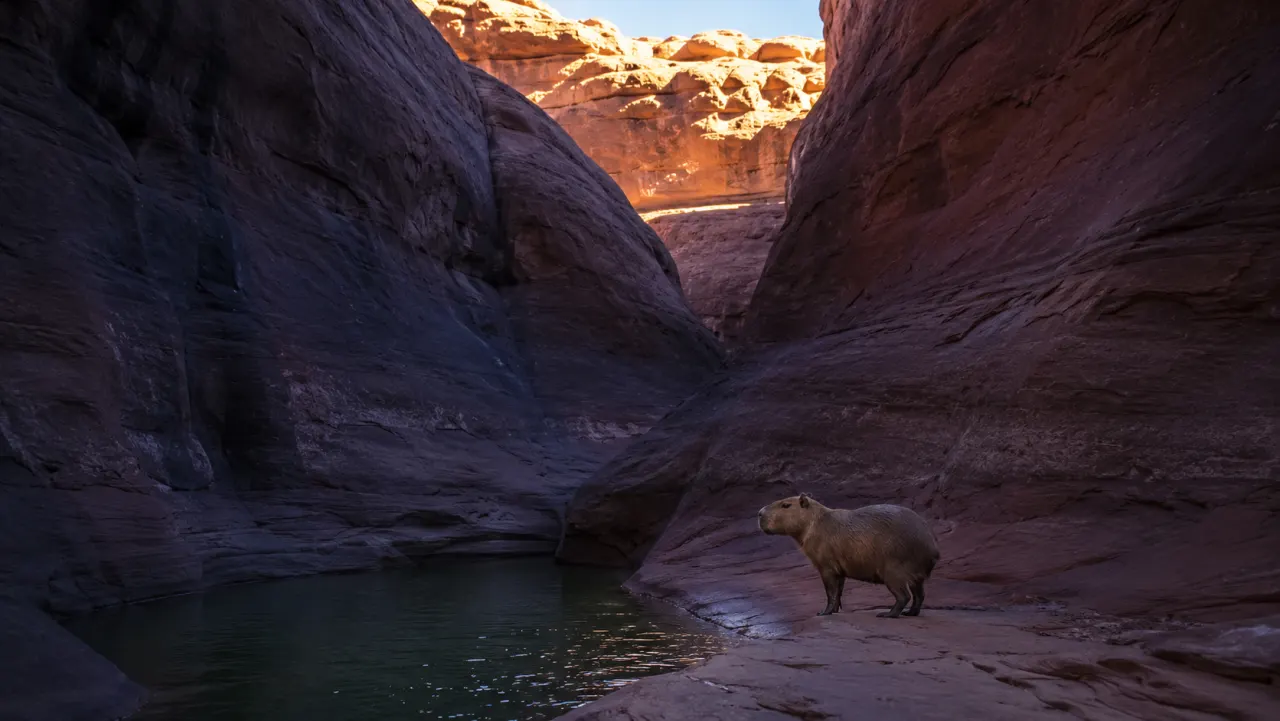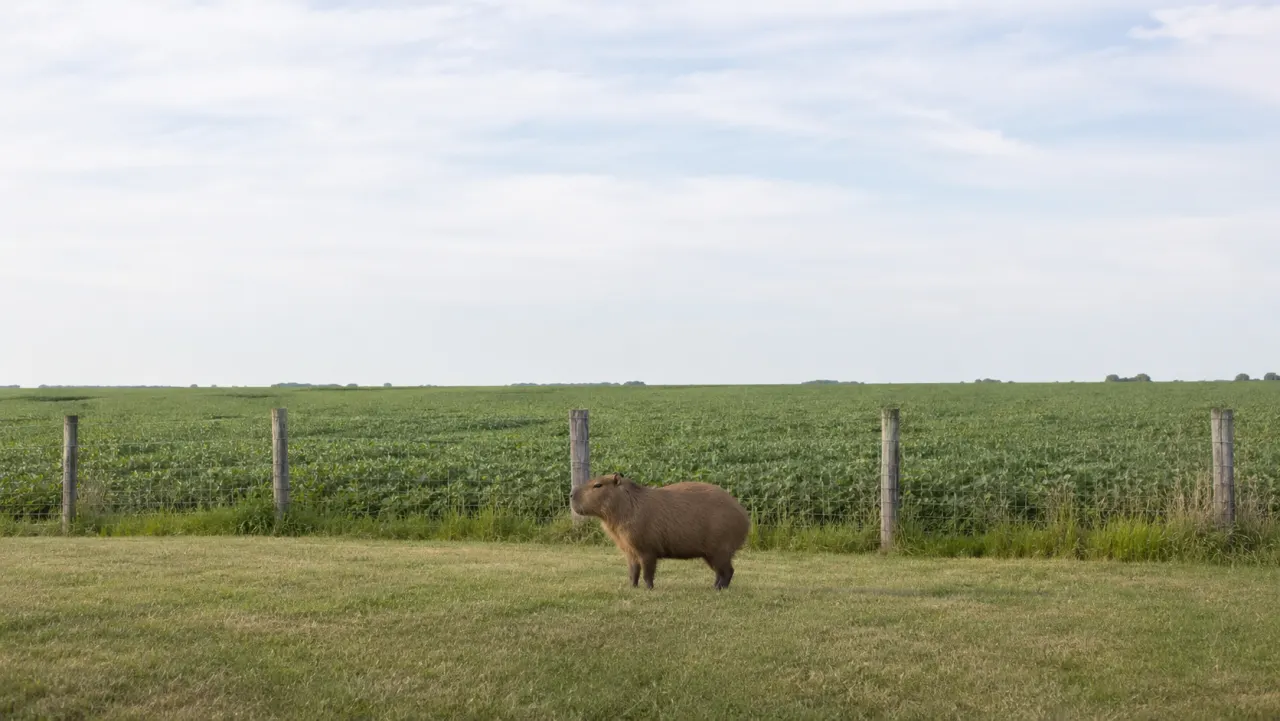
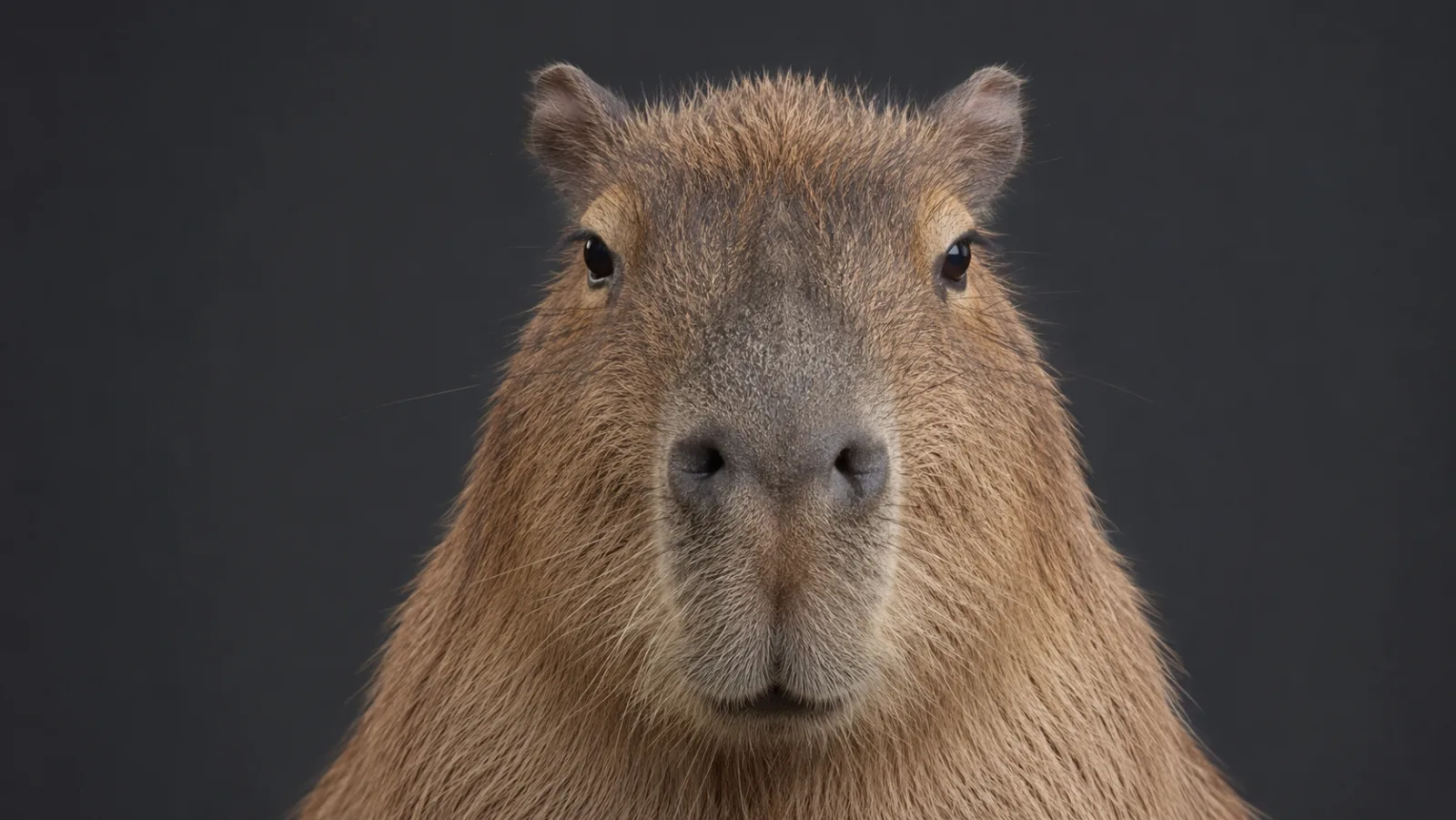
Famous capybaras are not all famous in the same way. Some had names, owners, blogs, videos, and actual archives. Others became symbols inside meme formats, which is a different species of fame and, frankly, a less reliable witness.
The clean version: Caplin Rous and JoeJoe are the old-school famous capybara names. Gort, Masbro, OK I Pull Up, and yuzu-bath capybaras are meme famous.
The Famous Capybara Roster
If you are trying to ground the internet’s named capybaras, start here.
| Name or format | Type of fame | What to know |
|---|---|---|
| Caplin Rous | Early pet capybara celebrity | Texas capybara, blog-era fame, “Rodent of Unusual Size” reference. |
| JoeJoe | Social media pet capybara | Big following, videos, owner AMA, strong YouTube/Facebook era footprint. |
| Gort | Meme-era name | More meme reference than tidy biography. |
| Masbro | Meme-era reference | Part of broader 2020s capybara meme culture. |
| Yuzu-bath capybaras | Zoo tradition fame | Famous as a scene: Japanese capybaras soaking in winter baths. |
That ranking is not about who is “best.” It is about whether the fame has receipts.
Named Capybaras With Real Internet History
Caplin Rous is one of the cleanest entries because there is a real archive trail. The Los Angeles Times profiled Caplin in 2010 and described him as a Texas capybara with thousands of Twitter followers. His name came from “Rodent of Unusual Size,” a Princess Bride joke that capybara people still understand immediately.
JoeJoe belongs to the next social era. In a Reddit AMA, JoeJoe’s owner described him as one of the most famous capybaras in the world, with a presence across Instagram, Facebook, YouTube, and Twitter. That same AMA also contains the part fans should not skip: capybaras need a large pond or pool, graze constantly, and require serious care.
The internet remembers the cute clips. The logistics are where the truth lives.
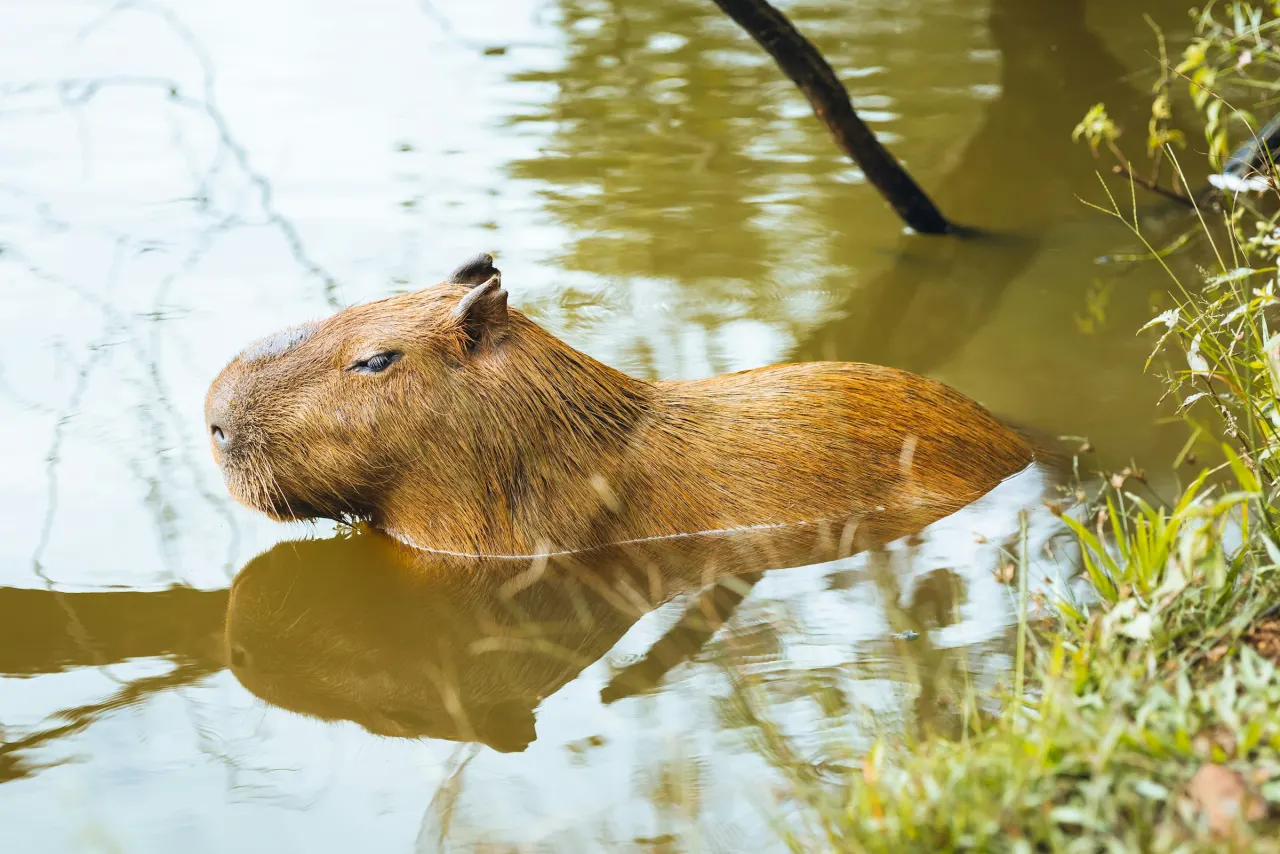
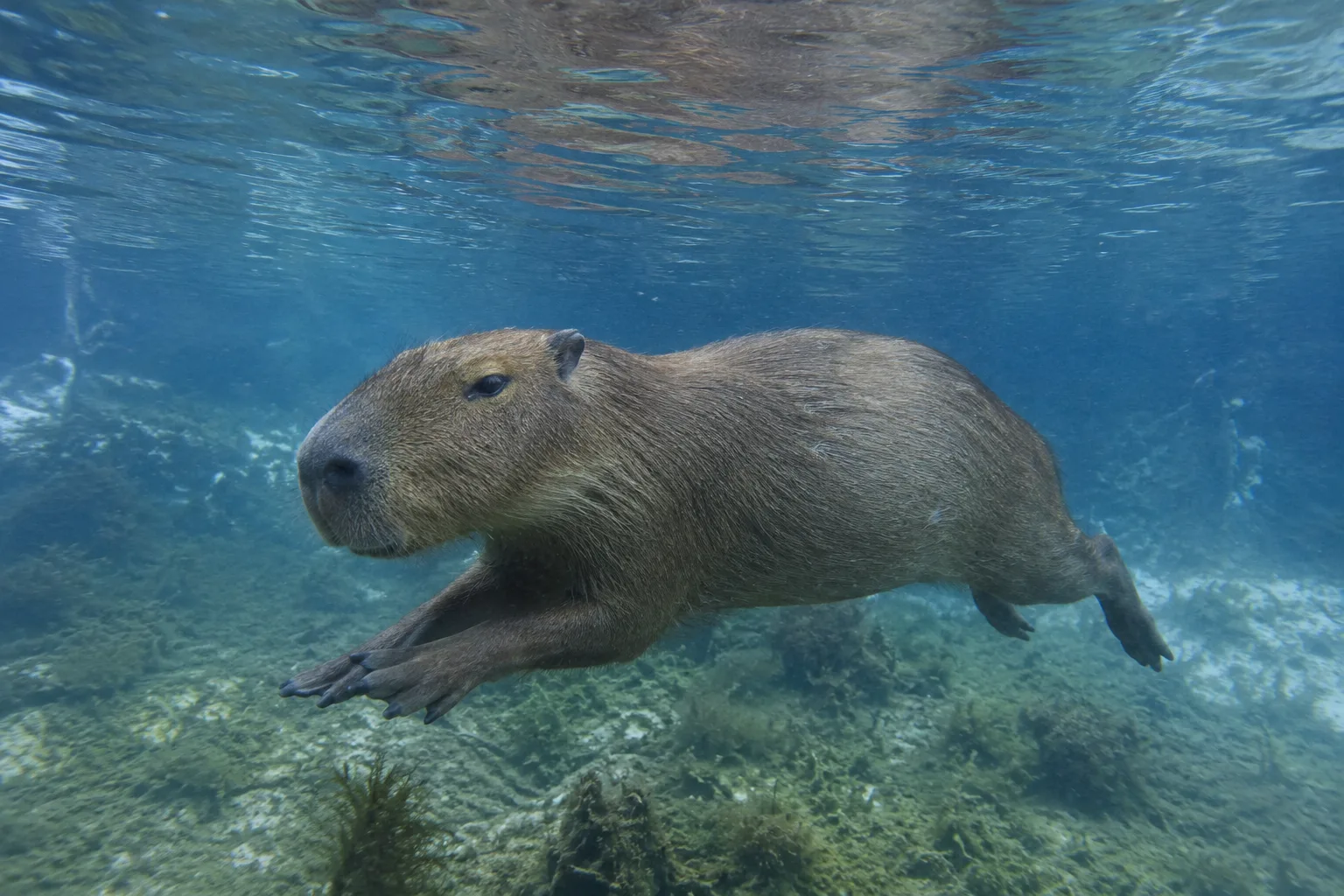
There is also a third category worth naming: the yuzu-bath capybaras. These are not pet celebrities or meme handles. They are a recurring zoo scene from Japan, where capybaras soak in warm outdoor baths during winter, often with floating citrus. The fame belongs to the ritual more than to any single animal. It works because it lines up with what capybaras actually are: semi-aquatic grazers who genuinely like sitting in water. Most viral capybara content survives by accident when it happens to show real behavior. The yuzu baths survive on purpose, because they were never pretending the animal was something else.
What People Get Wrong About the Famous Ones
A lot of capybara fame travels with small errors attached. The clip is real, the caption is half-invented, and the confident reply guy fills in the rest. Here is the cleaner version of the most common mix-ups.
| Common claim | Better answer |
|---|---|
| Famous capybaras prove they make calm pets | Fame shows curated wins, not daily care. Capybaras are large, social, water-dependent herd animals, and solitary housing is a known welfare stressor. |
| Caplin Rous and JoeJoe are basically the same story | Different eras and platforms. Caplin was blog-and-Twitter era; JoeJoe was the later Instagram/YouTube/Facebook wave. |
| Gort is one specific documented capybara | Gort reads as a meme-era name, not a single sourced biography like Caplin. |
| The yuzu-bath capybaras are a one-off stunt | It is a recurring seasonal zoo tradition in Japan, not a single viral event. |
| Any famous capybara is a fully tame animal | Capybaras stay wild-typed. Per Animal Diversity Web, they are tied to water-edge habitats and live in groups, none of which a couch erases. |
The pattern under all five is the same. Fame compresses the animal into one frame, and the frame is always the flattering one.
Meme Capybaras Are Famous in a Different Way
Gort and Masbro are famous because they became meme handles, not because every fan is pointing to the same complete biography. Know Your Meme’s capybara subculture entry places them among major 2020s capybara trends, along with OK I Pull Up and the Capybara Song.
This is not fake fame. It is format fame. The name attaches to a mood, a clip style, or a community joke. A meme capybara can become famous without behaving like a celebrity animal at all.
That is very capybara, honestly. Refuse the whole PR apparatus. Become a symbol anyway.
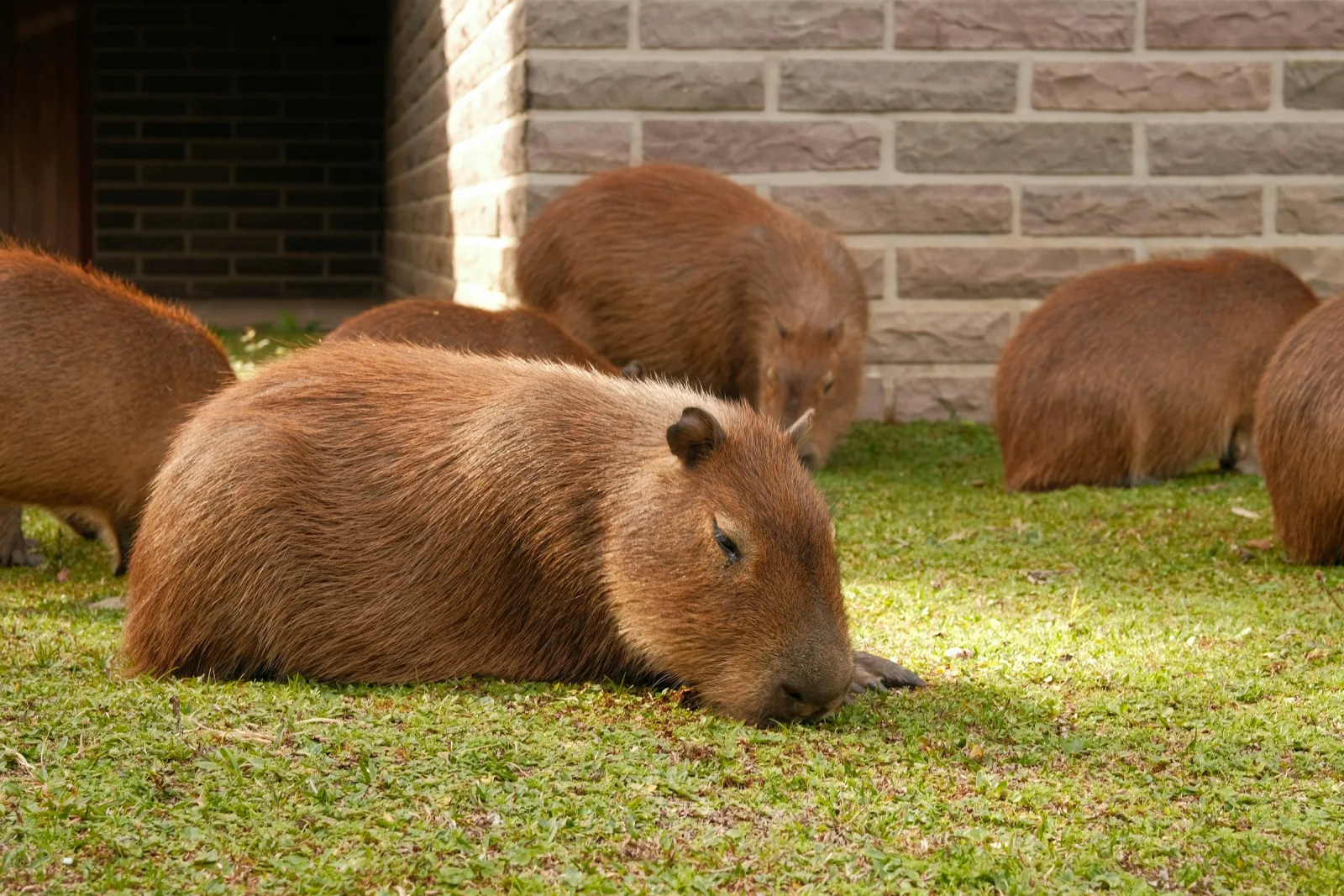
Why Famous Capybaras Are Not Pet Permission
Fame has a nasty habit of flattening welfare. A named pet capybara can make the animal look domestic because the camera shows the successful moments: couch, snack, bath, friendly face, maybe a costume someone should have reconsidered.
San Diego Zoo Wildlife Alliance describes adult capybaras as the world’s largest rodents, about two feet tall at the shoulder. Animal Diversity Web describes them as social animals tied to water-edge habitats. Those are not optional footnotes. They are the animal.
So yes, learn the names. Enjoy the clips. Just do not let a famous capybara convince you that capybaras are plug-and-play pets. The camera skipped the plumbing.
The Animal Under the Fame
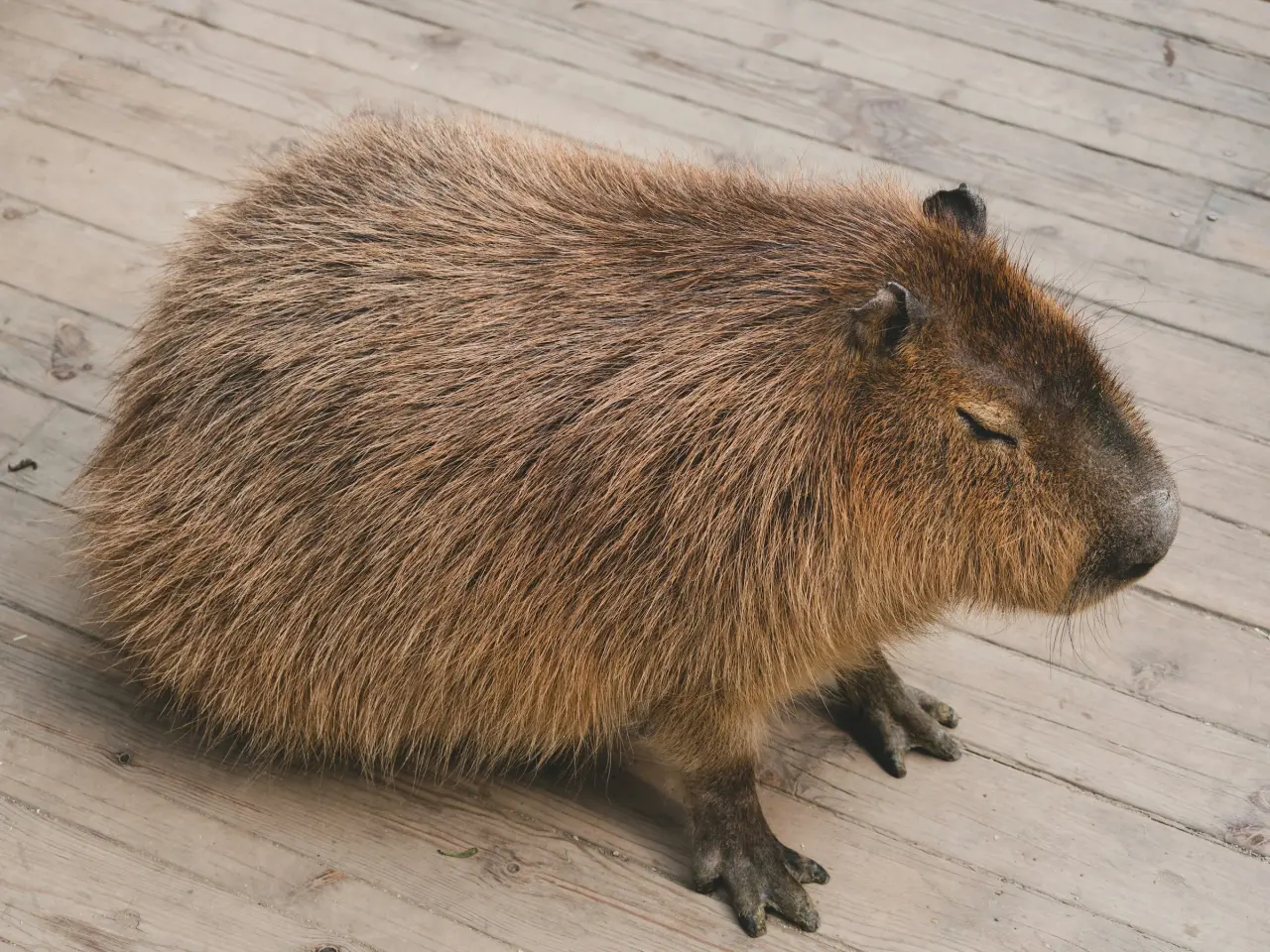
It is worth keeping the boring facts close, because the boring facts are the ones the fame edits out. The San Diego Zoo Wildlife Alliance and Animal Diversity Web both describe the same creature: the world’s largest rodent, native to South America, a semi-aquatic herbivore that grazes grasses and aquatic plants and stays near water. Adults are heavy animals, not lap-sized, and they are built for a herd, not for a single human and a phone camera.
Two details rarely make it into a viral clip. Capybaras cannot make their own vitamin C, the same quirk guinea pigs have, so a diet that ignores it causes real health problems over time. And they are hindgut fermenters that re-ingest soft morning feces to pull out nutrients their first pass missed. None of that is gross when you understand it. It is just the actual digestive engine of the animal the internet keeps dressing in tiny hats.
Here is the honest opinion, since the brief asked for one. The named-pet category of capybara fame has aged worse than the meme category. Memes are upfront about being a bit, a format people pass around for fun. The pet-celebrity clips quietly sell a fantasy of easy ownership, and that fantasy puts real animals in homes that cannot meet their needs. A meme costs nobody anything. A misread biography sometimes costs a capybara its pond.
The Real Animal Under The Fame
Famous capybaras are a useful map of capybara internet history. Caplin Rous and JoeJoe show the pet-capybara celebrity era. Gort, Masbro, OK I Pull Up, and yuzu-bath footage show the meme era.
The best fan read is generous but grounded: admire the famous capybara, then remember the real animal underneath the fame is still a large, social, water-dependent rodent with better boundaries than the internet.