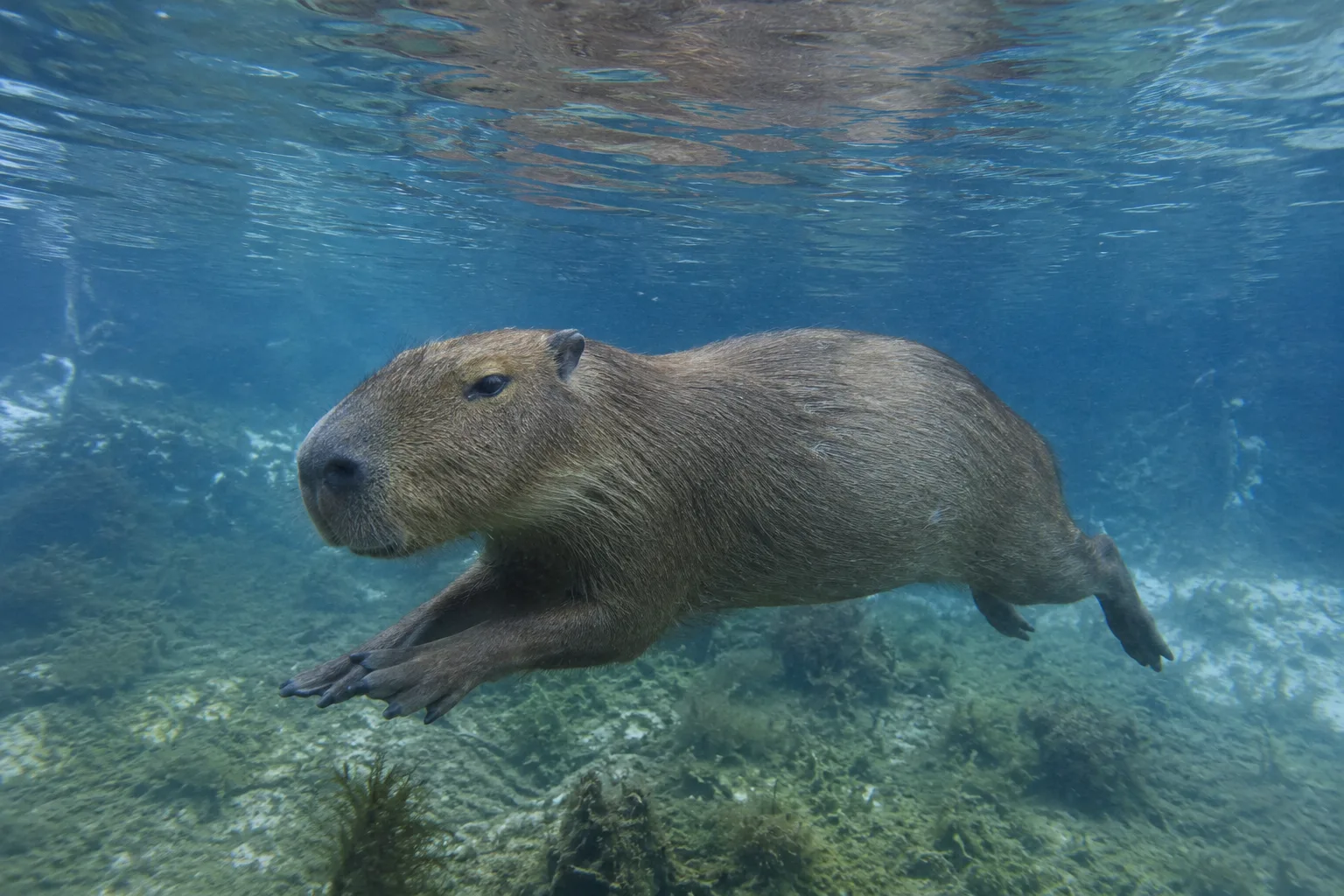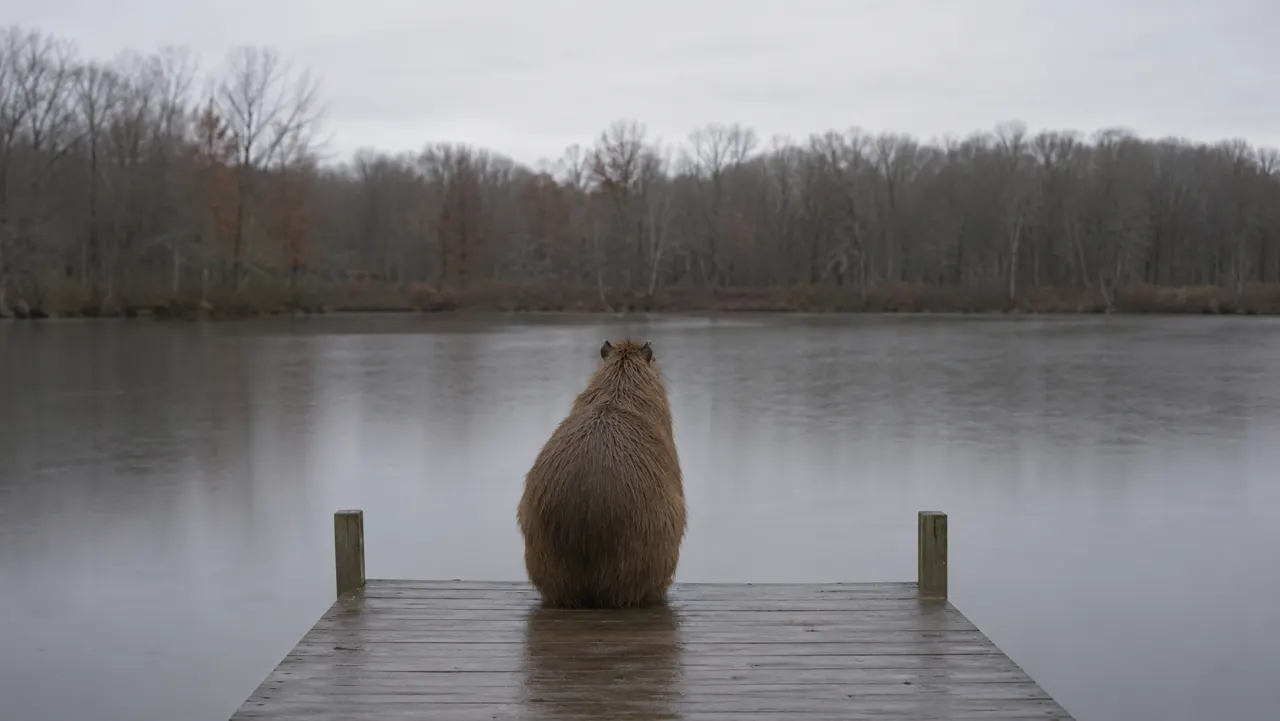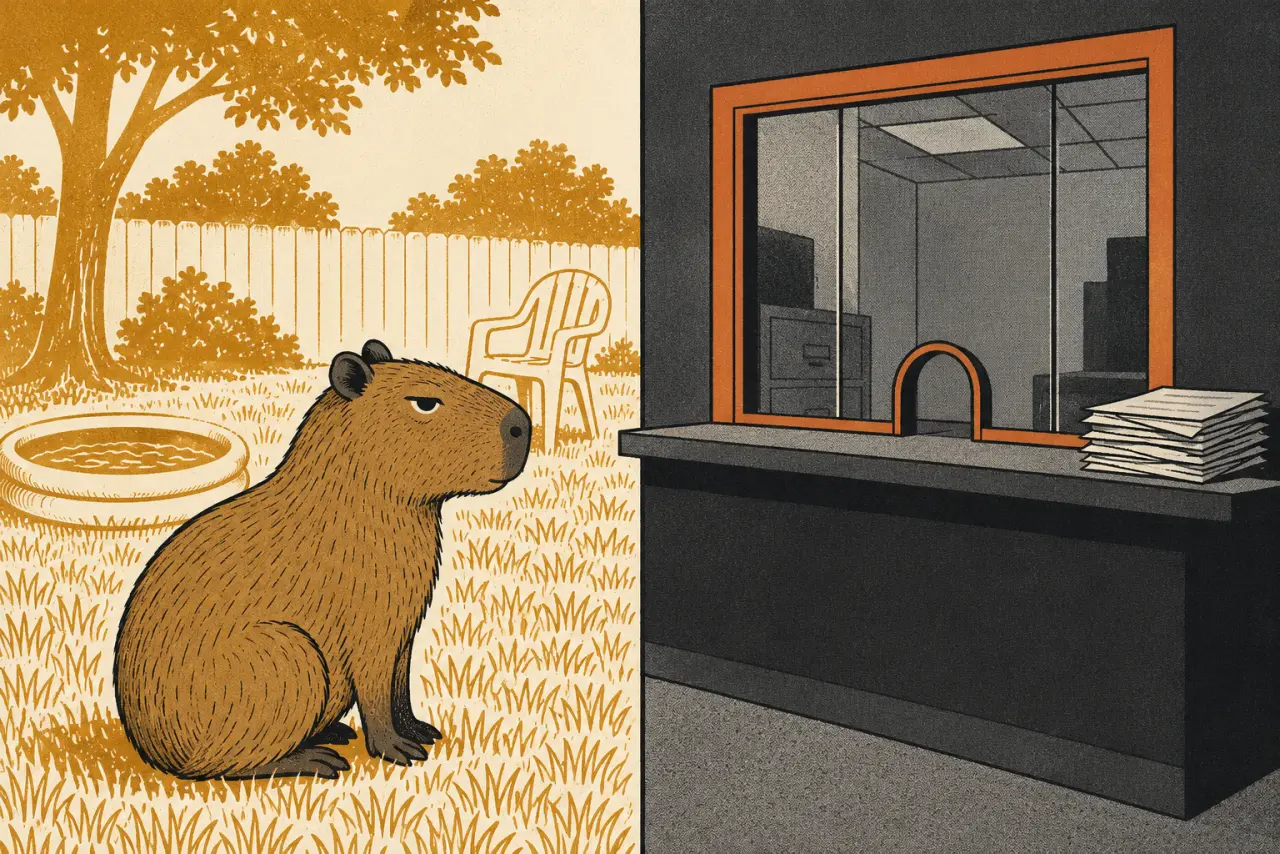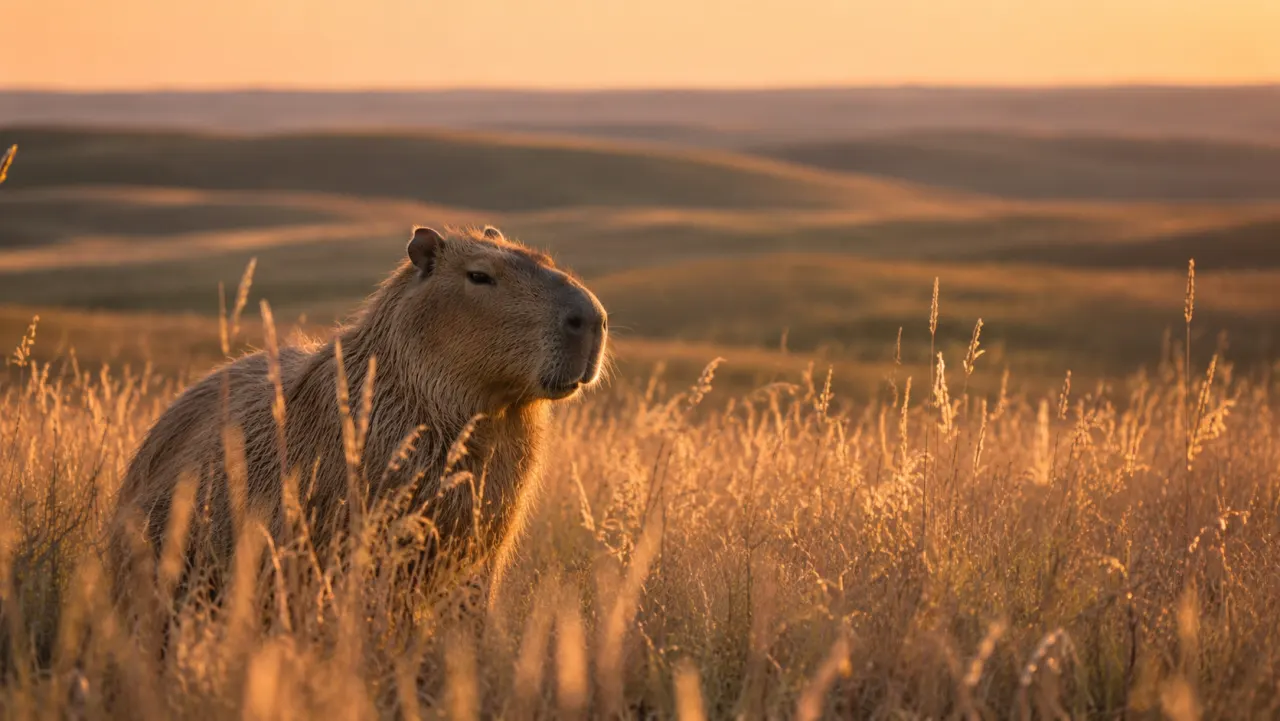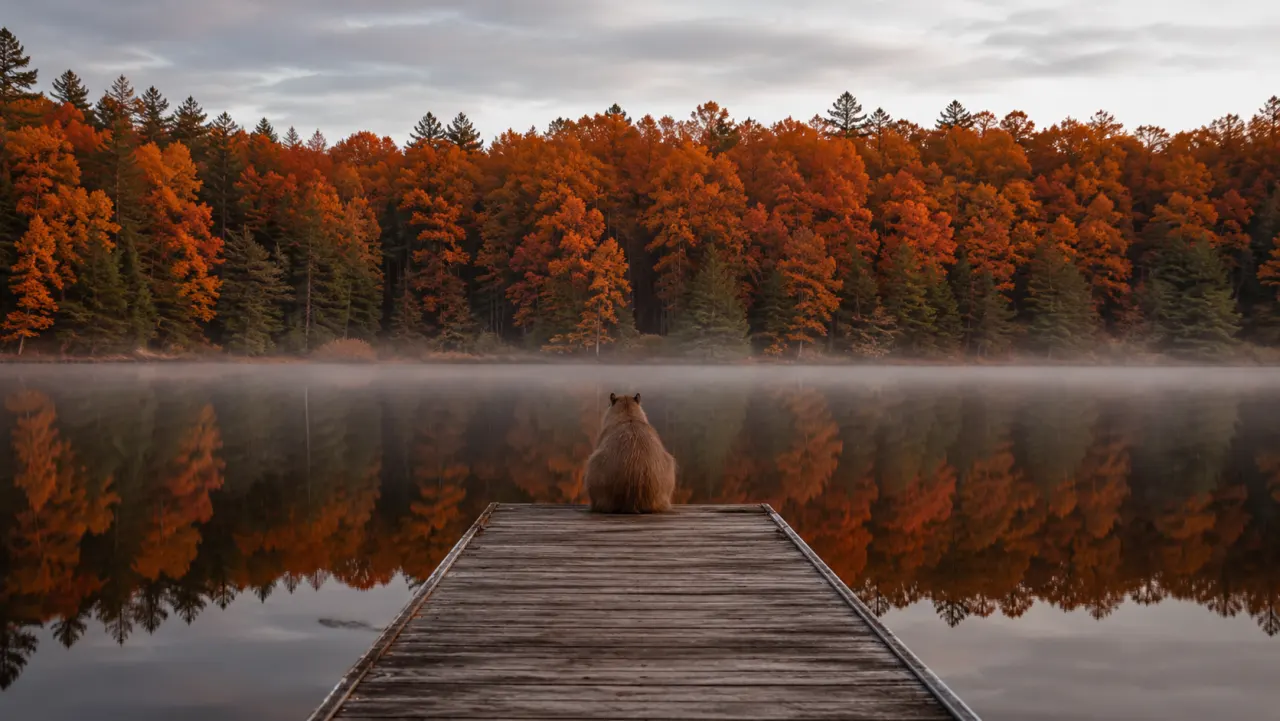
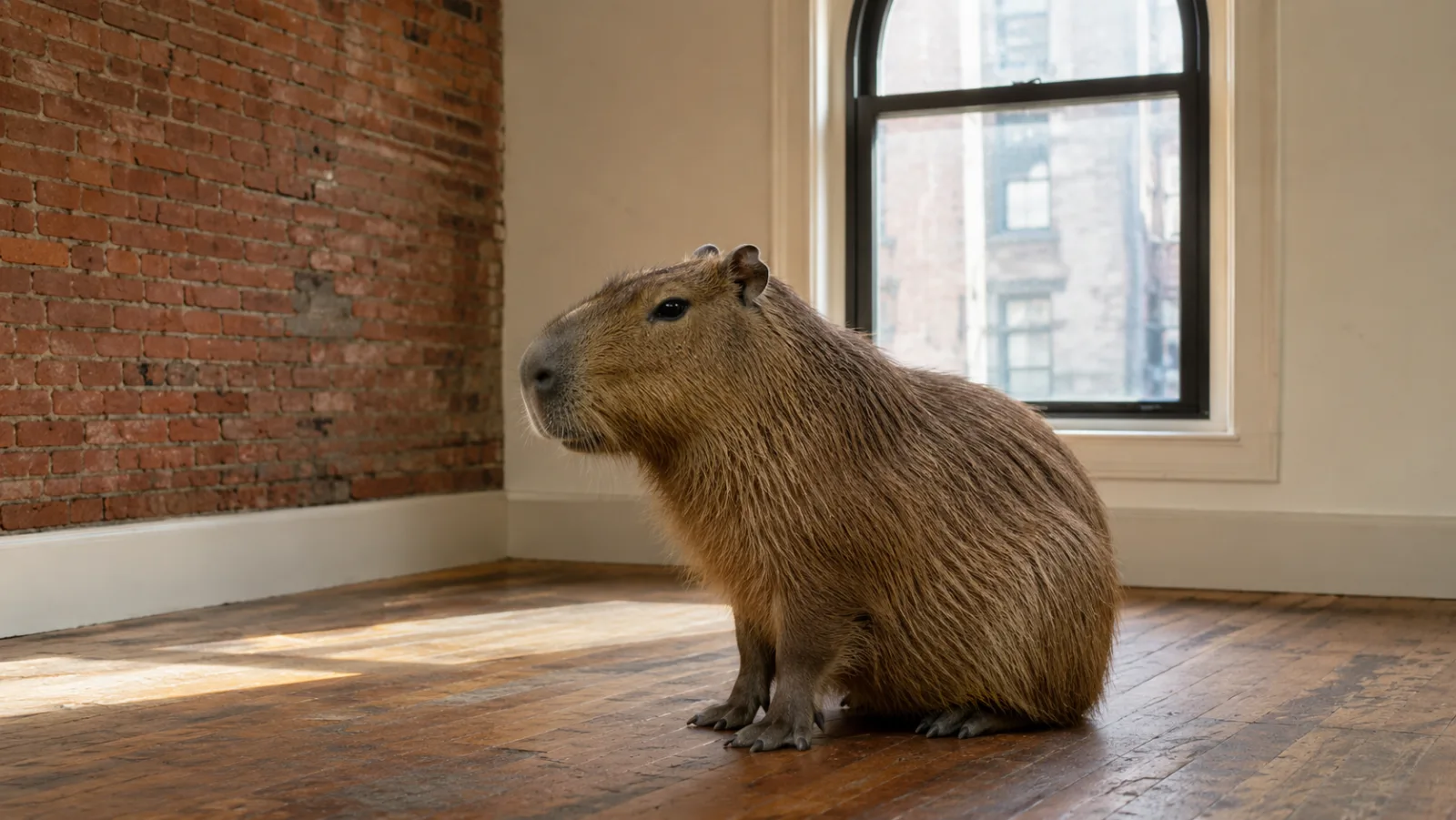
Capybara core is the internet deciding that a large South American rodent has solved modern life by sitting near water and refusing to look surprised.
In plain terms, capybara core is a soft-life aesthetic built around warmth, slowness, low drama, quiet group comfort, snacks, water, and the fantasy of being unbothered without being alone. It is not a care manual. It is a coping strategy with whiskers.
Capybara Core In Plain English
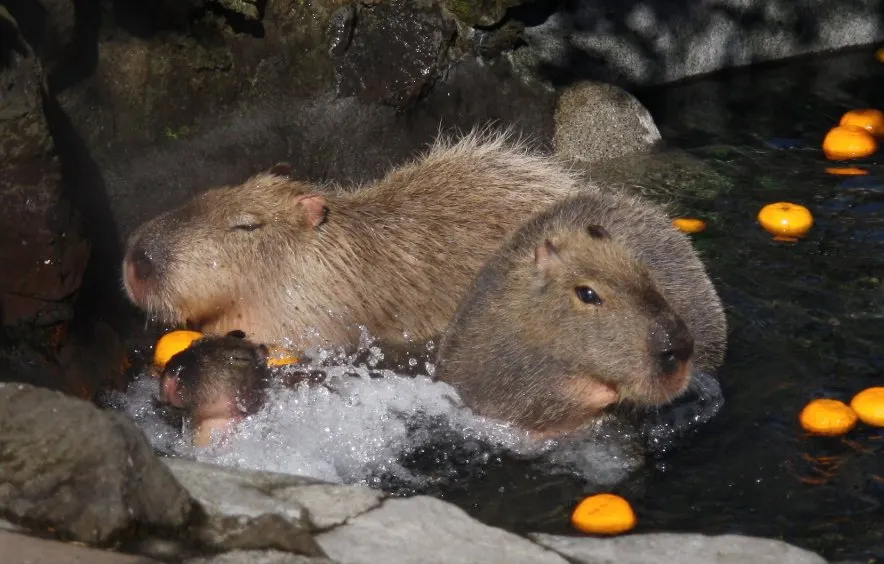
The phrase works because people already understand the image. A capybara in a hot spring. A capybara near oranges. A capybara sitting in a group as if it has muted six conversations and feels clean about it.
Polygon’s write-up of the capybara TikTok trend and Know Your Meme’s capybara pages both point to the same cultural engine: the animal is instantly readable. It looks calm. It looks social. It looks like it arrived late and nobody minded.
Capybara core is not “become a capybara.” It is “borrow the mood for an afternoon and maybe stop answering messages at dinner.”
The Look Is Warm, Slow, And Unfussy
The aesthetic is easy to picture: brown, moss green, soft cream, pool blue, citrus orange, roomy sweaters, low furniture, warm light, small snacks, and a playlist that sounds like it has never opened a finance app.
| Capybara core piece | What it signals |
|---|---|
| Water | Reset, quiet, retreat |
| Brown and green palette | Earthy, low-flash comfort |
| Oranges or citrus | Hot spring capybara shorthand |
| Group seating | Being social without performing |
| Loose clothing | No sharp edges, no ambition cosplay |
The Behavior People Are Borrowing
Real capybaras are social and semi-aquatic. San Diego Zoo describes their use of water for cooling and safety, and Animal Diversity Web notes their group living and vocal communication. Those facts give the internet something sturdier than vibes to borrow.
The borrowed behaviors are simple: stay near your group, find water, avoid pointless panic, eat the greens, leave when the room gets too loud. Honestly, not the worst operating system.
The Animal The Aesthetic Skips
Here is the part the mood board leaves out, and the part that makes capybaras more interesting than the meme.
Capybaras are the largest rodents on Earth. Adults land somewhere around 35 to 66 kg, which is roughly 77 to 145 lb, so the “small calm friend” framing is off by about the weight of a person. They are native to South America, they graze grasses and aquatic plants, and they are built for water rather than for sitting in it decoratively. The semi-webbed feet, the high-set eyes and nostrils, the cooling dips described by San Diego Zoo Wildlife Alliance and Animal Diversity Web all serve a working animal, not a spa guest.
A few quieter facts the aesthetic rarely mentions:
| Trait | What it actually means |
|---|---|
| Continuously growing teeth | They are hypsodont; constant grazing keeps the teeth in check, not lounging |
| No vitamin C synthesis | Like guinea pigs, they need it in the diet or they get sick |
| Coprophagy | They re-ingest soft morning feces to pull more nutrients from grass |
| Strict herd living | Solitary housing is a real welfare stressor, not a quirky preference |
Capybaras belong to the family Caviidae, which makes them relatives of guinea pigs and maras, not the aloof loner the feed imagines. The calm is partly social safety. A capybara alone is a stressed capybara, which is a slightly inconvenient fact for an aesthetic built on the fantasy of being peacefully detached.
What People Get Wrong
The trend invites a lot of confident guessing about how these animals actually live. A short correction table, because the formulaic myth list is its own kind of cringe.
| Myth | Better answer |
|---|---|
| They are basically chill loners | They are obligate herd animals; isolation is a welfare problem |
| They sit in hot springs because they love spas | Water is cooling, safety, and escape from predators first |
| Their diet is snacks and oranges | They are grazers; oranges are a hot-spring photo prop, not a food group |
| They never react to anything | They have alarm calls, hierarchy, and clear predator responses |
| They live a long, lazy little life | Around 8 to 10 plus years in captivity, shorter and tense in the wild |
My honest take: capybara core is healthier than most aesthetics the internet ships, because the underlying instruction is mostly “rest, stay near people you like, stop reacting to noise.” That is decent advice. It only goes wrong when people stop there and treat the animal as proof that doing nothing is a personality.
Where The Meme Gets Too Soft
The weak version of capybara core treats the animal as a plush excuse to ignore reality. “No thoughts, just capybara” is funny once. As a life plan, it starts leaking.
Capybaras are calm-looking, not empty. They have hierarchy, warning calls, teeth, heat management, reproductive behavior, and predator pressure. The animal is not a beanbag chair with a face.
That edge matters. The best version of the trend is gentle without being mushy.
How To Do The Bit Without Making It Cringe
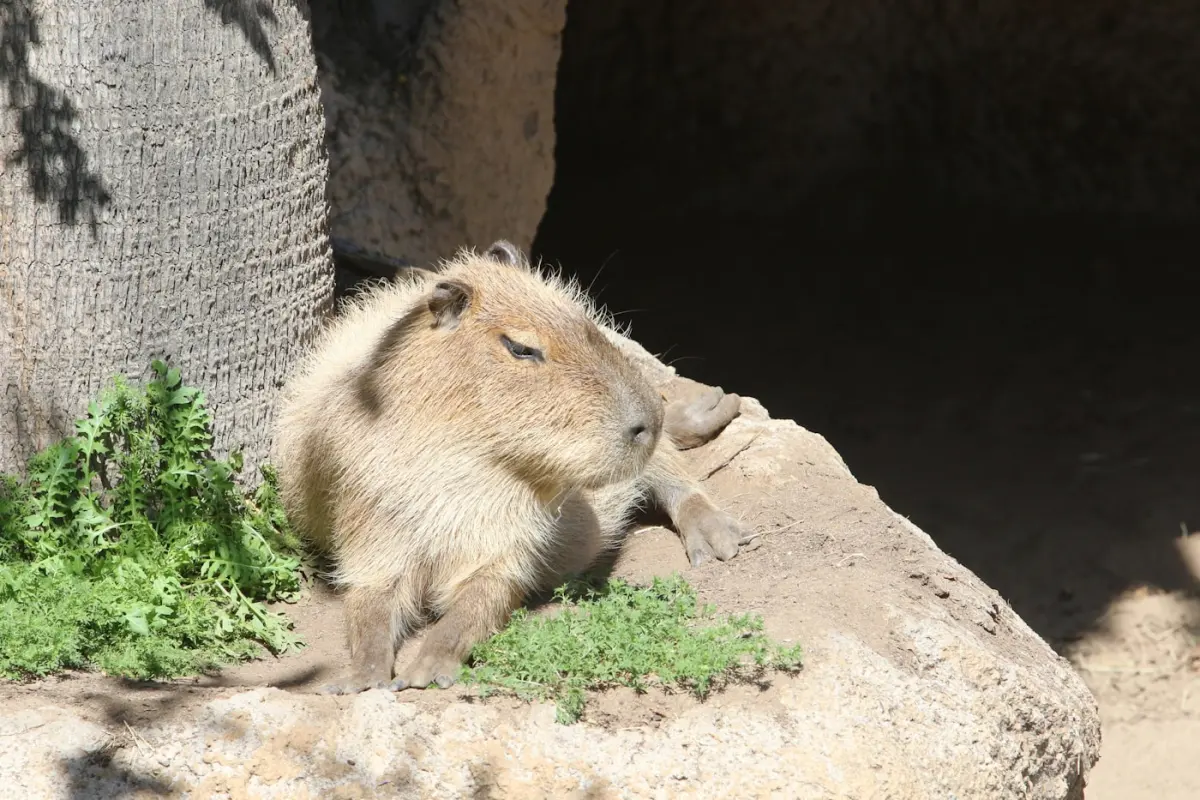
Use capybara core as a small reset, not an identity prison. Make your room warmer. Take a bath. Sit with friends without performing. Decline one unnecessary drama. Send one excellent capybara clip with credit.
Then remember the animal behind it. Capybara core works because capybaras are real, not because they are blank screens for whatever the internet needs today.