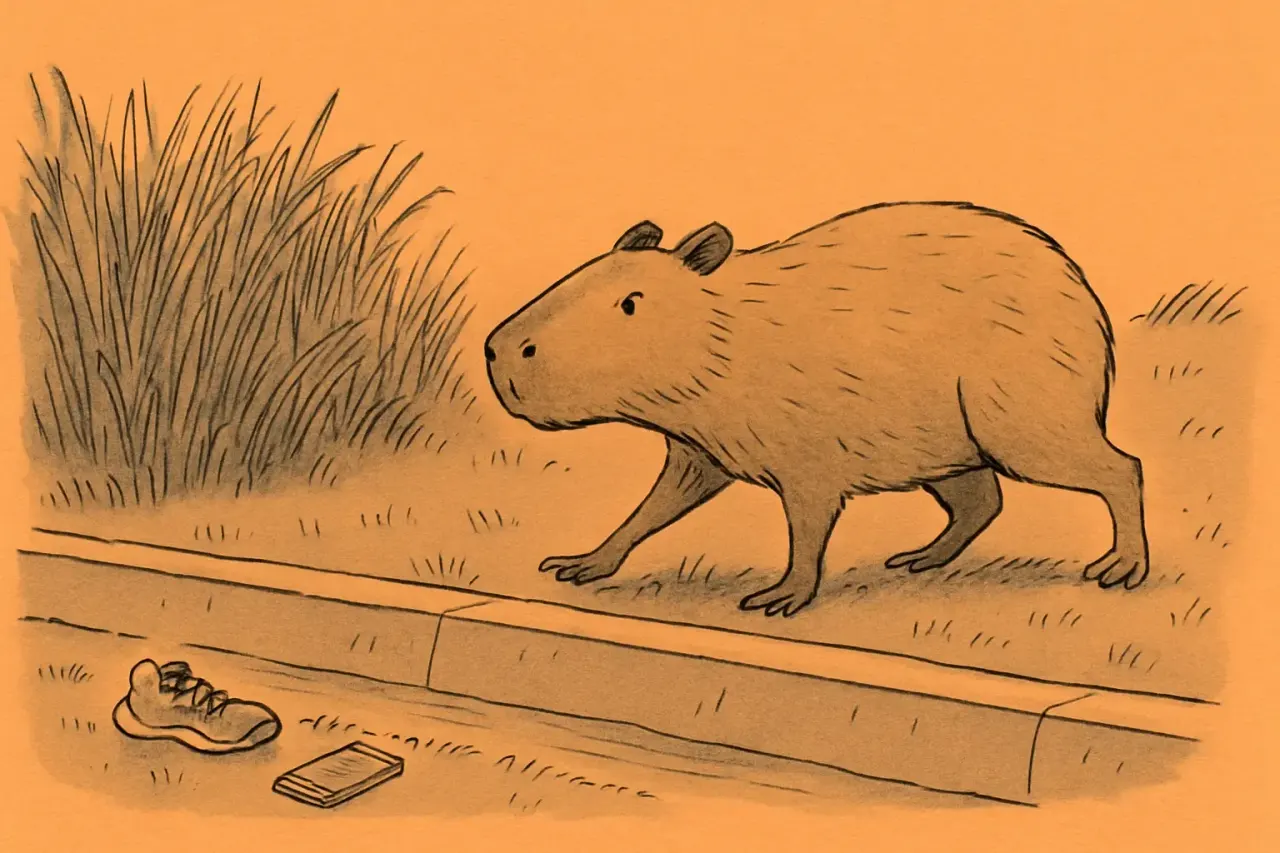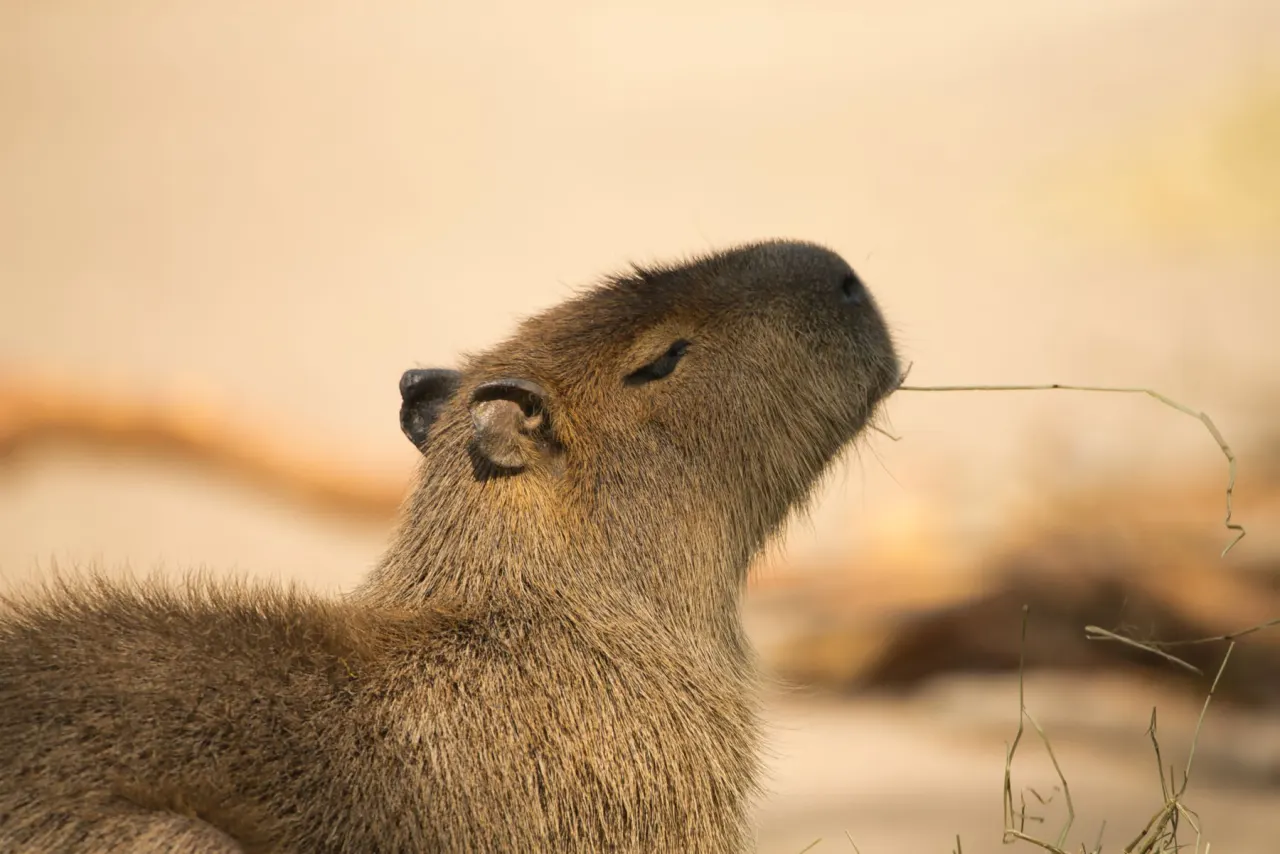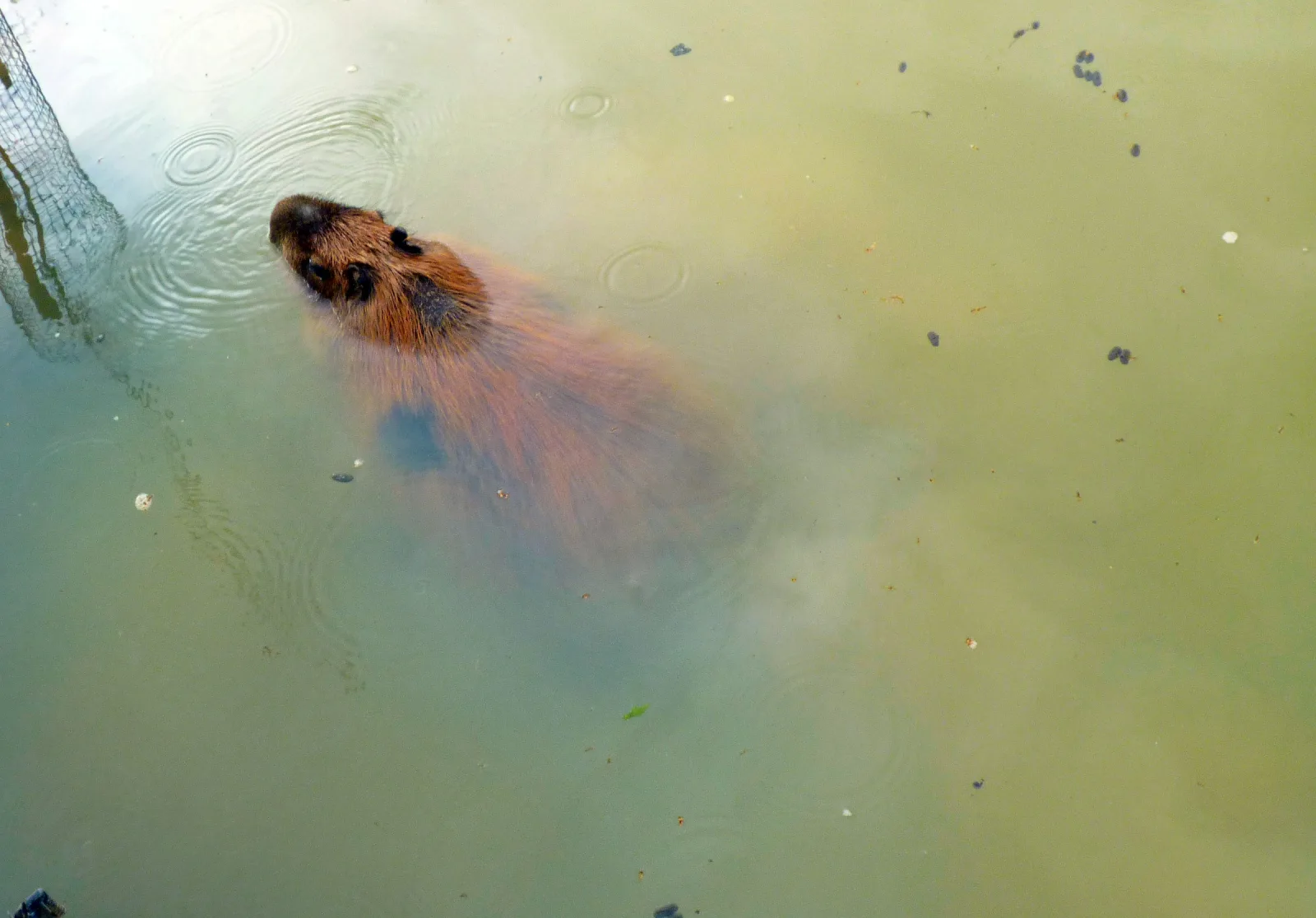

The capybara did not become interesting when English-speaking TikTok discovered that it looks like a therapist with wet feet. TikTok found a door that was already open.
It was already there: in South American wetlands, in regional names, in local food history, in urban planning fights, in zoo signs, in family stories, in memes made by people much closer to the animal than the average U.S. group chat. Hispanic Heritage Month is a useful U.S. calendar hook, but the capybara’s story is not seasonal. The animal was Latin American before it was online, and that order matters.
The Capybara Had A Map Before It Had A Meme
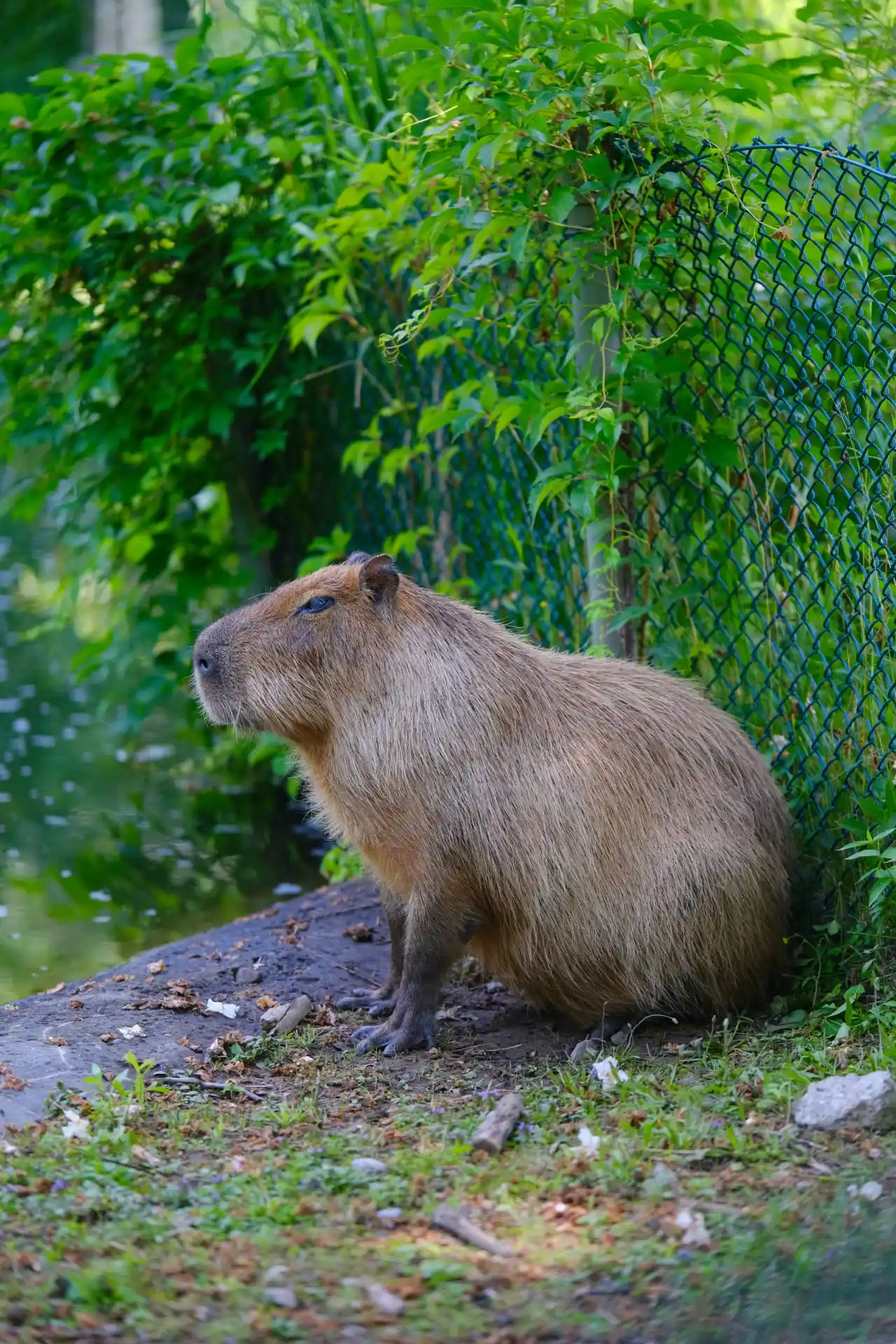
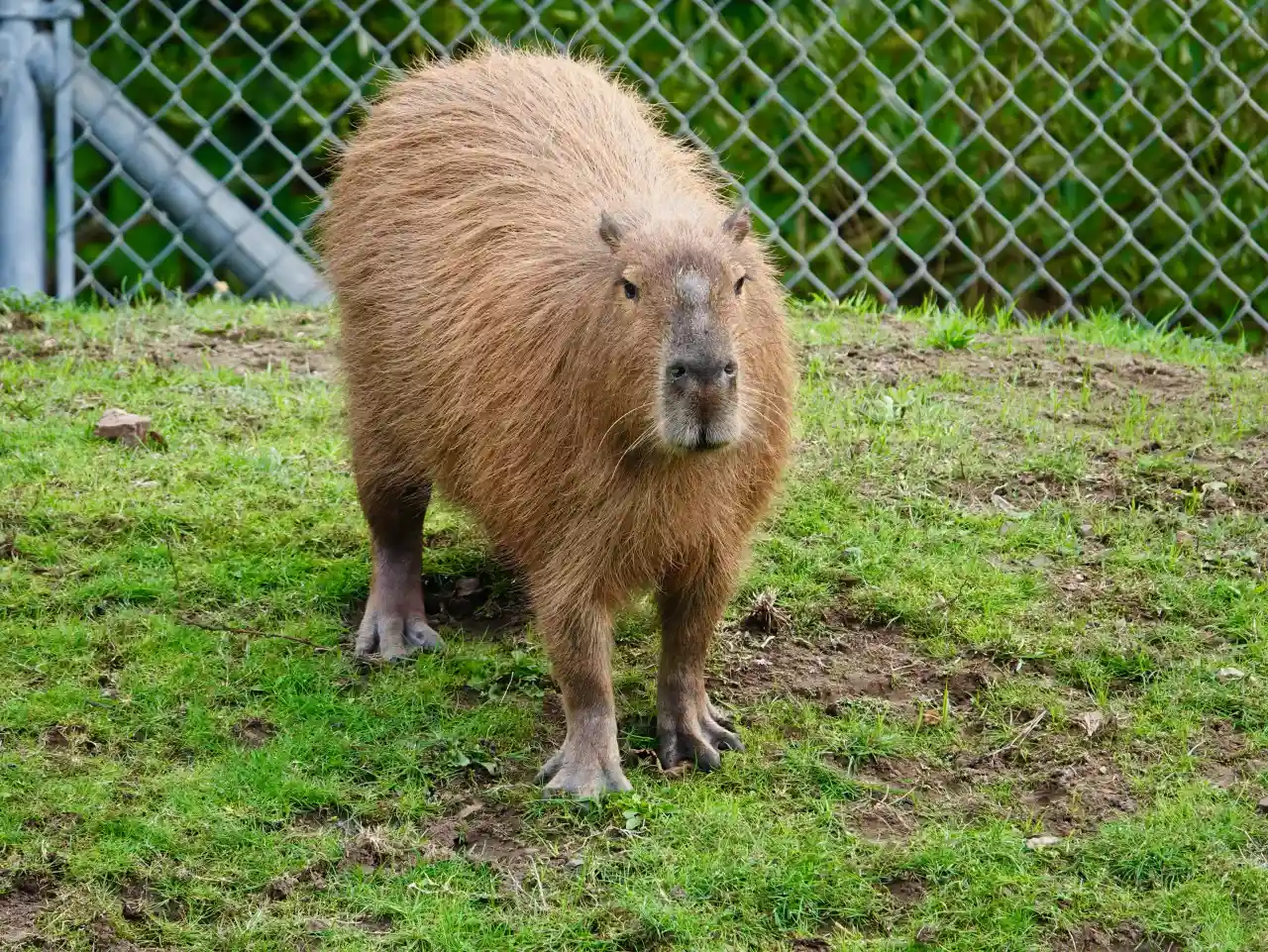
Capybaras are native to South America. Animal Diversity Web describes them across much of the continent in habitats tied to water: rivers, marshes, swamps, wetlands, flooded grasslands. San Diego Zoo and Britannica both put the same core facts in plain view: world’s largest rodent, semi-aquatic grazer, social, built for warm wet places.
That geography matters because English-language capybara culture often treats the animal like a floating global meme with no home address. The meme is fun. The erasure is lazy, and honestly not even as interesting as the real story.
| Internet capybara | Regional capybara |
|---|---|
| Calm animal reaction image | Native South American wetland mammal |
| ”Ok I pull up” mascot | Carpincho, chigüiro, capibara, and more local names |
| Plush and sticker subject | Neighbor in urban-edge conflicts |
| Generic chill symbol | Animal with food, habitat, and conservation context |
The respectful version does not ruin the joke. It gives the joke a map.
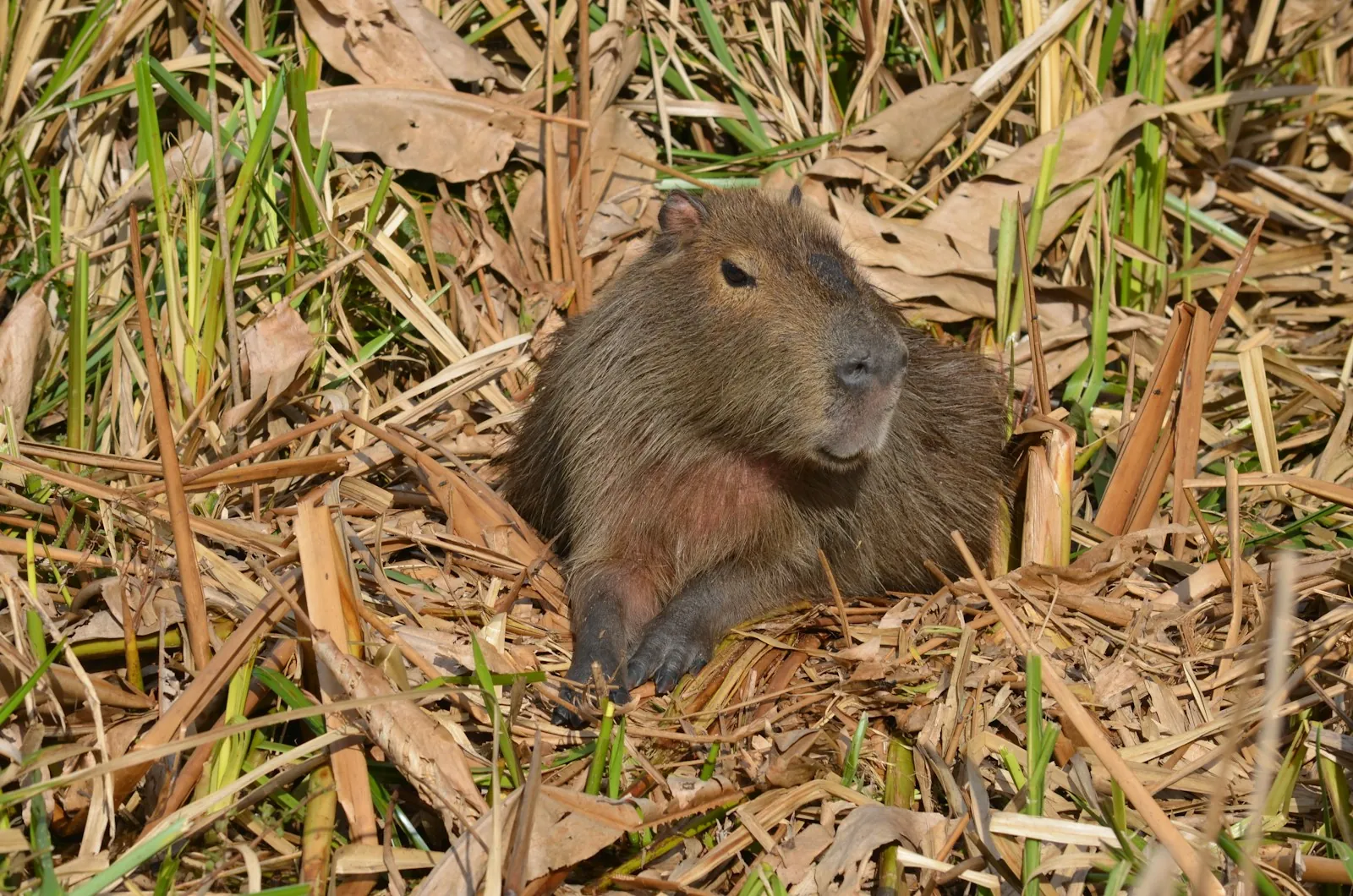
Carpincho, Chiguiro, Capivara: The Name Problem
Names tell you whose version of the animal you are hearing. In Argentina, the common word is carpincho. In parts of Colombia and Venezuela, chigüiro is common. Portuguese-speaking Brazil uses capivara. English mostly says capybara, borrowed through colonial language routes and standardized by natural history writing.
Our carpincho explainer gets deeper into the Argentina usage, but the short version is simple: do not treat “capybara” as the only real name. It is the English-facing name. The animal has many local lives.
This one threw me at first when I started tracking search terms. English-language readers typed capybara. Argentine sources, memes, and comments often used carpincho. Same animal, different cultural door.
The door matters.
Why Argentina Made The Carpincho Political
The modern internet carpincho story got a major push from Nordelta, a wealthy planned community near Buenos Aires built in wetland territory. When carpinchos appeared in lawns and streets, the story quickly became more than “large rodents roam suburb.” It became a symbol of development, habitat pressure, class politics, and nature doing the rudest possible fact-check.
The Nordelta capybaras story is not just funny because carpinchos look good near expensive landscaping. It is memorable because the animal exposes the bargain underneath. Build into wetland habitat and eventually the wetland sends a representative.
| Nordelta reading | Why people latched on |
|---|---|
| Cute animals in a rich suburb | Easy visual joke |
| Wetland habitat under pressure | Real ecological context |
| Carpinchos crossing lawns | Nature interrupting private order |
| Meme politics | A symbol simple enough to travel |
That is why the carpincho became so shareable. It was adorable, but it also had an argument in its body. That is a rare combination. Most memes are just a shrug wearing a caption.
How To Appreciate Without Flattening The Story
The safe move during Hispanic Heritage Month is not to slap a capybara on a generic fiesta background and call it appreciation. Please, no. The animal is not a seasonal sticker pack.
Better: point to the map, the names, and the places. Say South America when you mean South America. Say Argentina when you mean Argentina. Say carpincho when you are talking about Argentine usage. If you use a Mexico, Peru, Colombia, Venezuela, Brazil, or Argentina example, name it specifically instead of turning the whole region into one decorative tablecloth.

This is also where wild capybaras in Argentina and capybaras in the Tigre Delta are better follow-ups than another generic list of “cute capybara facts.” Facts are good. Place makes them matter.
The Internet Version Still Counts
None of this means the global meme is fake. Culture travels. Animals become symbols in places they do not live. A U.S. teenager with a capybara sticker can still be part of the capybara’s modern story, just a later chapter.
The trick is to keep the later chapter from acting like it wrote the book.
That is the Grumpy Capy position, mildly annoyed but sincere: enjoy the meme, buy the sticker, send the calm capybara to the group chat, and know enough to say carpincho without making it a costume.
The Practical Takeaway
The capybara is a Latin American icon because it is a real South American animal with local names, local conflicts, local humor, and local history. The internet made it globally visible. It did not make it meaningful from scratch.
So for Hispanic Heritage Month, the better appreciation is specific. Talk about South America. Talk about carpinchos in Argentina, chigüiros where that name fits, capivaras in Brazil, and wetlands before merch. Talk about why an animal can be adorable and still carry a serious story under its wet little feet.