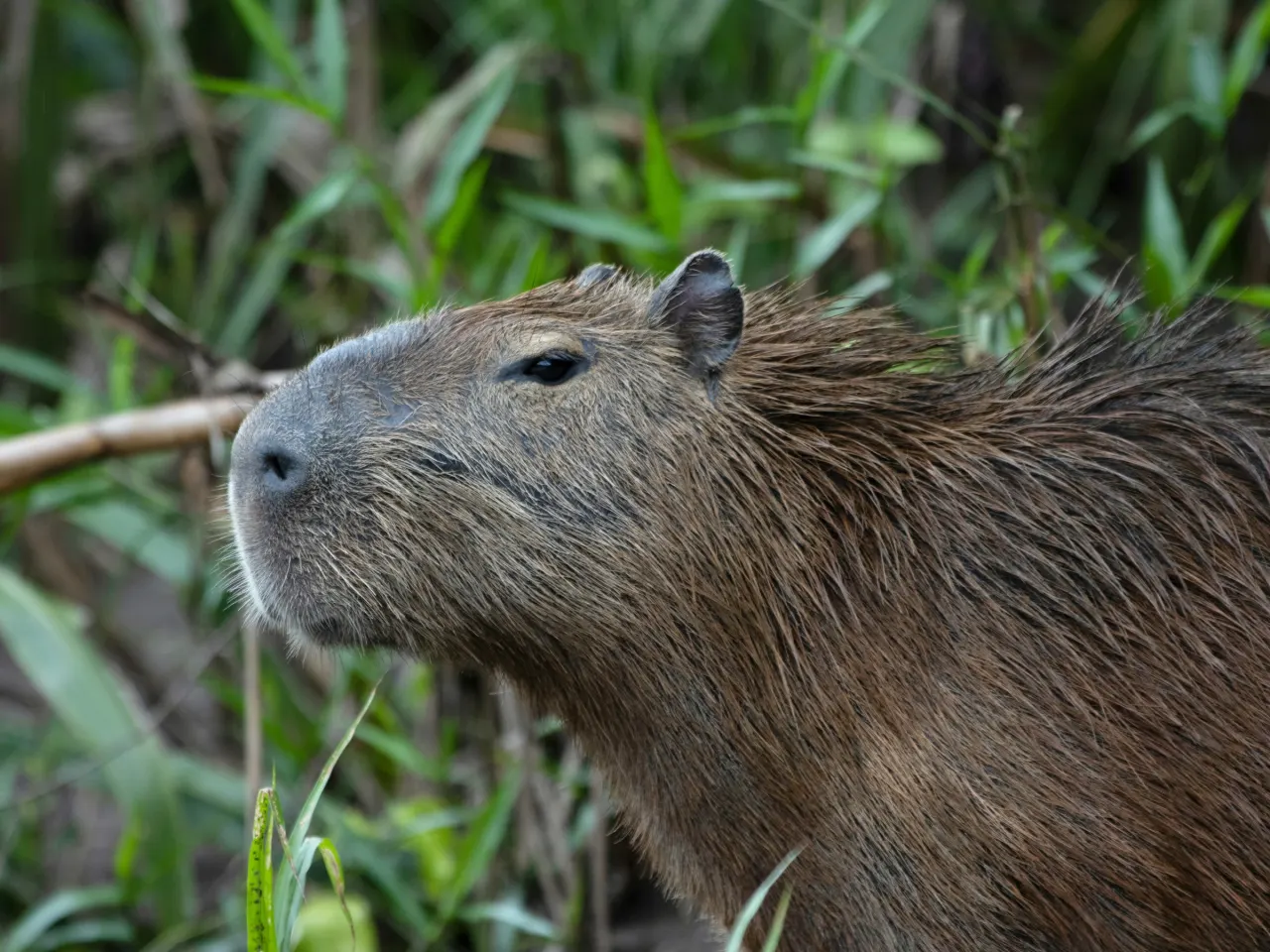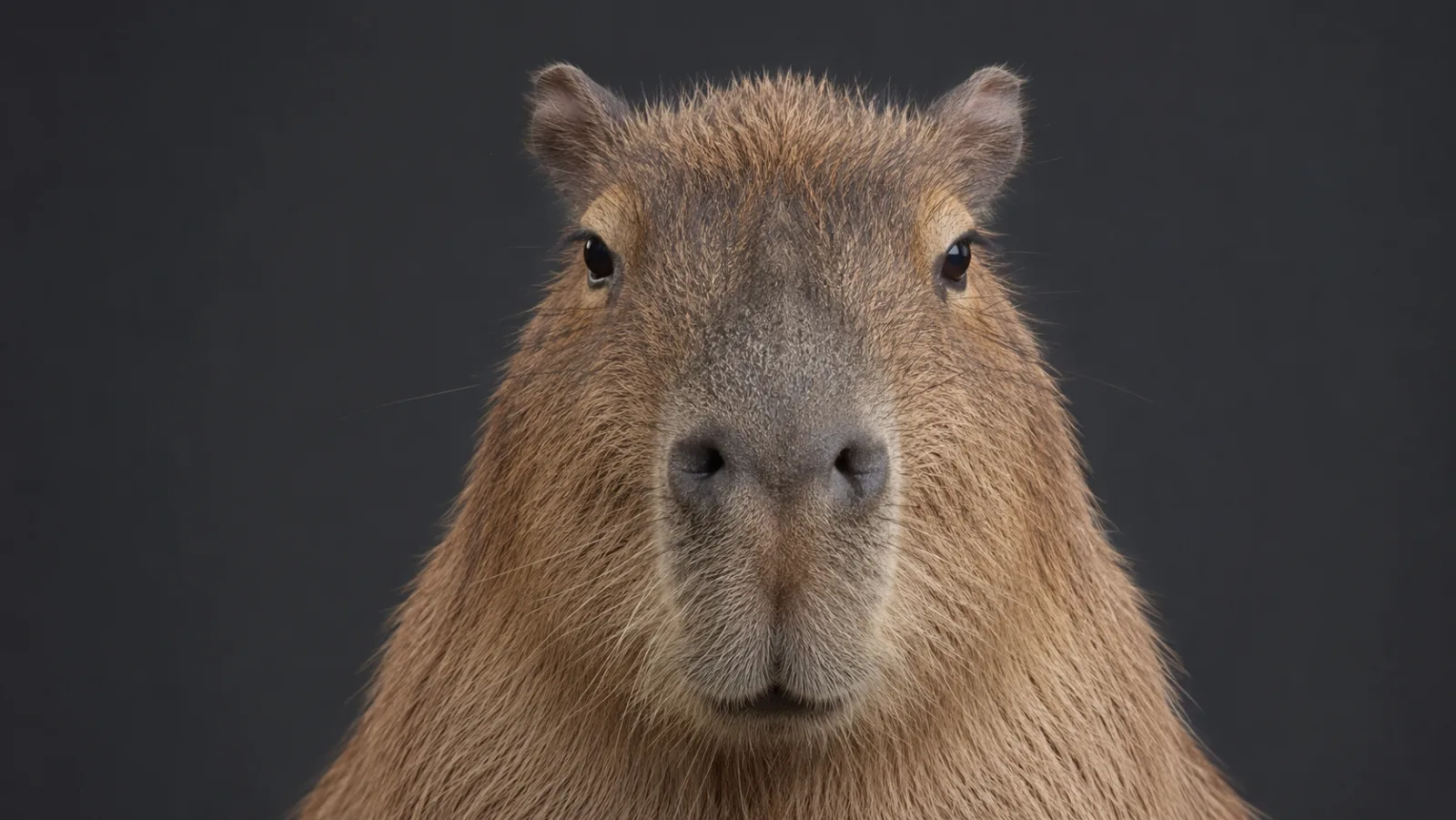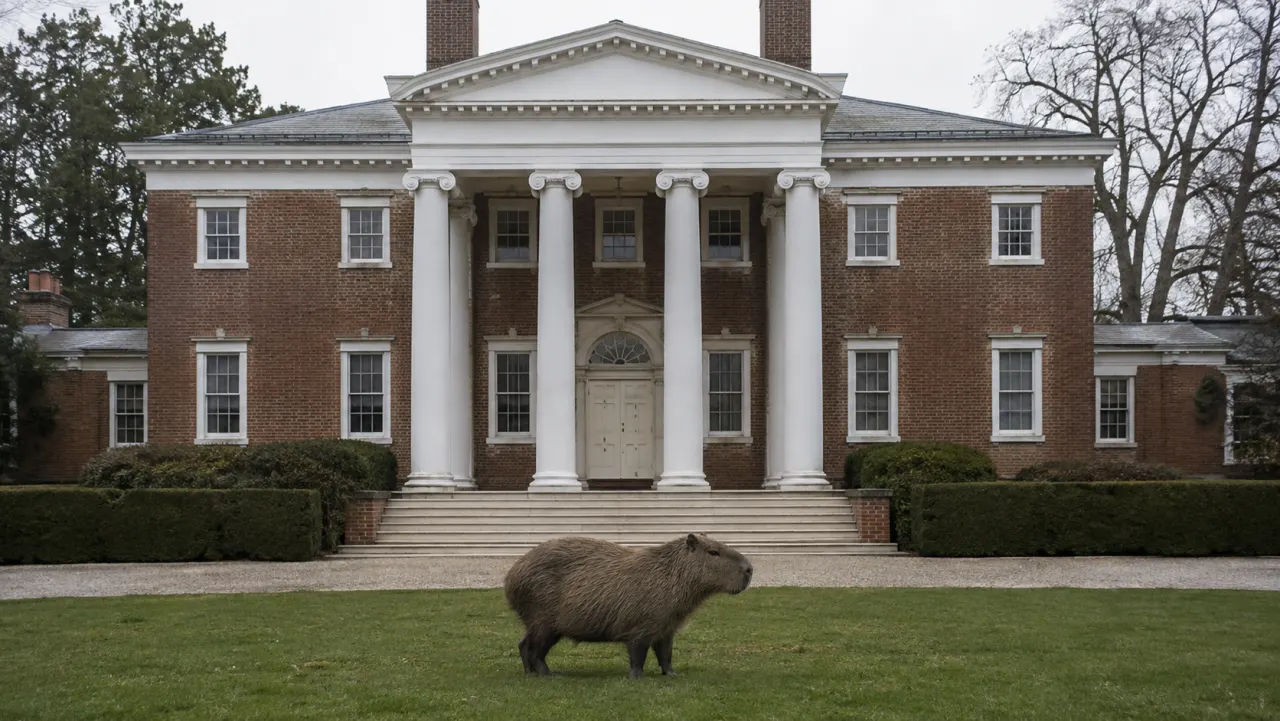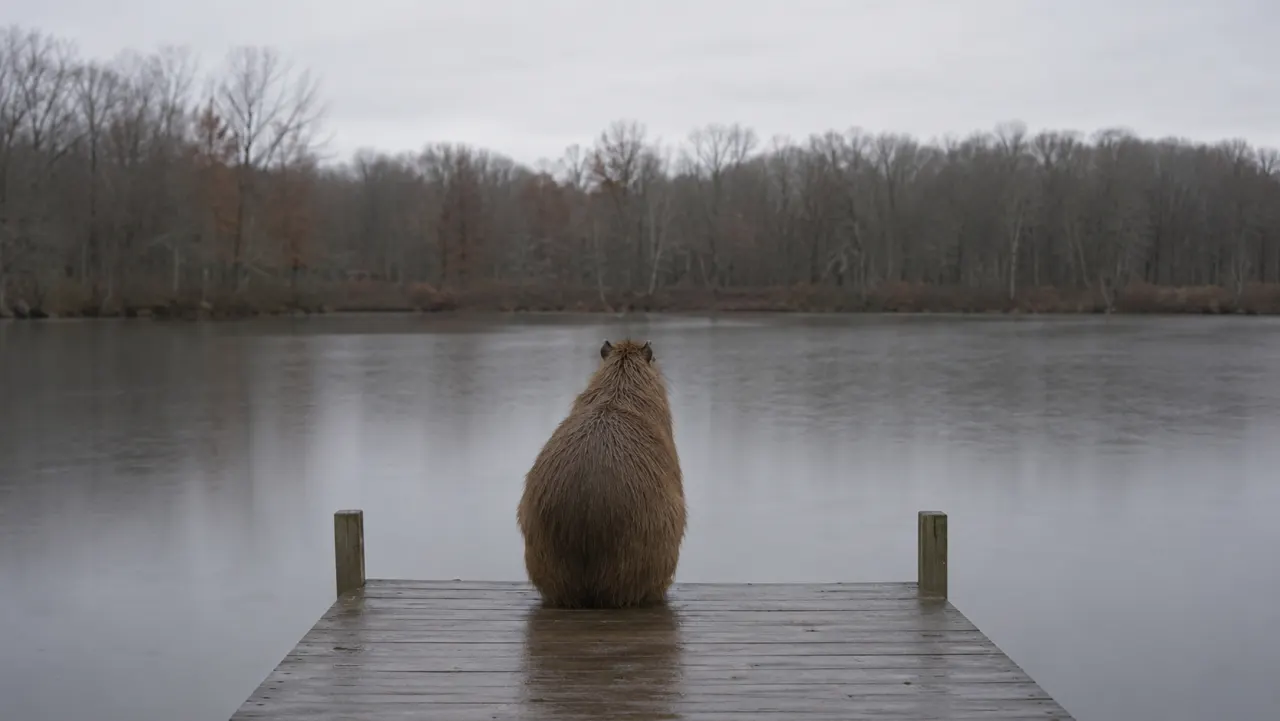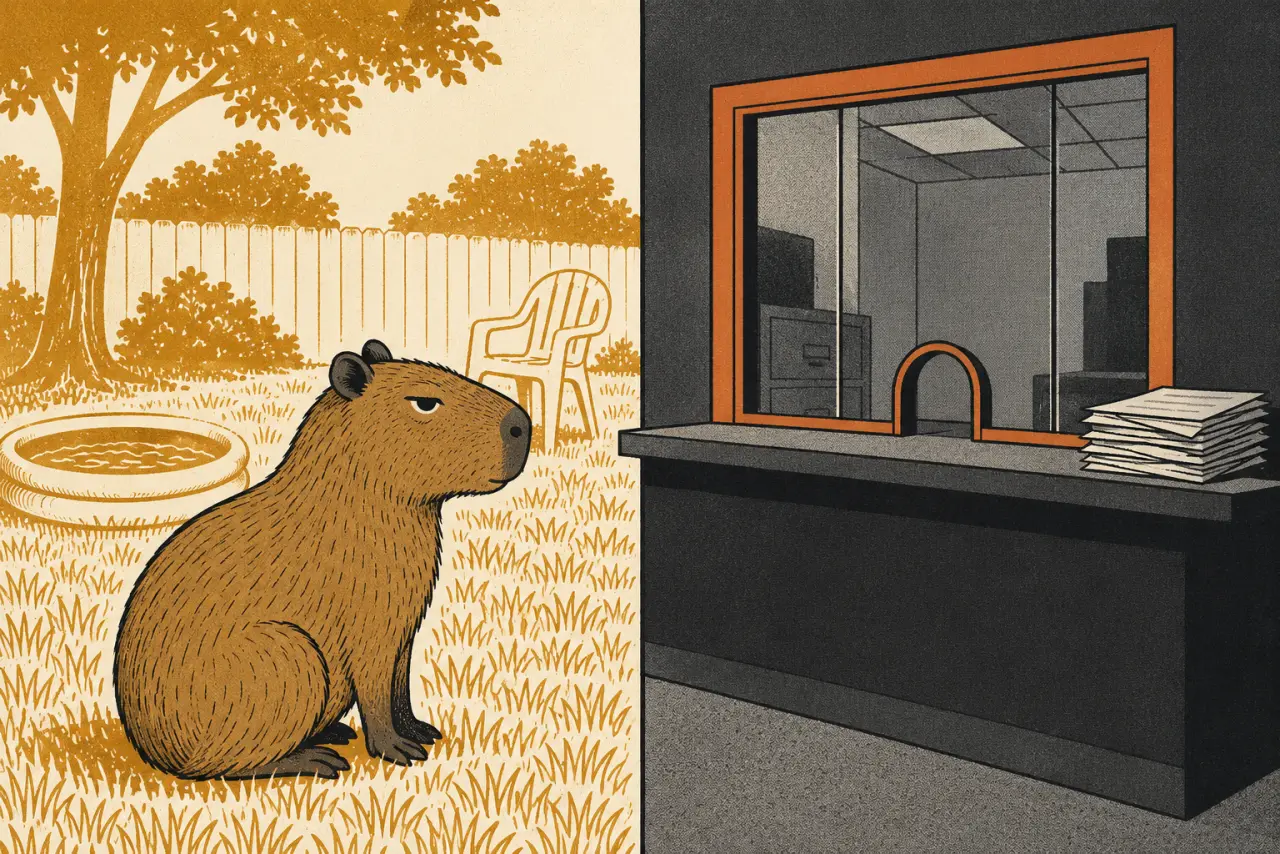
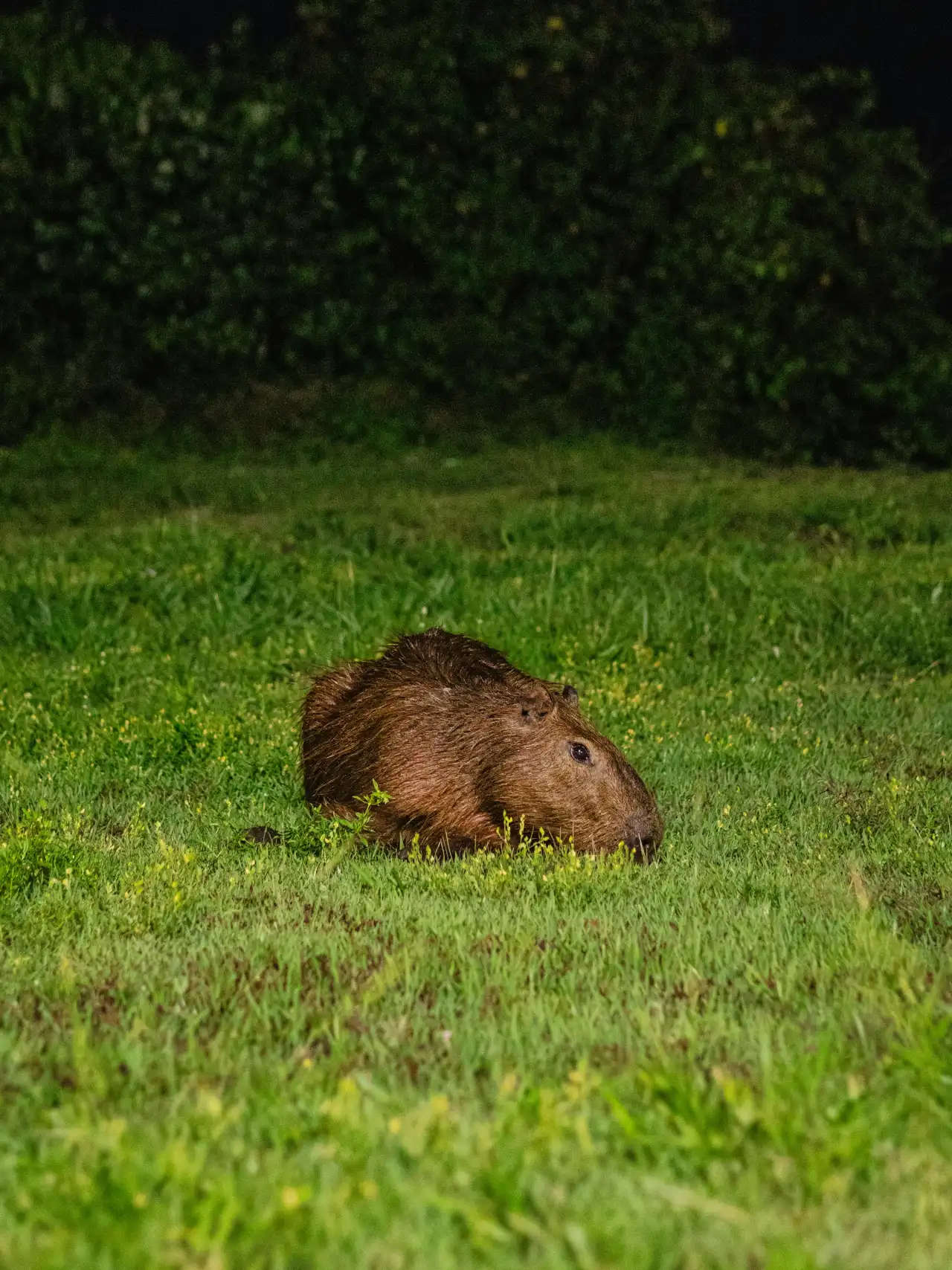
Twice a year America changes its clocks and immediately argues about it. On Sunday, November 1, 2026, the clocks fall back and the country gets one extra hour. The capybara did not request this and will not be participating.
The daylight saving capybara take is short: a capybara runs on light and temperature, not on Congress, so the extra hour means nothing to it. It’s crepuscular, timed by dawn and dusk, and would spend a free hour the way it spends every other hour. Doing very little, on purpose, near water.
A Capybara Does Not Know What Time It Is
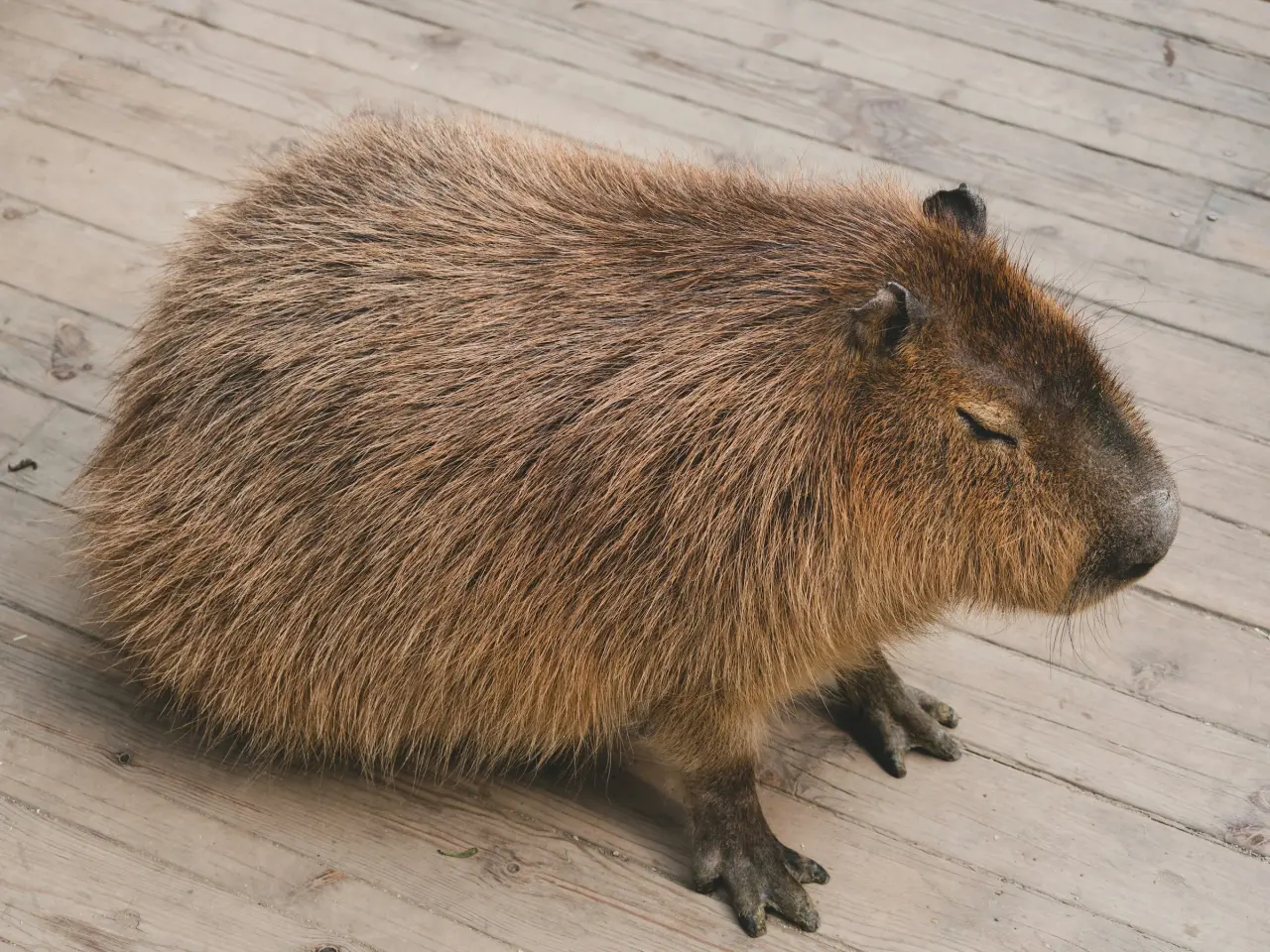
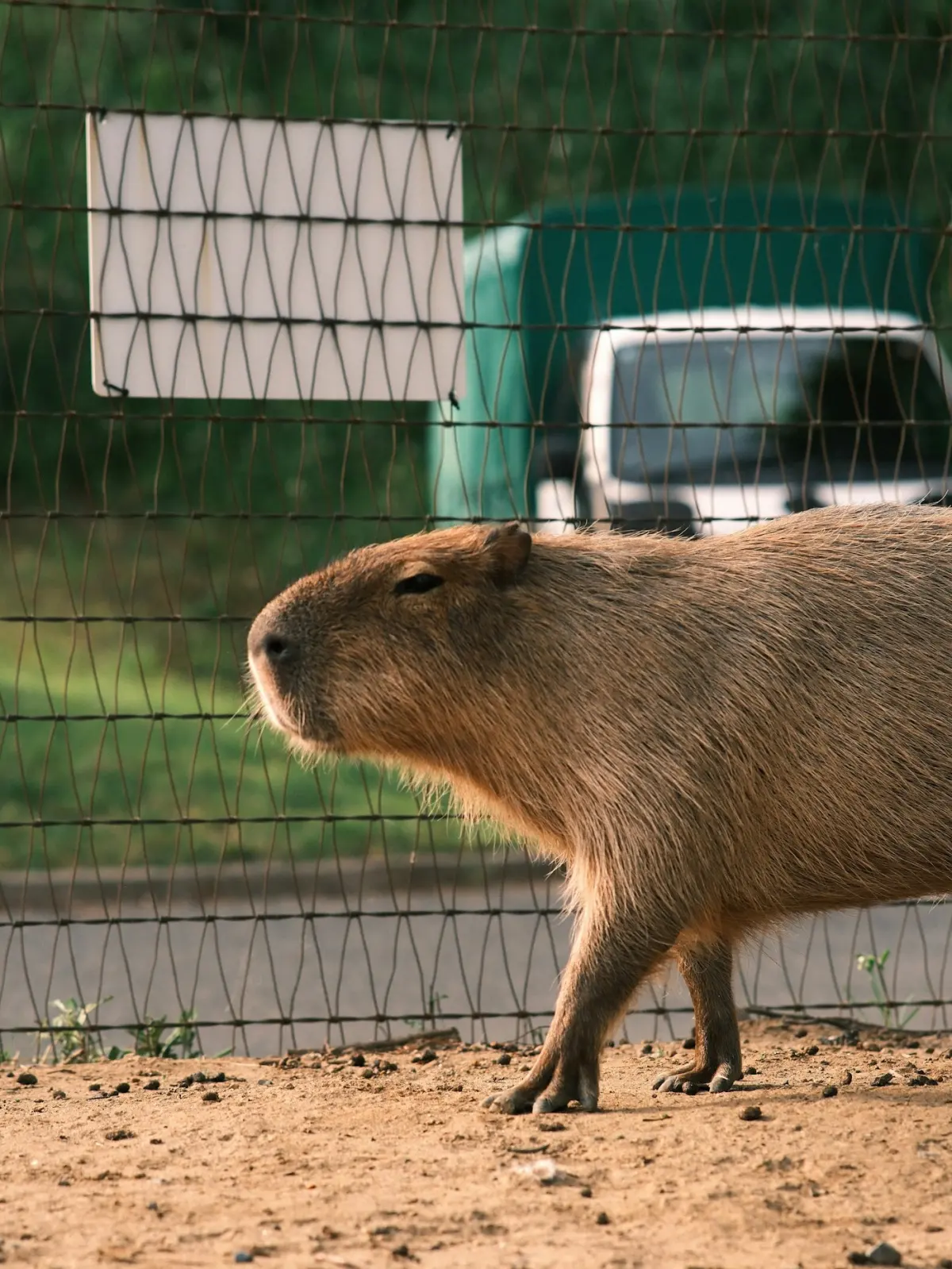
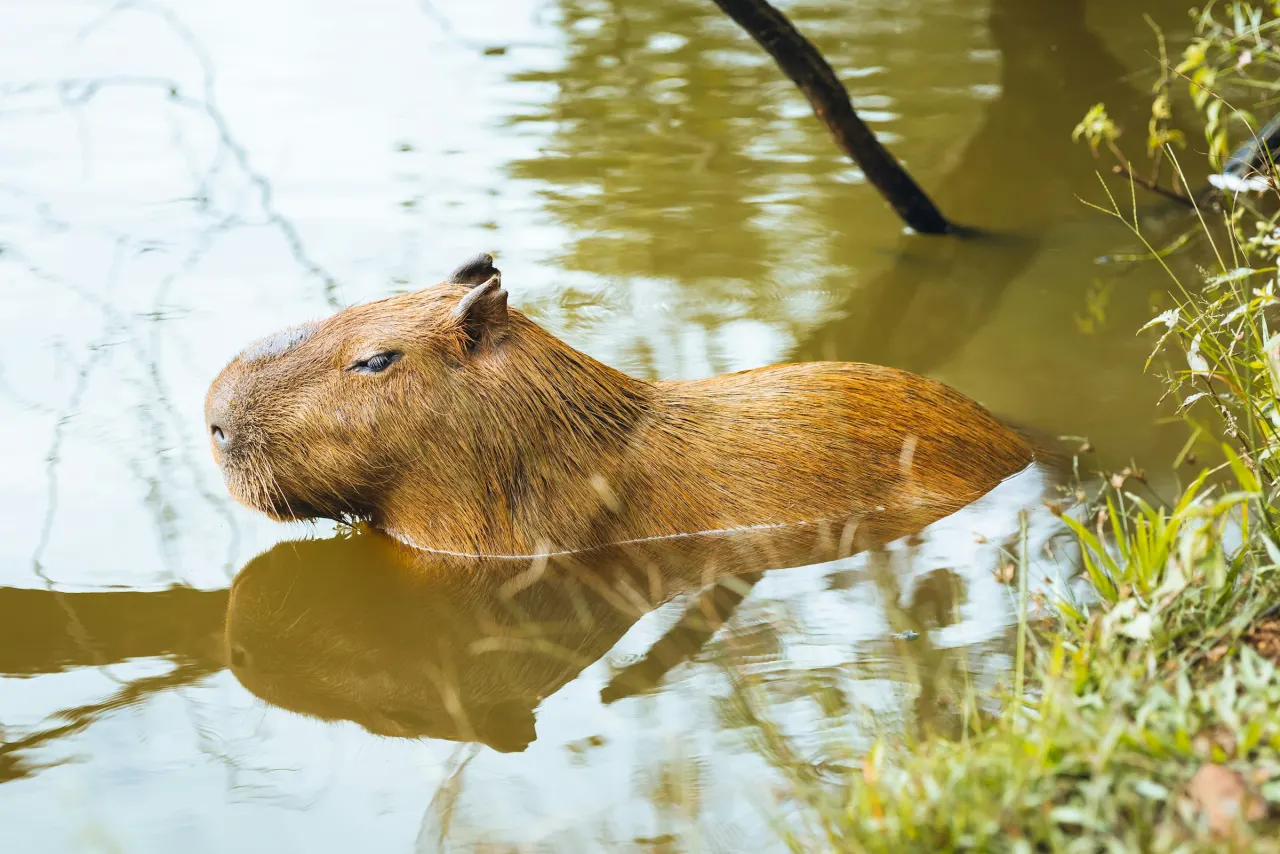
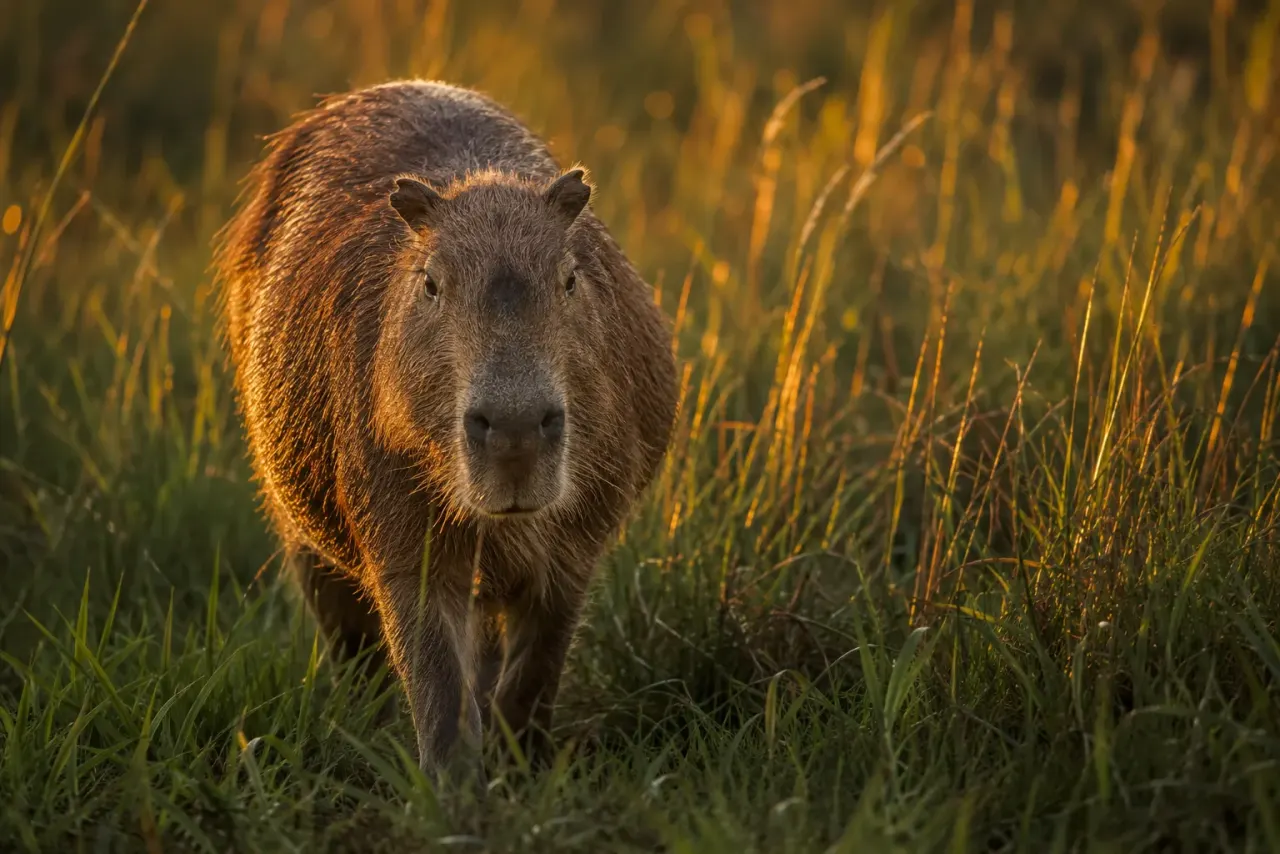
Capybaras don’t keep clocks. Animal Diversity Web describes them as primarily crepuscular, busiest at dawn and dusk and resting in or near water through the heat of the day. The schedule is set by the sun and the temperature, neither of which has ever read a daylight saving bill.
So when the clocks shift, the capybara’s day doesn’t. Sunrise still happens when it happens. An animal that times its life by light, and that San Diego Zoo says needs water access as a basic part of its lifestyle, has nothing to reset.
If anything, the season matters more than the hour. As the daylight shrinks toward winter, the warm-water instinct that sends Japanese zoo capybaras into hot-spring baths with floating citrus only gets stronger.
Why Zoo Animals Notice The Clock Change Anyway
Here’s the twist: the animals don’t change, but their humans do. A capybara can’t read the clock, but it absolutely notices when breakfast is suddenly an hour late.
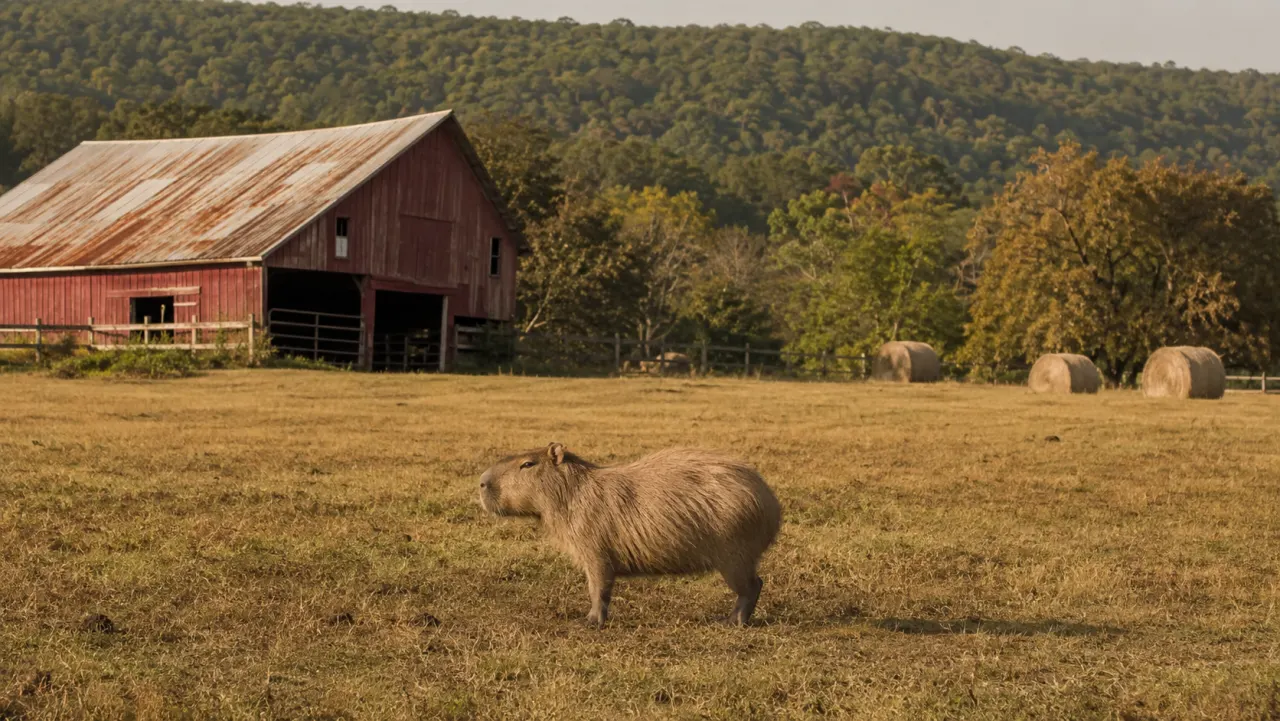
Captive animals run on routine, and feeding time is the anchor of the whole day. Discover Magazine has noted that when keepers and farmers shift their own schedules for daylight saving, the animals are the ones left confused, waiting and complaining because their internal sense of “now” hasn’t budged. National Geographic found the same effect in dogs. The cow bellows at the empty gate, the dog stares at the door, and the capybara mostly just looks mildly betrayed and wanders back to the water.
This is the quiet joke of the whole exercise. The clock change is a human story we tell ourselves about productivity and evening light, and the animals are forced to live inside it secondhand. A capybara never agreed to any of it. It just registers that the food is late, files a complaint with its face, and moves on. Routine is the only schedule it keeps, and routine is exactly the thing the time change disrupts for everything that depends on us.
What The Extra Hour Actually Does To Humans
For people, falling back is the easy direction. You gain an hour of sleep instead of losing one, so the dread that comes with March’s spring-forward is mostly absent here.
The American Academy of Sleep Medicine found in a survey that 41% of adults plan to use the change for extra sleep. The AASM also points out that one bonus hour won’t clear a real sleep debt, and the group argues the US should scrap the switching entirely in favor of permanent standard time, which lines up better with human circadian biology.
Honestly, the fall-back hour might be the most overrated sixty minutes in American life. People treat it like found money and then spend it the same way they spend a normal Sunday, slightly tired and checking a phone. The capybara, napping in short bursts whenever it likes regardless of the clock, quietly solved this problem a long time ago. If you want the full picture, here’s how long capybaras actually sleep.
How A Capybara Would Actually Spend A Free Hour
Hand a capybara a bonus hour and it would not optimize it. That’s the whole lesson.
A capybara has no morning routine, no side project, no list. Given sixty unexpected minutes, it would do more of what it was already doing, which is mostly nothing, near water, with company.
| Hour-spending option | Capybara verdict |
|---|---|
| Catch up on sleep | Already does this whenever it wants |
| Hit the gym | Absolutely not |
| Start a side hustle | Filed under no |
| Sit in warm water | The correct answer |
| Find a snack | Also the correct answer |
| Worry about the time | Not aware time exists |
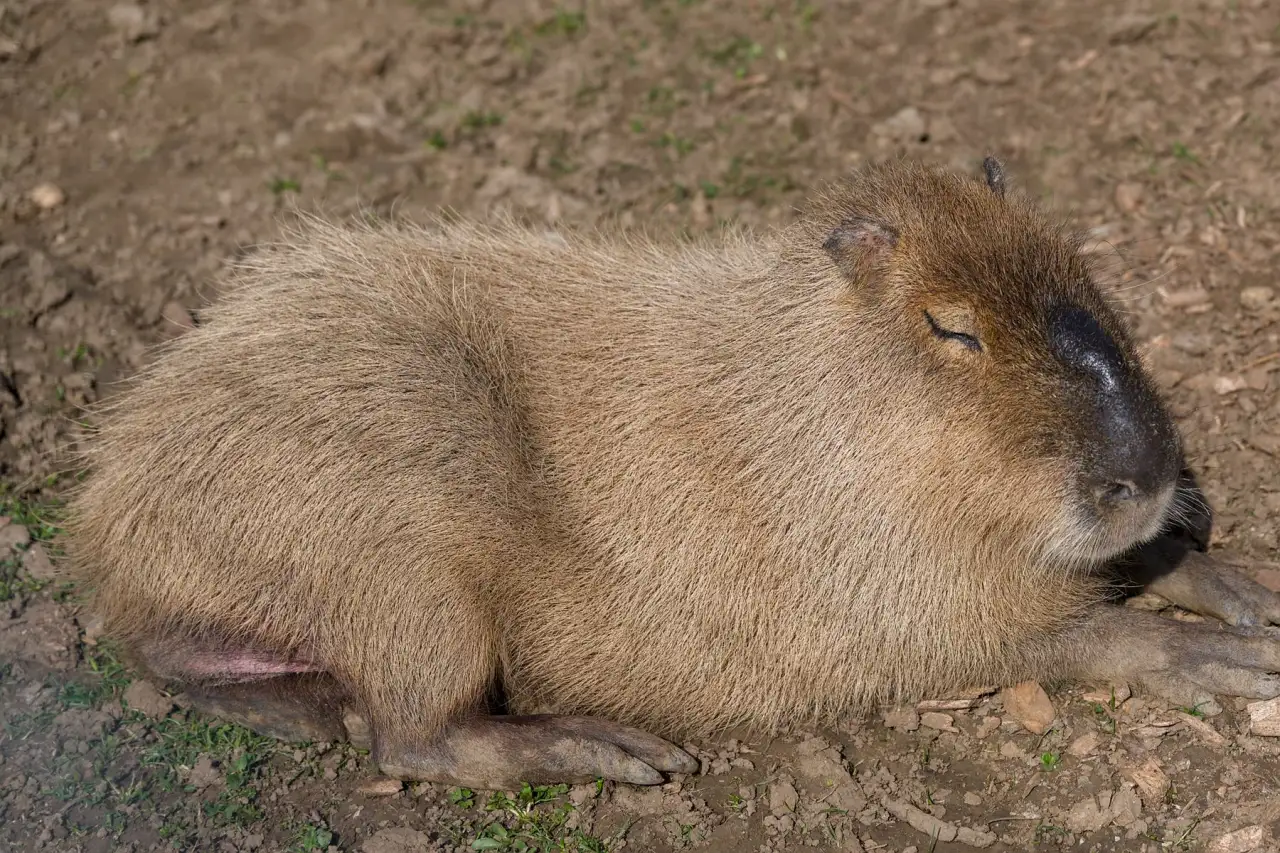
The unbothered face people love is partly this. A capybara has never once been late, because it never agreed to a schedule, which is most of why capybaras stay so calm while the rest of us recalibrate.
So on November 1, take the hour. Sleep in, or don’t. Somewhere a capybara is already living the version of the morning you’re hoping that extra hour will buy you, and it didn’t need Congress to sign off on it.